NASA Newsletter


In this week's newsletter, discover one of the oldest known Martian meteorites on Earth; learn how your name can journey to Saturn's largest moon,Titan; and hear how NASA engineers are paving the way for Artemis III and future crewed Moon landings. Plus, catch up on more stories you might have missed.


THE SOLAR SYSTEM

Rare Piece of Early Mars on Earth

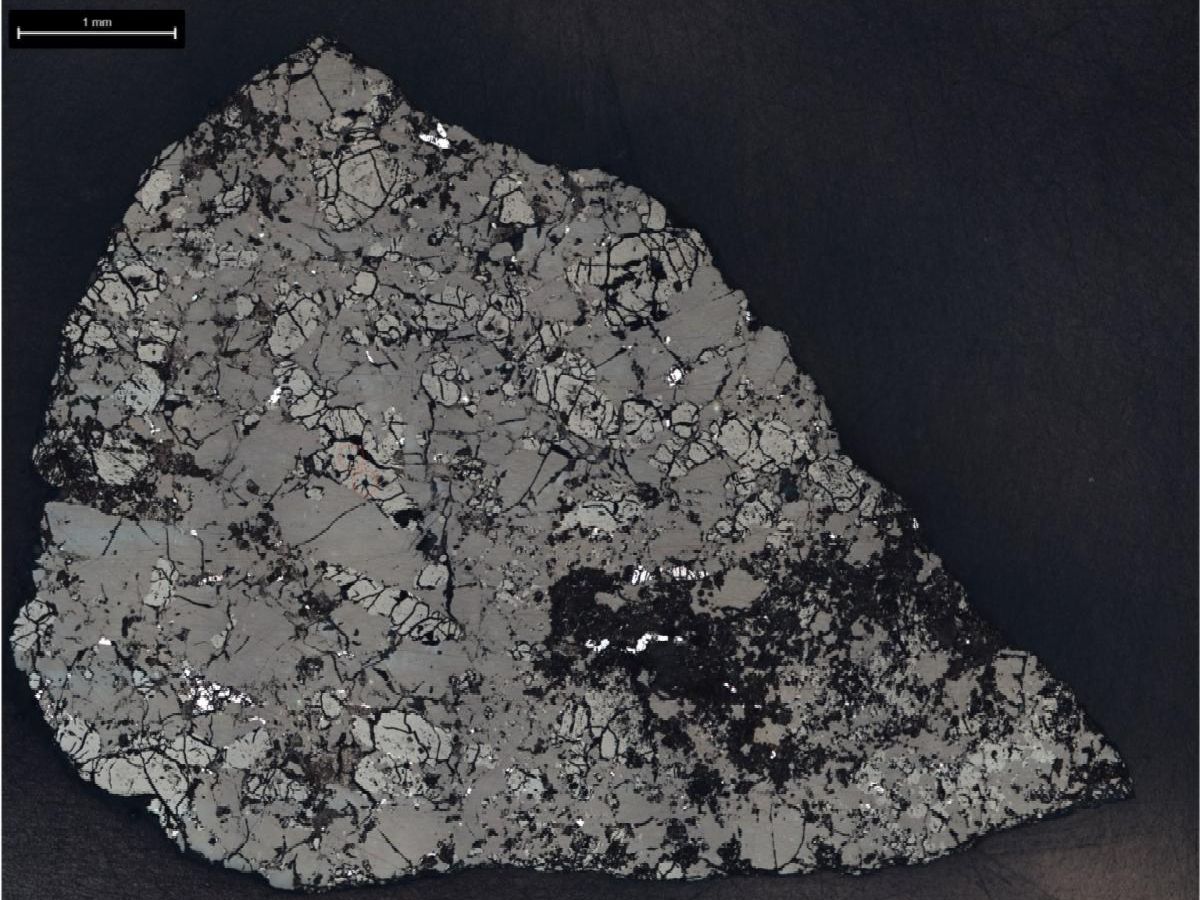
When a rose-colored meteorite was discovered in the Sahara in 2022, scientists didn't know how old it was or where it came from. That changed when NASA-funded researchers analyzed its minerals and determined the nearly 2-pound rock originated on Mars more than 4.1 billion years ago, making it one of the oldest Martian meteorites ever found. Named Teghaza 001 after the salt plain in Mali where it was discovered, the meteorite is one of roughly 435 Martian meteorites identified on Earth.


What sets Teghaza 001 apart is not only its age – it is one of the three most ancient known Martian meteorites on Earth – but also its distinctive texture and unusual mix of igneous, or volcanic, minerals.


Unlike the other ancient Martian meteorites, Teghaza 001 has a mix of igneous minerals that sheds light on how Mars' crust formed from cooling magma and was later altered by subsurface water. Its distinctive mineralogy closely matches terrain observed by NASA's Mars Reconnaissance Orbiter in the planet's heavily cratered southern highlands. While scientists may never pinpoint the meteorite's exact origin on Mars, the study identifies several candidate regions whose mineralogy and chemistry closely resemble those of Teghaza 001.


TEGHAZA 001


THE SOLAR SYSTEM

Cruising Deeper Into Space


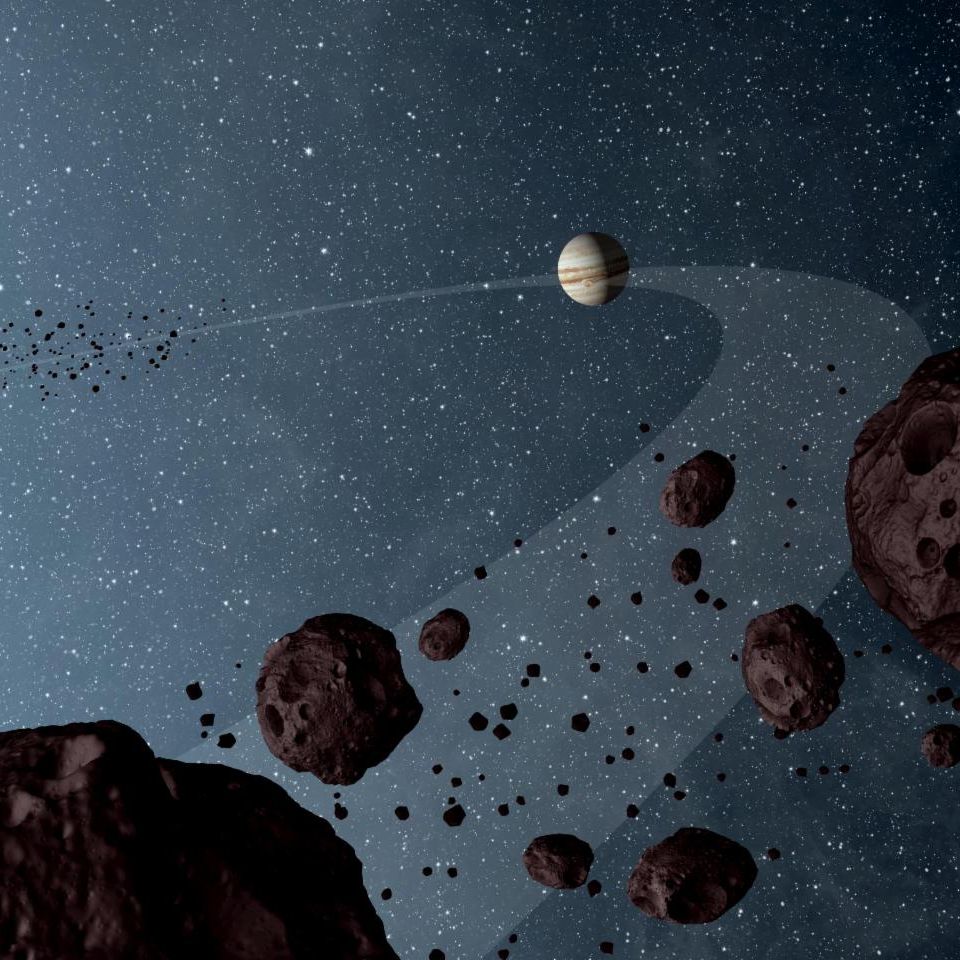
Having traveled more than 2.2 billion miles since it launched on Oct. 16, 2021, NASA’s Lucy is the first spacecraft to enter a region of primitive solar-system bodies known as the Jupiter Trojan asteroids. This region is one of two large and unexplored “islands of stability,” where thousands of asteroids share Jupiter’s orbit around the Sun. 


LUCY MISSION


THE SOLAR SYSTEM

Journey to Titan 


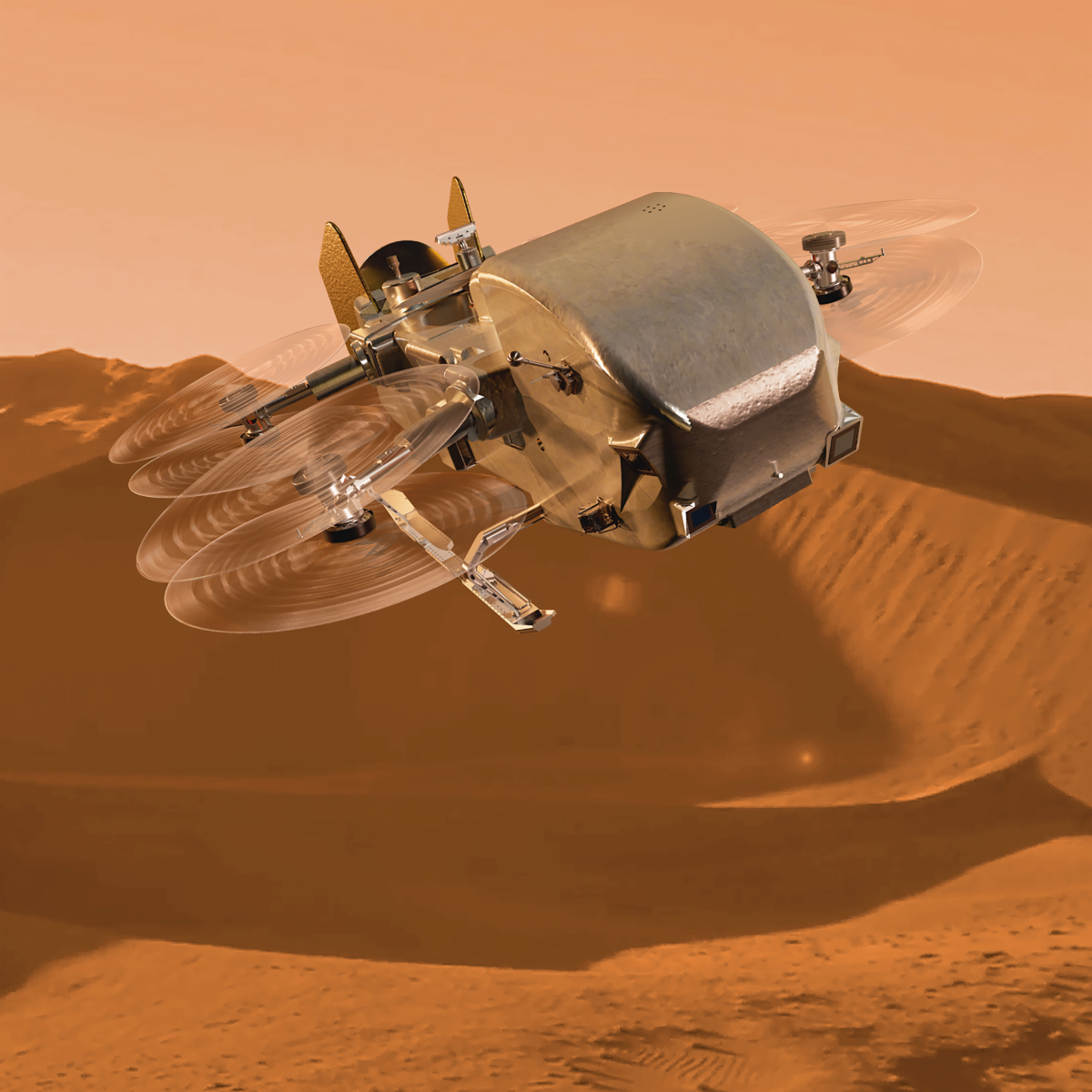
You may never soar beneath Titan’s hazy skies or skim above the organic dunes of Saturn’s largest moon, but your name can! NASA is inviting people to send their names aboard the agency’s Dragonfly rotorcraft, the first mission designed to fly across and explore the surface of another world. Sign up to have your name etched onto a microchip that will travel with Dragonfly to Titan and receive a personalized digital boarding pass commemorating your participation in this historic journey.


SEND YOUR NAME


THE SOLAR SYSTEM

A Day in the Sun


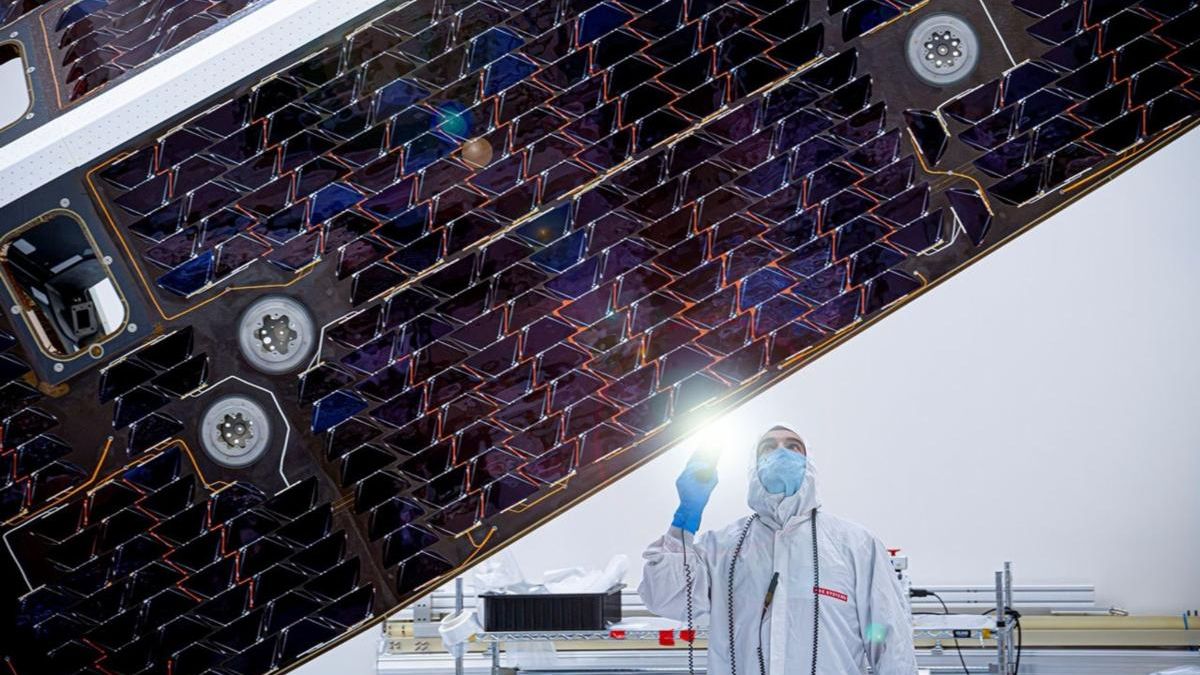
Development of NASA’s Near-Earth Object Surveyor mission continues as the spacecraft’s largest component, its sunshade, takes shape ahead of launch. The sunshade will keep the infrared space telescope cool as it searches for near-Earth asteroids and comets, while solar arrays mounted on the structure will provide power to the spacecraft. 


LEARN MORE

HUMANS IN SPACE
US Spacewalk 100


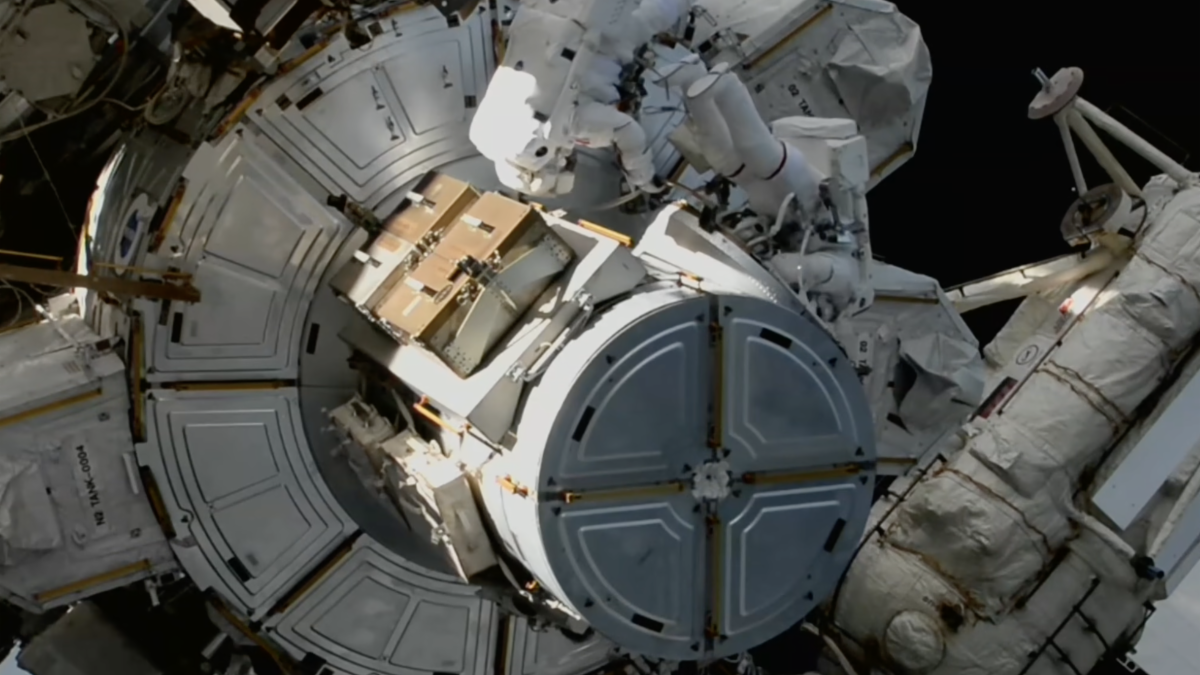
NASA astronaut Anil Menon and Canadian Space Agency (CSA) astronaut Joshua Kutryk concluded a spacewalk outside the International Space Station at 3:08 p.m. EDT on Thursday. During the 7-hour, 11-minute spacewalk, Menon and Kutryk installed and deployed an International Space Station Roll-Out Solar Array, providing additional power for station operations.


LEARN MORE


More NASA News

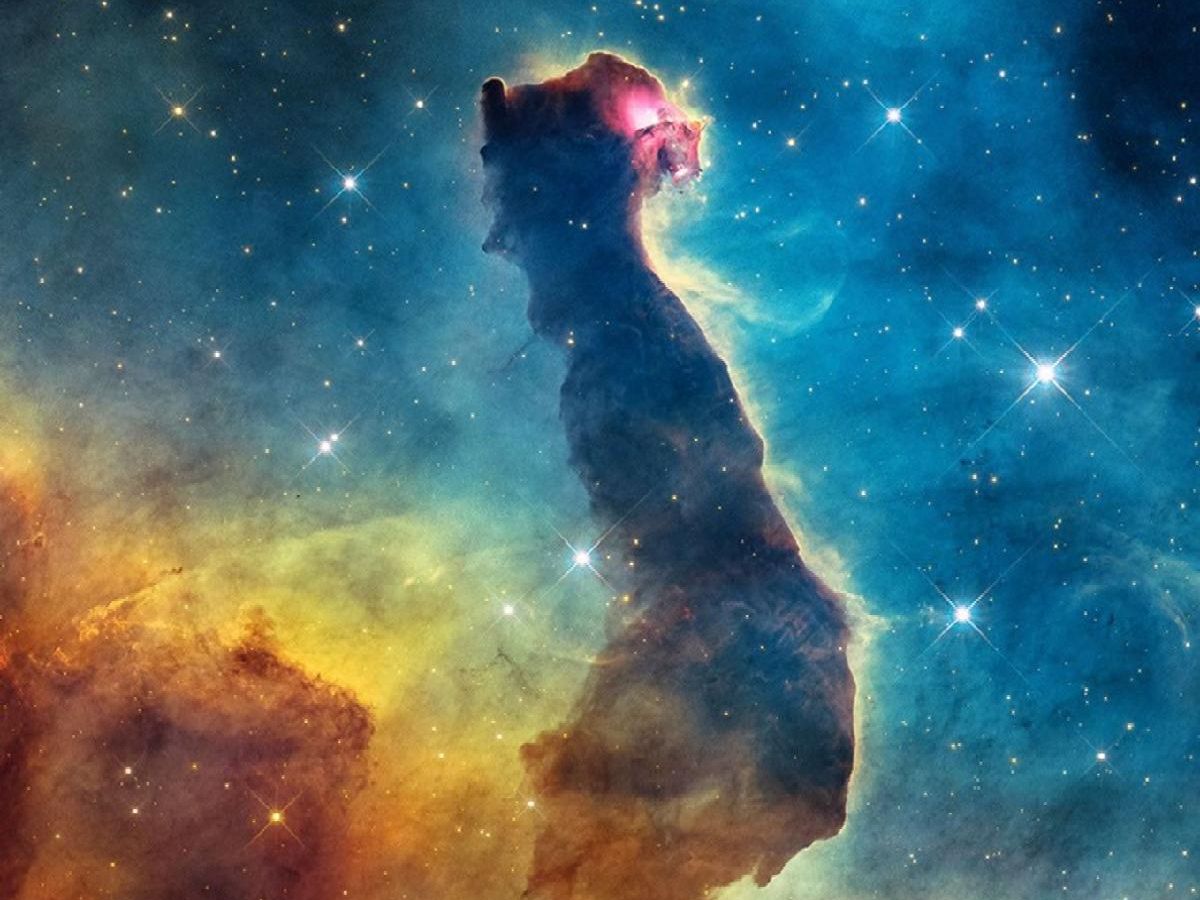
Like a spectral form rising out of a cold mist, NASA's Hubble and James Webb Space Telescopes have captured a hauntingly dynamic star-forming scene within the vast Carina Nebula, a diffuse stellar nursery located about 7,500 light-years from Earth.


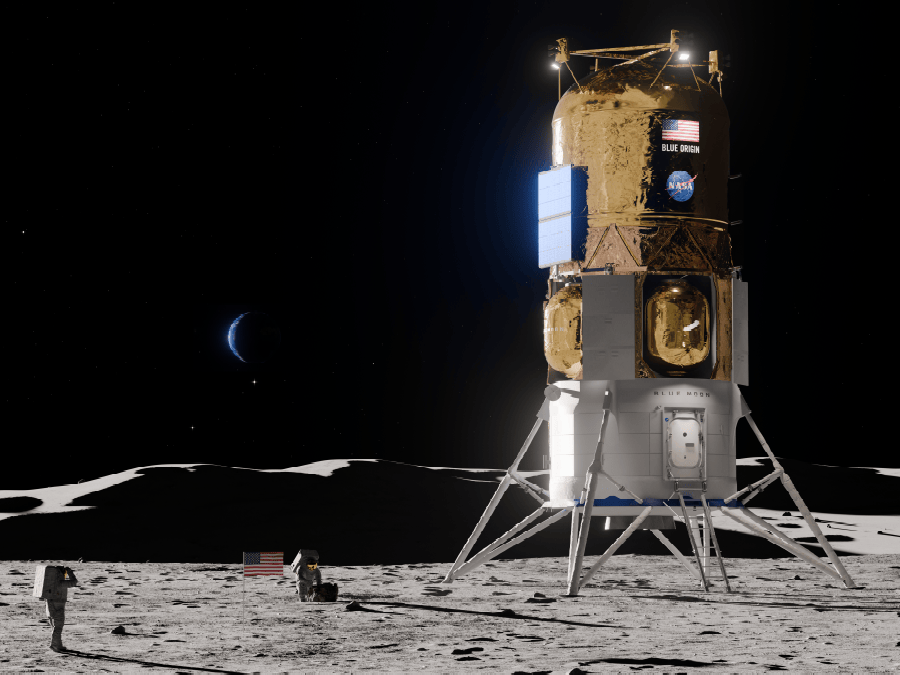
In the latest episode of Houston We Have a Podcast, NASA Human Landing System engineers take listeners behind the scenes of the lunar lander tests and docking demonstrations helping pave the way for Artemis III and future crewed Moon landings.


2026 has been a remarkable year for NASA citizen science volunteers, highlighting the agency's commitment to transparent, collaborative science. Building on that momentum, NASA has announced 19 new proposals that will expand opportunities for the public to participate in scientific discovery.


Do You Know?

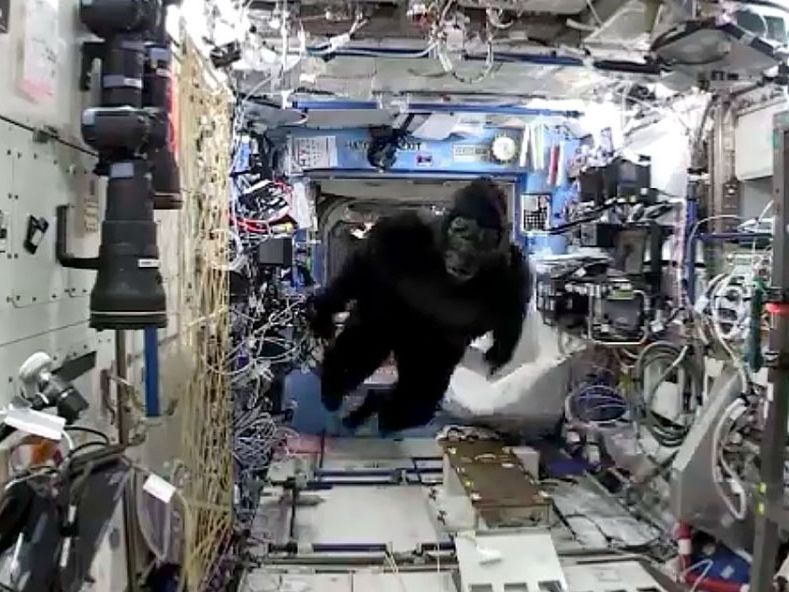
Do you have your costume ready for this weekend’s Halloween festivities? In 2016, a gorilla suit arrived aboard the International Space Station and was later featured in a memorable video showing a “gorilla” chasing European Space Agency (ESA) astronaut Tim Peake through the orbiting laboratory. 

Which astronaut wore the gorilla suit?

Find out the answer in next week's NASA newsletter! 🤓


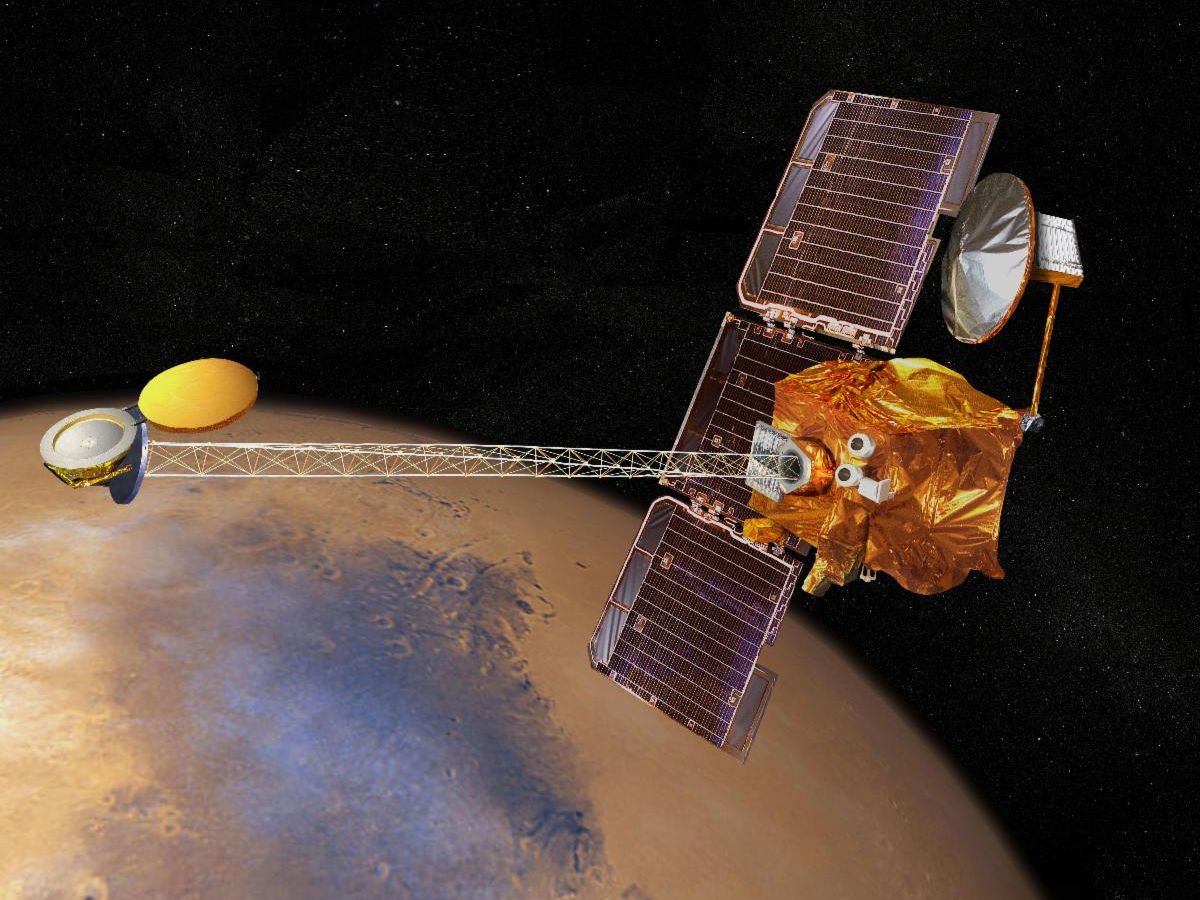
Last week, we asked what inspired the name of the Mars Odyssey mission. The answer? Arthur C. Clarke's 2001: A Space Odyssey. Originally named 2001 Mars Odyssey, the mission paid tribute to both its 2001 launch date and the spirit of exploration featured in Clarke's iconic story. Clarke himself (1917–2008) endorsed the mission's name prior to launch. 


National Aeronautics and Space Administration


NASA explores the unknown in air and space, innovates for the benefit of humanity, and inspires the world through discovery.


Visit nasa.gov

Follow NASA

Facebook  Instagram  LinkedIn  X  YouTube