|
DEAR FRIENDS,
I hope this edition finds you rested and recharged for the new year. 2024 was a busy one for us and our project team partners, and we have no doubt that 2025 will have even more opportunities to gain public trust and engagement as our clients design and build safer and more connected communities. At Rasor, we’re always reviewing the latest tools and best practices so that our teams work with better communication and efficiency. Check out our recommendations for smart approaches to using AI and social media in the public sector.
One of my New Year’s resolutions last year was to do more public speaking because I enjoy it, and it helps connect others to the work we do. If you like public speaking as much as a trip to the dentist, fear not. I’ve shared some tips to help sharpen your skills, as well as some highlights from a presentation I gave with our friends at KZF at the OKI Regional conference in Fort Wayne, IN.
I hope our paths cross in 2025 – have a great year!
| | |
|
|
Best,
Mimi Rasor, APR
President
| |
Rasor Obtains ODOT Public Involvement Prequalification | |
|
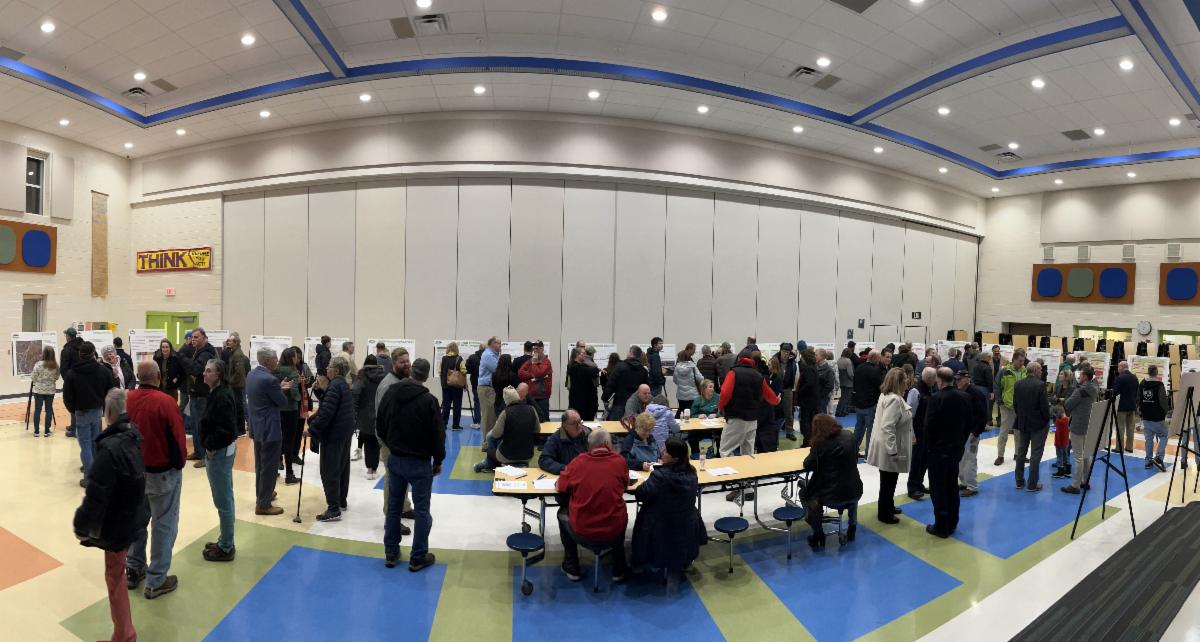
Rasor is excited to announce we are prequalified to provide all levels of public involvement (PI) services for Ohio Department of Transportation (ODOT) projects.
Our expert team is available to serve as liaisons between public agencies and local communities, ensuring transparency and open communication between all parties involved. As experienced public involvement communicators, our team has developed public involvement plans, websites, media content, newsletters, meeting displays and more.
Rasor is here to support public engagement activities for your next transportation project. If you’re interested in partnering, please contact Elyn Buscani, Elyn@GoRasor.com.
| |
|
Social Media Best Practices in 2025
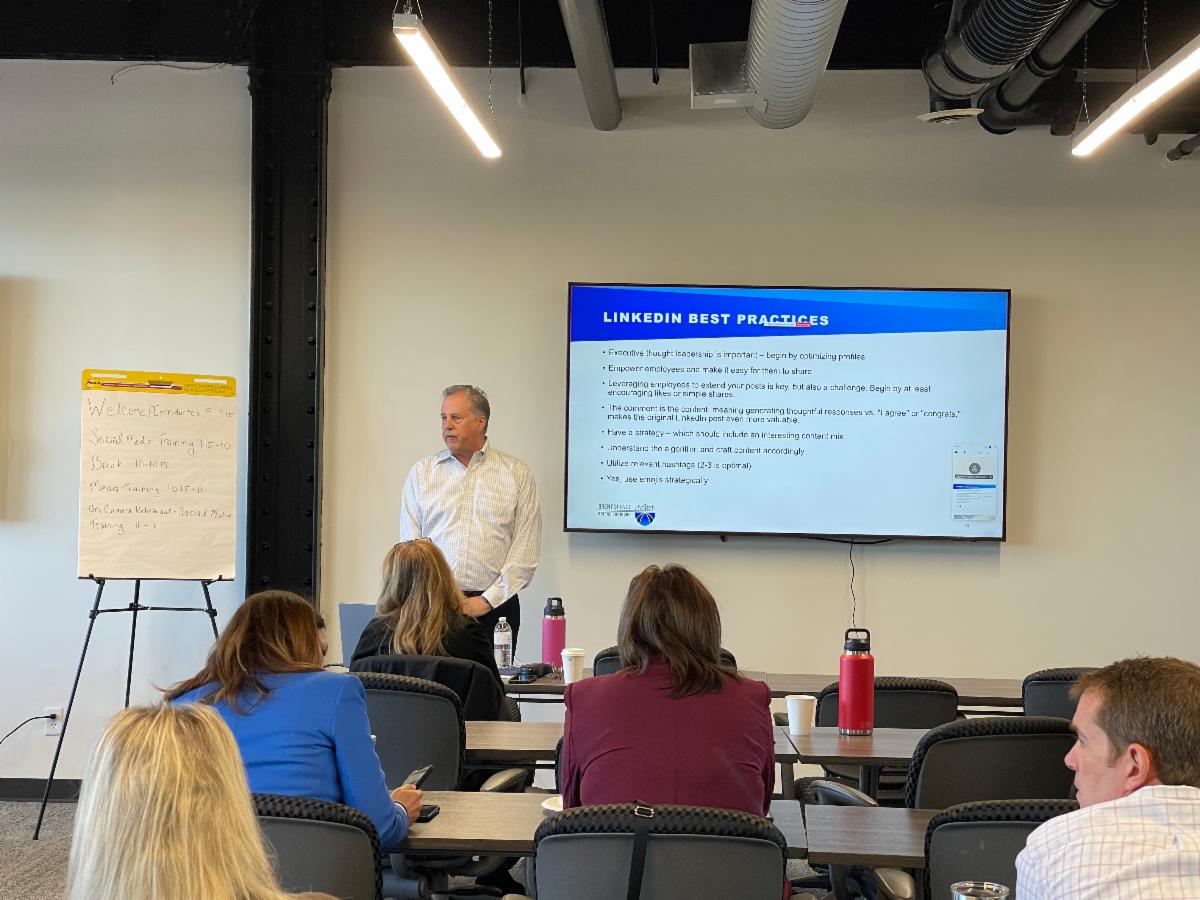
Social media is an integral part of any communications strategy. However, you’re likely trying to reach a range of different people, which means you’ll need to have a presence on multiple platforms. We recently hosted media and social media training for one of our clients, and this is some of the content we covered.
Focus on Short Form Video
No matter what platform you’re on, short form video is the best way to generate engagement and views. While most public projects can’t be on TikTok, the app’s influence is shaping the content strategies of other platforms. Reels on Facebook and Instagram, Shorts on YouTube, and even short videos on LinkedIn are really becoming popular. Find a way to incorporate video into your strategy. Interview team members, capture any work that’s happening or invite people to a public meeting via video.
Users Want Authentic Content
Not everything needs to be polished and perfect on social media. This doesn’t mean you don’t need to create quality content, but users appreciate seeing small mistakes and imperfections. Obviously, make sure your information is accurate, but if you’re filming a video and the speaker corrects themselves, feel free to leave that in. Sometimes things that are too polished come across as ads, and users will swipe past quickly.
| |
Quick Tips
Don’t be boring. Check out posts from the TSA and National Parks Service, neither of which screams “fun social presence.” Both post creative content that generates engagement.
Post consistently. The best way to feed the algorithm and make sure your posts are seen is to post on a regular basis. That doesn’t have to be daily but find a rhythm and stick to it.
Check your analytics. Take a look to see what your audience is engaging with and what content they like. Then create more posts like that. Continue to experiment and try new content types, too.
| |
The Role of Artificial Intelligence in Public Engagement | |
|
Artificial intelligence is changing how we do pretty much everything, and public engagement is no exception. AI can elevate how we can connect with our audiences, analyze the feedback we receive during the PE process, and ultimately help us create better outcomes for projects of all kinds — but only when it’s used the right way. Whether it’s a small road improvement project or a statewide planning initiative, AI can make a difference.
Like most tools, AI’s power is proportional to the skill of the person using it. The most important skill an AI user can have is the ability to write good prompts for it to react to. If your prompts are generic and lack specificity, so will the AI-generated responses. AI works best when given clear, specific instructions. By refining your prompts, you can guide AI toward producing relevant, actionable ideas that align with your objectives.
But that’s not to say AI is a silver bullet. Far from it. It can (and often does) get details wrong when asked to pull information for us. And when we say it “gets details wrong,” we mean it can “hallucinate” details that have no basis in reality. Sometimes the mistakes it makes are harmlessly amusing, but only when they’re discovered prior to being shared with the public. And statistically, the percentage of the public that has a good sense of humor is well, let’s say below 100%. Long story, short: You need to fact-check everything AI produces.
Factually accurate AI-generated ideas need human eyes before they’re ready to go because AI lacks the emotional intelligence to hit the right notes in public-facing communications. It’s tone-deaf. Imagine a news reporter smiling while cheerfully reporting on a tragedy. That’s the kind of thing AI does all the time.
AI can do a lot of work in a very short period of time, but it’s no replacement for a savvy communicator that understands the nuances of public engagement. Organizing information, summarizing feedback, and brainstorming are all great uses for AI that will help you get further faster.
| |
|
Public Speaking is an Essential Part of Public Engagement. How to Make it Easier (and More Effective)
Recently, Mimi Rasor presented to a group of engineers on the topic of public speaking. It reaffirmed something you might already know: public speaking feels like a chore for many of them – something they don’t like to do, but will do if they have to.
How do you balance what you like to do with what you have to do? Public speaking is an essential part of the project development process. You have to communicate to the public what you are working on, how it will benefit them, the finances, design, logistics, timelines – the list goes on and on.
Over the years, Rasor has helped many people in the public sphere develop and deliver more effective presentations. With these tips, you might just find public speaking to be less of a chore and more of an opportunity to connect your project with people.
| |
|
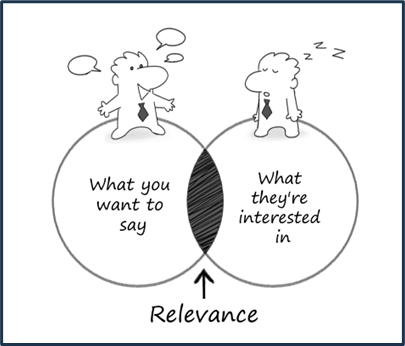
Knowing your audience will always be the most important step in creating and delivering a message. You need to connect your audience with information that is most relevant to them.
- What do they already know?
- What kind of nomenclature will resonate with them?
- What are the most important things they need to take away?
Use surveys, client data, and media coverage to learn your audience’s past experiences, attitudes, and opinions. This information will help you craft a message that will drive your presentation.
Crafting a message is about creating a story that can be easily understood and remembered. Some things to keep in mind as you craft your presentation:
- Define the purpose of your presentation.
- Be sure to have a beginning, middle, and end.
- Lose the jargon – simplify for your audience.
Rehearsing is always a good way to build confidence. As you deliver your speech, be sure to speak slowly and clearly. Don’t forget to connect with your audience – eye contact and body language mean a lot here. And some well-placed cartoon illustrations don’t hurt.
| |
Mimi Rasor and KZF Design: Presentation at 2024 OKI Planning Conference | |
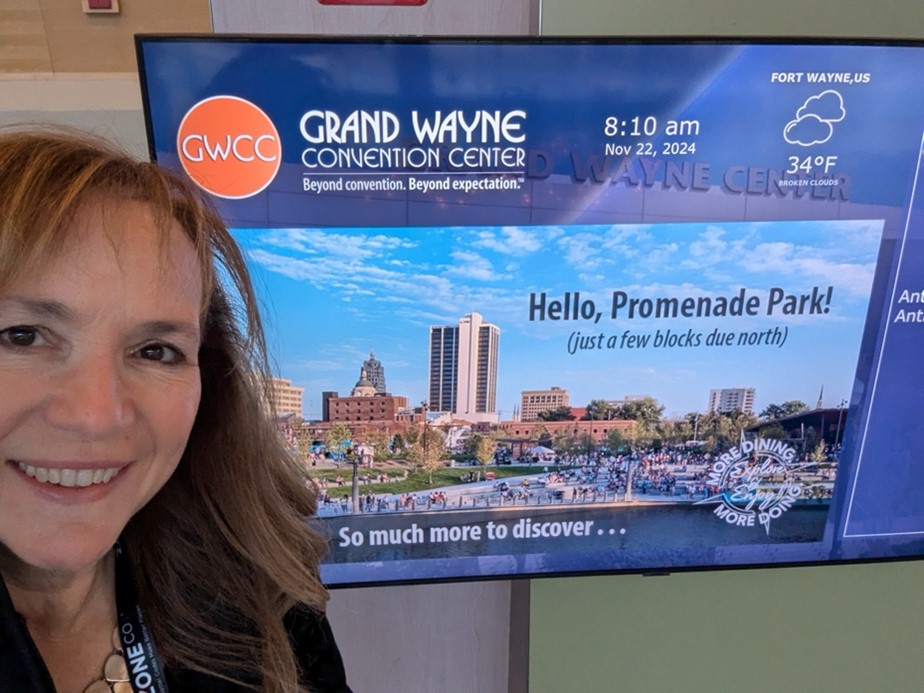
In November, the American Planning Association (APA) Indiana Chapter hosted the 2024 OKI Regional Planning Conference in collaboration with the Ohio and Kentucky chapters. Mimi Rasor, president of Rasor, Eric Anderson, Vice President and Director of Planning Services at KZF Design and current APA Ohio President, and Abbey Stainfield, AICP at KZF, presented More Than Just a “Public Meeting” – Fostering Equitable Community Engagement. They touched on how to create a public engagement plan that takes into account the unique population demographics, communications assets and needs of a community, as well as practical strategies to enhance community engagement. | |
Fort Wayne’s Promenade Park was built through a comprehensive riverfront redevelopment initiative and is now home to multiple festivals, events and concerts. | |
“I grew up in northwest Ohio, not far from Fort Wayne, so it was great going back to see how much progress their city planners have made in creating a sense of place downtown – amazing,” said Mimi. “Lots of great ideas from presenters on creative public engagement ideas as well – from pop-up workshops to “walk and talk” neighborhood presentations to trivia games and hands-on modeling, we came away with a lot of new approaches.” | |
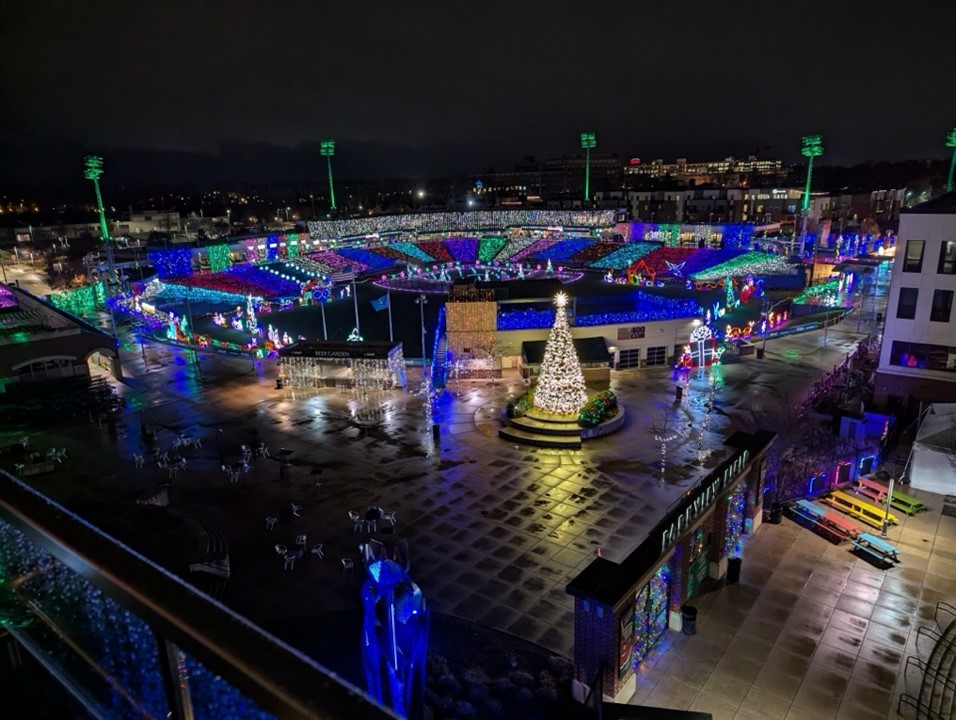
Downtown Fort Wayne is home to the TinCaps, a Minor League Baseball affiliate of the San Diego Padres. Its home turf, Parkview Field, was decked out for the holidays in November. | | |
|
|
Have a New Business Teaming Request?
Thank you for thinking of us for your project partnering needs. We're happy to work with you to provide relevant materials and experience and/or project approaches. Please try to contact us well in advance of submission date so we have the best opportunity to meet your needs.
Please reach out directly to our New Business Development manager Elyn Buscani Elyn@GoRasor.com and Mimi Rasor Mimi@GoRasor.com.
| | | | |