|
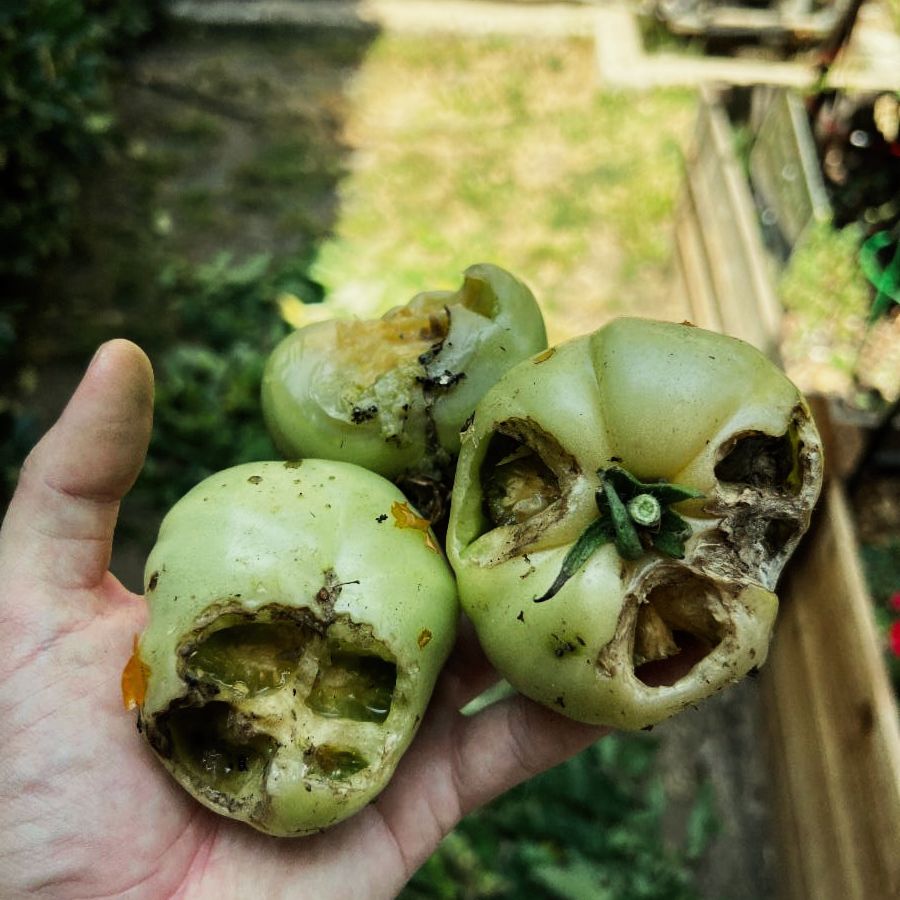
Living and gardening in a city comes with unique challenges. This year, mine were rats, specifically roof rats (Rattus rattus) snatching my tomatoes wholesale before they even ripened. If this happens to you, what can you do? And more importantly, what should you not do if you want to remain a responsible steward of your garden ecosystem?
Roof rats and their close cousins, the brown rat (Rattus norvegicus), are invasive species in North America. They arrived with European settlers on ships, spread west with wagon trains and railroads, and moved north alongside Spanish missionaries. Controlling their numbers is actually a favor to your garden and to native omnivores like opossums (Didelphis virginiana) and raccoons (Procyon lotor), which face less competition and disease when rat populations are kept in check.
That said, not all control methods are created equal. Some of them are cruel and cause ripple effects far beyond the target species. The worst offender is rat poison. Depending on the formulation, poisons can cause internal bleeding, neurological damage, or organ failure. They rarely kill rats outright and often lead to secondary poisoning of animals that eat weakened or dying rodents, including hawks, owls, coyotes, cats, and dogs. Under no circumstances should you ever use rat poison. Glue traps are another measure that should be avoided. They kill slowly by starvation, overheating, or self-mutilation, and worse, they do not discriminate. Cats, lizards, and songbirds can all be caught in them.
So, what are the options that actually work without harming the ecosystem? Snap traps remain one of the most effective methods. They kill quickly by breaking the animal’s neck, which minimizes suffering. To use them responsibly, cover your traps to prevent larger animals like cats or opossums from getting hurt. Rats are cautious and will often avoid anything new in their environment for several days, so patience is key. They are also surprisingly picky, with some individuals preferring peanut butter or nuts, while others - like the ones in my neighborhood - will risk it all for a piece of Slim Jim.
Some gardeners swear by live traps, but I’ve had little success with them. Even when they do work, it is important to remember that rats are invasive animals. Releasing them into wild areas is unethical and releasing them in other urban areas simply makes them someone else’s problem. Unless you have a plan for dealing with the rats once they are caught, this method is best avoided.
Another option worth employing alongside traps is exclusion and deterrence. Putting cages or mesh bags around your produce while it ripens can be enough to discourage damage. I used organza bags around tomato clusters, which worked surprisingly well. Even though a determined rat could chew through them, the bags made my tomatoes more trouble than they were worth. Repellents can also help. Peppermint oil spray works particularly well, and I use it nightly on my tomato plants. Other options include cayenne pepper, garlic, or even mothballs, all of which create strong odors that rats dislike.
In the end, the goal isn’t to eradicate every rat in the city, that’s impossible. But by choosing humane traps, adding simple barriers, and relying on natural deterrents, you can protect your harvest without harming your local ecosystem. After all, your garden should feed you, not the rats.
By MG Jake S.
|