Mother Nature was right all along: re-meandering rivers improve habitats | | |
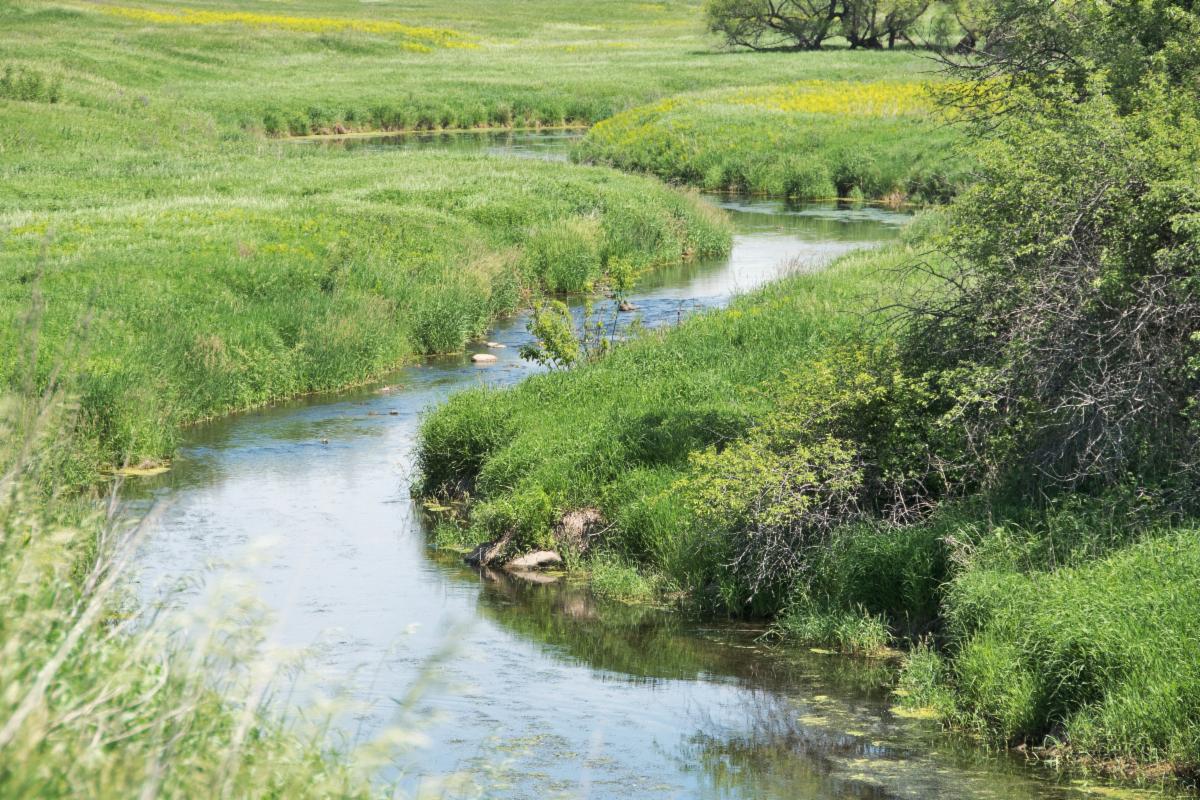
For centuries, humans believed they could improve on nature by straightening rivers and creeks into efficient, engineered channels. Across the world, waterways were redirected from their natural winding paths into straight lines designed to move water faster while maximizing surrounding land use. But in trying to outsmart nature, many of these altered rivers became fast-moving corridors for floodwater, degraded wildlife habitat, and accelerated regional water loss, thereby creating problems the original waterways were naturally designed to prevent. As climate pressures intensify and biodiversity declines accelerate, we now find ourselves seeking solutions to these modern environmental problems.
It turns out, Mother Nature was right all along.
River restoration, also known as "re-meandering," is emerging as one of the most effective nature-based solutions for both environmental resilience and ecological recovery. New research from Newcastle University and the United Kingdom's National Trust demonstrates that restoring rivers to their natural, meandering state can significantly slow downstream water movement while dramatically expanding wildlife habitat (published April 28, 2026 in Water Resources Research). In the study, a restored section of England’s Goldrill Beck delayed flood waves by as much as 90 minutes and increased river habitat area by nearly 50%, creating healthier ecosystems for fish, plants, and invertebrates. Additionally, connecting rivers to their original floodplains creates natural water storage in the area, helping avert shortages and regional droughts...
>> Read the full article
| | The calm before the storm – welcome to field season! | | |
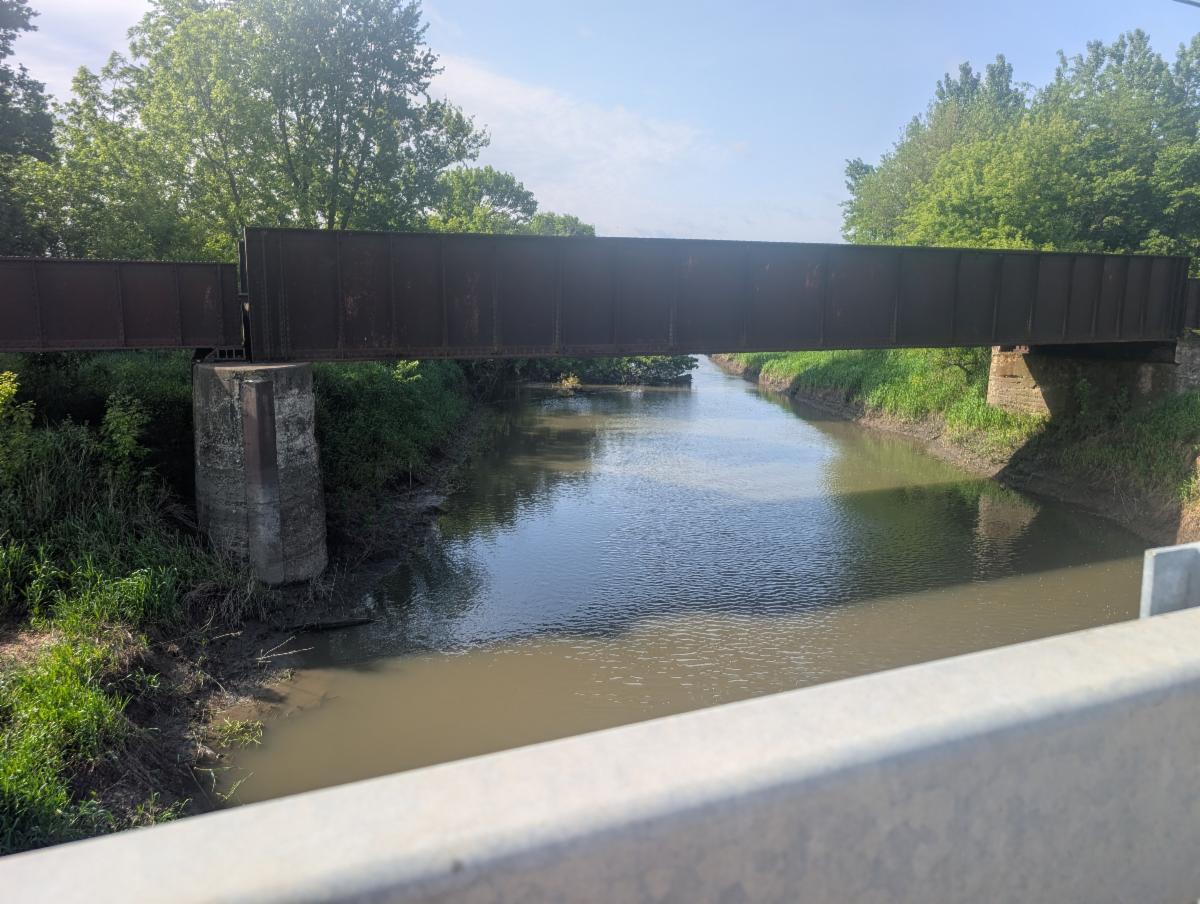
While Waterborne staff never really have “downtime” from fieldwork, we have switched our philosophy in recent years to think more like this: there are just less-busy or more-busy times of the year, driven by seasonal needs. However, despite our year-round-in-the-field mantra to ensure that engineering systems operate effectively and efficiently and that land areas are maintained, we still celebrate the kick-off of the spring and summer field seasons! It brings an energy, perhaps similar to that of a long-awaited, exciting summer vacation or a grand hiking adventure.
We have already experienced atypical ups and downs from Mother Nature in 2026, and we expect more to come as the predicted El Niño continues to take effect in the coming months. The swing in seasonal temperatures, capturing record highs and lows, has been interesting. Despite the uncertainty, the simple pleasures we look forward to during our field travels are among the best parts of our job. We see both wanted and unwanted creatures despite our best efforts to deter habitation in our systems and to balance environmental control, habitat distribution, safety, research objectives, and data collection. As summer progresses, there will be no shortage of...
>> Read the full article
| |
Waterborne on the Road
Waterborne Showcased at SETAC Europe's 36th Annual Meeting
| |
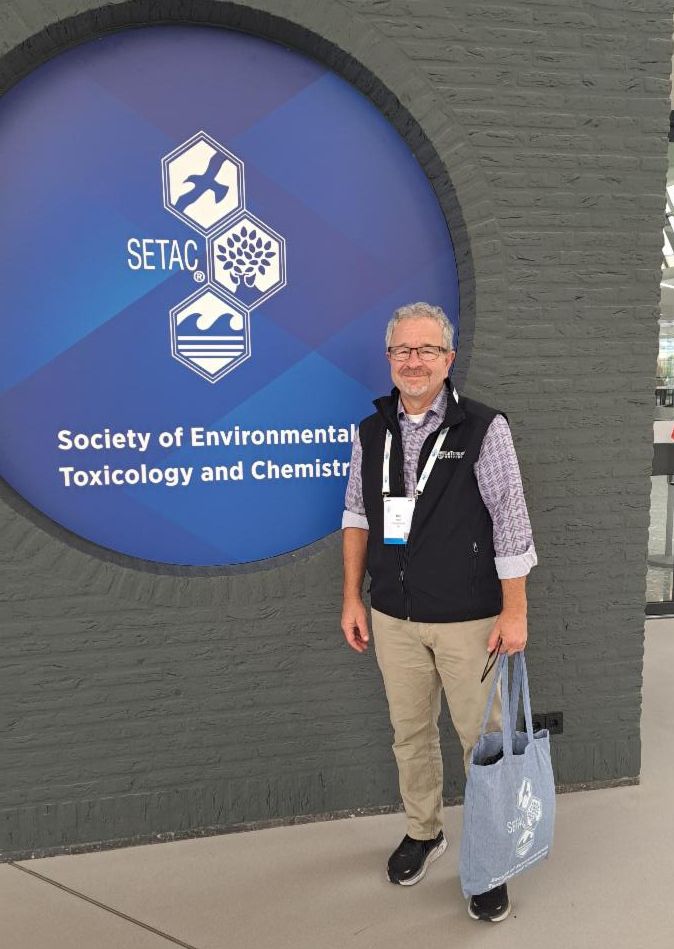
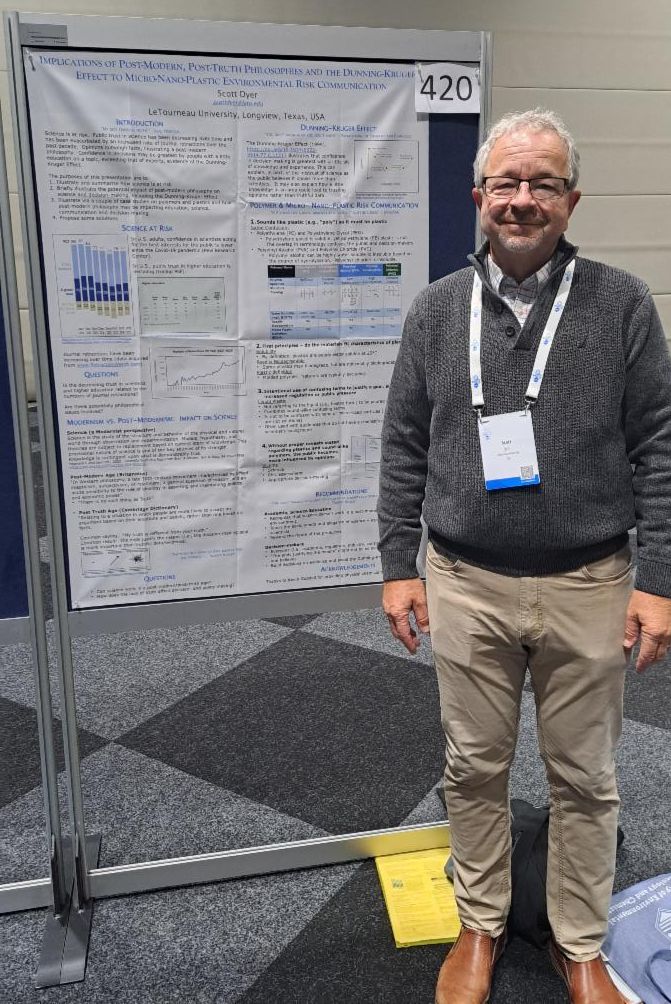
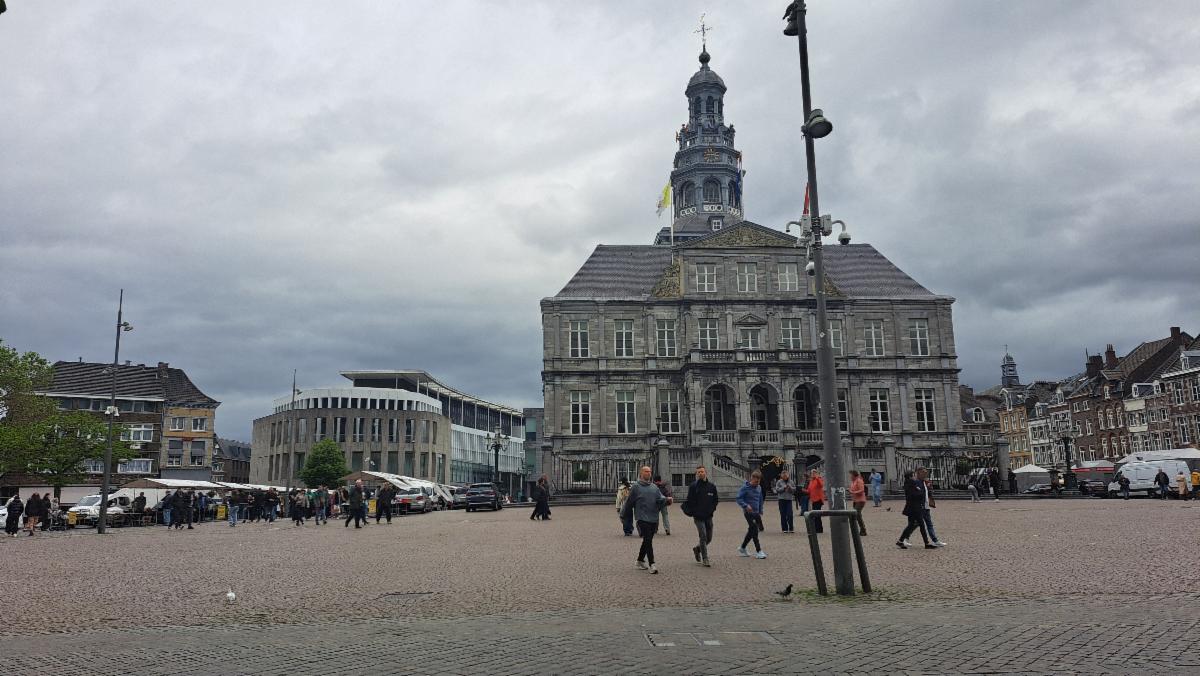
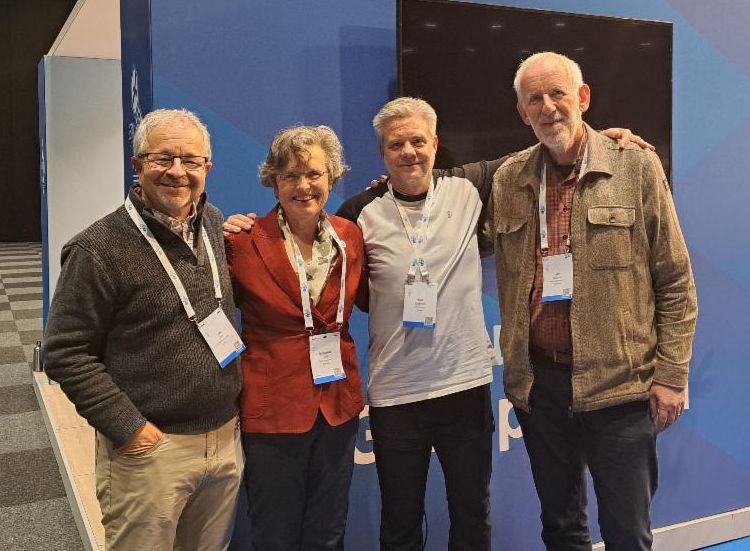
During the week of May 17th - 21st, Waterborne proudly held court at SETAC Europe's 36th Annual Meeting held in Maastricht, The Netherlands. Our own Scott Dyer, Senior Scientific Advisor, traveled to Maastricht to present his poster, Implications of Post-Modern, Post-Truth Philosophies and the Dunning-Kruger Effect to Micro-Nano-Plastic Environmental Risk Communication.
Amy Ritter, Principal & Manager, Environmental Modeling & Risk Assessment, co-authored the presented paper: Harmonised Framework for the SETAC Spatially Distributed Leaching Modelling of Pesticides Initiative and
Amy and Dean Desmarteau co-authored Poster #274, Bringing Rice Cultivation Practices into Environmental Risk Assessment.
>> Read the Full Abstracts
| |
Waterborne on the Road
CLA & RISE
| |
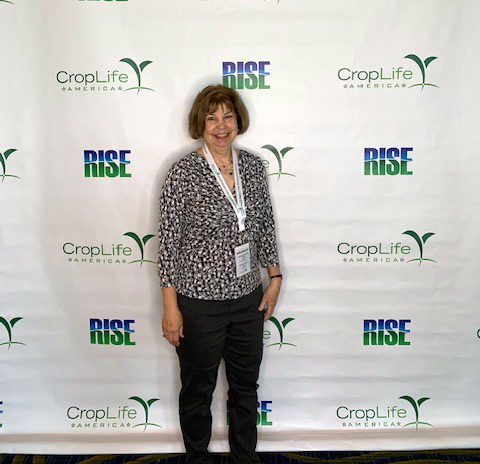
Our Principal and Manager, Environmental Modeling and Risk Assessment, Amy Ritter, was unable to travel to The Netherlands for SETAC Europe because she was committed to the CropLife America (CLA) & RISE Regulatory Conference, held from May 13th to 15th in Arlington, Virginia.
While her primary objective was to attend a committee meeting and the conference sessions, Amy was able to catch up with attendees representing chemical companies, grower groups, consulting, and government agencies. What makes CLA & RISE an interesting event is that many of the sessions included USEPA as presenters or panelists. That access provides attendees with first-hand information.
Many of the sessions she attended focused on presentations on endangered species. However, one session was on artificial intelligence (AI). Amy said, "The AI session was especially interesting which included precision-targeted application technology and a presentation that pointed out the legal risks of using AI, which was fascinating."
Until next year, CLA & RISE!
| | |
Waterborne Environmental is a renowned consulting firm that has provided innovative solutions to the world’s most complex environmental problems since 1993. Our experienced, unbiased scientists and engineers work across industries to evaluate environmental, ecological, and human risks. Our work spans across industry and regulatory agencies to support the balance in the needs of a growing population with the environmental impact on our valuable natural resources.
Our The Current Newsletter is published monthly. Visit us online to find more articles, videos, and information about our work. Click here to contact us.
| | |
Waterborne Environmental Inc.
CORPORATE HEADQUARTERS
893-C Harrison Street SE
Leesburg, VA 20175
Phone: +1 (703) 777-0005
| | | | | | |