|
Protect Against Hearing Loss
Occupational hearing loss is one of the most common work-related risks. Aside from the reduced ability to hear, hearing loss is associated with other health problems, including tinnitus (ringing in the ears), heart problems, cognitive decline, and poor mental health, including depression, anxiety, and a feeling of isolation and sadness. What’s more, workers with hearing loss are more likely to get injured on the job.
Repeated exposure to sounds that are 85 A-weighted decibels (dBA) or higher can cause permanent hearing loss. Signs of hearing loss can include:
■ having difficulty hearing when there is background noise;
■ thinking people are mumbling when they talk to you; and/or
■ needing to ask others to repeat themselves often.
Fortunately, occupational hearing loss can be prevented. Preventive steps can include measuring noise in your operations, implementing controls to reduce workplace noise levels below 85 dBA, and establishing a hearing loss prevention program (HLPP).
First, make sure you know the Occupational Safety and Health Administration (OSHA) standards related to occupational noise exposure.
Then consult helpful resources such as "Preventing Occupational Hearing Loss: A Practical Guide" from the National Institute for Occupational Safety and Health (NIOSH), which follows the structure of an HLPP while incorporating best practices such as the hierarachy of controls.
The guide covers:
■ the basics of defining and assessing noise;
■ how to minimize noise exposure in the workplace through controls methods;
■ how to monitor workers for potential hearing loss;
■ best practices for hearing loss prevention programs; and
■ how to evaluate success and identify areas for improvements.
For more information, consult the OSHA page on "Occupational Noise Exposure" as well as NIOSH’s page on "Noise and Hearing Loss."
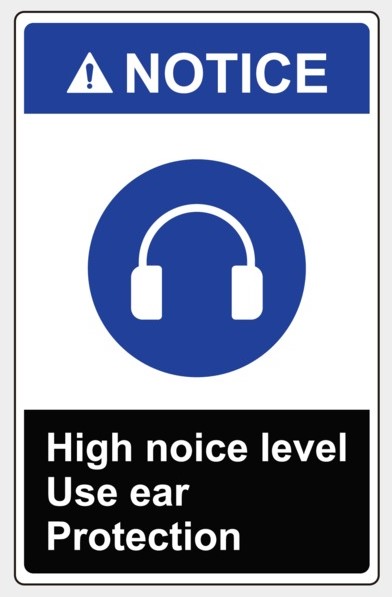
Graphic by moubystudio from Vecteezy.
|