- Featured Project: Neighborhood Reads - The Scientific Benefits of Little Free Libraries
- Honoring Grania Lindberg
- Volunteers Needed for Garden Field Trips
- Inspiring Inclusion: Music, Mental Health and Well-Being
- Spotlight on Local Nonprofits
- Highlights from CanDo's Community Calendar
- Random Ramblings: The Hidden Wounds of Moral Injury
- Quick Tip: Easy ways to create a defensible space without breaking the bank
- Bits & Pieces: Schools Get a Summer Refresh
|
| |
CanDo's Neighborhood Reads
The Benefits of Little Free Libraries: What Does Science Say?
| | |
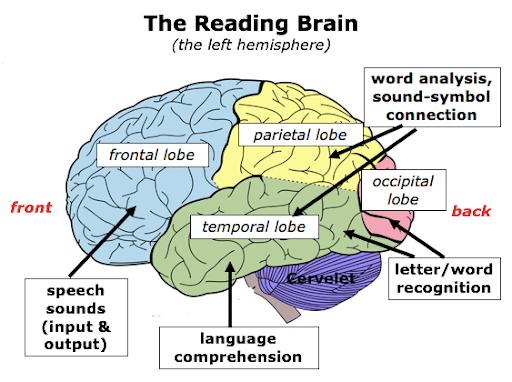
First, How Does Regular Reading Help Our Brains?
Humans are the only animals capable of reading, an invention that’s only been around for a few thousand years. That’s nowhere near enough time for our brains to have evolved dedicated circuitry for reading. And yet, somehow, specific brain areas are consistently associated with reading across different cultures.
This “reading paradox” has fascinated scientists for a while. How do humans learn to read despite the fact that reading is too modern to be the product of evolution?
Cognitive neuroscientist Stanislas Dehaene proposed a solution: the neuronal recycling hypothesis. The theory suggests that our brains can repurpose existing circuitry for new functions, allowing us to acquire new cognitive abilities like reading.
And what benefits can we get from regularly activating those parts of our brain by reading every day? Here are some, all of which lead to improved literacy (ie the ability to read, write, speak, and comprehend information effectively):
- Stress reduction.
- Mental stimulation.
- Memory improvement.
- Vocabulary expansion.
- Better focus.
- Improved brain connectivity.
- Stronger analytical skills.
Read the whole article here: Anne-Laure Le Cunff, Ness Labs: Brain Benefits of Reading. April 4th, 2024. Ness Labs Newsletter.
| | |
Does Access to Little Free Libraries Really Increase Kids’ Reading Time?
From Sept-Nov. 2024, Little Free Library and the Education Foundation of Baltimore County Public Schools surveyed 768 elementary and middle school-aged students from 11 schools and two community spaces. The goal was to uncover children’s reading habits.
Of the participating institutions, eight were classified as low-income, six had a majority of BIPOC students, three had a population of more than 20% English Language Learners and six schools had more than 15% special education students. All students had access to neighboring Little Free Libraries, which they visited during class field trips or on their own.
What were the results of the study?
- 92% of students had greater access to books because of Little Free Library boxes
- 49% read more frequently
- 88% of children have built their own at-home book collections.
- ELL students demonstrated the greatest boost in reading time, with 72% reading books when they visited a Little Free Library, followed by BIPOC students (63%) and those attending low-income schools (62%).
Read the whole article here: Pamela Brill, Little Free Library Study Reveals Benefits for Book-Impoverished Communities. Feb. 20, 2025, Publisher Weekly.
OK, if We Read More, We Become More Literate. But Why is literacy Important?
Literacy and English language proficiency are tools that help people move out of poverty and get better-paying jobs to support their families. Improved literacy skills benefit not only the struggling reader, but everyone in our community regardless of age, race, gender, or background.
Read the whole article here: 2026 Literacy Together - WordPress
| | |
Conclusion:
With more well-stocked LFLs around town, kids (and adults) will read more, leading to increased literacy. As a society, we all benefit.
| | |
Wonder what you can do to support this phenomenon right here in Napa? We’re glad you asked.
Suggestions:
| | |
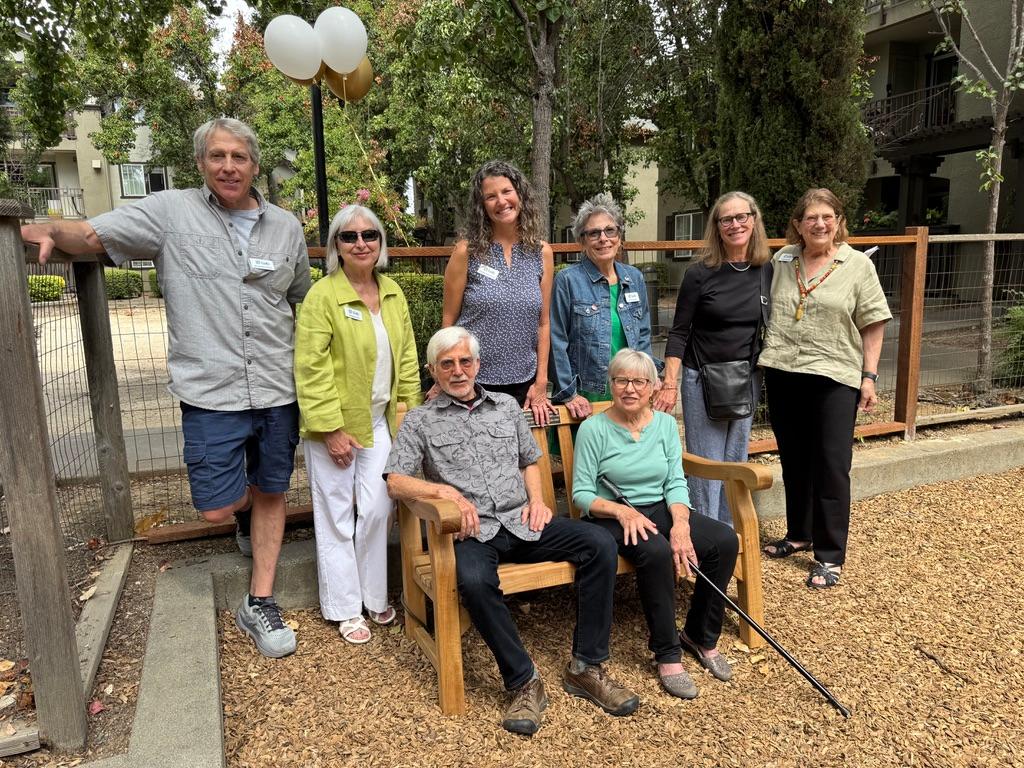
On July 22, we gathered to dedicate a bench in Grania Lindberg's honor to celebrate a lifetime of service to our community. From co-founding CanDo in 2009, to leading Napa Valley Community Housing, to championing our environment — Grania has spent decades making Napa Valley better, often quietly, always effectively.
We found the perfect spot for the bench: Silverado Creek Apartments, one of the low-income housing communities built by Napa Valley Community Housing, where Grania proudly served as Executive Director. It felt right to co-host this celebration with NVCH — because we are, and always have been, connected by Grania.
A fitting date for a celebration.
Twelve years previously— July 23, 2014 — the Napa City Council unanimously adopted an ordinance reducing single-use carryout plastic bags in Napa County. It was the culmination of an effort that began back in 2012, one that Napa Valley CanDo helped spearhead by drafting the original proposal. But it was Grania's knowledge, political savvy, and steady leadership that turned the group's intent into real action — coordinating timing, attendance, and community meetings until the policy became law.
On the anniversary of a policy she helped bring to life, we're grateful all over again. Thank you, Grania.
| | Volunteers Needed for Garden Field Trips | | |
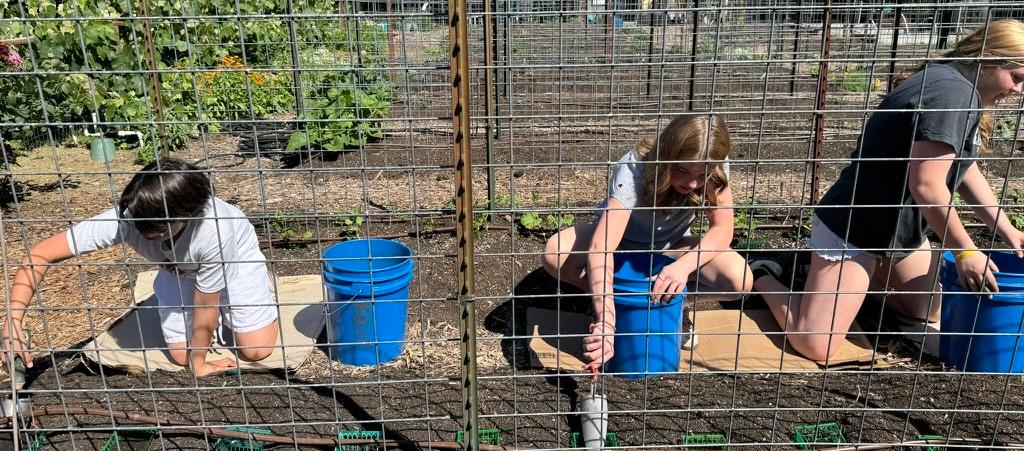
This spring, dozens of local students explored our Garden for the Food Bank—digging, planting, tasting vegetables, and discovering how plants grow. These field trips were a big success thanks to a generous grant from the Zunin Family Trust, honoring founder Hilary Zunin, and the help of amazing volunteers. We're building an on-call volunteer team to help with future trips. Volunteers lead a fun 15–20 minute activity for small groups, such as planting, harvesting, composting, touring the garden, or learning about flowers and photosynthesis. Field trips are usually held from 9:30 a.m. to noon in the spring or early fall, and there's no obligation—you can simply say yes or no each time you're invited to participate.
Interested? Email info@nvcando.org with "Field Trips" in the subject line. Include your name, email, phone number, weekday morning availability, and any gardening skills or interests.
| | | | You can volunteer for one of our dynamic projects, even for just an hour or two, or help one of the many local organizations we support. Each individual action connects to others. Together, we‘re making our Valley and world better. | | |
Music, Mental Health and Well-Being
by Peggy Prescott, Pro-Inclusion Napa Volunteer and guest writer
| | |
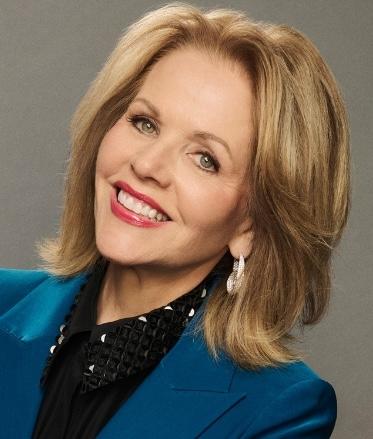
“There is a moral imperative to create more social connection.” These were the opening remarks of Renée Fleming at the Music and Mental Health Summit, presented as part of Festival Napa Valley on July 11, 2026.
Citing the chaos, stress, and isolation of the world right now, she reminded us that music is a wonderful resource available to all. In the last decade, new discoveries have found proof that music really does make us feel good, and shared music is even more beneficial. Since August is Mental Health month, the information was both timely and interesting.
| | |
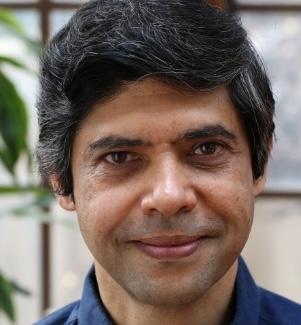
At the same event, Dr. Aniruddh D. Patel from Tufts University delved into the biological perspective on the transformative power of music. He explained, for example, how Parkinson’s patients can benefit from music and motion even after dopamine has died in their auditory-motor network. A video of a woman struggling to walk with an aide showed she was able to strut down the hall independently when music was played. Napa’s Active Wellness Center is putting this information into action with its boxing to music classes.
Also, we have probably all seen or heard about cases of patients with dementia who have lost recall of names and events but can still sing along with songs they heard decades earlier. Music is a highly effective way to help their cognitive reserves.
| | |
Dr. Patel spoke about the universal penchant for synchronizing, tracing back millions of years. Rhythmic movement to sound evolved naturally and can be found in animals as well. Snowball, the dancing cockatoo, was a wonderful example. There is a chaos in offbeat rhythms that we instinctively try to correct, having found that imposing a steady pulse on chaotic environments can create a shared mental model of order and safety.
Another very impressive integrated approach to music and mental health can be found in Canada’s SingWell Project, which facilitates group singalongs while supporting research, training and awareness.
| | | |
Dr. Indre Viskontas from University of San Francisco, neuroscientist and trained opera singer, offered more insights into how music can make us well. She cited chilling statistics on what she called a crisis in connection, especially affecting teenagers. She showed how music can lower heart rate and blood pressure and how shared music can be more beneficial even causing heartbeats to synchronize within a group. She traced through human history how music has been the social glue of community.
It was especially interesting to learn about some of the ways groups are using this information. A good example is Project: Music Heals Us, that offers ukuleles and lessons to young cancer patients. They’ve put on 27,000 free concerts and workshops in hospitals, nursing homes and correction facilities, demonstrating how music can restore dignity and humanity. They believe music can be used to create positive social change, breaking down barriers and becoming a unifying force in society.
| | |
Now, back to those 10,000 Lithuanians singing together. They were part of the astonishing Singing Revolution (1987 to 1991) featured in this short video. Could huge assemblages of people singing together somehow alter the brutal occupation by the Soviet Union of three Baltic countries? Watch the video to find out what happened.
Could our own divided country begin to heal if we were to raise our voices together in song? It’s worth a try.
| | Music Events and Resources for Wellness | | More Opportunities to Support Our Community | | |
Volunteer Opportunities & Events to Support Local Nonprofit Groups
Tell 'em you heard about it through CanDo!
| | If you represent a local nonprofit, you may submit a COMMUNITY EVENT or VOLUNTEER OPPORTUNITY by completing our online form. | | Your event will be posted to the CanDo website upon receipt and will be published in the next newsletter, published the first Tuesday of every month. | | |
Flyer or image is required and must be sent as a jpg or png (NOT PDF).
SUBMISSION DEADLINE: 6PM on the Sunday prior to the publication day.
| | Looking for Local Volunteer Opportunities? | | |
Local community members can connect with the causes they are passionate about.
Go to VolunteerNow.org and type in Napa or your zip code.
| |  | |
Explore volunteer, event, and action listings to discover ways to make a positive impact in your community.
Go to Idealist.org and type in Napa or your zip code.
| | | |
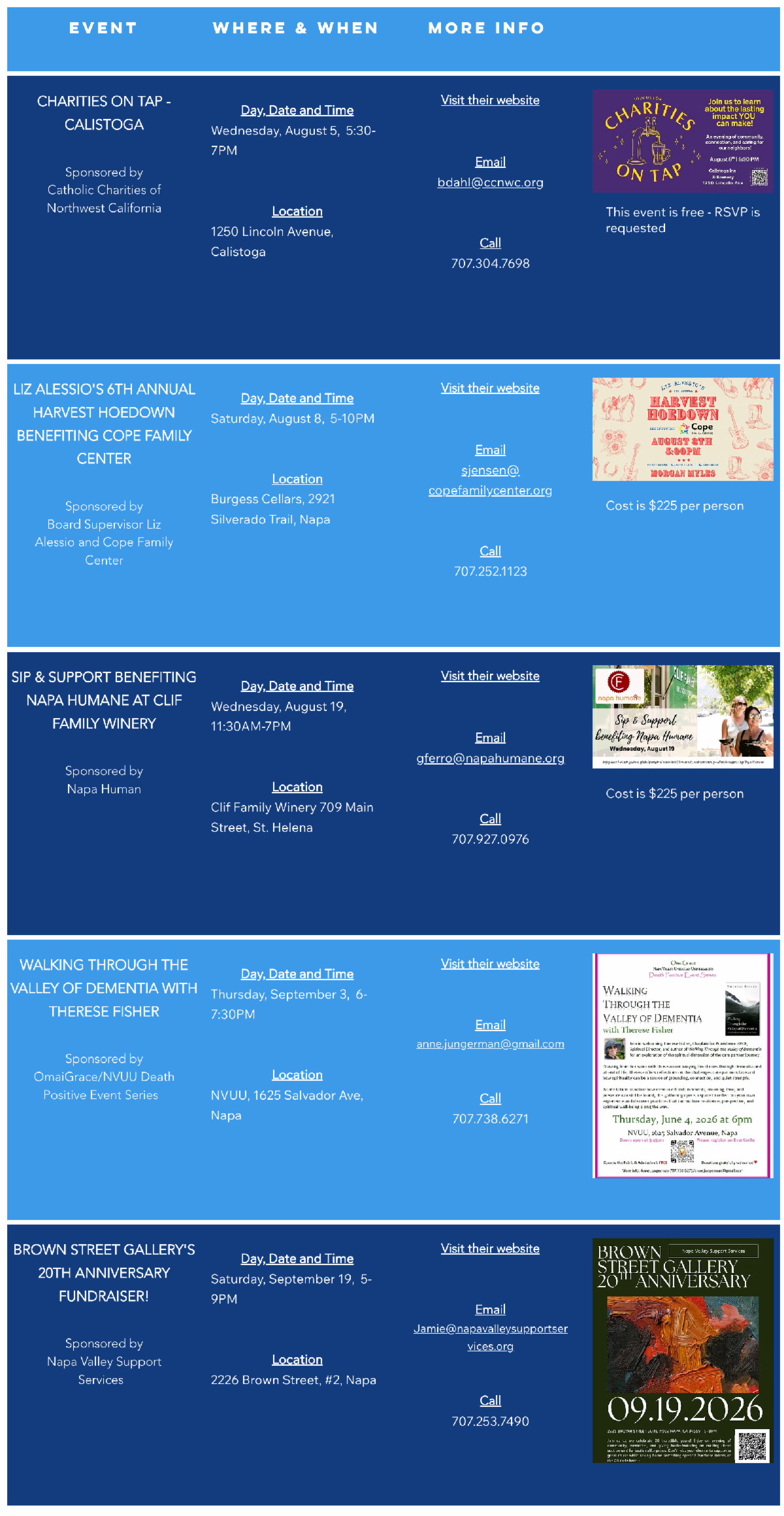
Highlights from CanDo's Community Calendar, August 4 - September 1
Please note: we are not responsible for errors in these listings. We take this information directly from promotional websites, usually the sponsoring site.
| | |
Now - Sept. 1: The Beauty of Napa Valley: Photography of Bob McClenahan - CIA at Copia, Napa - FREE
Aug. 4: National Night Out - Calistoga (4-7PM), NV College (4-7PM), St. Helena 5-8PM -FREE
Aug. 5: Charities on Tap, Calistoga - Calistoga Inn & Brewery, 1250 Lincoln Ave., Calistoga.
Aug. 6-9: Napa Town & Country Fair - Napa Fairgrounds
Aug 8: CanDo's Napa Food Project pickup day
Aug. 8: Tulocay Cemetery Walking Tour - Napa County Historical Society - Get Tickets Early
Aug. 9: Napa Valley Farmworker Foundation FAMILY DAY/Dia de la Familia - Drive-Through - FREE
Aug. 9 & 23: Napa Valley Players 2026 Summer Staged Reading Series
| | |
Aug. 10, 17, 24, 31: BE WELL Mobile Services - Napa County Health/Human Services - Every Monday, 9:00AM - 4:00PM - 3rd St. and Coombs in Downtown Napa. FREE
Aug. 11: Monthly Wetlands Slow Stroll - American Canyon, Wetlands Edge - 2nd Tues. FREE
Aug. 15-16: Vintage Aircraft Exhibit - Napa County Airport - FREE
August 16: Not Loud Concerts - Napa Yard - Oxford Gardens - FREE
Aug. 22-30: Friends of the Napa Library Book Sale - 580 Coombs Street Napa - FREE
Aug. 23: Sip and Shop, Maker's Fair and Car Show - RD Winery - FREE
Aug. 24: Parent Support Group - 10 a.m. - Cope Family Center, 707 Randolph St., Napa - FREE
Aug. 29: Action Art Fest - open-air arts festival - FREE
| | |
Random Ramblings
CanDo's President, Camille Gentry Kaijankoski, kindly shares some of her favorite online discoveries in this space.
| |
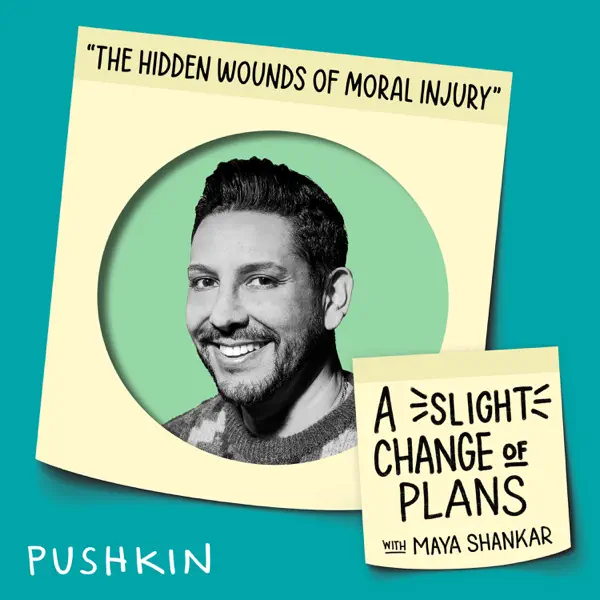
The Hidden Wounds of Moral Injury
While deployed to Afghanistan with the U.S. Air Force in 2014, psychologist Michael Valdovinos had an unexpected emotional breakdown. None of the diagnoses he knew best–like PTSD or depression–fit the crisis of conscience he was experiencing. Then he came across the concept of moral injury. In this podcast, Michael describes what happens when our deepest values are violated, the different ways it can occur in everyday life, and how we can start to heal.
Check out Michael’s book, Moral Injuries: When Good Conscience Suffers in a World of Hurt.
| | |
Quick Tip
Prepare for Napa's Peak Fire Season
| | |
Easy ways to create a defensible space without breaking the bank
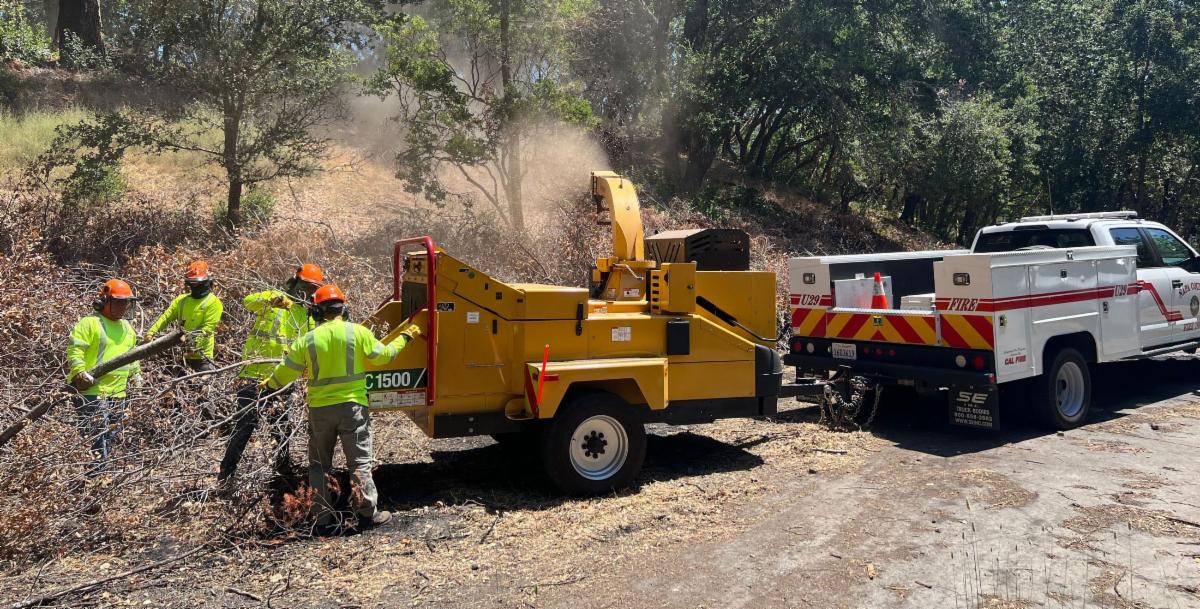
Preparing your home for the wildfire season doesn't have to be expensive. Here are a few simple steps: clearing dry vegetation, trimming tree branches, and removing leaves from roofs and gutters make a big difference in protecting your home and improving firefighter access.
Knowing where you can save $$ while taking action to reduce wildfire risk will help keep your family and neighbors safer this fire season.
Need help? Napa County offers resources to make the job easier:
🪵 FREE Chipping Service: Residents in eligible areas can dispose of cut brush and tree limbs at no cost through the county's Chipper Day Program.
💰 Defensible Space Cost-Share Program: Eligible homeowners may qualify for reimbursement to offset the cost of creating defensible space around their homes through Napa Firewise.
Learn More:
| | Schools Get a Summer Refresh | | |
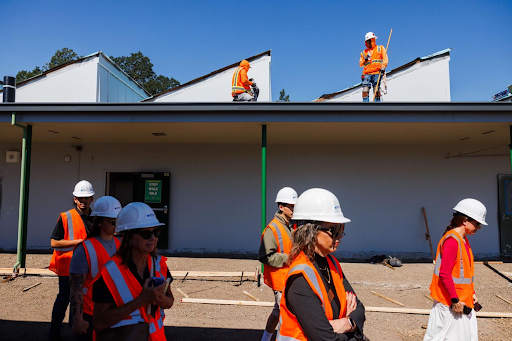
While students enjoy their summer break, construction crews are hard at work across Napa Valley Unified School District campuses preparing for the new school year. Thanks to voter-approved Measure B, several schools are receiving long-overdue improvements designed to create safer, more comfortable, and energy-efficient learning environments.
This summer's major projects include:
- Napa High School – New roofing, upgraded HVAC systems, exterior painting, and fire alarm improvements.
- Vintage High School – Roof replacement and installation of modern HVAC systems.
- Redwood Middle School – New roofing, HVAC upgrades, exterior paint, and parking lot improvements.
- Valley Oak High School and Stone Bridge Charter School – Campus modernization, including building system upgrades and exterior improvements.
| | |
Beyond these projects, NVUSD continues to invest in solar panels, EV charging stations, digital marquee signs, pavement improvements, and new career and technical education spaces throughout the district. These upgrades improve campus safety, reduce long-term energy costs, and provide healthier, more modern learning environments for students and staff.
Learn more
| | | | |
Reading is breathing in and writing is breathing out.
~Pam Allen
| | |
PO Box 855
Napa, CA 94559
Email: info@nvcando.org
Phone: (707) 225-8942
Tax ID: 46-2670379
| | | | New to CanDo? Want to receive this nifty eNewsletter? It comes out bright and early the 1st and 3rd Tuesdays of the month, full of ways you can volunteer and connect with community. | | |
You Want to Help. We Make it Easy is a registered trademark of the Neighborhood Food Project. Used by permission.
| | | | |