|
ICANN86 Newsletter
10 June 2026
| | | Outcomes From Two Years of Enforcing the DNS Abuse Mitigation Requirements | |
The DNS Abuse mitigation requirements took effect on 5 April 2024, and since then ICANN Contractual Compliance has rigorously enforced them. Hundreds of investigations and targeted audits have prompted multiple contracted parties to implement and sustain compliant processes, resulting in the mitigation of hundreds of thousands of malicious domain names. These outcomes complement the ongoing measures that registries and registrars undertake to combat DNS Abuse independently of ICANN’s direct involvement.
Read the blog to learn more about the enforcement actions completed over the past two years and the additional measures now being developed as part of ICANN’s continued commitment to upholding the DNS Abuse mitigation requirements.
| | ICANN86 NEWS AND RESOURCES | | |
Join Us at the Engagement Booth | Stop by ICANN’s engagement booth to talk with our Global Stakeholder Engagement team and ICANN86 Fellows, ask questions, or share your thoughts on how to strengthen a single, globally interoperable Internet for all! | | At-Large Plenary 2: At-Large Preparations for the Next Round: Comments, Objections, and Community Engagement | |
This session aims to raise awareness of the At-Large Advisory Committee (ALAC) objection procedures and strengthen community understanding of how to participate effectively in the review of applications submitted in the Next Round of new generic top-level domain (gTLD) strings.
Particular focus will be placed on the development of ALAC procedures for submitting comments and objections, as well as on enabling informed and meaningful community engagement throughout the process. It will emphasize collaboration among the gTLD Applications Review Group (gARG), the Regional At-Large Organizations (RALOs), and the ALAC, while examining practical ways to encourage meaningful community involvement.
The session will also offer an opportunity to discuss how RALOs can effectively participate in evaluating applications and contributing to the overall process. The upcoming round of new gTLDs brings both significant opportunities and important challenges for Internet end users and communities.
At-Large Plenary 2: At-Large Preparations for the Next Round: Comments, Objections, and Community Engagement |
10 June, 11:45–13:15 CEST (9:45 UTC)
| |
Honoring the Life and Legacy of Alan Barrett | |
The ICANN Board of Directors invites the community to join a special gathering to honor the life and legacy of ICANN Board Member Alan Barrett, who passed away on 28 May 2026. The session will take place today, 10 June, 13:30–14:30 CEST (11:30 UTC).
The gathering will provide an opportunity for attendees to share stories and memories of Alan and reflect on his lasting impact on the Internet ecosystem. Learn more about the session and participation options, including remote attendance, on the ICANN86 session page (In Memoriam: Alan Barrett).
Alan was widely respected for his contributions to the development of the Internet in Africa and around the world. His work included helping to establish the first Internet connection for South African universities and the .co.za zone, as well as playing a critical role in the formation of the African Network Information Centre.
| |
GNSO: ISPCP Outreach Session | |
ICANN's Technical Engagement Team is excited to announce a series of training sessions in collaboration with the Internet Service Providers and Connectivity Providers (ISPCP) Constituency and the Security and Stability Advisory Committee (SSAC).
Experts from the SSAC and the ISPCP will share their experience and perspectives regarding data‑sharing models, relevant legal frameworks – including the General Data Protection Regulation (GDPR) and the NIS2 Directive – and operational tools that support effective and timely abuse mitigation.
GNSO: ISPCP Outreach Session |
10 June, 16:30–16:00 CEST (14:30 UTC)
| | Current and Coming Impact of Artificial Intelligence on DNS Abuse | This session took place on Monday, 8 June 2026. If you missed it or want to review, visit the session page to view the available session materials and recordings. | |
The community session co-organized by the Security and Stability Advisory Committee (SSAC) and the Business Constituency (BC) brought together technical experts and policy stakeholders across the ICANN community to discuss the impacts of artificial intelligence (AI) in transforming DNS Abuse. Focus areas for the panelists included emerging attack and defense tools, the increasing speed and quality of DNS Abuse, and what role ICANN could play in mitigating abuse.
During the session, the invited panelists shared their views on the changing ecosystem of DNS Abuse across their various fields of expertise: academia, security research, industry, and law enforcement. One theme that emerged related to how AI has the potential to alter the “economics of abuse,” lowering the barriers of entry for both attackers and defenders and changing how Internet infrastructure is generated and used. While the topic of this session is one of growing importance, the session was intended to be informational and to stimulate discussion about the possible roles the ICANN community, the technical community, and the broader Internet community might play in responding to this shift in abuse trends.
If you missed this session, you can find the poll results, slides, and recording on the session webpage. The SSAC and the BC will continue to bring forward emerging risks for further study and cross-community work.
| |
GNSO: Latin Script Diacritics PDP | This session took place on Tuesday, 9 June 2026. If you missed it or want to review, visit the session page to view the available session materials and recordings. | |
The Latin Script Diacritics (LD) Policy Development Process (PDP) Working Group (WG) met at ICANN86 to continue its review of the Public Comment on the LD PDP Initial Report.
Opening the session, the LD PDP WG paid tribute to the life and legacy of Alan Barrett, the Board liaison to the LD PDP. During this working session, the LD PDP WG progressed a number of substantive issues raised during the Public Comment. Specifically, the WG worked on issues related to the character inclusion in the diacritic set, rules for second-level domains, and an analysis of the human rights impact assessment and the global public interest checklist. The WG continues to make progress toward the LD PDP Final Report ahead of the anticipated timeline.
Once the WG concludes its review, it plans to stabilize its policy recommendations and submit a Final Report to the GNSO Council for its consideration.
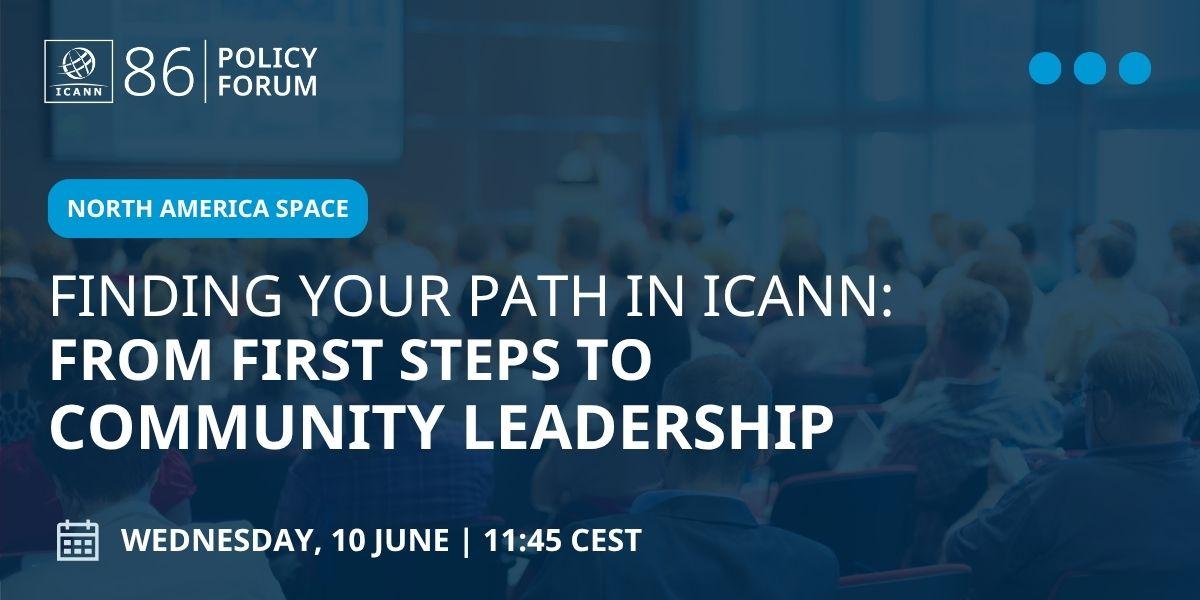
| | Finding Your Path in ICANN: From First Steps to Community Leadership | |
Curious how people find their place – and make an impact – within ICANN? Join us on 10 June at 11:45 CEST (9:45 UTC) for a dynamic panel featuring Jenifer Lopez (Councillor, Country Code Names Supporting Organization), Tara Whalen (Vice Chair, Security and Stability Advisory Committee), Kathleen Scoggin (Member, ALAC), Alyssa Quinn (Member, Address Supporting Organization Address Council), and Alperen Eken (Staff, ICANN). The session will kick off with remarks by Sally Costerton (Senior Vice President, Stakeholder Engagement) and Russ Weinstein (Senior Vice President, Policy), who will set the stage for our panelists to share the stories behind their journeys through the multistakeholder ecosystem.
Speakers will reflect on how they first got involved, the challenges of navigating a global, consensus-driven environment, and the moments that shaped their paths from newcomers to leaders. From chairing working groups to serving on advisory committees – and even transitioning from community member to staff – each perspective offers a practical look at the different forms meaningful participation can take.
This conversation will offer insights into the learning curves, persistence, and connections that sustain long-term engagement.
Whether you’re just starting out or looking to deepen your involvement, you’ll leave with clearer pathways, practical advice, and a better sense of how to take your next step in ICANN’s policy work.
| | |
Jothan Frakes
United States of America
| |
Jothan Frakes is an Security and Stability Advisory Committee member and CEO of Plisk,, a bespoke ICANN-accredited registrar serving celebrities, artists, musicians, and other creatives. He has held numerous leadership and volunteer roles within the Registrar Stakeholder Group. His domain industry work began in 1991 while touring with Top 40 artist Stevie B, sparking a lifelong interest in the Domain Name System and registration.
A registry and registrar expert, Frakes became Chief Technology Officer of a country code top-level domain in 1997 and an early Universal Acceptance and Internationalized Domain Name pioneer in 1998. Among numerous domain conferences, he co-founded NamesCon, following 2012-round expert work with KPMG, and has volunteered on the Public Suffix List since 2009.
| | | |
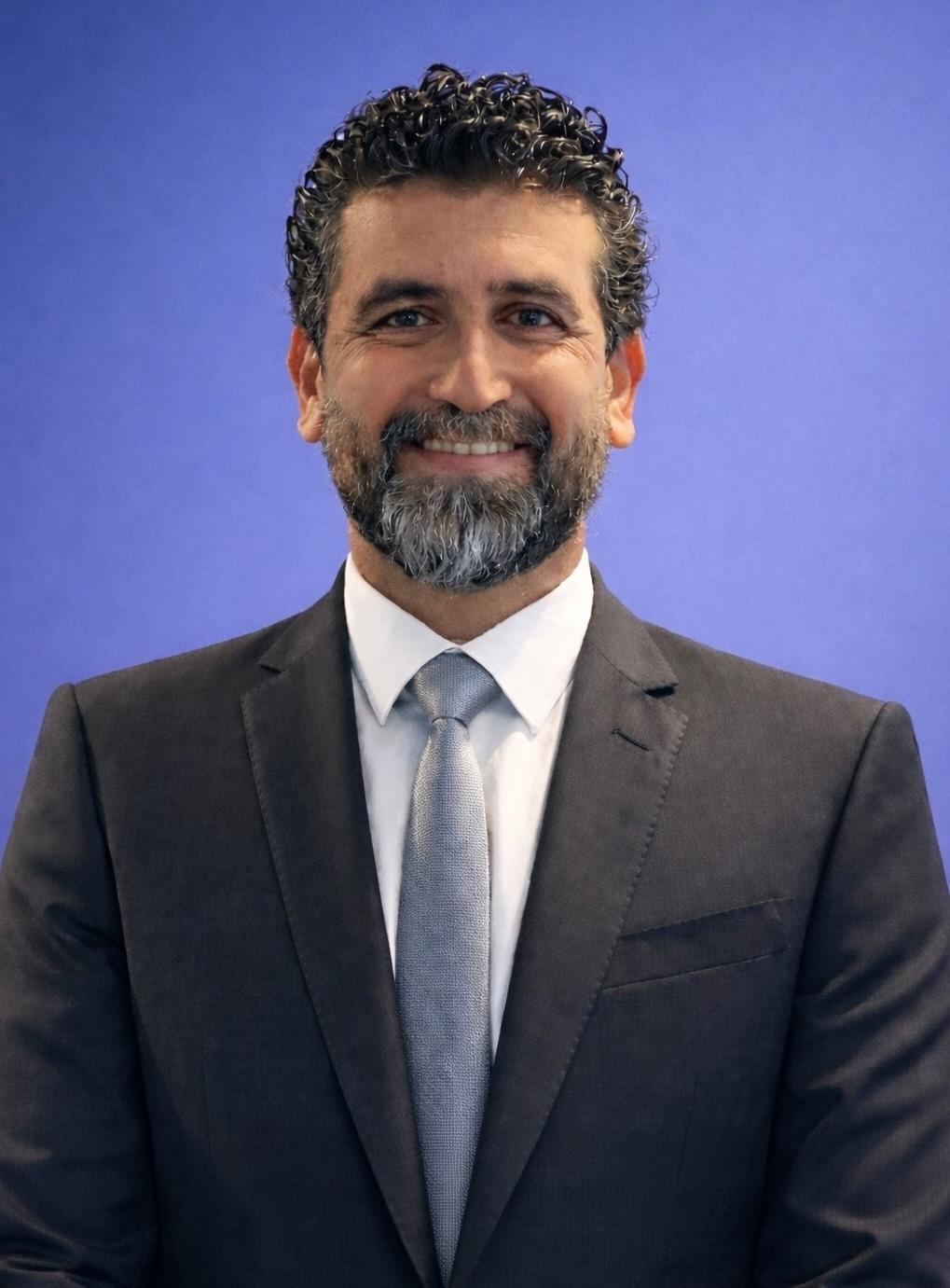
A senior policy professional working at the National Telecommunication Regulatory Authority (NTRA), Farag specializes in Internet governance and digital cooperation. He has been actively engaged in the ICANN community through the fellowship program and broader participation, contributing to discussions on the multistakeholder model and Internet policy development processes.
His journey with ICANN began as a fellow at ICANN60 and ICANN65, marking a pivotal step in deepening his engagement within the community. Since then, Farag has expanded his role across regional and global Internet governance initiatives, including leadership roles in the North Africa Internet Governance Forum (IGF) and the ArabIGF ecosystem.
He serves as vice chair of the Arab working group for Internet affairs at the League of Arab States and leads the ArabIGF Secretariat. Farag’s work focuses on strengthening multistakeholder collaboration and capacity development across the Arab and African regions.
| “The ICANN Fellowship Program provides a vital first step toward effective engagement in the Internet policy ecosystem, enabling newcomers to contribute confidently to the multistakeholder model.” | | | |
A graduate computer science student at Óbuda University and part-time trainee at an information technology company, Kristina Ivanova is intrigued by the potential to bridge advanced artificial intelligence (AI) with Internet governance. She specifically is interested in exploring how machine learning can enhance Domain Name System security.
At ICANN86, she wants to engage with experts and explore how AI-driven research can contribute to global Internet stability. Ivanova is particularly keen to investigate how machine learning can be used for anomaly detection within network traffic to preemptively mitigate threats, as well as the technical implementation of Universal Acceptance.
| "As our digital landscape evolves, we must actively integrate emerging technologies like AI into our governance frameworks to build a more resilient and secure Internet for everyone." | | | ICANN COMMUNITY SPOTLIGHT | | | |
Simon Knoll
Communications and Outreach Chair, Intellectual Property Constituency
| |
Q: I joined the Intellectual Property Constituency (IPC) to...?
A: “I joined the IPC to contribute to the maintenance and enhancement of a fair and safe DNS together with like-minded professionals. As an IP-professional, the IPC can be considered my 'home' within ICANN.”
| | | |
Review the Participation Guides
Visit the Participant Tools page for the information you need to attend ICANN86 virtually or in person.
| | | SUBSCRIBE TO ICANN UPDATES | | |
Sign up to get the latest blogs, announcements, and Public Comment proceedings delivered right to your inbox. You need to sign in or create an ICANN Account before you can subscribe. | | | | | | |