CalRad Society Newsletter

Please take a moment to review recent news and updates from the CRS.

This issue includes updates from the President, CRS Lobbyist and much more!

A Message from the CRS President

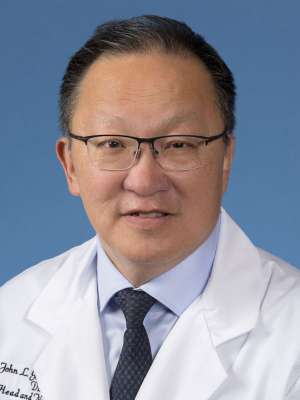
John Go, MD, FACR | President, California Radiological Society

It is with pleasure that I will be serving as the new President of the California Radiological Society this year. As the state chapter of the American College of Radiology, we represent California radiologists at the ACR Annual Meeting in Washington, DC. We also serve to represent you, the radiologist at the national and state level and are actively canvassing on your behalf at the state level of government as well, in support of legislation that will allow you to continue to thrive and practice to your fullest extent.


Many thanks to James Bronk, MD, FACR, for his excellent tenure as past President of the CRS. I know those are big shoes to fill as well as the past Presidents who have served in the previously. My goals this year are to increase member engagement and participation while encouraging residents, fellows, and early-career radiologists who have chosen to practice in California to become active members of CRS.


As a practicing academic neuroradiologist for over 30 years, I have come to learn and understand the value of CRS and ACR in my own practice. The business and economics of radiology is something which is not really taught during training and is something which is learned over time in practice. The looming impact of AI and how it will impact radiology practices from both a microeconomic and macroeconomic impact is on everyone’s mind.

I belong to over ten radiological organizations and have even served as President of some of them, but I have found that the most important radiological organizations I belong to are the CRS and ACR, as they are the political arm of radiology and are looking after my own interests. I encourage you to join both the CRS and ACR as both organizations are looking after your interests, the radiologist, in practice.


Programs which I will be promoting this year include the current Resident/Fellow Career Symposium in southern California held at the UCLA campus this winter which we have had for a number of years. Many thanks to Dr. Steve Raman at UCLA for hosting. We are currently planning a Resident/fellow Career symposium in Northern California for this winter, a first, so stay tuned.


There is currently a Resident/Fellow Committee at CRS, and I will be creating a YPS committee as well as creating positions for YPS members to serve on some of our other committees including Membership/social media, as well as a position on the Executive committee. Email the CRS Executive Director Kate Peyser at kpeyser@amgroup.us if you are interested in joining a committee. We are also providing financial support for two trainees to the ACR Harvey Neiman Radiology Leadership Institute (RLI) symposium in Atlanta, GA.


It sounds like a busy year ahead, but thank you for your confidence in me and for the opportunity to serve.

CRS Legislative Report

Ryan Spencer | CRS Lobbyist

The California State Legislative Bill Introduction Deadline passed on February 20, with nearly 2,000 bills introduced across the Senate and Assembly. 

The new bills covered every aspect of California’s health care system, from insurance reforms and workforce regulation to artificial intelligence, facility standards, and major structural proposals that could reshape the delivery of care statewide.


As part of its annual review, the CRS’s Governmental Relations Committee identified and analyzed approximately 50 bills with potential implications for radiologists, imaging practices, patient access, and the broader health care environment.


After a thorough vetting, CRS took active positions (Support, Oppose, or Oppose Unless Amended) on 10 of these measures. The positions reflect CRS’s priorities to protect patient safety, ensure high‑quality imaging, preserve physician oversight, promote fair reimbursement, and maintain an environment that allows radiologists to deliver timely, accurate, medically necessary care.


The Not So Good Ones

CRS’s advocacy this year has not been limited to advancing proactive legislation; unfortunately, a significant amount of time has been spent defending the house of medicine, protecting patients, and preserving appropriate scope-of-practice boundaries. Three opposition bills—AB 2497, AB 2575, & AB 1979—serve as strong examples of CRS’s role in this effort.


AB 2497 (Johnson) would have greatly expanded the scope of practice for radiologists. Introduced as a gut and amend spot bill, the bill eliminated direct access guardrails, authorized them to prescribe certain medications, fabricate and order orthotics, perform dry needling, and – importantly - perform and interpret musculoskeletal ultrasound and to order or refer patients for imaging or studies performed and interpreted by other licensed health care professional. Fortunately, we were able to remove the ultrasound and imaging language before even the first hearing. But remained opposed to assist the house of medicine with this broad language and the bill was ultimately defeated.


AB 1979 (Bonta) essentially requires licensed health care professionals to independently review and approve clinical decisions supported by AI or clinical decision support systems. CRS’s shares concerns other stakeholders that the bill would impose overly rigid statutory restrictions on AI and clinical decision support tools that are already widely used throughout the health care system. The bill will force providers to review, inventory, and potentially reclassify or redesign tools embedded in EHRs, patient education, care navigation, imaging, medical devices, and analytics systems. It would also create significant new compliance burdens by requiring providers to document and prove that licensed professionals exercised “independent professional judgment” when using CDSS-supported clinical decisions. It passed out of the Assembly by a vote of 48-15 and now in the Senate.


CMA is working on language to amend the provision that directly impacts physician offices and make it more functional for docs. 


AB 2575 (Ortega) is the worst one. It would regulate the use of artificial intelligence in health care settings by imposing new restrictions, disclosure requirements, advance notice obligations, and liability standards on health facilities, clinics, physician offices, and group practices that use AI-enabled tools.


Even though AI can support physicians by improving diagnostic accuracy, identifying safety issues, reducing administrative burden, and helping clinicians spend more time with patients; the bill takes an overly broad and punitive approach that could effectively discourage or halt the use of beneficial AI technologies. The measure passed out of the Assembly 48-15 and is also in the Senate.


Other Bills

Other successfully opposed bills that failed passage this year were the following: AB 1922 (Lowenthal) which would have prohibited mechanical restraints on inmate patients in clinical settings, including imaging centers; SB 1333 (Jones) which would have authorized naturopathic doctors to prescribe scheduled drugs two to five without supervision; and as part of a large opposing coalition, SB 1377 (Jones) which would have made it easier for families to obtain false medical exemptions for vaccines. All bills failed passed before or as a result of the policy committee.


Unfortunately, we lost a few good ones too. All three of the following bills failed in the Assembly Appropriations Committee and held on suspense. 


  • AB 1570 (Wilson) requires health plans to cover screening mammography and medically necessary diagnostic breast imaging without cost sharing. It expands no-cost coverage to include follow-up diagnostic breast imaging after an abnormal mammogram and imaging for patients with breast cancer risk factors. 

  • AB 2256 (Chen) creates title and practice standards for “radiologist assistants.”


  • AB 2431 (Patel) requires health plans to justify any downcoding of a provider’s claim with a documented clinical review, give providers clear notice and appeal rights, prohibit discriminatory downcoding against providers treating complex patients, and require state regulators to collect and report data on coding and claims-adjustment practices


The Budget

CRS is also closely monitoring the 2026–27 state budget process, including Governor Newsom’s May Revision released on May 14, 2026. While the Governor highlighted California’s economic strengths and noted that revenue projections had increased by $16.5 billion compared to the January budget, the May Revise also reflected significant fiscal pressure from federal policies, tariffs, proposed federal funding reductions, international instability, and increased state costs associated with H.R. 1.


Of direct important to CRS and the broader physician community, the May Revise includes a Managed Care Organization tax proposal projected to generate significant revenue in the coming fiscal years; however, the proposal appears inconsistent with Proposition 35, approved by voters in 2024, because it diverts the revenue to the state General Fund rather than preserving it for health care programs. This means less money will be used to enhance Medi-Cal provider rates, as approved by the voters. CRS continue to monitor these budget negotiations closely and support efforts to ensure health care dollars remain invested in health care access, provider reimbursement, and patient care consistent with state law and voter intent.

Reflections from ACR 2026:

A Resident's Experience in Washington

By Bryson Hewins, MD — PGY-3 Diagnostic Radiology Resident, Naval Medical Center San Diego


The 2026 American College of Radiology Annual Meeting in Washington, D.C., supported through the generous sponsorship of the California Radiological Society, offered residents something rarely available in a single venue: a direct role in federal advocacy alongside programming built specifically for trainees preparing to transition into independent practice.


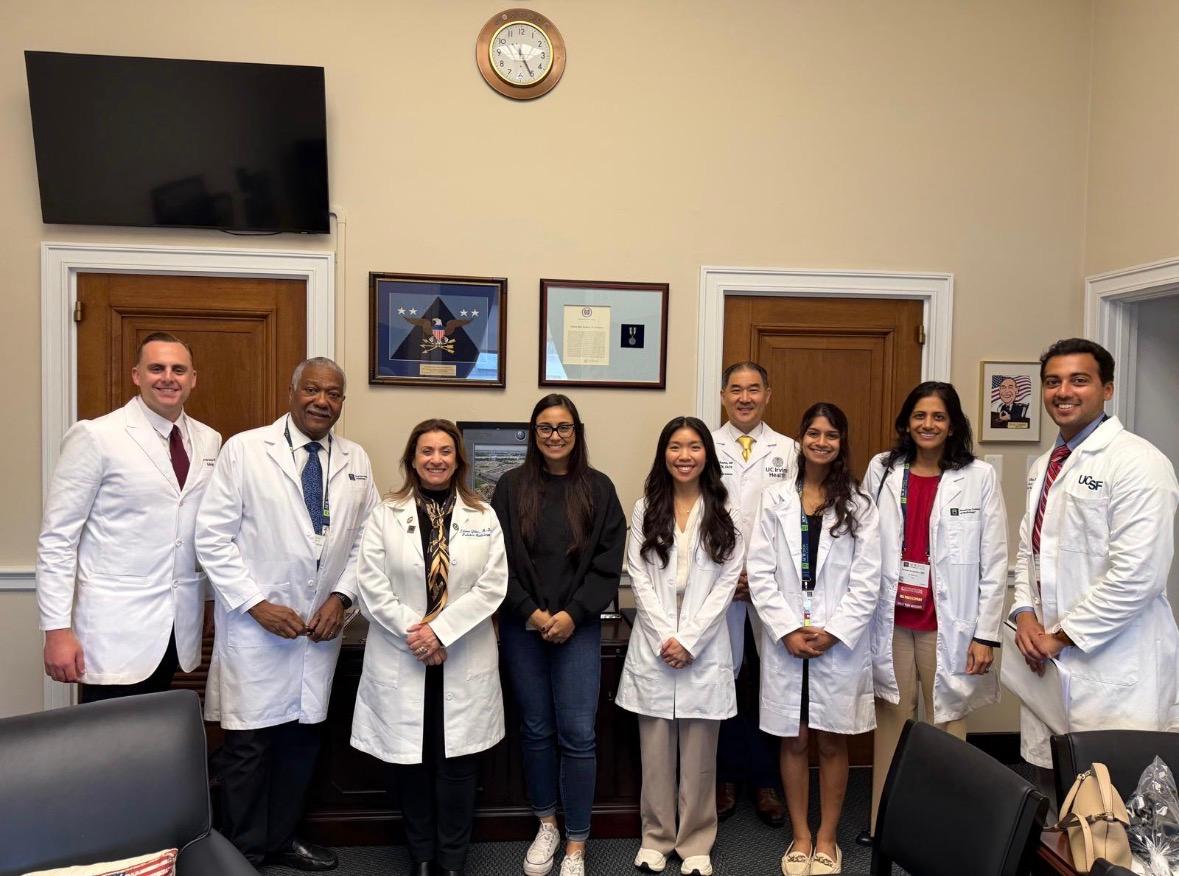
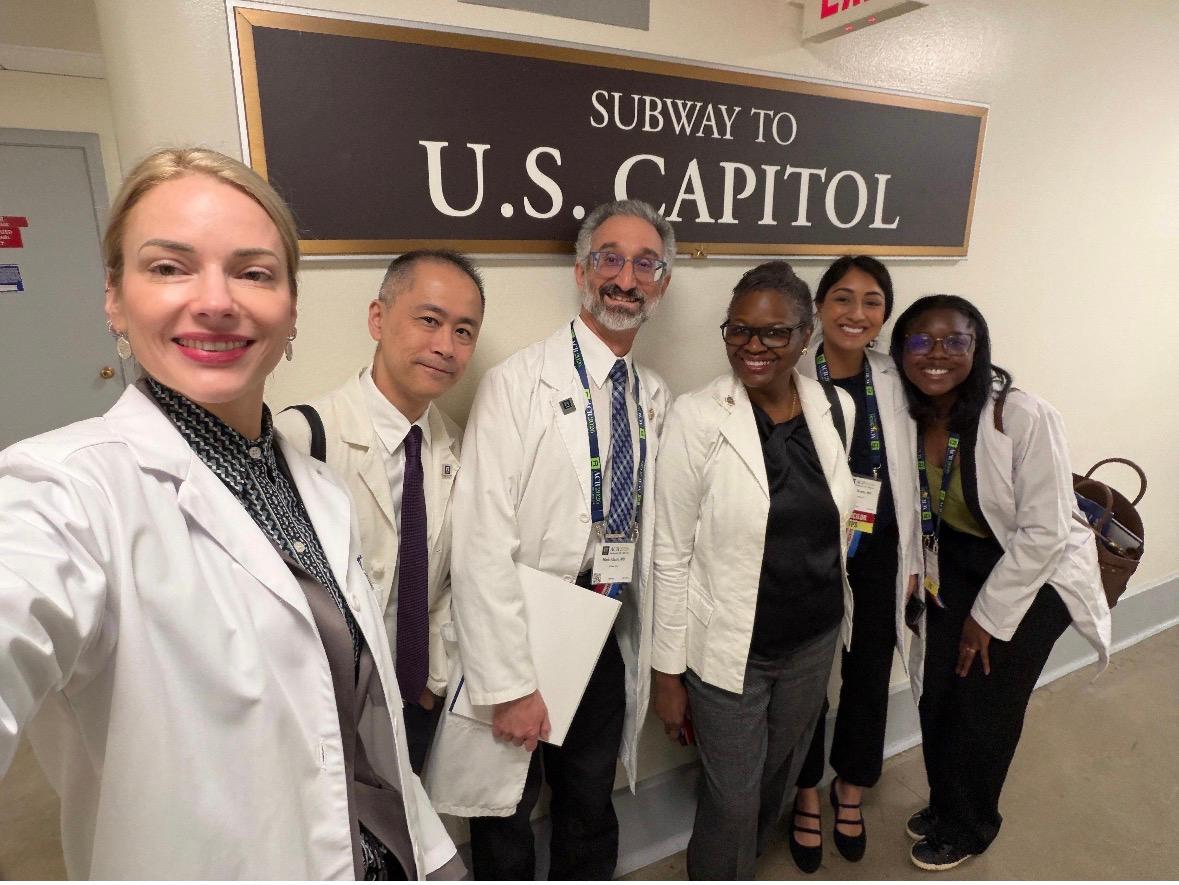
Capitol Hill Day was the centerpiece. Radiologists and trainees from across the country met with congressional offices to advance the College's legislative agenda, principally Medicare physician payment reform (tying the fee schedule to the Medicare Economic Index through the Strengthening Medicare for Patients and Providers Act) and prior authorization relief under Medicare Advantage. For a resident, articulating these priorities directly to the staff who shape imaging policy is a concrete lesson in how organized radiology converts clinical concern into legislation. The day also created an opening to advocate for imaging access across the military and federal beneficiary populations, a perspective that complements the chapter's broader patient-access priorities.


The Resident and Fellow Section programming was equally substantive and immediately applicable. Sessions addressed Core and Certifying examination strategy, radiologist compensation models, the decision between academic and private practice, contract negotiation, and the structure and government relations work of the College. A session on artificial intelligence's expanding role in practice spoke directly to the imaging informatics and AI governance work underway at programs nationwide, including within military radiology.


Networking carried comparable weight. The meeting convened trainees and established leaders from across the country, including colleagues in military radiology, a community I help represent as Vice Chair of the ACR Military Radiology Resident Subcommittee. Several of those conversations are already advancing collaborations in mentorship, trainee education, and AI. That sentiment was widely shared. As two fellow CRS-sponsored residents reflected:

"I'm grateful for the opportunity to attend the ACR meeting this year thanks to the generous sponsorship of CRS. Having the chance to meet and network with thought leaders and key advocates, both from within our state and across the country, was incredible. It was especially meaningful to unite and advocate for our specialty to ensure that we can continue to practice safe, high-quality, evidence-based medicine."
— Massachi, Jonathan, PGY-3, University of California Los Angeles 
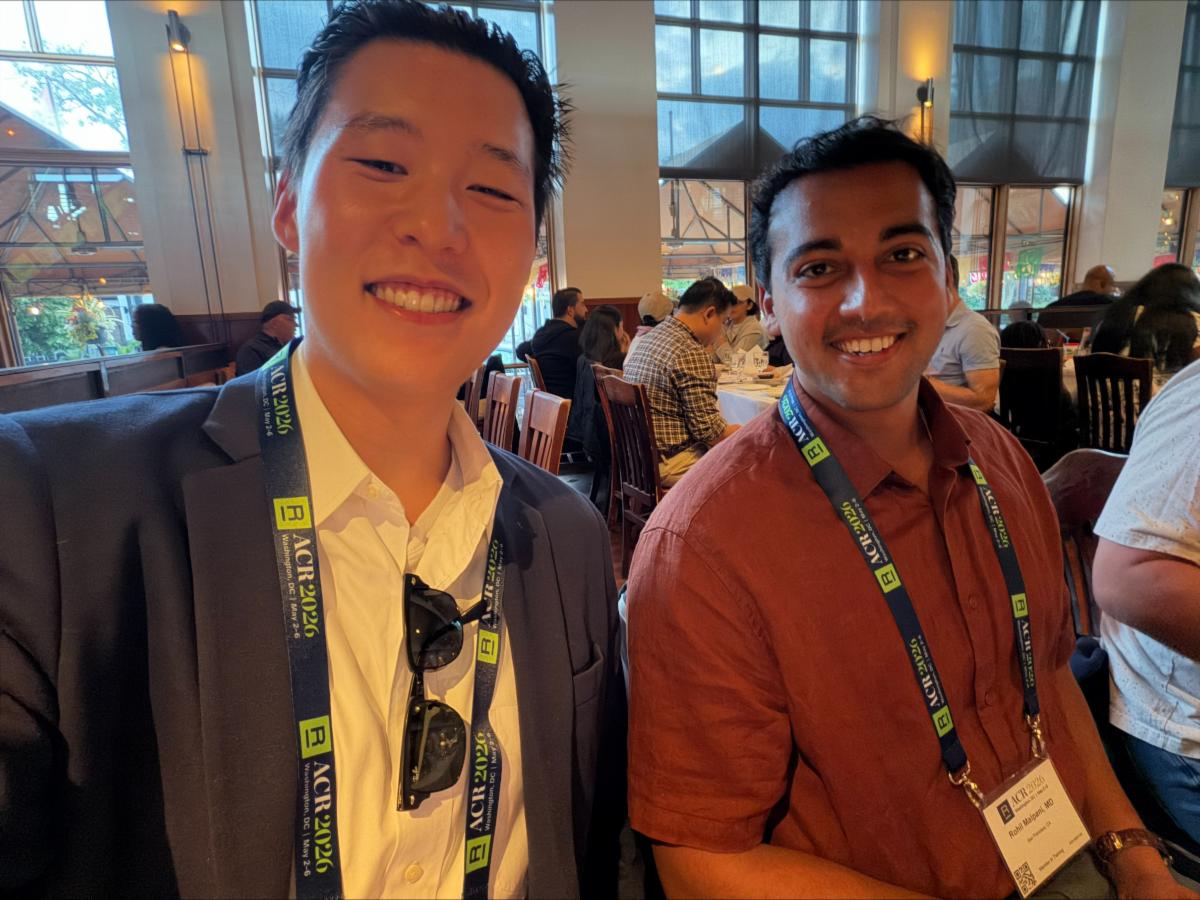
"Attending the ACR annual meeting exposed me to vital facets of radiology economics, business, and advocacy that residents are otherwise rarely exposed to during training. It was incredibly enlightening to gain an inside look at the challenges facing our field—hearing diverse perspectives across different career stages and geographic locations—while exploring collaborative solutions. The highlights of the trip were undoubtedly the CRS dinner and the RADPAC gala. I am deeply grateful to the California Radiological Society for this opportunity, and I look forward to deepening my involvement with both the ACR and CRS as I transition into my fellowship and career as a young attending in California."
— Rohil Malpani, PGY-5, University of California, San Francisco

The return on this sponsorship extends well beyond the meeting itself. The advocacy fluency, national relationships, and practical knowledge gained are already being carried back to CRS and San Diego Radiological Society colleagues, channeled into local trainee engagement, and applied to the civilian-military partnership that distinguishes Southern California radiology. Sponsoring residents is precisely the kind of investment that compounds, returning value to the chapter many times over. The opportunity is deeply appreciated, and this year's attendees return committed to sustained engagement with CRS."

Check Out the Recent Job Postings on CRS's Career Center!

Hybrid Diagnostic Radiology opportunity in Northern California

Enloe Medical Center | Chico, CA


Remote Evening Neuroradiology | Uncapped Earnings + $100K Bonus | Training Stipend for Residents & Fellows

Lucid Health | Riverside, CA

The California Radiological Society (CRS), as a state chapter of the American College of Radiology, advances and advocates for radiology and radiation oncology in California in service to our patients.

X