|
Happy New Year!
Cross your fingers and fasten your seatbelt. A single daily news cycle will probably be enough to keep you informed without too much psychic damage. Alas, ignorance cannot be bliss! Also, passion does not prove truth. Okay, enough about politics. Let's talk about books.
As a child, I assumed they were part of anyone’s experience. Now I understand my good fortune. My earliest memories of independent reading consist of my pride in knowing. More clearly do I remember reading about dinosaurs and witch trials than I remember stories. In fourth grade, I carried to school The Guiness Book of World Records and Ripley’s Believe It or Not to entertain myself and others with weird trivia. Before adolescence, I felt the power in books, first by reading them and learning things, later understanding their potential to take me to new realms and expose me to new ideas.
Because of our family bookstore, I spent time with some very well-read adults. Persons who read a lot become independent thinkers. By my early teens, I sought reading advice from the booksellers my parents employed. It was clear to me that there were more books than any human could read, so it seemed important to locate very good ones. I still use triangulated reports from fellow booksellers and customers to choose my reading.
Readers may acquire books beyond their reading means. A book attracts one’s curiosity and if it can be afforded, the purchase will only take a moment. But reading a book is a commitment of time and attention. When I was in college, the books I intended to read fit on one short bookcase. Today, my unread books number about 2,500.
I am a frustratingly analytical person who discovered passable efficiency during childhood by throwing dice to relieve myself of stultifying indecision. Later in life, I realized that dice had also helped me avoid the pitfalls of defining and knowing self. No book in my library is chosen randomly. However, since my youth, I have sequenced my carefully selected books by throwing dice. It is superbly exciting for me to finish a book and learn what I get to read next.
The last decade, I tweaked the program (slow learner) to include more forthcoming and newly published works. My enthusiasm for new books matches what I feel for older vetted ones. Nearly all book lust and value begins with content. Who cares how rare a book is if reading it is not useful or joyful?
Right now, I am reading four books, though I usually limit myself to three without overlapping content. It so happens, two new titles got ahold of me. The others were selected from my collection by aleation with dice. [Lat. aleatorius < aleatory/ dice player < alea, dice]
| |
|
Published in October, The World in Books by Kenneth C. Davis gives thoughtful synopses of 52 Works of Great Short Nonfiction. I am only halfway through the chronological survey, within the Gertrude Stein chapter. Davis has selected some of humanity’s most influential writings. He excerpts passages, tells about the life of the author and places their topics in historic context. Since we live in an era when flimsy ideas are defended by censorship, Davis illuminates how many profound writings have been censored throughout history and makes bold and smart arguments against those who seek to control others by limiting the flow of ideas.
| |
|
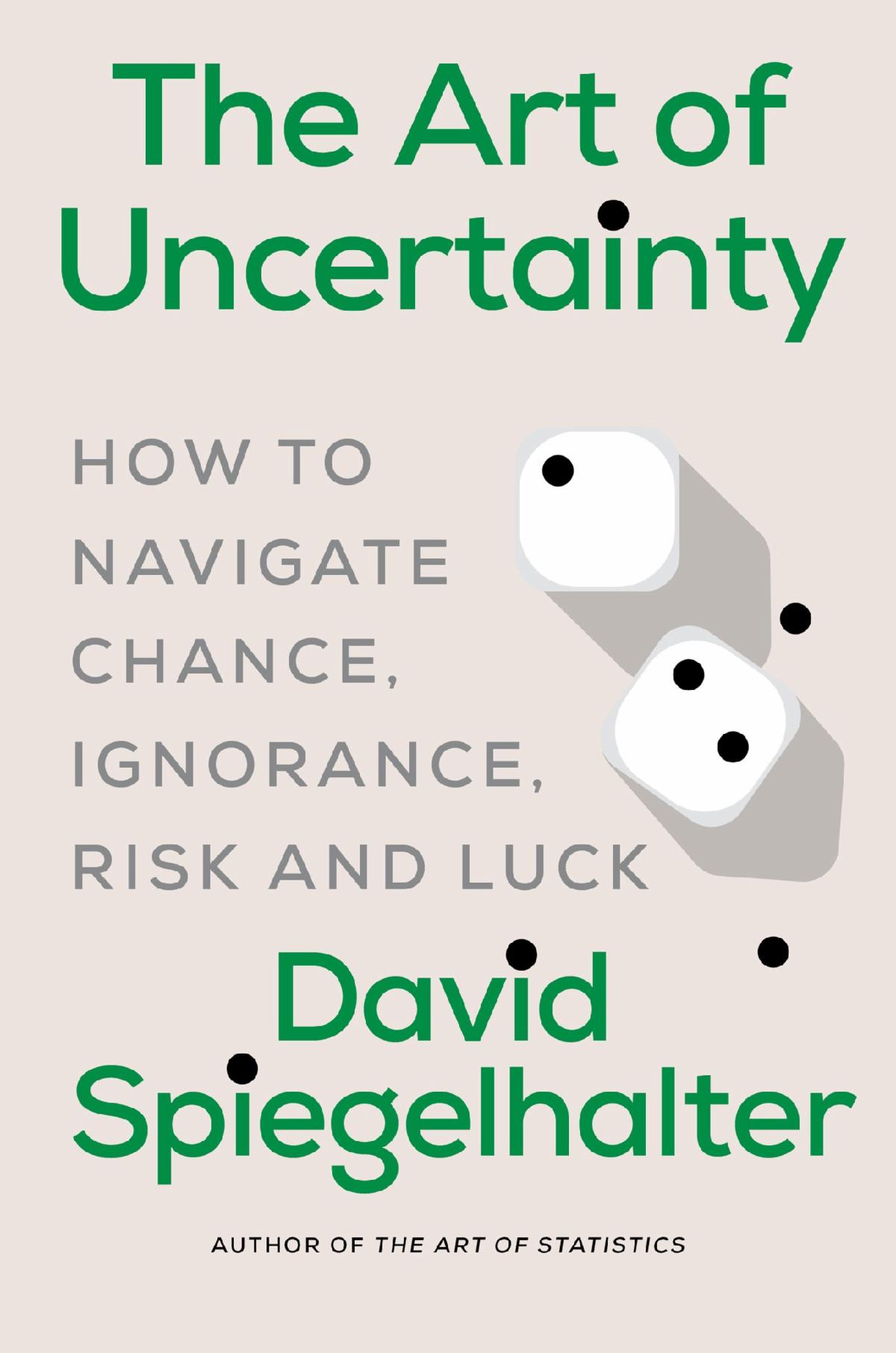
I am not as far into the forthcoming book, The Art of Uncertainty: How to Navigate Chance, Ignorance, Risk and Luck by statistics professor David Spiegelhalter. It will be released in March. Just the title captured me. I have manipulated chance with dice most of my life. Bookselling seems to require a sober and careful relationship with ignorance. I am only in the third chapter and wish I were better at math. By Spiegelhalter’s simile, I am pleased to feel like a fox. Watch out for hedgehogs.
| |
|
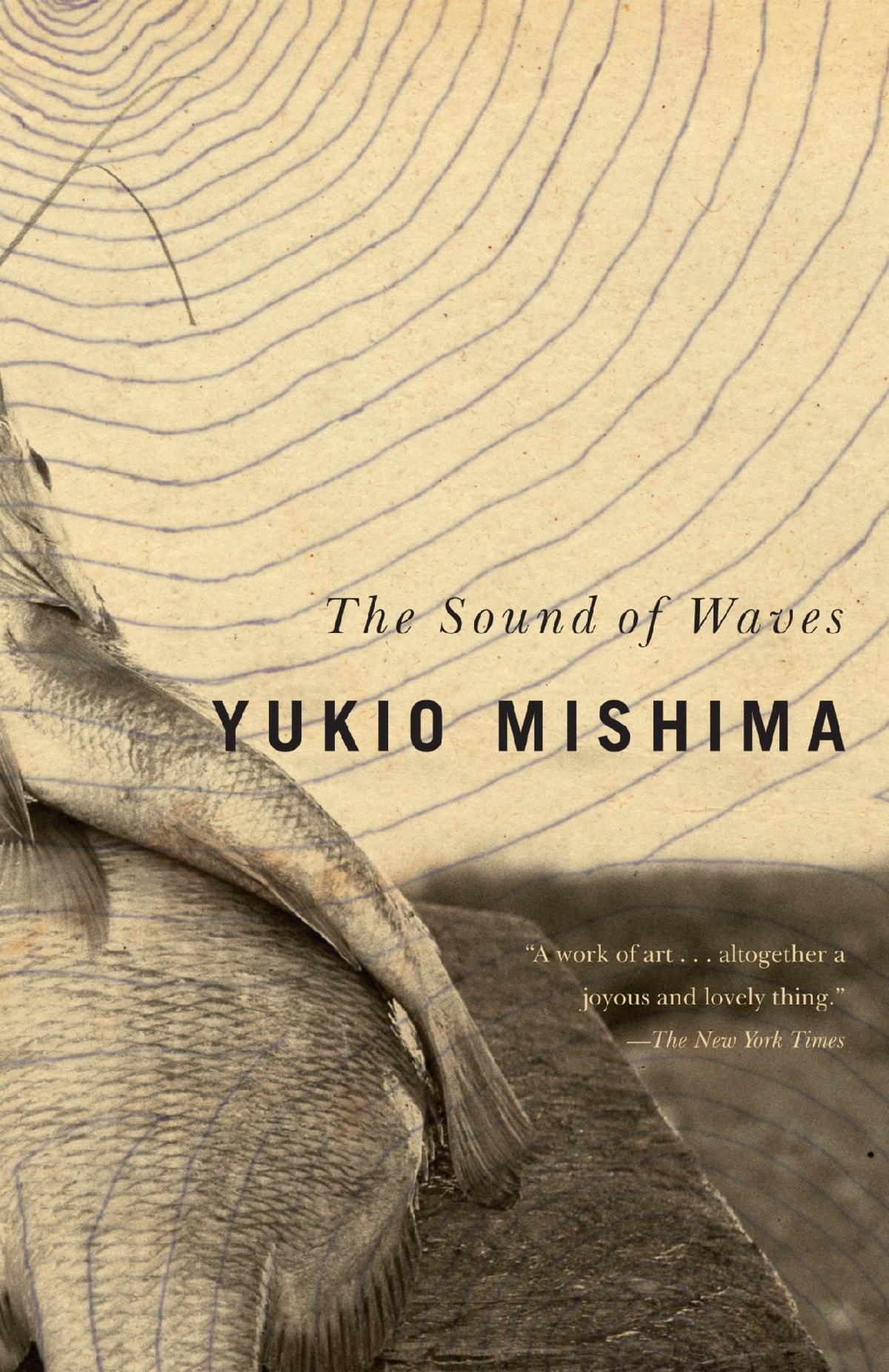
I have read a few books by Yukio Mishima, the intense post WWII novelist, idealist, and nationalist. His books are enchanting, mysterious, and inciteful. I am almost done reading his 1954 novel, The Sound of Waves, a gentler more pastoral story than The Confessions of a Mask, Death in Midsummer, and The Way of the Samurai.
| |
|
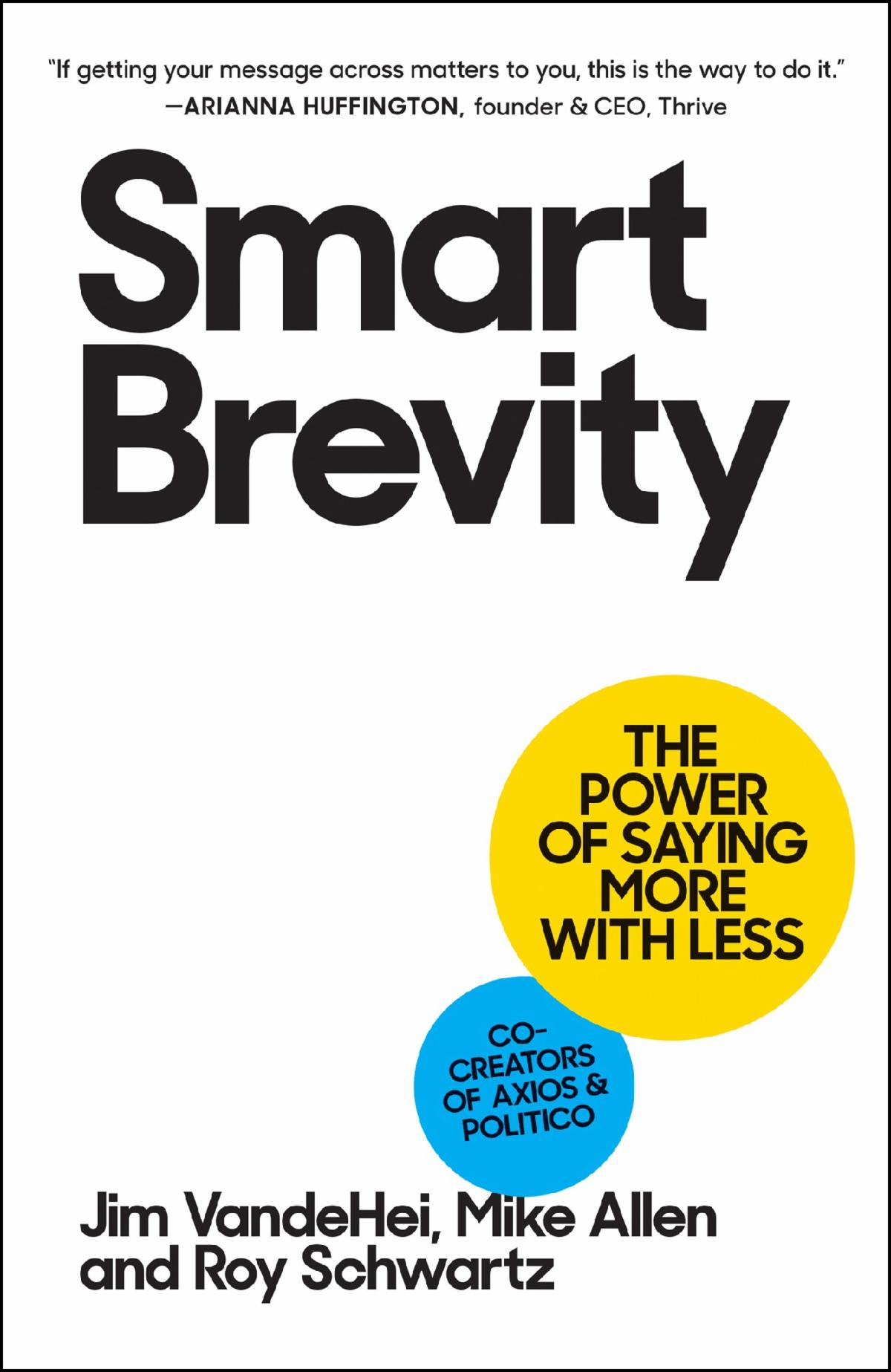
Finally, I am approaching the end of the 2022 book, Smart Brevity. It may improve me, or possibly make me a robot. The sub-title of this book by co-creators of Axios and Politico, Jim VandeHei, Mike Allen and Roy Schwartz, is The Power of Saying More with Less. I am working on it.
Thank you for reading and supporting Weller Book Works.
Peace and love in the New Year!
| |
|
January/February
Best Wellers’ Pick
| |
RECEIVE 20% OFF WHEN YOU PURCHASE DURING JANUARY AND FEBRUARY | |
|
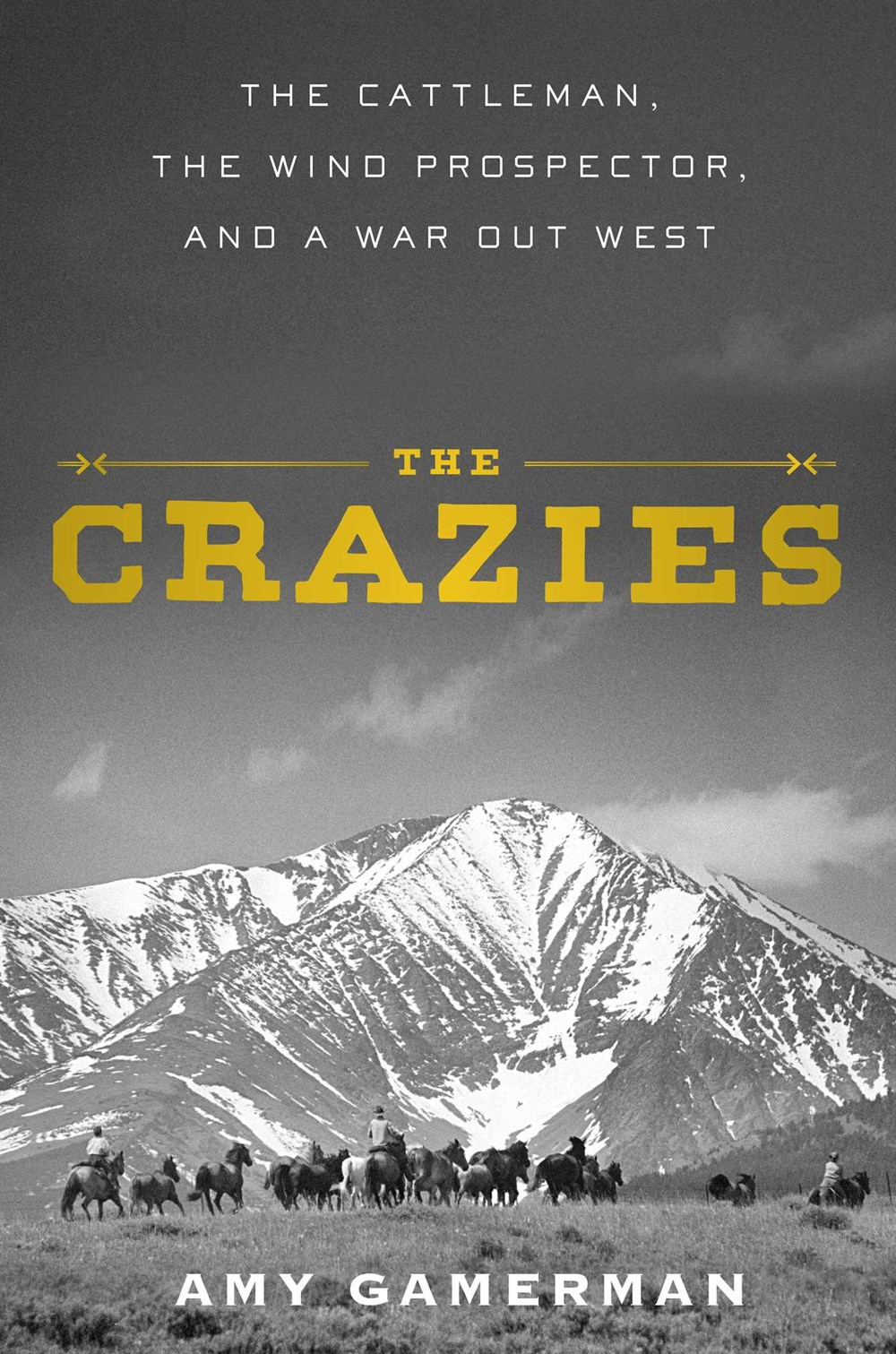
By Amy Gamerman
Simon & Schuster
Hardcover $29.99
Best Weller’s Price: $23.99
Reviewed by Frank Pester
One of my fondest memories as a child is sitting on the kitchen counter while my mom was cooking and looking out the window at the Wasatch Mountains. While reading this book, my next door neighbor built a two story apartment building, completely blocking our view out that window.
Amy Gamerman, a seasoned journalist for the Wall Street Journal, has written a narrative of an issue many Westerners face: who owns a view?
Set in the beautiful ranch lands tucked in the shadows of the majestic Crazy Mountain range, this is a land of wind, that sweeps down the mountains and through the valleys. Generations of people living in and around Big Timber have learned to deal with that great wind. Gamerman explains that the Crazies, “...are a magnet. The mountains have drawn human beings almost from the moment they emerged from the ice sheets that covered Montana in the Last Glacial Maximum.” This sacred land that had first belonged to the Crow Tribe was later eyed by settlers and the Northern Pacific Railroad. After the Civil War, the usual drama of exploitation the took place: first the gold seekers, then the buffalo hunters and railroad, followed soon after by homesteaders and cattle ranchers.
Rick Jarrett, a struggling rancher, wants to keep his ranch in the family after many generations. After talking with the enigmatic wind prospector Marty Wilde, Jarrett realized that he may be able to save the ranch by harnessing the mighty winds he has grown up with. “[Marty Wilde] didn’t pan for gold in a stream, he sought it in the air. The Meteorological tower, banded with sensors, wind vanes, and anemometers, was his dish. Montana had some of the best wind in the Lower 48. No one knew that better than Marty Wilde. He worked alone, a wildcatter with a gift for persuading ranchers to let him put up his jury-rigged met towers and secondhand anemometers on the land where the good wind flowed,” writes Gamerman.
The problem, however, is that Jarrett’s ranch is surrounded by ranches bought by some of the wealthiest and influential men in the country. Men who are not about to lose their beautiful view of the Crazies to 500 feet wind turbines.
Amy Gamerman caught wind of the trial that was taking place in Montana and knew it was a story to tell. Alternating between short transcripts of the trial and the history behind it, she tells the stories of its participants as well as the ins and outs of acquiring rights to build a wind farm. She travels across the country to see the lives of many of these wealthy men who have fallen in love with the beauty of the Crazy Mountain Range. On the flip side, Gamerman also sheds light on the struggles of the local ranchers as well as the almost insurmountable hoops one must go through in creating alternative energy. It is timely, well balanced, and well told, rightfully belonging to sit with the other books recently written about our changing West.
| |
|
By Susan Barker
G.P. Putnam's Sons
Hardcover $29.00
Publish date: January 28, 2025
Reviewed by Claire Margetts
Ominous, unsettling, captivating. Unravel the twisted mystery behind a woman who will stop at nothing to live the life she demands.
Years after the untimely death of his friend, Jake is still reeling. So when he hears an alarmingly familiar story of loss from a complete stranger, he jumps at the opportunity to find some answers. Their tragic stories have too much in common to be a coincidence, both leading back to one woman who defies time and logic. Although her name changes through history, that seems to be the only thing– her ageless self slipping from one country to the next as Jake traces the trail of confused wreckage she leaves in her wake. But what is it about her that lures people into her devilish embrace? What spell does she cast to lead them to such disturbing ends?
I absolutely devoured Old Soul. With a weird and fascinating character like Eva, it's hard not to. Through other characters' testimonies, Susan Barker paints the picture of a monstrous woman, whose ominous presence looms large in each chilling chapter. Spoken of in hushed tones, survivors of her victims recount Eva's deeds almost with reverence: she's sexy, intimidating, sensual, charismatic, otherworldly, drunk on all the gifts of being alive. Those tempted into her siren's sway return altered, hollow, the light behind their eyes dimmed, and worse, none of them have lived longer than a few weeks after an encounter with her. The shroud of mystery that follows her is so well written it's easy for the reader to get caught up in her thrall as well. I know I'd follow her out into the wilderness to figure out what's what.
Old Soul evokes the relentless dread of It Follows, as each testimony marches toward its grisly outcome. Once targeted by Eva, the fate of her victim is inescapable, and the way each character grapples with that fact is unnerving and sometimes painful. Barker captures heartbreakingly human responses to the bleak situation they find themselves in. You can't help but love all of these messy people confronted with an impending doom.
While we're in the thick of winter, this is a great story to read. It's moody, it's cold, and it will keep you reading well into the dark of the night.
| |
|
By Patrick Hutchison
St. Martin's Press
Hardcover $29.00
Reviewed by Apollo Frenzel
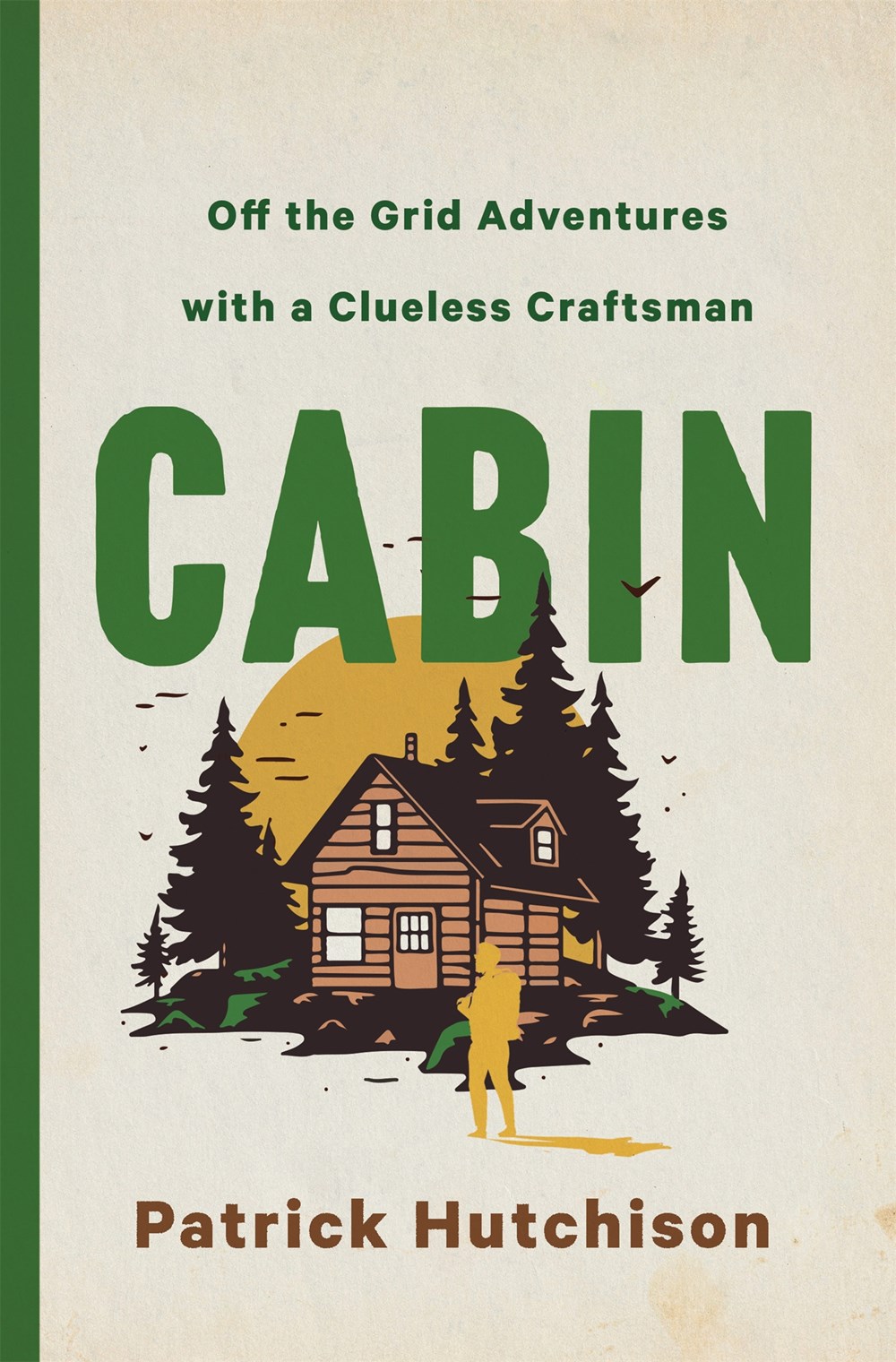
$7,500 is what he paid for the cabin. The lot was on a road comically called “Wits End,” tucked somewhere in the Northwestern Cascades. From what started as an experiment, we follow Patrick on his journey of restoring this old, crooked, and downright rotten cabin. Meet friends and neighbors along the way– in circumstances you could only find miles deep in national forest.
This book is both a great adventure into what someone can do with what they have and a reflection on our societal behaviors towards the outdoors. One point shared in this book is the debate of what constitutes a cabin. I agree with Hutchison when he says that cabins are meant to be total getaways; free of the internet, most electricity, and amenities like AC. They are the places where you reconnect, reassess, and just have a damn good time with only one connection to the outside world: the road heading back towards the freeway. Many people, I think, have slapped the title of “cabin” onto any house in the woods. When I look on places like Zillow, Craigslist, and other real estate sites, most of the listings are mansions with trees around it. This exacerbates my loathing of the rich.
Reading Cabin made me think back on my memories of the outdoors. While not exactly the same, I still get a bit of nostalgia from my years working at a scout camp up north. While not as secluded, it was equally worthy to be called a place of solitude. It also reminds me of all the prefect imperfections we commit to regularly. The cabin Hutchison bought wasn’t level, had a rotten foundation, and wasn’t even a perfect square. On top of that, all the renovations he did were almost always imperfect with a bajilioin screws in the walls and mountains of caulk from repaired leaks. However, all those made the cabin so unique that each screw had a memory of friends and good times attached.
Let this book be a reminder to take a step back and appreciate both the perfections and imperfections of the cabin, unique as it is.
| |
|
By Nanni Balestrini
Verso
Paperback $19.95
Reviewed by Dylan Parry
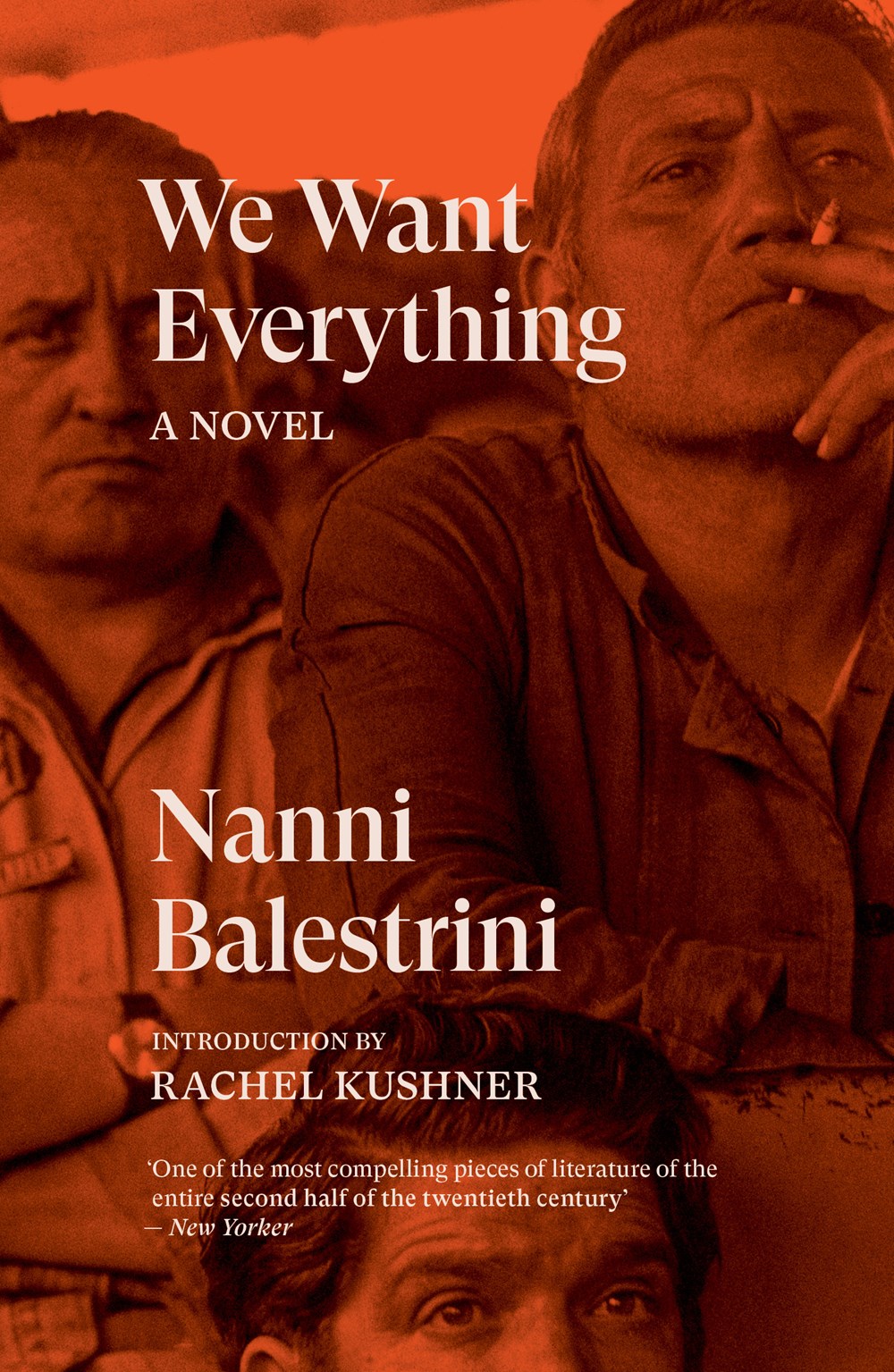
What do you do when the pressures of your job get to be too much? Do you up and quit? Become a company lackey? Or do you do as so many Italian workers did in the late-summer of ’69, and strike? Well, in Nanni Balestrini’s excellent novel, We Want Everything, our nameless protagonist, and thousands more, do just that!
Set in Italy’s northern industrial center — Turin to be exact, and Fiat to be even more so — Nanni Balestrini brings to life the many lives of working-class Italians, most of whom traveled from the impoverished South for something better, to show what exactly their working lives were like, and what lead to the period known as Italy’s Hot Autumn.
From the start, Balestrini makes it clear his personal allegiance is with the workers, and not the bosses. After all, Balestrini isn’t writing from the comfort of a writing studio, but from the barricades he himself was witness to! Showing the evolution of Italian workers from beaten down ditch diggers, construction workers, and tomato farmers, to unionized powerhouses who have found the strength to take on Fiat’s goons, Balestrini’s prose is rich and blunt. Just like the thousands of workers who rose up and declared, “WE WANT EVERYTHING!”
But just what is “everything?” Well, as our nameless protagonist puts it plain: “I want everything, everything that’s owed to me. Nothing more and nothing less, because you don’t mess with me.” Balestrini draws a clear line between what is owed, and what is actually offered, just as the workers themselves did in ’69; which is to say a loss of pay, overworked hours without overtime, and jumping through bureaucratic hoops no one but the bosses ever win at. So having had enough, the workers in Fiat’s factories went on strike and occupied as many important buildings as they could, all to be fairly given their share of the pie.
As Balestrini shows however, the events snowball from striking to street fighting, as Fiat and their Government allies have no patience for what is being asked of them, and send in the police to break up the strikes. But as I said before, the Italian workers were a unionized powerhouse, and do their best to defend themselves against State-sanctioned violence by whatever means.
We Want Everything is a book that can inspire one to great change, showing not just the victories, but the defeats as well, and what it takes to learn from the past to create a brighter future for all.
And if it doesn’t, well you’re probably one of those goons for the boss, anyway.
| |
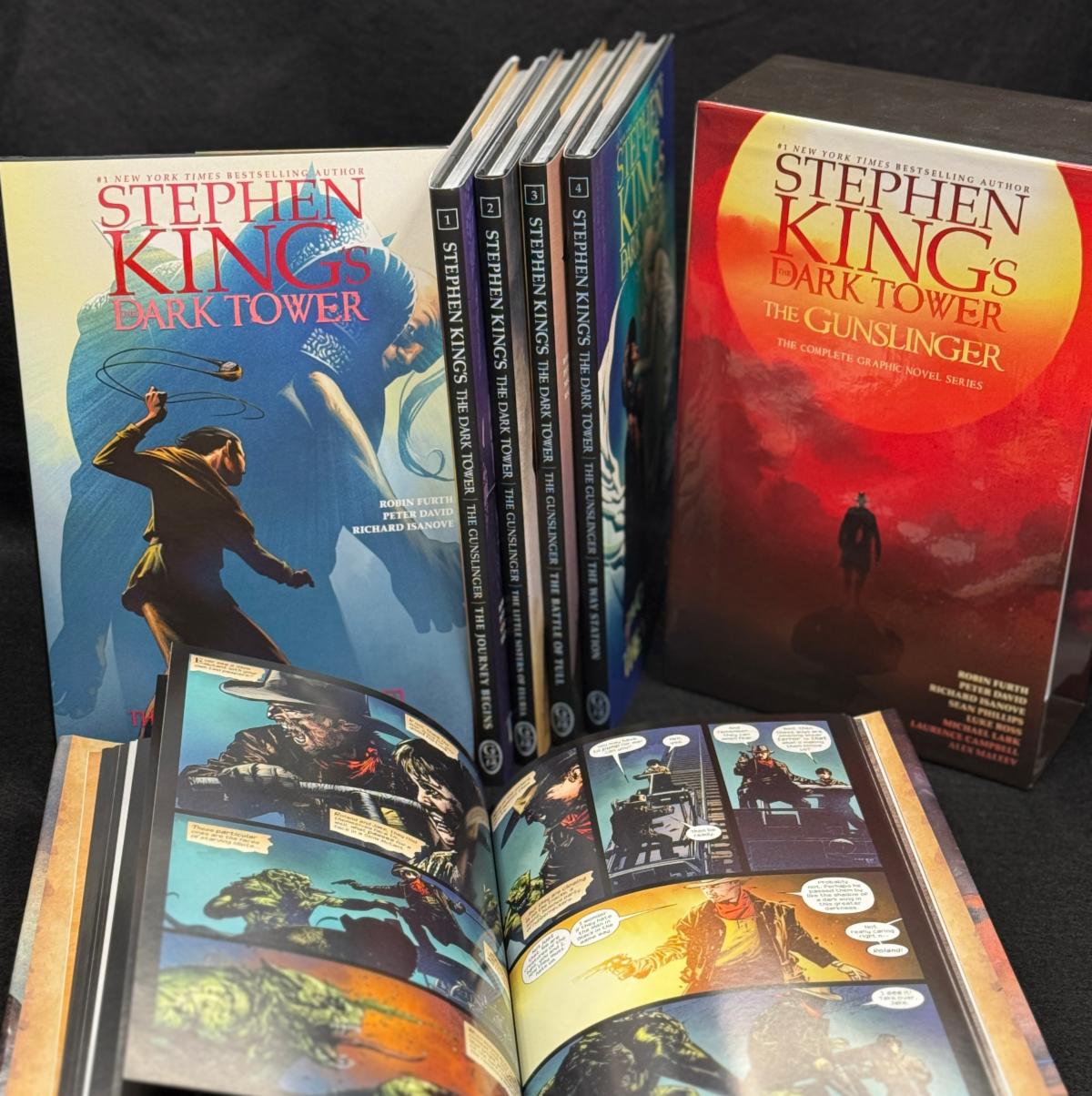
Stephen King’s Dark Tower: The Gunslinger in graphic form. Six small quarto hardcovers in dustjackets and pictorial slipcase. Adapted by Robin Furth, Peter David, Richard Isanove and others. $325 | |
|
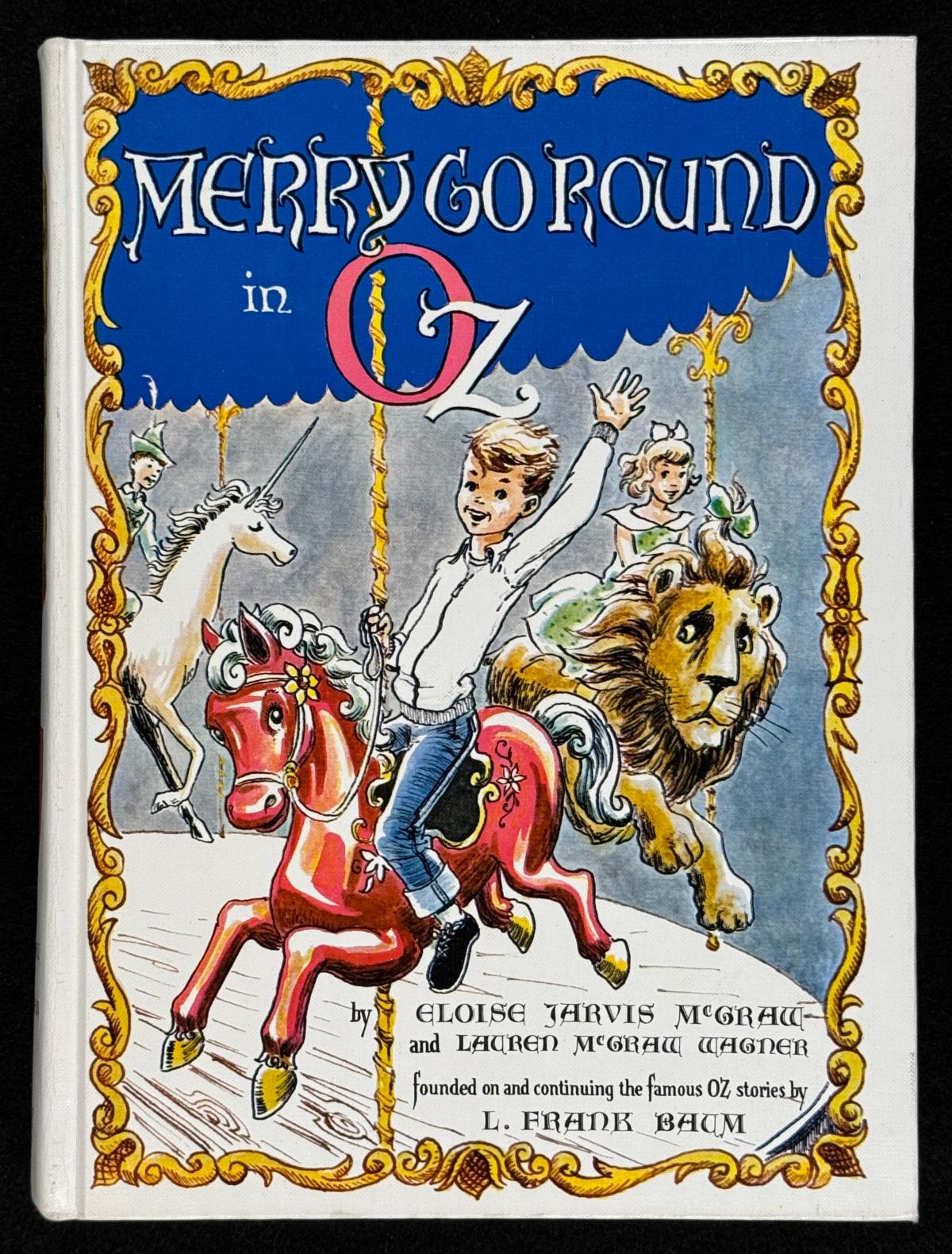
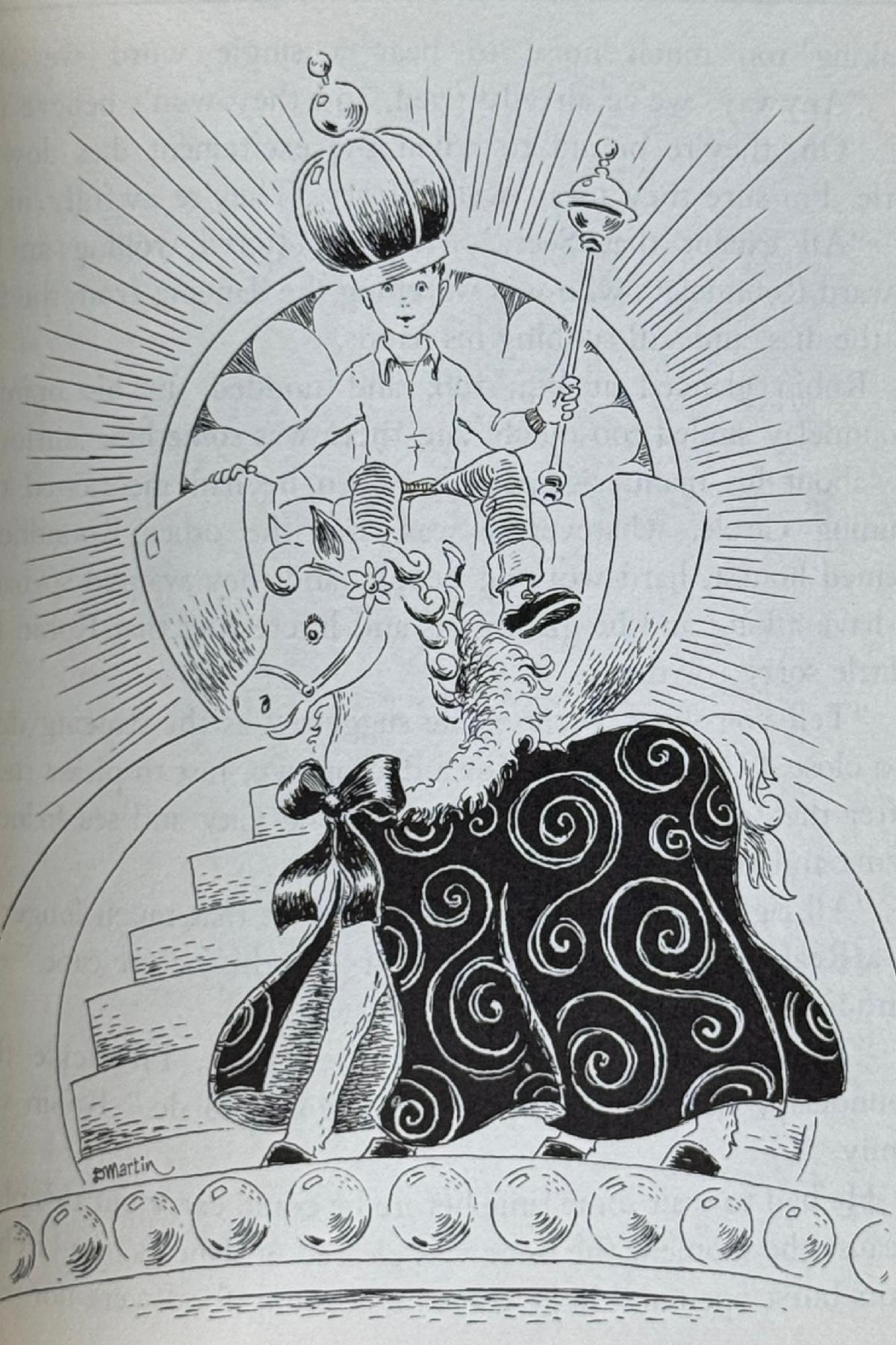
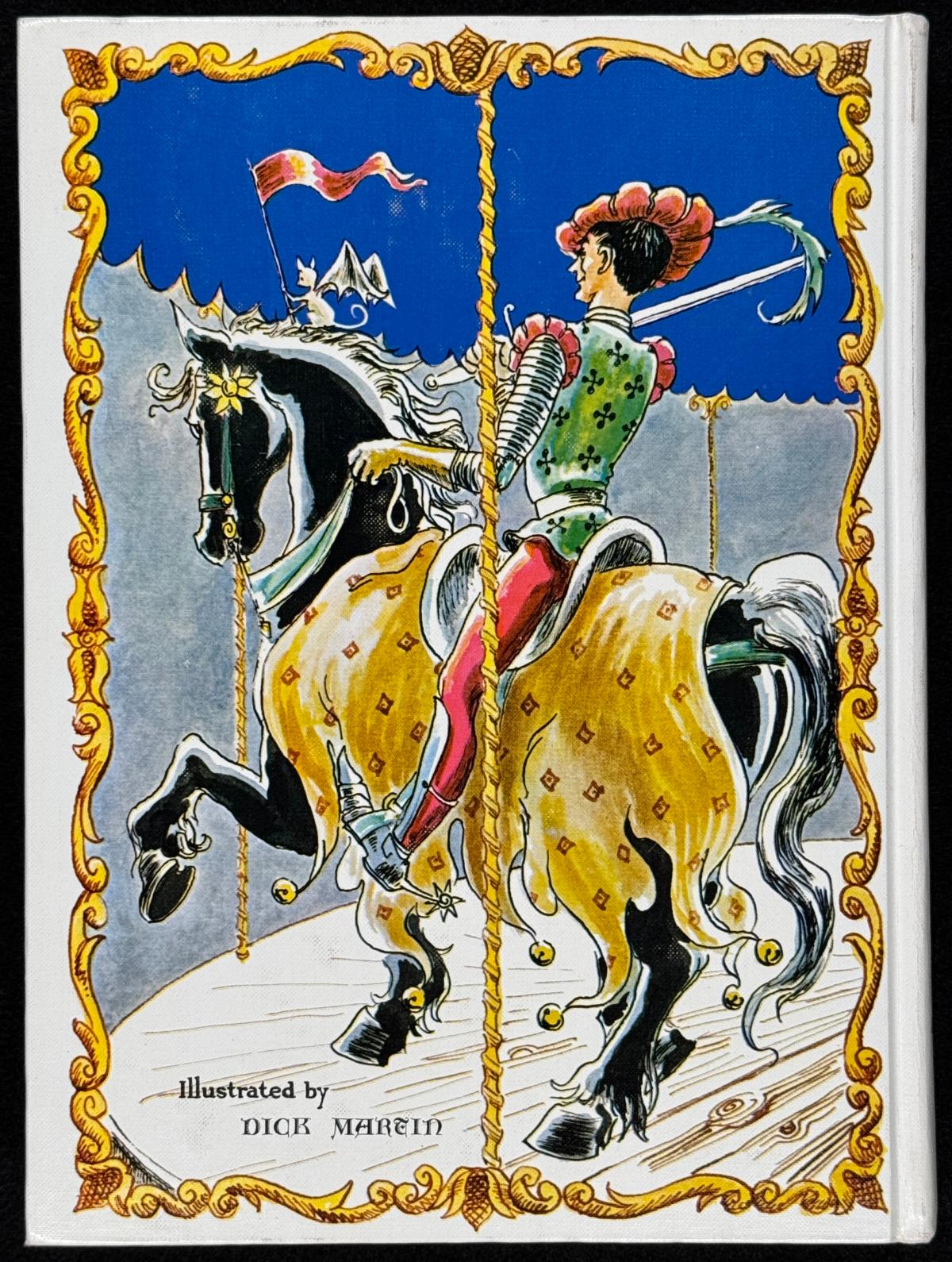
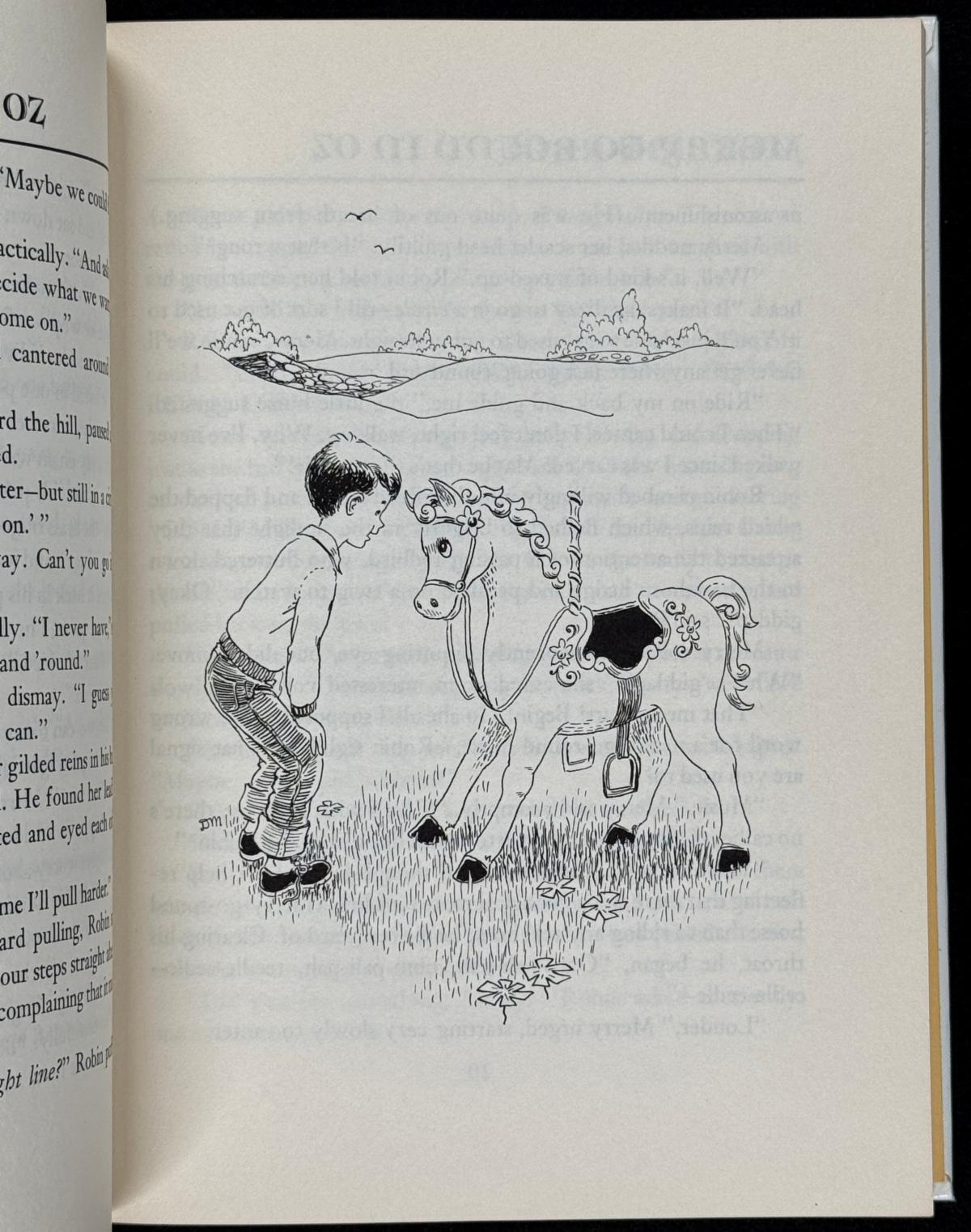
Few of the post-Baum Oz titles are as uncommon and after sought than the late 1963 title Merry Go Round in Oz by Eloise Jarvis McGrail and Lauren McGrail Wagner. Our near perfect copy is available for $300 (Other Oz titles as well). | |
|
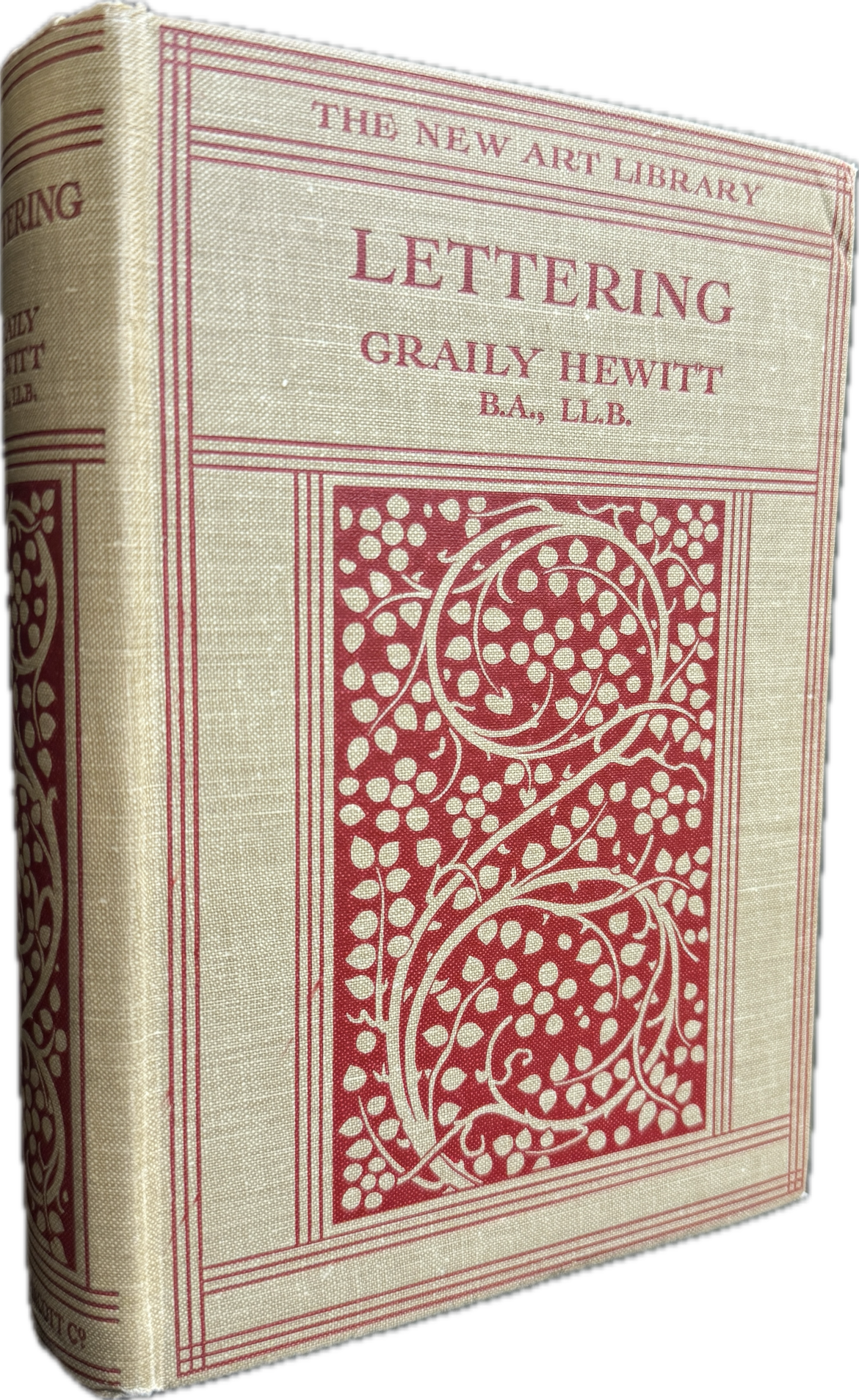
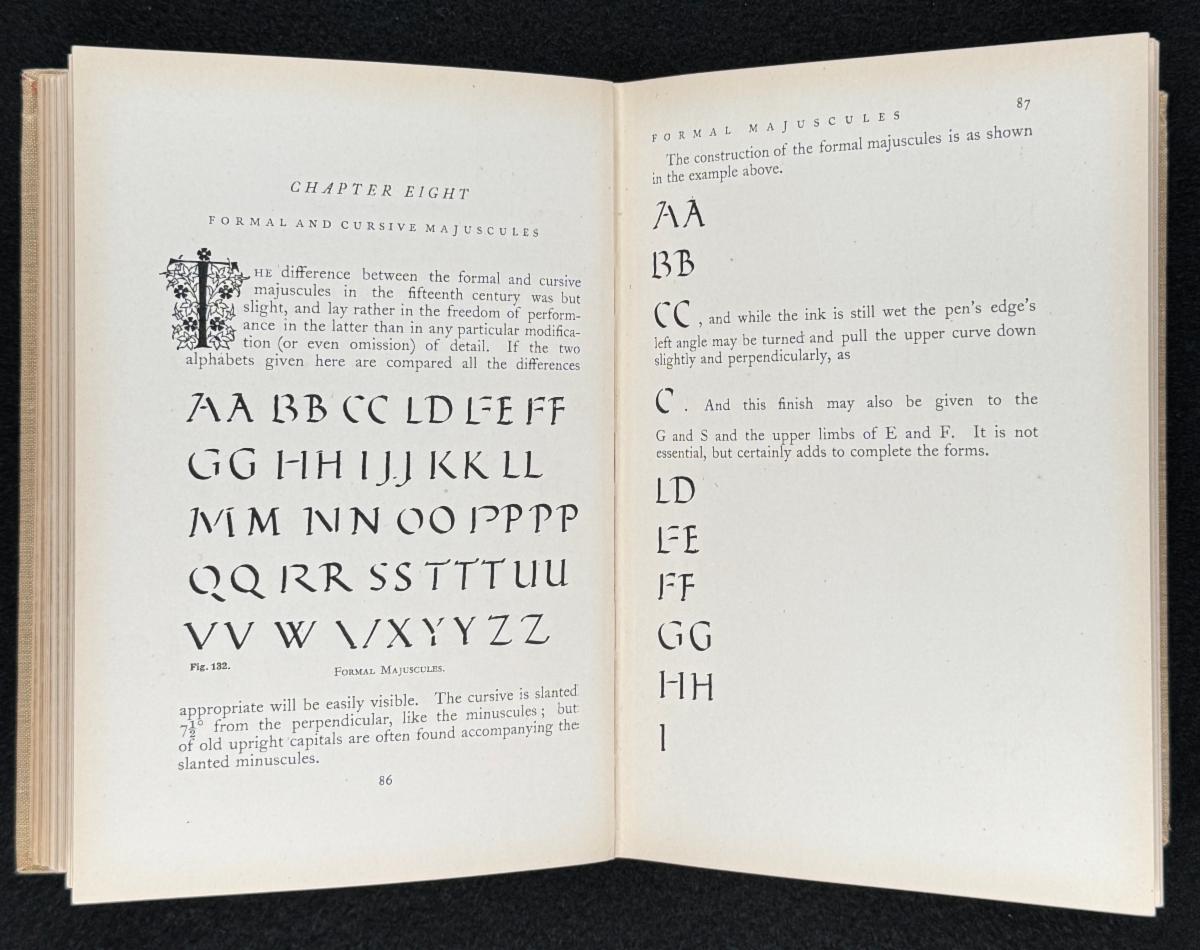
With nearly no apology, we can sell you a gorgeous copy of Graily Hewitt’s circa 1920 book Lettering, from Lippincott’s New Art Library. A satisfyingly sturdy tan cloth book with lettering and décor in red. A thick compendium ranging from manuscript to print. Oh, bumped corners. $200 | |
|
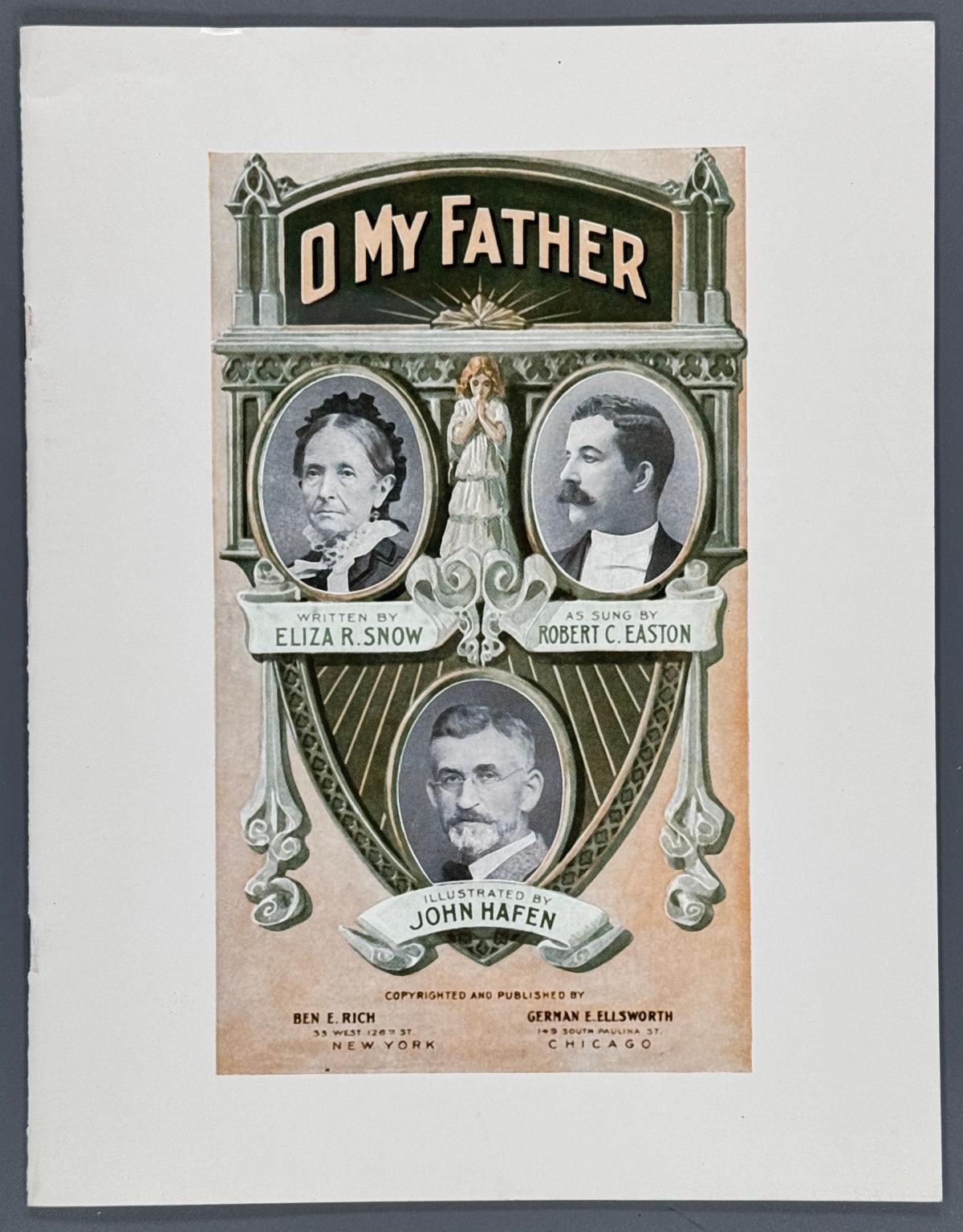
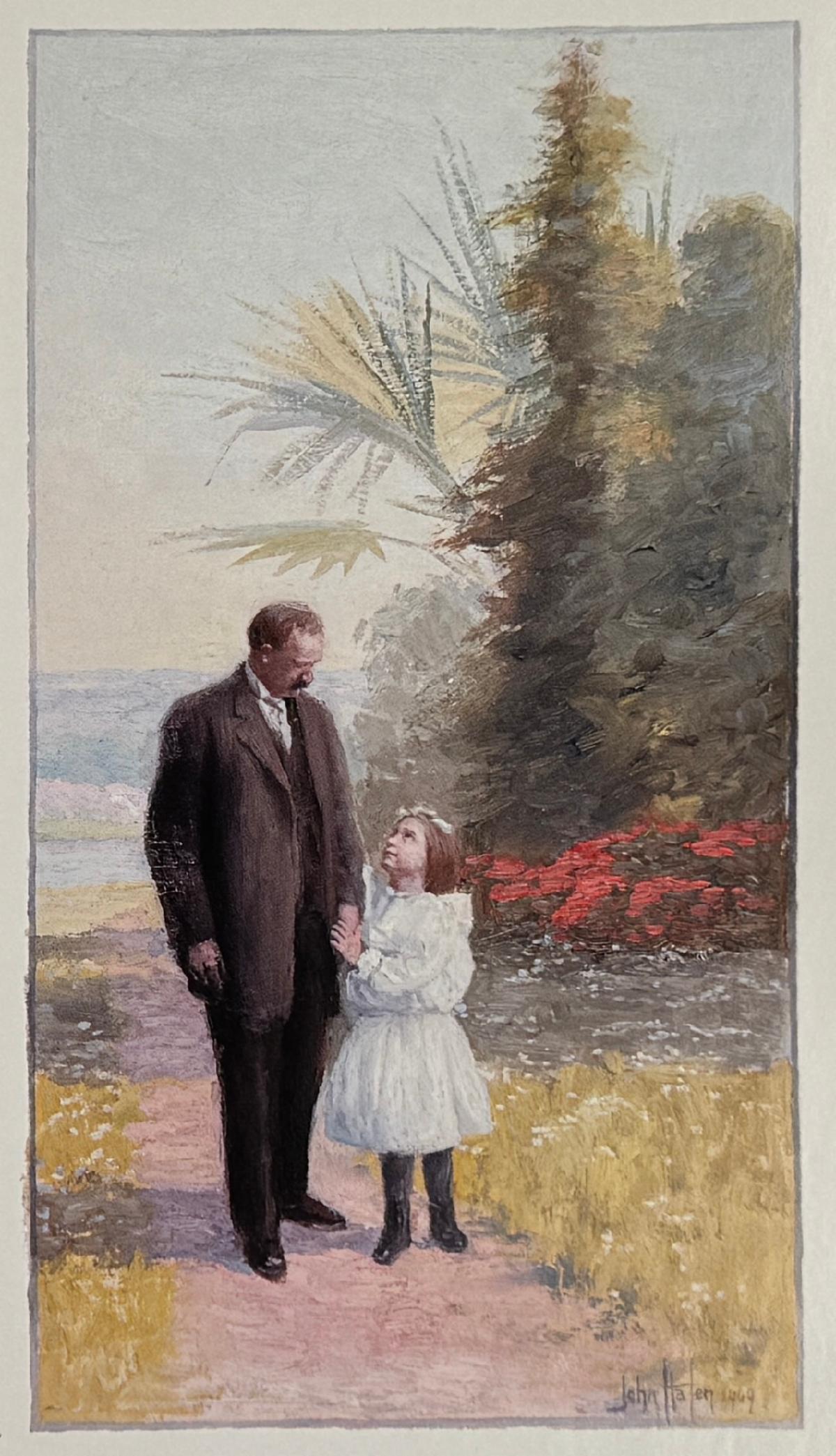
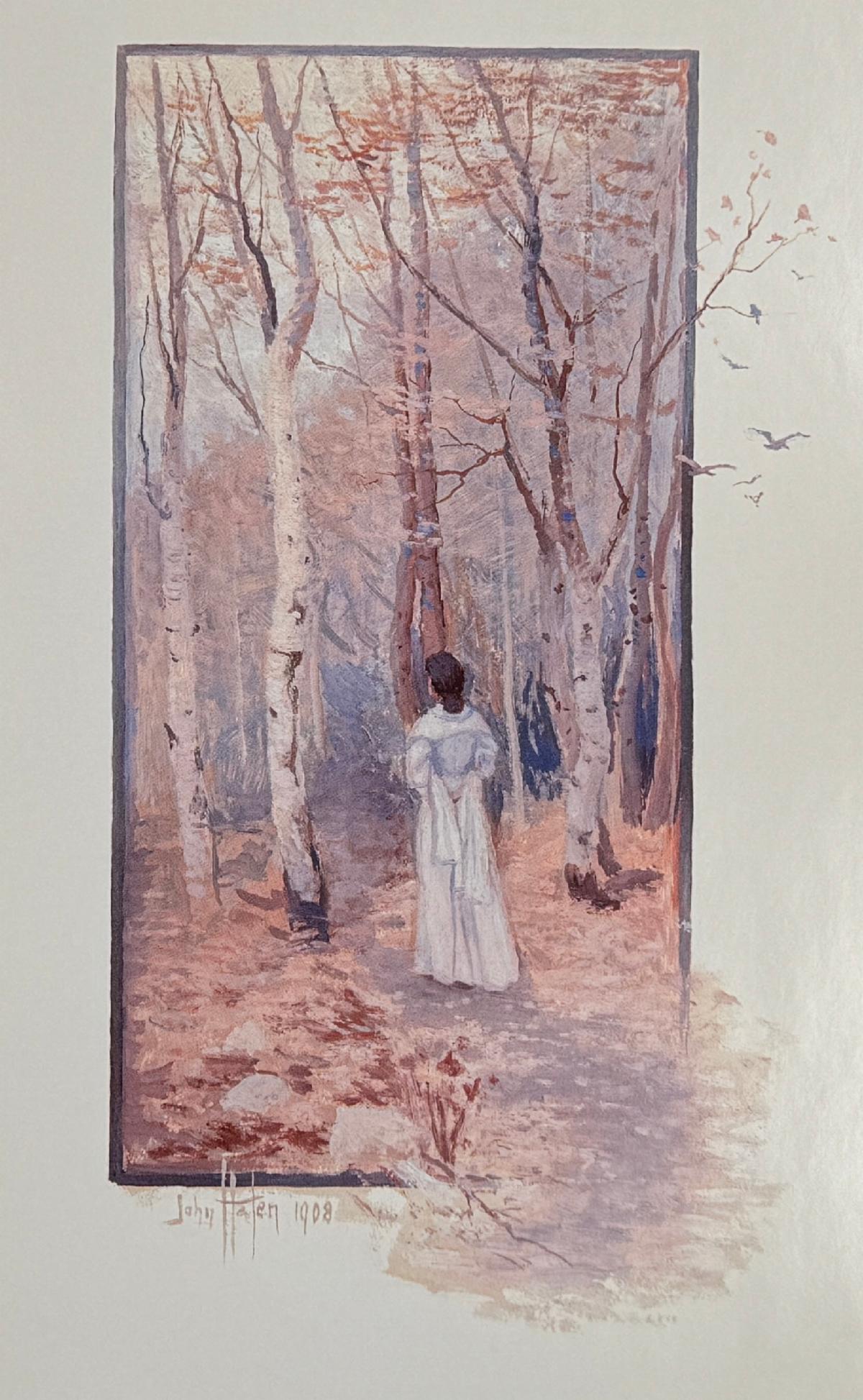
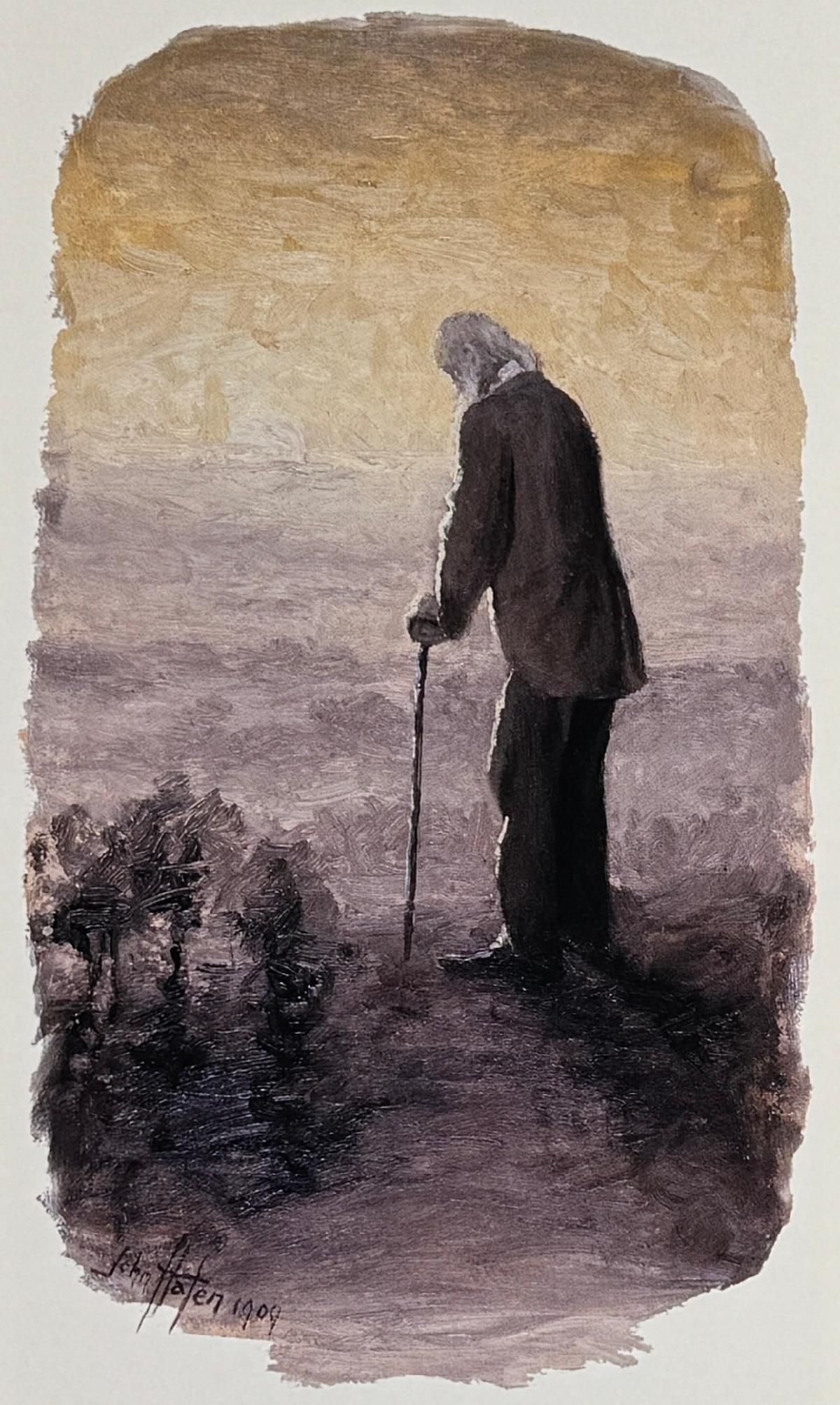
Uncommon artful modern printing of O My Father by Eliza R. Snow. An undated staple-bound quarto with hand-lettered lyrics accompanied by color illustrations by John Hafen. Score with Frank W. Merrill’s music completes the book. $70 | |
|
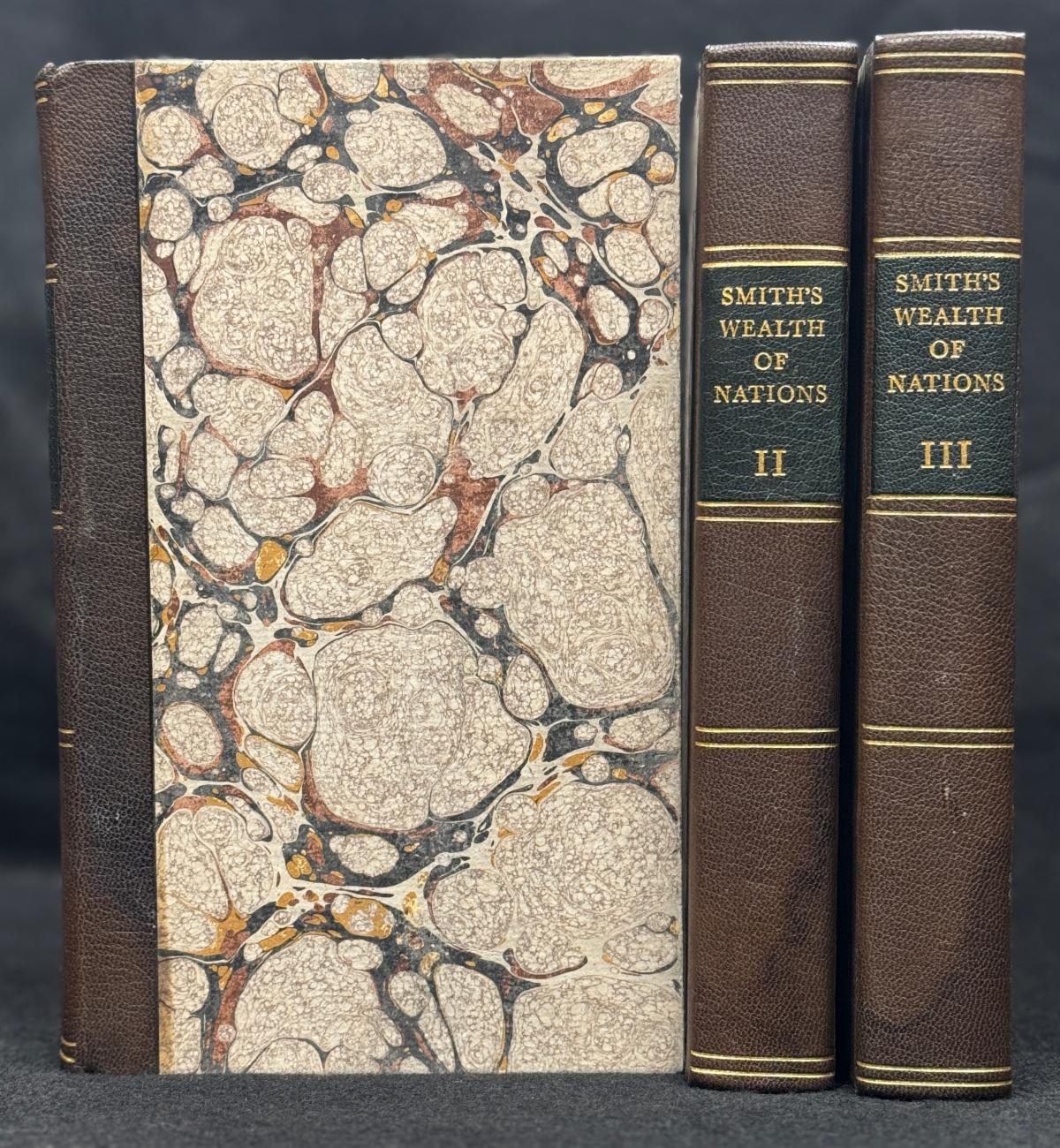
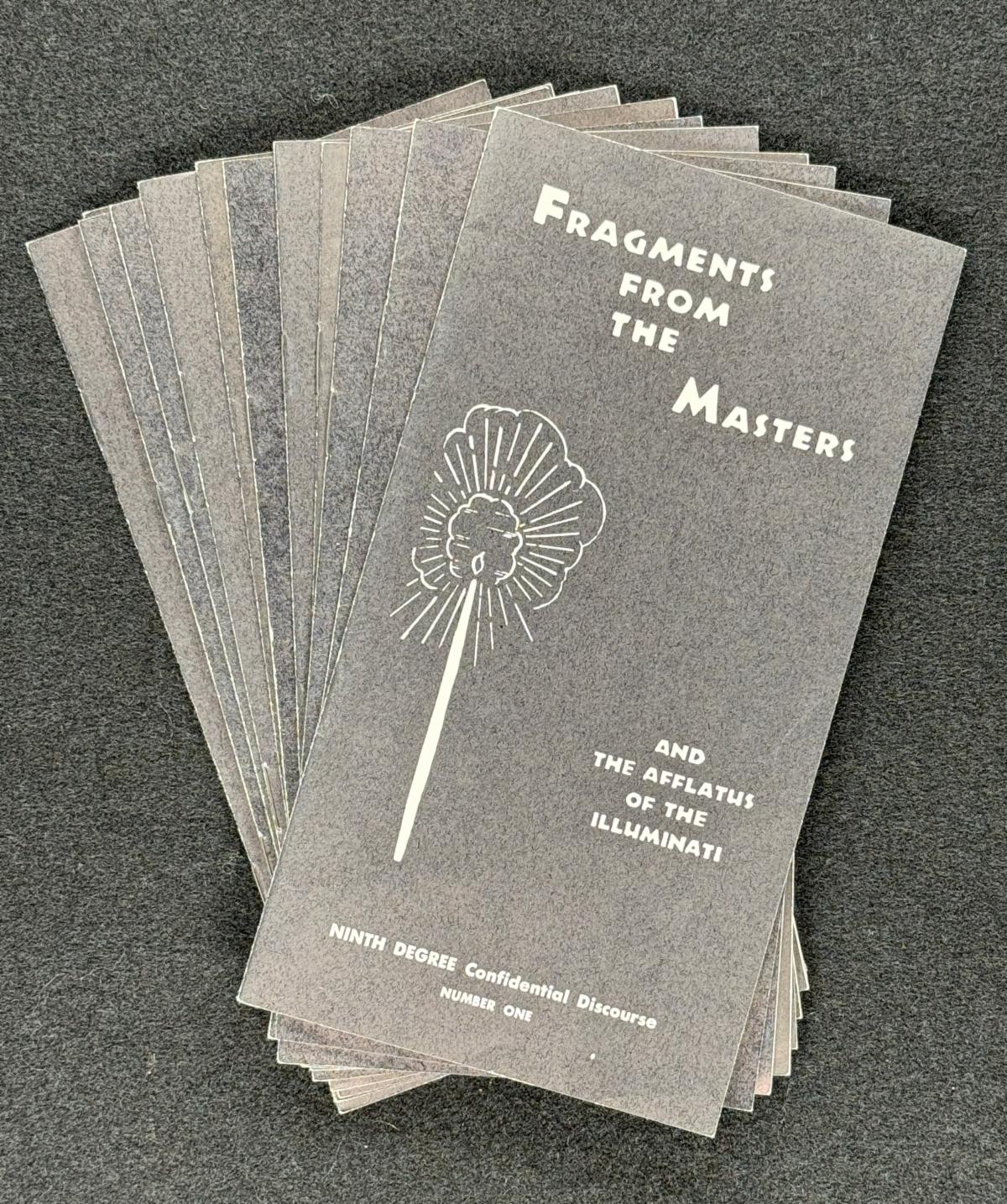
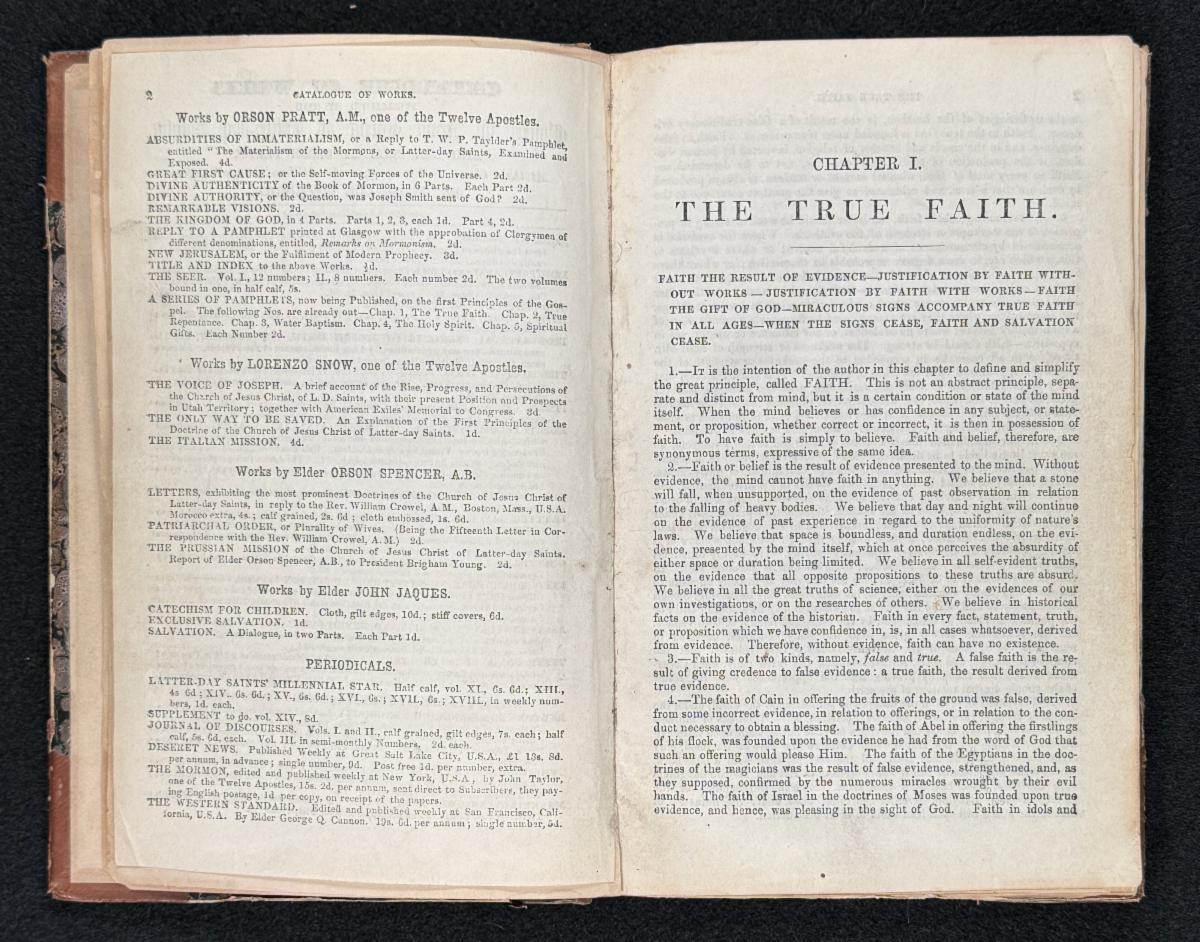
Intended as a book, Orson Pratt’s 1857 True Faith, was published in eight contiguously paginated pamphlets in Liverpool. The parts are generally found separately. Here we offer a complete copy in ¾ brown leather. Seldom encountered thus. $800 | |
|
|
Click here for our January events newsletter.
And, as always, view our events calendar to see all of our upcoming events.
We host both virtual and in-person events, and we look forward to seeing you soon.
| |
|
Come visit us!
SUNDAY 12-5
MONDAY-THURSDAY 10-8
FRIDAY & SATURDAY 10-9
| |
|
Can’t make it to the store?
Support your local indie from home!
Order by phone or online, then pick up at the store or the curb! We also ship!
| |
|
Give us a call at 801-328-2586.
Shop new books on our website.
Browse our entire inventory of new, used and rare books on Biblio.com.
Listen to audiobooks from Libro.fm.
Read ebooks from Kobo.
| | | | |