View as Webpage


SciStarter Newsletter − 2026

Fungi are a kingdom of life that includes mushrooms, molds, yeasts, and many organisms that live mostly out of sight in soil, wood, plants, and other habitats.


Scientists are still uncovering interesting facts about fungi (did you know that some can break down plastics in weeks?) and just how much fungal diversity exists. You can help, too!


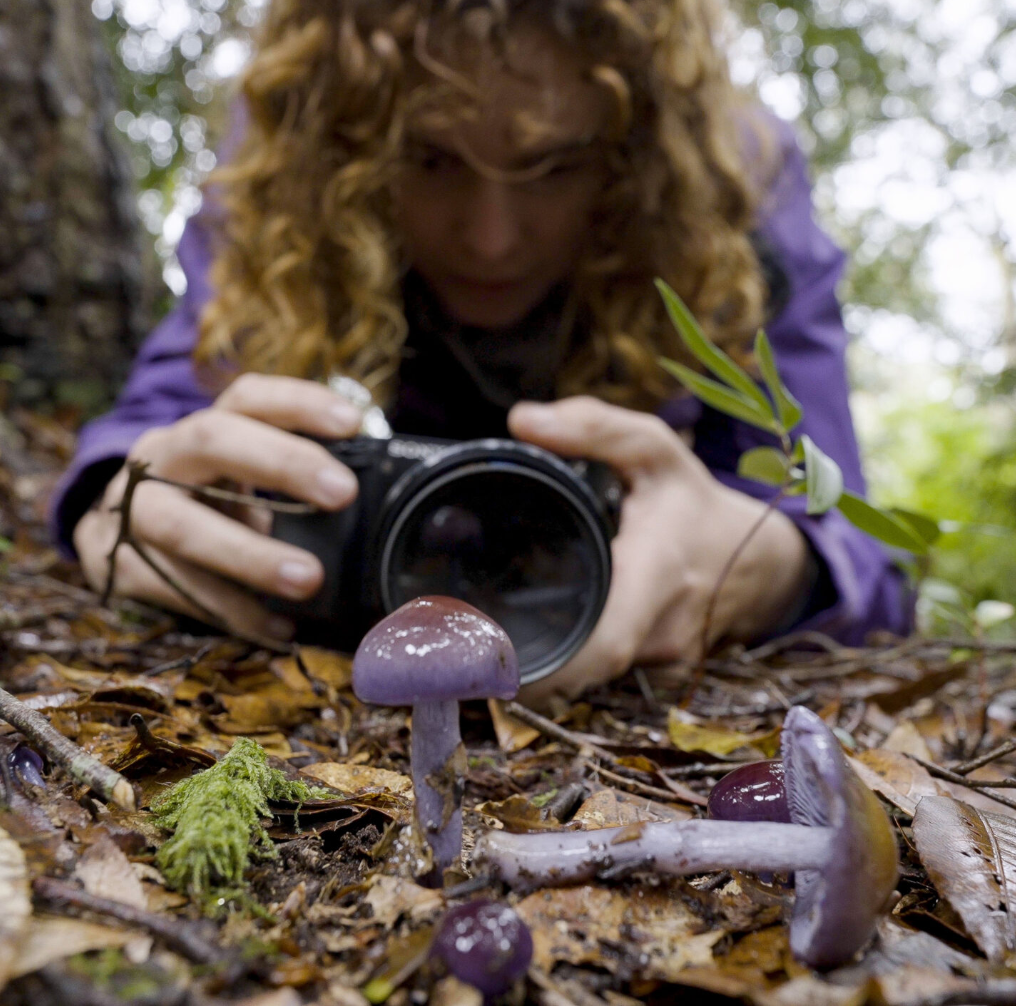
Photograph a mushroom, record fungi in your neighborhood, or share observations from wherever you are. Plus, if you're looking for an excuse to participate, Mushroom Day falls on October 15!


Cheers!

The SciStarter Team

Mushroom Observer

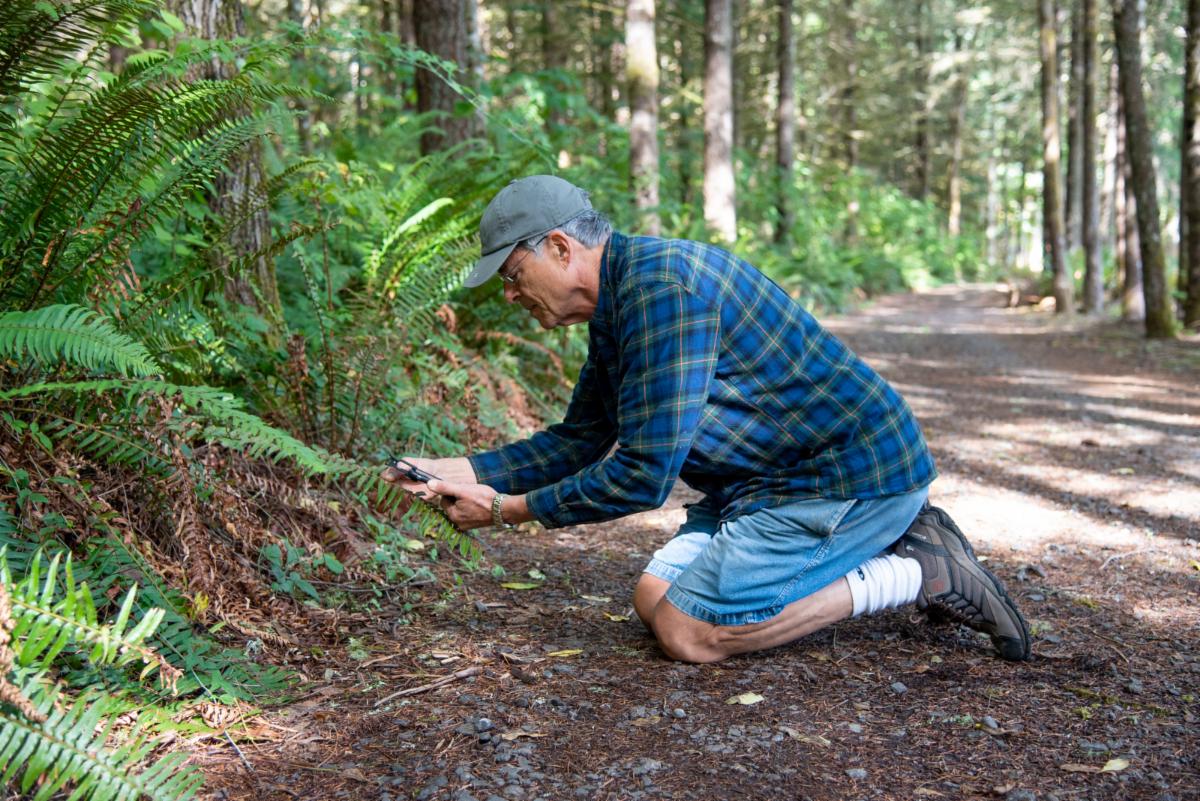
Document mushrooms with your smartphone, then share observations with a global community that can help with identification.


These records help reveal where fungi live and how their ranges may be changing. Fungi are essential decomposers and partners to many plants, making them an important part of healthy ecosystems.


This project has longstanding open data practices and is great for true fungi enthusiasts.


Location: Global

NatureSpots

Take a picture of fungi, plants, and animals, and add details such as abundance or developmental stage.


This becomes open data that can help track biodiversity, rediscover rare species, and spot changes in ecosystems over time.


NatureSpots is a strong option for people who want to document fungi alongside the rest of the natural world.


Location: Global

NovelEco

Explore vacant lots, roadsides, and other overlooked urban spaces, then use the NovelEco app to record the nature growing there, including urban fungi.


These observations help researchers understand which species thrive in changing cities and how urban wild spaces can support biodiversity.


NovelEco is especially well suited for people interested in urban ecology.


Location: Global

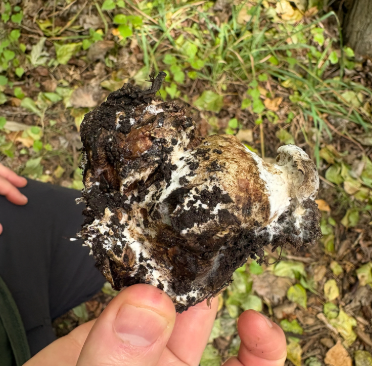
Credit: Amfowle2 / iNaturalist

Fungal Diversity Database

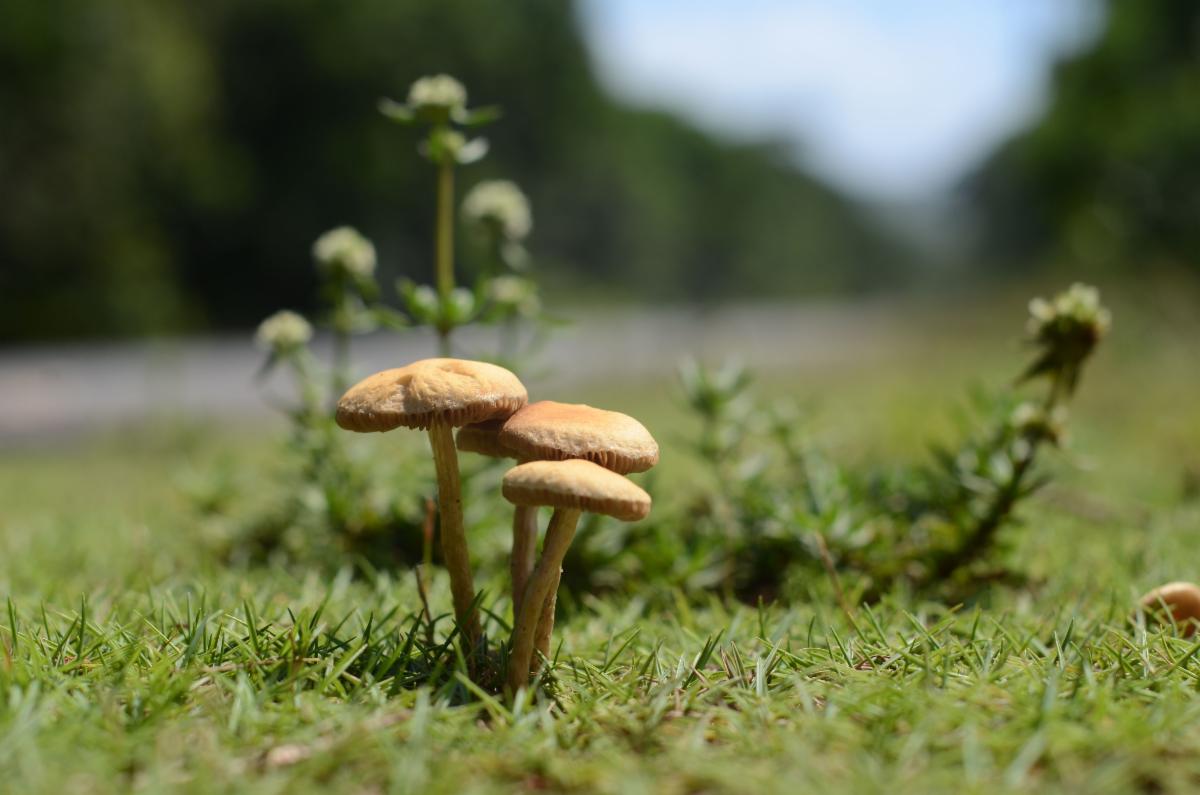
Snap a pic of fungi and upload observations to iNaturalist, where expert identifiers can help confirm what was found.


Mapping fungi for this well-curated database helps scientists understand the organisms that recycle nutrients, support plants, and keep ecosystems functioning—and identify species that may need protection.


Location: North America

Fungimap Australia

Photograph fungi in backyards, neighborhoods, parks, and wild spaces, then submit sightings to Fungimap.


These records help fill major gaps in knowledge about Australia’s fungi, providing information needed to understand their distributions and better conserve native species and ecosystems.


Location: Australia

Get Your Free LinkedIn-ready badge!

SciStarter's Foundations of Citizen Science training is free, self-paced, and entirely online.


In about an hour, you'll learn how to contribute to real research, find projects that match your interests, and build skills in data collection and scientific inquiry.

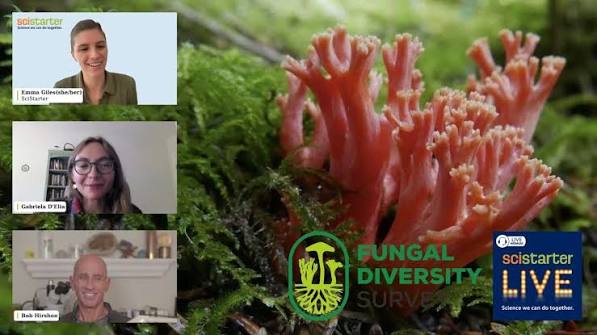
SciStarter Classic: Map Fungal Diversity

Watch this recording to learn the best ways to find fungi in North America.


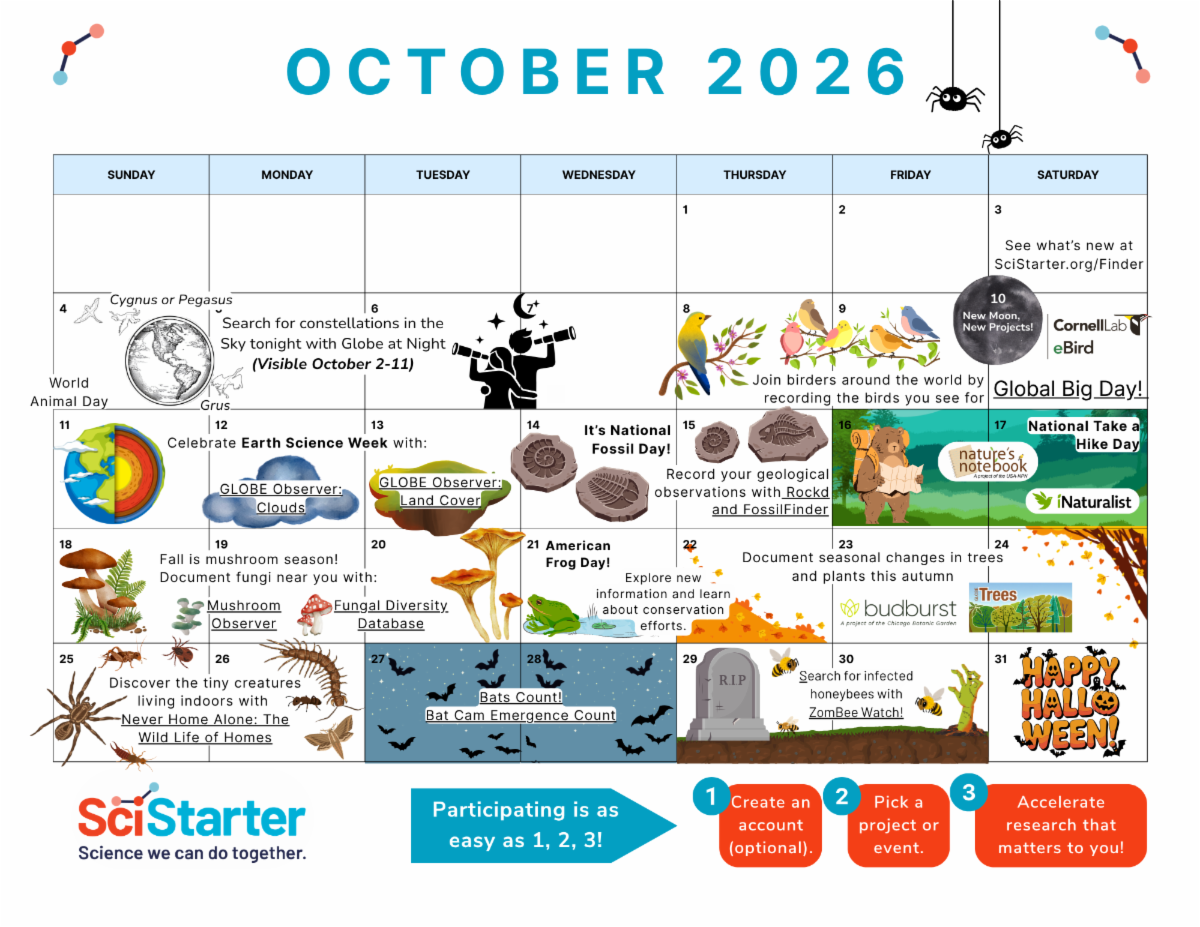
October offers something for everyone.

Click here to explore and print the calendar.


New projects & events featured on SciStarter


...and thousands more are featured on the project finder and the event finder! Find an online or local project or event near you.

X Share
LinkedIn Share