|
| |
Real Estate
e-Newsletter
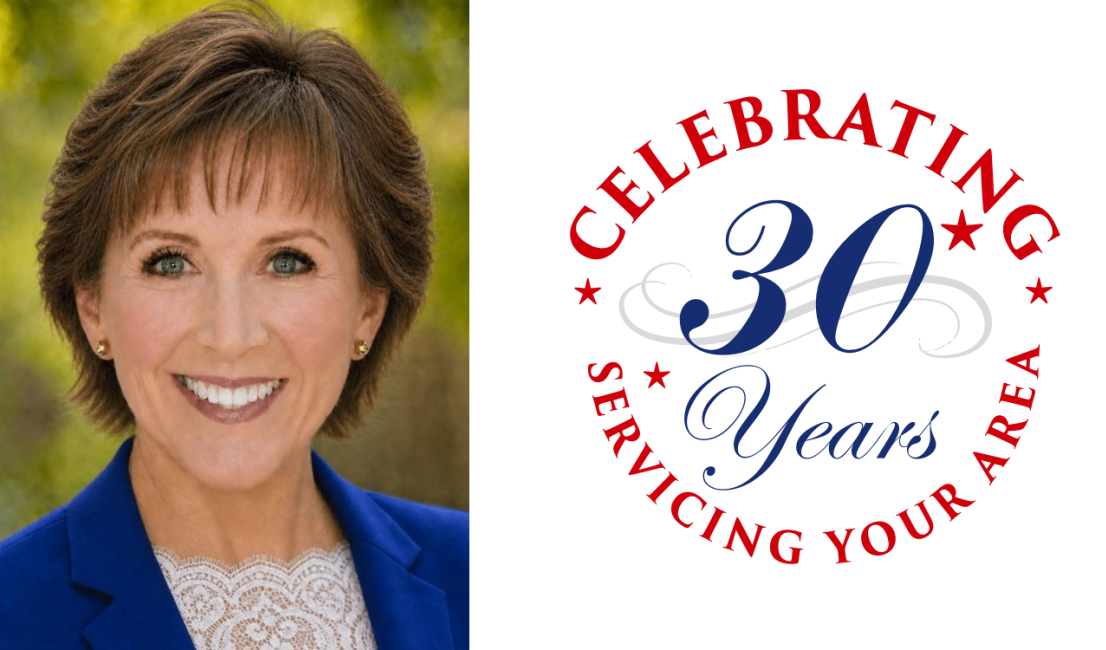
by Cynthia S. Radom
Award-winning Certified Seniors Specialist REALTOR® - Specializing in Listings and Trust Sales
Since 1994
Coldwell Banker Realty - Beverly Hills, CA
| | NEWS & ISSUES for BABY BOOMERS to GOLDEN-AGERS | | |
October-December 2026 · Website: RealtorRadom.com · (310) 779-1715 CalRE #01184864
** Writer and Publisher since October 1999 **
| | |
An owner-user evaluates a home differently than an investor.
- An investor looks at return on investment, seeking a profit margin.
- An owner-user looks at livability, emotion, and long-term value; stability, lifestyle, long-term appreciation and personalization.
When purchasing a home “as-is,” an owner/user typically thinks:
- Can I live here comfortably while improving it?
- Will the improvements reflect my personal taste?
- Will I build equity over time?
The value of an “as-is” home to an owner/user is based on today’s livability and tomorrow’s potential. When the home is repaired and upgraded, it must align with current neighborhood market standards. The completed value should approximate the current market value, assuming improvements are done wisely, and the market remains stable.
However, the owner-user must consider:
- Improvement costs are rarely returned dollar-for-dollar.
- Renovations take time and emotional energy.
- Market shifts can occur during renovation.
A Seller should realize that any improvements they make to increase a home's value may be wasted if the Buyer doesn't like the work or razes the structure and builds a new home. Sell the home as-is and let the Buyer improve.
Whereby an investor breaks down the purchase cost into three parts:
- Purchase price (wholesale)
- Improvement costs
- Profit margin
| | |
Inheriting the family home is a mixture of memories, confusion, sadness, responsibilities and tension. Most people don't talk about what happens when they die, much less leave their personal belongings organized in the house: no clutter, current files or all unused items removed.
Instead, the "gift" is filled to the rafters with decades of unworn clothing, drawers and files of past financial statements and tax returns, birthday cards received or professional files when a parent retired and closed their office. How about the books, the old tapes, discs and record albums? And the garage, a resting place filled with rusty gardening tools, handyman equipment and broken items.
AgeWise Alliance, a referral center for Seniors, offers advice for beneficiaries of the family home:
- Acknowledge the emotional weight: Allow yourself time to simply be in the house to process grief and nostalgia.
- Assess the true cost: Many inherited homes are in need of major repairs and may include mortgage balances, liens or unpaid property taxes. Obtain assessments from a REALTOR®, a contractor, a CPA and an estate attorney to help make a decision about selling, renting or moving into the house.
- Don't Go It Alone: Seek help from professionals: a CPA, an estate attorneym a CPA and a REALTOR® (a Seniors Specialist
REALTOR® who specializes in Trust sales of properties.)
Making a decision to sell, rent or keep an inherited home requires numerous answers for each professional's opinion. Especially when a family home has been left to more than one sibling and co-Successor Trustees.
| | |
When a property owner dies, the property continues to be taxed. The county issues the regular property tax bill until ownership transfers and reassessment rules apply. The estate, trust, or heirs must make regular, timely payments.
A property is not automatically reassessed at death, but it depends on who inherits the property and how it is used after the transfer. Reassessment transfers are avoided:
- Between spouses or registered domestic partners
- When a qualifying child occupies the home as their principal residence, subject to Prop 19
Reassessment occurs when the property is:
- Inherited and not used as a primary residence by a qualifying heir
- Subsequently sold to a third party
- Converted to a rental or second home
- When the transfer does not qualify for a legal exclusion
When reassessment applies, it is retroactive to the date of death. The county may later issue a supplemental or escape tax bill for the difference, often months after the transfer. This is where an issue may arise.
When the ULA tax became law on April 1, 2023, the L.A. assessor's office became backlogged. As a result, the final tax bill on a property can be delayed 1-2 years after reassessment. Trustees are advised to leave funds in the trust account to cover late unsecured tax liabilities. Recently, a trustee learned of a delayed $11K tax bill two years after distributing all the trust funds.
| |
|
At what point can a Buyer cancel escrow once the initial deposit is received and be assured of a full refund? It's important to note that escrow cancellation must be mutually accepted and released by both principals.
- Contingencies: Prior to removing all contingencies, a Buyer is able to cancel the escrow. Pre-determined removal dates are stated in the Purchase Agreement and must be adhered to for each contingency, i.e., property and home inspections; loan, appraisal or construction approval; insurance costs, CC&R documents, etc.
- Seller defaults: When an owner cannot deliver their property on the closing date, according to contract terms, a Buyer may cancel without penalty.
- Re-negotiation standstill: Today, Buyers are asking for a price reduction, sometimes just because they can, as the market leans in their favor. Or an unexpected needed repair justifies asking for credit. If the Seller declines, the Buyer can cancel escrow if it is within the contingency period.
- After contingency removal: Unfortunately, very few Buyers lose their deposit even at this point. A Seller must prove financial harm if a Buyer gets remorseful and cancels after all contingencies are cleared. The owner usually cuts their (potential) loss and moves forward to find a Buyer who will perform. A Seller may never know the “real” reason a Buyer reneges, and backup offers are not guaranteed. Most often it is wiser to reactivate the listing and start fresh. Remember, a property sale is never complete until the money is in the bank.
| | | | |
When a property isn’t selling, some listing agents will headline their marketing with the phrase “Motivated Seller.” In reality, the only true indicator of a Seller’s motivation is the asking price.
Most Buyers hesitate to submit what they fear may be considered a “low-ball” offer because they don’t want to offend the owner or have their offer rejected outright.
As a result, many prospects simply wait for a price reduction before acting.
Second, if a Seller is not genuinely motivated to sell, why waste everyone’s time? A Seller can certainly choose to wait for the market to catch up to their “needed” price. However, there is never a guarantee that prices will rise. Markets can also move in the opposite direction. In real estate, motivation is demonstrated through a price reduction— not marketing slogans.
| |
Tidbits of News!
- 55% of home sales in the U.S. are sold by Baby Boomers (NAR)
- FSBOs, For Sale by Owner, dipped to an all-time low of 5% in the West Coast during 2025, while the use of a Seller's agent increased to 91%.
- U.S. income from the real estate industry accounted for $5 Trillion or 17.7%.
- Title insurance policies do not guarantee or represent property lines; only a survey will confirm.
- Before selling or buying property, review the color-coded plotted easement map.
- Please make sure I have your preferred email address to send the e-Newsletter.
| | |
When a listing agent represents the Buyer in the same transaction, the agent is acting as a dual agent. Dual agency can also occur when two agents from the same Brokerage represent the Buyer or Seller in the same transaction. Dual agency is legal in CA and many other states with full disclosure and written consent from both parties. Is it possible for one agent to have fiduciary responsibilities to both clients and represent them fairly? Absolutely.
The agent is a conduit—a facilitator between the principals—presenting information between the parties. The agent is not the decision-maker. The Buyer and Seller each know the price and terms they want, and the agent’s role is to negotiate and facilitate the transaction. An ethical agent does not share confidential information from either party unless the client authorizes it.
The agent’s objective is to bring the parties to mutually agreeable terms. Having insight into both sides—while maintaining confidentiality—can help achieve that outcome. Benefits of dual agency often include faster communication, a single point of coordination, and, in many cases, smoother negotiations.
Some Sellers fear a potential conflict of interest. However, each principal determines their own "sweet spots". If a Seller trusts their agent’s professionalism and ethics, dual agency can work effectively for all parties involved.
| |
Best Wishes for a
JOYFUL HOLIDAY SEASON
to one and all.
| | |
If your property is not held in a Trust, you may be leaving complications for your heirs.
No Will
If you die without a will in California, the state determines who inherits your property.
The home must go through probate court, which can be time-consuming, public, and expensive.
With a Will
Even with a valid will, your estate still goes through probate.
The court follows your written instructions — but the process can delay distribution and reduce the estate through legal fees and court costs.
Trust is Best
A properly funded Revocable Living Trust allows your property to transfer directly to your named beneficiary. This avoids probate, saves time, maintains privacy, and reduces administrative costs.
Debt Is Not Eliminated:
If there is an outstanding loan on the property:
- The debt stays with the house.
- The beneficiary must continue payments, refinance, or sell.
- If payments are not made, the lender has the right to foreclose.
Estate planning is not just a legal decision — it is a gift of clarity to your family.
| |
Don't Wait...
Start planning your future living arrangements now. Should your finances, health issues or current residence eventually require a move, begin exploring your options today. Don't wait until something happens. Make your own plans before someone else makes them for you.
| | |
Respecting your privacy and confidentiality, names and e-mails will only be used for providing pertinent material from Cynthia S. Radom and will not be shared with any other organization.
©2026 Coldwell Banker Real Estate LLC. Coldwell Banker® is a registered trademark licensed to Coldwell Banker Real Estate LLC. An Equal Opportunity Account. Equal Housing Opportunity. Owned By a Subsidiary of NRT LLC. This is not intended as a solicitation if your property is already listed.
| | | | |