July is Divorce Mediation Month

Yarden Blumstein, Executive Director, RSCCM

July Director's Note


Welcome to the new us. And yet the only thing new is the packaging. Our niche is transforming the driving force of conflict into the powerful language of community.


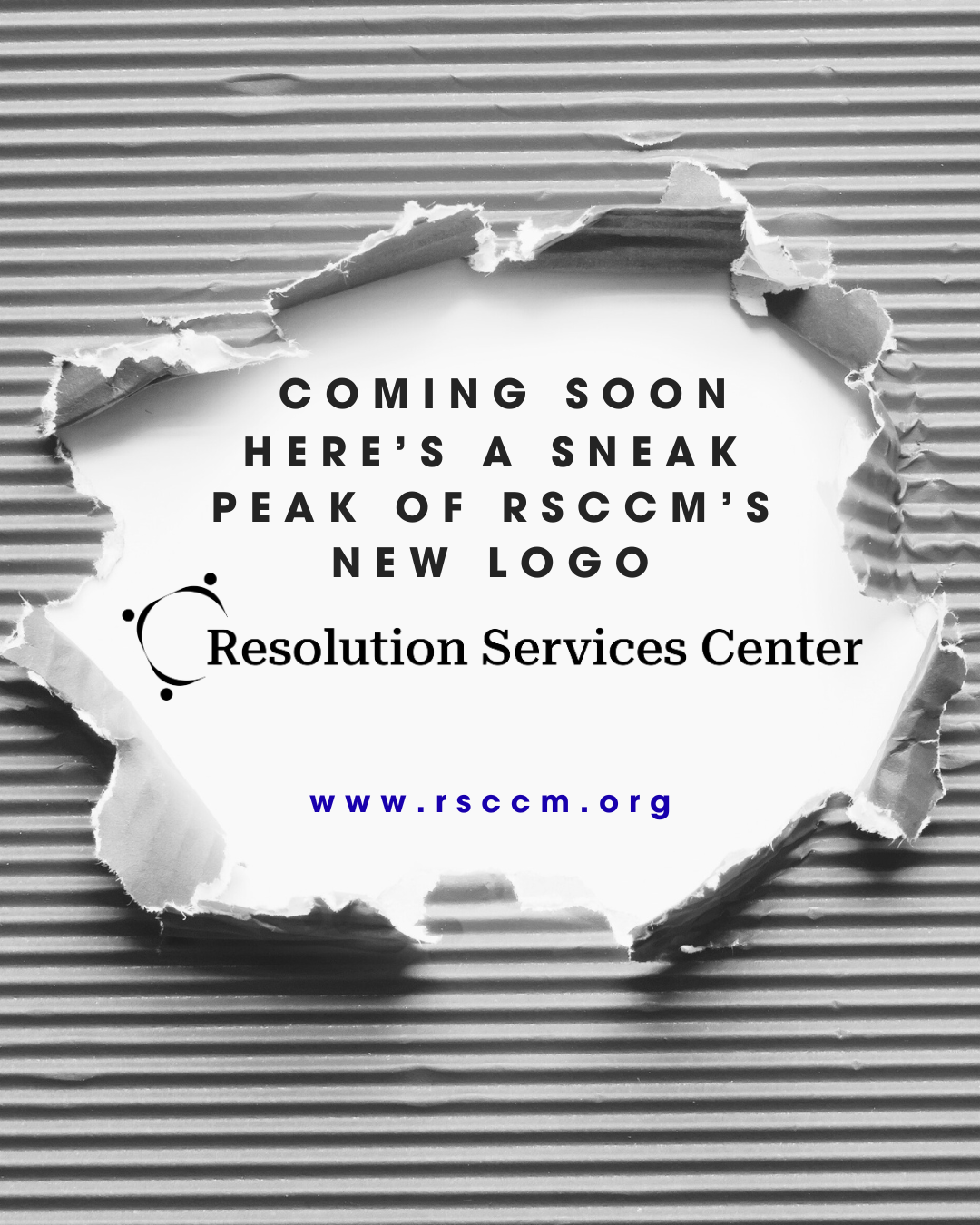
Our new logo embodies this message in the depiction of three people coming together in search of resolution. The open space shows on the limitless potential that exists when people come together to listen and to dialogue.


If the conversation that we are starting interests you then I hope you reach out to get involved in the discussion. After all, to the world you may be but one voice, but to this conversation you are the world.


Visit RSCCM's website to learn more about our services.

What's New

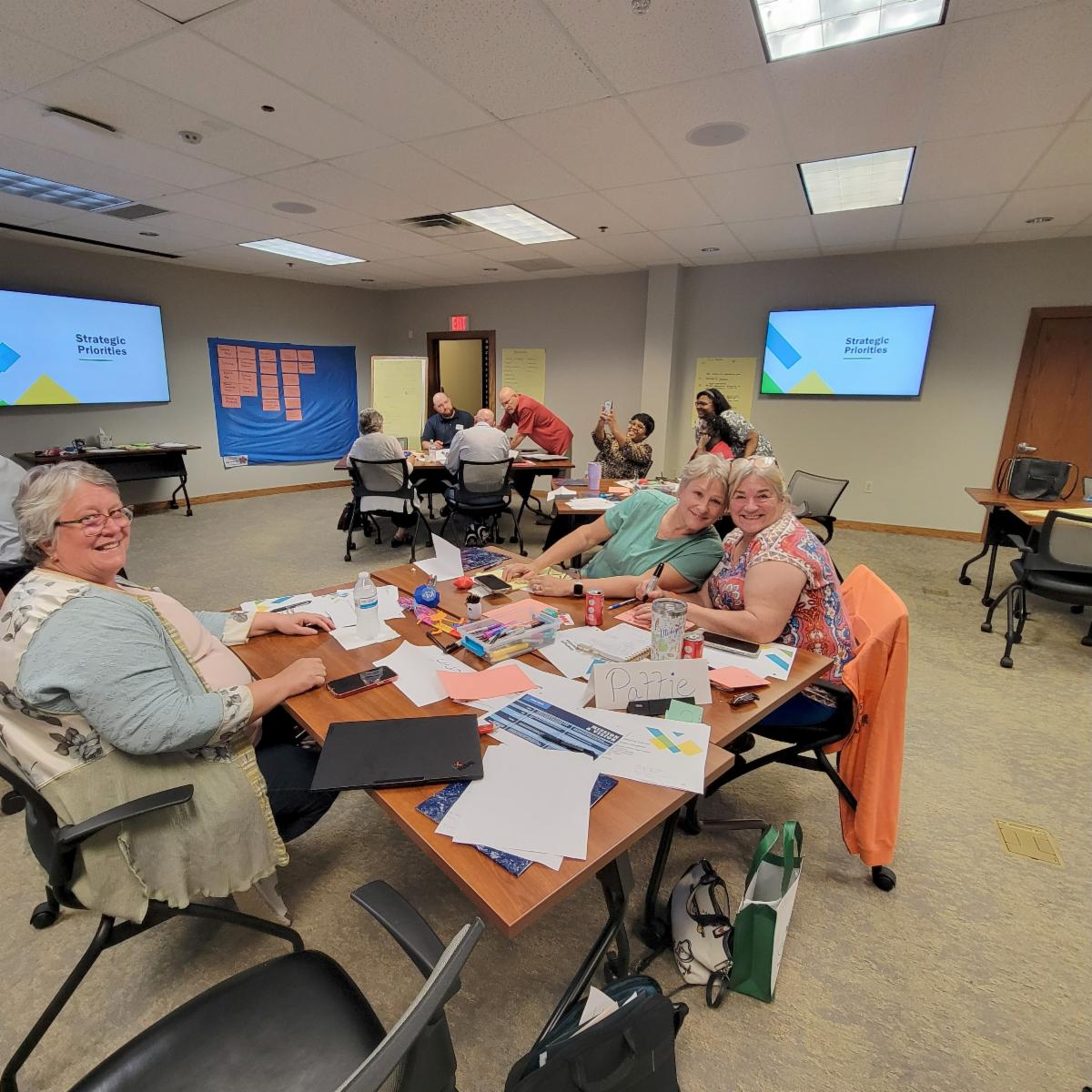
RSCCM's Team at Work

Pictured left to right: Mediators Shelly Zamora and Pattie Schaefer lean in for a photo. Others collaborate.

Be on the lookout for RSCCM's new logo.

Shelly's Guide to Divorce Mediation

IMG_3710 image

Shelly Zamora, Domestic Mediator, RSCCM

RSCCM's mediators create a safe and neutral space for the parties to communicate openly and honestly. They ensure that both sides have an equal opportunity to be heard. 


RSCCM's mediators do not provide recommendations or opinions to the court. The role of the mediator is to facilitate communication and help parties reach their own agreement. 

Some Steps in the Divorce Mediation Process:


  1. An attorney or unrepresented  person can request mediation by calling 517-485-2274 or by emailing us at mediate@rsccm.org. From the initiating party, we will then gather information and prepare a brief summary of the conflict, and request any court documents needed to mediate.
  2. The other party is contacted by phone or email to confirm their willingness to mediate. If it is court- ordered, the process is the same, and we emphasize the importance of it being court-ordered.
  3. Once we have all the information needed to start a case, a date is selected and intakes are scheduled. Intakes are confidential interviews to gather information about assets, debts, custody, and parenting time issues. A domestic violence screening is also done during the intake process.


Most cases can be mediated within 4-6 weeks.


It's crucial for parties to understand that the intake process is confidential, and the information shared during the intake will not be disclosed to the other party. Confidentiality allows individuals to be open and honest about any needs and concerns, which can ultimately lead to more productive and successful mediation.

Restorative Justice in Action

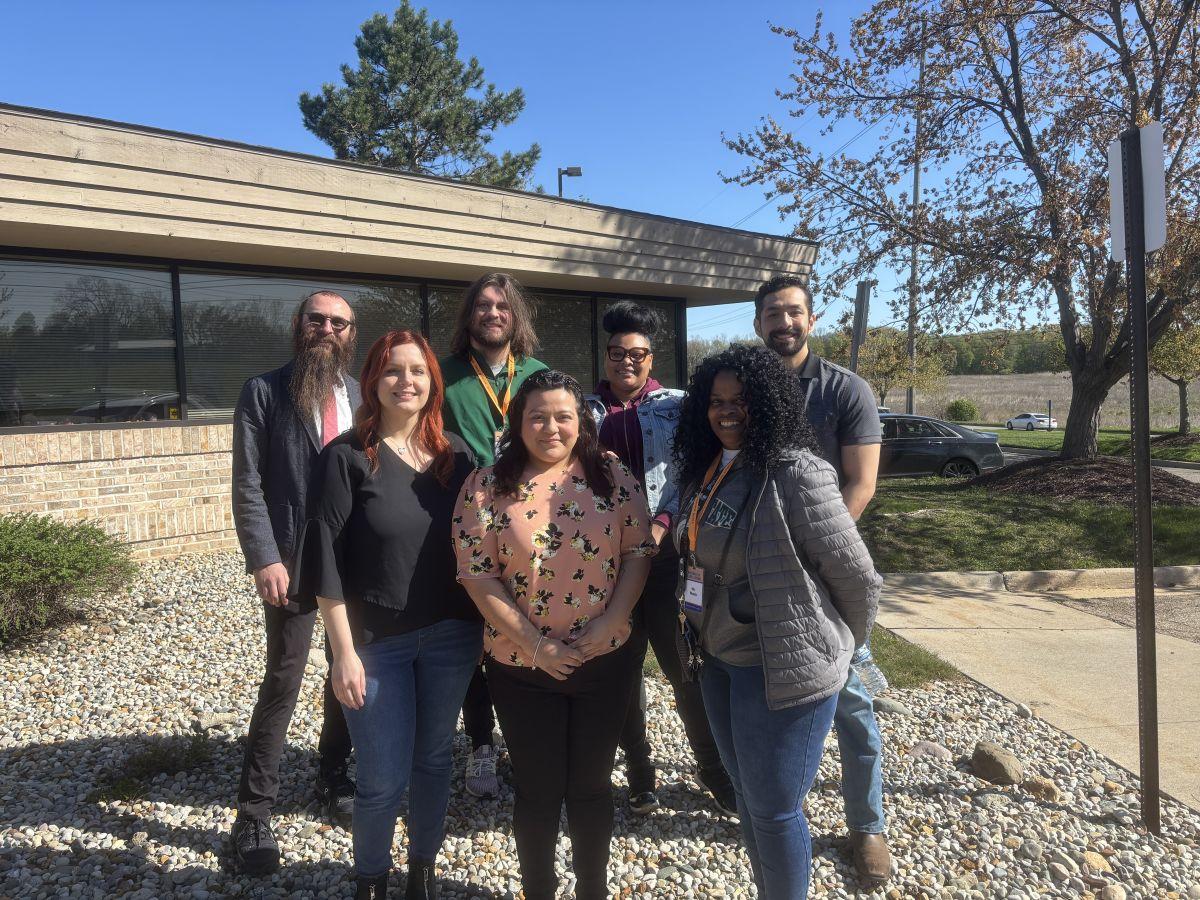
Left to right: Back row - Executive Director Yarden Blumstein, RJ facilitator Jayden Hewitt, RJ facilitator Kristy Jackson, RJ Manager Enrique Garza

Front Row - RJ Facilitators Alexandra Martin, Verenice Campuzano, Gesela Woods 

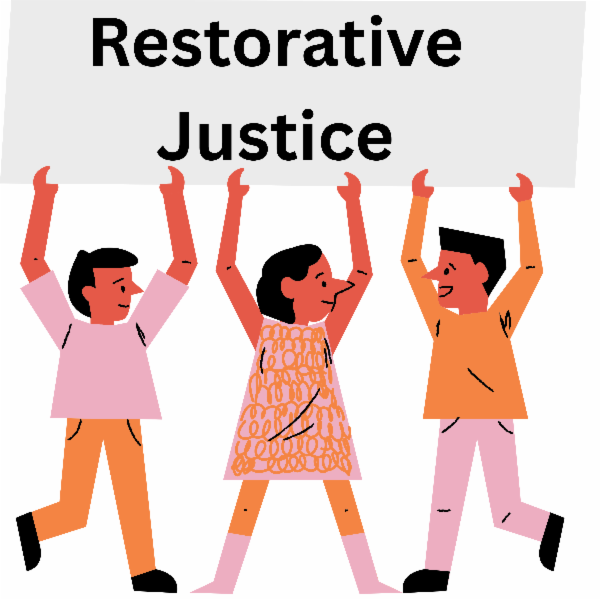
At RSCCM, we believe conflict resolution starts early. That’s why our Restorative Justice (RJ) teams are active in school communities—equipping students with the tools to resolve disputes, take responsibility, and rebuild relationships.


Our Restorative Justice Teams work directly in schools to help students and staff address conflict early, creatively, and constructively. By guiding conversations, fostering accountability, and building community, we reduce suspensions and empower students to resolve issues peacefully.


From classroom circles to peer mediation, RJ practices reduce suspensions, improve communication, and create a more supportive school climate.

The Impact of Suspensions on K-12 Youth in Schools

According to the US Department of Education’s Civil Rights Data Collection (https://civilrightsdata.ed.gov/), in the 2020-2021 academic year, nearly 786,600 K-12 public school students received in-school suspensions and 638,700 received out-of-school suspensions.


School suspensions tend to disproportionately distance and provoke disengagement in students because suspensions place students out of the school environment where they can grow and flourish. As an alternative to suspensions, restorative justice promotes healing and conflict resolution–also impacting feelings of safety. Restorative justice brings students, families, schools, and communities together to resolve problems, promote healing, and transform conflict. Through restorative justice, we can transform school culture from suspensions to success in school.

More about restorative justice.


👉 Learn about Restorative Justice

👉 Meet Enrique Garza, Restorative Justice Manager

Sign Up for Mediation Training


Upcoming Mediation Trainings

  • August 8-Hour Mediator Update Training - Aug 6, 2025 from 8:30 am - 5:30 pm
  • September General Civil Mediation Training - Sept 16-22 from 8:30 am - 5:30 pm

👉 Sign Up for Mediation Trainings

What would you like to see in our next newsletter? Send your ideas to office@rsccm.org.
Want to make an immediate impact?
Your support helps us offer free and low-cost mediation services to families, tenants, and neighbors in need.

Resolution Services Center of Central Michigan (RSCCM) | (517) 485-2274 | office@rsccm.org | www.rsccm.org/

LinkedIn  Facebook  YouTube  X