|
Is AI generated receipt fraud a new problem or is this something we've seen before?
AI receipt fraud is a new problem, but receipt fraud's absolutely been around forever. A small minority of people have long defrauded money out of businesses, adding up to millions of dollars in loss every year.
The world's oldest known customer complaint is a cuneiform clay tablet from 1750 BCE in the ancient Sumerian city of UR (now Iraq), when a customer complained about fraud and disrespect to her employees from a copper merchant. He had shorted them. When they complained, he told them to deal with it. The customer then commissioned someone to carve her complaint into a clay tablet to show as evidence.
Legend has it that when the ancient Egyptians were building the pyramids, some of the overseers would overstate how many people were in their work gangs in order to get additional beer and millet allowances, which was how the laborers were paid.
Before AI, fraudsters would use whatever they had at their disposal. Whether they used correction fluid, tape, Photoshop, Microsoft Paint, or other programs, every time one of those threats arose, businesses had to adapt to them.
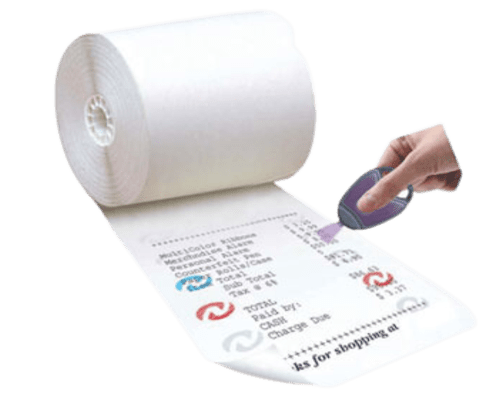
In 1989 Peter Morello developed and patented the Multi-colored ribbon to foil the bad guys from receipt fraud. When retailers noticed their POS rolls disappearing, in 1996 Morello then patented the EAS core for POS rolls, that would alert the EAS pedestals when the rolls exited the building. Back then, one POS roll was worth $10,000 in faked receipts.
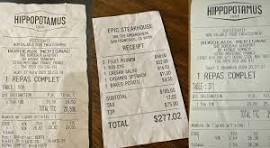
Now, it's different because everyone has access to AI. The time, skill, and the resources it takes to fake a receipt has collapsed almost to zero. It is ridiculously easy to do. It's reasonably easy to do it very well.
Current industry reports estimate that fraudulent returns and claims accounted for billions of dollars in losses in 2024 alone, with counterfeit receipts, receipt manipulation, wardrobing, and stolen merchandise returns among the leading causes. How high will the numbers go with AI receipt fraud added to the mix?
AI can now replicate receipts that will pass visual inspection, including wrinkles, shading, and smudges. Is this the end of "just send a picture of the receipt" being enough for reimbursement? If so, what is the next logical step? The AI duplicated receipts, combined with stolen POS rolls will become a nightmare to verify for all businesses.
Just like in 1989 and 1996, there is a way to protect your receipts, your POS rolls, and your returns from physical receipt fraud.
|