RECENT WATER QUALITY EVENTS IN GREEN LAKE

Over the past two weeks, Big Green Lake has experienced two notable water quality events: a fish kill and a whiting event. While neither of these instances poses a threat to human health, they are indicators of recent, significant environmental changes. These events have been influenced by factors such as climate change, rising temperatures, and the lake’s health. Learn more about each below.


We will continue to work with our partners to monitor these events and share updates as needed. It is important to assess and understand events such as these because they give us insights into the overall dynamics of the Green Lake ecosystem. 


With climate change and excess phosphorus altering our lake's ecosystem, it has never been more important for us to work collectively to confront Green Lake’s water quality challenges.

FISH KILL


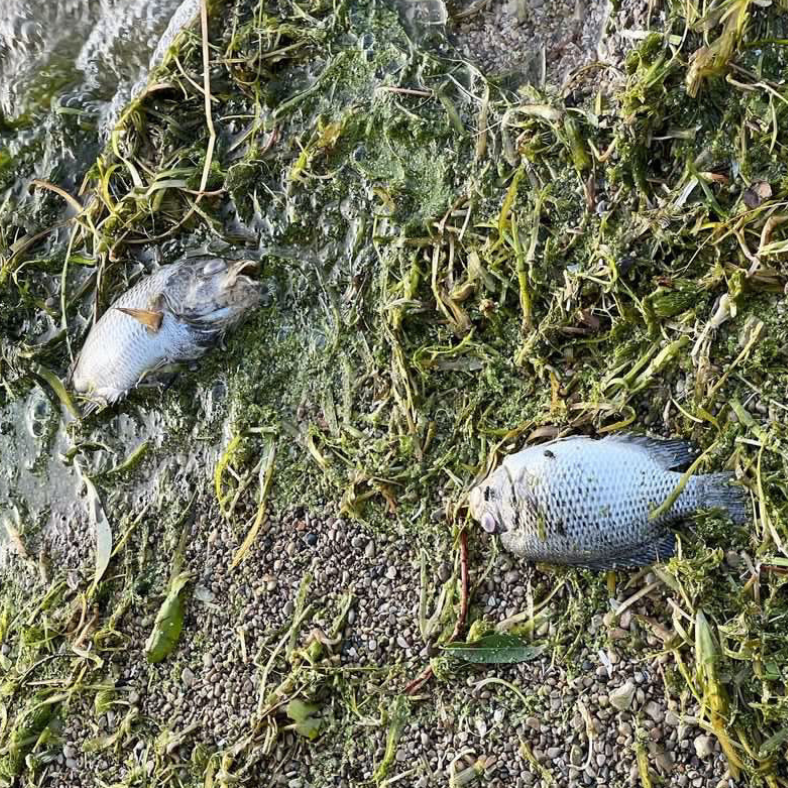
Earlier this month, we received multiple reports from community members about dead fish throughout Green Lake. We escalated these concerns to the Wisconsin Department of Natural Resources (WNDR) who confirmed this fish kill affected multiple fish species and was likely due to low dissolved oxygen. While local WDNR fish biologists were unable to determine the exact cause due to the absence of actively distressed or dying fish during their investigation, they confirmed that the fish kill was temporary and has now passed.

In June 2023, the WDNR issued a press release predicting increased fish kills in lakes across Wisconsin due to warming weather. More information about potential causes and actions to take if you discover distressed or dying fish can be found at this link.

DNR PRESS RELEASE

WHITING EVENT


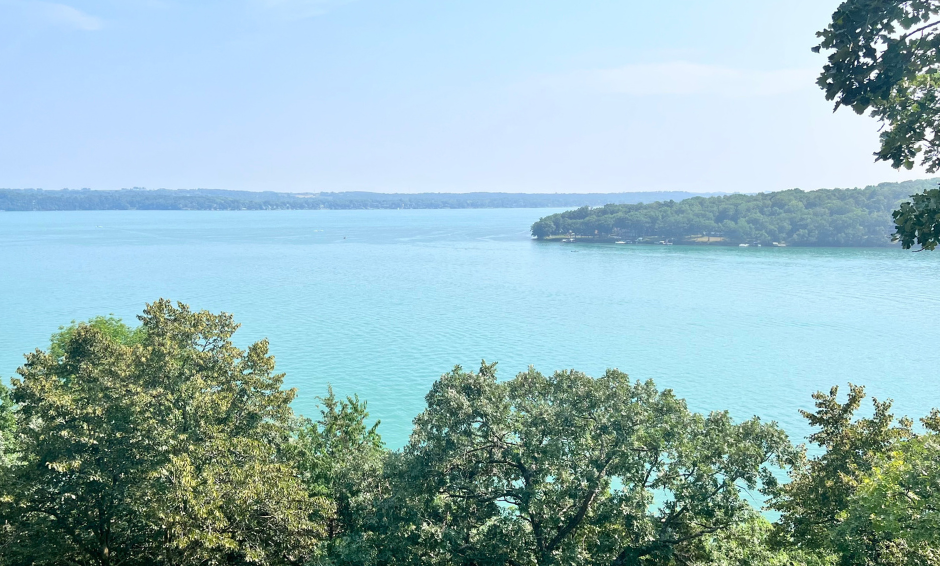
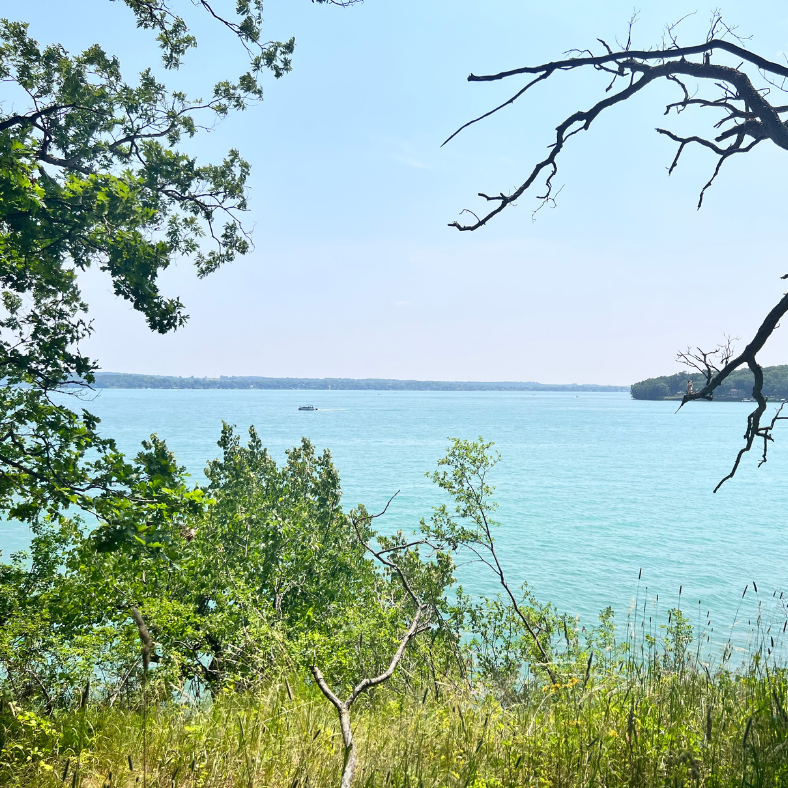
If you noticed a turquoise hue in Green Lake last week, it was due to a whiting event. The recent warm temperatures likely triggered a chemical reaction that precipitated calcium carbonate, resulting in the milky appearance. Calcium carbonate is a natural substance present in Green Lake, which is the result of our limestone bedrock. Warmer temperatures and other phenomena can cause it to precipitate, changing the water's appearance.


Whiting events are common across lakes in southeast Wisconsin and do not pose health risks.

Facebook  Twitter  Linkedin  Instagram  Youtube