| |
|
Education, Prevention, and Mitigation
for Violence in the Workplace
|
| |
Recognition Is Your First Line of Defense
How to identify early warning signs before escalation occurs
Conflict often begins with unmet expectations and can lead to escalating behaviors that may ultimately result in verbal or physical violence. The earlier you recognize that an individual has become triggered, frustrated, or overwhelmed, the greater your opportunity to use effective de-escalation techniques and prevent further escalation.
Many people focus on what to do during a crisis. Effective violence prevention begins much earlier by recognizing the warning signs that indicate someone may be struggling to maintain control of their emotions and behavior.
Research suggests that more than 90% of communication involves nonverbal cues. Paying attention to emotional, physical, cognitive, and behavioral changes can help identify when an individual is becoming upset, stressed, or agitated and may be at risk of escalating.
| |
Emotional Warning Signs
Agitated, frustrated, moody, feeling overwhelmed, difficulty relaxing or quieting the mind, low self-esteem, feeling depressed, avoiding others, etc.
| |
Physical Warning Signs
Change in facial expression or eye contact, low energy, headache, upset stomach, nervousness, dry mouth, clenched jaw, grinding teeth, shallow breathing, etc.
| |
Cognitive Warning Signs
Constant worrying, racing thoughts, inability to focus, poor judgment, pessimism, acting distracted or confused, etc.
| |
Behavioral Warning Signs
Change in appetite, change in speech, procrastinating, avoiding responsibilities, increased use of alcohol & drugs, nail biting, fidgeting, pacing, etc.
| | |
While any one of these signs may not indicate a problem, multiple warning signs occurring together can signal that an individual is becoming emotionally activated and may require intervention.
Recognition creates opportunity.
By identifying warning signs early, employees can apply de-escalation techniques, adjust their communication approach, establish appropriate boundaries, and seek assistance before a situation becomes a crisis.
The goal is not simply to react to violence. The goal is to recognize risk early enough to prevent it.
| |
Education, Prevention, and Mitigation for Violence in the Workplace
AVADE® Workplace Violence Prevention Training provides effective de-escalation and violence prevention strategies that empower individuals and organizations to respond safely and confidently.
| |
2026 Instructor Training Calendar
Below is our calendar overview for 2026 and the many cities in which we will be offering AVADE® instructor training.
If you don't see a course that works for you, we can come to YOU (on-site training).
| | |
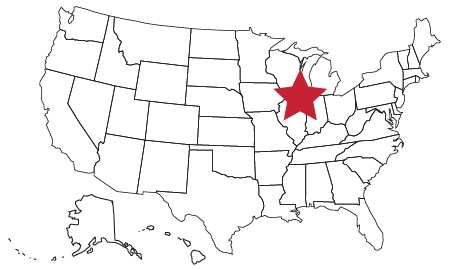
Chicago – June
Basic Instructor,
Home Health Care Instructor,
Advanced Instructor,
Recertification Advanced Instructor,
| |  | |
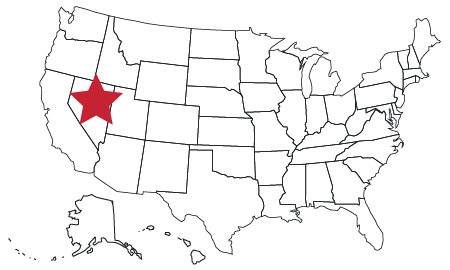
Las Vegas – July
Basic Instructor,
Home Health Care Instructor,
Advanced Instructor,
Recertification Advanced Instructor,
Active Shooter Instructor
| | | |
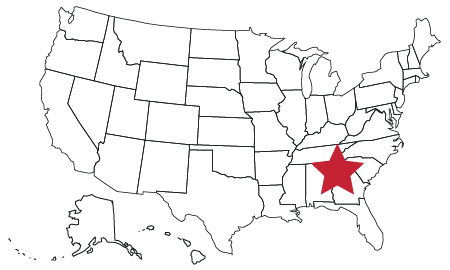
Atlanta – July
Basic Instructor,
Home Health Care Instructor,
Advanced Instructor,
Recertification Advanced Instructor
| | | |
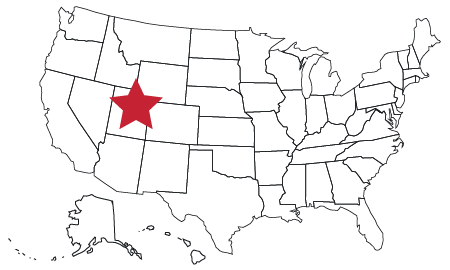
Salt Lake City – August
Basic Instructor,
Home Health Care Instructor,
Advanced Instructor,
Recertification Advanced Instructor
| | | |
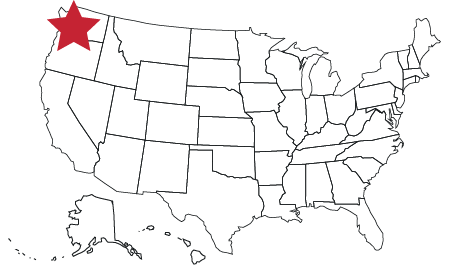
Seattle – September
DTS™ Instructor,
HDTS™ Instructor,
Defense Baton™ Instructor,
Handcuffing Tactics™ Instructor,
Pepper Spray Defense™ Instructor,
DE-ESCALATION Instructor
| | | |
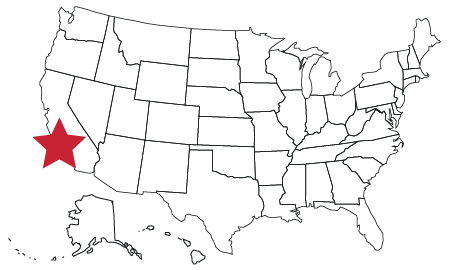
Los Angeles – September
Basic Instructor,
Home Health Care Instructor,
Advanced Instructor,
Recertification Advanced Instructor
| | | |
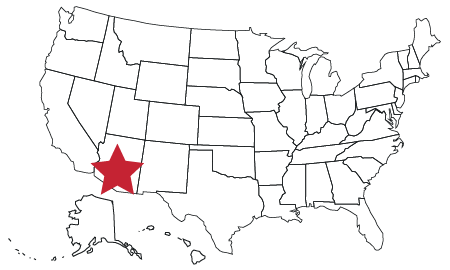
Phoenix – October
Basic Instructor,
Home Health Care Instructor,
Advanced Instructor,
Recertification Advanced Instructor
| | | |
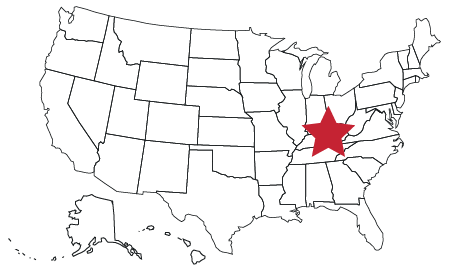
Lexington – October
Basic Instructor,
Home Health Care Instructor,
Advanced Instructor,
Recertification Advanced Instructor
| | | |
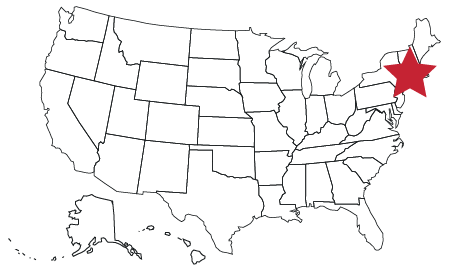
Boston – November
Basic Instructor,
Home Health Care Instructor,
Advanced Instructor,
Recertification Advanced Instructor,
DE-ESCALATION Instructor
| | | |
Laguna Beach – December
Basic Instructor,
Home Health Care Instructor,
Advanced Instructor,
Recertification Advanced Instructor
| | | | | |