Volume 4, Issue 6 - June 2026 | | |
Dear Friends,
June has arrived, and with it comes one of the most exciting times of the year in Chicago.
The city is coming alive.
The lakefront is filling with boaters. Sailboats are once again dotting the horizon. Neighborhood festivals are returning. Outdoor patios are bustling. Families are gathering in parks and along the shoreline.
Chicagoans are reconnecting with the water that helped shape this great city, and everywhere you look there is a renewed energy that comes with the arrival of summer.
For those of us who love Chicago's maritime history, June is a reminder that Chicago's story began at the water's edge. Long before the skyline defined our city, ships, harbors, breakwaters, and beacons connected Chicago to the world and helped build the city we know today.
| | |
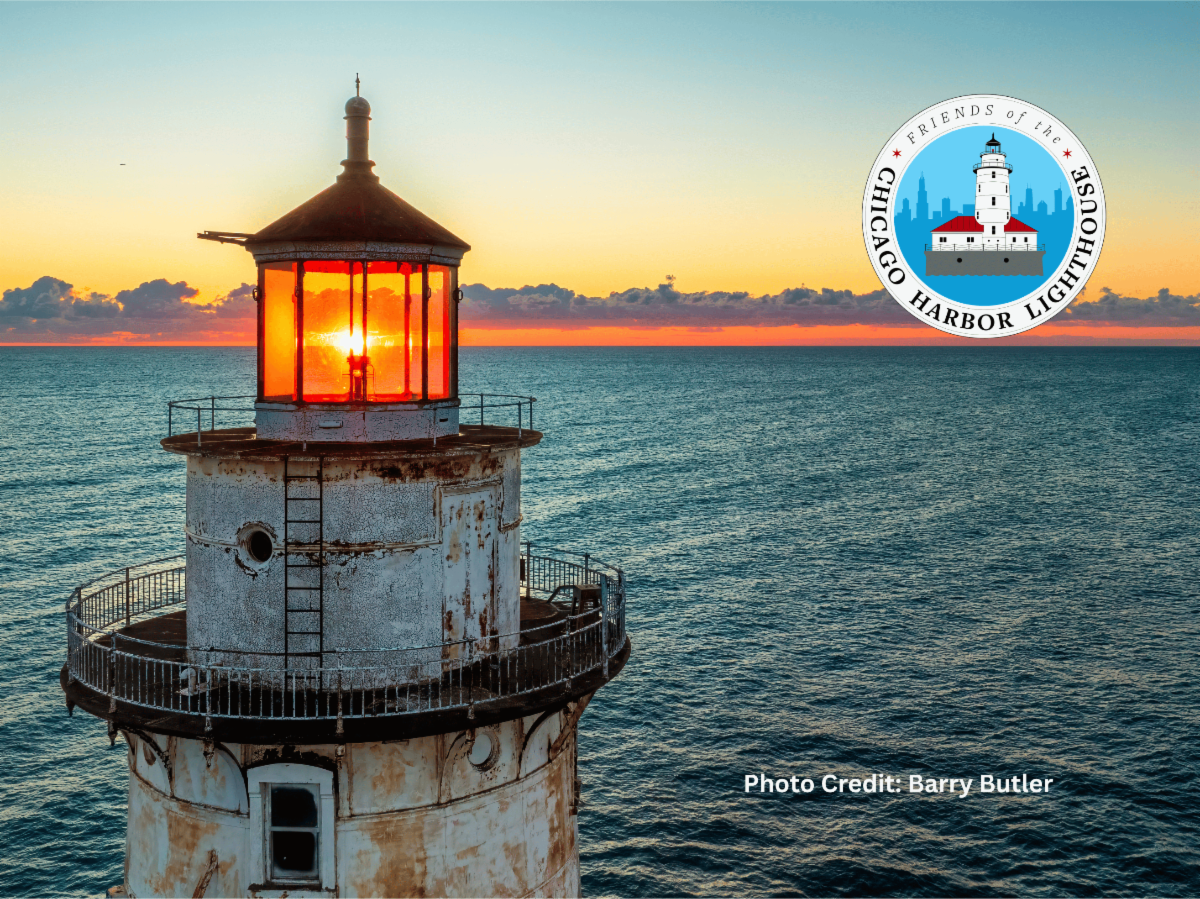
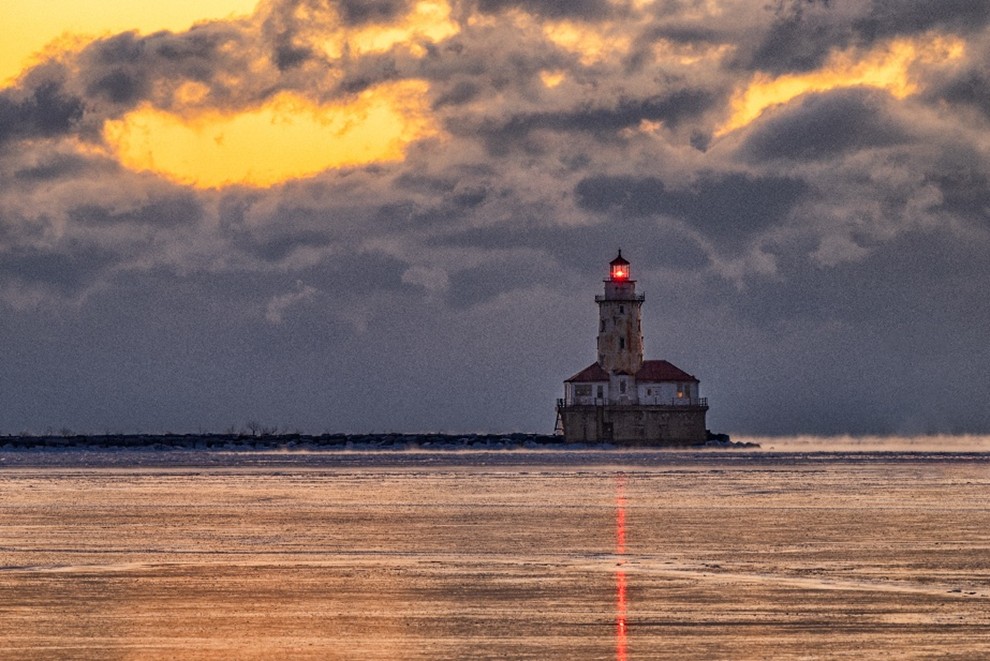
That connection to the water remains as important as ever, and nowhere is it more visible than at the Chicago Harbor Lighthouse, standing watch at the entrance to our harbor for more than 130 years.
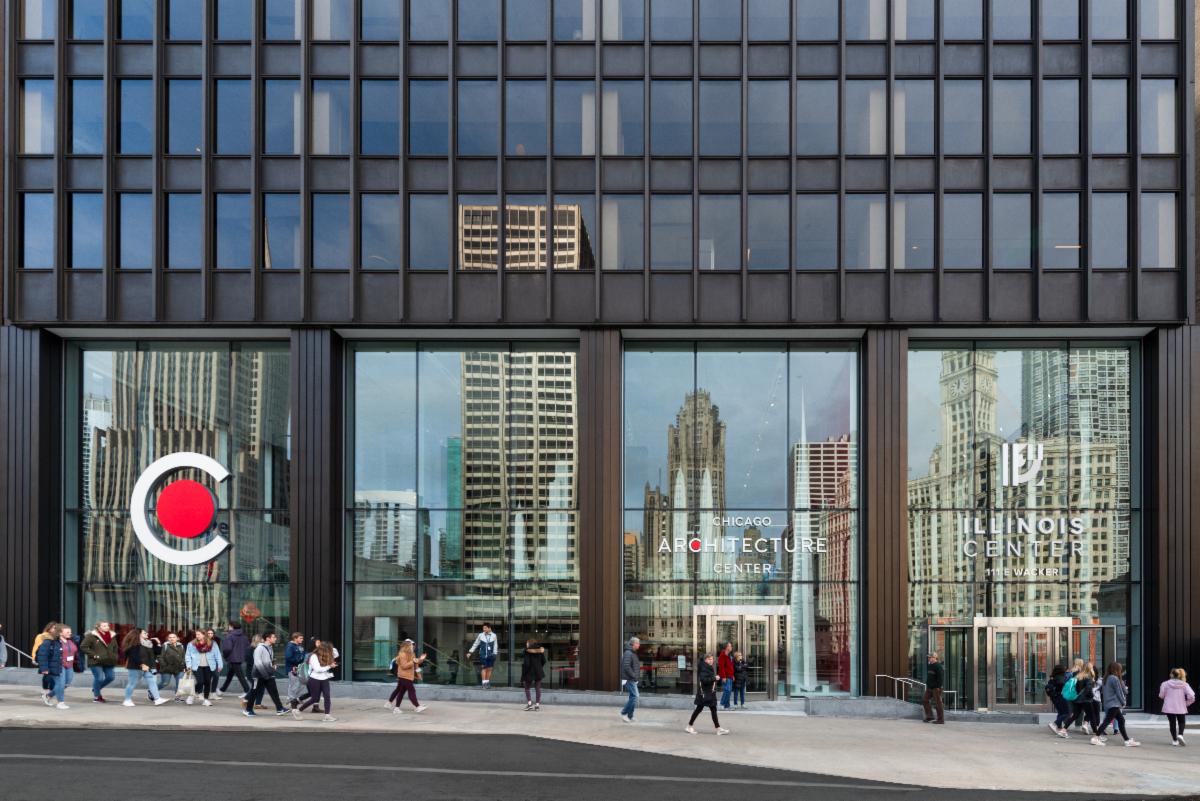
This month has already been filled with exciting opportunities to share the lighthouse's story. You'll read about our recent presentation to nearly 35 docents from the Chicago Architecture Center, one of Chicago's premier cultural organizations.
It was a wonderful opportunity to introduce the Chicago Harbor Lighthouse to the people who help tell Chicago's story every day. We are grateful for the opportunity to share our mission with a group of dedicated volunteers who inspire residents and visitors alike to discover what makes our city extraordinary.
This month's newsletter is filled with reasons to be excited, inspired, and engaged.
You'll read about an unexpected challenge facing the lighthouse after recent storms left her beacon dark. While concerning, it serves as an important reminder that even our strongest symbols need care, stewardship, and investment if they are to continue serving future generations.
You'll learn about our first public appearance at the inaugural Windy City Boat & Yacht Show, where we will introduce thousands of boaters and lakefront visitors to the mission of Friends of the Chicago Harbor Lighthouse.
We hope many of you will stop by our booth, say hello, and help us share the dream.
You'll find information about our second annual Light the Way: A Night for the Chicago Harbor Lighthouse fundraiser aboard Chicago's First Lady's Emerald Lady on National Lighthouse Day. Sponsorship sales and silent auction donations are now underway as we prepare for what promises to be another unforgettable evening in support of the lighthouse. Ticket sales coming soon!
I am especially grateful to report that nearly half of our 2025 event sponsors have already renewed their commitments for 2026. Their continued confidence in our mission is both humbling and inspiring. To our returning sponsors—and to all of the individuals, families, foundations, and businesses who have supported the Friends of the Chicago Harbor Lighthouse—thank you.
This mission does not move forward without people and organizations like you. Every sponsorship, donation, volunteer hour, auction item, and act of support helps bring us one step closer to preserving, restoring, and celebrating one of Chicago's most iconic landmarks. Your generosity is helping transform a dream into reality, and for that we are deeply grateful.
You'll also enjoy another outstanding historical feature by Steve Clements as he explores one of the most fascinating chapters in the lighthouse's history—its remarkable relocation in 1917 and 1918 as Chicago transformed its harbor and prepared for a new era of growth.
And as America begins celebrating its 250th birthday, we invite you to reflect on the role places like the Chicago Harbor Lighthouse play in telling our nation's story. The lighthouse has witnessed generations of change, challenge, innovation, sacrifice, and hope. As we look toward America's future, we also look toward the future of this remarkable landmark.
Every month I am reminded how fortunate we are to have a growing community of dreamers, volunteers, donors, historians, boaters, preservationists, and supporters who believe this lighthouse matters.
Together, we are doing something extraordinary.
We are preserving a piece of Chicago's history.
We are creating opportunities for future generations to learn, explore, and connect with their city.
We are building a future where the Chicago Harbor Lighthouse becomes a place of education, inspiration, and discovery.
And we are proving that when people come together around a shared dream, remarkable things can happen.
As Chicago comes alive this summer, I hope you'll take a moment to look east toward the lighthouse. Think about all she has witnessed. Think about the generations she has guided home. Then imagine what is possible when this community's dream becomes reality.
Thank you for believing in the dream.
Thank you for helping us preserve, restore, and celebrate the Chicago Harbor Lighthouse.
And thank you for helping ensure that this beacon continues to inspire generations yet to come.
See you on the lakefront.
Be Safe and Be Well!
Regards,
Kurt Lentsch
Chief Dreamer and President
| | Photo Credit: James Steinkamp - Courtesy of CAC | | Sharing the Story of the Chicago Harbor Lighthouse with Chicago's Storytellers | | |
On Thursday, May 28, Friends of the Chicago Harbor Lighthouse had the privilege of presenting The Past, Present, and Future of the Chicago Harbor Lighthouse to nearly 35 docents from the Chicago Architecture Center (CAC).
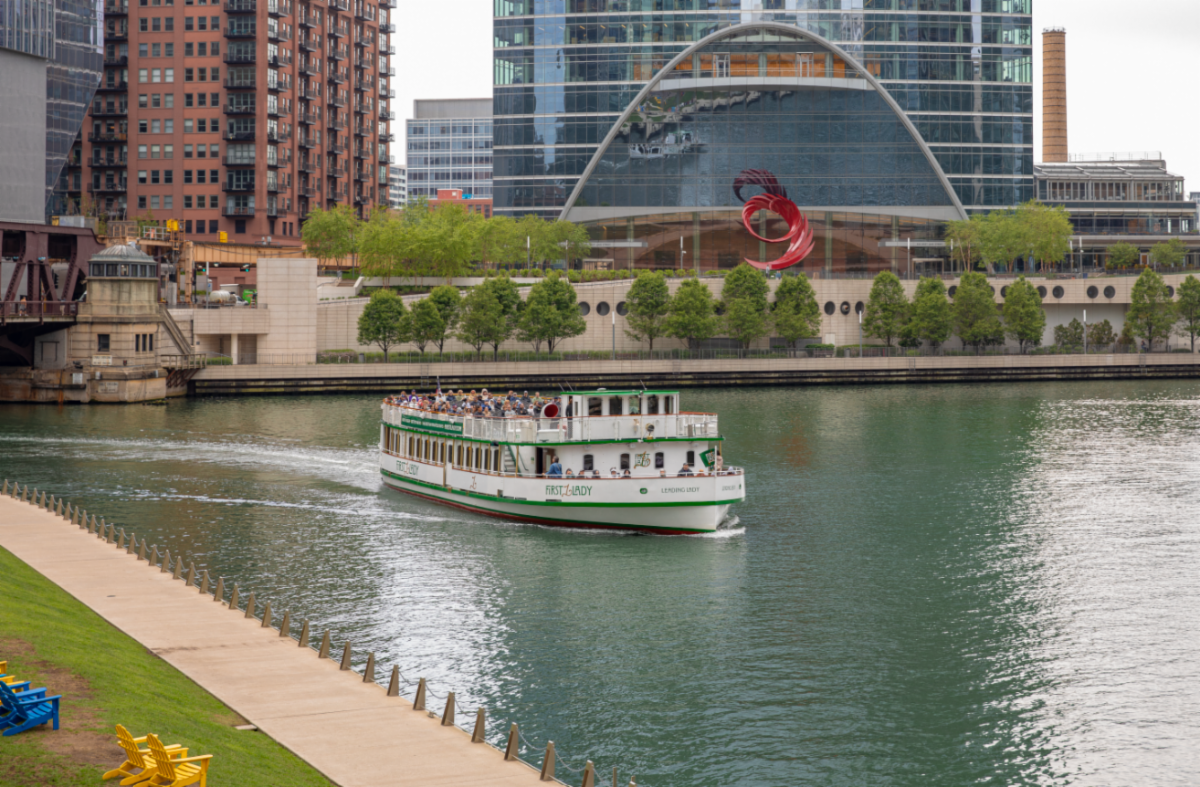
For anyone who has ever taken an architecture river cruise, walking tour, neighborhood tour, or educational program in Chicago, chances are you have experienced the work of a CAC docent. These dedicated volunteers serve as ambassadors for Chicago, helping residents and visitors understand the people, places, architecture, engineering, and history that have shaped one of the world's great cities.
Founded in 1966, the Chicago Architecture Center has grown into one of Chicago's leading cultural organizations. Its mission is simple yet powerful: to showcase Chicago and ideas from cities worldwide to inspire better living through design. Through tours, exhibitions, educational programs, and public events, the CAC helps hundreds of thousands of people each year discover why design matters and why Chicago remains a global center of architectural innovation.
We extend our sincere thanks to the Chicago Architecture Center, Jared Miller, Manager of Volunteer Engagement, and our own Nick Anson, a volunteer at FOCHL and a CAC docent, for coordinating this wonderful opportunity.
A special thank you also goes to Steve Clements and Eddie Torrez, who joined me in presenting the history of the Chicago Harbor Lighthouse, the progress of our efforts to acquire and restore the lighthouse, and our vision for creating a future "Classroom on the Water" where visitors can experience Chicago's maritime heritage firsthand.
To support the docents in sharing the lighthouse's story, Steve Clements prepared and distributed a special FOCHL Chicago Harbor Lighthouse Docent Fact Sheet. The resource provides key information about the lighthouse's history, its continuing role as an active aid to navigation, the ongoing preservation effort, and our mission to preserve, restore, and celebrate this iconic Chicago landmark.
The Chicago Architecture Center's docent program represents one of the city's greatest volunteer success stories.
For decades, these passionate volunteers have dedicated thousands of hours each year helping people understand Chicago's architecture, neighborhoods, waterfront, and cultural history. Their tours help residents see their city through fresh eyes and help visitors leave with a deeper appreciation for what makes Chicago so special.
| |
In many ways, they are stewards of Chicago's story.
The Chicago Harbor Lighthouse is an important part of that story. Standing at the entrance to Chicago Harbor for more than 130 years, the lighthouse has witnessed the city's growth from a bustling Great Lakes port into a world-class city. By sharing its story with CAC's docents, we hope to help even more people discover Chicago's rich maritime heritage and understand the important role the lighthouse has played in shaping the city.
On behalf of the Friends of the Chicago Harbor Lighthouse, thank you to the Chicago Architecture Center and its remarkable corps of docents for preserving, interpreting, and celebrating Chicago's history every day.
We look forward to the day when we can welcome CAC docents and their guests to the Chicago Harbor Lighthouse and share yet another chapter in the story of this remarkable city.
| | |
For more than a century, the Chicago Harbor Lighthouse has stood watch at the mouth of our harbor, marking the entrance to the city, guiding mariners, and quietly reminding Chicago that we are, and always have been, a great maritime city.
But on Friday, May 29, 2026, we discovered something difficult to see.
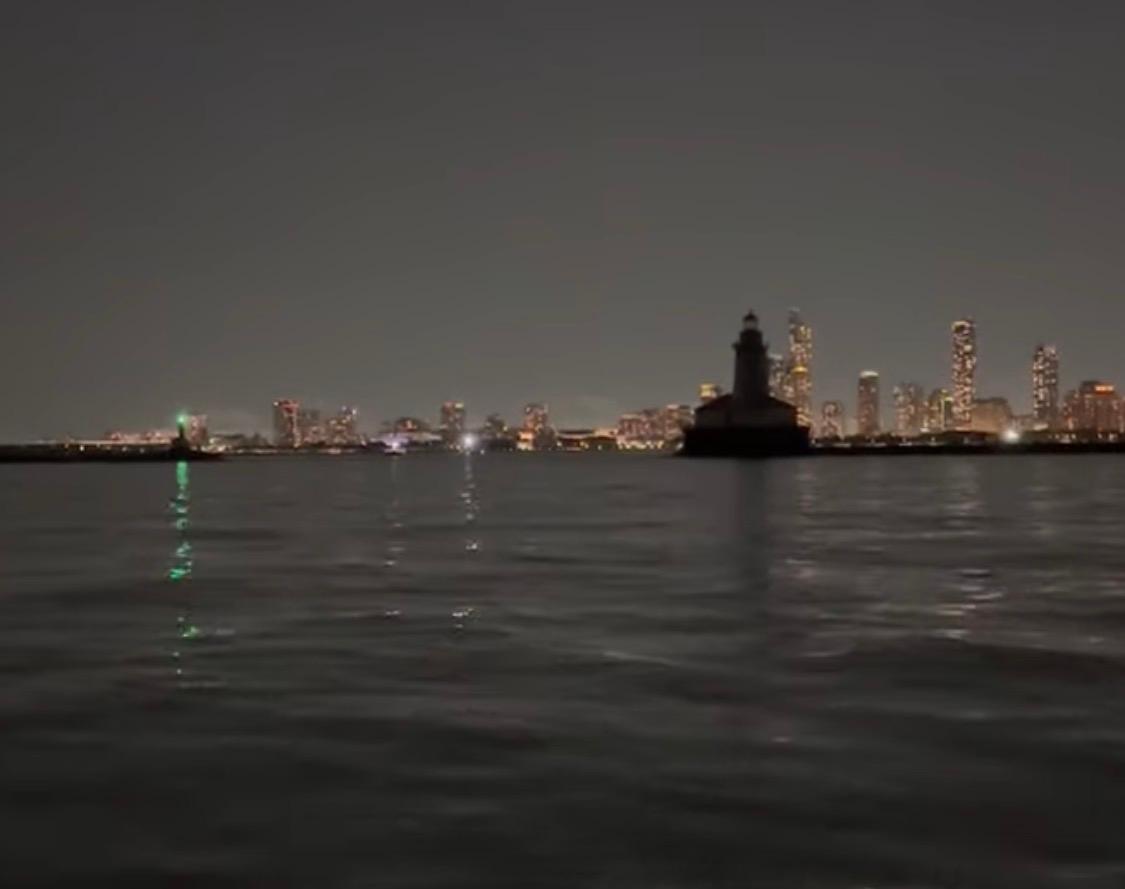
She was dark.
Recent strong north winds on Lake Michigan appear to have been too much for the solar panel frame structure that powers the lighthouse’s beacon, causing it to collapse. The Chicago Harbor Lighthouse, our beloved sentinel at the entrance to the harbor, had gone dark.
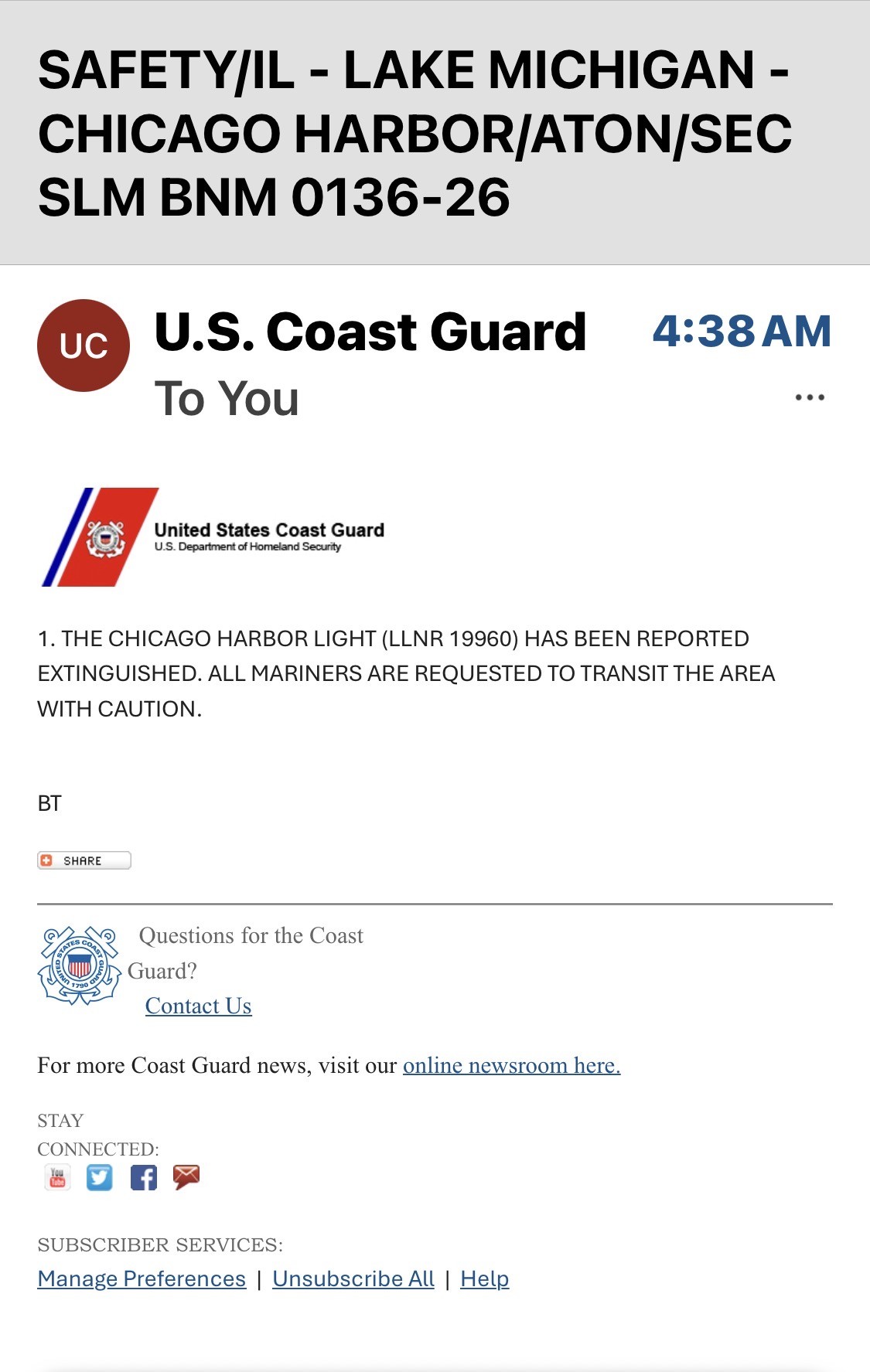
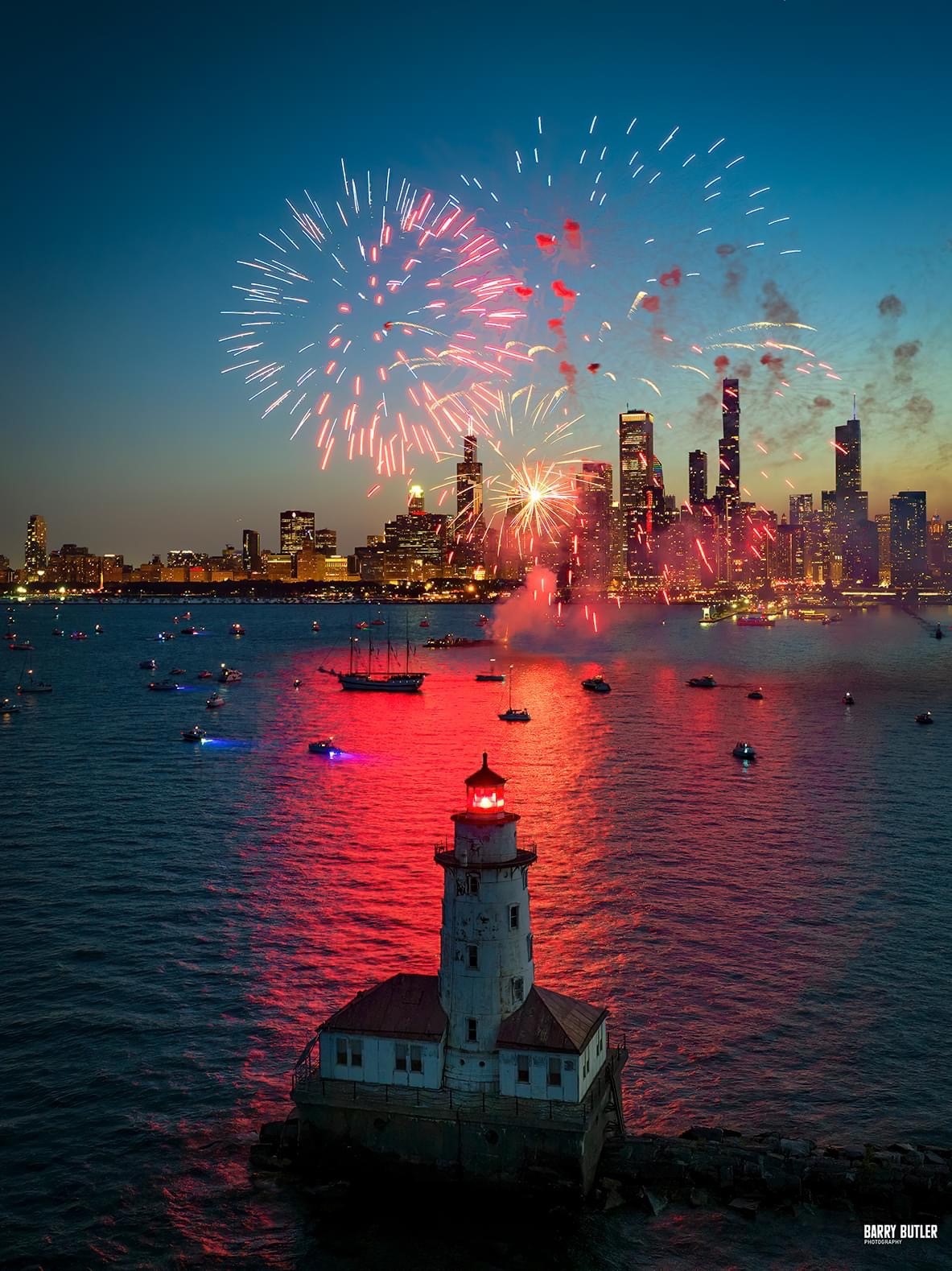
That evening, Friends of the Chicago Harbor Lighthouse reported the outage to the United States Coast Guard Great Lakes in Milwaukee. In response, the Coast Guard issued an official Broadcast Notice to Mariners stating that the Chicago Harbor Light, listed as LLNR 19960, “has been reported extinguished,” and requesting that all mariners “transit the area with caution.”
From a practical standpoint, that notice matters. The Chicago Harbor Lighthouse is not simply a beautiful landmark on the lakefront. Its light is an active aid to navigation. Its purpose is simple, important, and timeless: to help mariners safely identify the entrance to Chicago Harbor. Even in an age of GPS, chartplotters, radar, and digital navigation, a lighthouse still matters.
A light on the water is immediate. It is visible. It is reassuring. It tells every boater, sailor, captain, and passenger: this is the way home.
| |
We are grateful to the Coast Guard for responding quickly and issuing the notice to mariners. Their action reminds us that this lighthouse is still part of a working maritime system, still connected to the safety of those who travel on Lake Michigan, and still serving a purpose even as we work toward her long-term restoration.
And yet, beyond the practical concern, there is something deeply emotional about seeing a lighthouse without its light.
A lighthouse is more than steel, brick, glass, and stone. It is a promise. It is a symbol of safety, endurance, and welcome. It is a fixed point in a changing world. For generations, the Chicago Harbor Lighthouse has been there through storms, through war, through the rise of the skyline, through the changing lakefront, and through the countless lives that have passed by her on the water.
So when the light goes out, we feel it.
We feel it because the light is not just a signal to mariners. It is a signal to all of us. It reminds us that someone is keeping watch. It reminds us that Chicago’s story did not begin with skyscrapers, expressways, or airports. It began at the water’s edge, with ships, harbors, breakwaters, and beacons.
It raises a poetic question: is a lighthouse still a lighthouse without its light?
Of course, the answer is yes.
She is still our lighthouse.
She is still standing.
She is still waiting.
She is still calling us to care.
Perhaps this moment is a reminder of why our work matters. The Chicago Harbor Lighthouse has endured for more than 130 years, but endurance should never be mistaken for invincibility. Even the strongest symbols need stewards. Even the brightest lights need someone to tend them.
Friends of the Chicago Harbor Lighthouse was created for exactly this purpose: to preserve, restore, and celebrate this remarkable Chicago landmark so that future generations will not simply see it from a distance, but understand its meaning, experience its story, and feel the same sense of wonder that so many of us feel today.
For now, she may be dark.
But she is not forgotten.
And with your continued support, the Chicago Harbor Lighthouse will shine again — not only as a beacon on Lake Michigan, but as a symbol of what is possible when a community chooses to preserve the light.
To help us restore the Chicago Harbor Lighthouse and keep her beacon shining brightly over Chicago Harbor, please visit give.savethelighthouse.org and join us in preserving the light for future generations.
| | Photo Credit: Barry Butler | | Come See Us at the Windy City Boat & Yacht Show | | |
The Friends of the Chicago Harbor Lighthouse is excited to make our first public event appearance at the inaugural Windy City Boat & Yacht Show, June 12–14, 2026, at Burnham Harbor.
For the past few years, so much of our work has happened through newsletters, presentations, meetings, planning sessions, fundraising efforts, and conversations with people who care deeply about the future of the Chicago Harbor Lighthouse. Now, for the first time, we are bringing our mission directly to the public at one of Chicago’s newest and most exciting lakefront events.
The Windy City Boat & Yacht Show is being launched as Chicago’s premier in-water boat show, set against the stunning backdrop of Lake Michigan and Chicago’s iconic skyline. Designed to connect the water, the city, and the community, the show will feature more than 100 boats ranging from 20 to 75 feet, including power and sail, new debuts, and premium brokerage listings.
Attendees will be able to explore and board top industry brands presented by leading boat dealers, with more than 20 dealers and 60 boat brands expected. Shoreside exhibits will showcase the latest marine technology, safety gear, accessories, and must-have boating essentials.
The weekend will also include hands-on learning opportunities for boaters and boating enthusiasts of all levels, including First Sail on-the-water sailing sessions and Cruisers Classroom talks led by industry experts. Additional highlights include a Yacht Club Lounge inspired by Chicago’s yacht club tradition, rendezvous meet-ups, waterfront activations, food, cocktails, and a vibrant social atmosphere.
In other words, it is shaping up to be the ultimate kickoff to the summer boating season.
And, of course, the Chicago Harbor Lighthouse belongs in that story.
For more than a century, the lighthouse has stood watch over Chicago Harbor, greeting boaters, sailors, commercial vessels, paddlers, lakefront visitors, and dreamers who look east and see more than a structure on the breakwater. They see a symbol of Chicago’s maritime history, its working waterfront, and its enduring connection to Lake Michigan.
We are especially excited for Sunday, June 14 — Anchored in Hope: A Community Sunday, a meaningful day on the waterfront dedicated to family, community, and giving back. Community Sunday brings together local charity partners, exhibitors, and the boating community to celebrate connection, impact, and shared purpose, all set against the backdrop of Chicago’s lakefront in true boating spirit.
As part of the launch of the Windy City Boat & Yacht Show, nonprofit organizations are being highlighted as community partners supporting this debut event. These organizations are making a difference throughout the Chicago community through education, conservation, youth programming, wellness initiatives, vital support services, and shared love for our lakefront.
Friends of the Chicago Harbor Lighthouse is proud to be one of those community partners.
| |
Please stop by the Friends of the Chicago Harbor Lighthouse booth during the show. We would love to meet you, share updates on the restoration effort, answer questions, and hear your favorite lighthouse story.
You will also be able to pick up some great FOCHL merchandise, including T-shirts and hats, make a donation, learn about sponsorship opportunities, sign up to volunteer, or simply spend a few minutes with some very fun people who believe deeply in preserving, restoring, and celebrating the Chicago Harbor Lighthouse.
Whether you are a lifelong boater, a new boat owner, a lighthouse enthusiast, a Chicago history buff, or someone who simply loves the lakefront, we hope you will come see us.
The show’s central and convenient location at Burnham Harbor makes it accessible by land and water, with nearby parking lots located at the show entrance and a dedicated drop-off boat dock within the show.
As a community partner, we are also pleased to share a special 25% ticket discount with our supporters. Use promo code CP25 when purchasing tickets.
| | |
Show Dates and Hours:
Friday, June 12 | 10:00 AM – 7:00 PM
Saturday, June 13 | 10:00 AM – 7:00 PM
Sunday, June 14 | 10:00 AM – 5:00 PM — Anchored in Hope: Community Sunday
Location:
Burnham Harbor
Chicago, Illinois
This is more than a boat show for us. It is a milestone.
It is our first opportunity to stand beneath the summer sky, meet our supporters face-to-face, introduce new friends to the Chicago Harbor Lighthouse, and invite the community to be part of the dream.
Come for the boats. Come for the lakefront. Come for Community Sunday.
And please stop by our booth to help us keep the light shining.
| |
Help Light the Way: Sponsorships and Silent Auction Items
Needed for August 7th, 2026
| | |
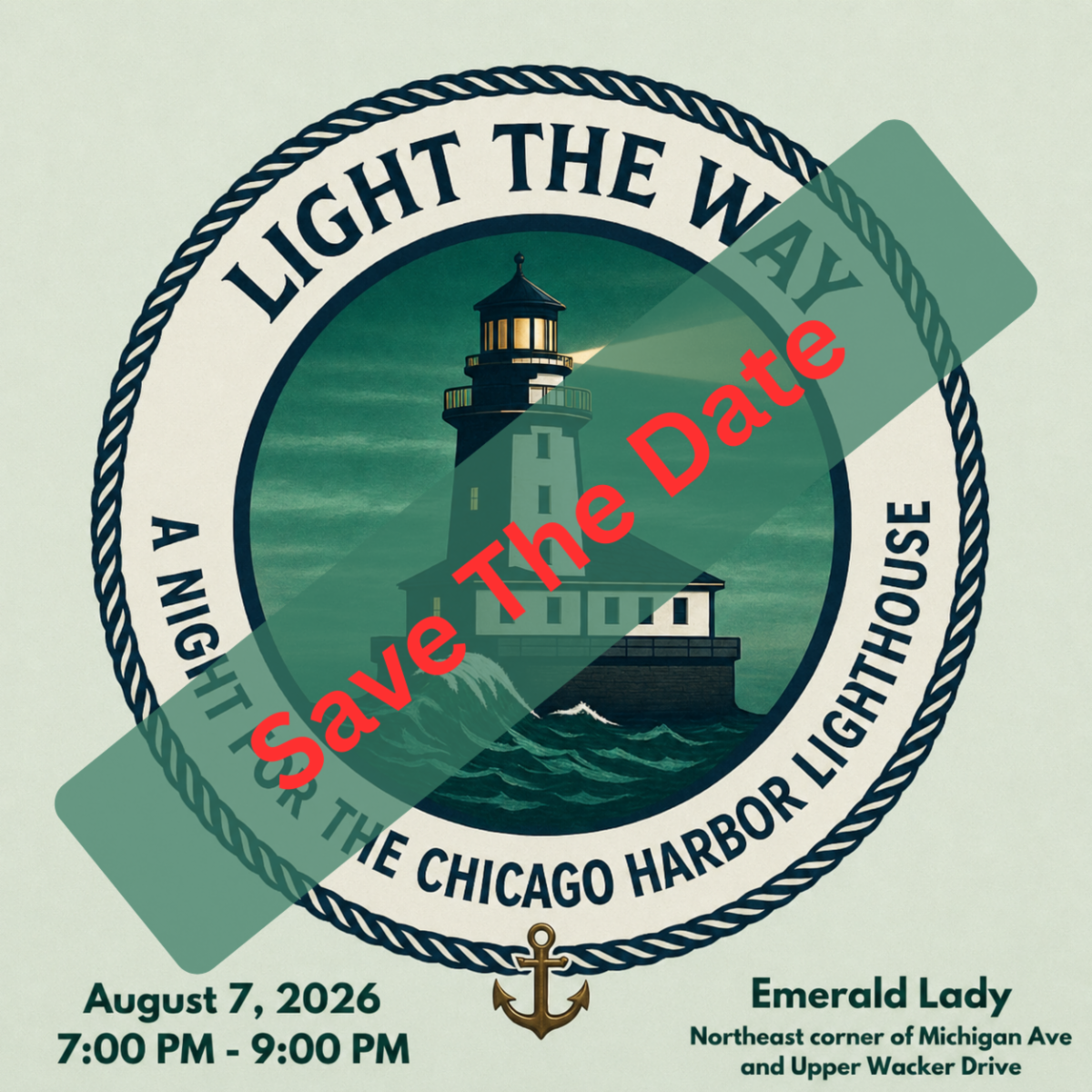
Save the date for one of the most meaningful nights of the summer.
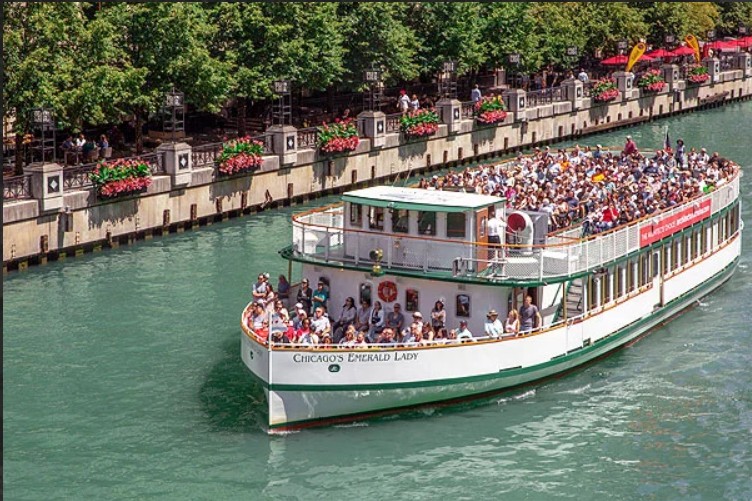
On Friday, August 7, 2026 — National Lighthouse Day — Friends of the Chicago Harbor Lighthouse will host our second annual Light the Way: A Night for the Chicago Harbor Lighthouse, an unforgettable evening on the water aboard Chicago’s First Lady Emerald Lady.
This special fundraiser has quickly become our signature annual event, bringing together friends, supporters, preservationists, boaters, civic leaders, and dreamers who believe in the future of the Chicago Harbor Lighthouse.
This year, as we prepare for the next chapter in our effort to preserve, restore, and celebrate the lighthouse, we are inviting individuals, families, businesses, and community partners to help make this evening a success through sponsorships and silent auction donations.
Sponsorship support is one of the most important ways to help underwrite the cost of the event, allowing more of the funds raised that evening to go directly toward the restoration, preservation, future public access, and educational programming of the Chicago Harbor Lighthouse.
We are currently seeking both individual and corporate sponsors at several levels, including:
Host Sponsor — $20,000
An exclusive opportunity for one presenting sponsor to receive premier recognition throughout the event and across FOCHL communications.
Beacon Sponsor — $10,000
Leadership visibility for a major event partner helping guide this effort forward.
Guiding Light Sponsor — $7,500
Strong event recognition for those who want to play a meaningful role in supporting the mission.
Harbor Light Sponsor — $5,000
Visible support for a signature Chicago fundraising event and a lasting investment in one of the city’s most beloved lakefront landmarks.
Sponsors receive meaningful recognition before, during, and after the event,
including visibility on event materials, signage, the FOCHL website, newsletters, social media, and recognition connected to our Founding Lightkeepers program.
We are also seeking silent auction and in-kind donations to help make the evening even more special. Suggested items include dining experiences, hotel stays, travel packages, artwork, boating experiences, Chicago-themed gifts, specialty merchandise, professional services, unique outings, gift certificates, and other mission-aligned products or experiences.
Silent auction donations are a wonderful way for individuals and businesses to support the lighthouse while sharing something special with our guests.
Whether it is a weekend getaway, a private dinner, tickets to a Chicago event, a piece of art, a boat ride, or a one-of-a-kind experience, every donated item helps us raise critical funds and tell the story of this remarkable landmark.
Ticket sales for Light the Way 2026 will begin in early June, and we expect another memorable evening as we cruise toward the Chicago Harbor Lighthouse, celebrate National Lighthouse Day, and look ahead to the bright future we are building together.
The lighthouse has stood watch over Chicago’s harbor for generations. Now it is our turn to stand watch over her.
To learn more about sponsorship opportunities, donate a silent auction item, or reserve your place as tickets become available, please visit savethelighthouse.org/light-the-way-2026.
Together, we can Light the Way.
| Celebrating America’s 250th: Reflecting on the Past, Looking Toward the Light | |
This summer, our nation begins a special season of reflection and celebration as we look ahead to America’s 250th birthday.
For nearly two and a half centuries, America’s story has been written by people who dreamed, built, served, sacrificed, explored, created, protected, taught, healed, sailed, and hoped. It is a story told not only in grand monuments and historic documents, but in harbors, neighborhoods, schools, workshops, city streets, quiet acts of kindness, and the shared belief that tomorrow can be better than today.
America’s story has never been simple or perfect. It includes struggle, injustice, sacrifice, resilience, and progress that has too often come slowly. But it is also a story of people who continue to believe that tomorrow can be better than today — and who keep working, dreaming, serving, and reaching toward a brighter light.
Here in Chicago, we have our own special place in that story.
Long before the skyline rose behind her, the Chicago Harbor Lighthouse stood at the edge of Lake Michigan, welcoming ships, guiding mariners, and marking the entrance to one of America’s great inland ports. She has watched generations pass by. She has seen Chicago grow, change, struggle, rebuild, and rise. Through it all, she has remained a symbol of endurance, safety, and hope.
| |
As America celebrates 250 years, we are invited to pause and reflect — not in a political way, but in a deeply human way.
We can reflect on the blessings of living in a country where ordinary people can come together around a dream. Where a group of volunteers can look at a weathered lighthouse in the harbor and say, “She matters.” Where a community can choose preservation over neglect, hope over indifference, and action over waiting for someone else to care.
That is worth celebrating.
This summer, as flags fly, fireworks light the sky, boats gather on the lake, families come together, and communities across the country mark this historic milestone, we hope you will take a moment to look toward the Chicago Harbor Lighthouse.
Think about all she has witnessed.
Think about the ships she guided, the keepers who tended her light, the workers who built her, the immigrants and families who arrived through this great harbor city, and the generations who have looked out from Chicago’s lakefront and found comfort in her presence.
Then look forward.
Imagine a future where the Chicago Harbor Lighthouse is restored, where children can learn her story, where visitors can experience Chicago’s maritime history in-person, where her beacon continues to shine, and where this beloved landmark becomes a living classroom on the lakefront.
America’s 250th is not only a time to look back. It is a time to ask what we will preserve, what we will build, and what light we will leave for those who come after us.
At Friends of the Chicago Harbor Lighthouse, we believe this lighthouse is part of that future. She reminds us that the best of America is found when people come together with purpose, generosity, imagination, honesty, humility, and love for the places that shape us.
This summer, we celebrate.
We reflect.
We give thanks.
And we look toward the light.
| | |
A Lighthouse in Motion
By: Steve Clements
| | |
How and why do you move a lighthouse?
More specifically, how do you relocate a massive cast-iron lighthouse offshore on Lake Michigan in 1917 or 1918, decades before modern cranes, computerized engineering models, or today’s heavy-lift marine equipment?
And why was such a significant public works project undertaken in the first place?
Those questions lie at the center of one of the most fascinating and least understood chapters in the history of Chicago Harbor Lighthouse.
Most historical summaries devote only a sentence or two to the relocation. Yet the move represented one of the largest transformations in the lighthouse’s history, and a major marine engineering project tied directly to Chicago’s explosive growth as a commercial and industrial center.
And strangely, despite the scale of the undertaking, surprisingly few detailed public accounts survive describing exactly how it happened.
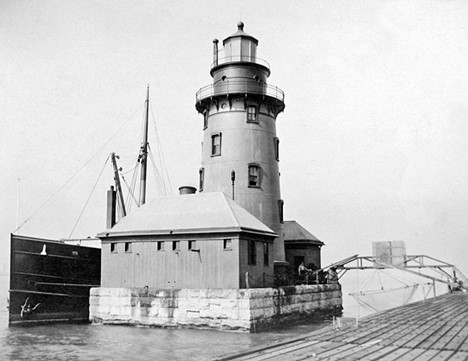
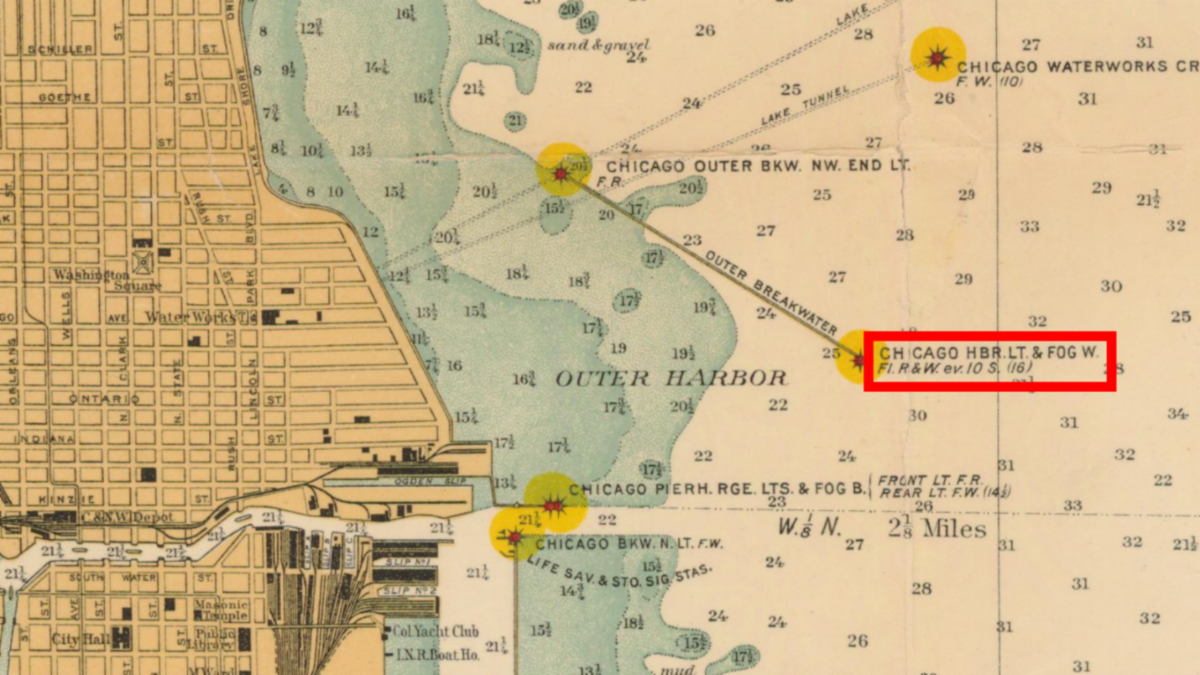
| | Chicago's 1893 Lighthouse just inside the breakwater, pictured in 1914. | When the lighthouse was first lit in 1893, it stood near the earlier harbor entrance, at a time when Chicago’s lakefront looked dramatically different from today. The city was already a major transportation hub, but the harbor the lighthouse served would soon undergo enormous change. | This excerpt from the 1912 U.S. Lake Survey Coast Chart No. 4, “Chicago, Ill. to Kenosha, Wis.” shows the original location of the 1893 lighthouse in Chicago's rapidly evolving harbor | |
By the early twentieth century, Chicago’s maritime traffic had grown substantially. Harbor entrances evolved, protective breakwaters expanded, and navigation patterns shifted as engineers modernized the waterfront to accommodate larger ships and increasing commercial activity.
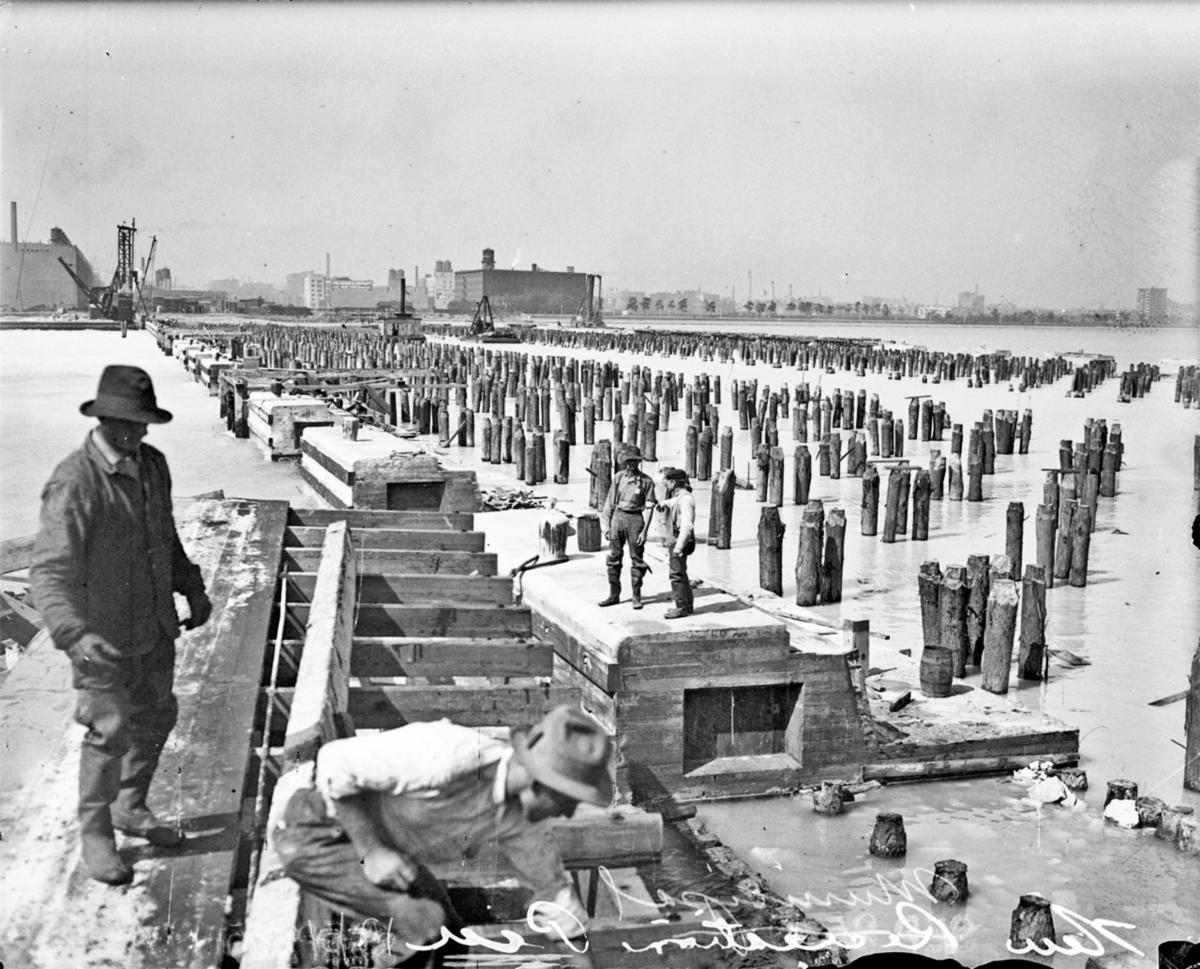
One of the most significant developments was the construction of Municipal Pier, today known as Navy Pier. Completed during the same era, the enormous new pier was designed to accommodate larger passenger and freight vessels while relieving congestion in the Chicago River. To support and protect this growing maritime infrastructure, Chicago expanded and extended portions of the harbor breakwater system, providing additional shelter from the open waters of Lake Michigan.
| The construction of Municipal Pier in 1914 was one of the projects that reshaped Chicago Harbor’s configuration. It was completed in June, 1916 and, at 3,300 feet in length, was the world’s longest pier. | |
The lighthouse’s original 1893 location no longer provided the best navigational guidance for vessels entering the redesigned harbor.
Rather than abandoning the lighthouse and constructing an entirely new station, Congress appropriated $88,000 in June 1917 to relocate the existing structure to the south end of a newly extended north breakwater; a substantial federal investment equivalent to several million dollars today.
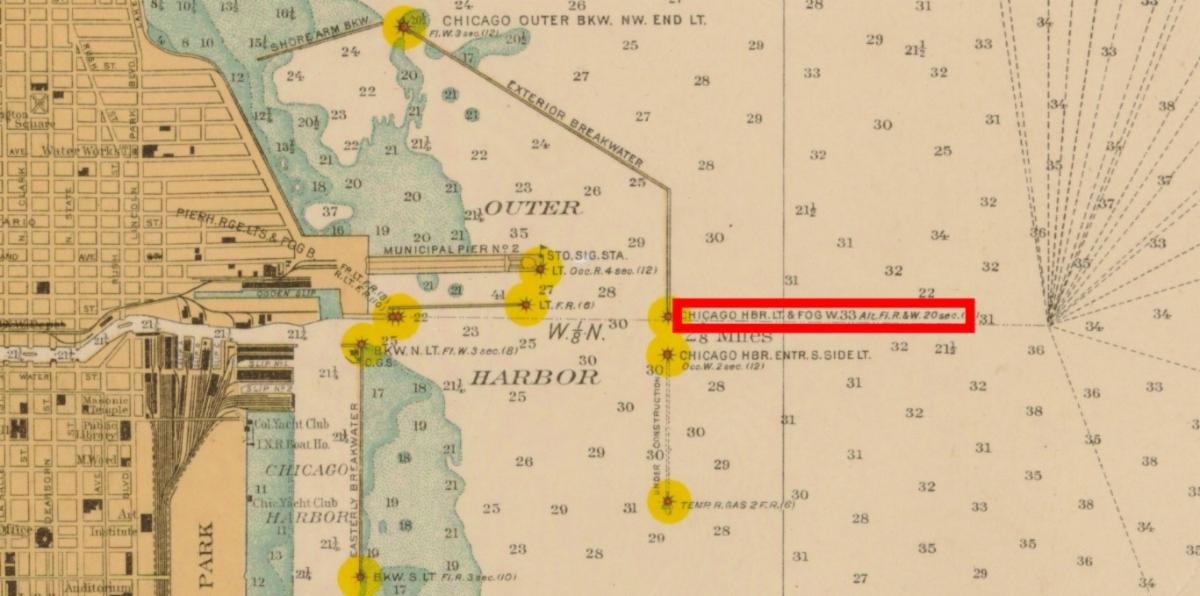
| This 1918 chart excerpt, six short years after the 1912 chart shown earlier, depicts numerous significant changes to the configuration of Chicago Harbor. These include the recently completed Municipal Pier, the extension of the North Breakwater, and the new location of the very recently relocated Chicago Harbor Light. Note that the lighthouse is now aligned with the mouth of the Chicago River, allowing for more direct navigation for approaching vessels. | |
But relocating a lighthouse involved far more than simply moving a building across the water.
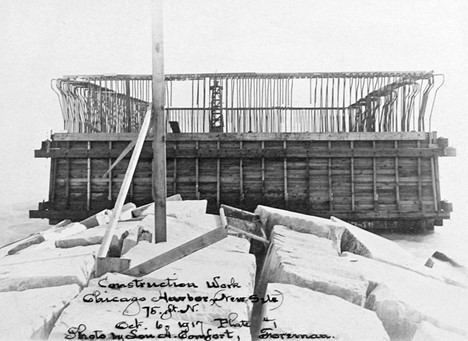
Historical references indicate that an entirely new offshore foundation had to be constructed first. The War Department (now the U.S. Department of Defense) reportedly built a massive stone-and-timber crib integrated into the harbor’s redesigned breakwater system. The relocation was therefore not merely a building project. It formed part of a much larger effort to reshape and modernize Chicago Harbor itself.
In many ways, the lighthouse moved because Chicago had outgrown the harbor it was originally built to serve.
The relocation also transformed the lighthouse station itself.
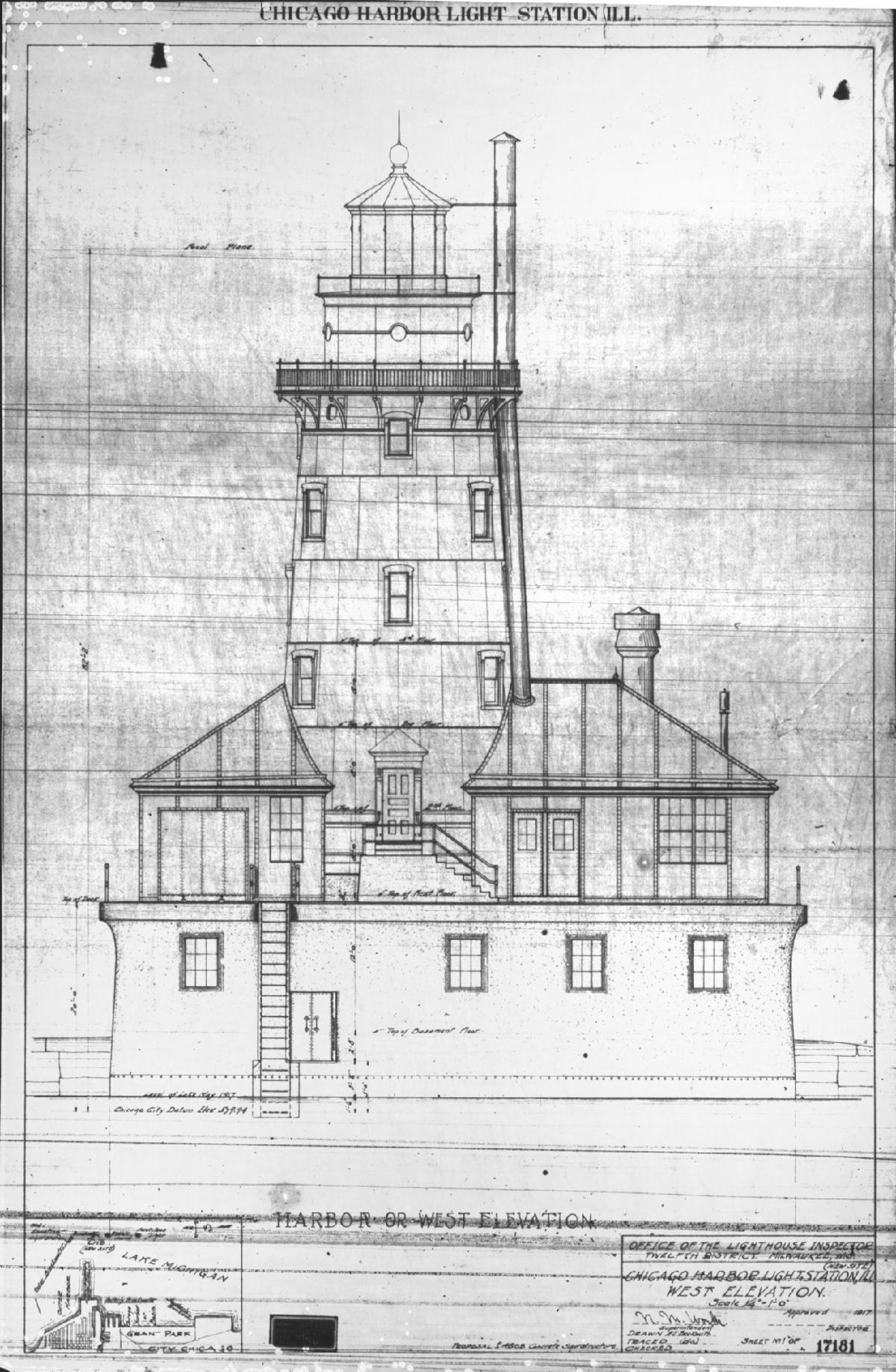
The structure familiar to Chicagoans today differs substantially from the more compact 1893 installation. During the 1917–1918 project, the station expanded to include additional support spaces, fog-signal facilities, and a boathouse, creating the larger offshore complex recognized today.
| This 1917 construction drawing of the new lighthouse shows the 1893 lighthouse tower on top of a new 20’ tall base that would raise the focal plane of the light, providing improved range of visibility as well as much-needed mechanical spaces. Also note the boathouse to the left (north) of the tower and the fog signal room to the right (south). | |
In that sense, the relocation represented more than a move. It was effectively a redesign, perhaps even a second birth for the 1893 lighthouse.
One of the most intriguing aspects of the story is that the actual relocation process remains somewhat mysterious.
How exactly was the tower moved?
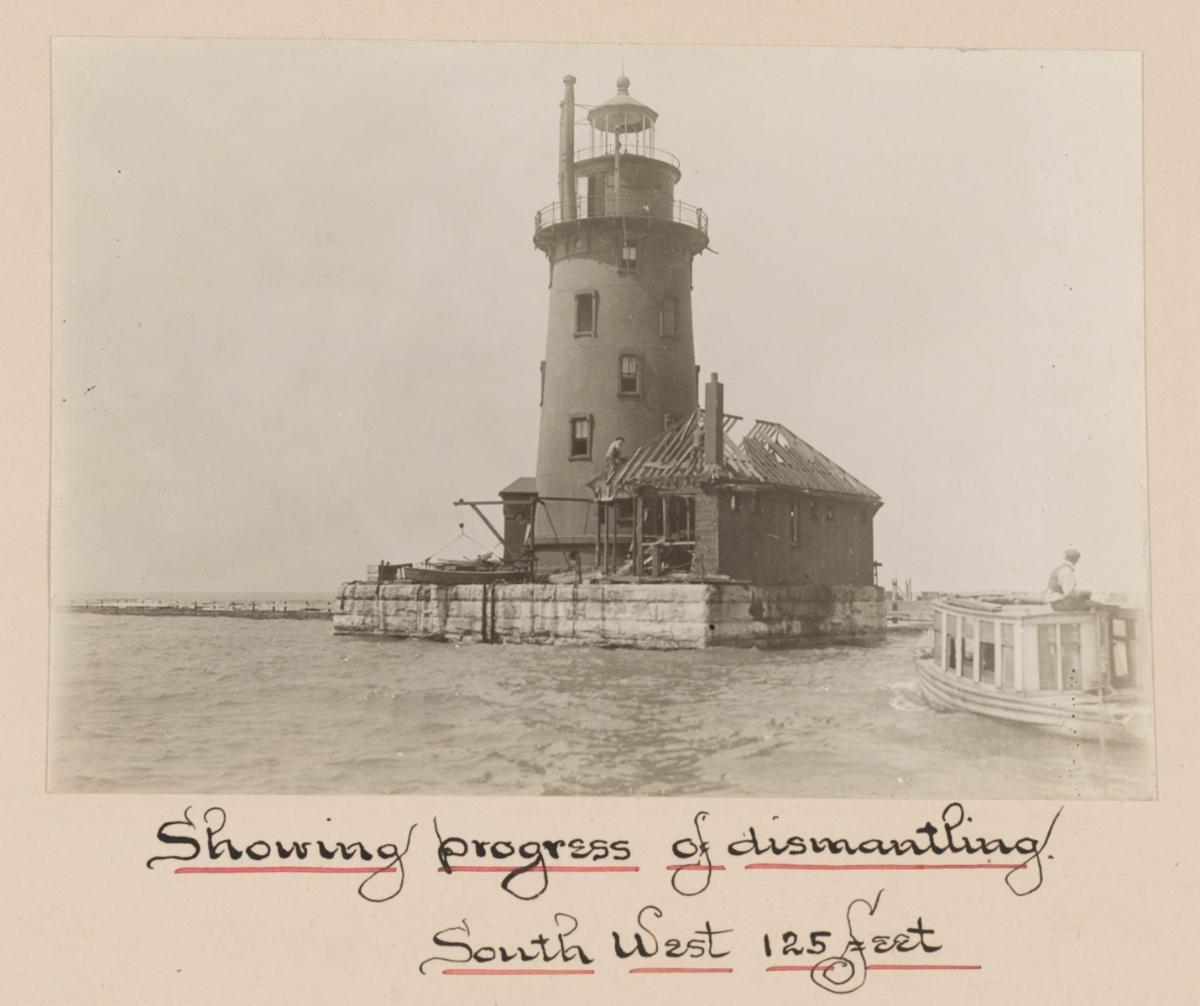
The lighthouse’s cast-iron construction may offer an important clue. Unlike traditional masonry lighthouse towers built entirely of brick or stone, Chicago Harbor Lighthouse utilized prefabricated cast-iron outer walls surrounding an inner brick lining. That design may have allowed engineers to dismantle portions of the structure into transportable sections.
If so, components of the tower may have been loaded onto barges, transported to the new foundation, and reconstructed there. Alternatively, larger structural sections may have been relocated intact using marine lifting techniques available at the time.
Unfortunately, aside from a few surviving photographs, publicly available records do not provide complete details of the move.
What we do know is that federal officials considered the existing tower worth preserving. Rather than demolishing the lighthouse and building an entirely new one, engineers chose to reuse the cast-iron structure and likely much of its equipment. That decision speaks to both the quality of the original engineering and the durability of the lighthouse itself.
The timing of the project also adds historical context. The relocation occurred during World War I, when labor, steel, and construction materials were increasingly valuable nationwide. Reusing the existing structure may have reflected both practical economy and wartime necessity.
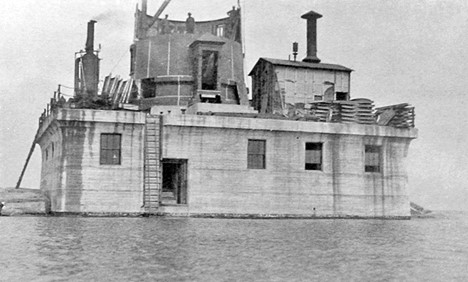
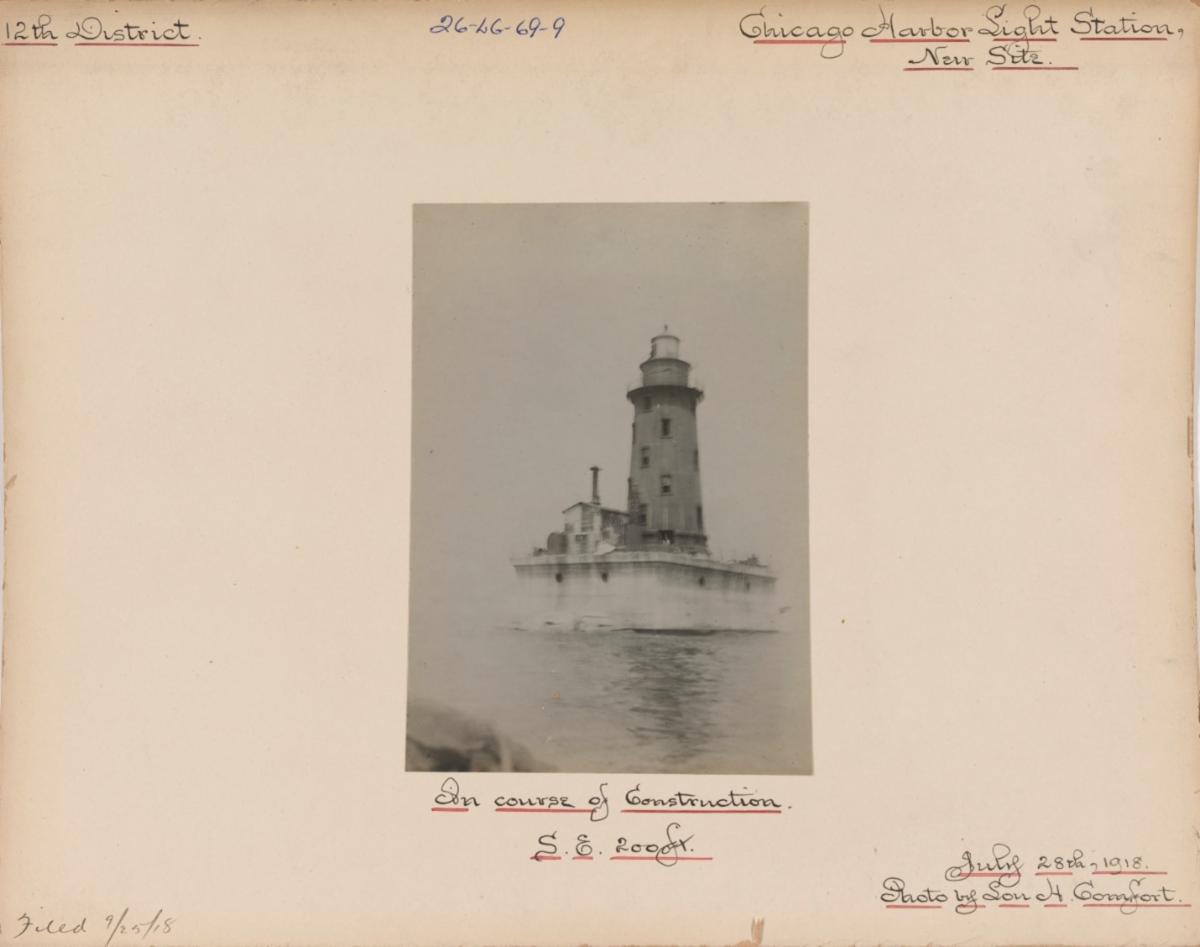
| An undated photo showing the dismantling of the 1893 lighthouse | An October 1917 photo showing concrete forms and rebar during the construction of the platform at the new lighthouse location. | An undated photo, likely from 1918, showing construction of the tower had begun. | This photo, dated July 28, 1918, was taken after the tower's reconstruction was completed and critical systems for the light were in place. The lamp in the new tower would be lighted for the first time four days later. | |
Even the official project timeline remains somewhat unclear. The most likely sequence, supported by the limited documents and construction photographs available today, suggests the project unfolded in stages:
- Construction of the new offshore foundation -1917
- Relocation of the tower - 1918
- Lighthouse first illuminated at new location - August 1, 1918
- Completion of station facilities and interior finishing work - 1919
Perhaps the most fascinating aspect of the entire story is how incomplete the historical narrative remains.
One of the largest transformations in the lighthouse’s history survives today mostly in fragments: congressional appropriations, construction drawings, engineering references, a handful of contemporary photographs, and physical not-yet-revealed clues still embedded within the structure itself.
In some ways, the mystery has become part of the story.
The lighthouse standing offshore today is not merely the 1893 structure relocated intact. It is the product of a remarkable period when Chicago reshaped its waterfront, reengineered its harbor, and adapted one of its most important maritime landmarks to serve a rapidly growing city.
More than a century later, Friends of the Chicago Harbor Lighthouse continues working not only to preserve the lighthouse itself, but also to adapt it once again to meet the needs of a new era. Just as the 1917–1918 relocation transformed the station to serve Chicago’s evolving harbor, FOCHL’s vision will give the lighthouse a new public mission: celebrating its history, providing public access to a place long closed to most Chicagoans, and creating a unique “classroom on the water” where future generations can experience the city’s maritime heritage firsthand. In that sense, the next chapter in the lighthouse’s story will continue a tradition of adaptation that has defined the structure for more than 130 years.
Want to learn more?
In our October, 2024 FOCHL newsletter, we published a piece titled What’s underneath Chicago Harbor Lighthouse, which describes how the lighthouse is anchored to the lake bottom. You can read that article here.
| | |
We’re proud to share that Friends of the Chicago Harbor Lighthouse has again earned the 2026 Candid Gold Seal of Transparency.
This recognition reflects our ongoing commitment to openness, accountability, and responsible stewardship. It is important to us that our donors, supporters, and community know we hold ourselves to the highest standards as we work to preserve, restore, and celebrate the Chicago Harbor Lighthouse.
To learn more about Candid and the Gold Seal of Transparency, visit Candid.org.
| | If you are part of an organization that has an interest in financially supporting our efforts to Preserve, Restore, and Celebrate the Chicago Harbor Lighthouse, please reach out to Nick Naber (nicknaber@savethelighthouse.org), our Board Treasurer and a member of our fundraising working group. | | Copyright © 2026 Friends of the Chicago Harbor Lighthouse - All Rights Reserved. | | | | |