September is National Recovery Month, a dedicated time to bring attention to evidenced-based treatment options and recovery efforts. It’s also a time to celebrate the strength of people in recovery, honor the work it takes to get there, and break down the stigma that too often keeps people from seeking help.


According to a 2024 report from the National Institute on Drug Abuse, in 2024 40.3 million people in the United States were navigating a Substance Use Disorder in 2020, with only 6.5% of them receiving treatment. Further, in 2021, about 107,000 people died of a drug overdose.


Every life lost to substance use is one too many.


At Tampa Bay Thrives, we know that silence can be just as dangerous as substance use itself. For too long, people struggling with drugs or alcohol have been met with shame, judgment, or misunderstanding. But substance use does not exist in a vacuum, it is often a coping response to deep pain. And recovery is not just about stopping a behavior; it’s about healing the whole person.

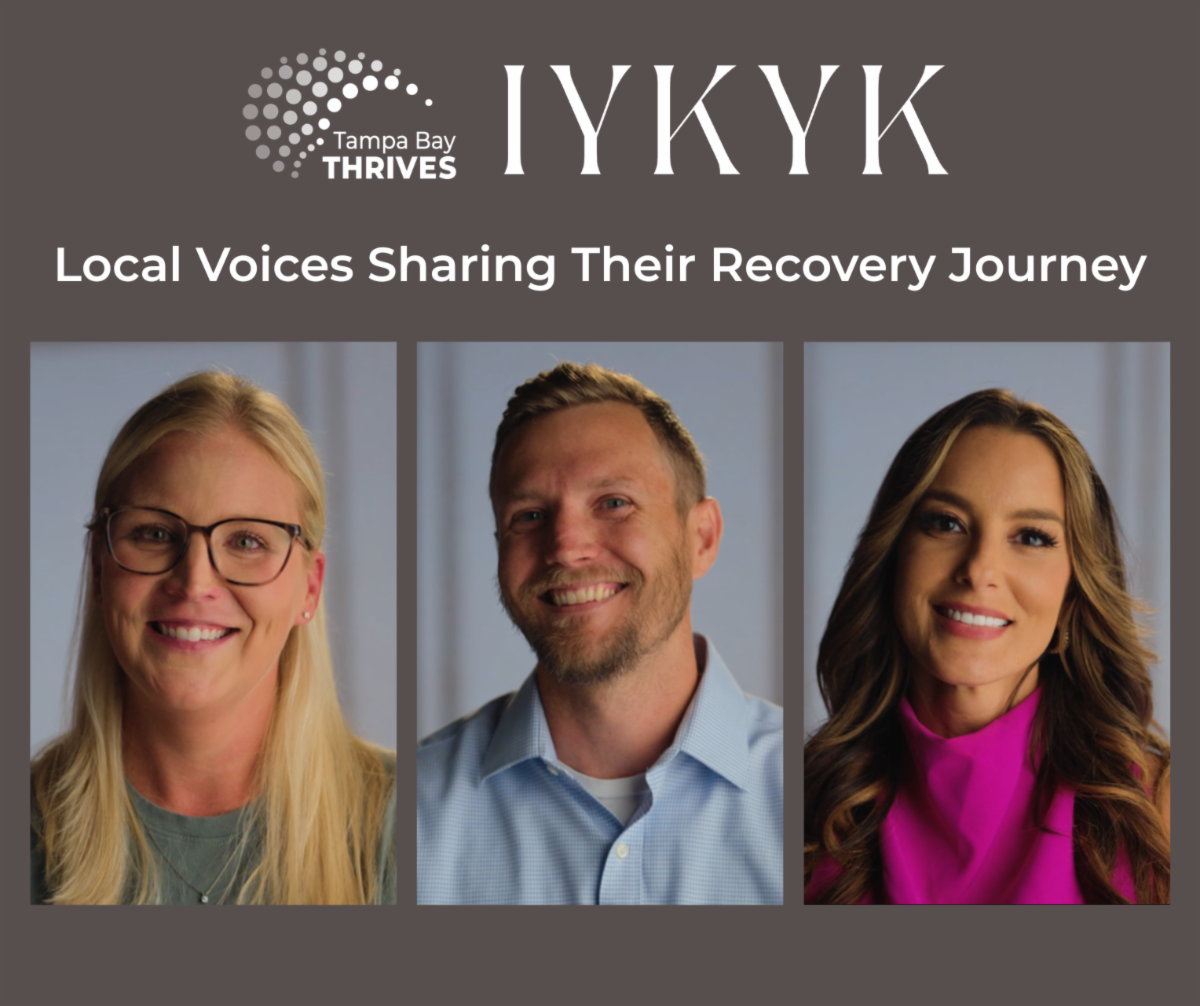
One of the most powerful ways to dismantle stigma is through real, lived stories. When people in recovery share their journeys, they create space for others to step forward, speak up, and seek support. That’s why we’re proud to highlight If You Know You Know (IYKYK), a storytelling campaign from our community that amplifies voices in recovery.


We’re grateful for each of our IYKYK contributors for their vulnerability in sharing their story and battling the stigma that surrounds addiction, recovery, and mental health care. These stories remind us that recovery is possible and that we are not alone. Help exists and it’s okay to ask for it. So this Recovery Month, we invite you to listen, learn, and share these stories. Together, we can replace stigma with understanding and isolation with connection.

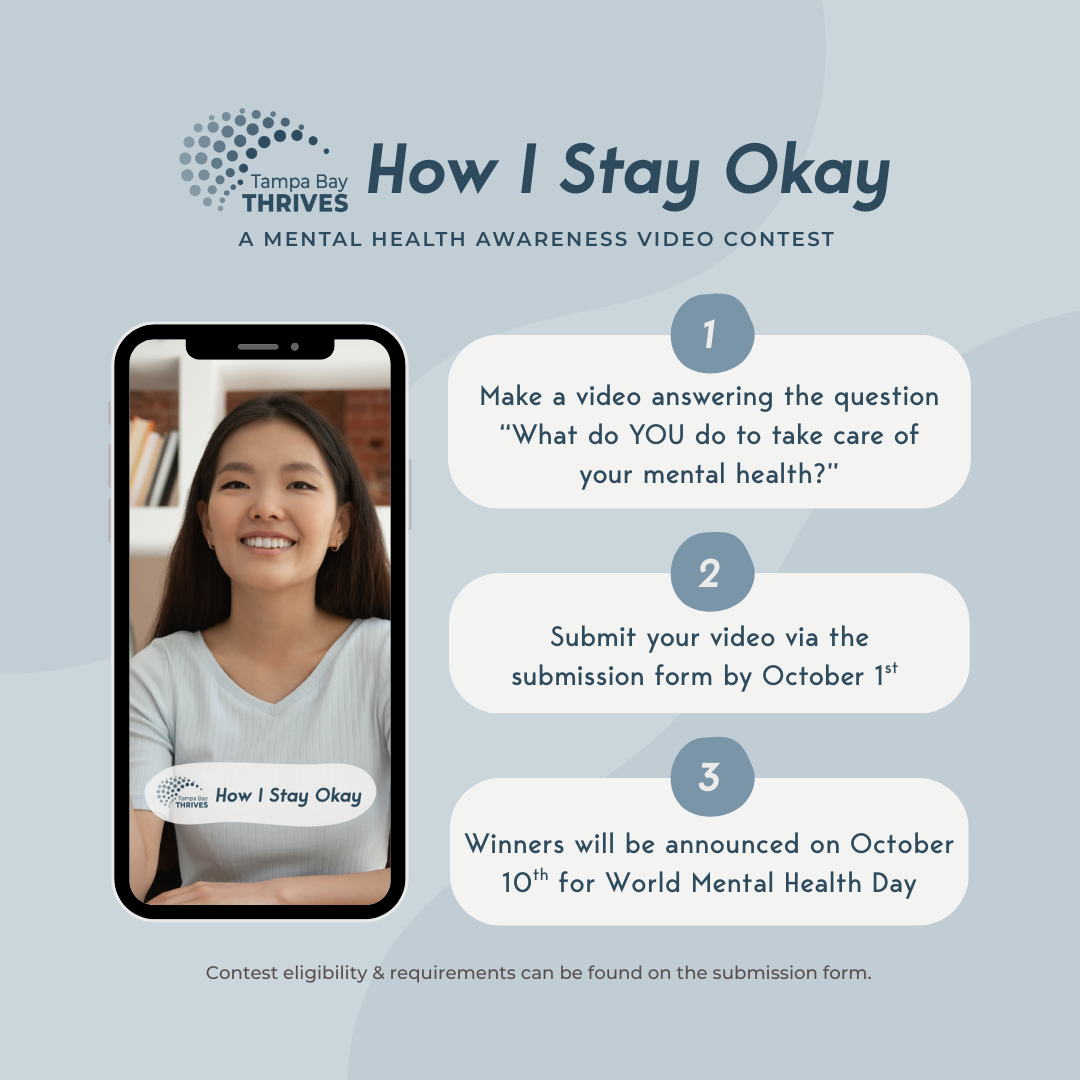
Tampa Bay Thrives is launching the “How I Stay Okay” video contest as part of our ongoing efforts to reduce mental health stigma through storytelling. This initiative, developed by our Storytelling & Stigma Reduction Working Committee, invites individuals to share short, personal videos responding to the prompt: “What do YOU do to take care of your mental health?” The top three entries will be awarded with up to $250!


Whether it’s journaling, going for walks, talking to a friend, or simply taking a moment to breathe, your story matters. By sharing how you stay okay, you can help others feel seen, supported, and inspired.


We welcome authentic, personal stories that reflect how you care for your mental well-being—whether it’s something simple, something powerful, or something still in progress. Your voice matters, and your courage to share can help others feel seen and supported.

Each year, September is recognized as Suicide Prevention Month, a time dedicated to raising awareness, reducing stigma, and fostering greater understanding around one of the leading causes of death worldwide. Within the month, World Suicide Prevention Day is observed on September 10, first established in 2003 by the International Association for Suicide Prevention in partnership with the World Health Organization. The goal is to shine a light on the realities of suicide, bring communities together, and share the message that suicide is preventable. Here are some resources and tips for Suicide Prevention Month:


The 988 suicide & crisis lifeline. If you’re facing mental health challenges, emotional distress, or even concerns about alcohol or drug use, the 988 Lifeline is here to support you. You can call, text, or use online chat/ASL Now. If you’re hesitant about calling, knowing what to expect can make a big difference. Here’s a link to understand what happens during a 988 call, so you feel prepared.


Be informed. Understanding the facts about suicide can be a powerful tool. The Mental Health America’s (MHA) resource database on suicide is a great place to start. Learn about statistics, warning signs, and ways to help someone who might be considering suicide.


Create a safety plan. A safety plan is a personalized tool to help you manage suicidal thoughts. It includes coping strategies and contacts for support. By identifying your triggers and finding ways to stay safe, you can regain control during tough times. Learn more at mysafetyplan.org.


Suicide and suicidal ideation can be difficult topics to broach, and it can be tempting to avoid the conversation due to fear or discomfort. While we aren’t in control of the actions of others, we can all play a role in keeping ourselves and our loved ones safe, and Suicide Prevention Month honors that mission. 


If you or someone you know is struggling or in crisis, please call or text 988 or chat 988lifeline.org (@988lifeline). You can also reach the @crisistextline by texting HOME to 741741.

Facebook  Instagram  LinkedIn  Twitter