|
Any comments/suggestions please email the editor at editor@redrockrx.com
Edited by Malcolm Fraser MD, CMD
| |
Vaccination Season is Just Around the Corner! | |
|
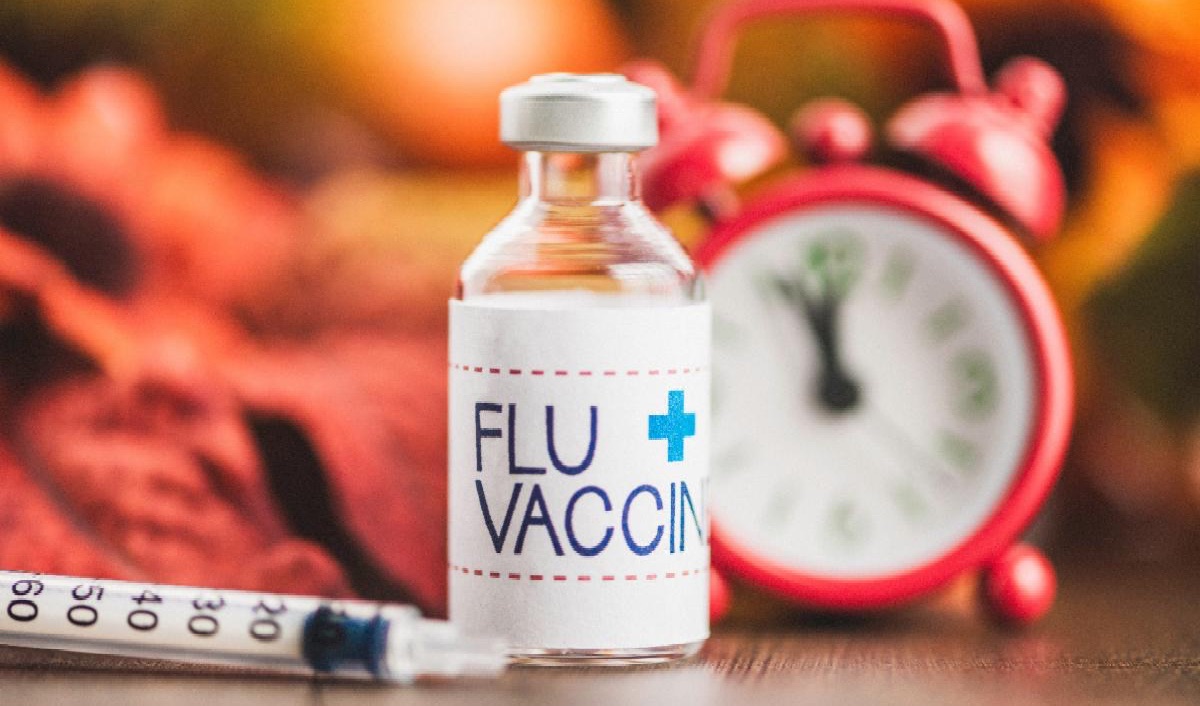
The FDA has recently approved updated versions of the Pfizer and Moderna COVID-19 vaccines designed to target the new Omicron KP.2 strain, which has been the dominant variant in recent months. As a result, the 2023-2024 Moderna and Pfizer COVID-19 vaccines are no longer authorized for use in the United States and should not be administered. The KP.2 strain emerged this spring and has been spreading rapidly. It's still recommended that elderly individuals receive a COVID-19 booster every six months. Authorization for the 2024-2025 Novavax COVID-19 vaccine is expected soon.
Additionally, the CDC has issued updated guidance on the co-administration of the RSV and flu vaccines. In mid-August, the CDC reaffirmed that administering these vaccines together is both safe and effective, which could be a significant time-saver for Nursing Homes and Assisted Living Facilities. With Florida experiencing an early rise in RSV cases due to its humid climate, we should anticipate a similar trend in the West.
There is also a new pneumonia vaccine on the market, but I recommend waiting for the CDC's guidance before using it. In the meantime, the free PneumoRecs app for Android and iOS remains a reliable tool for determining the appropriate pneumonia vaccine on a case-by-case basis and ensuring compliance with State Surveyor requirements. We will notify you as soon as PneumoRecs is updated.
Lastly, an important study has found that a single episode of shingles is associated with a 20% increase in cognitive decline. Those who have experienced shingles are often the strongest advocates for the Shingrix vaccine, a two-shot series that can be administered at any time.
As always, we will keep you informed about all vaccine updates, and if anything urgent arises, I'll send out an email alert.
Shixian Wang
Director of Operation
For more details: Click Here
| |
|
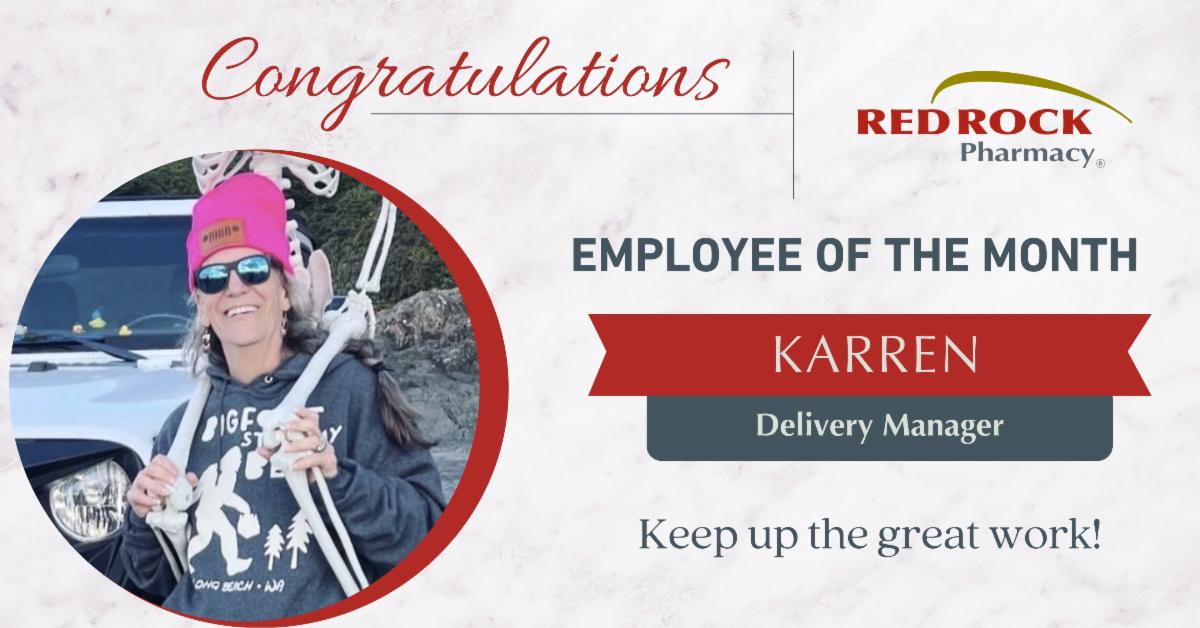
Karren joined Red Rock Meridian in October 2021 as a delivery driver/manifest specialist. Thanks to her dedication and hard work, she was promoted to Delivery Manager in 2022. At Red Rock Meridian, we value a team-oriented culture where every department is appreciated equally. Karren embodies this spirit and loves being part of a company where collaboration is key to achieving our shared goals.
As a department manager, Karren takes great pride in seeing her team grow and excel. She brings a positive attitude to work every day, ensuring that even during stressful times, the team comes together to tackle any challenges.
Outside of work, Karren is an active individual who loves snow skiing (her favorite), paddleboarding, riding ATVs, camping, fishing, and hiking with her family. She’s also a big Jeep enthusiast, enjoying rock crawling and playing in the mud. And when it comes to football, she is a passionate Steelers fan—Go STEELERS!
| |
|
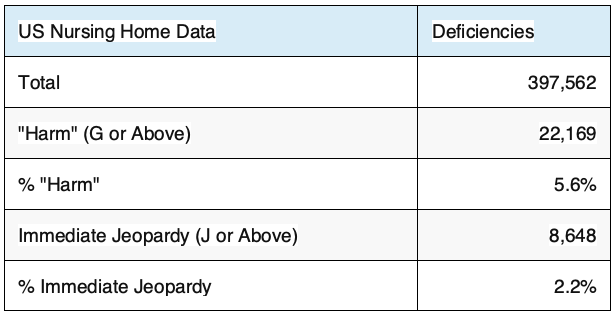
Data on Immediate Jeopardy citations released by CMS
CMS recently released nationwide date on the number of Level G/above and Immediate Jeopardy Citations for the period ending May 30th, 2024.
For more details: Click Here
| |
Can Wegovy help protect against getting cancer? | |
|
A research letter published in JAMA Oncology last year suggested that GLP-1 meds like Wegovy can reduce the risk of colon cancer even among people who are not overweight.
Now a recent study presented in June 2024 showed how both bariatric surgery and GLP-1’s reduce the risk of obesity related cancers. For bariatric surgery, the risk reduced by 22% over 10 years compared to those receiving no treatment but those taking GLP meds the risk dropped by 39%. More studies are pending.
For more details: Click Here
| |
|
New study highlights Fall risk factors
Falls remain a significant issue in the long-term care (LTC) community, particularly in Assisted Living and Nursing Homes. A recent study has identified which chronic conditions are most strongly linked to the likelihood of experiencing a fall.
Researchers analyzed data from 4,579 older adults, examining the relationship between falls and 10 chronic conditions: hypertension, diabetes, hyperlipidemia, depression, obesity, heart disease, headache, cognitive dysfunction, stroke, and visual impairment. Among the participants, 8% had fallen, and 2% experienced frequent falls. Multimorbidity (the presence of multiple chronic illnesses) was present in 54.7% of the participants, all aged 60 and older. Those who had fallen were found to have a higher number of chronic conditions compared to those who hadn’t.
Older adults with multimorbidity were 1.3 times (30%) more likely to experience a fall. The study also noted that a higher percentage of women fell compared to men. Those who had experienced a fall were more likely to have a history of stroke, heart disease, headaches, depression, and impaired vision. (Editor’s Note: Should vision screening be included in fall risk assessments?)
The study identified three patterns of multimorbidity:
- Cardiovascular-metabolic diseases
- Psycho-cognitive diseases
- Organic diseases
The psycho-cognitive disease pattern (including cognitive dysfunction and depression) and the organic disease pattern (including stroke, heart disease, headaches, and visual impairment) were significantly associated with falls.
Among these, the psycho-cognitive disease pattern was linked to the highest fall risk. In contrast, the cardiovascular-metabolic disease pattern, which includes hypertension, diabetes, hyperlipidemia, and obesity, was associated with a lower risk of falls.
Editor’s Note: Your Red Rock Pharmacist can review the medications of individuals who have fallen to determine if any are contributing to the risk of falling and, if so, will provide a written recommendation to the Prescriber.
For more details: Click Here
| |
Shingles related to cognitive decline | |
|
A single episode of shingles is linked to a 20% higher risk of long-term confusion and memory loss, according to a recent study published in Alzheimer’s Research & Therapy. Shingles, also known as herpes zoster, is a painful rash caused by the virus responsible for chickenpox. (Editor’s Note: The youngest reported case was in a 10-day-old boy, highlighting that anyone—not just the elderly—can contract shingles.)
Researchers from Brigham and Women’s Hospital analyzed data from 149,327 participants across the Nurses’ Health Study (NHS), NHS II, and the Health Professionals Follow-Up Study (HPFS). The participants, aged 25 to 75, provided data collected between 2000 and 2017.
In the NHS II dataset, the herpes zoster virus was associated with a higher risk of cognitive decline in individuals who had shingles one to four years prior, as well as those who were 13 years post-shingles. The link between shingles and cognitive decline was stronger in males carrying the APOE ε4 gene, a major genetic risk factor for Alzheimer’s disease. Additionally, the long-term risk of cognitive decline appeared higher in unvaccinated women.
The study suggests that shingles may contribute to cognitive decline through neuroinflammation, neuron injury, or the activation of other herpesviruses. While vaccination might reduce the severity of cognitive decline, further research is needed to confirm these findings.
For more details: Click Here
| |
|
The 2024 Lancet Commission highlights the significant potential for reducing dementia risk by identifying 14 modifiable risk factors throughout a person’s life.
- The standing Lancet Commission on Dementia Prevention, Intervention, and Care has published its 2024 report, strongly emphasizing the potential for reducing the risk of dementia.
- High midlife LDL-cholesterol and late-life vision loss have been added to the list of established dementia risk factors, which already includes low education, hearing loss, hypertension, smoking, obesity, depression, physical inactivity, diabetes, excessive alcohol consumption, traumatic brain injury, air pollution, and social isolation.
- It is estimated that addressing these 14 risk factors could prevent up to 45% of future dementia cases, highlighting the significant impact of early intervention and lifestyle changes.
- Alzheimer Europe supports the findings of the Lancet Commission and urges governments to integrate this new evidence into public health policies. The organization also stresses the importance of honest, empathetic, and compassionate communication when discussing risk factors with individuals.
For more details: Click Here
| |
|
Diet May Help Prevent Alzheimer’s!
Recent research suggests that a specific diet, known as the MIND diet, may reduce the risk of developing Alzheimer’s disease. The MIND diet emphasizes the consumption of vegetables, berries, whole grains, and nuts.
According to a study published in Alzheimer’s & Dementia: The Journal of the Alzheimer’s Association, participants who strictly followed the MIND diet lowered their risk of Alzheimer’s by up to 53%, while those who followed it moderately reduced their risk by about 35%.
The MIND diet is a blend of the Mediterranean and DASH (Dietary Approaches to Stop Hypertension) diets, both of which have been shown to reduce the risk of cardiovascular diseases such as hypertension, heart attack, and stroke. Some studies also suggest that these diets offer protection against dementia.
One advantage of the MIND diet is that it is easier to follow than the Mediterranean diet, which requires daily consumption of fish and multiple servings of fruits and vegetables.
What’s Brain-Healthy, What’s Not?
The MIND diet includes 15 dietary components, with 10 “brain-healthy” food groups:
- Green leafy vegetables
- Other vegetables
- Nuts
- Berries
- Beans
- Whole grains
- Fish
- Poultry
- Olive oil
- Wine
The five food groups to limit are:
- Red meats
- Butter and stick margarine
- Cheese
- Pastries and sweets
- Fried or fast food
To adhere to the MIND diet, you should consume at least three servings of whole grains, a salad, and one other vegetable daily—along with a glass of wine. It also recommends snacking on nuts most days, eating beans every other day, and consuming poultry and berries at least twice a week and fish at least once a week. Limiting intake of the “unhealthy” foods, particularly butter (less than 1 tablespoon per day), cheese, and fried or fast food (less than one serving per week of any of these), is essential to reducing the risk of Alzheimer’s, according to the study.
For more details: Click Here
| |
|
During medical and nursing school, Fifth Disease was often featured on exam papers but rarely encountered in clinical practice. However, this is now changing.
Fifth Disease, also known as Parvovirus B19, is a seasonal respiratory illness that is becoming more prevalent, according to the U.S. Centers for Disease Control and Prevention (CDC).
Parvovirus B19 is a common virus spread through respiratory droplets. The CDC notes that antibodies from a prior infection generally offer protection against reinfection. By age 20, about half of U.S. adults have detectable levels of these antibodies, and by age 40, over 70% do. Individuals in professions with close contact with children, such as those working in schools and daycare centers, are at a higher risk of infection.
Many people infected with Parvovirus B19 do not exhibit symptoms. For those who do, the illness typically unfolds in two phases. The first phase begins about a week after infection and includes symptoms like fever, muscle aches, and malaise, lasting about five days. This is when the virus is most contagious.
In the second phase, which starts about a week later, children often develop a characteristic facial rash, known as a "slapped cheek" rash, followed by a body rash or joint pain. In adults, the rash usually appears on the trunk, accompanied by joint pain.
As cases increase, the CDC recommends general precautions to prevent the spread of respiratory illnesses, such as frequent handwashing, cleaning common surfaces, and covering your mouth and nose when coughing or sneezing. If you develop symptoms, it is important to avoid contact with others until your symptoms improve and you have been fever-free for at least 24 hours without medication.
The CDC also advises that if you are pregnant, have a weakened immune system, or have a chronic hemolytic disorder, you may want to wear a mask around others and seek medical care immediately if you develop symptoms.
For more details: Click Here
| |
If you have any questions, ask your Red Rock Consultant Pharmacist | | | | |