Redwoods Rural Health Center


November 2026


If you aren't going to read the articles about super interesting health things - please scroll to the bottom and take our survey. It's an important chance for you to give us feedback about what you feel the community needs.

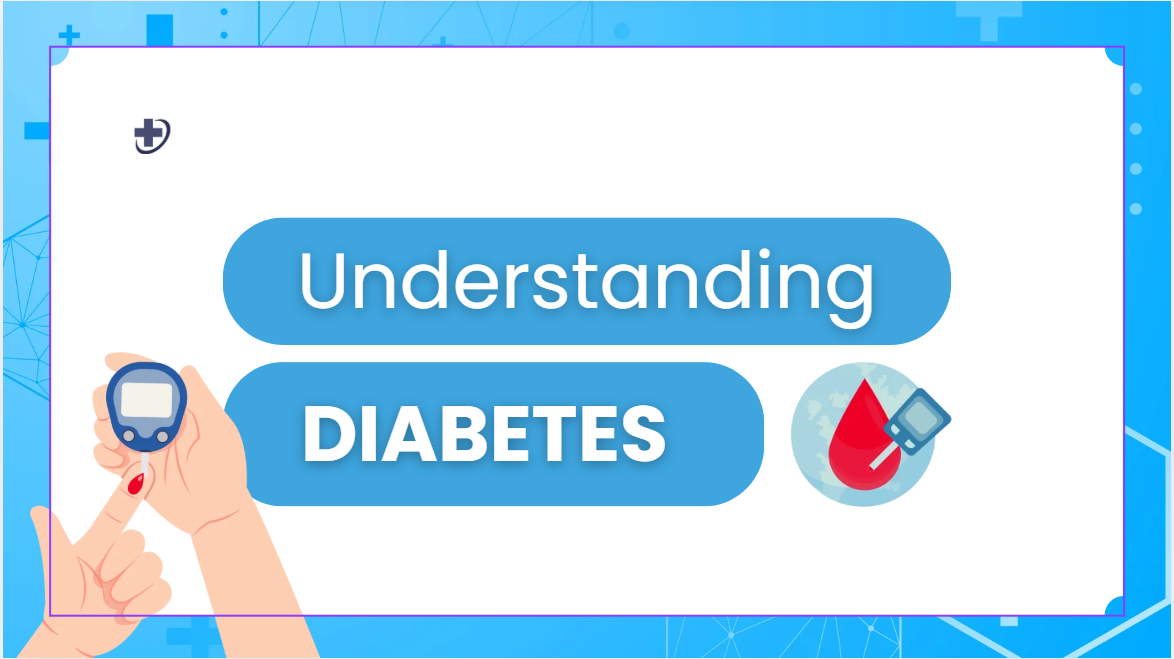
Let's talk about A1C

let's talk about you and me

The A1C test is a pretty straightforward blood test.

Sometimes, it’s just a quick finger prick here at your doctor's office, or it might be done as part of a larger panel of lab tests. Your doctor will let you know how often you need it, but if you have diabetes, you should get it at least twice a year. If your treatment plan changes or isn't working as expected, you might need it more often.

So, what exactly is the A1C test?

It gives you a snapshot of your average blood sugar levels over the past 2 to 3 months. Think of it like a basketball player's shooting percentage—it shows how often you’re hitting your goals. Just like a player can’t make every shot, you can't be perfectly on target all the time, but the idea is to get you as close as possible. The A1C tells you how well you’re managing.

Here’s how it works: when sugar enters your bloodstream, it sticks to a protein in your red blood cells called hemoglobin. The more sugar in your blood, the more hemoglobin gets coated with it. The A1C test measures the percentage of sugar-coated hemoglobin. Since red blood cells live about three months, this test gives you a good idea of your blood sugar levels over that time.

Why is A1C important for managing diabetes? Well, it’s key, along with monitoring your blood sugar at home. While meters or continuous glucose monitors give you a snapshot of your current levels, the A1C provides the big picture over time. This helps you and your healthcare team decide if your treatment plan needs tweaking—maybe changes in diet, exercise, emotional support, or meds. Hitting your A1C targets can help lower the risk of diabetes complications.

Talk with your provider about free services with our amazing nutritionist!

Chronic Obstructive Pulmonary Disease

C.O.P.D.

Chronic (in this instance it's not a good thing)

Disease/illness that lasts over a year.

Obstructive

Blocking a flow, or hindering movement

Pulmonary

relating to or affecting the lungs.

Disease

an abnormal condition that negatively affects the structure or function of all or part of an organism


This condition arises when your lungs suffer damage, leading to inflammation and turning breathing into a rather challenging endeavor. Picture yourself coughing up something from ghostbusters while feeling as if a tiny elephant has taken residence on your chest.

Quite unpleasant, isn’t it?

This pulmonary predicament typically combines emphysema (where your air sacs lose their elasticity) and chronic bronchitis (where your airways become mucus-producing machines).

In the United States, COPD is a significant concern, affecting over 14 million individuals, with many more unaware of its presence. It tends to be more prevalent in rural areas and has a particular inclination towards women. However, there’s a silver lining! Avoiding cigarettes can largely help prevent COPD.

Smoking is the primary culprit here, though air pollution also contributes.

If you’re caught up in the smoking habit or experiencing breathlessness, it’s wise to talk with your provider.

Although a magical cure is yet to be discovered, quitting smoking and adopting lifestyle adjustments can help manage those lung issues.

Stay resilient and breathe effortlessly!

Feeling Funky? Antibiotics Aren’t Always the Answer

When you’re feeling miserable, it’s totally natural to want something that will help you bounce back. Maybe you have a runny nose, a cough, or a sore throat, and you’re wondering whether an antibiotic would do the trick.

Sometimes antibiotics are exactly what you need. But taking them every time you feel sick can do more harm than good. The key is knowing when they can help—and when they can’t.

They’re helpful, but they’re not an all-purpose fix

Antibiotics treat infections caused by bacteria. Strep throat is one example. But antibiotics don’t treat viruses, which cause colds, the flu, COVID-19, and most sore throats. Many sinus infections and some ear infections don’t need antibiotics, either.

So if a virus is making you feel lousy, an antibiotic won’t cure the infection, speed up your recovery, or stop other people from catching it. It’s simply the wrong tool for the job.

You could get side effects without the benefit

Even when an antibiotic won’t help your illness, it can still cause side effects. These can include an upset stomach, nausea, diarrhea, and allergic reactions. Some side effects can be serious.

Antibiotics can also affect helpful bacteria in your body—not just bacteria that cause disease. Taking one when you don’t need it means accepting those risks without getting the benefit you were hoping for.

Unnecessary antibiotics can make future infections harder to treat

You’ve probably heard the phrase “antibiotic resistance.” It means bacteria can survive medicines that used to work against them. It’s the bacteria that become resistant—not your body.

Bacteria that survive treatment can multiply and pass along their resistant traits. Some can even share those traits with other bacteria. Resistance can develop naturally, but overusing or misusing antibiotics helps it happen faster.

That matters because a bacterial infection may become harder—or sometimes impossible—to treat with medicines that once worked. Using antibiotics only when they’re needed helps keep these important drugs useful.

So, what should you do when you feel sick?

Instead of assuming you need an antibiotic, ask your healthcare provider to help you figure out what’s causing your symptoms and what treatment makes sense. A useful question is: “Will an antibiotic help with this illness?” We have same day appointments available at both the Fortuna and Redway locations. If you're feeling Funky call 707-923-2783 and ask for a same day appoinment. One of our awesome providers can help you choose the right course of treatment for what ails you.

And skip the leftover antibiotics in the medicine cabinet or pills offered by a friend. The wrong medicine can delay proper treatment and expose you to unnecessary side effects.

The bottom line: Antibiotics are valuable medicines, not a cure for every cough, sniffle, or rough day. When you need one, it can make a real difference. When you don’t, skipping it is a way to avoid needless risks and help protect treatments you may need in the future.

Need Help Getting Here?


Access to reliable transportation is crucial for patients who need to attend medical appointments, pick up prescriptions, or simply engage with their community. To support these transportation needs, free bus passes are now available for patients to use on Humboldt Transit Authority buses. We really hope this reduces the burden of travel costs, and makes it easier for patients to reach their destinations without financial stress. By offering complimentary bus passes, we aim to promote better health outcomes and enhance the quality of life for individuals who might otherwise face barriers to transportation.


Patients interested in obtaining these free bus passes can conveniently pick them up at two locations. The Redway location at 101 West Coast Road and the Fortuna location at 930 South Fortuna Blvd both serve as distribution points. All you need to do is visit one of these sites and ask our friendly front desk staff for a bus pass. They are super happy to help ensure that everyone has the means to move freely and access the care they need. This is just one way we’re committed to supporting our community, ensuring that transportation is not a hindrance to anyone seeking health and wellness services.

Vegan Black Bean Soup

Ingredients

  • 3 Tbsp. olive oil
  • 1 yellow onion, chopped
  • 1 green bell pepper, chopped
  • 4 cloves garlic, chopped
  • 1 Tbsp. ground cumin
  • 2 tsp. smoked paprika
  • 2 tsp. dried oregano
  • Kosher salt and freshly ground black pepper
  • 4 (15.5-ounce) cans black beans, rinsed
  • 7 cups vegetable stock
  • 2 bay leaves
  • 1 Tbsp. sherry vinegar
  • Sliced avocado, chopped red onion, chopped fresh cilantro, and lime wedges, for serving


  •   Step 1 Heat oil in a large Dutch oven or pot over medium heat. Add onion and bell pepper. Season with salt and pepper. Cook, stirring occasionally, until tender, 8 to 10 minutes. Add garlic, cumin, paprika, and oregano. Cook, stirring, until fragrant, 1 minute.
  •  Step 2 Stir in beans, stock, and bay leaves. Bring to a boil, then reduce heat and simmer, stirring occasionally, until flavors have melded, 40 to 45 minutes. Discard bay leaves and stir in sherry vinegar.
  • Step 3 Transfer 2 1/2 cups beans and 1 cup liquid to a bowl; mash with a potato masher until smooth. Return to Dutch oven. Season with salt and pepper. Serve with avocado, onion, cilantro, and lime wedges alongside.
 

Employee of the Month


Yvonne Nevarez has been on our Medical Assistant team for nearly two years and we are all honestly so happy to have her. Her quick wit and friendly attitude make days a lot more fun.

Her team had nothing but praise.

"I love Yvonne! She shows up ready to work. She's always so helpful & stays cheerful even on the hard days."

Medical_Clinic_Employee_Trophy_p1.png

Your voice matters!

We invite you to take our Community Needs Assessment survey and share what matters most to you and your family. Your feedback will help us better understand our community’s needs, identify gaps in services, and focus our resources where they can make the greatest difference. Please use the survey link to share your thoughts and help shape how we serve our community. Thank you for being part of this effort!

Facebook        Web