If images or links do not display, click/right-click an image box and choose "download images" or contact your IT Admin to view content. | | December’s edition of the CAL FIRE Community Newsletter reflects on a year defined by historic wildfire activity, evolving resiliency efforts, and continued progress in community risk reduction across California. As we reflect on 2025, this edition highlights key milestones and the collective actions that continue to strengthen wildfire preparedness and resilience and CAL FIRE's all-risk mission across California. | | |
Cooperation and Courage: The January 2025 Southern California Wildfires
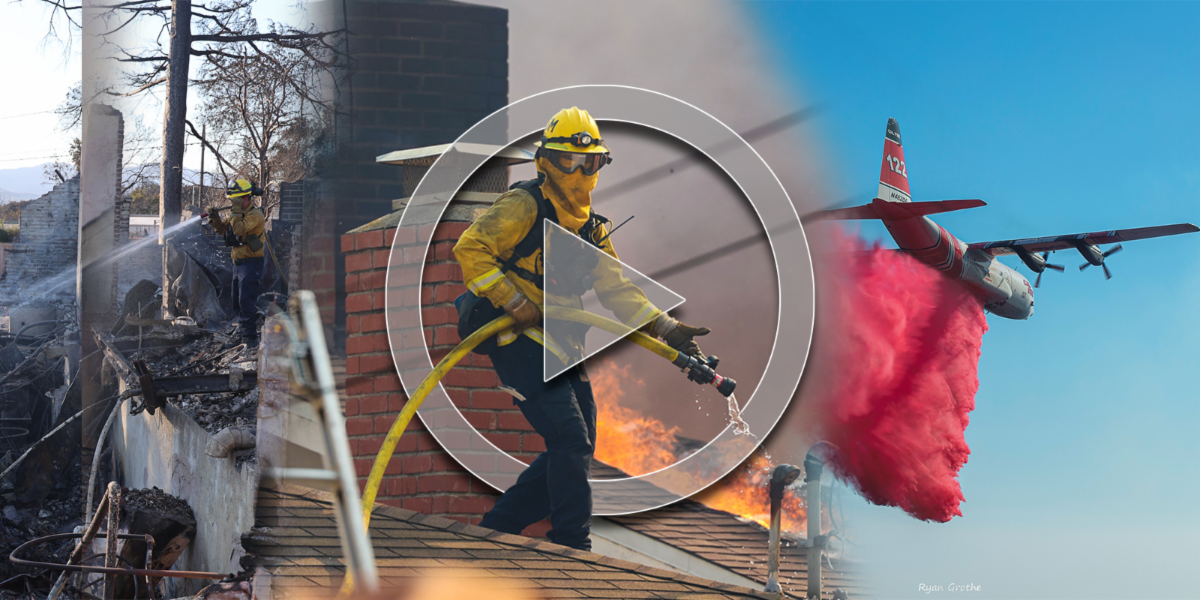
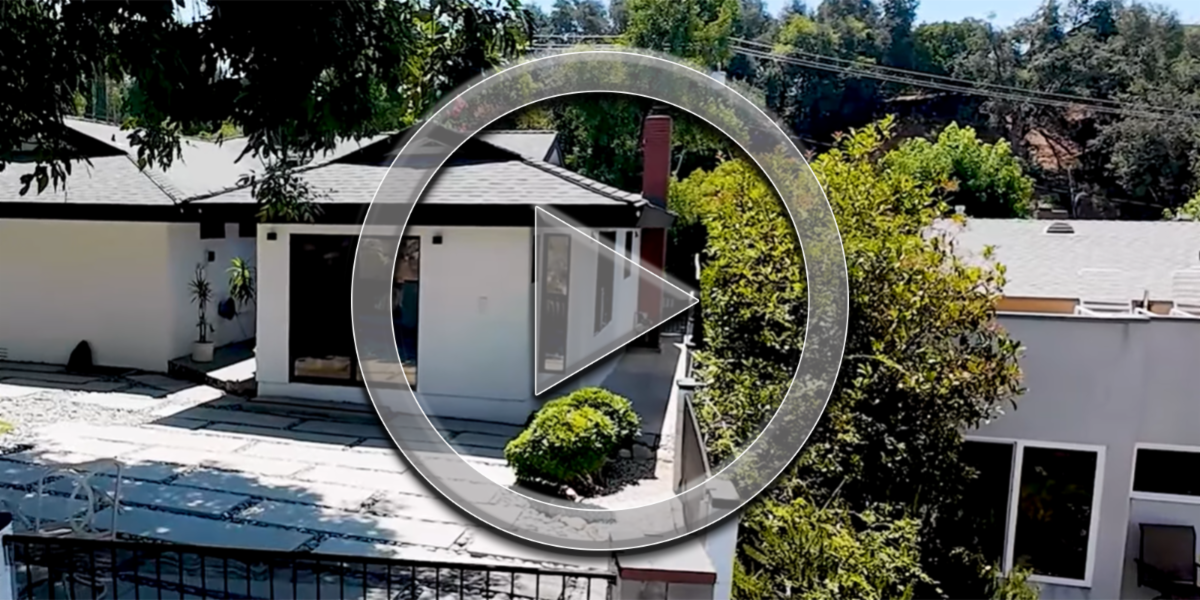
Southern California experienced its most destructive January on record as wildfires driven by extreme Santa Ana winds and prolonged drought threatened communities across Los Angeles City and Los Angeles County. In response to these incidents, CAL FIRE and the Governor’s Office of Emergency Services mobilized alongside federal, state, local, tribal, and international partners to support LA City and LA County firefighting efforts. Together—one team, one fight—more than 16,000 firefighters, law enforcement officers, military members, and emergency personnel worked to contain the fires and protect lives and property.
| | |
Fuel Reduction Efforts Surpass Goals, Strengthening Wildfire Resiliency Across California
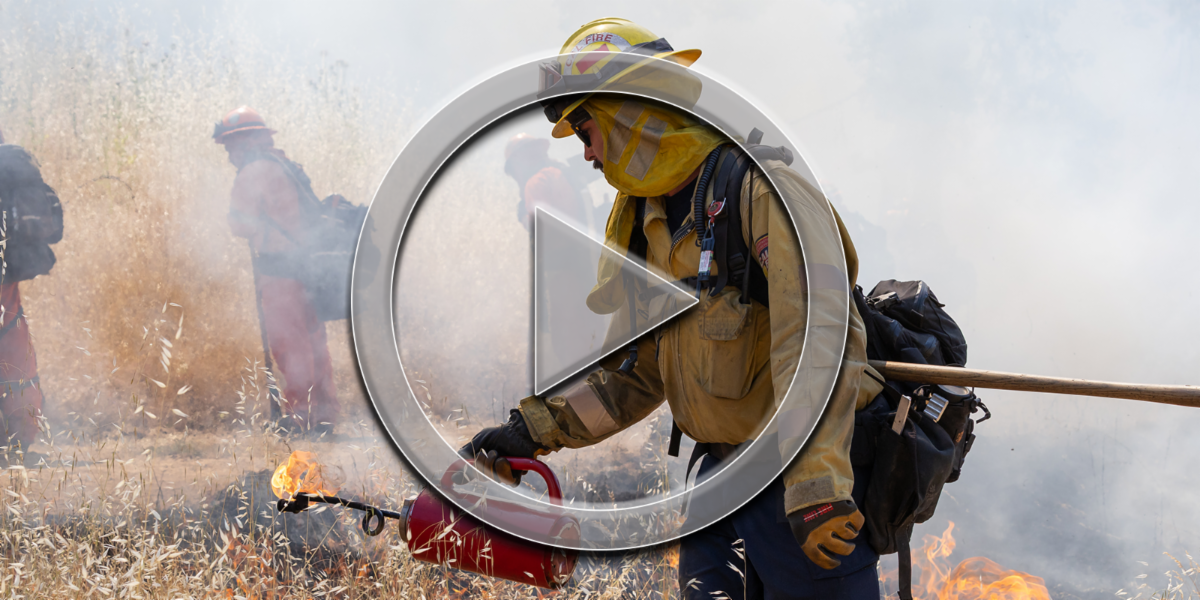
Reducing excess vegetation through fuel reduction projects lowers the risk and intensity of wildfires. By exceeding increasing the pace and scale of fuels reduction across the state, CAL FIRE is helping to protect more communities, infrastructure, and the environment.
During the 2024/25 fiscal year, CAL FIRE and its partners completed fuel reduction projects across 179,795 acres. Six months into the 25/26 fiscal year, CAL FIRE and its partners are on track again, having conducted 427 fuel reduction projects with a total of 28,557 acres treated so far. Track projects in your area by following the link below or view our resiliency progress across a wide variety of dashboards on our Resilience Dashboards homepage.
| |
|
2025 Year-End Grant Funding for Healthy Forests and Safer Communities
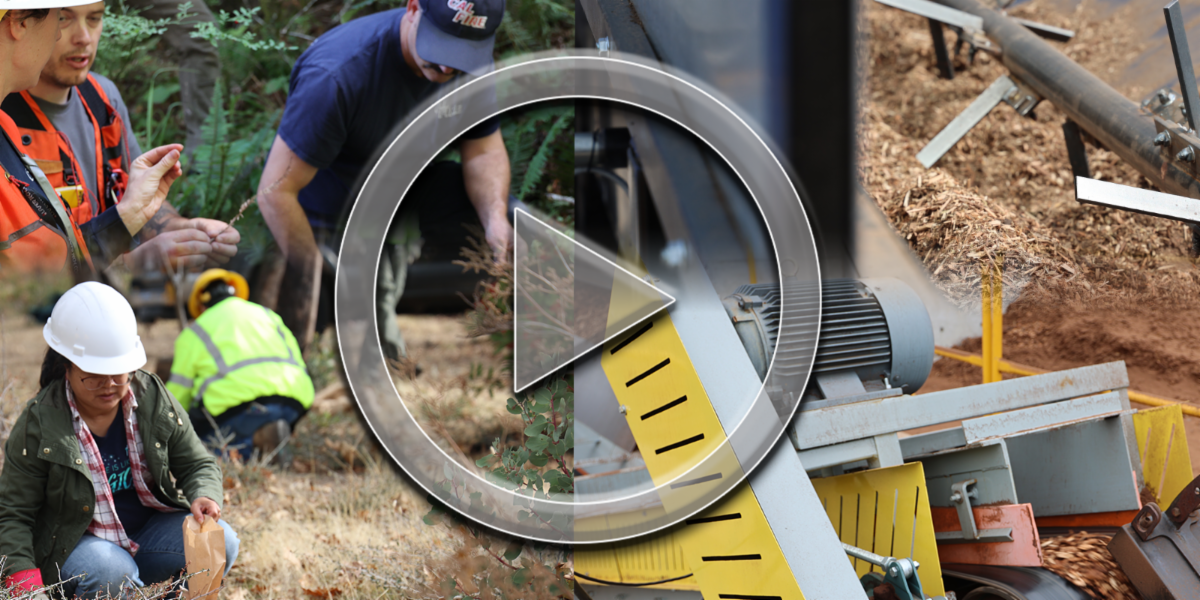
Over the past year, CAL FIRE Grant Programs have supported a wide range of projects across California designed to reduce wildfire risk, expand green spaces in urban areas, advance scientific studies and research focused on forest health and wildfire resilience, create and sustain jobs, and provide dedicated funding to support Native American tribes in implementing cultural burning practices and Traditional Ecological Knowledge on their ancestral lands.
Learn more about these diverse projects by checking out the YouTube playlist linked above or the CAL FIRE Grants page below. Stay tuned to the Grants page for updates on 2026 grant solicitations
| | | | |
Expanding the World's Largest FIREHAWK Helicopter Fleet
2025 marked a major milestone for CAL FIRE's Aviation Program with the delivery of two additional Sikorsky S-70i FIREHAWK helicopters, expanding the fleet to 16—the largest FIREHAWK fleet in the world. Purpose-built for wildfire and all-hazard response, these aircraft strengthen rapid response and aggressive initial attack with 1,000-gallon tanks, night-flying capability, rescue hoists, and Helitack capacity. These enhancements support CAL FIRE’s ability to keep 95% of wildfires to 10 acres or less while improving safety and operational readiness statewide.
| | |
Building Resilient Communities: Defensible Space
Defensible space is crucial for your home’s wildfire safety. It’s the buffer zone you create between your property and the surrounding wildland area. This space is key to slowing or stopping wildfire spread and protecting your home from embers, flames, or heat. It also gives firefighters a safer area to defend your property. The closed five feet to your house - Zone 0 - has been proven to be the most effective in increasing the likelihood of your home surviving a wildfire. While it may be winter, wildfire will not wait. Get a headstart on your 2026 Zone 0 defensible space goals now.
| | |
Continued Service Through Statewide Emergency Response and Public Safety
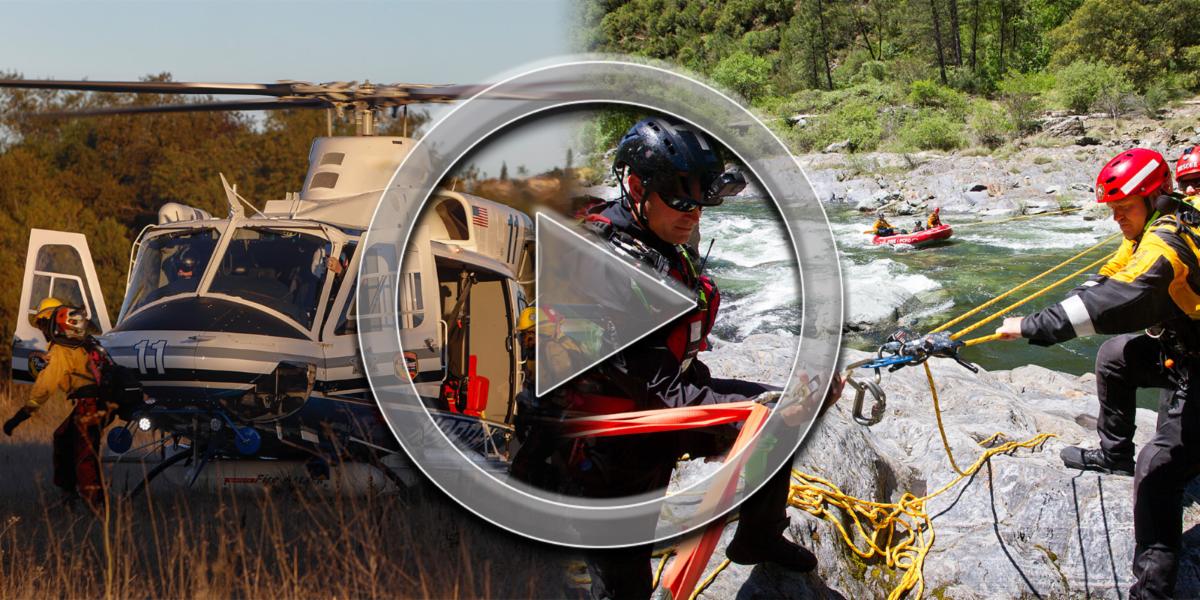
CAL FIRE staff responded to nearly 600,000 emergencies statewide alongside fighting wildfires. These responses included structure fires, medical aid calls, and automobile accidents. CAL FIRE operates as an all-risk department, meaning responses also include swift-water rescues and aircraft operations to rescue individuals in remote or difficult-to-access areas. The video linked above from Riverside County shows the variety of incidents CAL FIRE responds to everyday across California.
| | |
Accurate and Trustworthy: CAL FIRE Communications Recognized for Public Education and Safety Messaging
The January 2025 wildfires underscored the critical role of accurate, timely communication in protecting lives. Clear, coordinated messaging helps Californians make informed decisions, supported evacuation efforts, countered misinformation, and strengthened trust among agencies, partners, and the communities we serve.
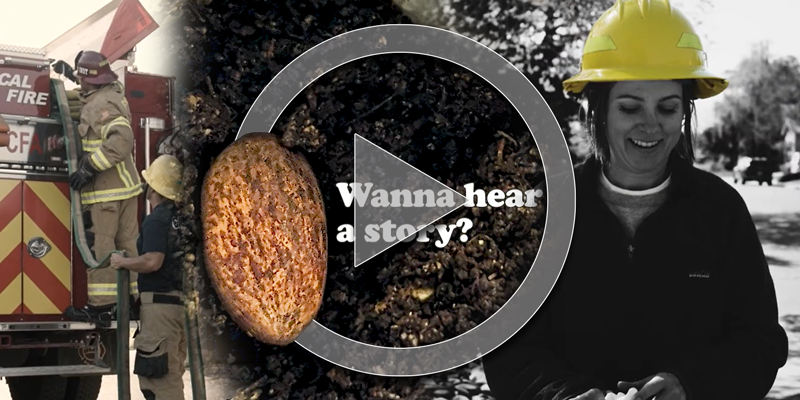
CAL FIRE's Communications Team were honored to have several video projects recognized at the 2025 California Association of Public Information Officials STAR Awards. Award-winning videos highlighted training excellence, community heroes, and wildfire awareness—earning top honors across training, PSA, and social media categories through compelling storytelling, creativity, and impactful public safety messaging statewide audiences.
| |
What is Good Fire?
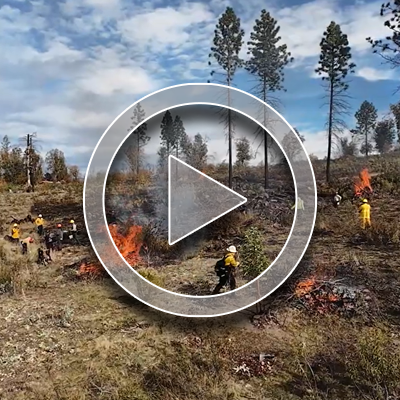
Cultural burning remains a practice for Indigenous communities, honoring ancestral stewardship while using fire to restore foods and plant resources. In Butte County, the Berry Creek Rancheria of Tyme Maidu Indians of California led hands-on workshops rooted in Traditional Ecological Knowledge.
| |  |
From the Forest to the Capitol's Lawn: The Journey of the State Christmas Tree
Harvested at CAL FIRE’s LaTour Demonstration State Forest in Shasta County, this year’s tree has made its way to the west lawn of the State Capitol in Sacramento.
| | | |
Join Us; We're Hiring for Firefighter II
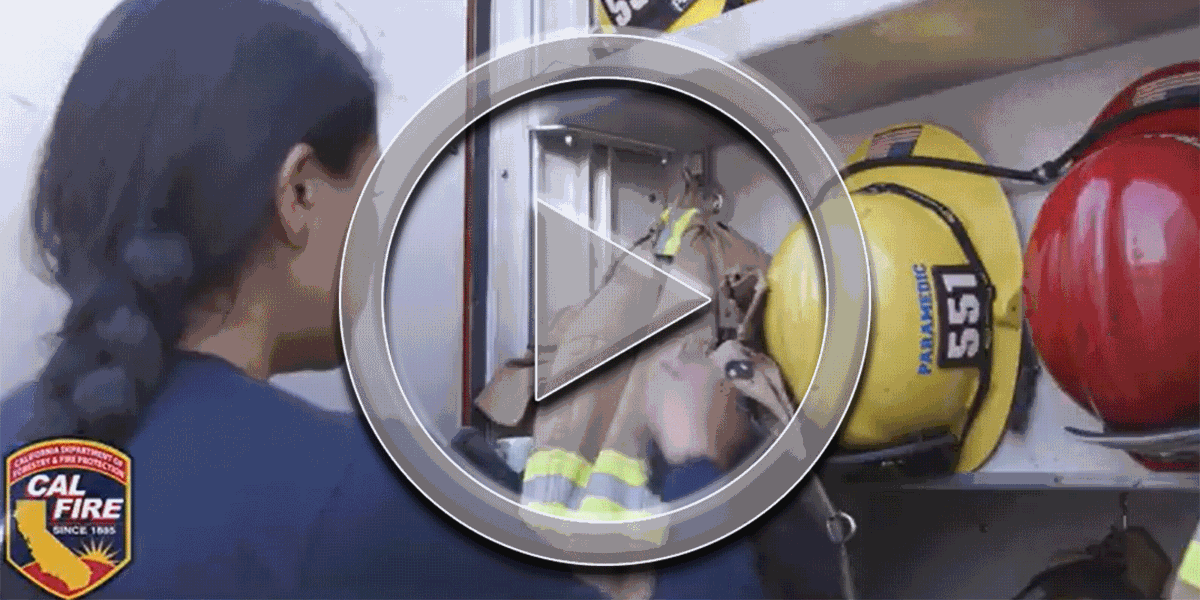
Work under supervision to fight vehicle, structure, and wildland fires; help maintain buildings, grounds, and equipment; handle the heavy physical work of firefighting as part of a crew; and, if serving as a paramedic, provide emergency medical care as part of a paramedic team. Other related duties as needed.
| | | | |