News & Updates

MEMPHIS' NONPROFIT NEWSROOM

A letter from our former Civil Wrongs coordinator

October 17, 2025

Dear Reader,


This week we launched season 6 of Civil Wrongs: “Undue Process.” You’ve been hearing bits and pieces over the past few months, including news we shared about the Juneteenth event that Phillip Hatley’s family hosted.


Now, you can hear the full story from the folks most connected to this case and how Hatley’s tragic death in 1939 still resonates today.

Laura Kebede-Twumasi

Phillip Hatley was a 43-year-old Black husband and father who was shot in the back and killed by a drunk Memphis police officer in January of that year. His death led to a publicly contentious trial that ended with his killer going free. It also rallied the community around his widow and children, who heard the gunshots that took his life and were forever traumatized.


Years after Phillip Hatley’s death, Memphis police shot another Black person who was fleeing. The 1974 death of Edward Garner, 15, resulted in a lawsuit that went all the way to the U.S. Supreme Court and, for a time at least, led to major reforms.


Yet decades later, the city’s struggle with police violence remains palpable. Following the brutal beating death of Tyre Nichols in 2023, federal investigators found that the Memphis Police Department still has a significant number of inexperienced officers who lack supervision and the skills needed to de-escalate situations that can lead to violence.


Police violence and its attendant trauma are concerns woven into the American fabric, yet few cities have struggled as long or as hard with these ills as Memphis. That’s why some fear that the recent surge of state and federal law enforcement into Memphis may provide cover for further abuses.

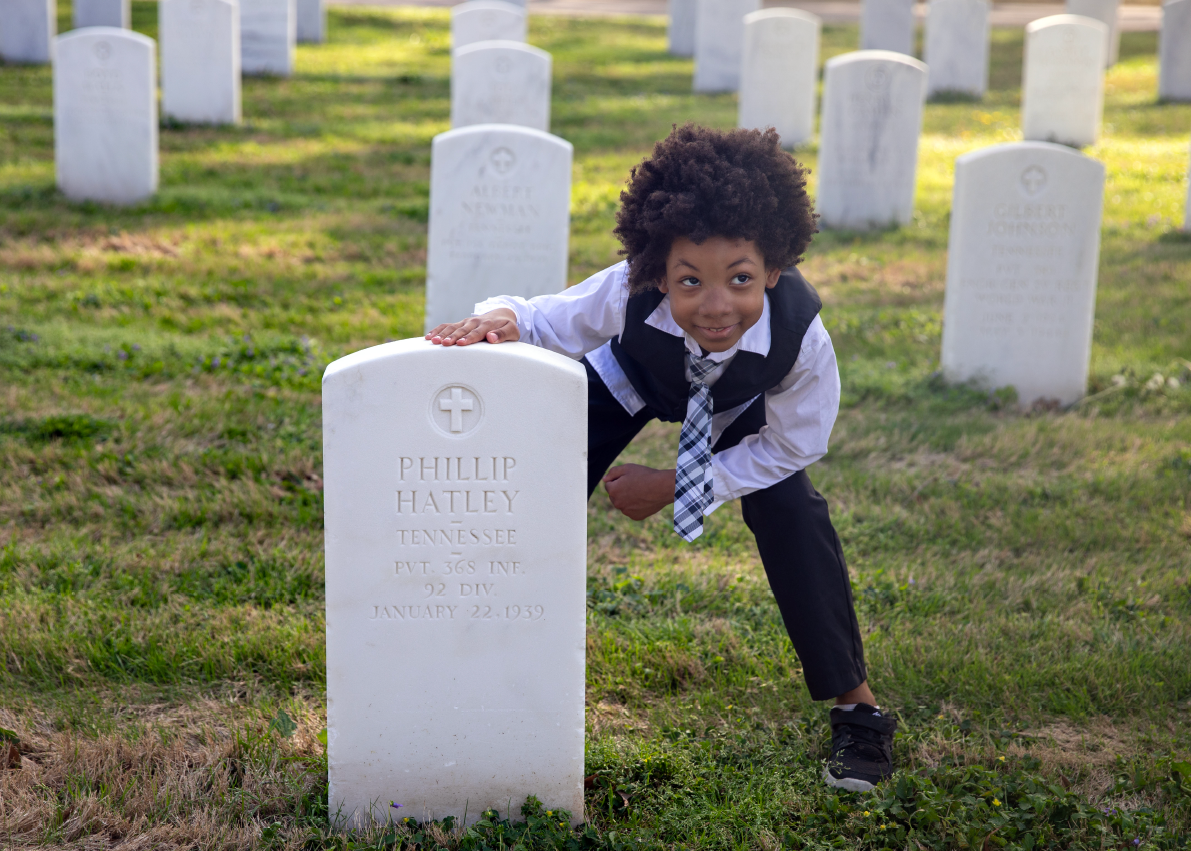
Phillip Hatley's great-great-grandson, Maleek Williams Jr., visits his grave earlier this year at Memphis National Cemetery. (by Ariel Cobbert)

As for Phillip Hatley’s family, his own grandsons knew only bits and pieces of what happened. Their elders never talked about it, silenced by the tragedy's enduring trauma.


That's changed, thanks to new research into the now 86-year-old case.

That research by the Civil Rights & Restorative Justice project at Northeastern University law school in Boston has helped the Hatley family find meaning. They are coming to terms with the loss of the family's patriarch; they understand the lasting effects across generations. And they don’t plan on being silent anymore. 


You can listen to the new podcast season here, read the story here, and listen to the two-part radio broadcast here and here. Share it with your friends and family and let us know what you think. 


Laura Kebede-Twumasi

Some of our latest stories

Immigration Crackdown: Working Family Lands In Deportation Crosshairs


Building Hope and Home Ownership In Memphis’ Klondike Community


Are Memphis Police Over-Charging Motorists Caught With Marijuana?


Memphis Food Pantries Feel the Pinch of Federal Cuts


Who We Are


We believe in the Fourth Estate's vital role in democracy.


We value the journalist's duty to impartially "explore and explain” complex issues that impact metropolitan Memphis and its citizens.


We believe quality local journalism leads to an informed electorate and is among the highest forms of public service.


We are duty bound to prepare the next generation of journalists in support of this essential mission.

CONNECT WITH US!
Facebook  Twitter