|
Reflecting on the Dissolution of the Soviet Union
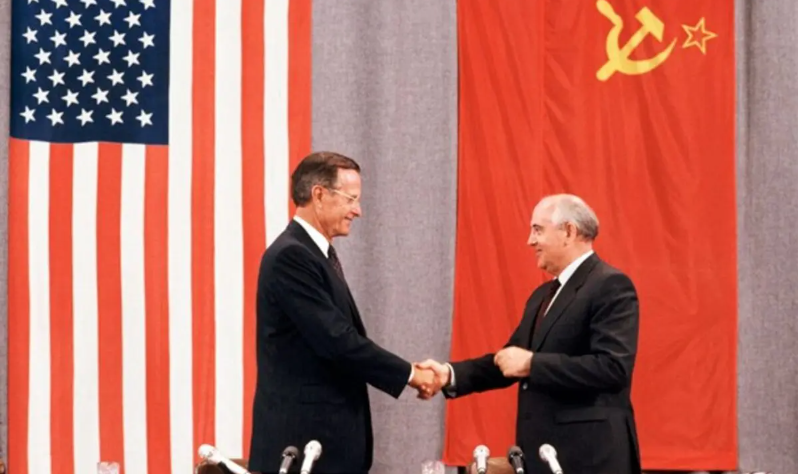
The dissolution of the Soviet Union on December 27, 1991, marked the end of a political system that had shaped global affairs for much of the twentieth century. Created in 1922 following the Russian Revolution, the USSR united 15 republics under a centralized communist government and emerged as one of the world’s two superpowers during the Cold War. By the 1980s, the system faced serious internal pressures, including economic stagnation, limited political freedoms, and growing demands for national autonomy within several republics.
These pressures intensified after Mikhail Gorbachev became the leader in 1985. His reforms, known as glasnost, which emphasized openness and perestroika (Russian for "restructuring"), aimed to restructure the economy, reduce state control, and encourage public discussion. Instead of triggering a violent collapse, these changes allowed long-standing grievances to surface through public protest, political organizing, and negotiations. One by one, republics declared independence, and in December 1991, the Soviet Union formally ceased to exist.
This moment in history shows that even large and rigid political systems can change without widespread violence. The Soviet collapse was not sudden or simple. Its aftermath brought real challenges, but it demonstrates how restrained dialogue and civic participation can shape moments of major transition. The Dissolutions of the Soviet Union offers an important case study in how political change occurs through process choices and collective action rather than force alone.
|