|
stuck in anger or whatever about what may have happened 100 years ago, but it's important to stay connected with it so that you can see things through that lens as you move forward as a person in the future.”
The listening event wasn’t the only time I spent recently with folks grappling with history’s implications on the present.
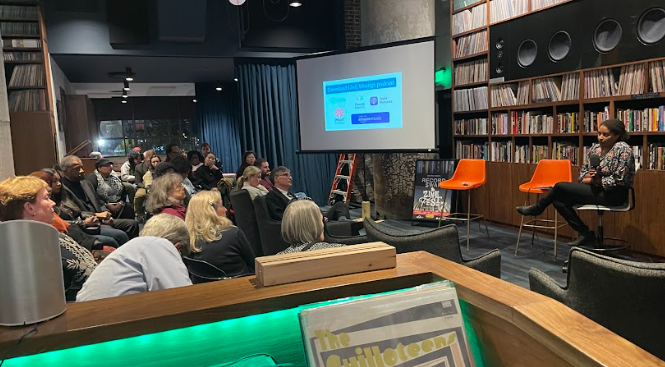
Last Thursday, I led a Q&A at the Memphis bookstore Novel with Margaret A. Burnham, author of "By Hands Now Known.'' Her book, based on 15 years of research, chronicles how laws failed Black people living under Jim Crow-era violence between 1930 and 1955. It also reveals how those same people resisted and stood up for themselves in ways rarely told in history books.
She leads a program similar to Civil Wrongs but with law students at Northeastern University and has been compiling a database of 1,000 everyday killings meant to uphold segregation.
And then on Saturday, I spent most of the day with the Memphis nonprofit Lynching Sites Project at their symposium about the Persons lynching. They are working to preserve the site and bring it, and other lynching sites, under the protection of the National Park Service. I sat on a panel that discussed journalism’s role in racial terror and co-moderated a panel with descendants of people connected to this tragedy.
Despite the somber topic, each event left me feeling hopeful. People I talked to spoke about their resolve to use the information they had learned to make the world a safer and more equitable place for all.
And that’s what public service journalism is all about. Your support makes that possible.
Laura
|