June 17, 2026

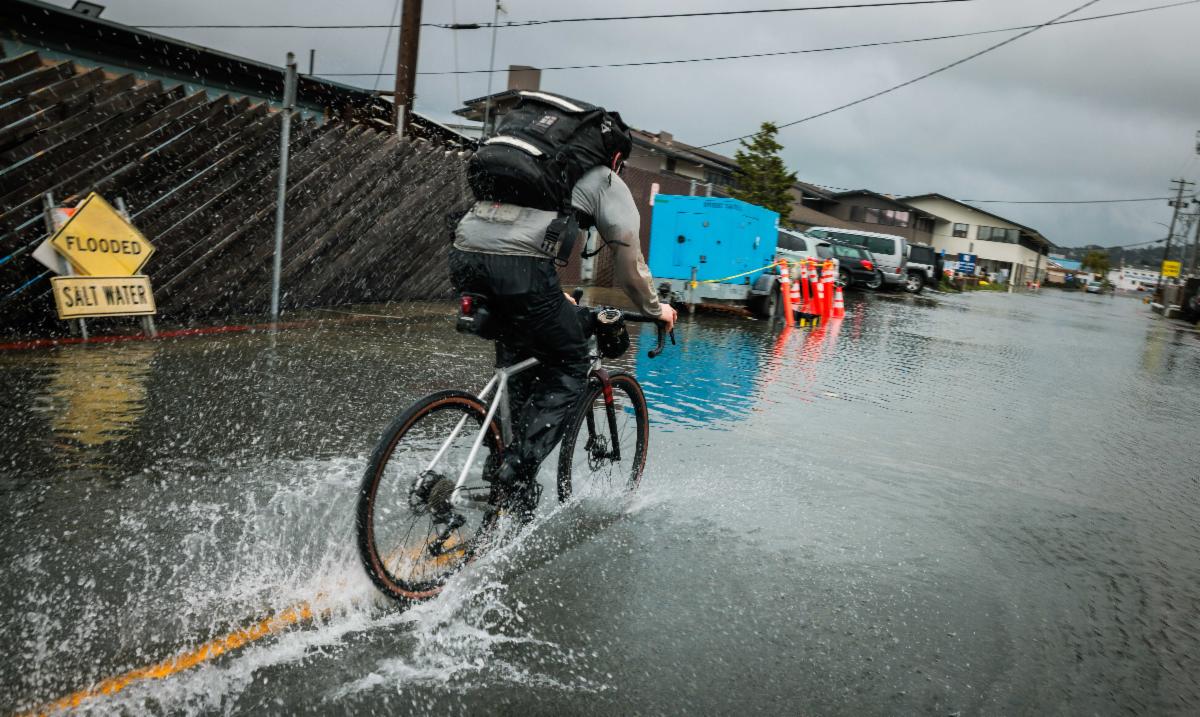
The splash zone is a wet reminder of the challenges to come. Now more than ever, regional collaboration is needed to answer climate change's most difficult questions, but are leaders at all levels in lockstep?


FIGHT OR FLIGHT


Unmasking Regionalism 


In a place renowned for the body of water at its heart that connects 7.7 million people across more than 100 municipalities, it’s hard to imagine any response to rising sea levels and the prospect of flooded homes and businesses that isn’t regional in scope. The cost of adaptation, without neighbors and partners pitching in, is staggering. And yet, the Bay Area faces a long history of local control over these matters that’s hard to overcome. As dozens of entities vie to get ahead of the climate curve, can the push to be more regional in approach, to become more effective and efficient as a whole, win out? Photo: Richard H. Grant


KEEP READING

Strong Leader, Light Touch: Caitlin Sweeney


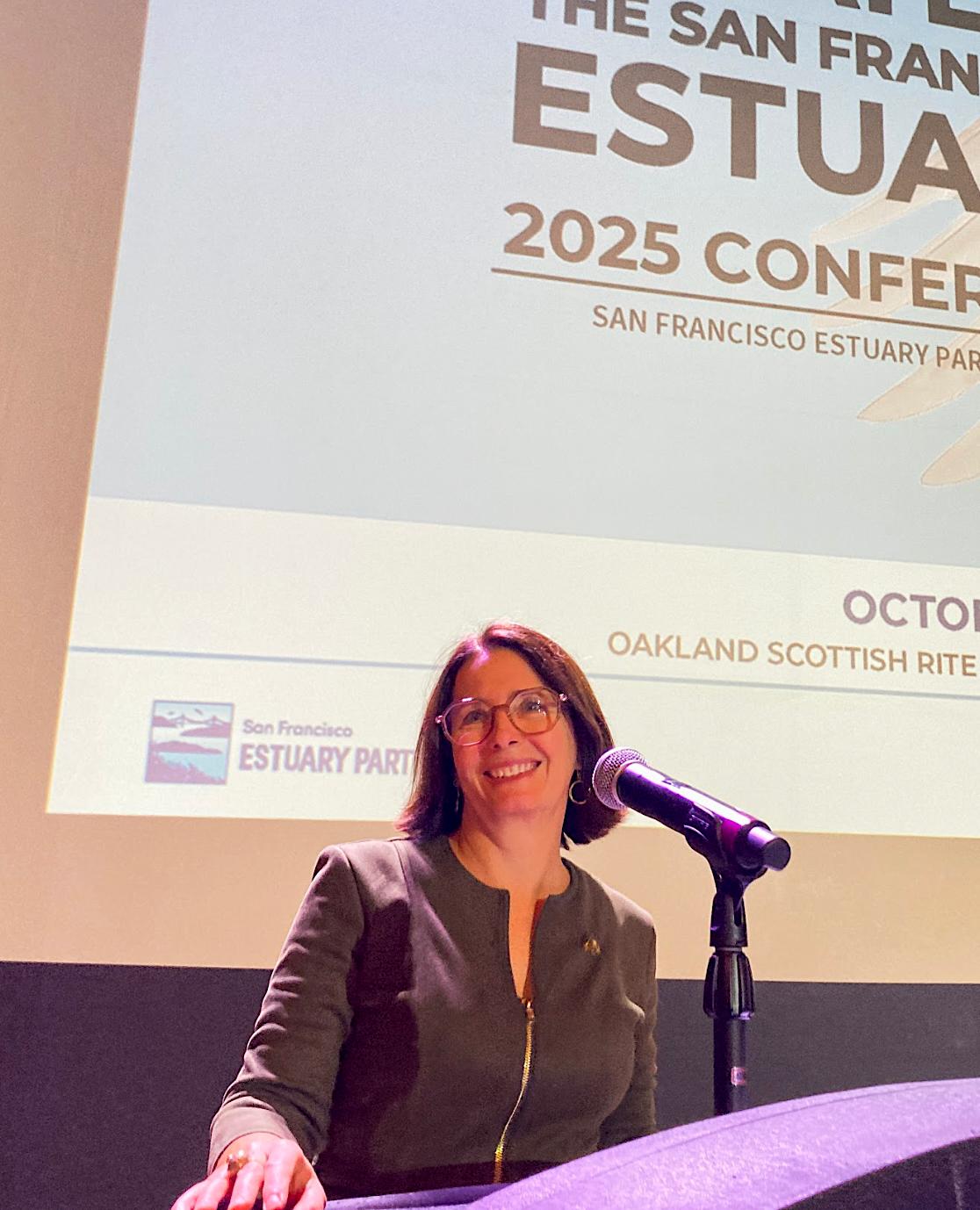
After 15 years at the San Francisco Estuary Partnership, Director Caitlin Sweeney retired this June. Sweeney began her career at the California Coastal Commission, and spent more than a decade at the Bay Conservation and Development Commission before joining the Partnership, which today is leading many big-ticket, multi-partner climate change adaptation projects. KneeDeep Times interviewed Sweeney about the changes she has observed over the years. 


KEEP READING

21 Delta Residents Absorb the Flood Challenge, And Choose Different Ways to Act 


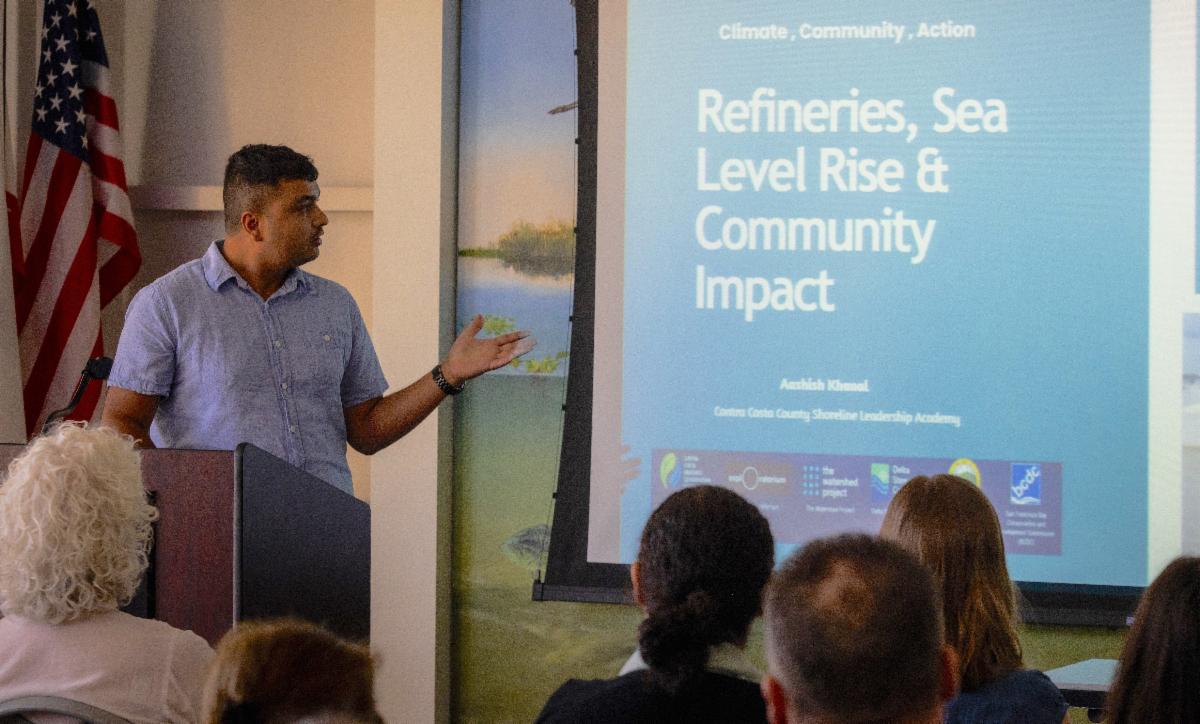
As the valley heat along a Delta slough broke a sweat on the morning of June 13, about 50 people gathered in the Big Break Visitor Center in Oakley to discuss a cooler climate challenge: flooding. At the event, 21 graduates of a six-month shoreline leadership academy hosted by BCDC and four other partners proposed a variety of ideas for addressing rising water levels, ranging from new sidewalk exhibits in unexpected places to finishing a cleanup of a local Superfund site and a “Love the Earth” coloring book for kids. Photo: Richard H. Grant


KEEP READING

E N E R G Y

Pacheco Pass Is Getting a Second Wind


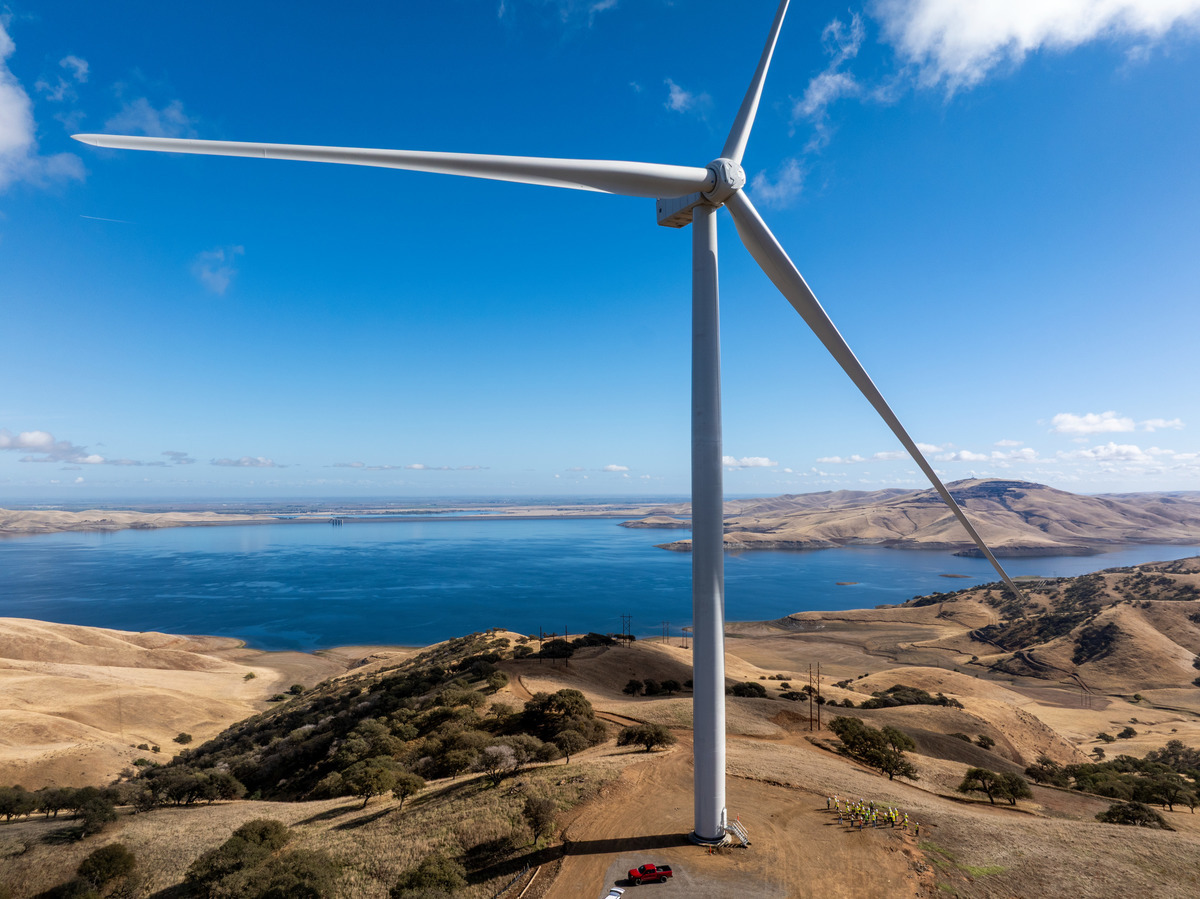
In Pacheco Pass, a decades-old wind farm will soon double CleanPowerSF’s wind energy. Rebuilt turbines are expected to start turning this summer in the largest single source of wind power the San Francisco Public Utilities Commission has ever secured. The Gonzaga Ridge Wind Project will provide 147.5 megawatts of clean energy and 50 megawatts of battery storage, enough to power roughly 120,000 average San Francisco homes each year. Photo: Robin Scheswohl


KEEP READING

N A T U R E


Climate Change From A Scorpion’s POV


Scientists believe the western forest scorpion’s habitat is shrinking even farther as human activities damage forests and carbon emissions warm the planet. This species is not alone. Development and climate change are altering scorpion habitat throughout California, which is spelling trouble for the shy arachnids that are often tied to specific ecosystems. Photo: Prakrit Jain


KEEP READING

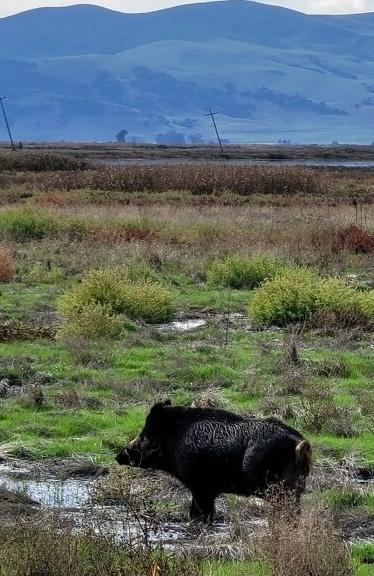
Wild Pigs Rough Up Greens


Wild pigs are rarely seen in the Bay Area, but it’s clear they’re here from the evidence they leave behind: hoof prints; grainy, black-and-white camera-trap sightings; and damaged natural and cultivated landscapes alike. With summer on the horizon, that damage is only going to get worse. As the land dries out and hardens, wild pigs will find their way to greener pastures: lawns, fields, vineyards, golf courses. Photo: CDFW


KEEP READING

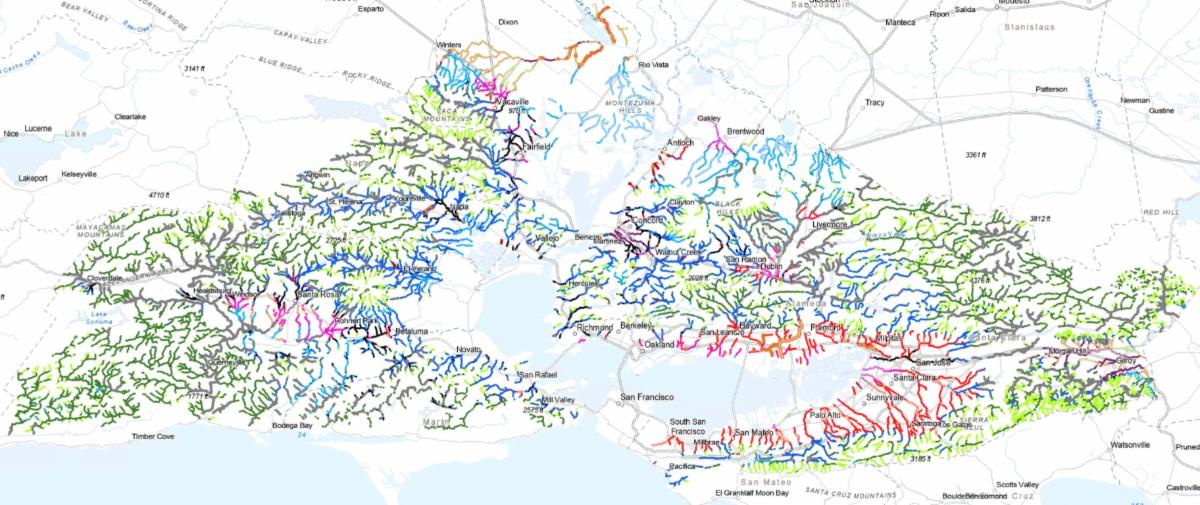
12 Types of Creeks: Which One is in Your Backyard?


Almost everyone living near a creek in the Bay Area is vulnerable to flooding, landslides and other impacts from heavy rain events, but a lot depends on the type of creek. After surveying more than 2,435 different sites, a team led by UC Davis geomorphologist Gregory Pasternack has developed a user-friendly classification system, including colorful ID cards and science-based restoration and stewardship options, that he hopes every creek neighbor will familiarize themselves with: "I want people to know that the streams in their region, their backyards, their communities come in a wide variety, and there's no one size fits all solution to the problems they bring." Map: Pasternack et al.


KEEP READING


C H A T T E R


Interested in republishing some of KneeDeep’s stories written by professional journalists or emerging climate reporters? Here are some short and easy to use versions you can tap. Just read our guidelines, and be sure to give us, and our photographers and writers credit. Thanks for sharing our stories.


Share our stories, and follow us on your favorite platforms.

Facebook  Instagram  LinkedIn

Bluesky

KneeDeep Times shares stories from the frontlines of climate change resilience and adaptation action.

All stories are available for republication free of charge. See our guidelines.


Views expressed are independent of all funders and collaborators.


Managing Editor: Ariel Rubissow Okamoto

Assistant Editor: Duncan Agnew

Neighbors Editor: Sonya Bennett Brandt

Research & Social Media Editor: Isabella Eclipse

Art Director: Afsoon Razavi

Top Photo: Richard H. Grant


Send us your story ideas and subscribe us to your newsletter lists.

news-team@kneedeeptimes.org

KneeDeep Times | 73 Water Street | San Francisco, CA 94133 US