❄️ Registration Is Snow Problem ❄️ | | Always make sure you see the green box above that says "Registration Successful" after you register. This indicates all courses have been added to your plan. If you do not see this box, you have not been added to the courses you sent to your registration screen, and must resolve the listed issues and send your courses through registration again. | | Course Recommendations for Spring 2026 | | |
SCAND 153A: Lithuanian Literature & Culture
5 A&H
In the spring of 2024, the World Happiness Report announced that Lithuania is the best place in the world to live. Are Lithuania's young people really the happiest in the world? What makes this country special? This course is a thematic study of Lithuanian culture from antiquity to the present in historical, literary and cultural aspects.
| | |
CHID 325A:
Mathematics: Practice and Power
5 A&H/NatSci, W
Students will study the different cultural, historical, artistic, and scientific resonances of mathematics, guided by their passions and interests. Through the readings, they will discuss how history and culture impact who counts as a mathematician, and what counts as mathematics.
| | |
MELC 296A: From the Ottoman Empire to Turkey: Society and Politics
5 SSci
This course takes you inside the dramatic transformations of the Ottoman Empire through stories of sultans, soldiers, bureaucrats, rebels, and ordinary people. Sharpen your historical analysis skills while exploring social change, politics, and culture in ways that make the past feel surprisingly relevant to the world we live in today.
| | |
CHID 320A: Making the In Human: A Public Writing Seminar
5 A&H, W
What does it mean to be human? How are certain humans made into monsters? This public writing seminar invites students to explore ideas of the human in relation to concepts of inhumanity, animality, and monstrosity, and their connections to social and political power.
| | |
S ASIA 498B: Romantic Poetry in India
5 A&H
Explore the global history of romanticism in this course on modern Indian poetry. We will study why poets writing at the height of anti-colonial struggles in British India found romanticism appealing. We will investigate what we can understand of romanticism when we read these writers alongside each other.
| | |
CHID 250B/ ENGL 385 A/ GERMAN 385A/ GLITS 251A: Revolution!
5 A&H/SSci, DIV
This course investigates different key science fiction works across Eastern Europe. Students taking this course will gain an insight into main authors and texts, as well as strengthen their critical thinking, literary analysis skills, understanding of genre theory, and cross- cultural awareness.
| | |
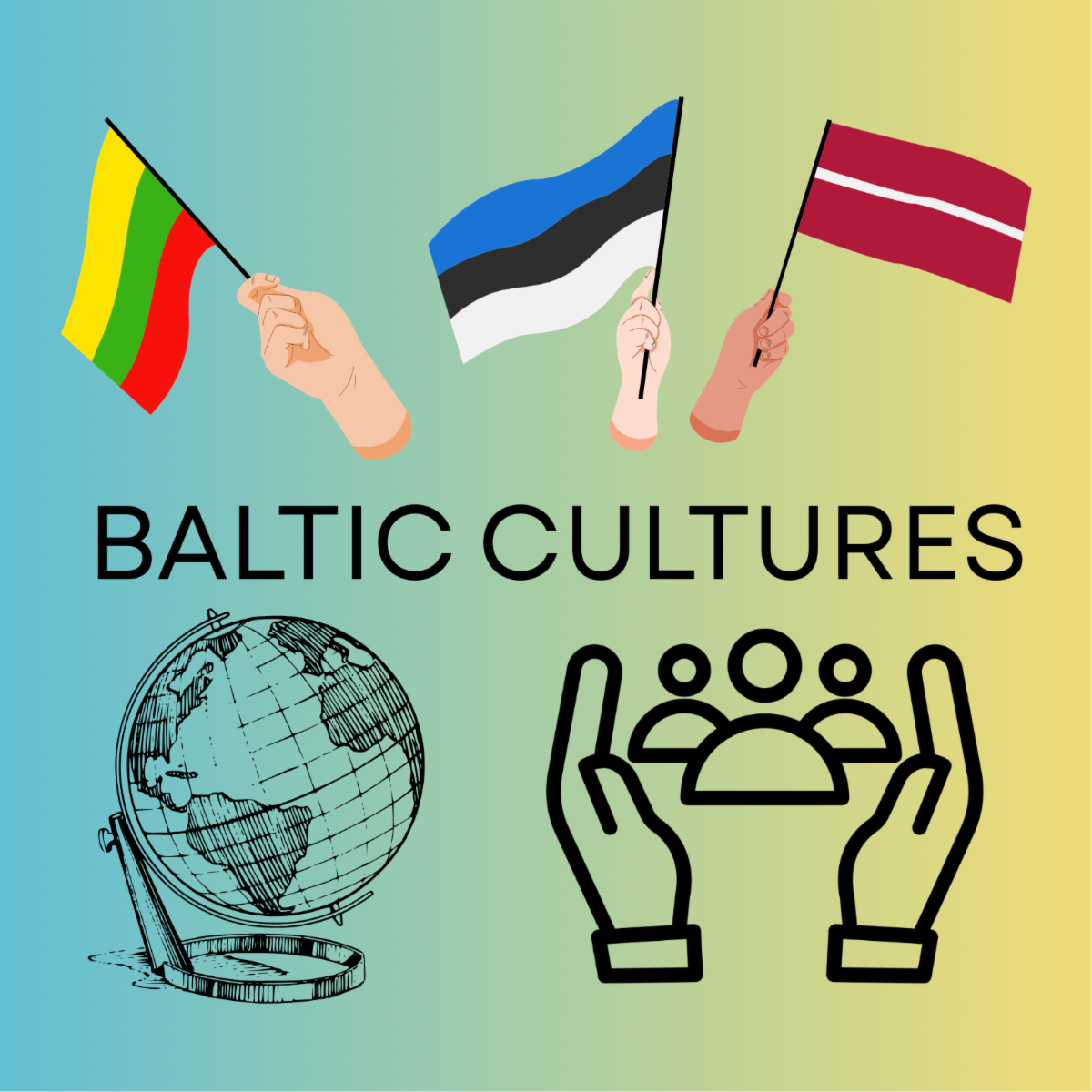
SCAND 345A: Baltic Cultures
5 A&H/SSci
Immerse yourself in the books, films, and music of Latvian, Lithuanian, and Estonian "cultural canon" to learn the long tradition of Baltic national identities. Students in this course will historical context to interpret these works, allowing them to cross the cultural divide by bringing Baltic texts alive in their own words.
| | |
ENGL 312A/ GLITS 311B/ MELC 310A: Jewish Literature
5 A&H, DIV & W optional
From the Hebrew Bible to the Hogwarts Haggadah, from the traditional prayer book to today's feminist poetry, Jewish literature presents endless commentary on foundational texts. This course provides an overview of 3000 years of literary history to understand how modern writers find meaning in those earlier sources.
| | |
CHID 395 A:
Embodiment and Place
5 A&H
This course investigates how bodily senses, taste, touch, smell, sound, and sight, shape our understanding of the environment. Students explore how sensing can be a way of knowing- from the smells of spring to the sounds of weather- and how bodily awareness functions as both knowledge and research.
| | | | |