|
|
August 28, 2026: Issue 16
Offering hope and help to those impacted by opioid misuse in
Franklin County and the North Quabbin Region.
| | | Joni Mitchell wrote a song called Both Sides, Now, first released by Judy Collins in 1967. As I thought about writing this column, that song popped into my head, as a theme of sorts for the story of my two nephews. They grew up in the same home with just a couple of years separating them. As they became adults, they traded their boyhood antics for families, careers, and unfortunately, opioids. One has had a celebration of life. One is celebrating his sobriety anniversary this month, the month we acknowledge International Overdose Awareness Day, on August 31st. I think about my nephews’ mother and the duality of her pain and her pride, and that she’ll never live another day where she can hear the voices of all of her children. | | | |
The month of August is International Overdose Awareness Month, to honor lives lost to substance use, support grieving families, and promote education on drug prevention. This may be a curiosity for some, seemingly irrelevant to a few, and be deeply painful for others. A few years ago, during the HEALing Community Study, we developed a poster that included the phrase “someone you know” because odds are very high that you, dear reader, know someone who has experienced substance use or is helping someone who is. Your words, your actions, your kindness could be what helps keep that person on their path. Here are several ways to do just that from the Addiction Etiquette – a simple guide for people who don’t suffer from addiction, prepared by an author with lived experience.
Do encourage me to find professional treatment that is right for me – One important thing you can do for a loved one is to encourage them to find help and partner with them by offering to accompany them to an appointment, for example.
Do educate yourself about addiction before talking to me –Take the time to learn about the triggers, symptoms, and signs of addiction. Being able to empathize with your loved one will help you to understand and talk to them in a positive way about their addiction and recovery options.
Do praise me when I achieve my goals but don’t patronize – Celebrate with your loved one when they meet a goal but remember that it is a constant struggle to achieve sustained recovery. No goal is insignificant or small for a person who is dealing with addiction.
Do communicate statements using the words “I feel” – This is to ensure your ownership of your feelings and doesn’t project your feelings onto your loved one.
Don’t assume it’s easy for me to talk about my addiction – Your loved one might not be in the right place to fully speak about the extent of their problems.
Don’t tell me how to deal with my addiction – Offering non-professional advice on how to deal with addiction can actually do more harm than good. Addiction is a disease that affects the brain and not a character flaw.
Don’t assume that only certain types of people experience addiction – Substance use and addiction can happen to anyone, regardless of income, education, jobs, and family situation.
Don’t punish me if I struggle – Although it may be disappointing to see a loved one relapse, positively encourage them to seek further help and draw attention to past achievements.
Do give me practical and emotional support – As a family member or close friend, you can be a champion for your loved one’s road to recovery. Do not underestimate the importance of your time, energy, and love in their life.
Do speak with positivity, optimism and love – Put simply, approaching the topic of addiction with empathy and love could help someone believe that they matter.
| | |
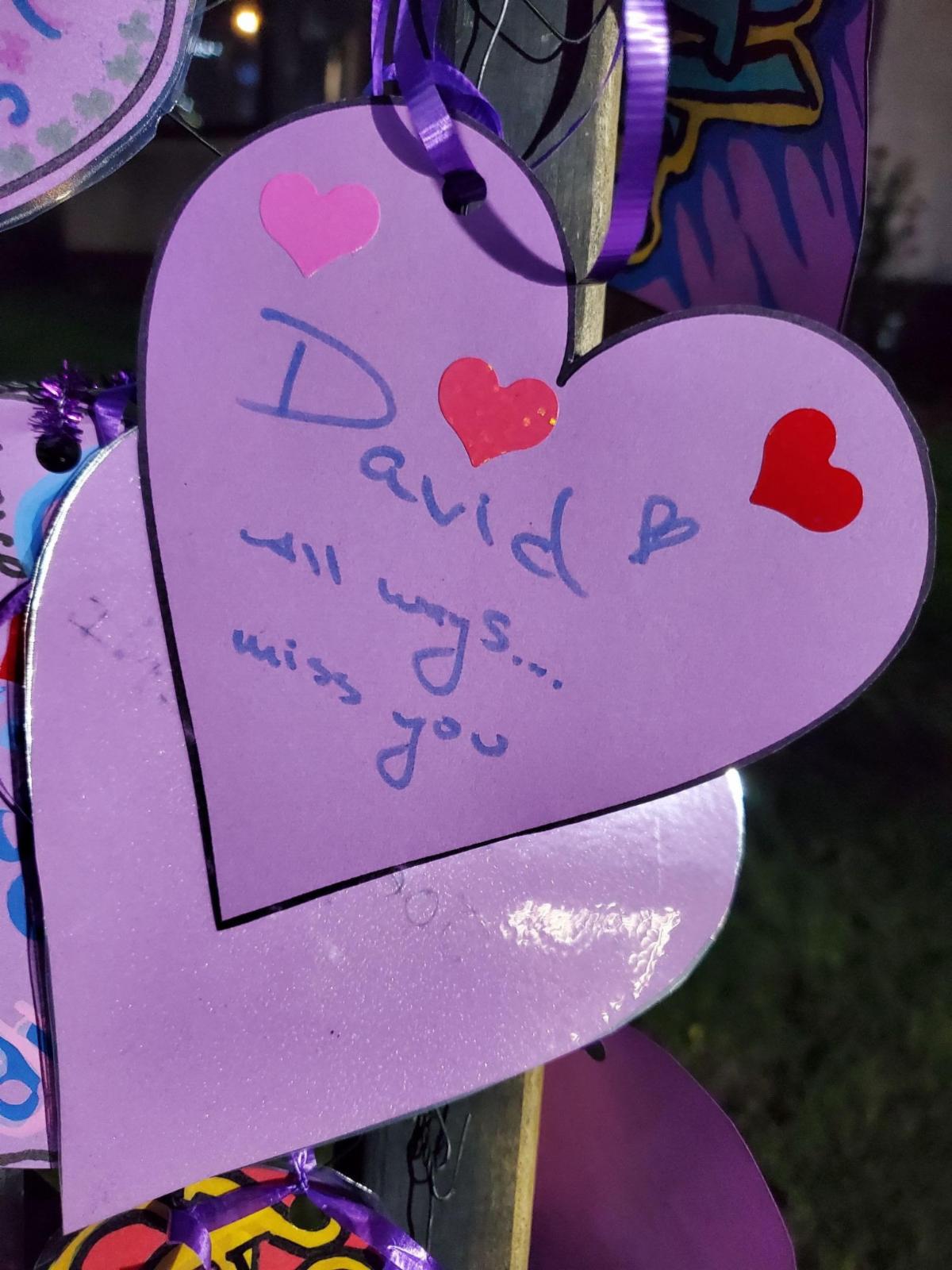
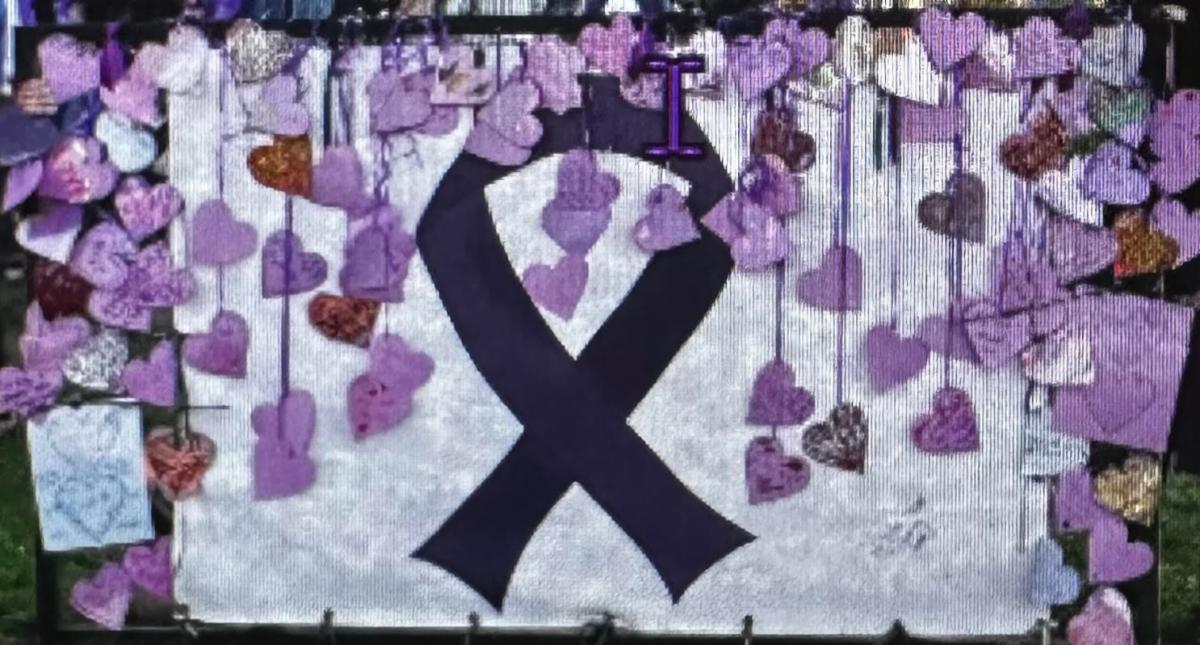
I asked the Recover Project if I could make a heart for my nephew the year he died and put it with all the others on the board that became part of the procession in Greenfield, August 31, 2023. It was healing to walk with people who I didn’t have to explain anything to.
As the end of August nears, remember that someone you know may either be experiencing substance use or helping someone who is. Extend love and connection by trying some of the ideas shared above by those with lived experience. And for those who’ve lost someone, your presence matters, because life for them occurs on both sides, now.💜
| | |
Karen Carmona, Program Associate
Opioid Task Force of Franklin County and the North Quabbin Region
| | |
COVID-19 RESOURCES
Explore OTF's COVID-19 Resource Guide.
| | |
2025-2026 Franklin County/North Quabbin Region Emergency Resources Guide for Unhoused Individuals
Click here
| | |
MASSACHUSETTS SUBSTANCE USE HELPLINE
Hope is here. Get help.
| | |
413Cares
Resources for Franklin County and the North Quabbin Region. Click here.
| | |
North Quabbin Community Coalition
Resources and upcoming events in the North Quabbin Region.
Click here.
| | |
Emergency Services Resources for Unhoused Individuals
Click here.
| | |
Age & Dementia Friendly Franklin County & North Quabbin by LifePath
Click here for resources.
Silverline Resource Directory
Download here
| | |
The PACES CONNECTION
Click here for resources
| | |
Grayken Center for Addiction Training & Technical Assistance
Click here to view and/or register for trainings.
| | |
GCC Community Engagement and Workshop Events
Click here to view and/or register for trainings.
| | |
Rural SUD Info Center
Click here for resources.
| | |
Greenfield Recorder 8.22.26
| | Regardless of conflicting perspectives about criminal justice issues, perhaps everyone can agree that children with an incarcerated parent deserve encouragement and comfort, both for their sake and for the sake of society as a whole. In addition to the real-time stress and sadness that having a parent behind bars can cause, long-term repercussions can also be significant: such children face a higher risk of future criminal justice involvement compared with their peers. Fortunately, a local program called Waiting Room Welcome places children at the center. | | | |
The program helps create supportive environments for children visiting loved ones at the Franklin County House of Corrections (FCHOC) and the Community Justice Support Center (CJSC) in Greenfield. In less formal terms, that’s the county jail on Elm Street and the courthouse on Main Street. The program operates under the auspices of the Foundation for Community Justice (FCJ), which was founded in 2001. Don’t let the many acronyms in this column put you off, dear readers; this story is all about heart, not red tape.
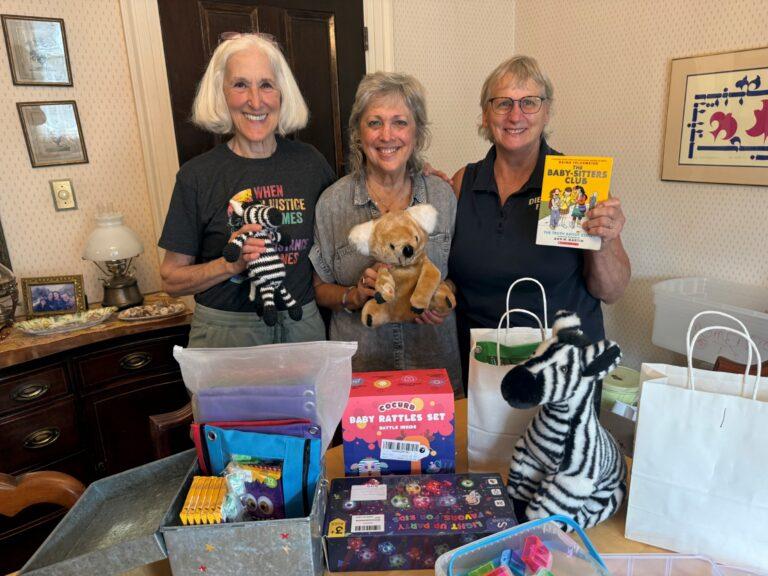
FCJ board members Lucinda Brown and Linda Singer administer Waiting Room Welcome, and the program is making a big difference. On a recent Thursday morning, the women sorted through kid-friendly materials to create gift bags for youngsters. They perform this function six times a year because contact visits between children and incarcerated parents are allowed only every other month.
Before each visit, the Franklin County Sheriff’s Office (FCSO) notifies Brown and Singer of the number and ages of children expected, helping them determine how many age-appropriate toys, books and snacks to purchase, along with gift cards for the children’s caregivers to use for groceries, gas and meals at local eateries. The program has benefited about 170 children since it began in May of 2025.
As they prepare for visiting day, Brown and Singer are in constant motion. Two days before the Aug. 8 visit, Singer muttered, “Is this toy appropriate for a 4-year-old? No, I think I’ll put it in the 5-year-old bag.” Choosing a different toy, she said, “I think this one is better for a 4-year-old.”
When Brown was asked a question, she replied while gesticulating with her hands, both of which were full. Holding a teddy bear in one hand and two packages of baby wipes in the other, she said, “At one visit, two five-year-old girls who didn’t know each other met while visiting their dads. For both of them, it was their first time. They came back out of the visiting room holding hands.”
The program provides both delight and comfort. It’s not just about gifts; calming, low-key recorded music also plays as kids arrive. The program’s success is apparent: children who once arrived for visits appearing anxious now walk quickly or run toward the building, looking energized. Once through the doors, they scramble toward reception tables and greet each other with smiles.
As Brown and Singer worked in tandem, FCJ Board President Annie Diemand Bucci arrived in a Diemand Farm truck during a short break from the land of fresh poultry, pot pies and other delectables. The longtime farmer came by to thank Brown and Singer for their work.
“This is the sweetest organization in the world,” Diemand said. “If we can make kids’ visits with their parents less scary, it’s all worth it.”
For those who think these women are do-gooder softies, consider this: Diemand is a retired Wendell police officer with three decades of experience and is also a former correctional officer.
“For years, I volunteered with the restorative justice program and also on the juvy (juvenile) board. Listen, bad choices can result from trauma,” she said. “When you have a loved one in jail and you’re not allowed to touch them, that can cause real trauma.”
Diemand recalled witnessing a visiting day at both sites around the holidays last December. “It was so joyous. That matters. It really does.”
Brown and Singer each also have decades of professional experience related to criminal justice. Instead of leaving them jaded, their backgrounds inspire them to make a difference. At the jail site, staff and administrators are on board, too. Because children must visit their parents without caretakers accompanying them, everyone involved is sensitive to their needs. Inmates and staff alike wear street clothes rather than uniforms during visits, which take place in the jail’s library. These aspects help to make visits more relaxed and less intimidating.
When asked about the impact of the program, Sheriff Lori Streeter said “Waiting Room Welcome is a wonderful way to support children who are visiting a parent at the Franklin County Sheriff’s Office. These visits can be difficult for kids, and having someone there to greet them with a smile, a snack, a book or a small gift can make a real difference. We’re grateful to the Foundation and its volunteers for helping make the experience more positive for these children and their families.”
On a recent Saturday, Brown dropped gift bags off at the jail and then headed to the downtown site where minimum-security visits take place. There, she spoke with a mom whose 8-year old was visiting dad. Brown learned that the man was likely to be released before the next scheduled visit. The mom expressed gratitude for the support Waiting Room Welcome has given her child.
Singer shared a vignette that sums it all up: “One of our peer ambassadors (through the Communities That Care Coalition and The Brick House) told us that, when they were young, their dad was incarcerated, but they didn’t visit him because it was too scary and hard.” Singer added, “That’s why we do what we do. Kids need this.”
hoto Credit: Greenfield Recorder
| | UPCOMING OTF COMMITTEE & WORKGROUP MEETINGS | | |
Virtual: Harm Reduction Workgroup
September 2, 2026
11:00 am - 12:00 pm
Zoom details here
Virtual: Education, Prevention, and Resilience Committee
September 8, 2026
9:30 AM - 10:30 AM
Zoom details here
Virtual: Methadone Workgroup
September 10, 2026
3:00 PM - 4:00 PM
Zoom details here
Virtual: FC/NQ Emergency Services for Unhoused Individuals Task Force
September 14, 2026
9:30 AM - 10:30 AM
Zoom details here
Hybrid: Sexual Exploitation & Trafficking Workgroup
September 14, 2026
1:00 PM - 2:00 PM
Franklin County Reentry Center
106 Main Street, Greenfield
Zoom details here
Hybrid: Public Safety & Justice Committee
October 5, 2026
1:00 PM - 2:00 PM
Franklin County Reentry Center
106 Main Street, Greenfield
Zoom details here
Consult our website or Facebook Page for updates. Please email us with any questions!
| | | FEATURED EVENTS AND ANNOUNCEMENTS | | MA Community Health Equity Survey | | |
This confidential survey, designed and run by the Massachusetts Department of Health every 3 years, asks about a broad range of topics that affect health. The data collected helps them understand and take action to address challenges people in our communities are facing with housing, employment, healthcare access, mental health and other health-related issues. They use this data to decide where to invest! Access the survey at www.mass.gov/HealthSurvey.
DPH will use the survey results to improve programs, guide funding and resource decisions, and support policies that improve health. This is why it is so important that our rural area shows up in this statewide data — and it is especially important that folks in recovery have their voices heard in Boston! The survey is open from now through late Fall. Anyone age 12 or older can participate. It takes approximately 15-30 minutes to complete and is available in 11 languages. For more information about the Community Health Equity Initiative and the survey, please visit this website: www.mass.gov/CHEI.
| |
Franklin County and North Quabbin Region
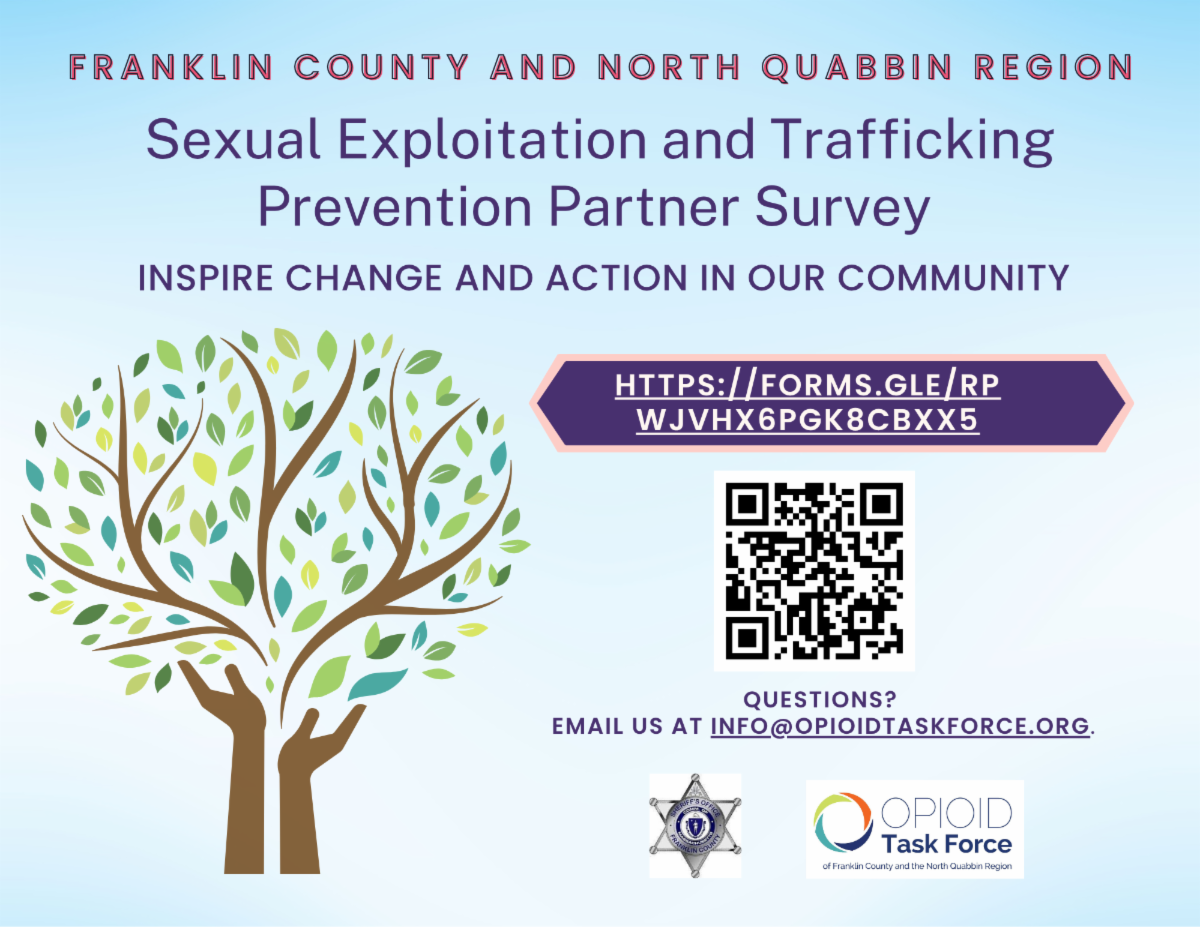
Sexual Exploitation and Trafficking Prevention Partner Survey
| | |
The Sexual Exploitation and Trafficking Prevention Workgroup of Franklin County and the North Quabbin Region invites you to participate in the Community Partner Survey: Building Knowledge, Readiness, and Collaboration Around Sex Trafficking and Commercial Sexual Exploitation.
Click here to access the survey.
This survey is intended to help us better understand partner knowledge, training needs, and community readiness related to sex trafficking and commercial sexual exploitation in rural Franklin County and the North Quabbin region of Western Massachusetts.
| | |
What you share will help guide a series of virtual trainings and inform a later community asset mapping process. We recognize that these topics are complex and may intersect with domestic violence, coercive relationships, family and social networks, and substance use.
Please answer based on your role, experience, and perspective. If you are unsure about a question, respond as best you can. Your input is valued and will help shape future learning and collaboration across the region. Responses will be kept confidential and will be de-identified.
If you are outside Franklin County or the North Quabbin region, we still welcome your response.
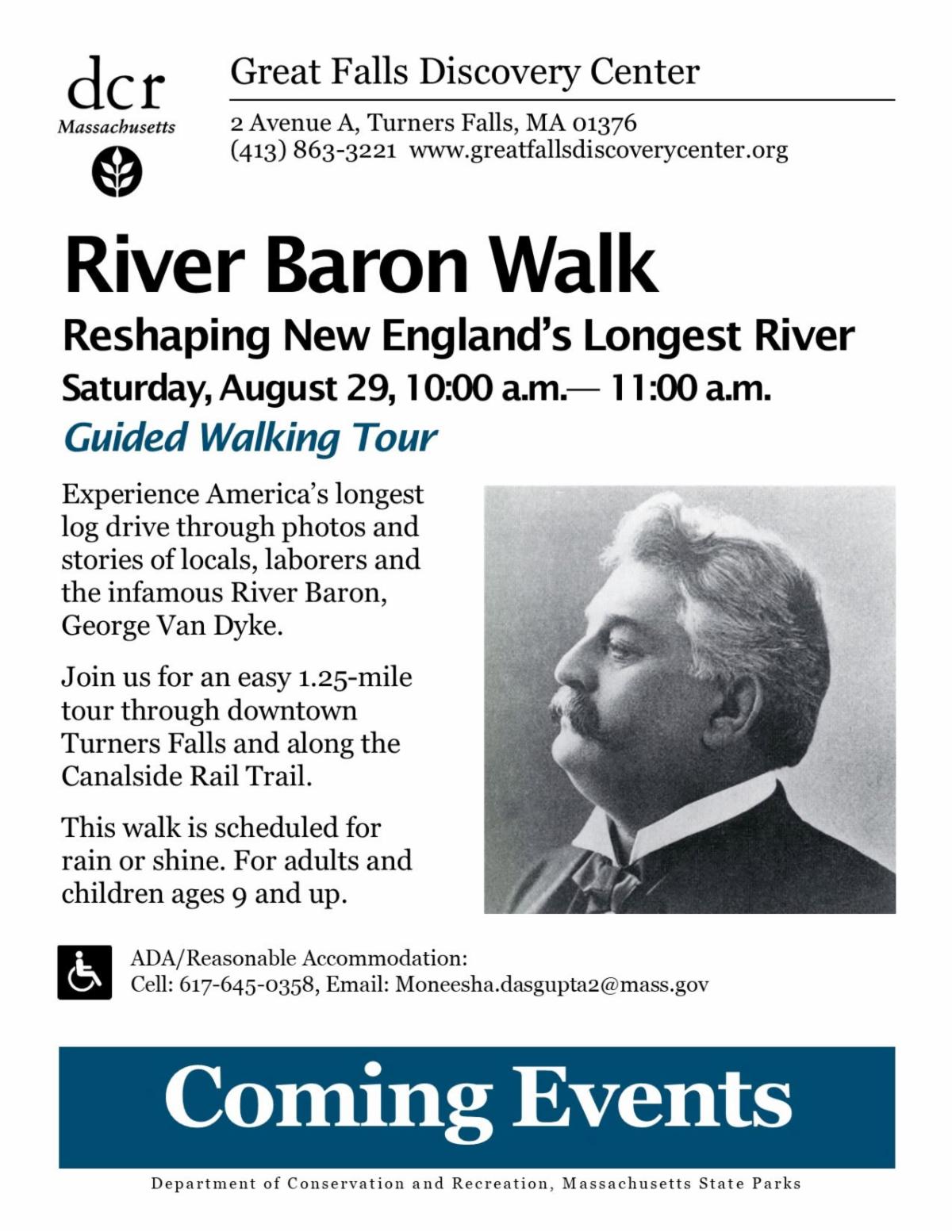
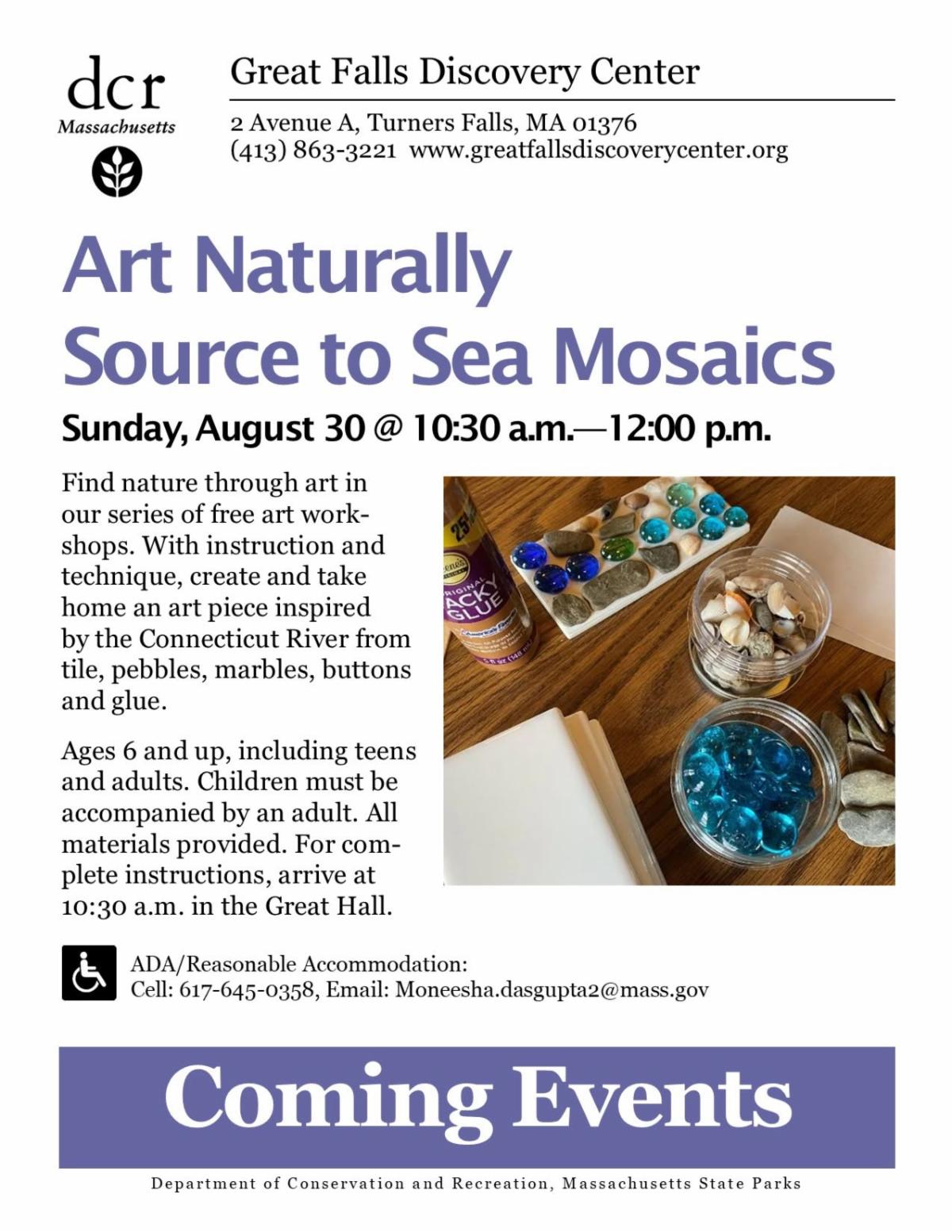
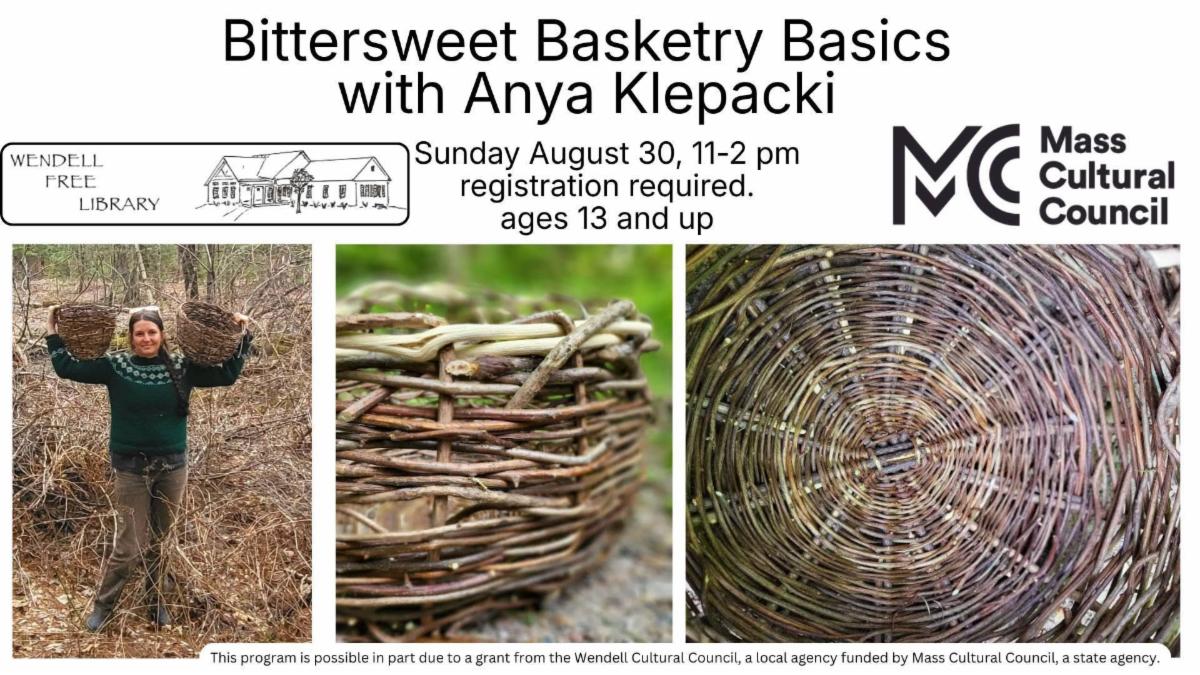
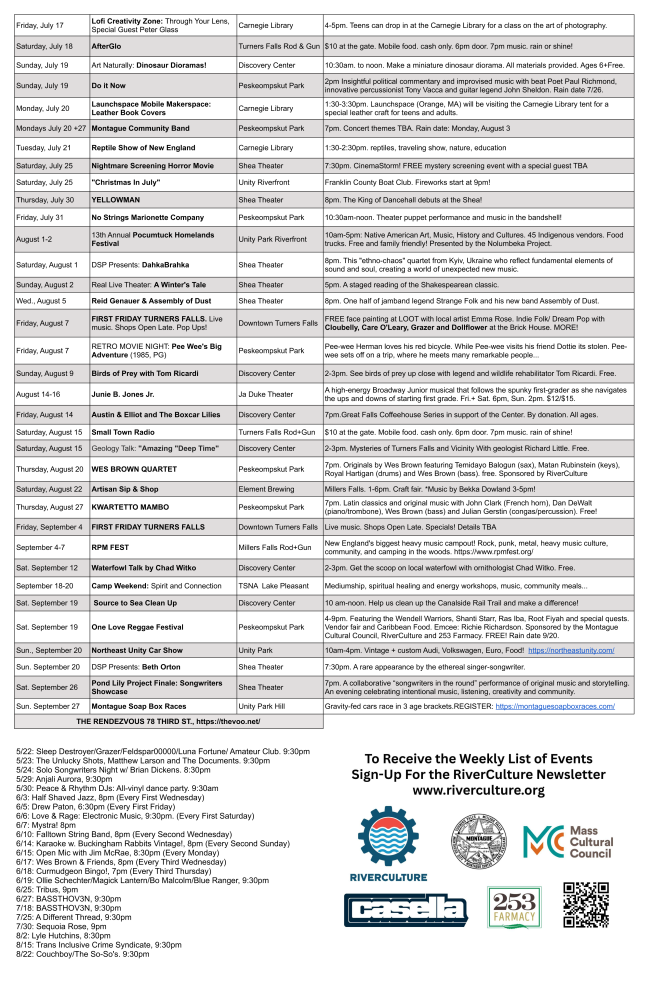
| | | Click here for Post-Opioid Overdose Outreach Services | | Time Sensitive Announcements | | August 29 River Baron Walk: Reshaping New England's Longest River | | August 29 Psychic Medium Fair | | August 29 Stone Soup Café | | August 29 When Good Feet Meet Bad Shoes... | | August 30 Source to Sea Mosaics | | August 30 Bittersweet Basketry Basics with Anya Klepacki | |
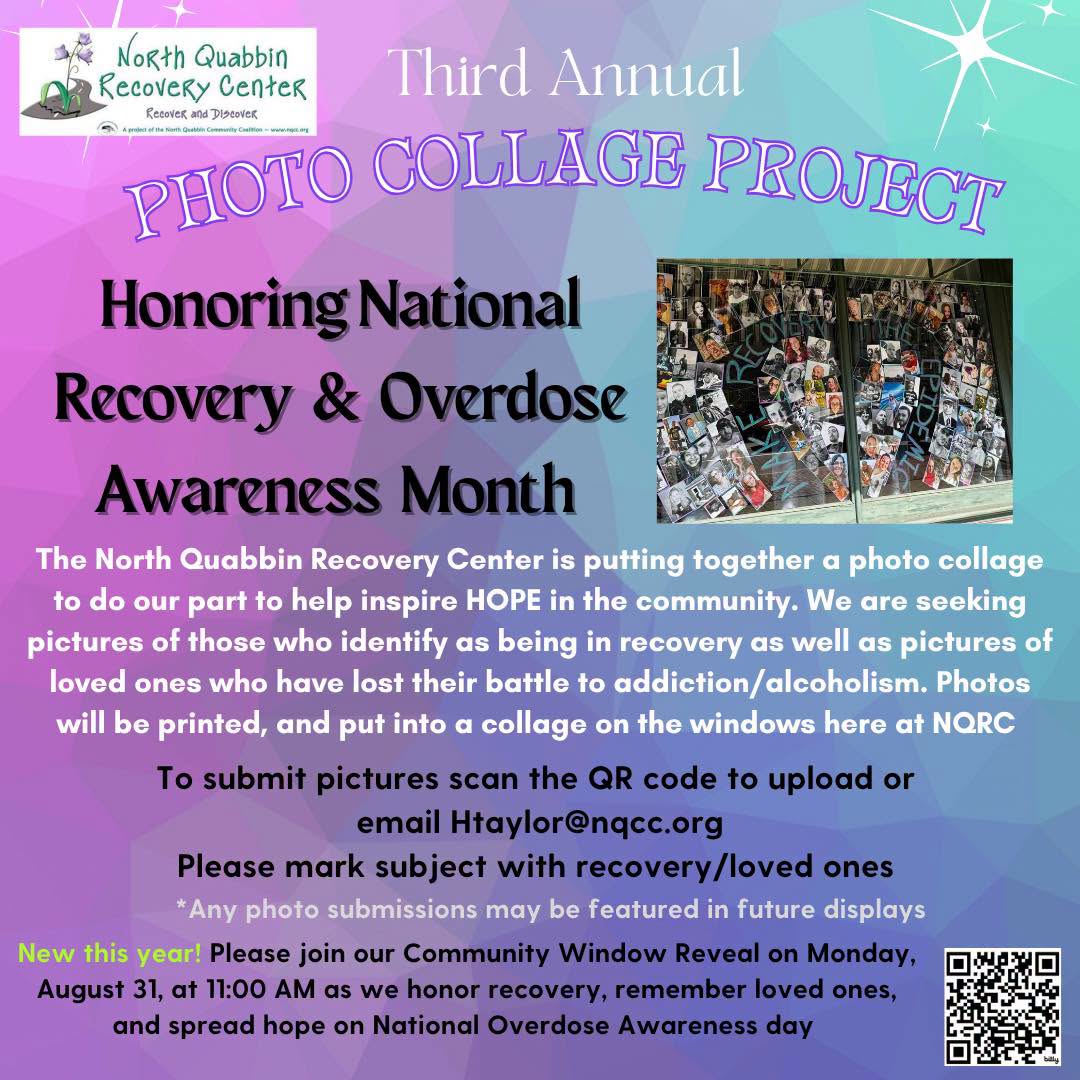
August 31 North Quabbin Recovery Center Third Annual
Photo Collage Project: Community Window Reveal
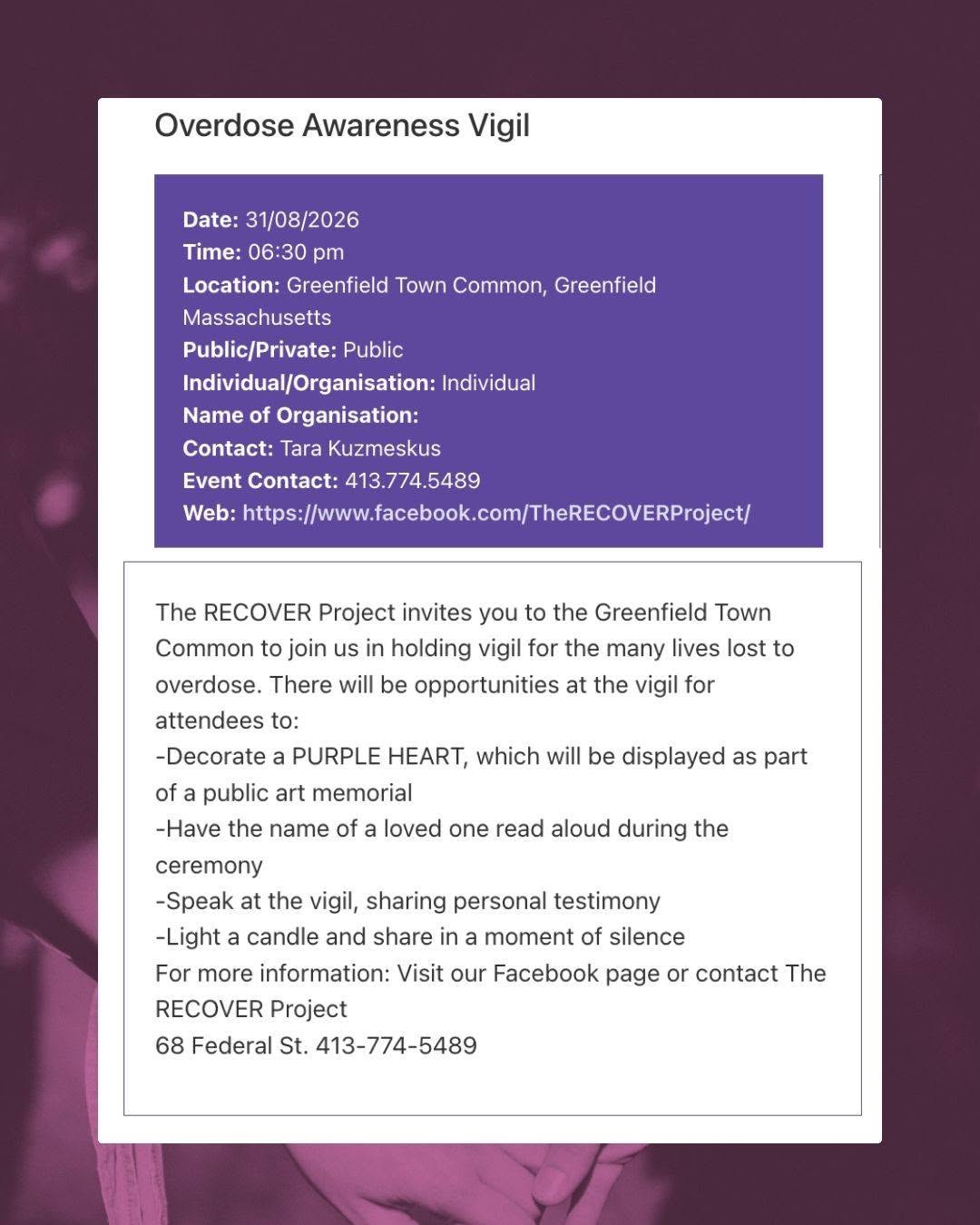
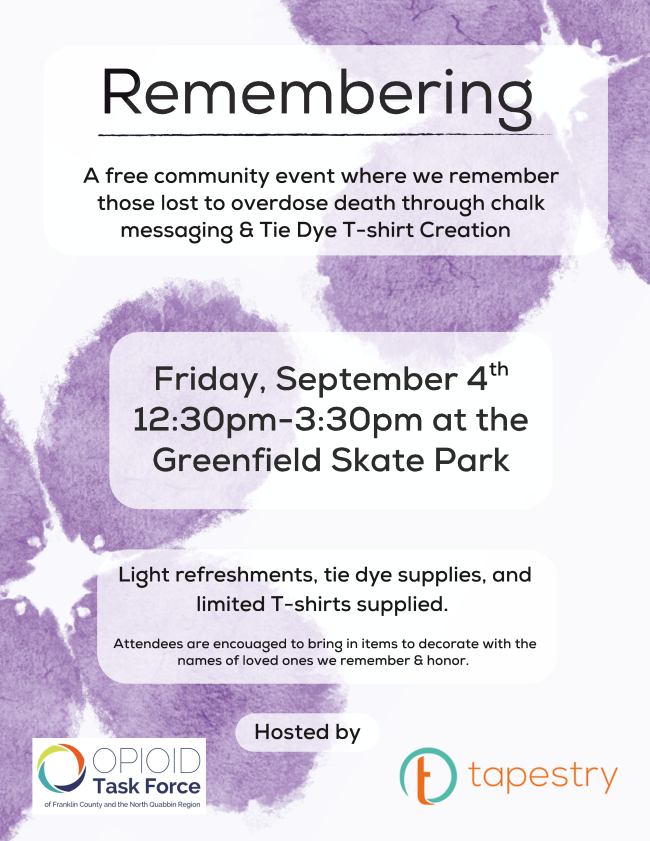
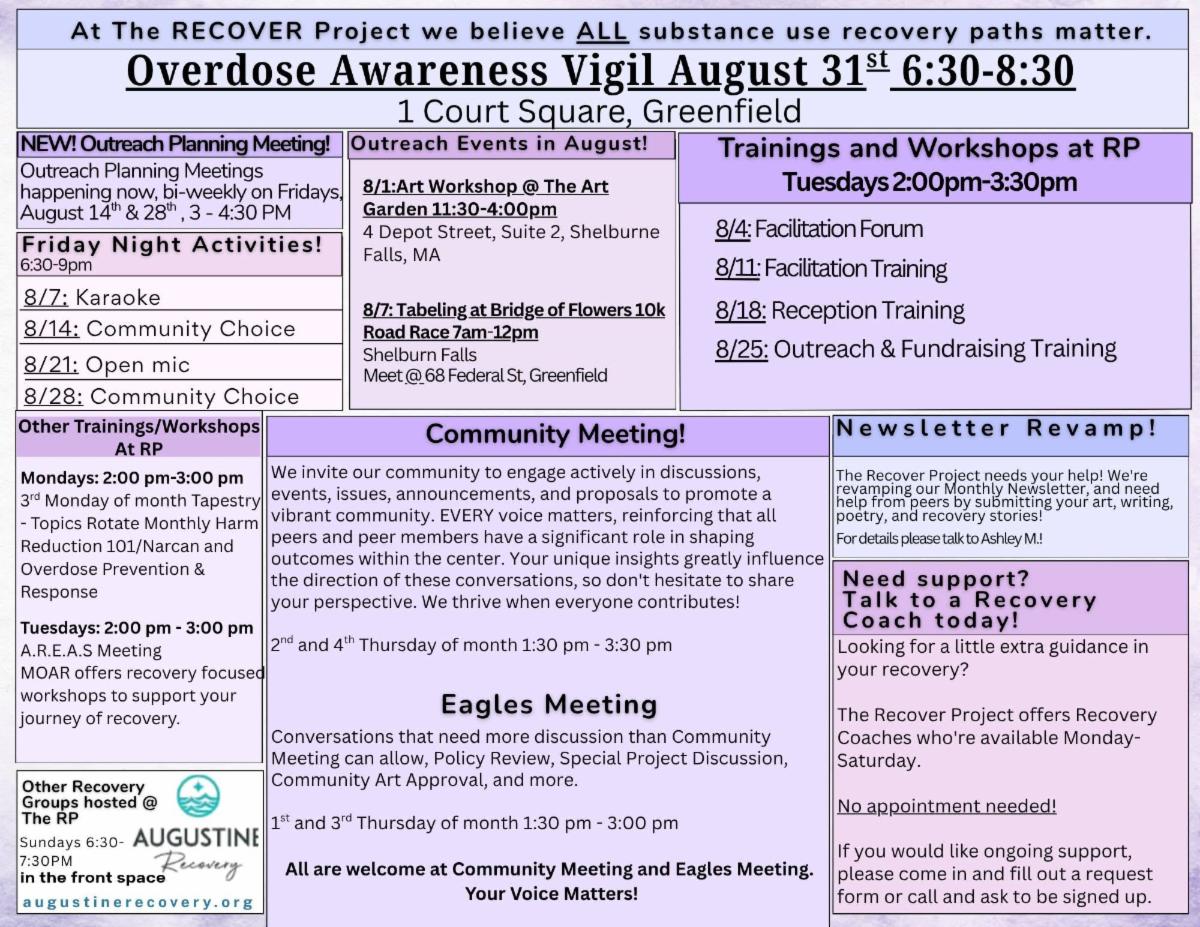
| | August 31 Overdose Awareness Vigil | | September 4 Remembering: A Free Community Event | |
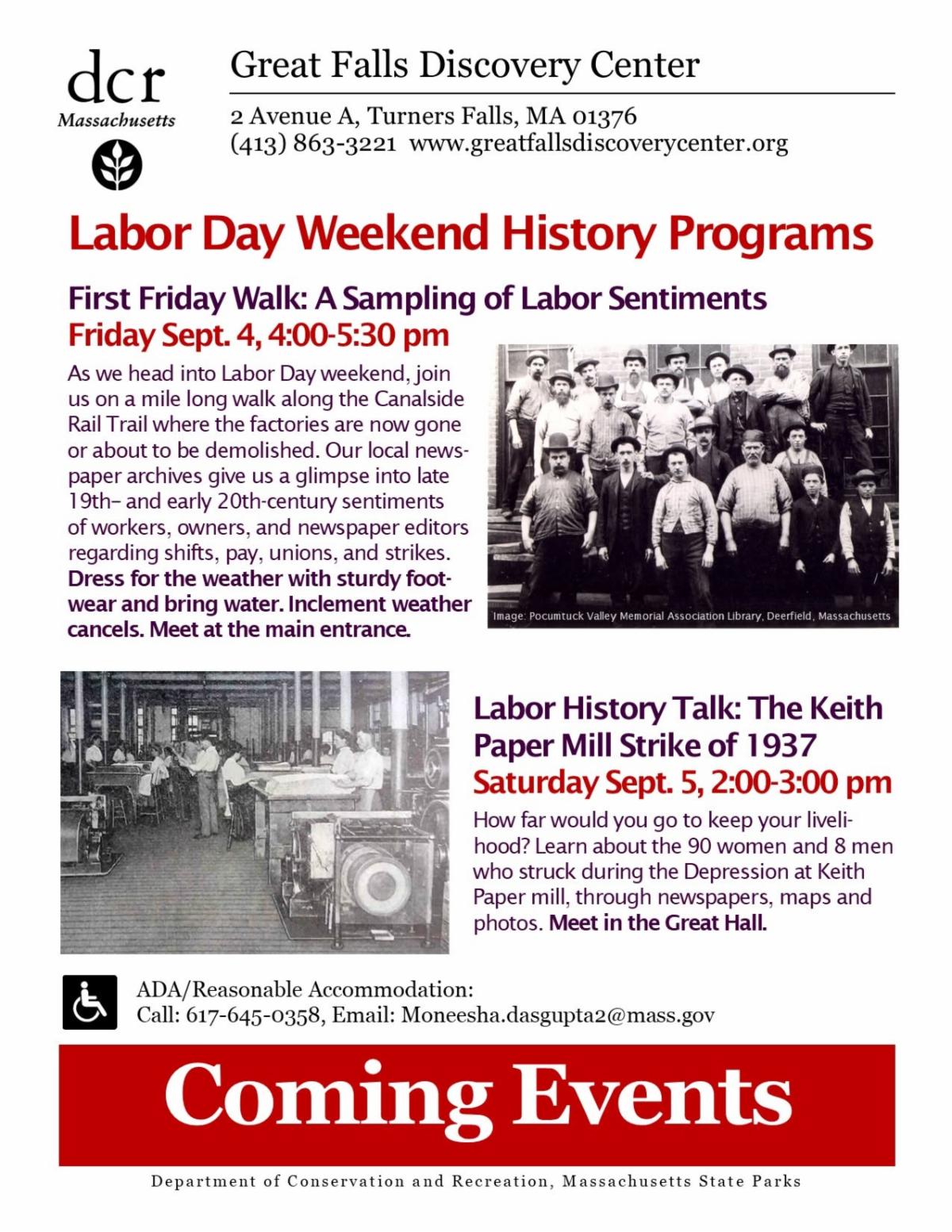
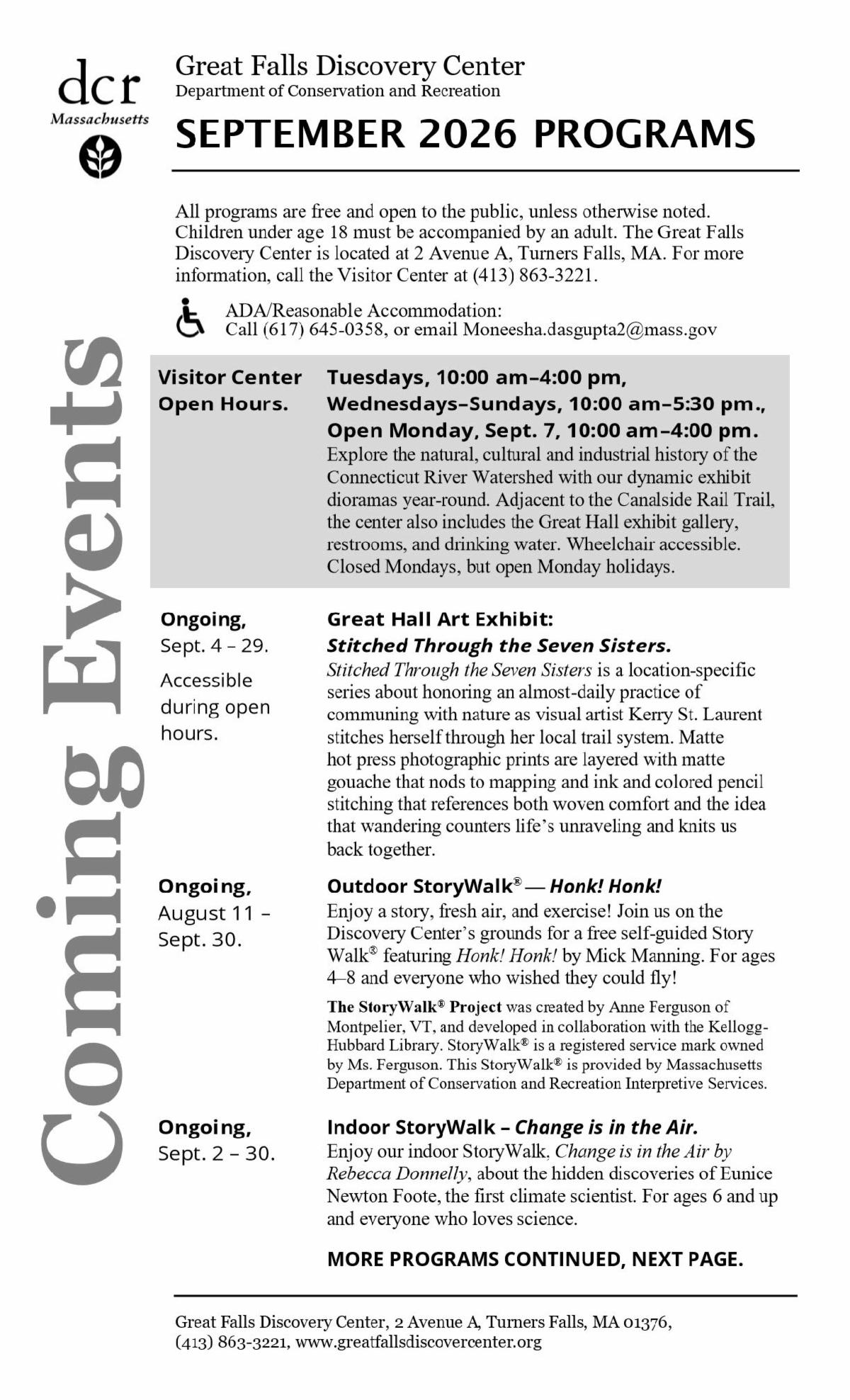
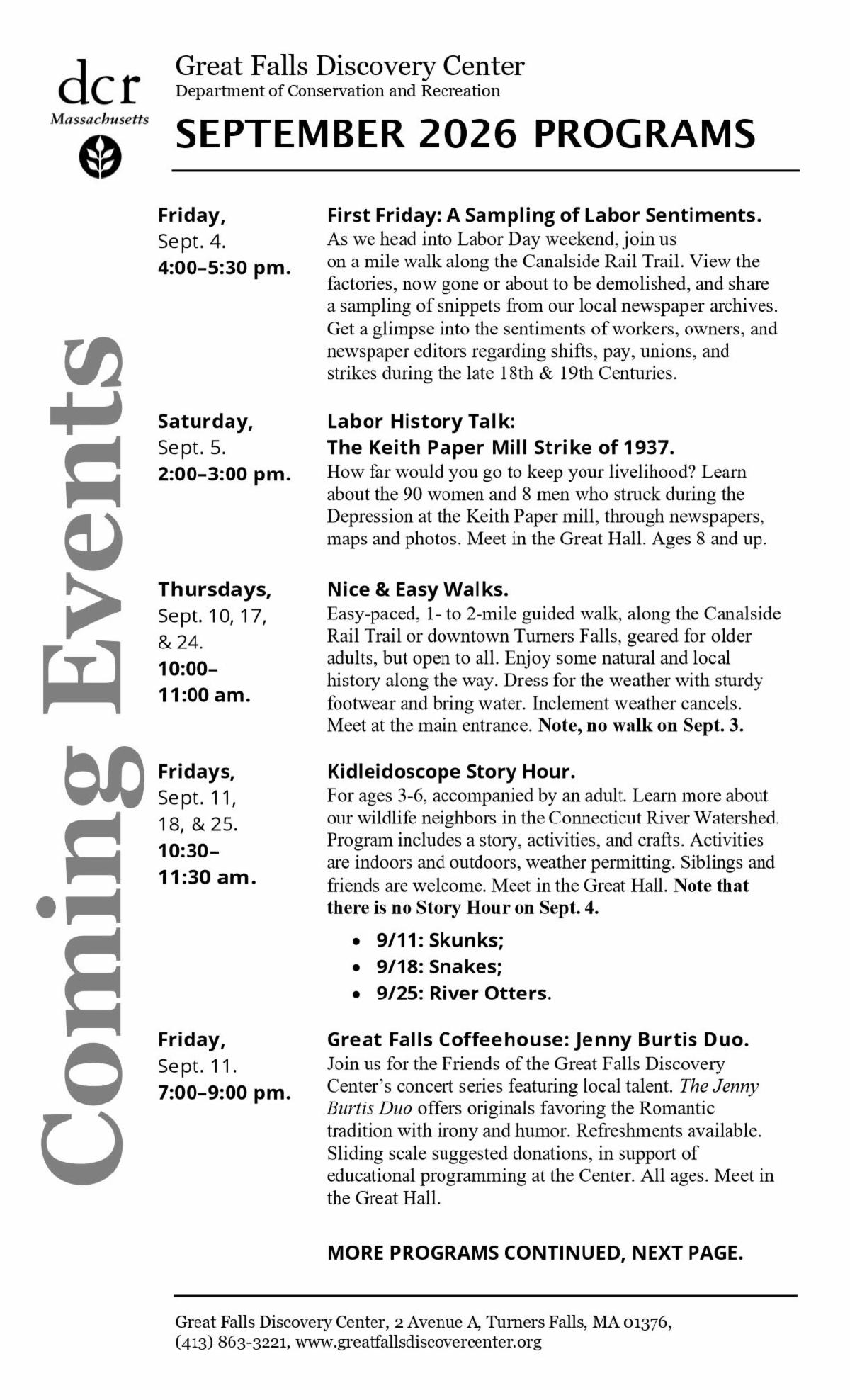
September 4 & 5 Labor Day Weekend History Programs September 4 First Friday Walk: A Sampling of Labor Sentiments September 5 Labor History Talk: The Keith Paper Mill Strike of 1937
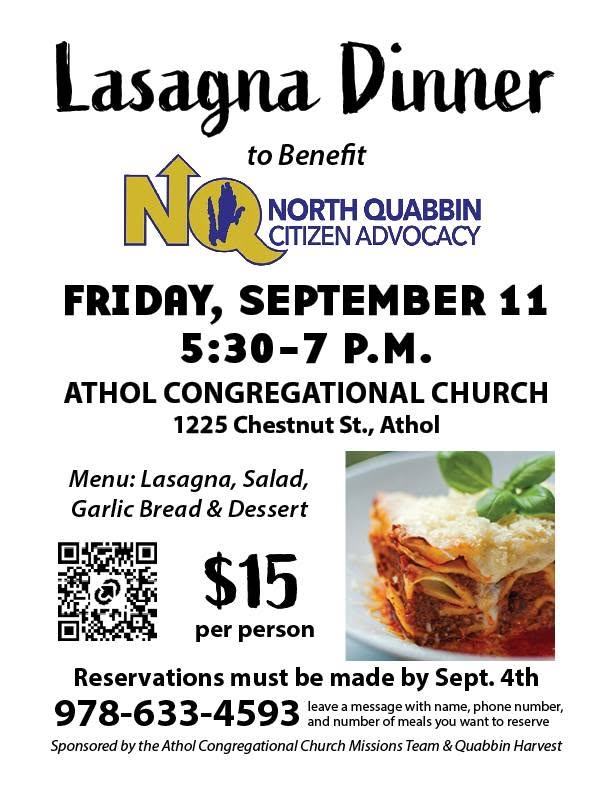
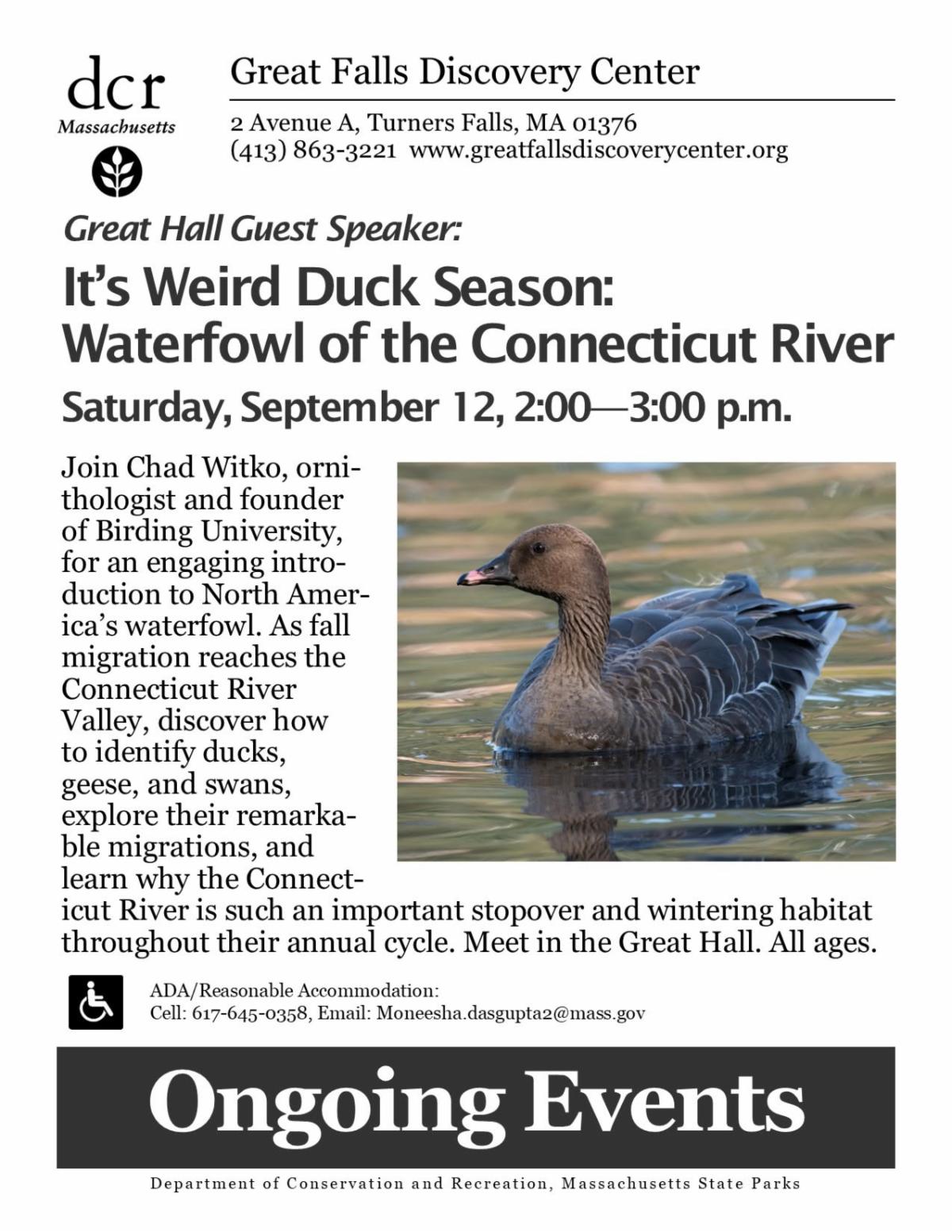
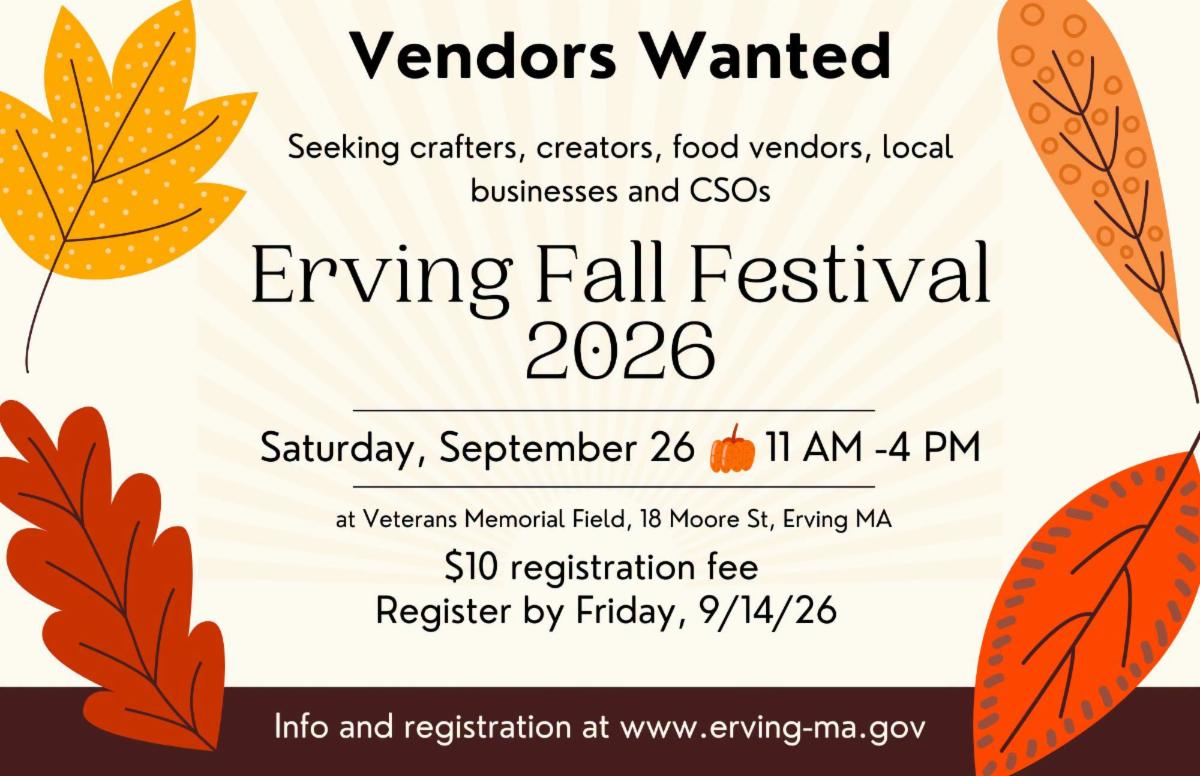
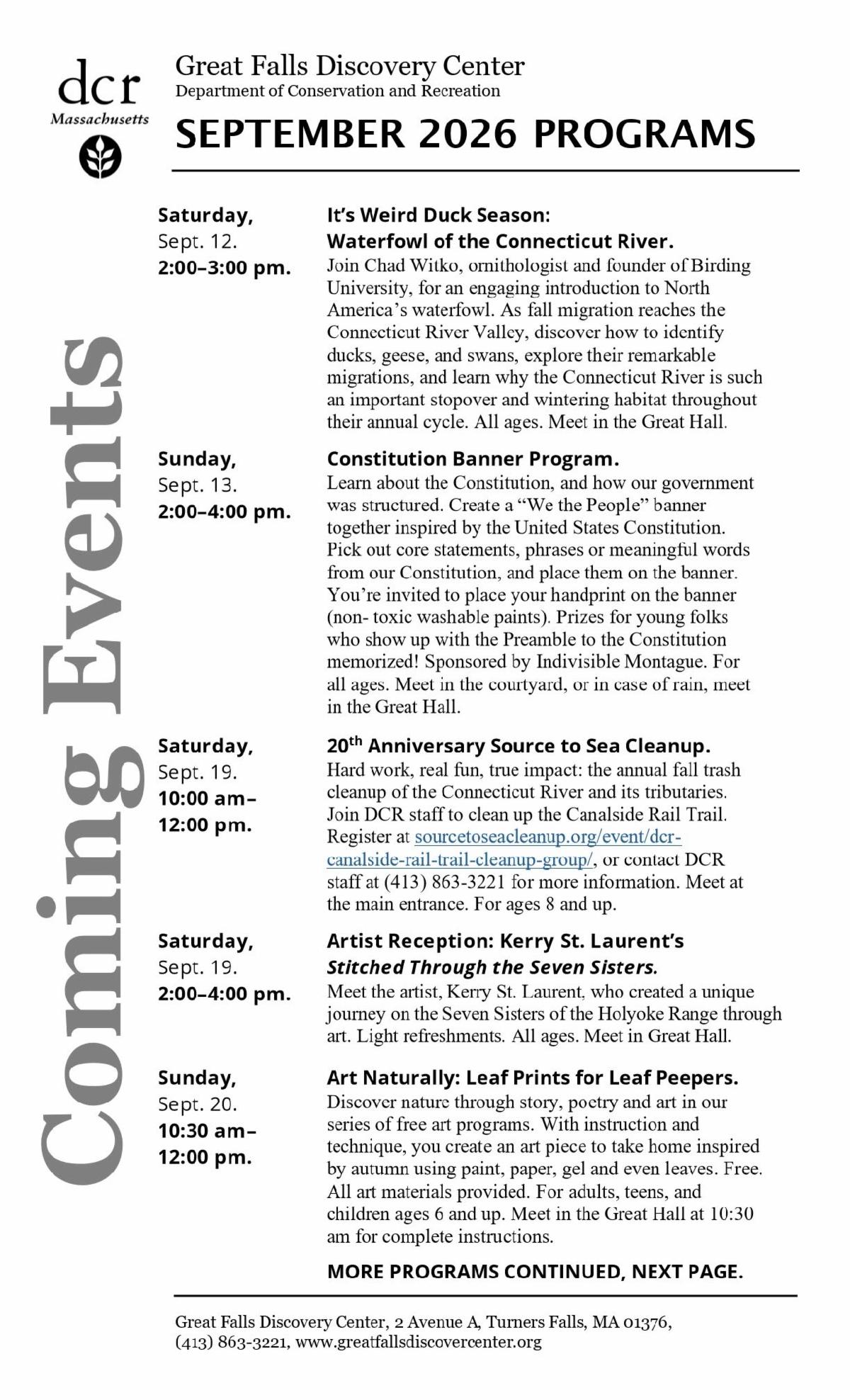
| | September 5 Ceramic Mural Ceremony | | September 9 Local Author Series: Paul Mariani | | September 11 Lasagna Dinner | | September 12 It's Weird Duck Season: Waterfowl of the Connecticut River | | September 12 The Ashfield Lighted Boat Parade | | September 14 Registration Deadline for Vendors-Erving Fall Festival | | September 15 Great Reads MA: Author Q&A with Joseph Lee | | September 16 WHWHE - Skill Up: Make a Winsert | | September 16 Candle Making Workshop | |
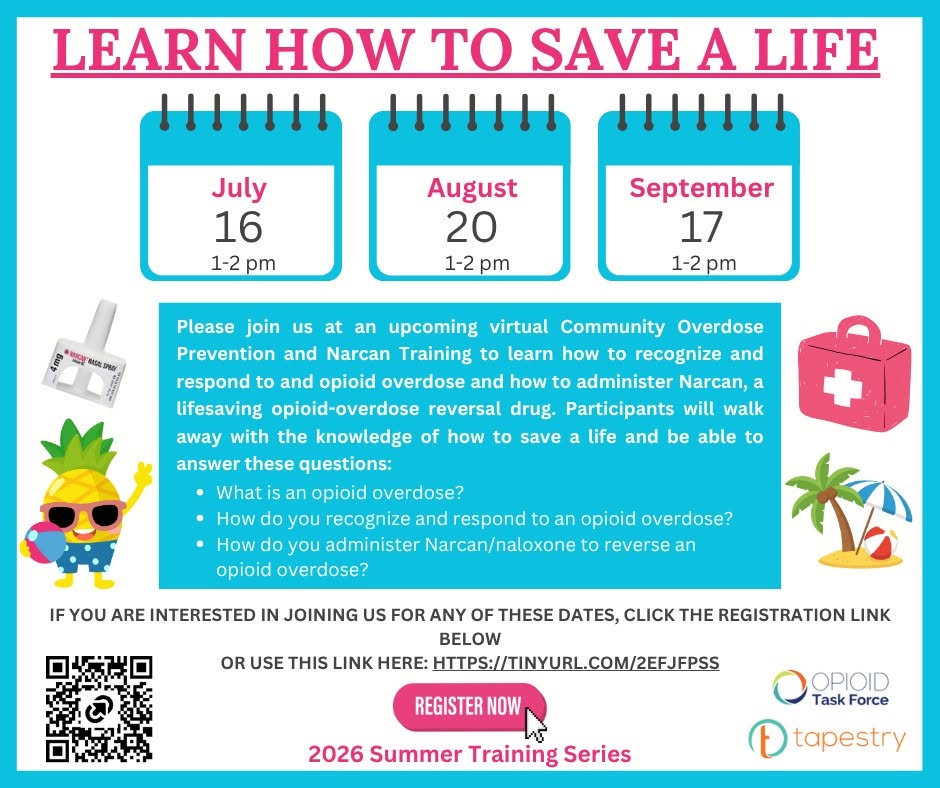
September 17 Community Overdose Prevention and Narcan Training Register here
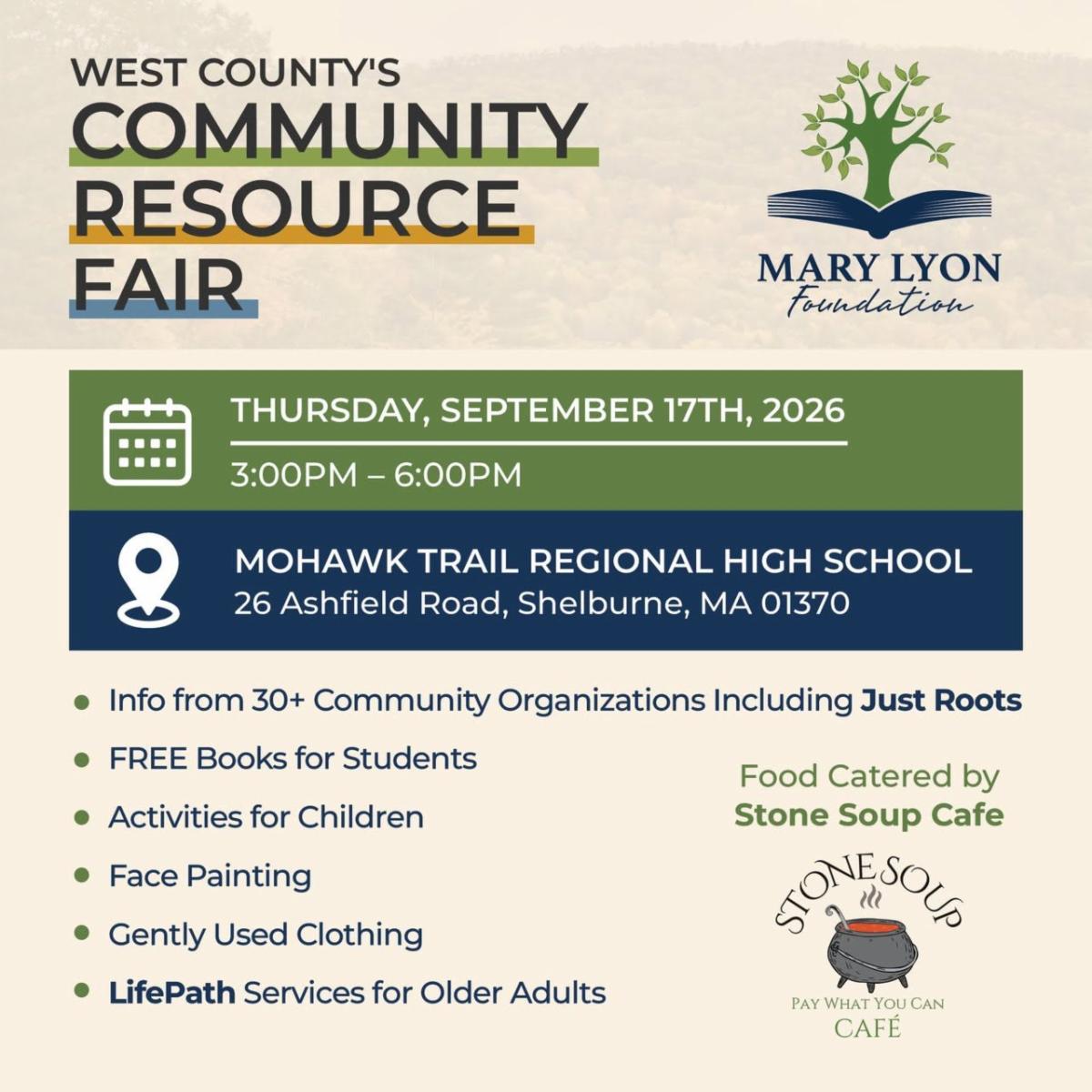
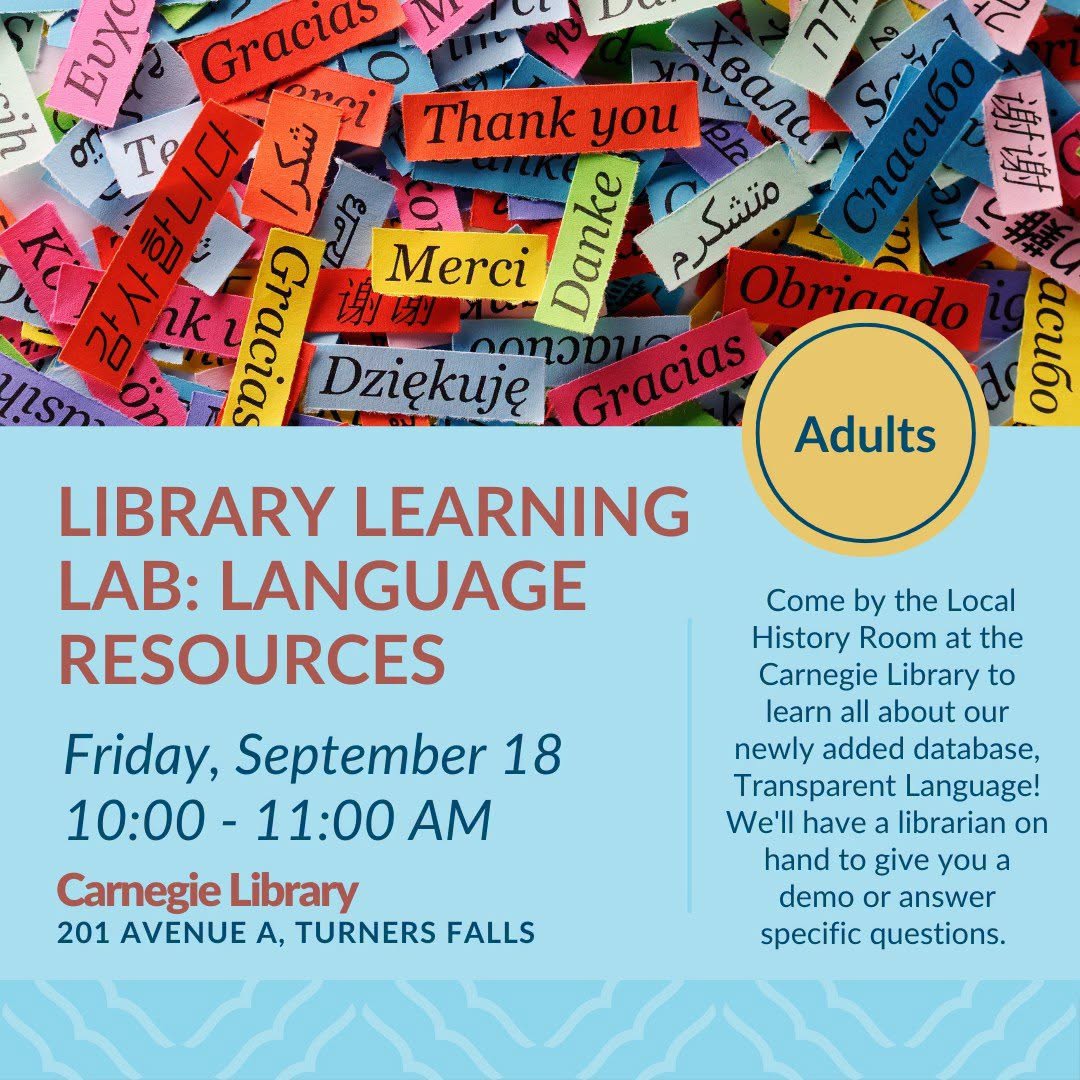
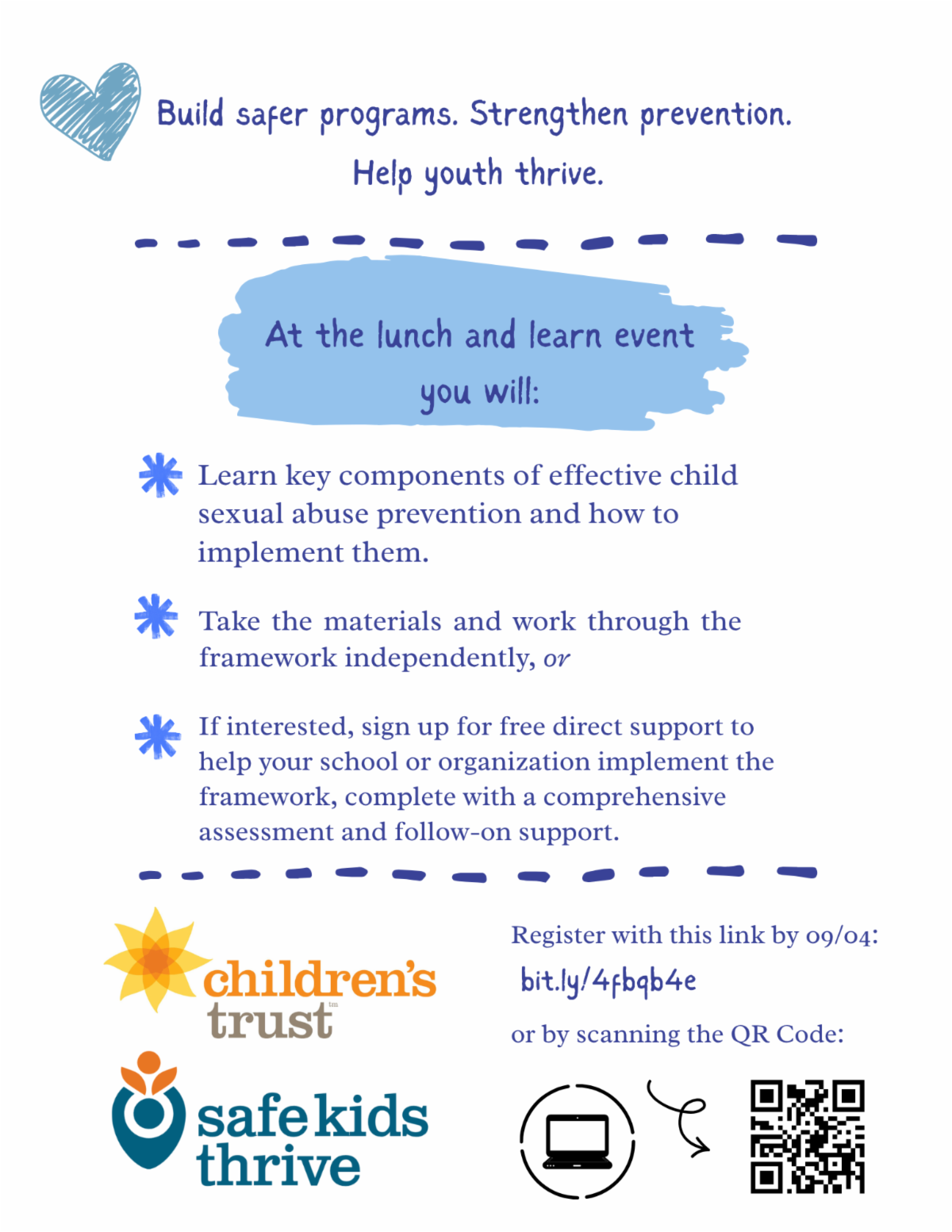
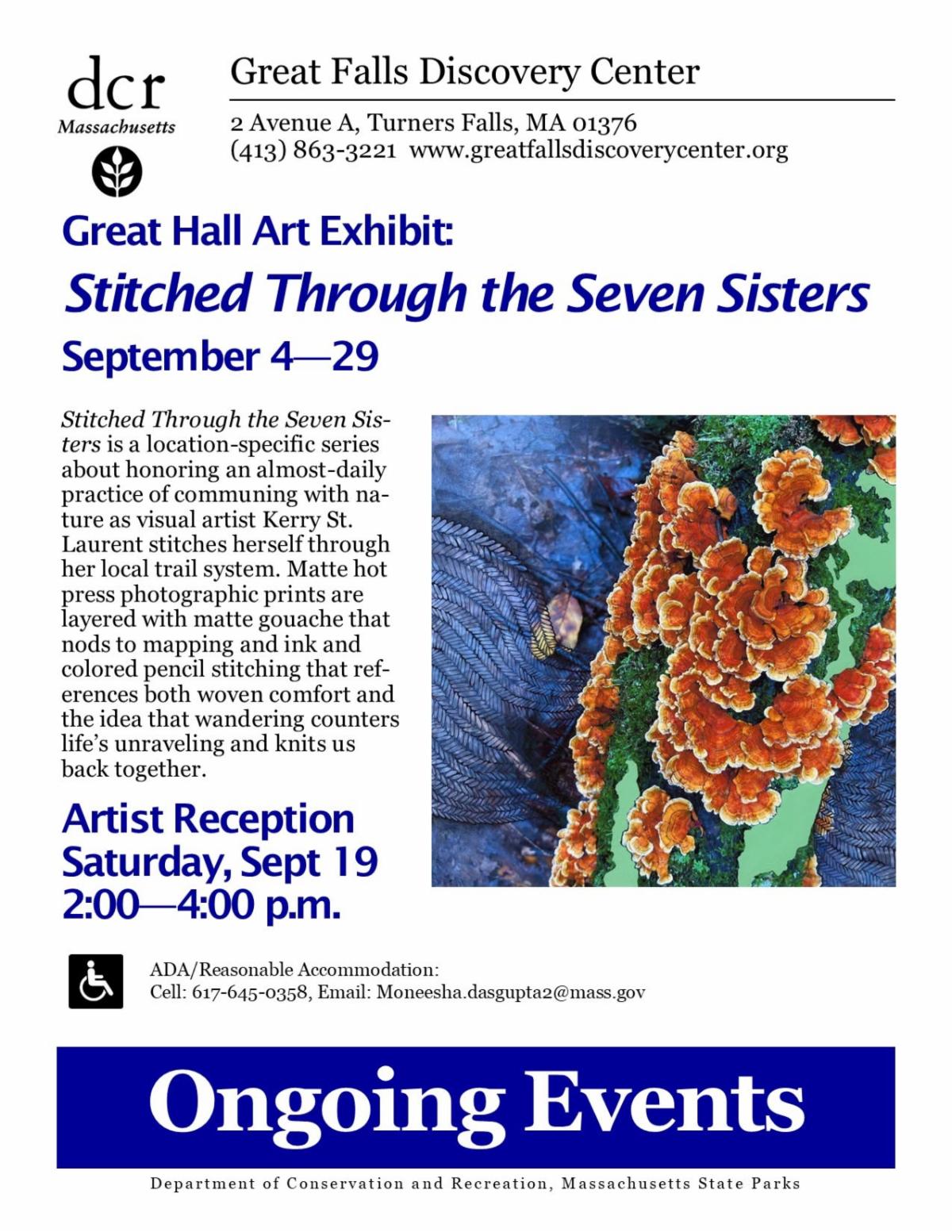
| | September 17 West County's Community Resource Fair | | September 18 Library Learning Lab: Language Resources | | September 18 "Safe Kids Thrive" Lunch and Learn Event | | September 19 Stitched Through the Seven Sisters: Artist Reception | | September 19 One Love Reggae Festival | |
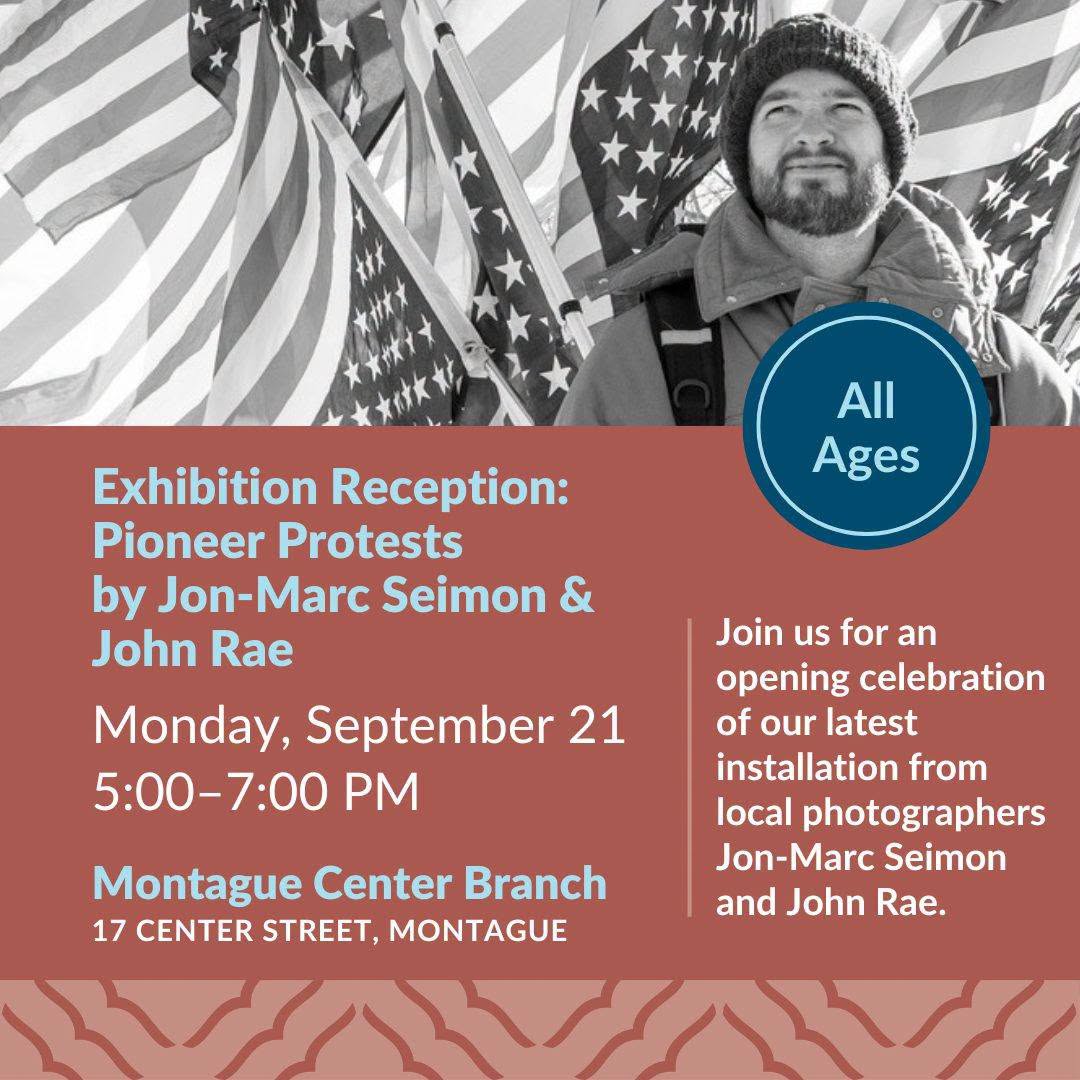
September 21 Exhibition Reception: Pioneer Protests
by Jon-Marc Seimon and John Rae
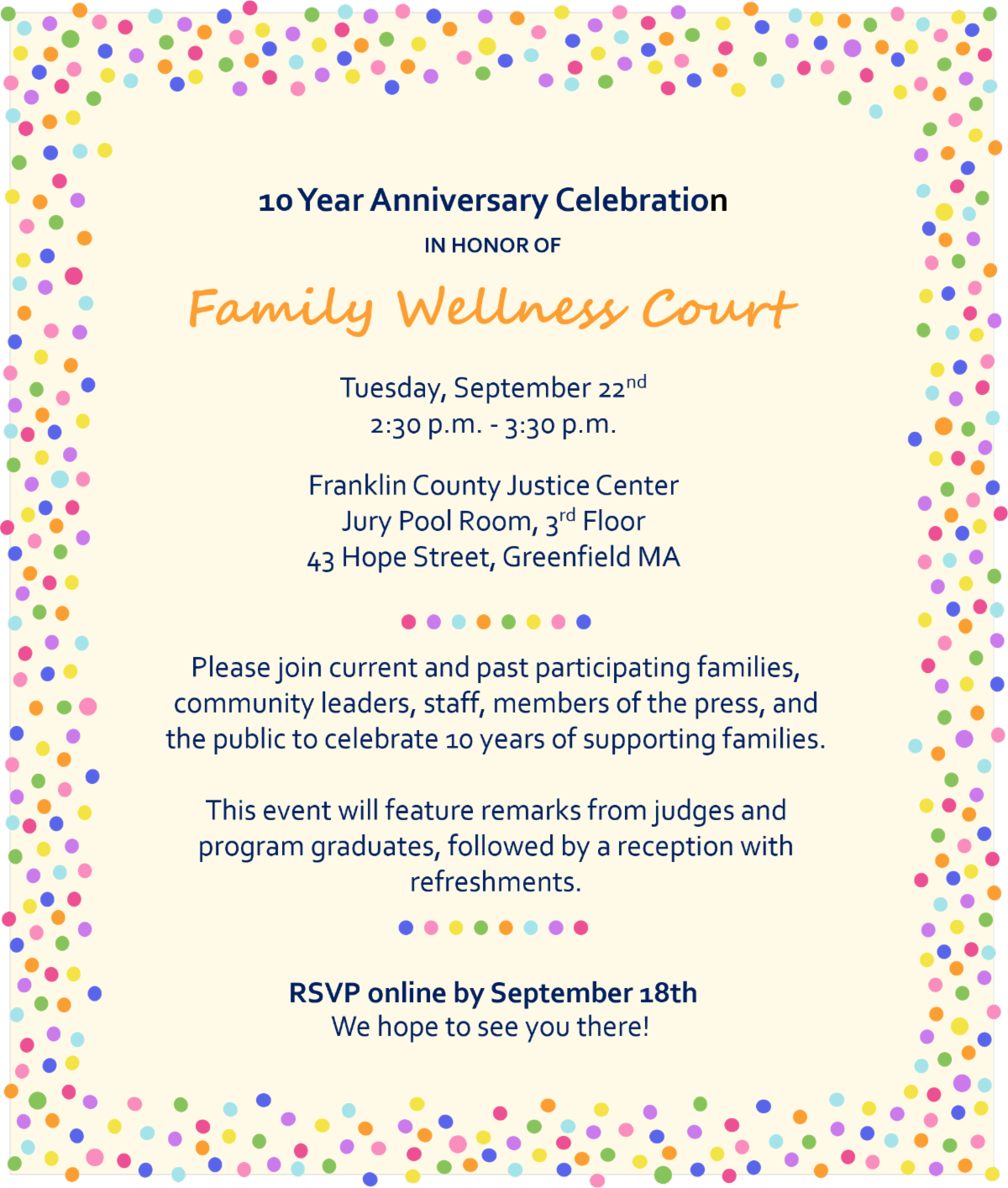
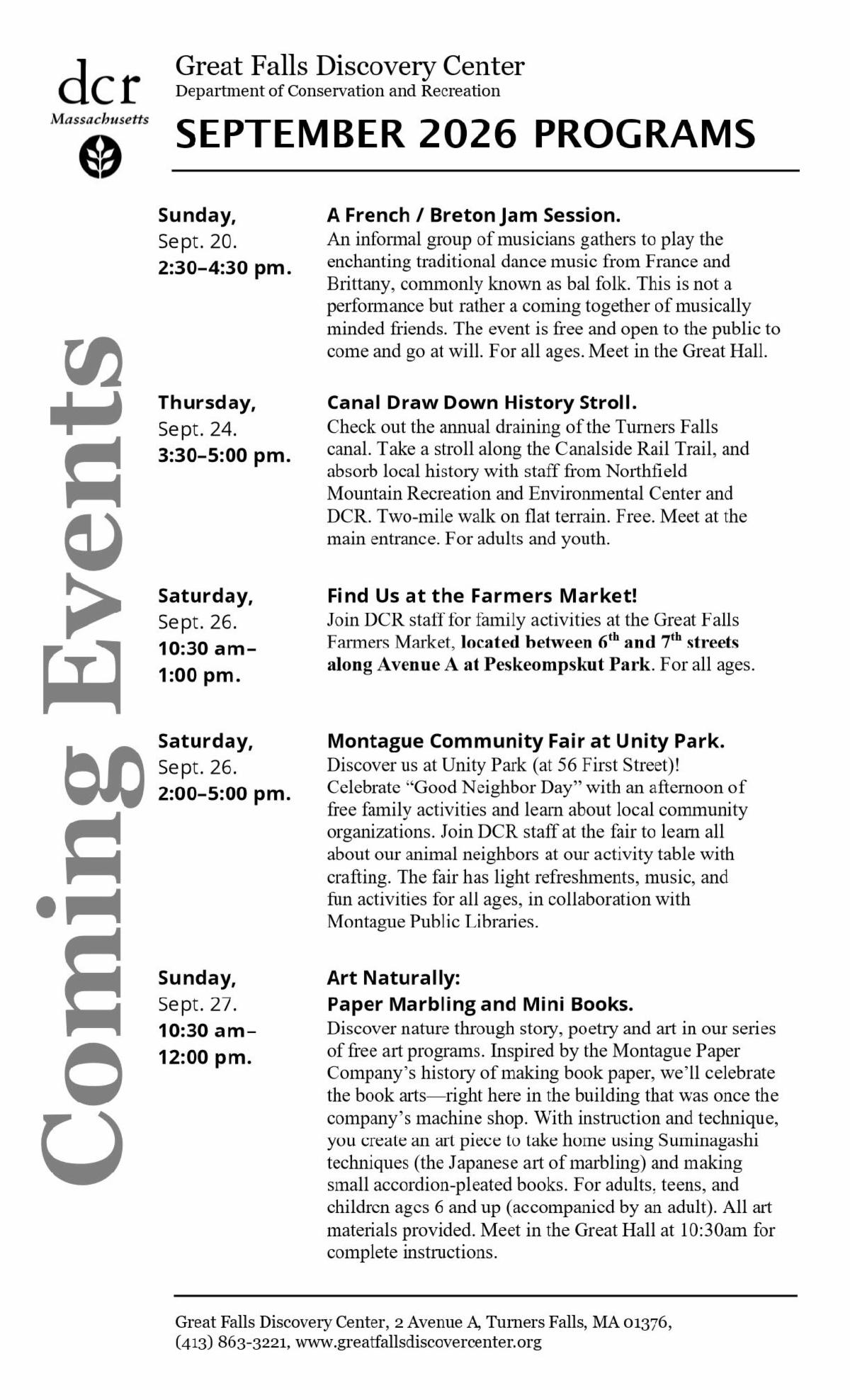
| | September 22 Family Wellness Court 10 Year Anniversary Celebration | | September 25-27 FC/NQ Good Neighbor Day | | September 26 Montague Community Fair | |
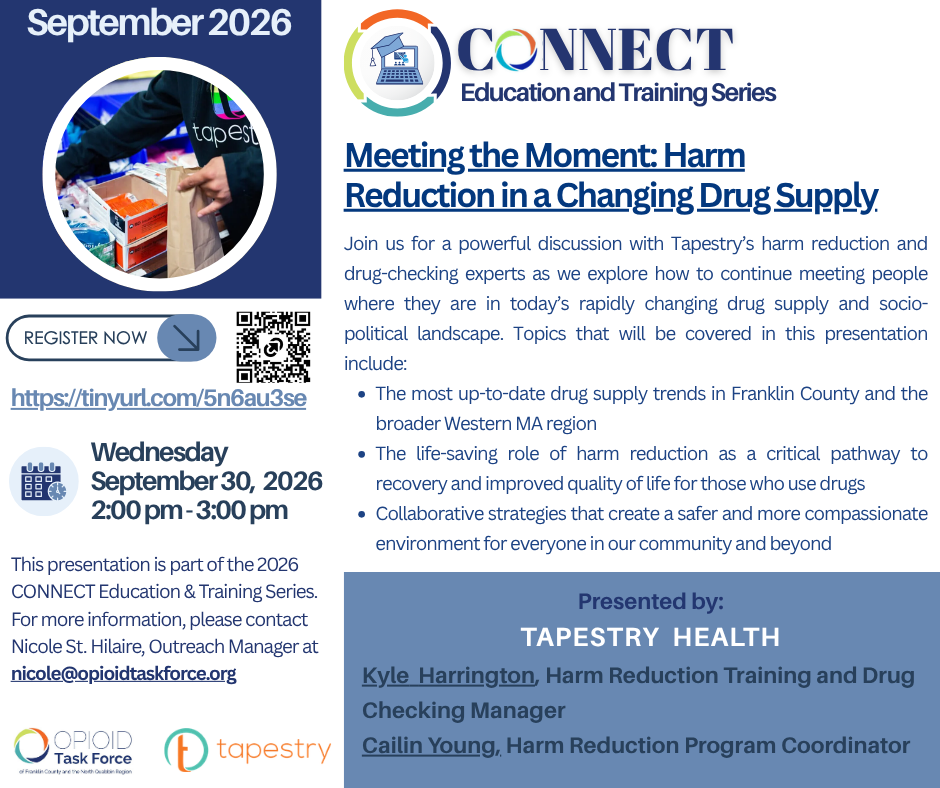
September 30 Meeting the Moment: Harm Reduction in a Changing Drug Supply
Register Here
| | |
| |
MONTHLY WORKSHOP CALENDARS AND
WEEKLY STANDING MEETINGS/EVENTS
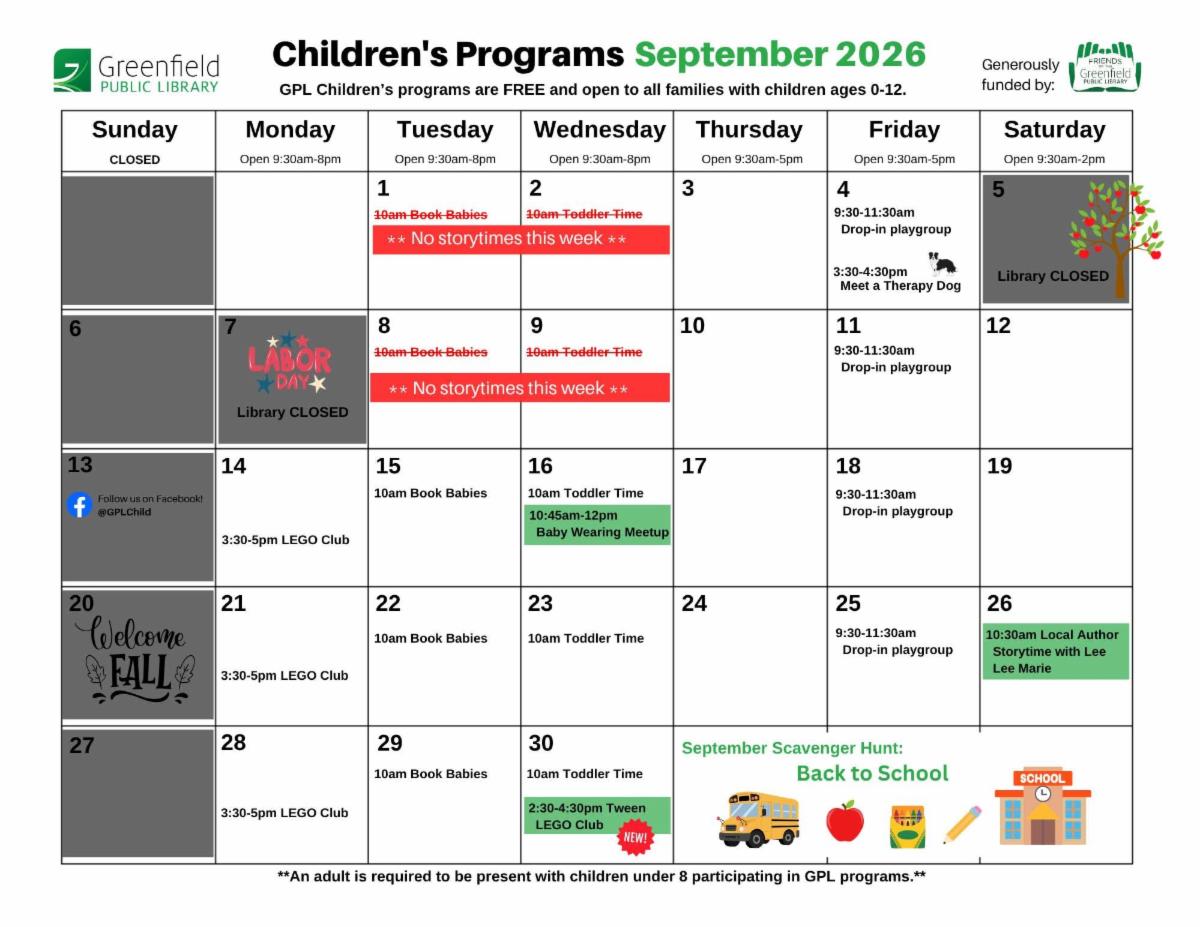
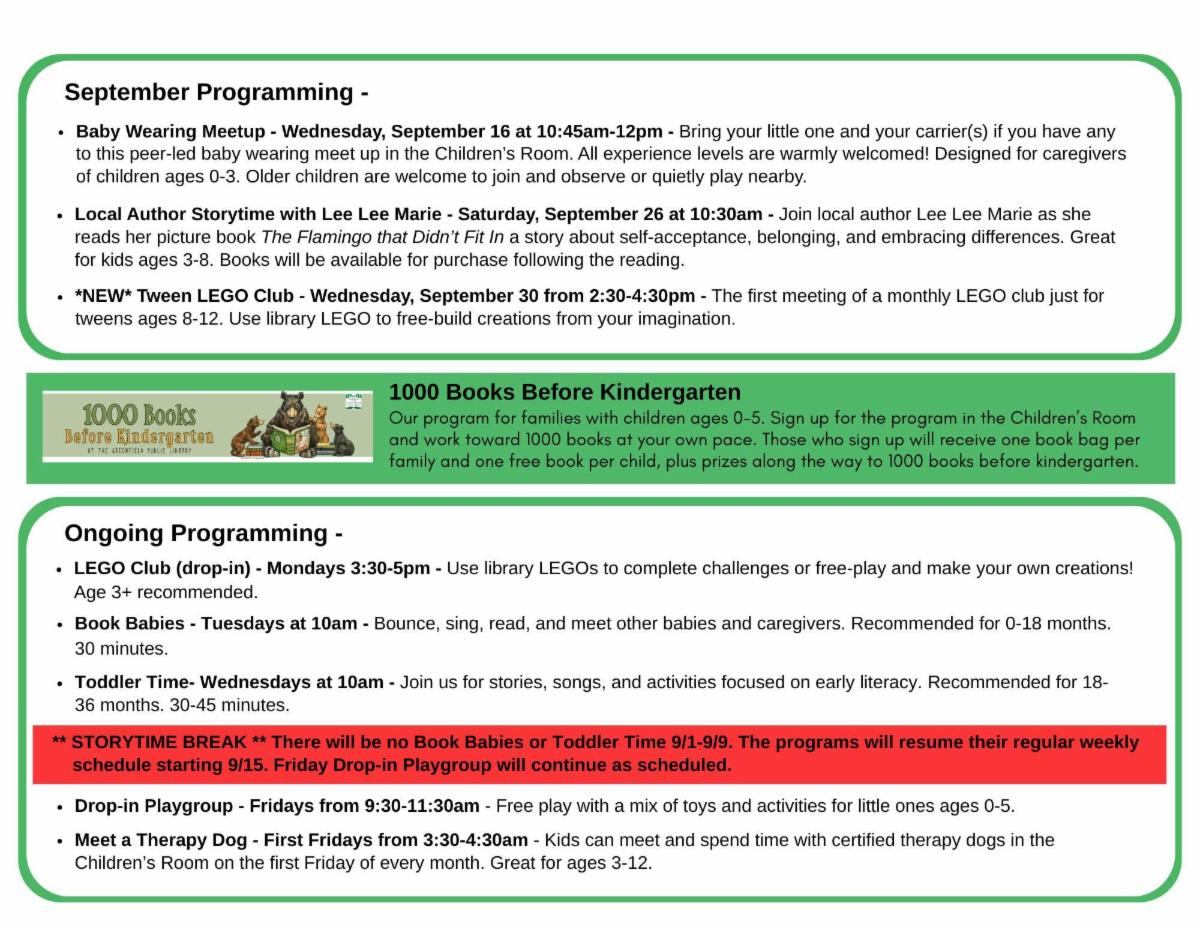
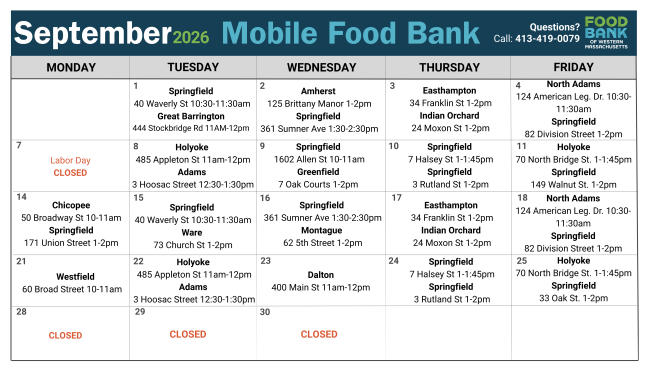
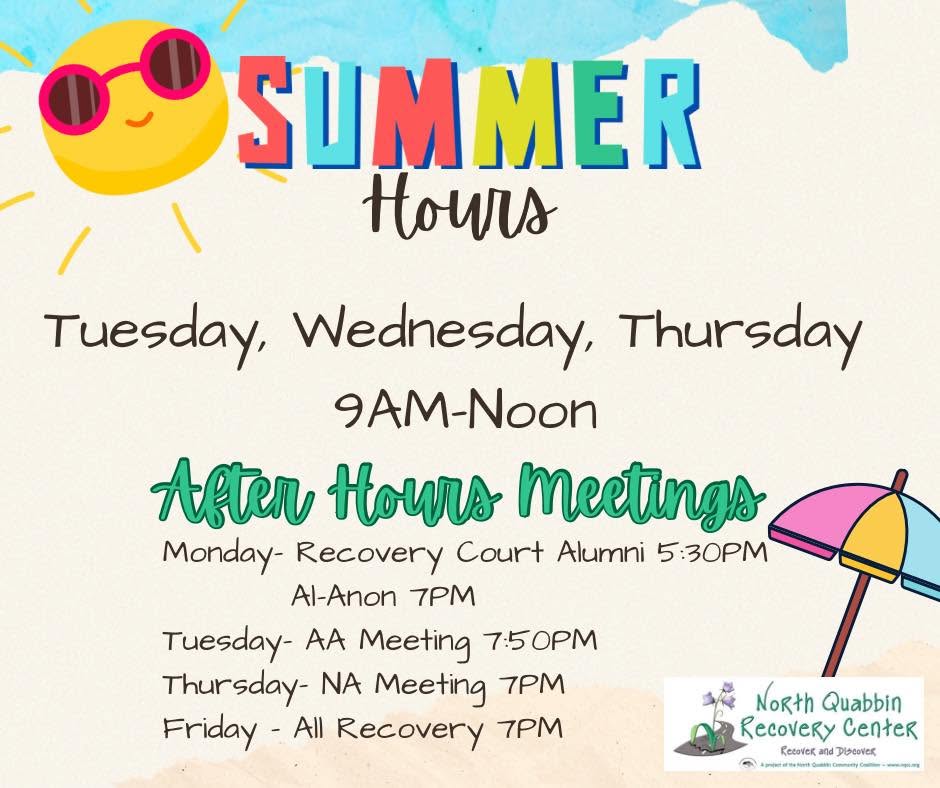
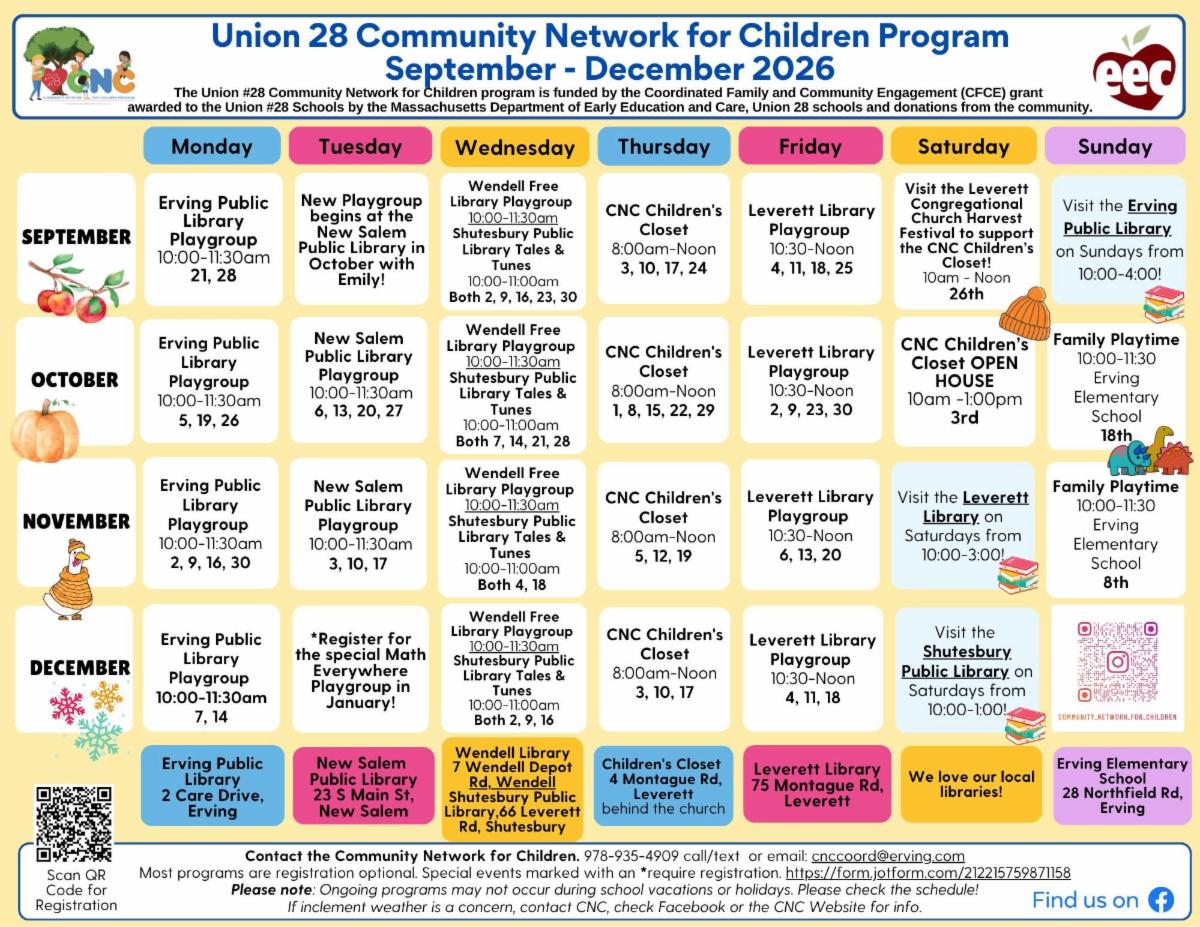
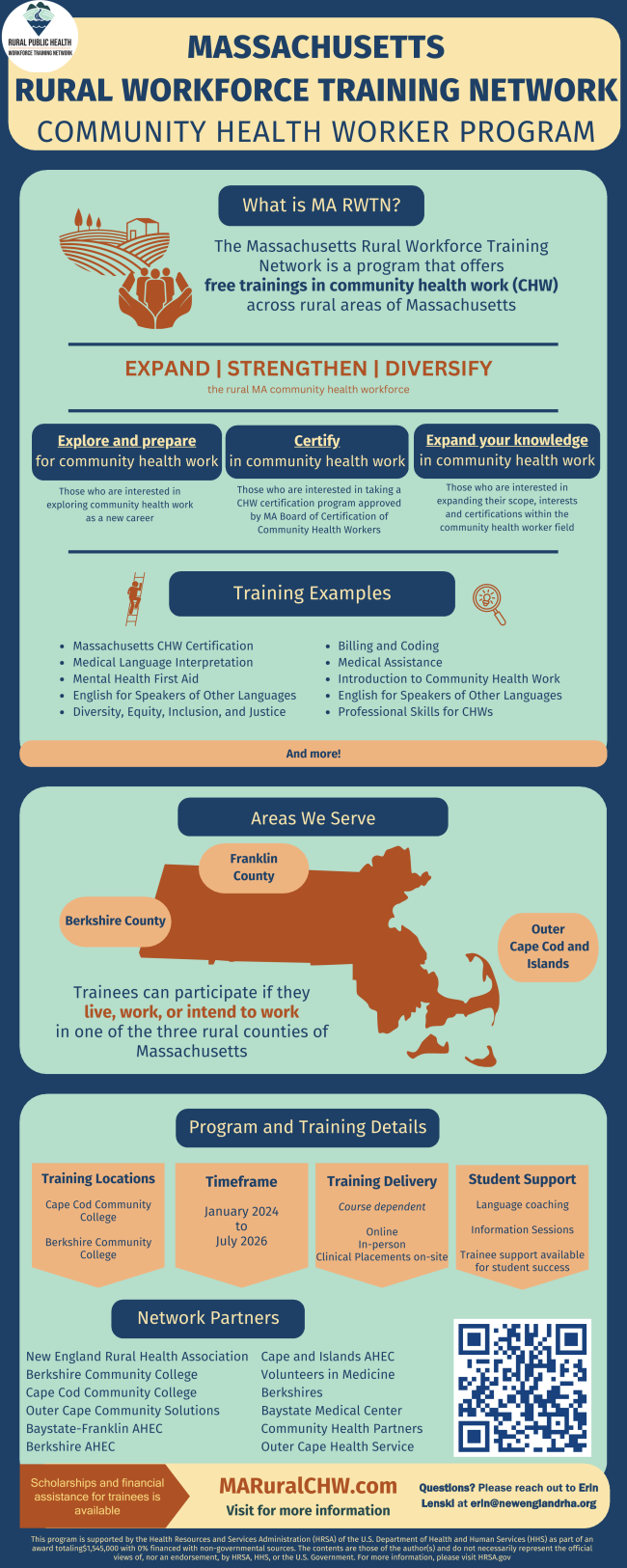
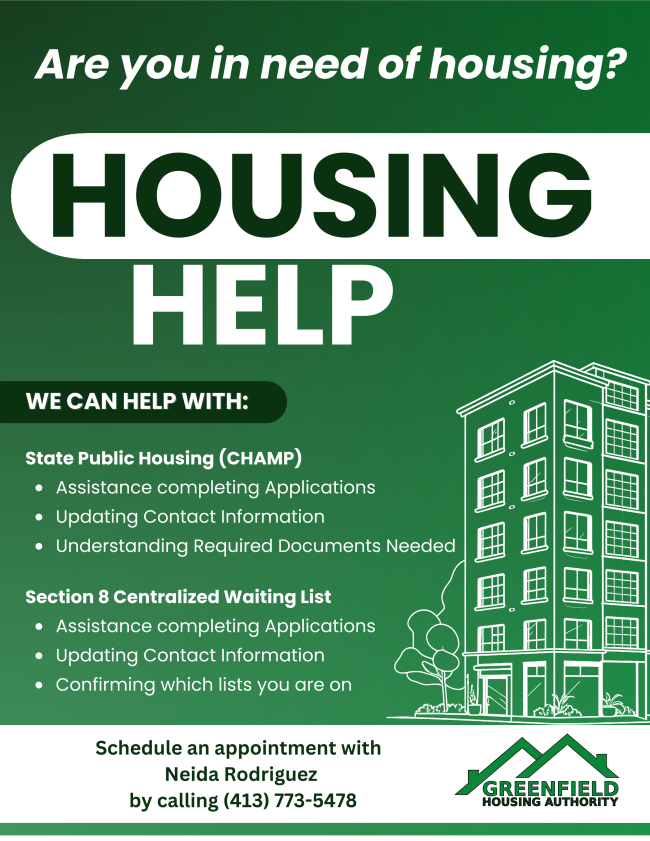
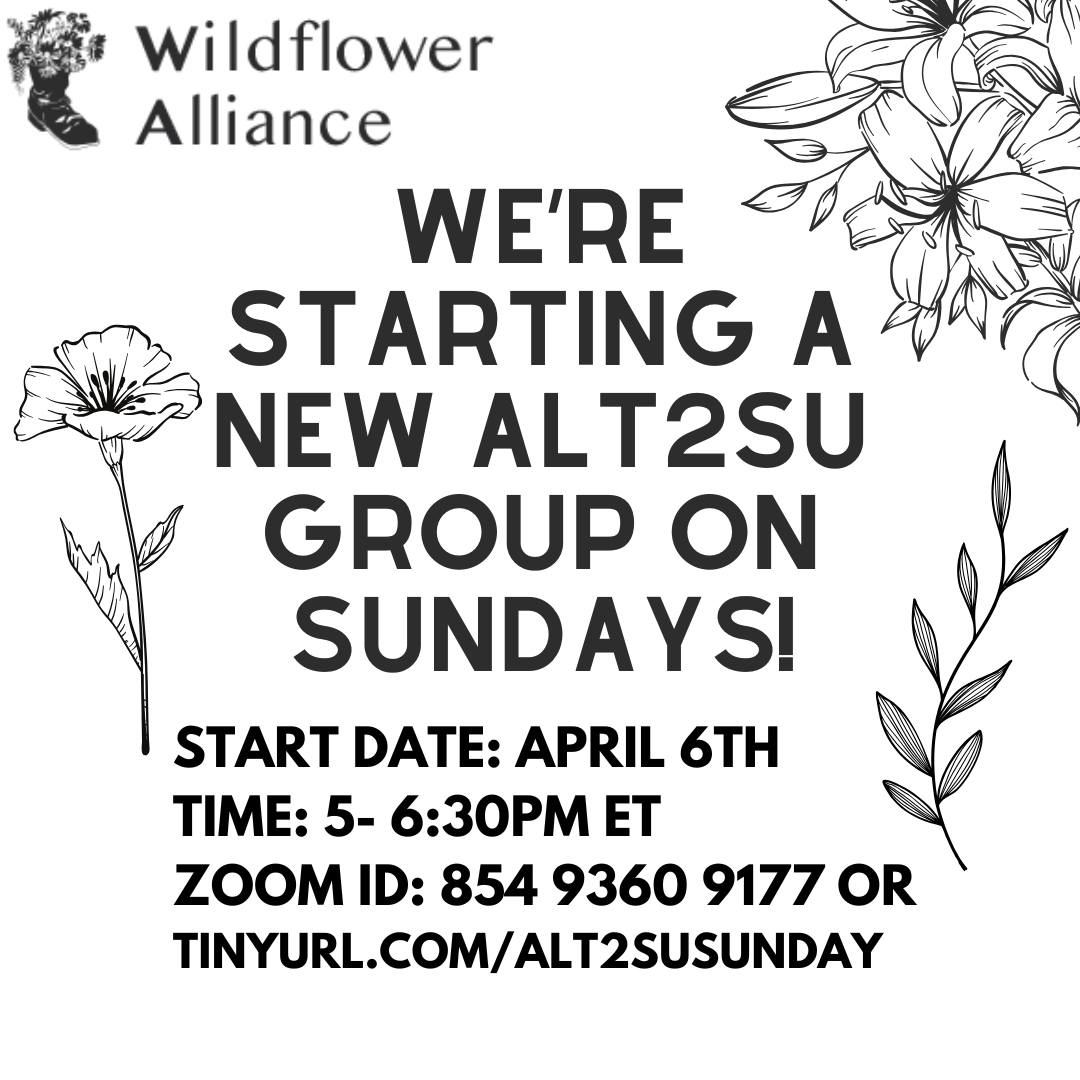
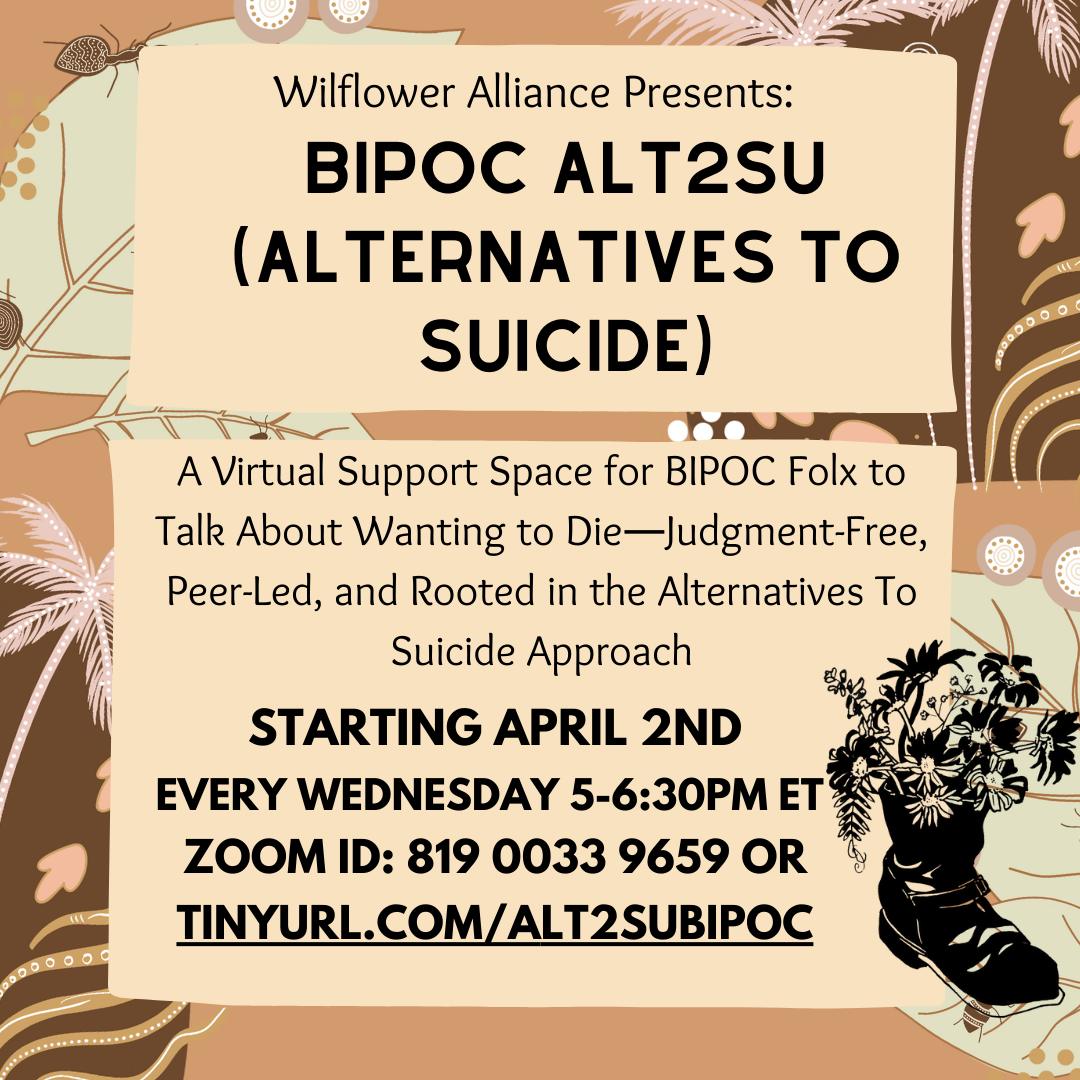
| | Great Falls Discovery Center | | Greenfield Public Library | | Hilltown Youth Recovery Theatre | | Mobile Food Bank Distribution Sites | | North Quabbin Recovery Center | | Union 28 Community Network for Children Program | | Explore the Value in Hosting a Community HealthWorker Intern | | Housing Help With Greenfield Housing Authority | | SNAP Application Assistance | | Always Open! Community Labyrinth in Greenfield | | What's Happening at The NQRC | | Sundays ALT2SU (Alternatives to Suicide) | | |
Monday/Wednesday/Friday
The Community Closet at The Franklin County Reentry Center
| |
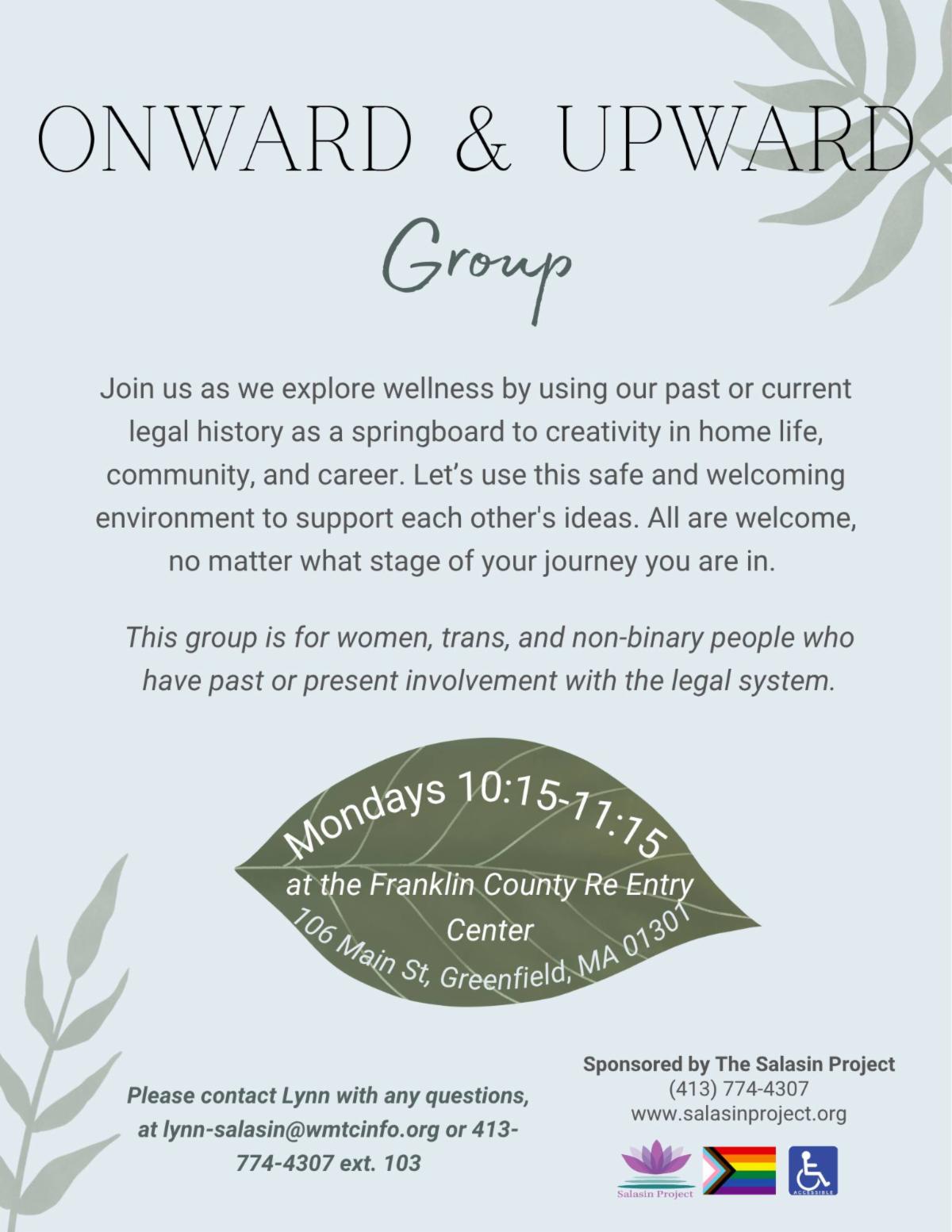
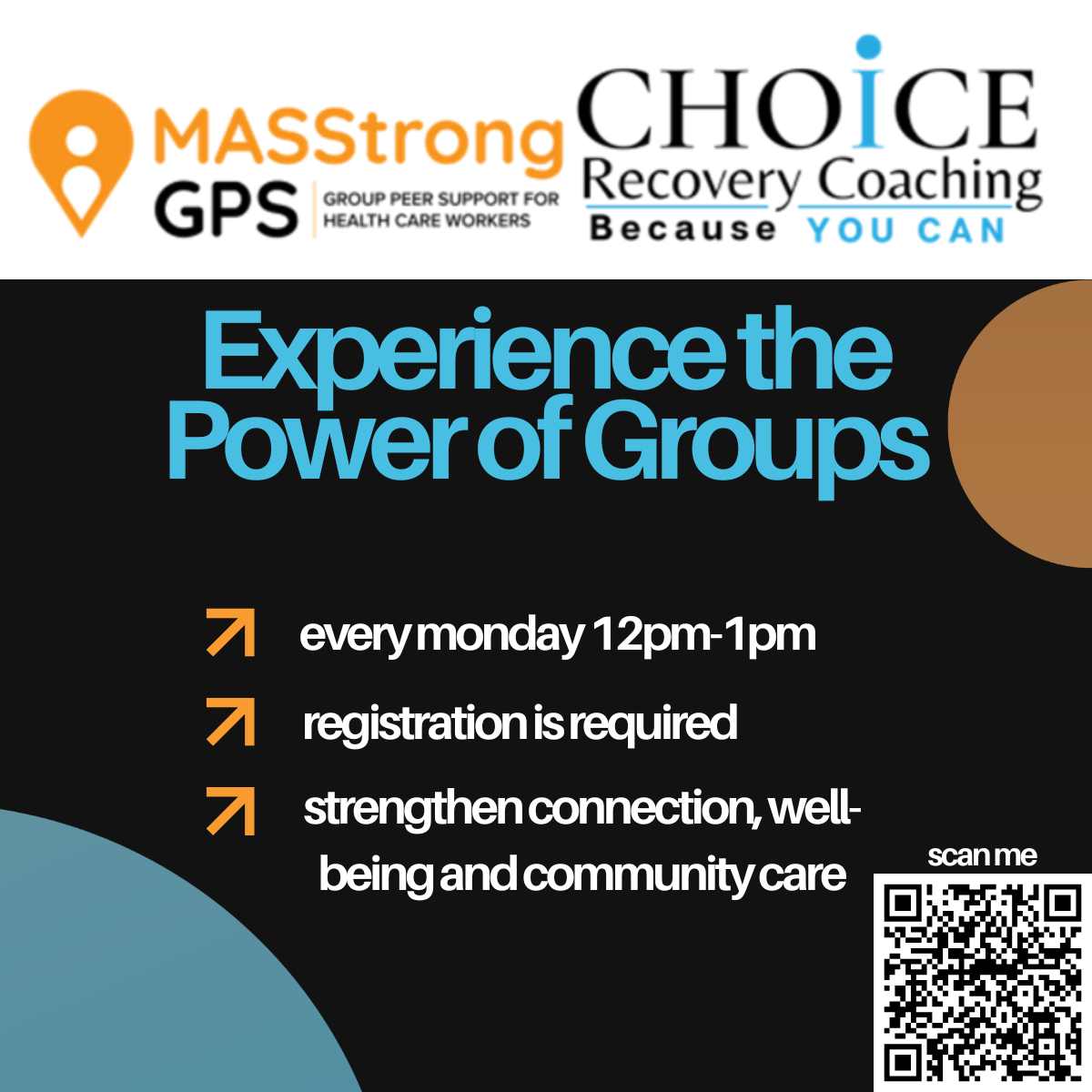
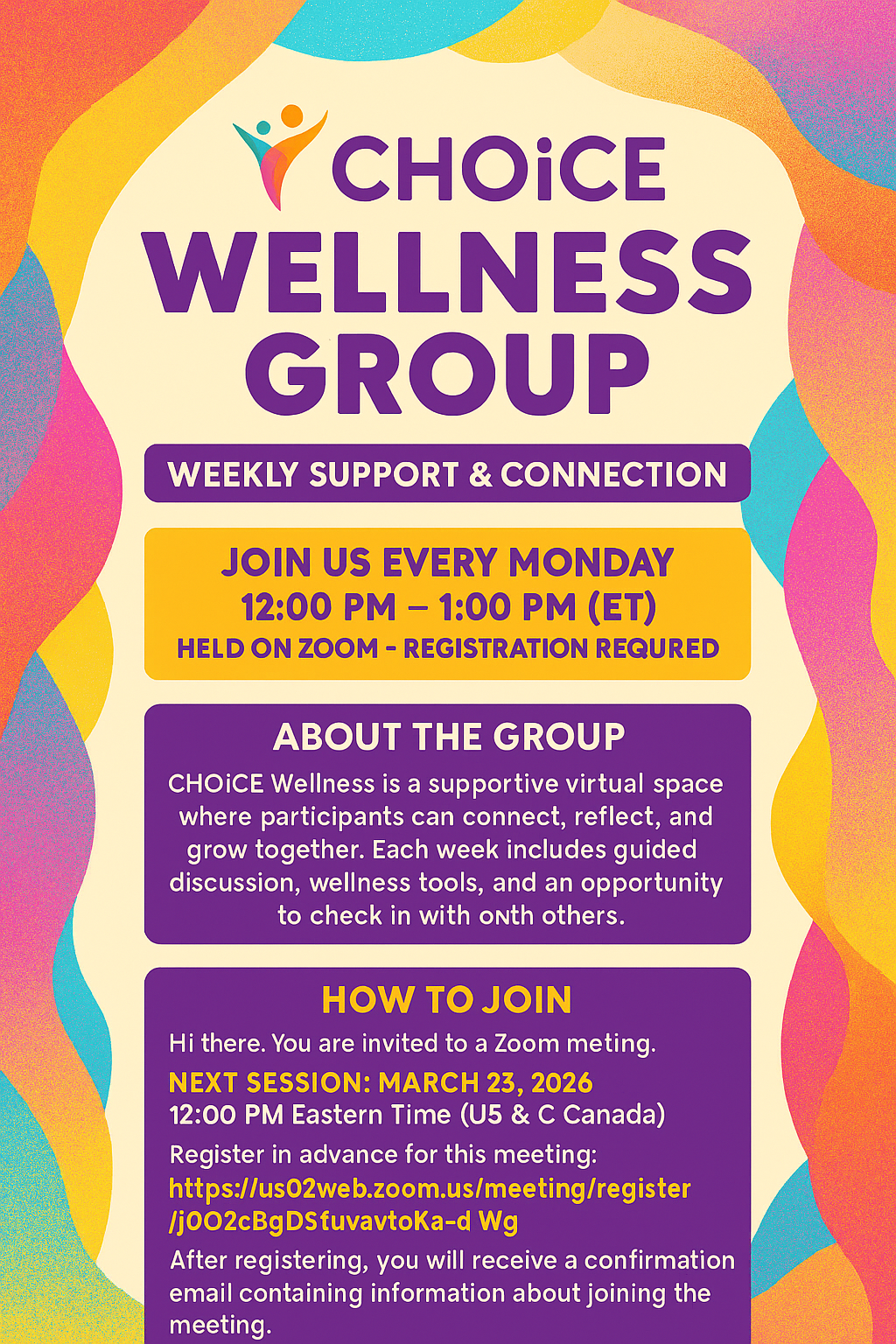
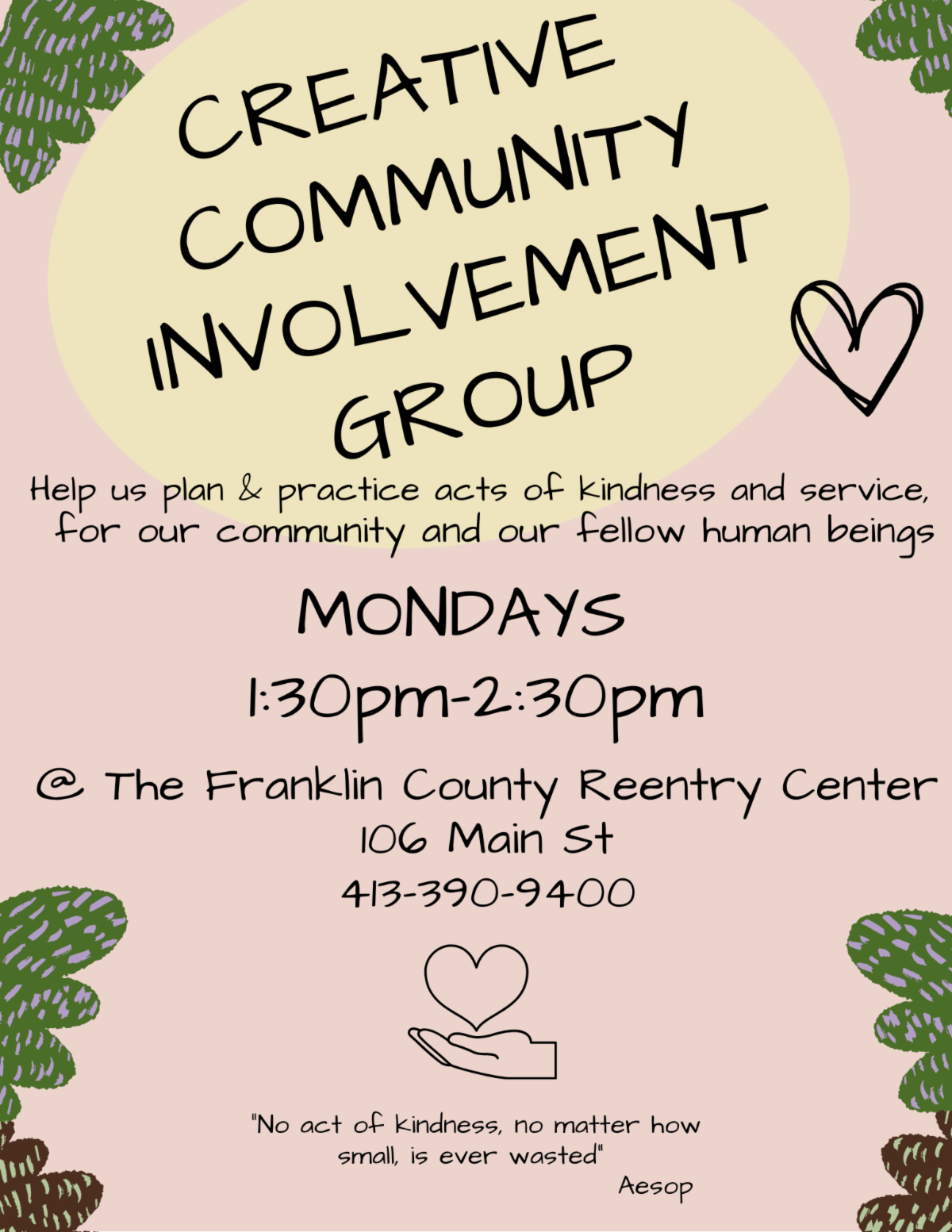
Monday - Friday Movement Group with North Quabbin Recovery Center Peer Leaders | | Mondays Onward & Upward Group | | Mondays CHOiCE Wellness Group | | Mondays North Quabbin Patch Parents' Council | | Mondays Art Guild Meetings | | Monday Drug Court Alumni Group - North Quabbin | | Mondays Community Yoga at Wildflower Alliance | | Mondays Creative Community Involvement Group | | Mondays CNC Playgroup at the Erving Public Library | | |
Second Mondays - North Quabbin B.R.R.A.V.V.E.
Task Force Meeting
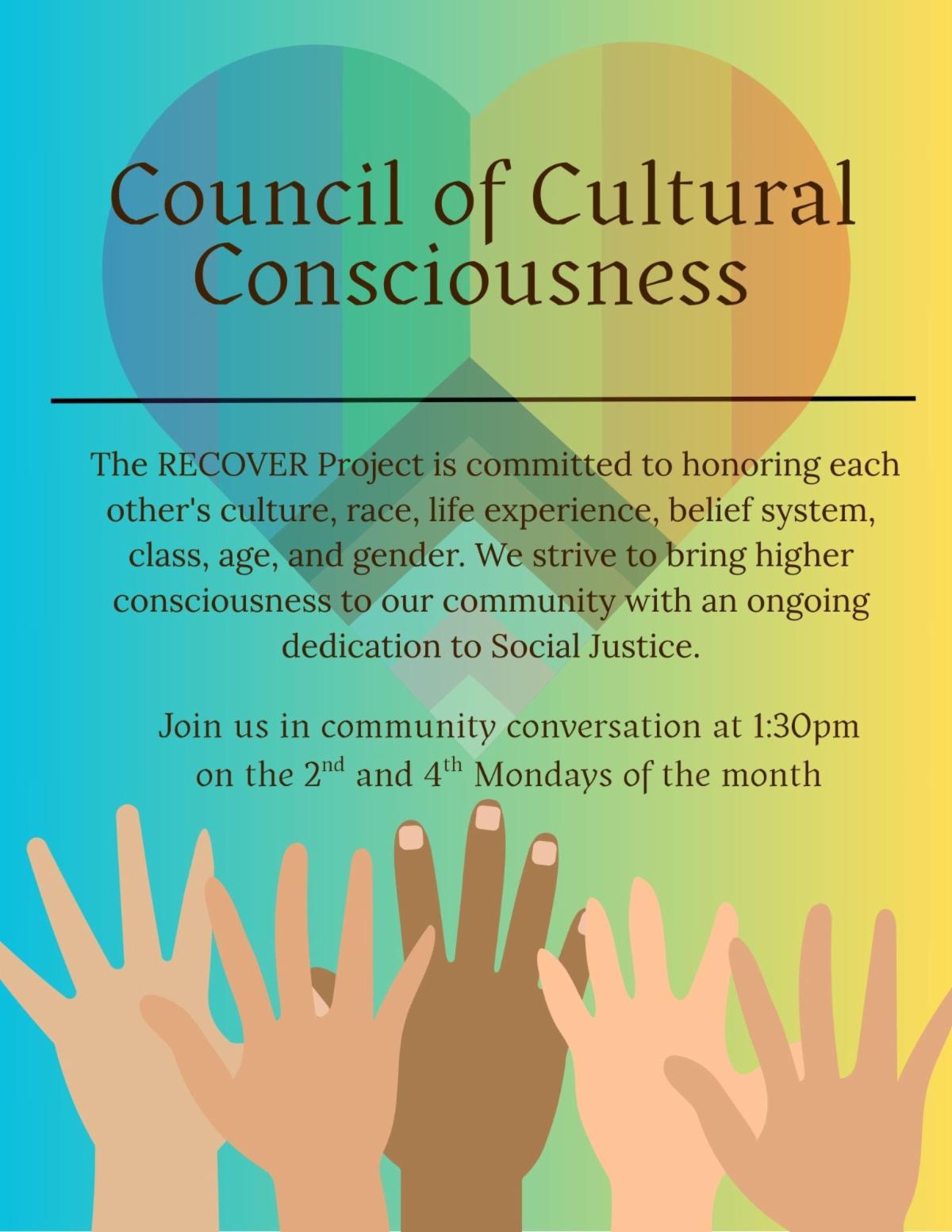
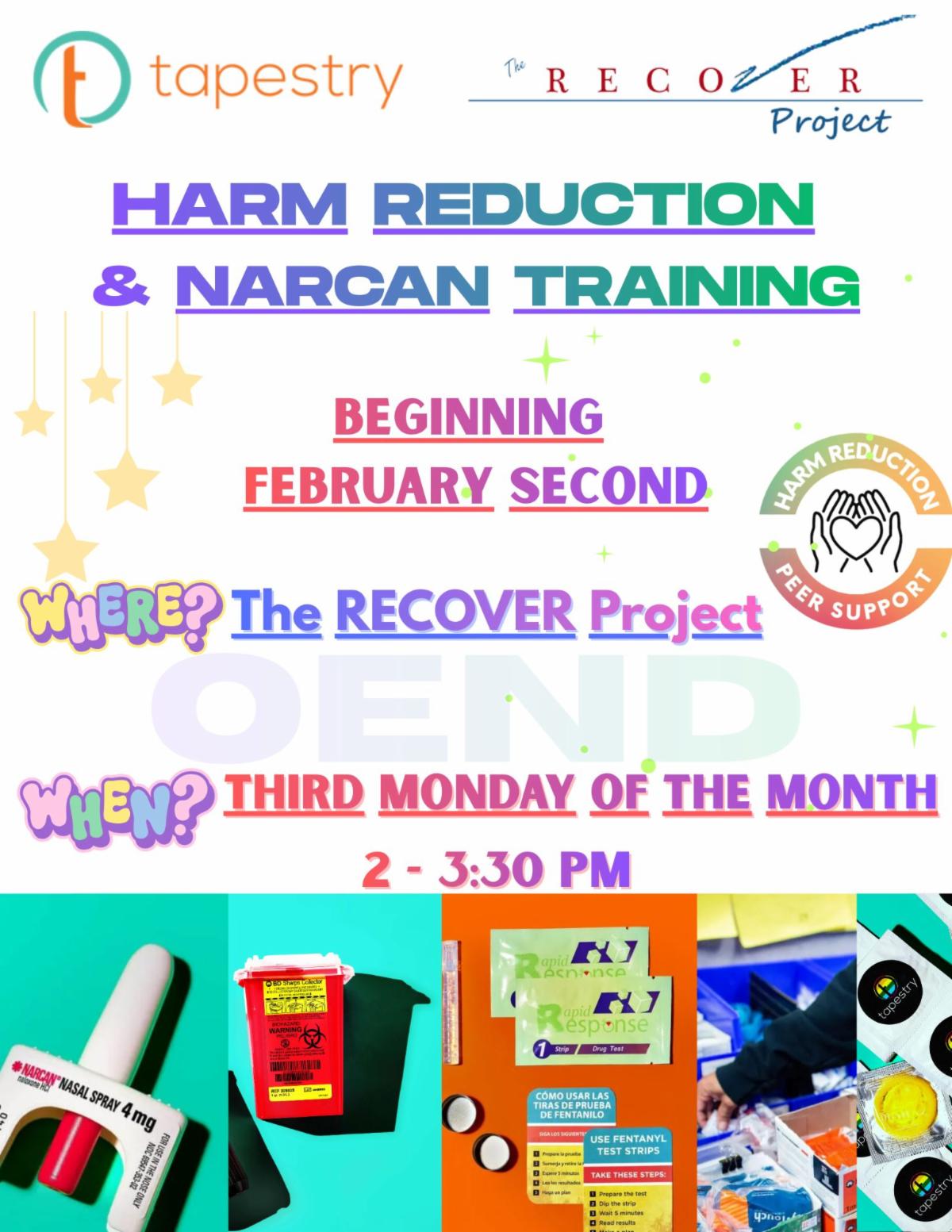
| | 2nd and 4th Mondays Council of Cultural Consciousness | | Third Monday Harm Reduction & Narcan Training | | Third Monday Alphabet & Allies | | Third Monday Parenting With Pride | | |
Mondays and Thursdays Hygiene Supplies Pick Up
at the Brick House
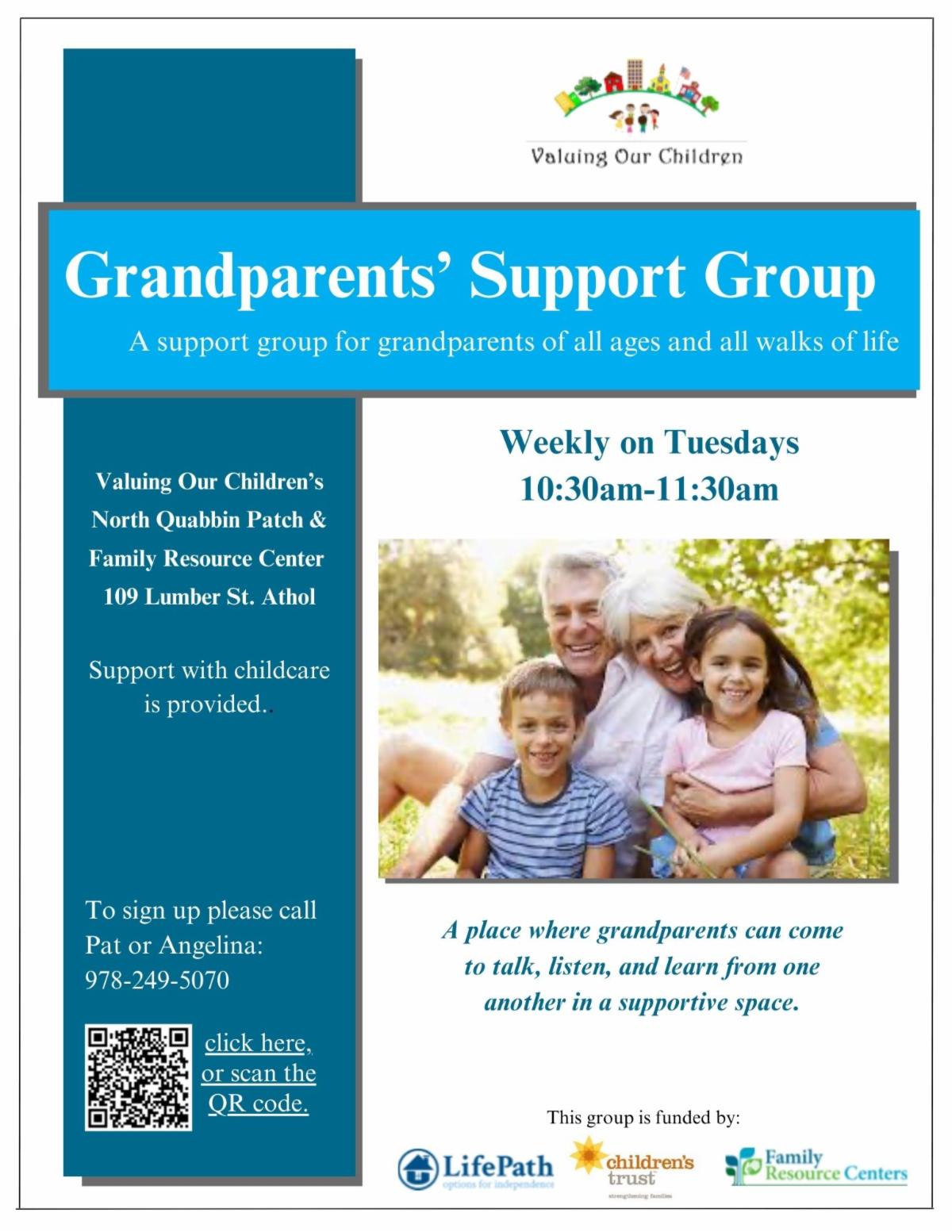
| | Mondays and Thursdays The Brick House Food Pantry | | Tuesdays Meet With A Young Adult Career Counselor | | Tuesdays Teen LGBTQ+ Group | | Tuesdays LGBTQIA+ ALT2SU (Alternatives to Suicide) | | Tuesdays Grandparents' Support Group | |
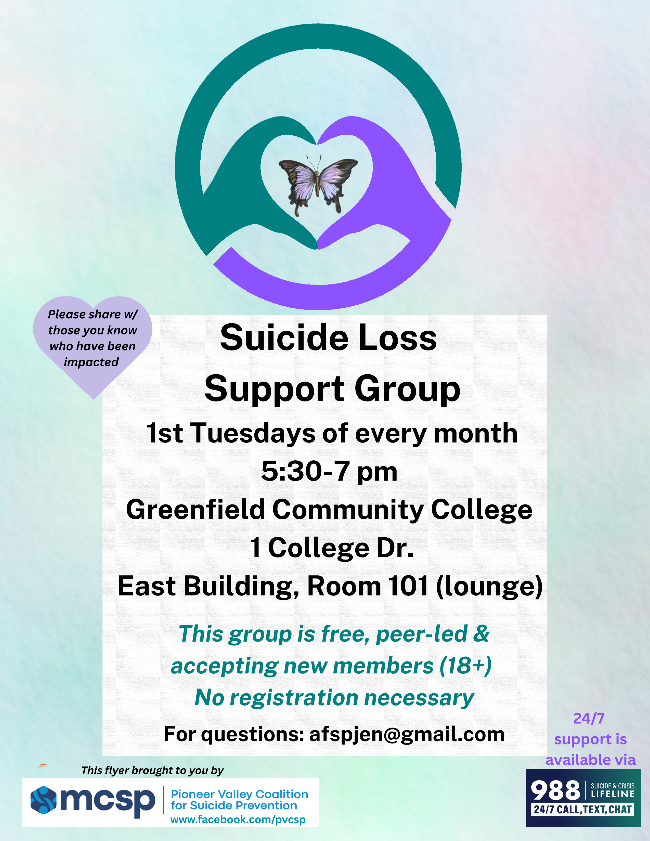
Tuesdays Nurturing Program for Families in Recovery | | First Tuesday - Suicide Loss Support Group | | First Tuesday - Dads' Group | | Tuesdays North Quabbin Recovery Center Coffee Hour | | Tuesdays Greenfield Suicide Loss Group | | First Tuesday - P.A.R.T. Task Force | | Tuesdays Drop-In Knitting & Sewing Sessions | | Tuesday & Thursdays Weekly Reentry Groups | |
Tuesday Men's Anger Management Group
Wednesday Women's Anger Management Group
| | Wednesdays Virtual All Recovery Meeting | | Wednesdays BIPOC ALT2SU (Alternatives to Suicide) | | Wednesdays - Wendell Library Playgroup with Sylvia | | Wednesdays - Playgroup at the Leverett Library with Gillian | | Wednesdays HEROES Study Hub at GCC | |
Wednesdays Health Connector & Mass Health Navigator
Drop In Hours
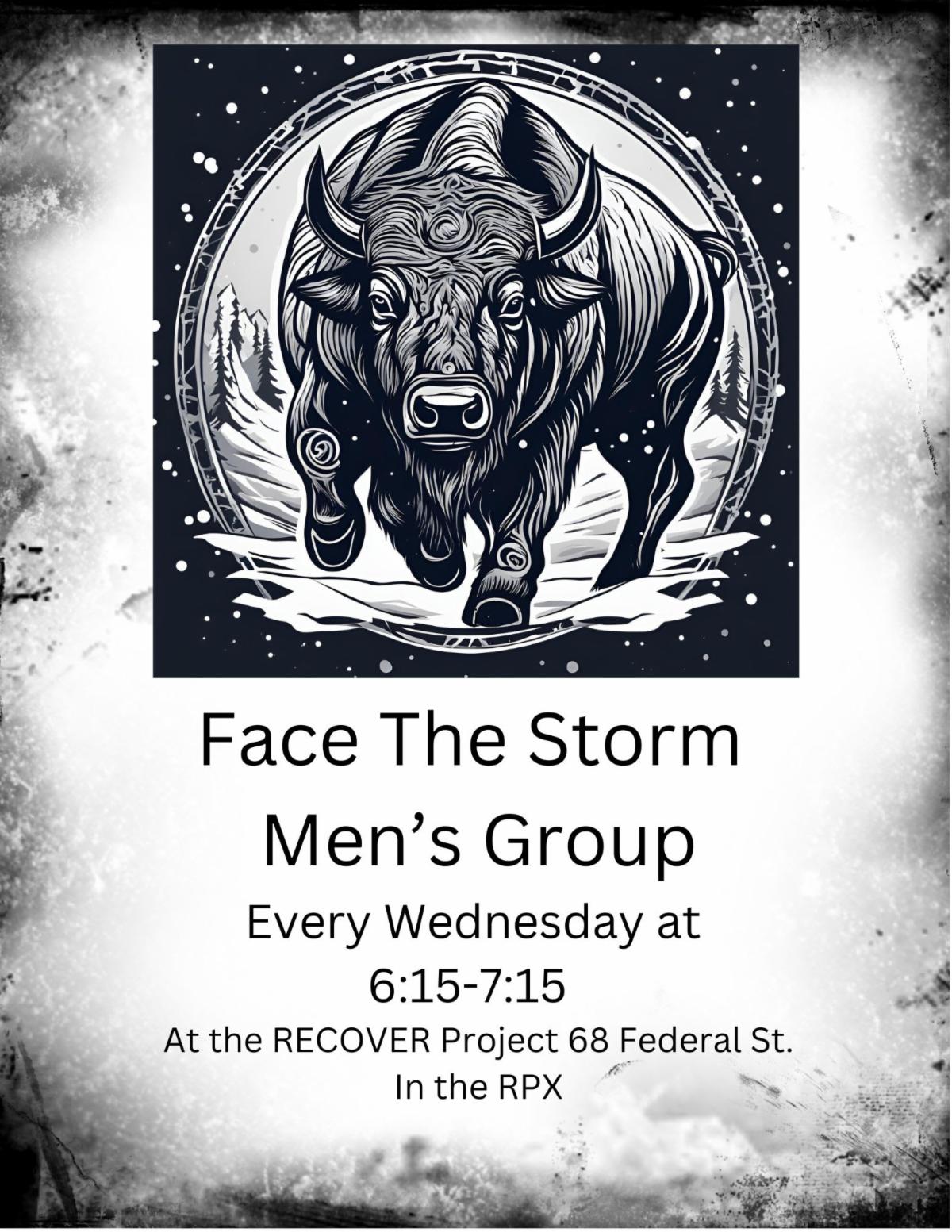
| | Wednesdays Face The Storm Men's Group | |
First Wednesday Gentle Yoga and Breathwork with Jennifer
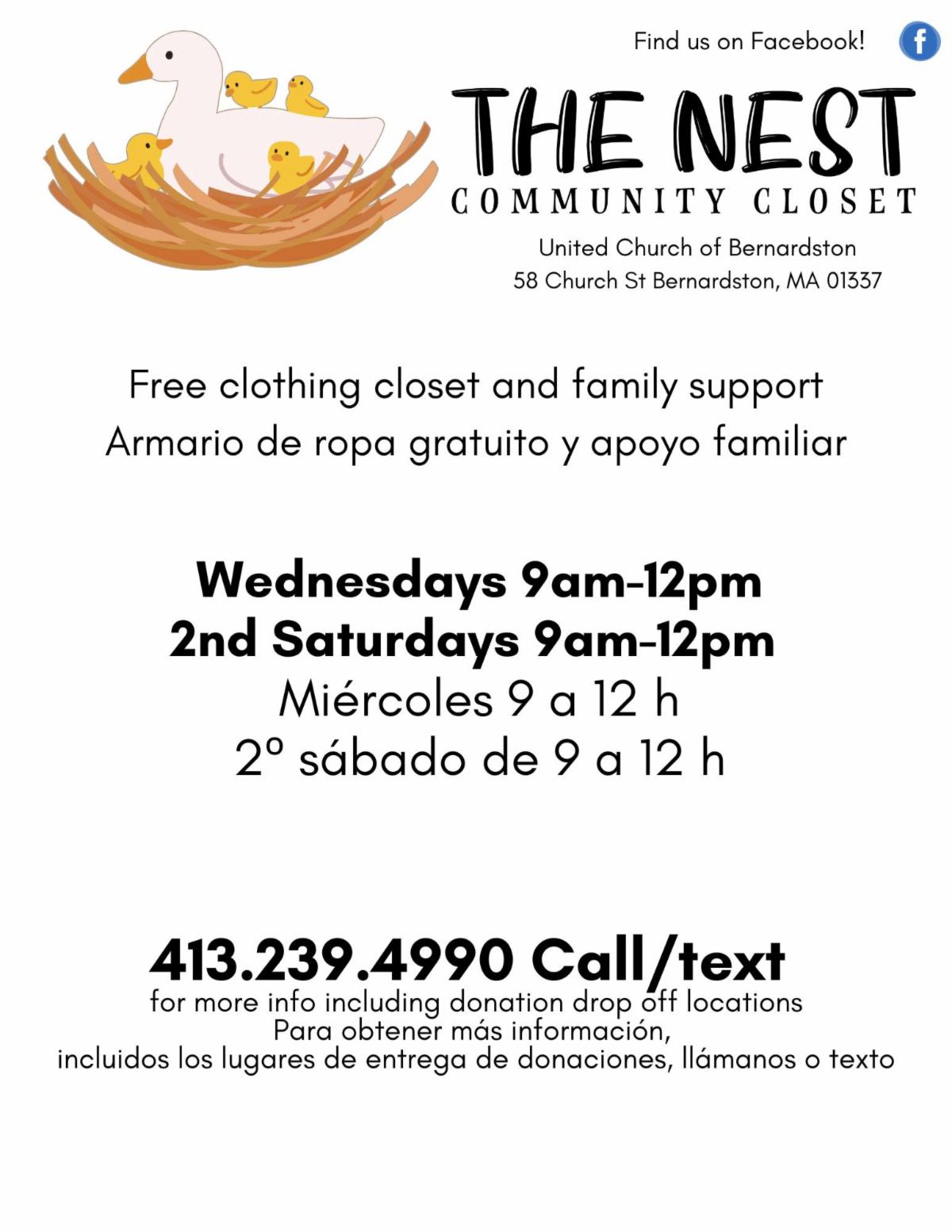
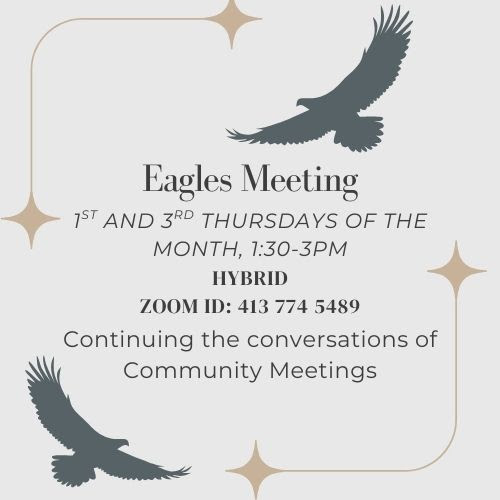
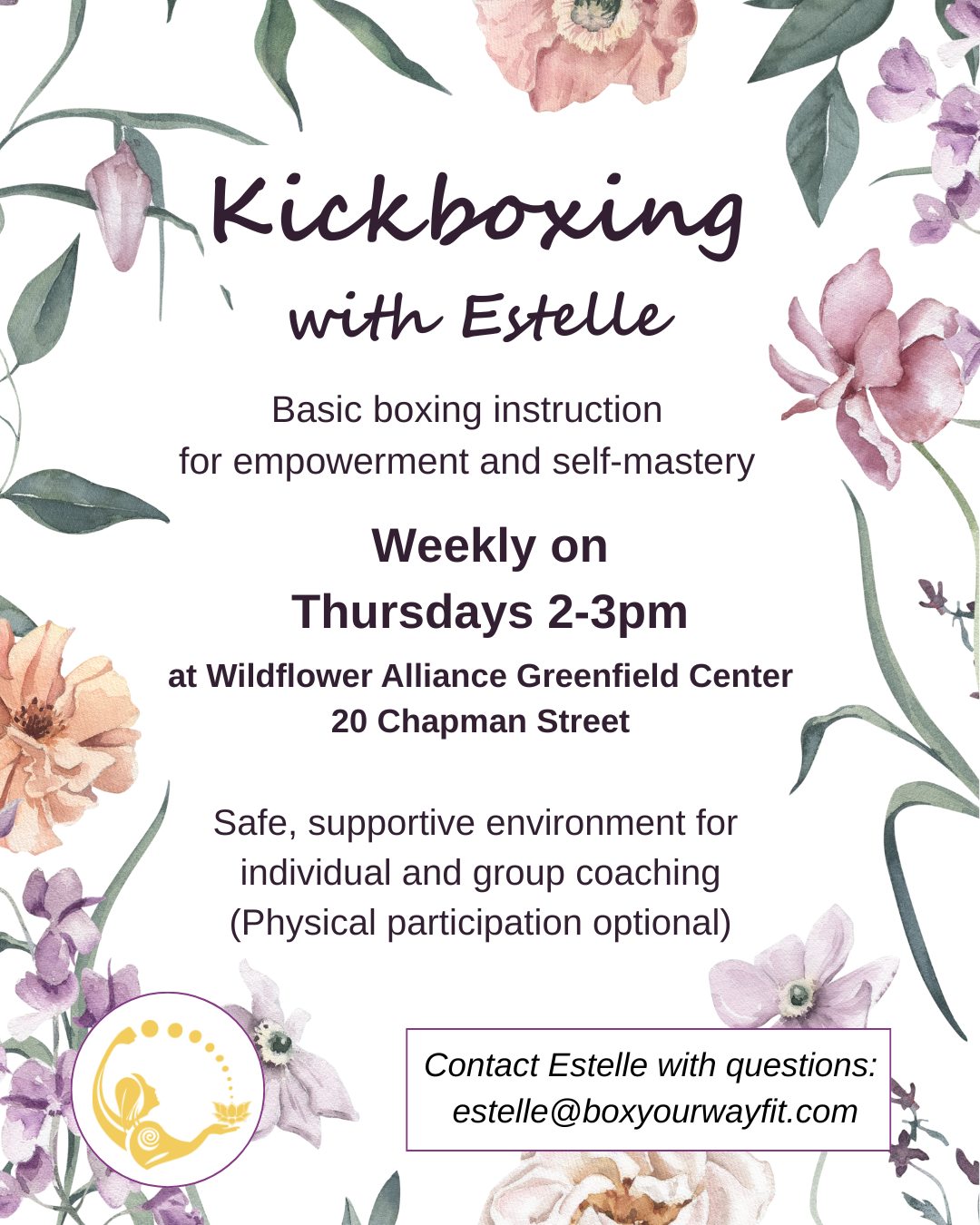
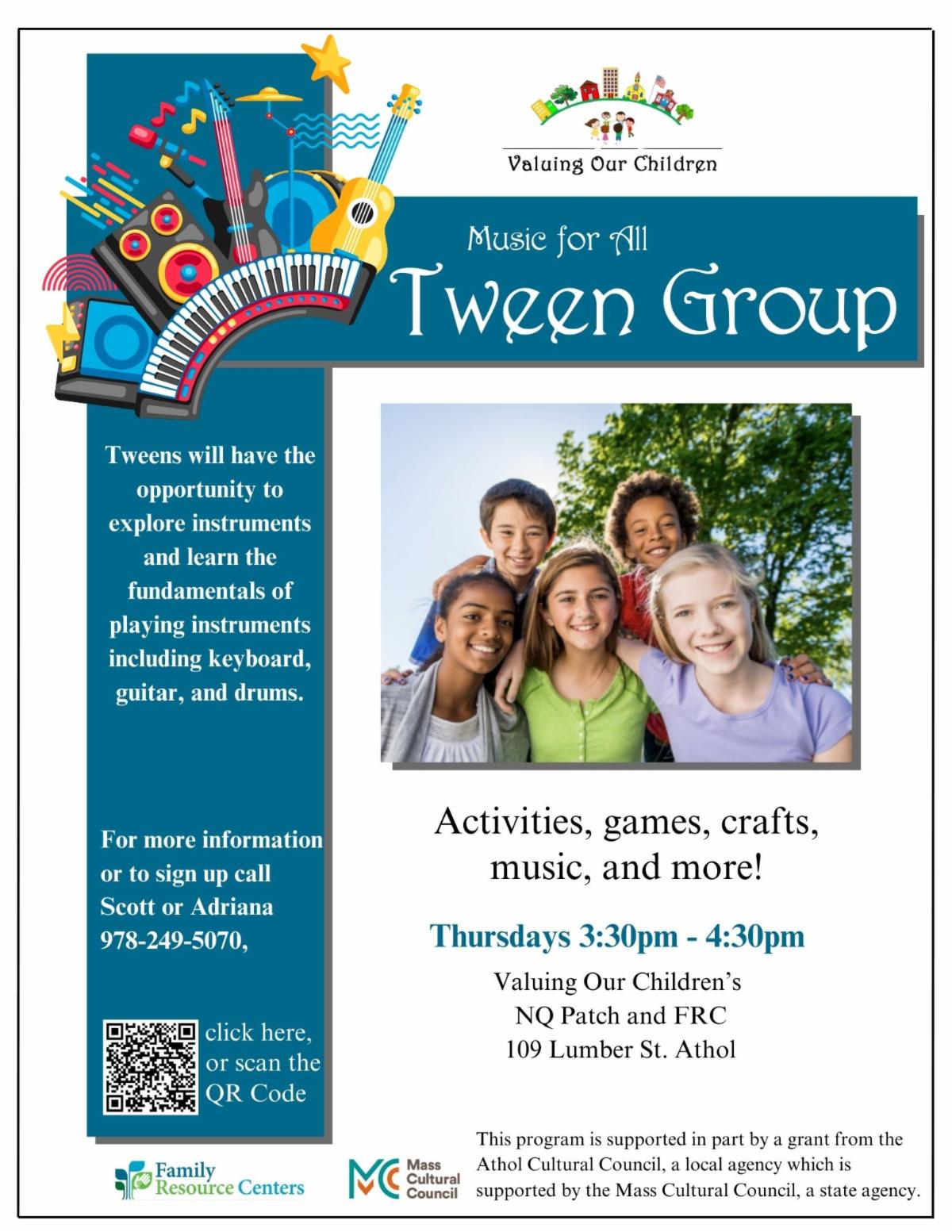
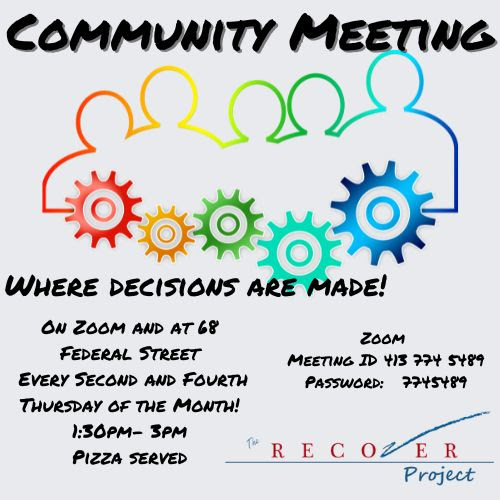
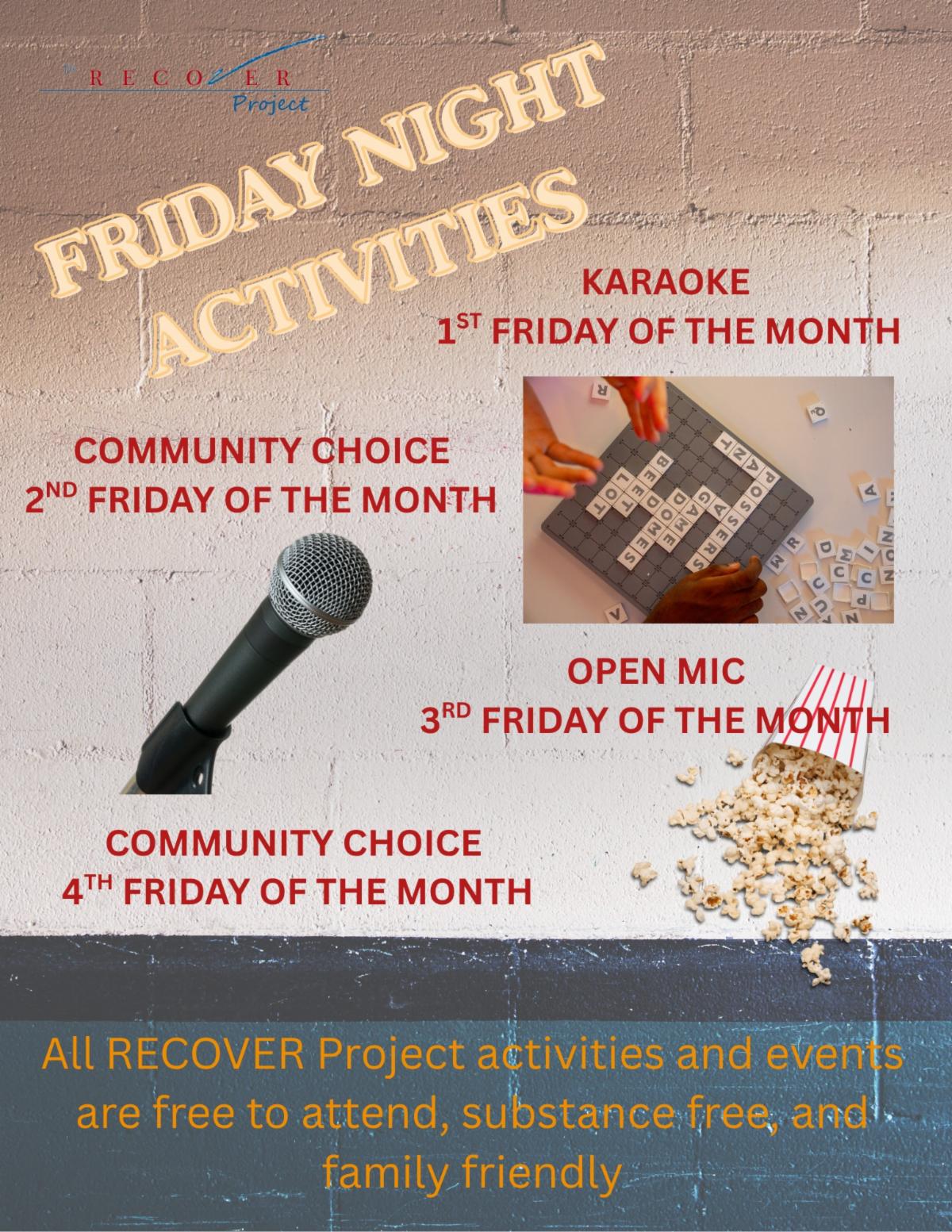
| | Third Wednesday - Fatherhood Meetup | | Last Wednesday - Office Hours With An Attorney | | Wednesdays and 2nd Saturdays The Nest Community Closet | | First & Third Thursdays Parent Support Group | | First & Third Thursdays Eagles Meeting | | Thursdays Kickboxing with Estelle | | Thursdays Music Tween Group | | Thursdays Coffee Hour at the Brick House | | Thursdays Beyond Trauma Group in Spanish | | Thursdays Windows and Mirrors Playgroup | | Second Thursdays -Peer Grief Support After Overdose Death | | Second & Fourth Thursdays Community Meeting | | Third Thursdays Court Service Center Walk-in Days at the North Quabbin Patch | | Friday Night Activities at the RECOVER Project | | Friday Peer-led Meditation Group | | Fridays FreeWrite of Franklin County | |
MassHealth Navigation Support
First Friday from 9am-12pm and Third Friday from 1pm - 3pm
| | First & Third Friday Grandparents Raising Grandchildren Support Group | | Second Friday Wound Care Clinic with Amy Pierno | | FCRN - Resources Available for Grandparents Raising Grandchildren | | |
In February, FCRN partnered with The United Arc and the Offices of Representative Natalie Blais and Congressman Jim McGovern to host representatives from the Social Security Administration, the Department of Children and Families, and the Child Advocate for the Commonwealth Maria Mossaides for a discussion with grandparents raising grandchildren in Franklin County.
Below please find more information about programs covered at the event, as well as some key links and contact information for the representatives for state and federal agencies and legislative offices that were present.
Office of the Child Advocate: The Office of the Child Advocate (OCA) is an independent executive branch agency with oversight and ombudsperson responsibilities, established by the Massachusetts Legislature in 2008.
The best way to get in touch with the OCA is through the Complaint Line: https://www.mass.gov/guides/oca-complaint-line
Maria Mossaides, Child Advocate
Department of Children and Families
Regional DCF team:
DCF’s Kinship Navigator : Kinship Navigator is a program of the Commonwealth of Massachusetts that assists all kinship caregivers (grandparents and other relatives) with accessing services for themselves and the children they are raising.
Kinshipnavigator@mass.gov 1(844) 924-4KIN Online referral: https://formstack.io/CF361
Jennifer Kitchenham, Jennifer.S.Kitchenham@mass.gov
Commission on the Status of Grandparents Raising Grandchildren: The purpose of this Commission is to be a resource to the Commonwealth on issues affecting grandparents raising grandchildren, and relatives, other than parents, raising kin.
On July 8, 2008, the Child Advocate bill was signed into law which included the establishment of the Commission on the Status of Grandparents Raising Grandchildren. This legislation calls for a permanent commission on the status of grandparents raising grandchildren which consists of 15 individuals who have demonstrated a commitment to grandparents.
617-748-2454 massgrg@mass.gov Colleen Pritoni, colleen.pritoni@mass.gov
Family Resource Centers: Supported by the Massachusetts Executive Office of Health and Human Services and the Department of Children and Families, a Family Resource Center is located in each of the 14 Massachusetts counties. There are currently 33 FRCs.
Here are some of the ways FRCs help families:
- Bring people together for friendship and mutual support
- Strengthen parenting skills
- Respond to family crises
- Link families to services and opportunities
- Help children develop social and emotional skills
- Observe and respond to early warning signs of child abuse and neglect
- Value and support parents
Community Action Family Center 90, Federal Street, Greenfield, MA 01301 (413) 475-1555
Jolanta Rumierz, jolanta.rumierz@mass.gov
Social Security Administration - Boston Region Office
SSA representatives in Boston office:
Federation for Children with Special Needs
Caregiver to Caregiver Respite Network: https://fcsn.org/c2c/
Mary-Beth Landy, Senior Trainer & Family Engagement Manager, mlandy@fcsn.org
Below is the information for all of the legislative offices that were present:
Senator Comerford’s office
Representative Blais’s office
Congressman McGovern’s office
Kinship Navigator Brochure
Foster Parent Flyer
Adoption Journeys Brochure
UMASS Brochure - Family Resources Center
Kid's Net Brochure
Mental Health Advocacy Program - FAQs
Grandparents Raising Grandchildren Resources
| | Respite Care and/or Funding for Respite Care | | Psychological Testing & Evaluation at Gandara Center | | Community Support Program & Recovery Support Navigator at Gandara Center | | Gandara Center Outpatient Services | | Free Hypnosis Sessions With Certified Hypnotist Jenn Avery | | Re-entry Workforce Program | | Homeshare Program with LifePath | | Pathways to Advanced Manufacturing | | Specialized HVAC Training | | Specialized Information Technology Training | | |
Support & Resources After the HEALing Communities Study
| | SafeSpot Virtual Overdose Spotting Hotline | | CHCFC OBAT Same Day & Tele-Health Appointment Information | | Free Meals and Essentials at Saints James and Andrews Parish Hall | | Come Cook with Franklin County Community Meals Program | | Family Self-Sufficiency Program Available | | Eviction Self-Help Booklets Available in Multiple Languages | |
 | |
MLRI has recently updated and translated some of our self-help booklets for unrepresented tenants facing eviction. While we still recommend tenants facing eviction seek legal help, we know resources are limited and many tenants have to represent themselves. We hope these booklets can be helpful to pro se tenants and their advocates.
You can see the full list of booklets below, or at MassLegalHelp. The booklets can help tenants prepare for court, outline their legal claims, and file court forms. There is also a booklet to help public housing tenants navigate the Grievance process.
Please reach out if you have any questions about the booklets and how they can be used.
What steps to take before going to court and what to bring to court.
An easy-to-use checklist that tells you what conditions violate the State Sanitary Code. You can also use the free self-help guided interview, MADE: Up To Code.
The Answer is a court form that tenants facing evictions can file with the court to outline your legal claims and tell the court your side of the story. You can also use Greater Boston Legal Services’ free self-help guided interview, MADE.
How to ask the court to accept your Answer and Discovery forms late. You can also use Greater Boston Legal Services’ free self-help guided interview, MADE.
A form with instructions for tenants facing eviction to get information to prepare for their trial.
A form with instructions for tenants in foreclosed properties to get information to prepare their case.
A form you can file to transfer your eviction case from a District Court to a Housing Court.
How to get a new court date if you missed your court date.
If you lost your eviction trial and think you have a good case, you may appeal. This document tells you which Appeal form to use.
How to file an appeal from a case in Housing Court.
How to file an appeal from a case in District Court.
How to get time to stay in your home if you lost your case.
How to ask the court to pay for court costs.
How to think through the terms you want in an agreement. Includes a worksheet and stipulation forms to use when you go to court. Read this booklet as webpages and watch the videos!
How to correct errors on your online court records. The Booklet includes the court form you can save to your computer, fill out, save again and print when ready.
A booklet for tenants in Mass. about the grievance process, including worksheets to help you prepare for a grievance hearing.
| | Update! Greenfield CSC New Hybrid Operations Change | |
Beginning Tuesday, 9.3.24, the Greenfield Court Service Center (CSC)services will be in-person and remote: Monday-Thursday, 8:30am-1pm; 2pm-4:30 pm, and Fridays, 8:30-1pm.
For ANY/ALL REMOTE REQUESTS, please contact the Virtual Court Service Center, M-F 9am -2pm, if you do not have an emergency. You can reach them for an intake, Monday-Friday, 9am to 2pm, by Zoom video or telephone as outlined below:
https://www.zoomgov.com/j/1615261140 or Dial (646) 828-7666. Enter the Meeting ID number 1615261140 and then press # #.
If you have an emergency, and still need remote services, have the court department reach out directly to Greenfield CSC office by email for assistance at greenfieldcsc@jud.state.ma.us.
| | COMMUNITY JOB OPPORTUNITIES | | |
Opioid Task Force of Franklin County and the North Quabbin Region www.opioidtaskforce.org | |
| | | |