Remembering Pam Fahey

We take a moment today to express our condolences to the family of Pam Fahey. As the Director of Public Health for the town of Cohasset, Pam was the leader of the town's bacteria monitoring collaboration with CSCR students. Pam guided scores of students over the years to ensure that the town's beaches were properly monitored. In addition to her enthusiasm for involving students in her work, she was deeply passionate about making sure everyone understood the science behind the regulations for beach closures. For example, responding to a July 2024 newsletter from CSCR highlighting student monitoring work, Pam sent us an email. "I just read your newsletter and it was full of great information. Confirming that samples collected off of the Sailing Club dock are representative of Bassing Beach was very useful. Also the graphics and writeup for the question – is it safe to swim in the harbor - were really interesting to see and read as well." Her passion for getting the science right, however, and ensuring that our collaboration was always well informed, she provided critical feedback. "In terms of risk communication to the public, the concept of being either above or below a maximum value of 104 MPN is an easy concept to understand. Explaining a geomean limit is a lot tougher concept to communicate, but it's something to consider in a future newsletter, especially if the beach is shut down in the upcoming weeks due to the geomean limit of 35 MPN." Continuing, she shared her expertise in an encouraging manner. "The geomean was likely created for this type of recreational water body that is not completely open to the ocean like Sandy [Beach] and has consistent potential sources of contamination. After a while there can be a baseline low level bacterial contamination, particularly as the water temperature continues to increase. Where the 104 MPN is protective of a one-day acute exposure to bacteria, the geomean limit of 35 MPN is meant to be protective of chronic exposures to someone that might be exposed to the harbor on a daily basis. As these hot weeks of summer continue the geomean could become an issue at some point."


Though the excerpt we share is a bit of a deep dive into bacteria monitoring, Pam's words exemplify the professionalism and integrity she brought to her work in community health.


Additionally, Pam was incredibly supportive of very recent student research investigating PFAS in the Gulf River system and in Cohasset Harbor's foam and ambient waters. Upon receipt and review of data from Elsie and Katie (featured below), she issued a public health advisory. As was Pam's way, she was in the process of working with the students to reach out to other towns experiencing similar issues.


We will miss her friendship, guidance, collaboration, and spirit of community. And we will be honored to carry our collaboration forward in her memory.

Meet our intrepid PFAS Research Team

PFAS as a Global Health Challenge: Per- and polyfluoroalkyl substances (PFAS) are a group of synthetic chemicals that can be found in many manufactured household items and, as a result of human activity, can today be detected in soil, air, and water bodies across the globe. PFAS can be sufficiently associated with decreased antibody response and increased risk of certain cancers (National Academies of Sciences et al.). These risks are concerning, considering the ubiquity of this compound in everyday products and the pathways by which they find their way into the environment.


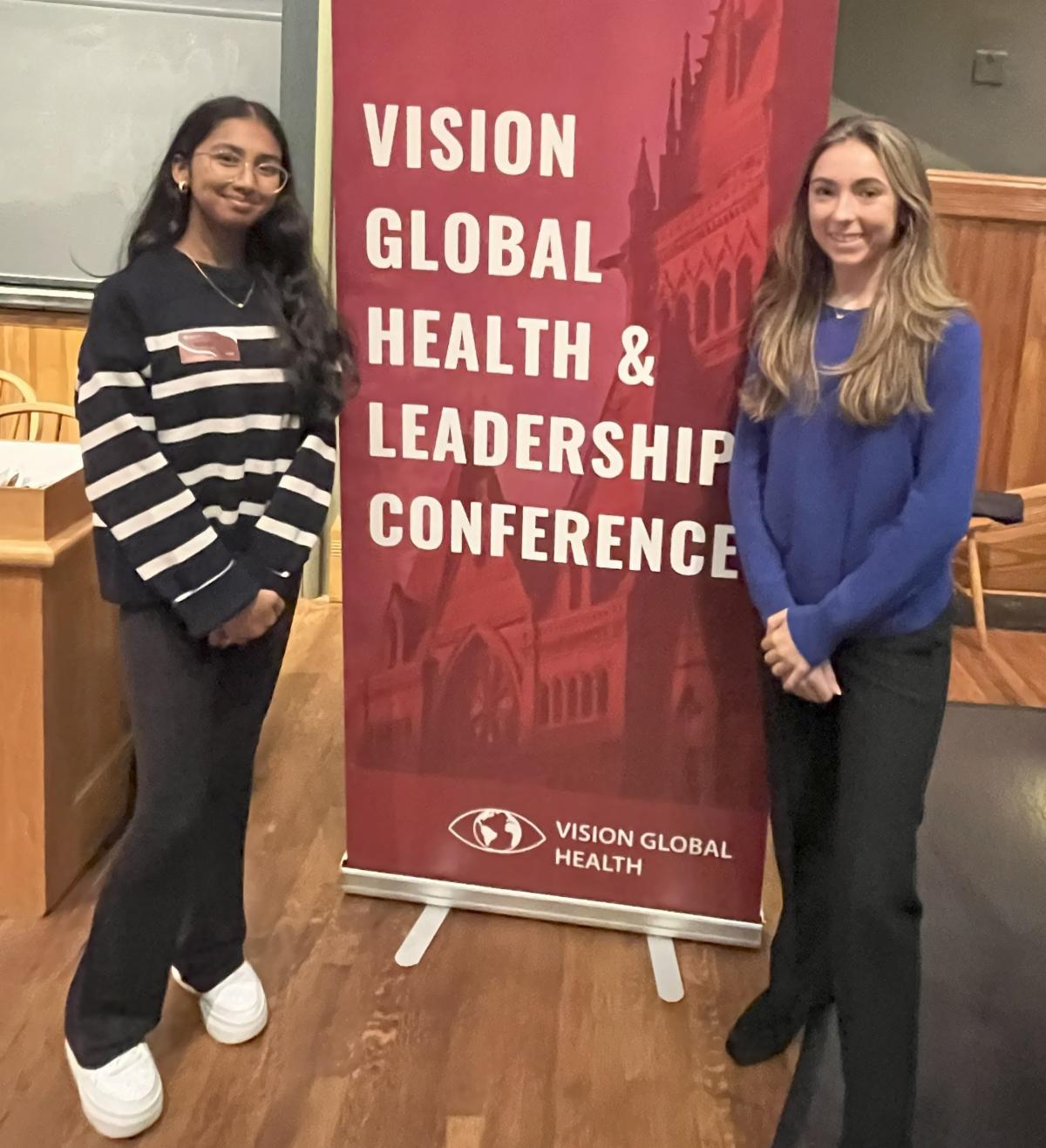
Such began the opening pitch that Elsie and Katie threw to the competition commitee for the Global Health & Leadership Conference. Though Katie and Elsie didn't get chosen to compete for funding, they were selected to attend the conference. "Being chosen to attend this global health conference was an honor for us," they relayed to CSCR. "Participating in the community pitch competition gave us a fresh perspective and inspiration to elevate our PFAS research."


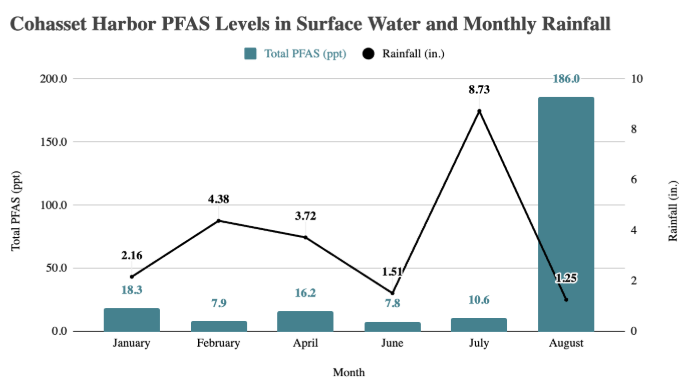
Excerpts from their pitch continue below their data.

Katie & Elsie' pitch, continued: "Between January and August of 2025, six samples were taken of both sea foam and the underlying surface water using the Cyclopure kits. Compared to surface water levels, PFAS levels in sea foam were high, as they often exceeded 1,000 ppt. Although the initial portion of this project has been successfully implemented, additional support is now required to complete a full year of Gulf River monitoring at this site and other potential sites within the watershed to facilitate PFAS source reduction and mitigation. In order to do this, $790.00 is requested to purchase 10 Cyclopure PFAS test kits to cover testing for the remaining months. This grant will help us build a robust data set that can guide local decision-making on water management and community health. This will also allow the project to move from preliminary baseline research, which has already demonstrated feasibility and community interest, towards a more comprehensive study capable of contributing to local environmental planning."


Let us know if you'd like to sponsor Elsie's and Katie's project.


Elsie Vijjeswarapu is a high school senior (Archbishop Williams High School), and Katie Kenealy is a sophomore at Cohasset High School.

Ocean Acidification Research

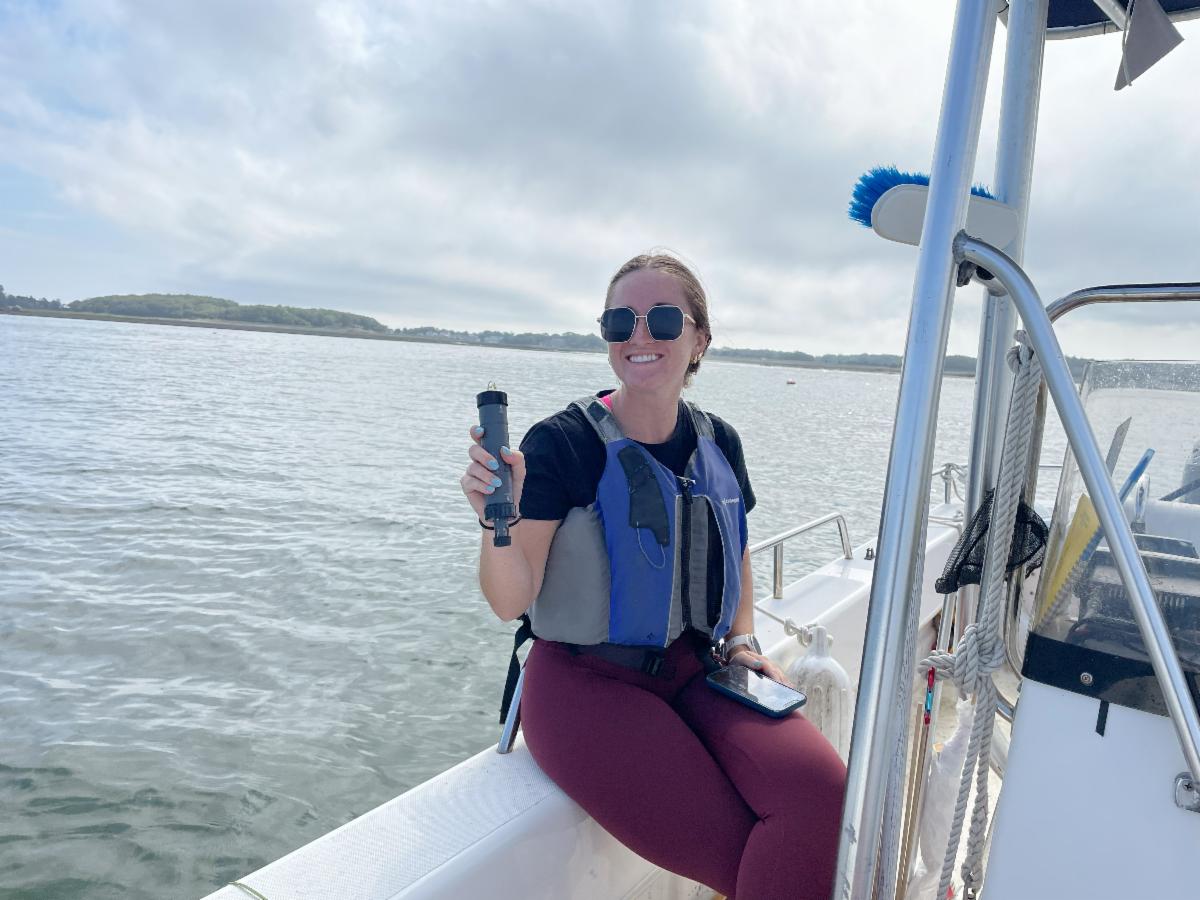
Re-introducing Elsie Hession, Clemson University, BS '25. We're thrilled that Elsie is continuing her work with us. Elsie has been deeply engaged in collecting pH, Temperature, Dissolved Oxygen, and Conductivity / Salinity data inside the harbor at the mouth of the Gulf River where land influences are detectable as well as outside the harbor where the impact of ocean influences on data are stronger. Elsie is currently working on these data sets, but she's actively continuing the research. Oceanography students from the summer 2025 team should reach out to Elsie to help with this effort. Similarly, adult readers who are interested in joining this work should reach out to us, too. We'd love to have you join us while the weather still invites us to be on the water, (Email jbuckley@ccscr.org; tell us you'd like to experience field work, help with data, or just observe.)


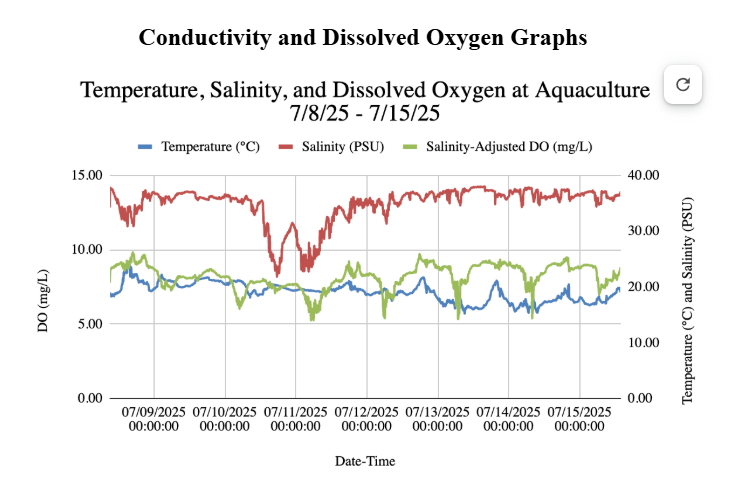
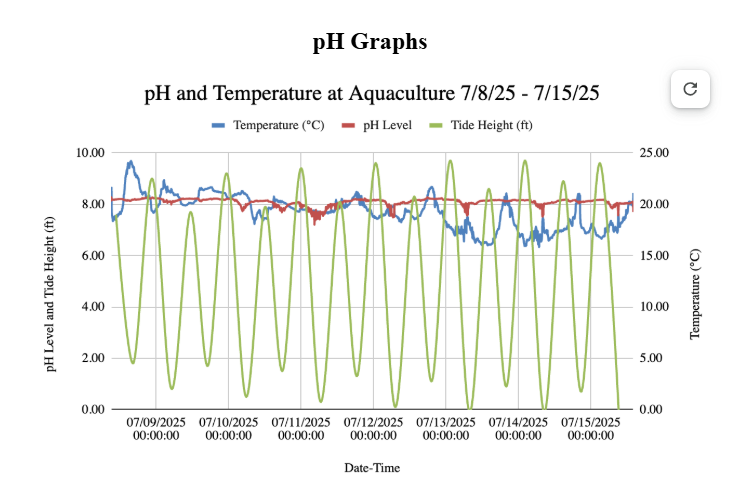
Below are graphs from Elsie's work. The first one shows the impact of the drenching (and flooding) we experienced on July 10 (see salinity dropping significantly). The second one shows pH and temperature. While we'd like to see the pH closer to 8.2 for the sake of our ecosystem, our data suggests our outer harbor is typical of fairly healthy coastal MA waters.

GIS Certification


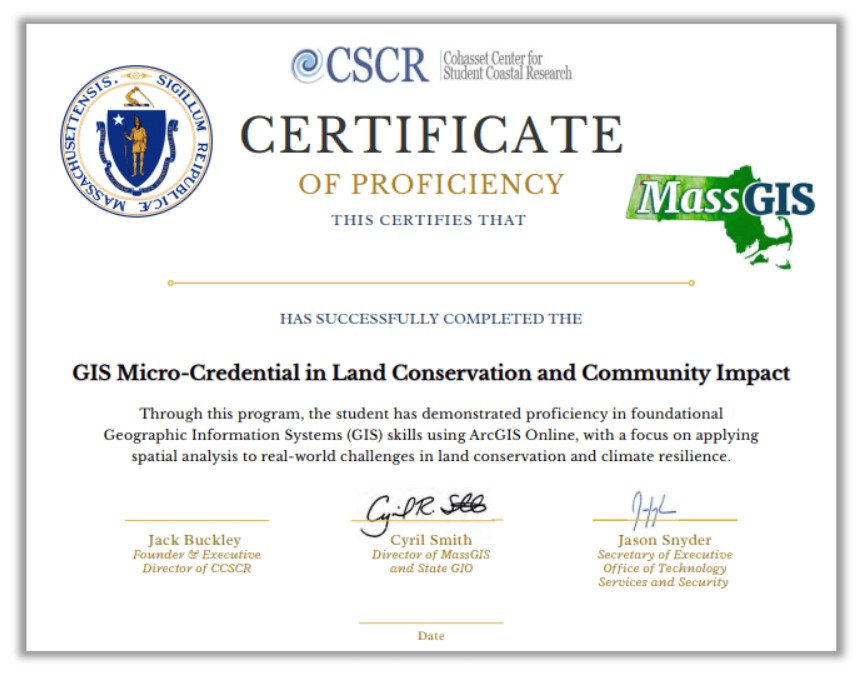
Become state certified as “GIS Proficient” as a high school student!

Learn more by viewing the Certificate Story Map we shared the other night with the Hingham Lanc Conservation Trust. It contains everything you need to know about the program, the curriculum, and how to register. It's free, thanks to the Goodrich Environmental Research Grant (Hingham Land Conservation Trust).

We listened to families and learned that Wednesdays are best for our middle school students, so we'll be running the program just the one afternoon per week. If you're on Susan Bryant's list, you've already been contacted by her. If you're not on Susan's list, please reach out to her-- sbryant@ccscr.org. She'll provide you with everything you need to get your family involved in our hands-on, outdoor, exploratory research program.

Sept 20 2025

ccscr.org


Cohasset Center
for Student Coastal Research
40 Parker Ave
Cohasset, Massachusetts 02025
(781) 383-0129
 
Facebook  Twitter  Instagram