|
“The young do not know enough to be prudent,
and therefore, they attempt the impossible.”
--Pearl S. Buck
| | |
"Schlitzarama” was one of the legendary large-scale beer-sponsored parties at the University of Massachusetts Amherst during the 1970s — part concert, part campus blowout, and part cultural time capsule of college life in that era.
Everyone who went to college in the state in the 70's knew about it or heard about it, and many attended. Fewer people remember that it was an event at my fraternity, and even fewer people are aware of the role that I played in Schlitzarama. I remember, not perfectly, but enough to share some details.
| | |
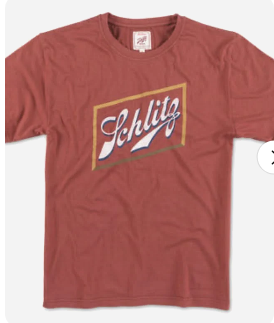
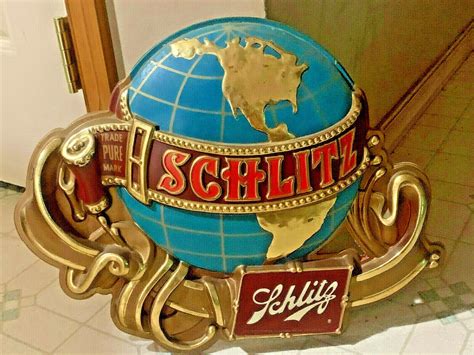
Back in the 1970s, there was a beer company called Schlitz, and they recently went out of business, and it prompted me to write and share this weblog.
At one point, Schlitz was one of the biggest breweries in America. Its advertising was everywhere, and its tagline was “The Beer That Made Milwaukee Famous.” College students knew the name. Bar signs glowed with it. Baseball fans drank it. Somehow, the word “Schlitz” became woven into American culture.
But the company faded away. Business experts would later point to changing quality standards, marketing decisions, competition, and leadership mistakes. A brand that once seemed untouchable slowly disappeared from the national conversation.
That got me thinking recently about how temporary so many things really are.
Companies disappear. Buildings come down. Songs fade from memory. Events that once seemed enormous slowly become stories that only a handful of people still remember.
Which brings me to a unique experience: Schlitzarama.
| | |
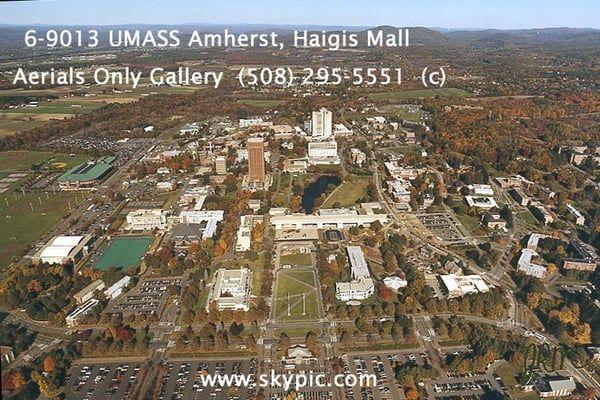
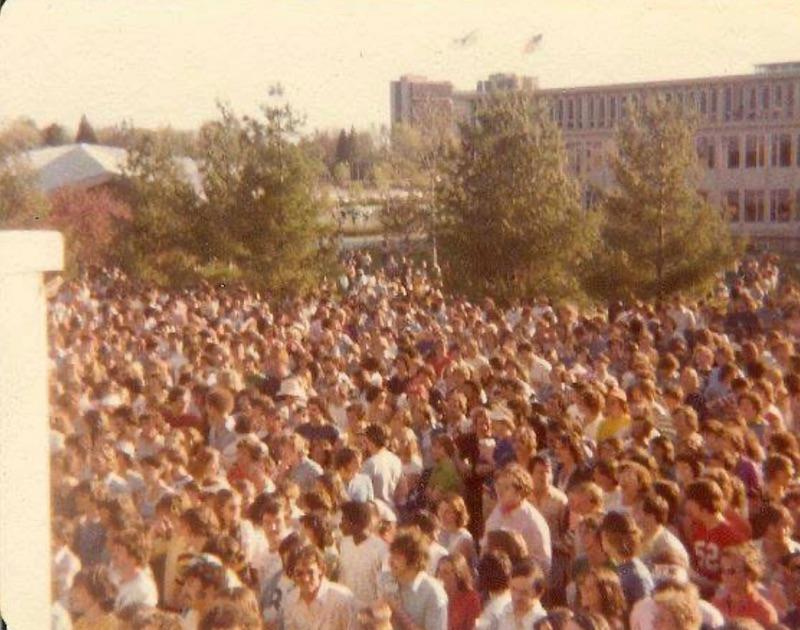
For a few years during the 1970s at University of Massachusetts Amherst, Schlitzarama was a very big deal. Thousands of students showed up. Bands played. Kegs arrived by the truckload. On a spring weekend, it briefly became the center of campus life.
And strangely enough, my roommate and I helped create it.
Looking back now, I realize Schlitzarama may have taught me more about leadership, marketing, logistics, negotiation, and human behavior than some of my college classes ever did.
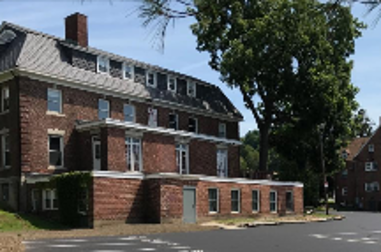
It was a long time ago, so some of the information in this weblog might not be 100% accurate. As a member of Phi Sigma Kappa fraternity in the early 1970’s we had a house that was strong on brotherhood, pretty good on scholarship, and solid on character. We also, as you might guess, knew how to party.
| | |
The majority of our social events were private: Saturday night date nights with a live band in the basement party room.
Booth seating, just like a restaurant, special secret drinks, and an in-house bar where you could run a tab.
Dancing with my future wife to Tequilla Sunrise by the Eagles or Listen to the Music by the Doobie Brothers are memories I cherish and revert to on a regular basis.
Occasionally we had open parties, where we invited friends to join us. These were less frequent but very popular. We bought our bar supplies from a liquor store in downtown Amherst, and since we were one of his best customers, the local Schlitz distributor wanted to come to the house.
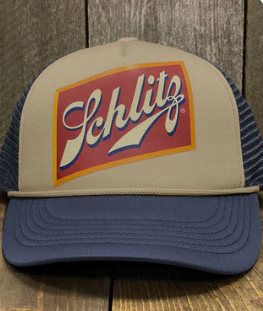
My roommate at the time, Tom Schortmann, was also the Bar Manager. An elected position that received some type of compensation as well. The distributor, Doug, stopped by and in the discussion mentioned that he had all kinds of Schlitz logoed merchandise that we could have including hats, signs, shirts, etc.
| |
Tom and I brainstormed ways to use the stuff, and we came up with an open party idea where we’d give away things as an attraction to increase attendance.
We ultimately decided on the name ‘Schlitzarama.’
The ‘-aramas’ were everywhere in those days: Cinerama, Foodarama, Autorama, Sportarama, Bowl-A-Rama, Dance-A-Rama.
We scheduled the event to take place inside the basement party room and I was the emcee. After every couple of songs by the rock band, I’d announce that the next person who _______________, would win a t-shirt or a sign. It could be someone with a Vermont Driver’s License or someone whose hometown was Concord, or someone wearing purple. The party was great, people loved it and the merchandise stockpile was rapidly depleted.
The only mistake I made was announcing that the first girl who kissed me would win something. The winner got a hat and her boyfriend got mad.
| | |
There was no question after the event that the package store, the distributor and the fraternity wanted to do it again, and plans were made for year 2 almost immediately.
We decided to do the event outside and have multiple bands. The Woodstock Music Festival of 1969 had redefined ‘partying’ for college students.
Our fraternity had two decks on the back, one large enough to hold several band set ups.
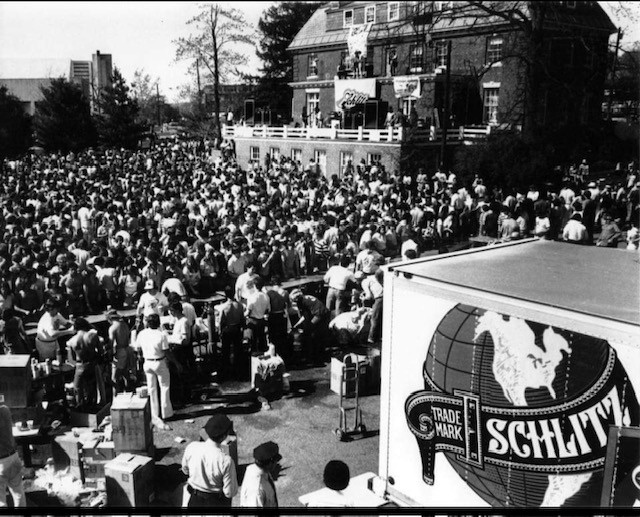
The second year of Schlitzarama redefined the genre. Word spread like wildfire. Thousands of people attended, and we went through dozens of kegs. It became an expected annual event at UMass and over the next few years people came from all over the state and New England to attend.
How big was it? We had beer trucks with taps surrounding the parking lot. On the internet I found a quote that we went through 360 kegs: that’s almost 60,000 twelve-ounce beers. A Phi Sig President from 1975 indicated that he thought it was 176 kegs, or 40,000+ twelve-ounce beers.
Looking back now, the fact that two college roommates thought that many kegs were manageable probably explains why young people are capable of doing remarkable things. The older I get, the less I understand how we pulled it off.
Just so you don’t think we were an Animal House type fraternity, we donated a portion of all proceeds to charity: I remember we believed the event should benefit something larger than ourselves. One of the beneficiaries in the early years was the March of Dimes, who I eventually went to work for decades later.
| | |
Over the years I ran into dozens of people who attended. It became the most famous party at a famous party school.
Like the Schlitz Brewing Company itself, Schlitzarama eventually disappeared.
The bands stopped playing. The kegs stopped arriving. New rules, new times, and new priorities slowly changed college campuses everywhere.
Today, there are probably very few people who even remember the name.
But every once in a while, I think about what two college roommates managed to create with little more than enthusiasm, optimism, and the confidence that comes from being too young to fully understand what could go wrong.
At the time, we thought we were organizing a party.
Looking back now, I realize we were learning something much bigger.
We were learning how ideas spread. How branding matters. How logistics matter. How people respond to energy and excitement. How leadership often begins long before anyone gives you a title.
Most importantly, we learned that sometimes the moments that shape our future don’t look important while they are happening.
They just look like life.
That may be the biggest lesson of all.
| | Surprise Photo at the End: Schlitzarama | | Join the Smart Subscribers | | If you are reading this on a social media platform, click below and you'll automatically receive a 'different' story every week on Wednesday. | | |
The Roll Call of states and countries where readers reside: Arizona, California, Colorado, Connecticut, Delaware, Florida, Georgia, Hawaii, Illinois, Indiana, Iowa, Kansas, Kentucky, Louisiana, Maine, Massachusetts, Michigan, Mississippi, Missouri, Montana, New Hampshire, New Jersey, New Mexico, New York, North Carolina, North Dakota, Ohio, Pennsylvania, Puerto Rico, Rhode Island, South Carolina, South Dakota, Tennessee, Texas, Vermont, Virginia, Washington and Washington DC, Wisconsin plus Canada, Conch Republic, Australia and the United Kingdom.
| | Observations At The Speed Of Life Archive | | Refer a Friend to Sign Up for the
Conversations At The Speed Of Life | | |
Ed Doherty
774-479-8831
www.ambroselanden.com
ed-doherty@outlook.com
Forgive any typos please.
| | | | |