Assured Benefits Administrators Broker Newsletter
|
|
From The Desk of Todd Archer |
During these challenging times, our team continues to grow and innovate. We've recently added a new option to our suite of services that provides comprehensive predictive analytics tools and support to manage healthcare risks and drive down costs. We've hired Jesse "Jay" Beck as Executive Vice President of Growth and Strategy; together, we're developing a sales and marketing plan that will provide a roadmap for the next ten years. We're continuing to make other key hires, as well as providing the education and resources to all of our employees that will ensure ABA can continue to provide our partners and clients with unmatched service.
As always, we welcome your comments and questions.
Sincerely,
Todd E. Archer
Executive Vice President &
Chief Marketing Officer
|
NHSI Appoints New Executive Vice President |
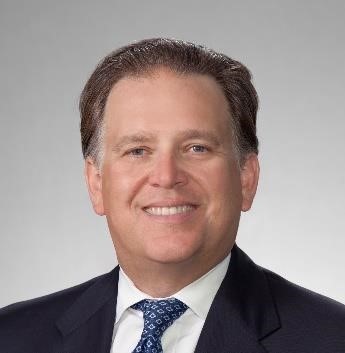
National Healthcare Solutions, Inc. (NHSI) is pleased to announce that Jesse “Jay” Beck has been appointed Executive Vice President of Growth & Strategy for three of its sister companies: Assured Benefits Administrators (ABA), Dallas Risk Management (DRM) and Independent Medical Systems (IMS).
Jay brings extensive experience, including roles as Vice President of Strategic Growth at Texas Health Resources, Director at Towers Watson, President & COO for Apex Global Partners and CEO of Century Health Care. He excelled in sales, marketing and leadership roles at UNUM, Canada Life Assurance Company and Mutual of Omaha. Jay co-founded Medical Home Exchange, a healthcare technology firm that was a precursor to the Direct Primary Care space.
“NHSI has ambitious growth plans for our domestic operations for both the short and long-term and we are confident that Jay will help us to achieve them,” said David Rendall, President and CEO of NHSI. “Jay Beck is a transformative leader who has made positive and meaningful changes to the healthcare arena.”
“I’m excited to join this dynamic group of companies,” said Jay. “ABA, DRM and IMS each have unique strengths and talented teams. My goal is to create a purpose-built collaboration that will bring meaningful value between internal and external partners.”
Jay holds a B.S. and an M.B.A. from Southern Methodist University, including completing a groundbreaking project on Medical Tourism in Cuba based on in-country research. He has served on the boards of the Dallas Children’s Museum and the Perot Museum of Nature and Science. Jay is currently a member of the Advisory Boards of Health Wildcatters, MediBookR and Cariloop.
ABOUT NHSI
National Healthcare Solutions, Inc. is the single source solution for all medical cost containment, case management, third party administration and PPO needs, whether in the U.S. or abroad. NHSI is independently owned and is part of an international healthcare group with more than 30 years of experience in the healthcare management industry.
|
Federal Judge Upholds Hospital Transparency Rule |
On Tuesday, June 23, 2020, District Judge Carl Nichols ruled in favor of the Trump administration’s final rule requiring hospitals to disclose their negotiated prices. The rule was released on Nov. 15, 2019, and set to take effect Jan. 1, 2021.
However, in December 2019, the American Hospital Association (AHA) filed a lawsuit attempting to block the rule’s implementation, stating that the requirement to disclose negotiated prices violated their First Amendment rights.
Nichols ruled that it was within the Department of Health and Human Services’ (HHS) scope to require the disclosure of these negotiated rates, rejecting the AHA’s claims.
What’s included in the final rule?
Hospitals will be required to provide easily accessible billing information to patients. This means having all standard charges available online and in one single data file that can be “read by other computer systems,” according to a Centers for Medicare & Medicaid Services (CMS) press release.
The charges listed would include “the gross charges, payer-specific negotiated charges, the amount the hospital is willing to accept in cash from a patient, and the minimum and maximum negotiated charges,” according to the initial press release about the final rule.
As part of the final rule, CMS was granted more authority over enforcement. Specifically, the department has greater capability to audit hospitals and issue fines of $300 per day to those who are noncompliant.
What’s next?
The rule won’t be effective until Jan. 1, 2021. In that time, hospitals will be working to make the applicable data available online, if it isn’t already. The AHA is expected to appeal the ruling, which could potentially delay the rule’s effective date.
Source: Health Care Administrators Association
|
Preparing for an Effective Virtual Meeting |
The demand for virtual meetings increased as the coronavirus (COVID-19) pandemic closed offices, introduced social distancing and halted business travel. As the COVID-19 threat shifts and offices reopen, virtual meetings will continue to be a viable way to conduct business with employees, customers and other stakeholders.
Virtual meetings require more planning than in-person meetings to be effective. To ensure a successful and productive virtual meeting, keep in mind the following steps before the meeting even begins:
Choose the technology—There are many web and videoconferencing platforms available, so find the right software and features to support your business. Choose one platform and stick to it. After attendees download the platform once, it’ll be easier to join meetings later.
Create an agenda—Attendees may have a full calendar, so be clear on the purpose of the meeting and provide a timed agenda with topics and assigned facilitators. This will help invitees decide their attendance if they have multiple meetings at the same time. Share this pre-work at least 48 hours in advance.
Establish ground rules—It might be helpful to have an agreed way of working, such as stating your name before talking or muting when not speaking. This helps keep the meeting efficient and remove distractions. Test the technology—It’s important to join the meeting at least five minutes early to test your connection, microphone and video.
Look professional—If using video, present yourself with appropriate grooming, hygiene and attire. That means mirroring what you would wear in person and keeping in mind whether it’s an internal or external meeting.
When it comes to virtual meetings, it’s crucial to invest in preparedness. Setting expectations beforehand can go a long way and positively impact a meeting’s effectiveness.
Source: Health Care Administrators Association
|
|
Healthcare Trends Amid The Pandemic |
|
Even after the immediate emergency of the current COVID-19 pandemic passes, the healthcare industry won't return to business as usual, experts say. Healthcare is in a state of flux and there will be financial tough times in the near term for many health systems, according to Justin Gernot, vice president at healthcare advisory firm Healthbox. "It’s an emphasis on the haves and have-nots of healthcare providers," said Gernot speaking during a recent virtual media event sponsored by the Healthcare Information and Management Systems Society (HIMSS) on the impact of the pandemic on the future of healthcare.
"The organizations that had a tight digital strategy, that were good at telehealth, had money in the bank, by and large, those healthcare systems, unless they are in hard-hit areas, those systems will do well and emerge with an eye toward acquisitions and advancing the position of strength they have,” he said. The smaller, rural, less financially healthy systems will come out of this crisis “in a bad way,” he noted. Some things haven't changed, such as the financial pressures facing hospitals. “Other things have changed or been reprioritized. There are a lot of cracks in the system that have been exposed, from supply chain for PPE (personal protective equipment) to how underserved populations are more exposed and much more at-risk to COVID than others,” Gernot said.
While facing these changes, hospitals also must prepare for a potential second COVID-19 wave in conjunction with a surge of sick patients who put off getting care during the first part of the year, according to Neil Patel, president of Healthbox. Health payers are modeling for a spike in utilization and spending later in 2020, Patel said. "The second surge may worse than the first, even though we'll be better prepared for it, as we could have flu season and people putting off care through the spring and summertime," he said.
Healthbox, which was acquired by HIMSS in 2018, also runs healthcare-focused accelerator programs and focuses on helping health systems advance digital health initiatives. From supply chain to technology innovations, here are four ways healthcare will change in the long term as a result of the COVID-19 pandemic, according to Patel and Gernot.
1. New strategies for elective surgeries
Patients who have put off elective surgeries and procedures will need to be reassured that it’s safe to enter hospitals and other healthcare facilities, they said. Health systems are struggling with developing the right approach to engage patients and make them feel safe, Patel said. “Hanging a shingle and saying, ’We’re open' is not going to be effective for those patients who feel that they can wait to have their procedures," he said.
"We see some health systems doing branding initiatives to be transparent about what they are doing to make things safe. Health systems are also recognizing that patients may not want to get surgery in a hospital and some organizations are providing patients the option to have their surgery in ambulatory surgery centers,” he said. He added, “We know that hospitals are already hurting from the margins they typically see in those cases, so they are sending cases to a joint venture ambulatory surgery center where they are doing 50/50 on the profit sharing."
2. Developing local supply chain sources
The COVID-19 pandemic exposed critical flaws in hospital supply chains for vital equipment like PPE. Many health systems struggled with shortages and often competed with each other for necessary supplies, according to media reports and a recent Department of Health and Human Services Office of Inspector General report (PDF).
"With supply chain, for many health systems, it was analog; they have no real analytics on where supplies are coming from,” Patel said. This is exacerbated by hospital consolidation that has led to group purchasing which, during a pandemic, results in the risk of a “significant, single point of failure” on supplies, he noted.
In some regions, competing health systems are now looking to collaborate on obtaining equipment and supplies. “Several Chicago hospitals are talking about creating a consortium and building some domestic manufacturing of PPE here locally to reduce their reliance on importing,” Patel said. He added, “Going forward, supplies will need to have a primary or secondary sourcing that is local.”
3. Digital health options will accelerate
The COVID-19 pandemic has put the spotlight on digital health tools like telehealth and remote monitoring as healthcare providers had to quickly pivot to technology to take care of patients, Patel said. “We’ve seen health systems doing a decade’s worth of work in the span of a few months,” he said. Digital health has gone from a "nice to have" to a must have. Innovations in the area of at-home diagnostic equipment will enhance the ability of providers to do remote virtual care. The pandemic also has accelerated the consumerization of healthcare as patients realize they have more virtual and digital options for healthcare services. "Patients are loving it. They are wondering, 'Why did I ever have to go in to see my doctor?'" Patel said. Health systems that had already invested in telehealth infrastructure before COVID-19 will be in a better place moving forward.
Other health systems that had to build up their virtual care capabilities from zero will now need to go back to address operational gaps, Patel said. “The organizations that didn’t already invest in it had to pick a vendor quickly and are now delivering a suboptimal patient experience in these telehealth platforms. They never had a chance to train physicians in virtual encounters, and the technology platforms are not smoothed out,” he said.
4. Expect innovations with drones and robotics
The biggest impact of the COVID-19 pandemic has been on how consumers work and live with social distancing measures and working from home. With that in mind, there will be advancements in drones and robotics in the consumer world to reduce the number of people who interact with other people, Gernot said. “We’ll see things like robots going in and cleaning floors and facilities on a daily basis so that you don’t have to expose people to disinfection routines,” he said. These innovations will make their way into healthcare, Gernot said. “We often see the technologies that become widely adopted in the consumer world then make their way to healthcare," he said. "It’s going to be outside of healthcare where the most interesting things are happening.”
Source: Heather Landi | Fierce Healthcare
|
|
Home Healthcare Sees Surge In Wake Of COVID-19 |
|
Nursing homes lost about 18,000 jobs last month while home healthcare services gained the same amount, according to June’s jobs report from the Bureau of Labor Statistics (BLS). Some industry officials say it's a trend accelerated by the COVID-19 pandemic after nursing homes were brutally hit earlier this year given their vulnerable populations.
No visitor policies at nursing homes meant to stem the spread of the virus are another reason for increased demand in home health services, Vicki Hoak, executive director of industry trade group Home Care Association of America told Healthcare Dive.
Despite the recent uptick, there are still fewer jobs in home healthcare services than during the same time last year, similar to nursing homes. Bill Dombi, president of industry group National Association for Homecare and Hospice, said canceled elective surgeries have weakened demand from patients getting hip, joint or knee replacements "which are a material segment of the population of patients served in homecare."
Home healthcare encompasses a wide variety of services, from personal care aides who assist patients with daily tasks, to home health aides able to provide medical care, including rehabilitation services after surgeries. Many of the services they provide, though, can serve as an alternative to placing family members in a long-term care facility, which have been hotbeds for the virus.
The American Health Care Association and National Center for Assisted Living recently sent a letter to governors warning of imminent outbreaks at nursing homes and assisted living facilities again, given the major spikes in new cases in several states across the U.S. It’s unclear exactly what percent of current COVID-19 related deaths have occurred at nursing homes, though the Centers for Disease Control and Prevention said their congregate nature and population of older adults with underlying conditions put them at high risk.
Nursing home jobs have been on the decline over the past year, and lost 37,000 jobs in May, according to BLS, before shedding another 18,000 in June. And while there aren't as many home healthcare jobs today as there were a year ago, they’ve been on the uptick since the beginning of the pandemic, unlike nursing homes. Some industry group leaders said demand for those services are likely to continue as the baby boomer population ages.
"We are seeing a change in demand," said Dombi of the National Association for Homecare and Hospice, a trade group that represents home health, hospice and personal care providers including some of the biggest like Kindred Care at Home and Amedisys. "But it's a bit of a mixed bag." As COVID-19 cases continue to climb across the country, more people are tapping into homecare services in lieu of outpatient visits, Dombi said. The services are also becoming an increasingly attractive alternative to nursing homes. "Hospitals are full of COVID patients and many nursing homes are not even admitting new patients at this point, so they have really one place to go and that's home," Dombi said.
According to a 2019 LexisNexis analysis, Louisville, Kentucky-based Kindred Care at Home along with Amedisys and LCH Group, both Louisiana-based, are some of biggest home healthcare companies that stand to benefit from the trend. Brookdale Senior Living is one of the largest senior living operators, with more than 800 properties. Winter Park, Florida-based Holiday Retirement is next with 259 facilities. Hoak of the Home Care Association of America, said her group is also seeing increased demand for personal care services at home. She said certified nursing assistants working in nursing homes are finding home health jobs more attractive, as they can spend more time taking care of fewer patients.
According to BLS, home health and personal care aides receive short, on-the-job training and make a median salary of $24,060 per year. Home health aides who provide medical care are often licensed practical and vocational nurses who must complete a state-approved education program, typically a year long. Their median salary is $47,480. Most of the staff in nursing homes are either nursing assistants or orderlies, who make a median salary of $29,640.
BLS estimates home health aide and personal care aide jobs are projected to grow 36% from 2018 to 2028, much faster than the average for all occupations, and faster than the 9% growth rate expected for nursing home jobs. Licensed practical and vocational nurse jobs are expected to grow 11%. If the trend continues as expected, filling jobs will be difficult, Hoak said, noting challenges to find workers even before the COVID-19 crisis as the population ages. "More of these people who are getting older are baby boomers, and baby boomers do not like anyone to tell them what to do. They’re saying they want to stay home and have someone come into my home, and we won’t have enough people to care for them. So we've got to take a serious look at wages, benefits."
The American Health Care Association/National Center for Assisted Living also told Healthcare Dive the pandemic is worsening a crisis in long-term care that preceded the pandemic. It noted a "considerable toll fighting this virus has on staff members, the tremendous cost required to protect and care for residents, and the lack of adequate support from public health officials."
|
|
5 Things To Know About The Executive Orders On Drugs |
|
1. “Executive orders” suggests that they happen right away, but what these and other orders really do is start the slow, multistage process of federal rulemaking. None of what they set out to do is going to happen right away — and maybe/probably not before the November 3 election.
2. The order would lower Medicare Part B payments for prescription drugs and biologics. And it would tie Part B payments to the lowest price paid by a developed country with a per-capita GDP comparable to that of the United States. As explained by Avik Roy, this "most favored nation" notion of linking Part B payments to lower prices in a particular country is a variation on 2018 Trump administration proposal that would have linked Medicare Part B payments to the average price paid by a group of developed countries. On Friday, Trump dangled this pricing order as a possibility and said he would delay it till August to give the pharmaceutical industry time to propose an alternative plan for lowering drug prices.
3. How serious is the administration about passing on drug rebates to seniors? One of the orders would seem to suggest it is. The order would, in effect, revive a Trump administration proposal that would force PBMs to pass on the rebates they receive from the drugmakers directly to seniors with Medicare Part D coverage. The HHS statement about this executive order is more colorful than the department’s usual dry-as-dust pronouncements. It would, says HHS, “end a shadowy system of kickbacks by middlemen that lurks behind the high out-of-pocket costs many Americans face at the pharmacy counter.” Currently, the rebates from drugmakers get divvied up between the PBMs and health plans. Their argument (and some analyses agree): the rebate money helps keep premiums down.
However, the rebate executive order that came out Friday comes with an important catch. Stat, The National Law Review and other outlets reported that it has a provision that says that the HHS secretary must confirm that the rebate order will not increase federal spending, premiums, or patient out-of-pocket costs. But the administration shelved its previous proposal to pass on rebates to senior because it would have resulted in premium increases. It is not clear what has changed. “This caveat to the EO (executive order) is understandable during an election year,” noted the understated The National Law Review, “but it is curious given that the administration withdrew its previous rebate rule over concern that the rule would increase beneficiary premium and Medicare costs.” The executive order could avoid raising premiums or out-of-pocket cost if it was limited to specialty drugs with especially high rebates or drugs with high out-of-pocket costs taken by very few seniors.
4. One of the four orders would pass on the 340B discounts for insulin and EpiPens to patients. But the scope of the order is quite narrow and certainly not a threat to the 340B program. In brief, the 340B requires pharmaceutical companies to sell certain outpatient drugs at discounted prices to “covered entities,” including certain hospitals and clinics.
5. Drug importation may be one of the few issues that Bernie Sanders and the Trump administration agree on. Even so, how much of an effect it will have is debatable, partly because it's not clear what the available supply will be. The executive order issued Friday seems to open the door to legal overseas bargain hunting by individuals; it talks about the HHS secretary “facilitating grants to individuals of waivers of the prohibition of importation of prescription drugs,” although the HHS website refers, confusingly, to the “use of individual waivers to purchase drugs at lower cost from pre-authorized U.S. pharmacies.” The order also authorizes the HHS secretary to complete the rulemaking that's underway that would allow states, tribal and territorial entities to set up programs to buy prescription drugs from Canada.
|
|
|
|
|
|
|