After Jameson: Why California Must Finally Pass Police-Dog Encounter Training
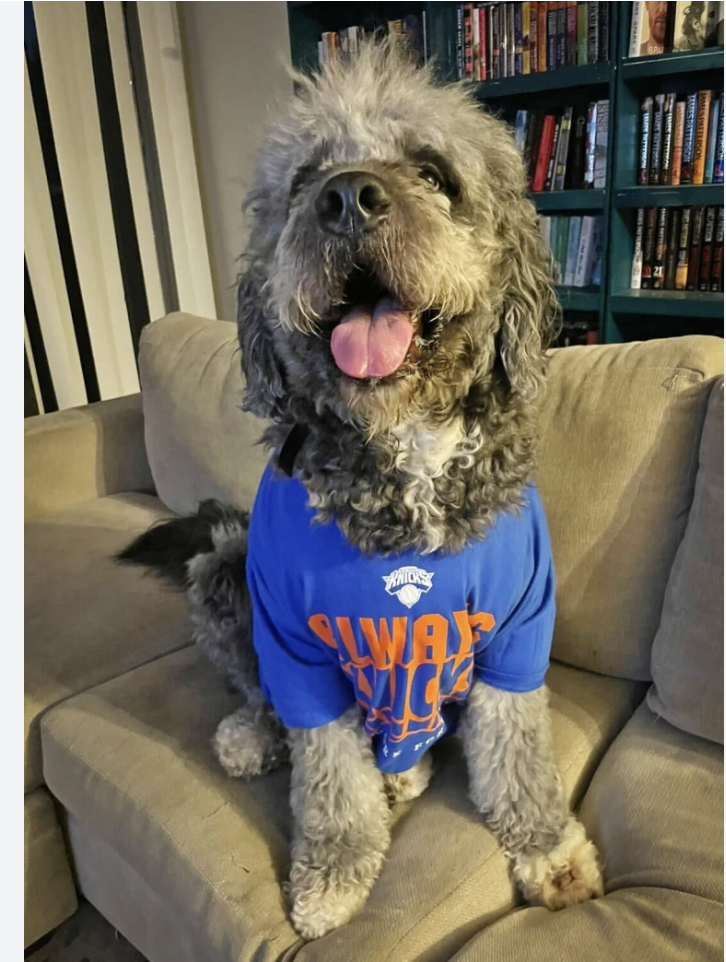
Just days ago, a family in Los Angeles was celebrating the New York Knicks championship when police responded to a call regarding a woman reportedly screaming. During the encounter, the family's beloved two-year-old dog, Jameson, was shot and killed by responding officers.
The incident has generated national headlines, public outrage, calls for investigations, and renewed questions about how law enforcement agencies handle encounters with companion animals. For Jameson's family, the loss is devastating. For millions of Americans who consider their pets members of the family, it is yet another heartbreaking reminder that these incidents continue to occur far too often.
Unfortunately, Jameson's death is not an isolated event. Nearly a decade ago, when Social Compassion in Legislation sponsored legislation addressing police encounters with dogs, estimates from the U.S. Department of Justice indicated that approximately 10,000 pet dogs were being shot and killed by law enforcement officers each year—roughly one every 98 minutes. While comprehensive national reporting still does not exist, incidents involving the shooting of family pets by law enforcement continue to make headlines across the country.
Every such incident carries a tremendous emotional toll for families, undermines public trust, generates negative publicity for law enforcement agencies, and can expose local governments to costly litigation and settlements.
Recognizing the need for humane solutions, Social Compassion in Legislation sponsored AB 1199, the Police-Canine Encounters Protection Act, in 2017. Authored by then-Assemblymember Adrin Nazarian, the bill would have required law enforcement officers to receive training on canine behavior, de-escalation techniques, and non-lethal responses during encounters with dogs.
Despite strong support, AB 1199 stalled in the Assembly Appropriations Committee due to concerns about the cost of implementing a statewide training requirement.
Today, the conversation should be different.
The question before policymakers is no longer whether training has a cost. The question is whether California's communities can continue to afford the consequences of not providing it—costly litigation, damaged public trust, national headlines, and the preventable loss of beloved family pets.
In fact, research released by the National Police Foundation and spcaLA has specifically identified misconceptions about dog behavior, lack of standardized training, and inconsistent policies as factors that can contribute to unnecessary shootings of dogs during police encounters. The report concluded that better training and clearer standards are needed to help officers safely navigate these situations whenever possible.
As Social Compassion in Legislation prepares for the 2027 legislative session, we are exploring the reintroduction of legislation modeled after AB 1199. We are committed to working with law enforcement, animal welfare organizations, legislators, and other stakeholders to develop a fiscally responsible approach that can be integrated into existing training programs while providing officers with practical tools to safely manage canine encounters. You can find our 2017 Fact Sheet Here.
Companion animals are family members to millions of Californians. Officers are frequently called upon to enter homes, respond to emergencies, and interact with animals under stressful and unpredictable circumstances. They deserve access to training and tools that can help them safely resolve these encounters.
No family should have to experience what Jameson's family is experiencing today.
We look forward to finding an author for the bill and working with lawmakers and supporters across California to finally move this long-overdue training requirement forward in 2027.
|