|
Please share this edition of Wildlife Highlights with other outdoor enthusiasts
and help our subscription list grow!
| |
|
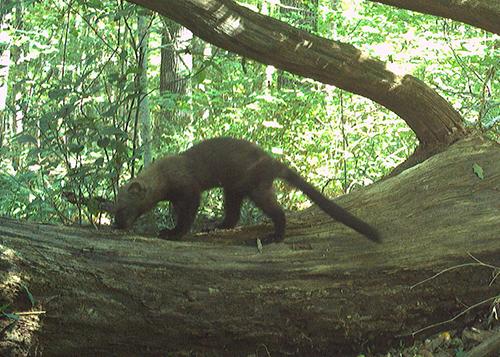
In addition to collecting sighting reports for several species, including moose, black bear, and bobcats, the DEEP Wildlife Division is also asking residents to submit their fisher sightings!
The fisher is a large member of the Mustelidae (weasel) family that prefers large tracts of coniferous or mixed hardwood-softwood forests. Connecticut is also home to the mink, a close relative of the fisher. Although both species look somewhat similar, fisher are larger on average, and mink are typically spotted near aquatic habitats.
Report fisher sightings . . .
More on the fisher . . .
| |
Upcoming Fall Hunting Seasons | |
|
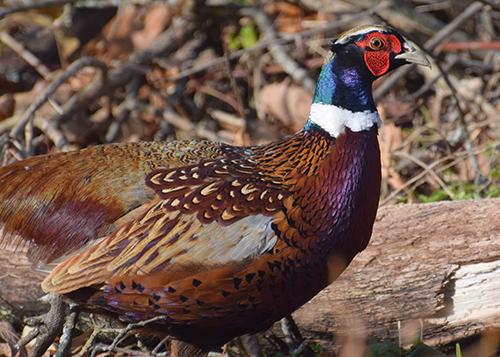
Multiple fall hunting seasons will soon be taking place. For those participating, we hope you have a safe and successful 2023 season!
Take Precautions Against Mosquitoes - Residents are being advised to take proper precautions (applying insect repellent and covering bare skin) against mosquito bites to avoid infection of West Nile virus (WNV) and eastern equine encephalitis (EEE).
More on fall hunting seasons . . .
Migratory Bird Hunting Guide . . .
More on mosquitoes . . .
| |
Fall Means Black Bears Are in Search of Calories | |
|
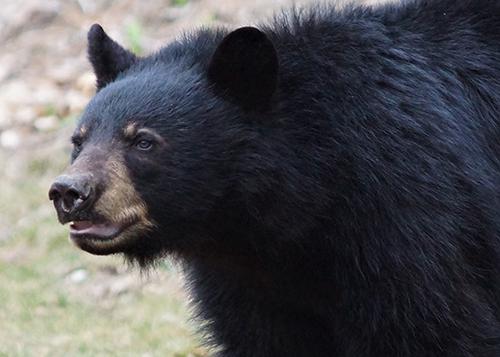
Did you know a black bear may consume roughly 20,000 calories in a single day during the fall months?! That’s the equivalent of 36 Big Macs!
Fall is the time of year when the appetite of a black bear is biologically programmed to go into overdrive. Black bears will consume 10 times as many calories as they need during spring and summer in order to put on enough fat to carry them through the coming winter. This annual power-eating marathon is called hyperphagia.
While there are plenty of natural food sources (fruits and berries, calorie-dense acorns and nuts) across Connecticut’s landscape for bears to bulk up on, it is critical to make sure they do not have access to people-related foods, most notably birdseed and garbage.
More on keeping attractants out of paw's reach . . .
| |
Celebrate Bats this October | |
|
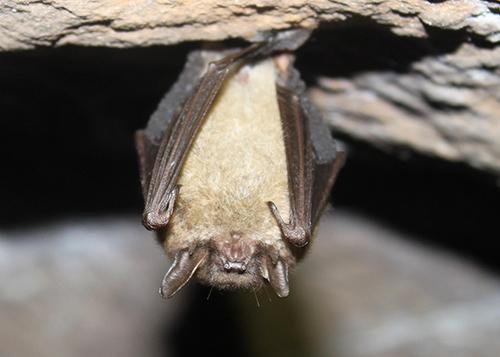
Bats are among the world’s most fascinating, beneficial, and likable animals, yet people often fear and misunderstand them.
Nine different species of bats are found in Connecticut, and all but one of them (the big brown bat) are on Connecticut's List of Endangered, Threatened and Special Concern Species.
Join us on social media for BatWeek (October 24-31) as part of the international, annual celebration designed to raise awareness about the need for bat conservation. Bats are vital to the health of our natural world and economy, and although we may not always see them, bats are hard at work all around the world each night - eating tons of insects, pollinating flowers, and spreading seeds that grow new plants and trees.
More on bats of Connecticut . . .
| |
Be Seen Outdoors this Fall | |
|
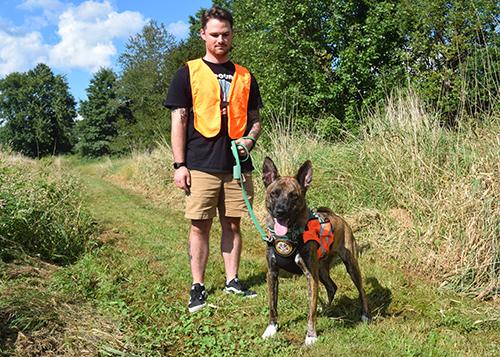
A friendly reminder that visitors to public hunting areas are strongly encouraged to wear fluorescent orange to improve their visibility to other users of the land.
Connecticut has one of the best hunting safety records in the country, and most hunters also wear fluorescent orange when moving between hunting locations.
As always, dogs must be kept on leashes no longer than 7 feet while on DEEP properties, unless the dog is in the act of hunting or training for hunting.
Whether you like to hike, horseback ride, mountain bike, hunt, or fish, it is a good idea to observe a few safety precautions while afield.
Outdoor Safety Tips . . .
| |
UConn Native Plants and Pollinators Conference | |
|
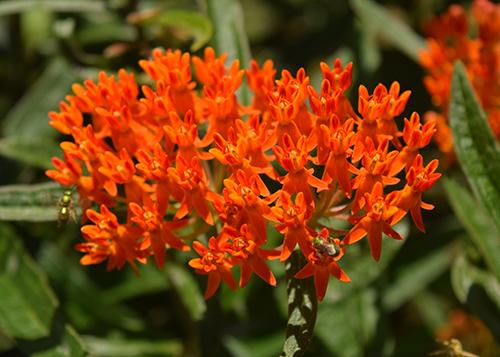
Planting native trees and shrubs in your yard is one easy way to greatly benefit Connecticut's wildlife and pollinators.
The University of Connecticut is holding its Native Plants and Pollinators Conference on Thursday, November 2, 2023, from 8:45 AM - 3:30 PM. This conference offers an exciting day of presentations featuring current science-based research and information on native plants and supporting pollinators in managed landscapes.
This program is designed for growers and other green industry professionals, landscape service providers, landscape architects and designers, town commissions, municipalities, schools, and homeowners.
Learn about native plants and how to support pollinator health throughout the year!
More information on how to register . . .
| |
Species Spotlight: Eastern Hog-nosed Snake | |
|
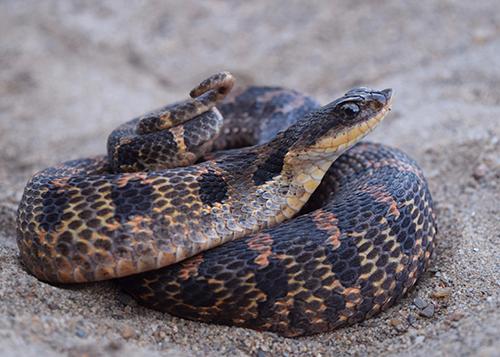
The eastern hog-nosed snake is one of the more unique species of snake that can be found in Connecticut. When threatened, this harmless snake will try to bluff its way out of a situation by coiling, flattening its head and neck to form a cobra-like hood, inflating its body, hissing fiercely, and striking violently.
If these tactics do not scare away a potential predator, the hog-nosed snake will writhe about, and then turn over with its mouth open, tongue hanging out, playing dead! Once the perceived danger has left, the snake will roll back on its stomach and be on its way.
More on the hog-nosed snake . . .
| |
|
Stay Connected!
Follow us on Social Media
| |
|
-- Quick Links --
Your Feedback Is Important to Us!
Send your comments or suggestions to deep.ctwildlife@ct.gov
|  | |
The Connecticut Department of Energy and Environmental Protection is an Affirmative Action/Equal Opportunity Employer that is committed to complying with the requirements of the Americans with Disabilities Act. If you are seeking a communication aid or service, have limited proficiency in English, wish to file an ADA or Title VI discrimination complaint, or require some other accommodation, including equipment to facilitate virtual participation, please contact the DEEP Office of Diversity and Equity at 860-418-5910 or by email at deep.accommodations@ct.gov. Any person needing an accommodation for hearing impairment may call the State of Connecticut relay number - 711. In order to facilitate efforts to provide an accommodation, please request all accommodations as soon as possible following notice of any agency hearing, meeting, program or event.
This program receives Federal financial assistance from the U.S. Fish and Wildlife Service.
Under Title VI of the 1964 Civil Rights Act, Section 504 of the Rehabilitation Act of 1973, Title II of the Americans with Disabilities Act of 1990, the Age Discrimination Act of 1975, and Title IX of the Education Amendments of 1972, the U.S. Department of the Interior prohibits discrimination on the basis of race, color, national origin, age, sex, or disability. If you believe that you have been discriminated against in any program, activity, or facility, or if you need more information, please write to:
Office of Diversity, Inclusion and Civil Rights
U.S. Department of the Interior 1849 C Street, NW
Washington, D.C. 20240
| | | | |