Research @ Pace
A newsletter highlighting faculty research & scholarship
| |
|
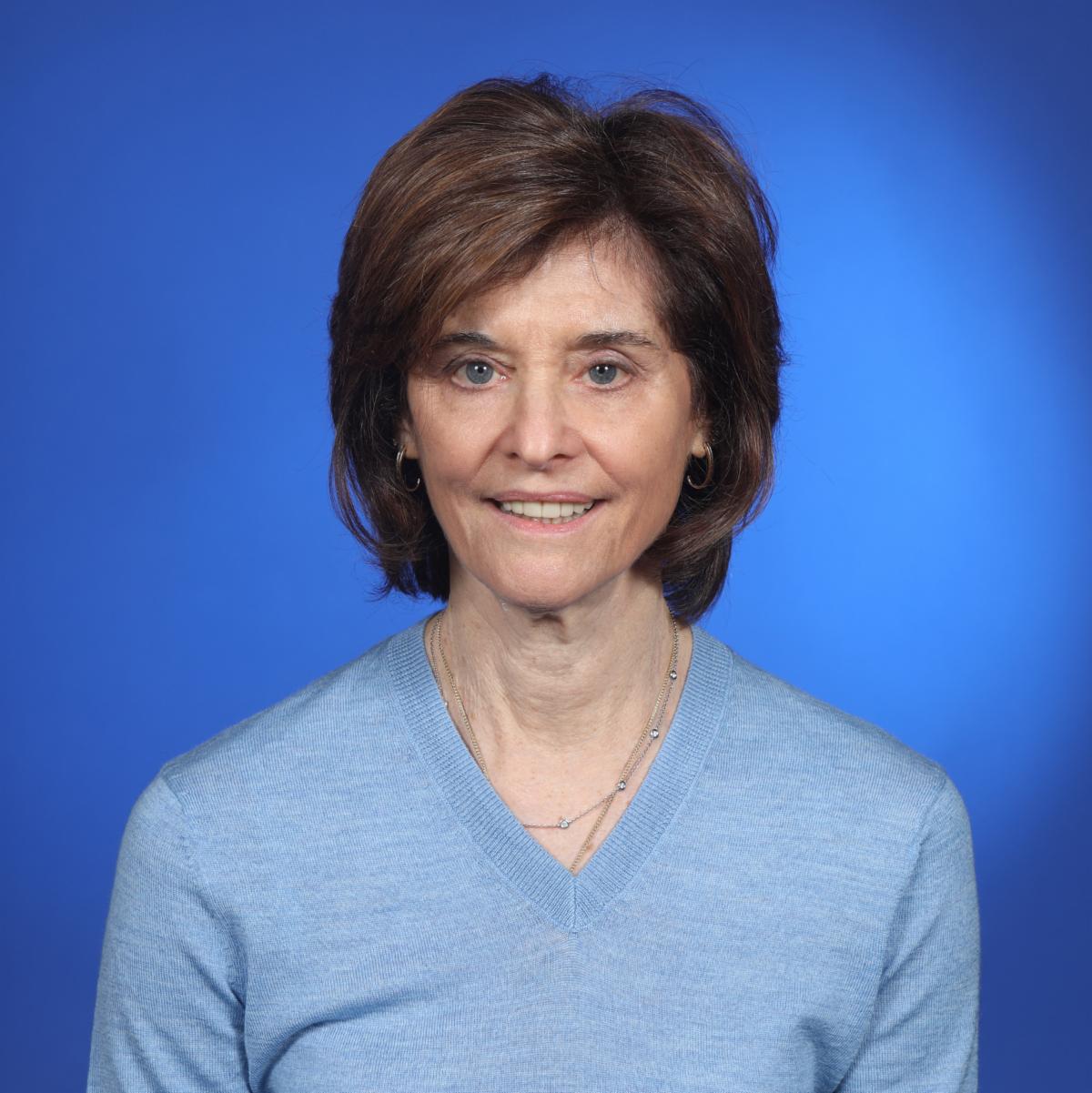
Francine Falk-Ross, PhD is a Professor and the Chair of the School of Education in New York City, and the Coordinator of the Literacy Specialist Graduate Program where she teaches courses on literacy topics to preservice and practicing teachers. She is an active member of the American Educational Research Association, Literacy Research Association, International Literacy Association, and Association of Middle Level Educators.
Professor Falk-Ross’ recent publications include “Preservice teachers’ critical analysis of features and messages in graphic novels: Implications for teachers and teacher educators” in Exploring Comics and Graphic Novels in the Classroom Jason DeHart (Ed.), EdIGIGlobal (2022); “Preservice teachers taking a critical stance when examining children’s Literature,” Literacy Research and Instruction, 59.4 (2020); Poetry re-imagined: Realizing its potential for content area instruction and confronting long-held attitudes,” National Council for the Social Studies Journal, 84.6 (2022); Finding words: Students taking part in their vocabulary development,” Journal of Teacher Education Research, 6.2 (2020); and “Taking it to the streets,” Educational Leadership, 77.1 (2019).
Professor Falk-Ross wrote two textbooks, Classroom-based Language and Literacy Intervention and Language-based Approaches to Support Reading Comprehension. She has been writing on literacy topics focused on new literacies, language differences, and students with special needs, for over 30 years. Her most recent research has investigated teachers’ critical media analysis, culturally responsive teaching, and the use of graphic novels.
She values the camaraderie and dedication of the faculty and staff in the School of Education as together they prepare their teacher candidates for exciting jobs in a challenging-but rewarding-environment!
| |
|
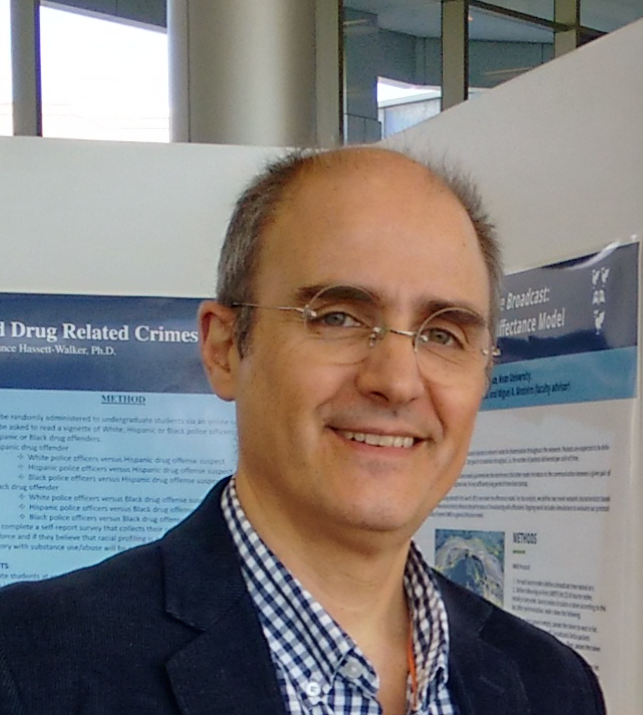
Miguel Mosteiro, PhD is an Associate Professor of Computer Science, NYC, at the Seidenberg School of CSIS. His main research interests are in distributed computing in harshly constrained settings, such as computations in ad-hoc wireless networks, crowd computing under malicious and surreptitious attacks, web ranking systems under spam, scheduling in highly-mobile networks, and others. In collaboration with international scholars and his students, Professor Mosteiro applies fundamental methods to the analysis and design of new algorithms, bridging the gap between theory and practice with experimental simulations. His research has been funded by the NSF, the UK Royal Society, and the European Commission.
Professor Mosteiro has over 75 publications in peer-reviewed top international venues. He has received the best paper award in ICALP 2018 (flagship conference of the EATCS) for breakthrough results in Anonymous Dynamic Networks. This research was also published in the Journal of ACM 67.2 (Apr. 2020). His most recent publications include "The Min-entropy of Distributed Wireless Link Scheduling Algorithms under Arbitrary Interference" to be presented in the IEEE International Symposium on Information Theory (ISIT'23) and "Faster Supervised Average Consensus in Adversarial and Stochastic Anonymous Dynamic Networks" to appear in ACM Transactions on Parallel Computation this year.
Professor Mosteiro is editor of The Computer Journal. He has been program committee chair and member of numerous top conferences. He has been invited as a distinguished speaker at Fun with Algorithms 2022. His students join his international research groups, publishing in top journals and conferences.
| |
Seong Jae Min, PhD (Communication and Media Studies, NYC, Dyson College of Arts and Sciences) received a Fulbright U.S. Scholar Teaching & Research grant for the 2023-24 academic year. He will spend the year in Korea implementing the project titled, "Practicing Alternative Journalism to Bridge Political Divides," which involves both teaching and researching new journalism theories and practices, affiliated with Hanyang University in Seoul. | |
|
Nancy E. Wright, Adjunct Faculty in the Department of Political Science (NYC, Dyson College of Art and Sciences) has received a Fulbright award to teach international relations at the Anton de Kom Universiteit van Suriname in Paramaribo, Suriname, in the Spring 2024 semester. Among her anticipated concentrations will be small sovereign state diplomacy and environmental sustainability, especially the role of Suriname as a carbon-negative country in the context of climate change.
| |
|
Amy Freedman, PhD (Political Science, NYC, Dyson College of Arts and Sciences) and Joseph Tse-Hei Lee, PhD (History, NYC, Dyson College of Arts and Sciences) received $7,300 from the New York Southeast Asia Network (NYSEAN) to host a conference at Pace next fall, titled "Democracy, Youth Resistance, and Activism in Southeast and East Asia.” This conference will present the work of scholars examining activism in various forms; from student protests to religious conservatism; from organized political parties to spontaneous forms of resistance; from underground struggle to exiled lobbying. Some of the questions asked include: how can we understand the diversity of actors, groups, and voices? And, how do these acts fit within the larger realm of political contestation? How are groups on the ground and in exile (from Myanmar, Thailand, and Hong Kong) trying to push back against draconian oppression, and how are groups trying to carve out spaces for reform and rights advocacy? This conference will bring together a wide range of scholars, students, and practitioners such as artists and activists who are interested in Southeast Asia and Hong Kong. It will contribute to the knowledge base and diversity of programming for NYSEAN by bringing together NY area researchers and students, with those further outside the NY area.
| |
|
Jason J. Czarnezki, JD, Gilbert and Sarah Kerlin Distinguished Professor of Environmental Law and Associate Dean of Environmental Law Programs and Strategic Initiatives (Elisabeth Haub School of Law), was named to the “2023 Energy & Environment Power 100” list published by City & State New York magazine. Professor Czarnezki was ranked #85 on this year’s list, noting the impact that he has had since joining Haub Law and the environmentally forward initiatives he has helped launch in that time, including most recently, the Sustainable Business Law Hub. Distinguished Haub Law alumnus Basil Seggos ’01, Commissioner, State Department of Environmental Conservation, received the #3 ranking, in part for his leadership in New York State’s ambitious climate agenda to cut carbon emissions 40% by 2030. This year’s prestigious Power 100 list includes public officials, energy executives, environmentalists, activists, academics and others who are “the key players shaping New York’s energy future.”
| |
|
Emily Waldman, JD (Elisabeth Haub School of Law) and Bridget Crawford, JD (Elisabeth Haub School of Law) have published an essay called “Menstruation in a Post-Dobbs World” in the New York University Law Review Online. This essay responds to three reviews of their earlier NYU Press book, Menstruation Matters: Challenging the Law’s Silence on Periods. The reviews call the book a “smart and careful map” and “an invaluable book of scholarly inquiry, legal strategy, and political advocacy.” In this essay, the authors re-examine their 2022 book, Menstruation Matters: Challenging the Law’s Silence on Periods, through multiple related lenses, including the human rights, sustainability, and workplace issues emphasized by their three reviewers; the COVID-19 pandemic; and the Supreme Court’s decision in Dobbs v. Jackson Women’s Health Organization. All of these perspectives converge on the inherent dignity and autonomy interests in being able to manage one’s own body. Menstruation and related conditions like breastfeeding, pregnancy, and menopause should not be sources of shame or stigma. Nor should they be vectors of formal control by the government or de facto exclusion from school, work, or any aspect of public life. Yet the Supreme Court’s overturning of Roe v. Wade means that reproduction-associated bodily processes likely will be the focus of legal battles for years to come. As the authors continue to emphasize the many ways that menstruation matters in life and law, they strive for a legal future that recognizes the full humanity of all people and safeguards our equal rights.
| |
|
Terence Hines, PhD (Psychology, PLV, Dyson College of Arts and Sciences) published a chapter titled "Projective Tests and Personality" in Investigating Pop Psychology. Pseudoscience, Fringe Science and Controversies, S. Hupp and R. Wiseman (Eds.) (NY: Routledge, 2023). The chapter notes that projective tests such as the infamous Rorschach Ink Blot test lack both reliability and validity. Thus they have no place in personality testing or clinical decision making.
Professor Hines also published a review of the book The Quick Fix in Skeptic Magazine 27.4 (2022). The book is an excellent critical discussion of faddish psychological interventions that promise more than they deliver. Included are attempts to improve student self-esteem, power posing, grit, social priming, some aspects of positive psychology, and nudging. Professor Hines’ review of the book "Off the Edge" by Kelly Weill in Skeptic Magazine 27. 4
(2022) argues that the book is a careful and insightful description of the flat earth movement, its history, status today and the psychology of the individuals involved.
| |
Elmer-Rico E. Mojica, PhD (Chemistry and Physical Sciences, NYC, Dyson College of Arts and Sciences) co-authored several entries in the Reference Module in Biomedical Sciences. Among these entries that are now available online are the following: Ammonium Nitrate, Anthracene, Benzyl benzoate, Butyronitrile, and Chlorodibenzofurans. Three more entries are in press namely: Acenaphthene, Formamide and Pentane. Each article discusses the toxicological properties of the compound ranging from their uses/occurrences to their toxicokinetics, chronic and acute toxicity, environmental fate and behavior to exposure standards and guideline. These articles are part of the upcoming Encyclopedia of Toxicology, 4th edition that will come out later this year. Professor Mojica previously contributed to the 3rd edition of the reading material which contained comprehensive survey of toxicology. | |
Gina Scutelnicu Todoran, PhD (Public Administration, NYC, Dyson College of Arts and Sciences) published "The money behind the curtain: Measuring the financial condition of special district governments in Illinois" in Public Administration Quarterly 47.2 (2023)The article is co-authored with a former Pace colleague (Andrew Crosby) and a former MPA student (Polina Polskaya). This study proposes a 9-point financial condition system to monitor and assess the fiscal health of special districts in the state of Illinois. Although financial condition indicators of general-purpose local governments have been widely developed, such indicators for special district governments are currently emerging. Such a system could be easily applied to other states that want to monitor the fiscal condition of their special-purpose entities. | |
|
Michael Finewood, PhD (Environmental Studies and Science, PLV, Dyson College of Art and Sciences), together with student collaborators from Pace and UNC Chapel Hill, as well as with community ENGOs, published a paper titled “The Bronx River and Environmental Justice Through the Lens of a Watershed” in Case Studies and the Environment 7.1 (2023). Environmental justice (EJ) in the United States has emerged and evolved in a range of ways. Although founded in explanations of distributional justice (i.e., place and proximity), scholars and activists have expanded our understandings of environmental (in)justice through ideas about recognition, participation, capabilities, and more. In this article, the authors seek to complement and extend this work by exploring EJ through the lens of a watershed. They consider the case of the Bronx River watershed where environmental injustices are not only proximate, they are also created and exacerbated through upstream/downstream relationships. In other words, the Bronx is at the receiving end of upstream environmental governance, where various forms of pollution are introduced and flow downstream, contributing to already-existing injustices. This perspective suggests the importance of a multiscalar EJ approach that brings attention to the problems created when diverse municipalities share a single watershed, and resulting environmental harms are disproportionately felt by downstream communities. The authors argue that there is a need to expand the canon of EJ scholarship with a focus on justice in a watershed frame. They draw on both community science data and research as well as a collaboration with the Bronx River Alliance, an environmental and community organization, to emphasize the importance of public engagement in defining and solving environmental injustices.
| |
|
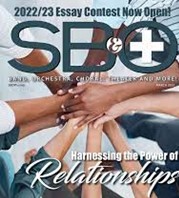
Lee Evans, EdD (Performing Arts, NYC, Dyson College of Arts and Sciences) published “Teaching the Craft of Musical Composition” in School Band and Orchestra (March 2023). The article outlines several recommended ways to teach students how best to go about composing music: the composing first of musical motives and then developing them through the employment of effective compositional techniques in order to best achieve motivic unity in music, techniques such as repetition, sequence, retrograde and interval inversion, plus such others as intervallic diminution and augmentation and rhythmic diminution and augmentation.
| |
Jillian McDonald, MFA (Art, NYC, Dyson College of Arts and Sciences) was selected for the Wave Farm Transmission Arts residency in Acra, NY and will be in residence June 2 - 11, 2023. Tunnel and the Radio Sky is a video and sound work of speculative fiction, filmed in Brooklyn, Newfoundland, Colorado, California, and Arizona, which begins with a hole dug in a Brooklyn backyard. This hole is a tunnel, connecting desert, rocky coast, and mountains; and a portal, connecting them by atmospheric radio signals. The skies are created by typing passages from a ham radio manual info an Artificial Intelligence bot and animating the resulting images. To accompany the video, McDonald will generate sound from intercepted ham radio broadcasts, EVP recordings, and field recording in the wilderness. | |
|
Christen Cooper, PhD (Nutrition and Dietetics, PLV, College of Health Professions), together with former Pace professor Angela Northup, PhD, and ND graduate, Michelle Iannacchino, published “Understanding Attitudes and Practices of Low-Income Caregivers Toward Sugar-Sweetened Beverage Consumption in Preschool-Aged Children” in Medical Research Archives 11.3 (March 2023). Sugar-sweetened beverage (SSB) consumption during early childhood has been linked to adverse health outcomes across the lifespan. Caregivers of young children are often unaware of the potential health harms of SSB and may lack knowledge, skills and environmental supports to limit SSB. The objectives of this study were to explore caregivers’ attitudes and practices with regard to SSB and to identify themes that may inform future policies and interventions to limit these beverages. Guided by the Social Ecological Model (SEM), the research team interviewed low-income caregivers of children ages two to five at a health clinic in urban New York State. Interviews were recorded, transcribed, and coded for themes and further analyzed for determinants of behavior with regard to providing SSB. Five major themes emerged: Greater SSB knowledge led to healthier choices; confusion about the healthfulness of some SSB; SSB affordability, accessibility and cultural acceptability; children’s “pester power” to obtain SSB; and, lack of SSB information from healthcare providers. Determinants such as perceived barriers to action, self-efficacy, cues to action, and perceived threat emerged from the themes. SSB are widely available, affordable and palatable. Healthcare providers seldom discuss children’s SSB intake specifically at well visits. SSB are frequently marketed and labeled as “healthy.” SSB are a significant source of empty calories and added sugars. Helping parents limit SSB may reduce child overweight and obesity and minimize lifelong chronic disease risks. Healthcare providers, health campaigns and nutrition assistance programs may collaborate to help parents limit SSB intake in young children.
Professor Cooper also worked with Jonathan Blutinger, PhD on a commentary about the future of digital cooking. Several years ago, the two were interviewed by a BBC reporter and they discovered that putting their heads together could be a valuable way to bring light to this technology. While Professor Cooper takes a cautious approach, as she is a whole food advocate, she believes that the technology may benefit those who require special diets. Video on 3-D food printing is from Scripp is available here.
| |
The Elisabeth Haub School of Law was proud to co-host the joint New Directions in Environmental Law Conference (NDEL) & Food Law Student Leadership Summit (FLSLS) held at Yale University in New Haven, CT from March 31-April 2, 2023. Over the three-day conference, there were a variety of lectures and panel discussions featuring leading experts in their fields who discussed today’s most significant food and environmental issues. The conference covered ocean and coastal justice, food sovereignty, Indigenous knowledge, sustainable business, the Farm Bill and more. The Haub Law community of faculty and students played key roles building up to and during the NDEL/FLSLS Conference, with Haub Law Professor Josh Galperin, JD serving as the Conference’s faculty advisor and working with the students to plan and ultimately execute the conference. Additionally, several faculty served as panelists and many students led planning committees in the months before and during the conference. | |
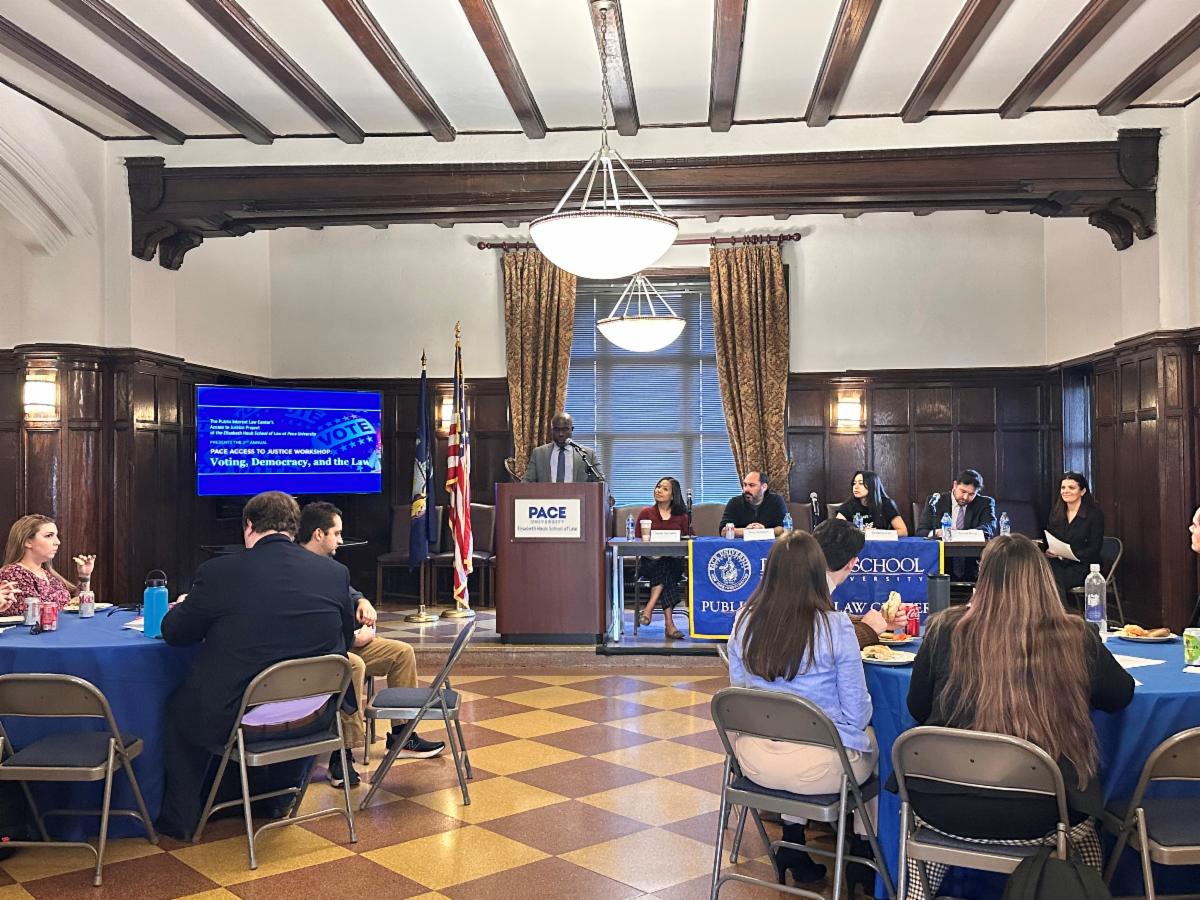
On March 29, the Elisabeth Haub School of Law presented the Second Annual Pace Access to Justice (A2J) Workshop themed: Voting, Democracy, and the Law. The Workshop brought together national voting rights and election law experts and advocates with Haub Law faculty, staff, students, and community guests to learn and engage in a dialogue centering on the important issues of voting access, election law, and our democratic process. The Workshop was hosted and moderated by Adjunct Professor Elyse Diamond, JD, Director of the Public Interest Law Center. | |
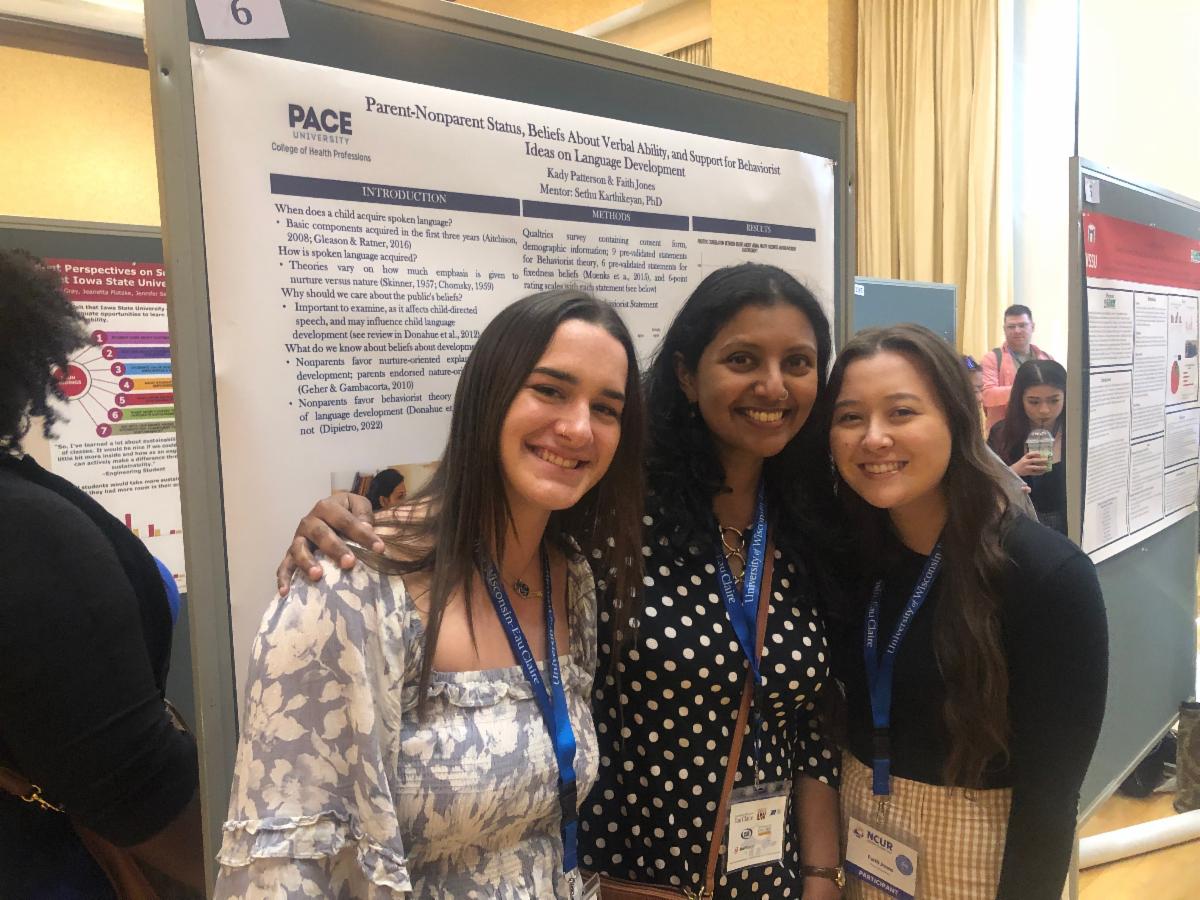
Sethu Karthikeyan’s, PhD (Communication Sciences and Disorders, NYC, College of Health Professions) undergraduate students Kady Patterson and Faith Jones’ abstract was accepted for a presentation at the NCUR, University of Wisconsin, Eau-Claire held April 13-15th. They are the only two students from Pace that presented at the NCUR. Their presentation titled parent-non-parent status, beliefs on verbal ability fixedness, and support for behaviorism endorsement is based on their honors theses. The theses are part of a bigger project that has been funded by the Classroom based research experiences grant awarded to Principle Investigator Sethu Karthikeyan, which was related to the class The Psychology of Language in spring 2022. | |
|
Publish or perish as they say. While that’s still true for most professors, an increasingly important metric of scholarship is how many times your work was cited. Citation information is freely available on Google Scholar. For example, follow this link to find out which Pace professors have the most citations to their work.
| |
|
To be listed on Google Scholar, you have to create an account:
- First, sign in to your Google account, or create one if you don't yet have one.
-
Once you've signed in to your Google account, open the Scholar profile sign up form, confirm the spelling of your name, enter your affiliation, interests, etc.
- On the next page, you'll see groups of articles written by people with names similar to yours. Add all articles that you have written; keep in mind your articles may be in several different groups, and some groups may occasionally include articles by several different authors. If you publish under several different names, you may need to do several searches to add all your articles.
- Once you're done with adding articles, it will ask you what to do when the article data changes in Google Scholar. You can either have the updates applied to your profile automatically, or you can choose to review them beforehand. In either case, you can always go to your profile and make changes by hand.
- Finally, you will see your profile. This is a good time to add a few finishing touches - upload your professional looking photo, visit your university email inbox and click on the verification link, double check the list of articles, and, once you're completely satisfied, make your profile public. It will then be eligible to appear in Google Scholar when someone searches for your name.
How to create your Google Scholar profile
Overview, FAQ, and citation information
| |
|
Updated Electronic Handbooks Login Process Provides Additional Security
HRSA’s Office of Information Technology (OIT) is upgrading the login process for external Electronic Handbooks (EHB) users to make it more secure. This new multifactor login procedure, required of all federal IT systems, will impact all BHW awardees reporting into EHB (Annual Performance Reports, Annual Operating Reports, etc.) and applicants responding to current Notice of Funding Opportunities.
The new EHB login process goes into effect May 26, 2023 for all external EHB users. It is important to start this process to set-up the new login procedure now to avoid issues with upcoming application and reporting deadlines.
All awardees and potential applicants should create a Login.gov account with the same email address they use to log into the EHBs. If you already have a Login.gov account, you must ensure it is active and it is the same email address used to log into the EHBs.
Do you need additional help?
|  | |
|
Center for Undergraduate Research Experiences (CURE) Announcements
| |
|
Third World Congress on Undergraduate Research (WorldCUR)
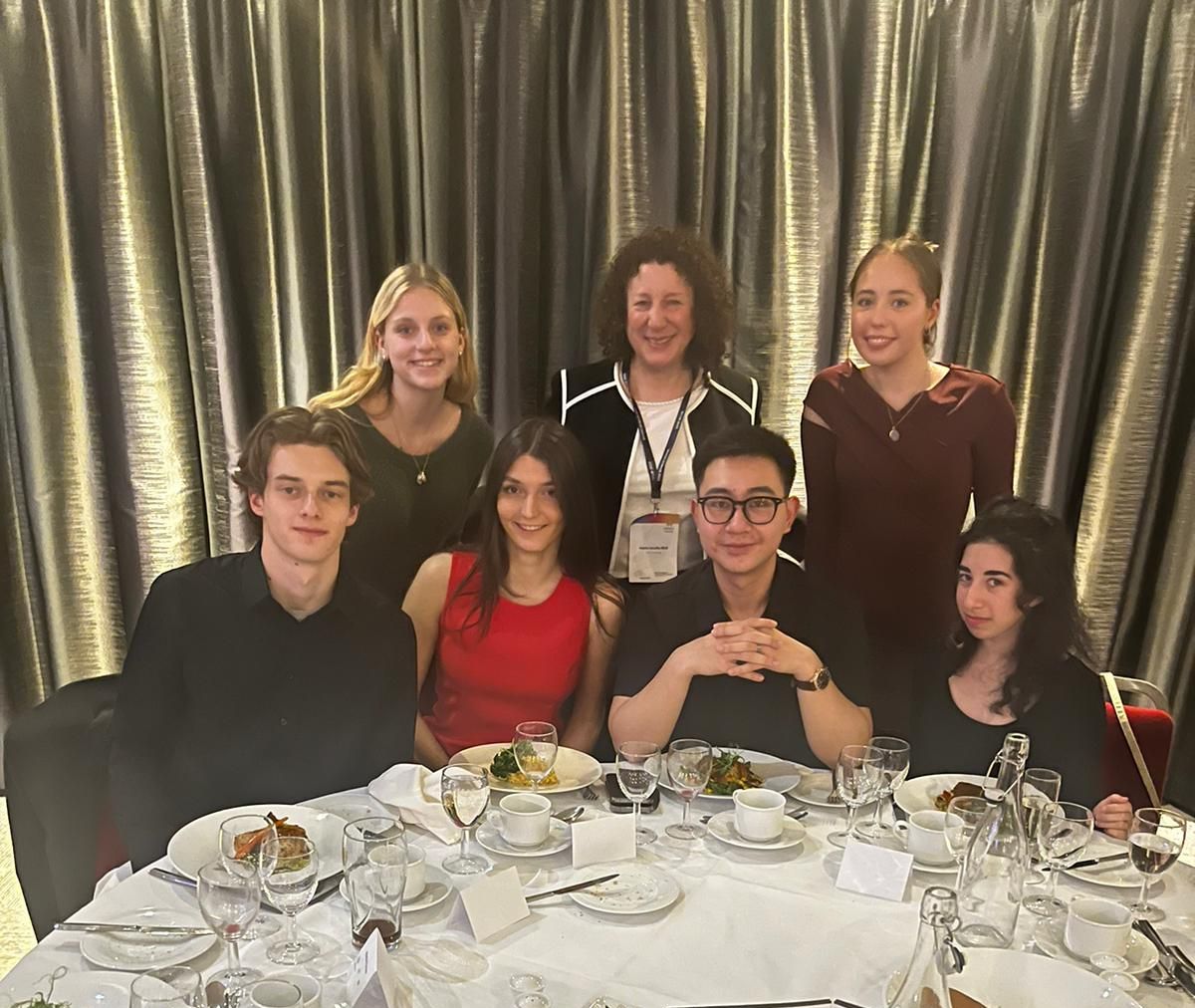
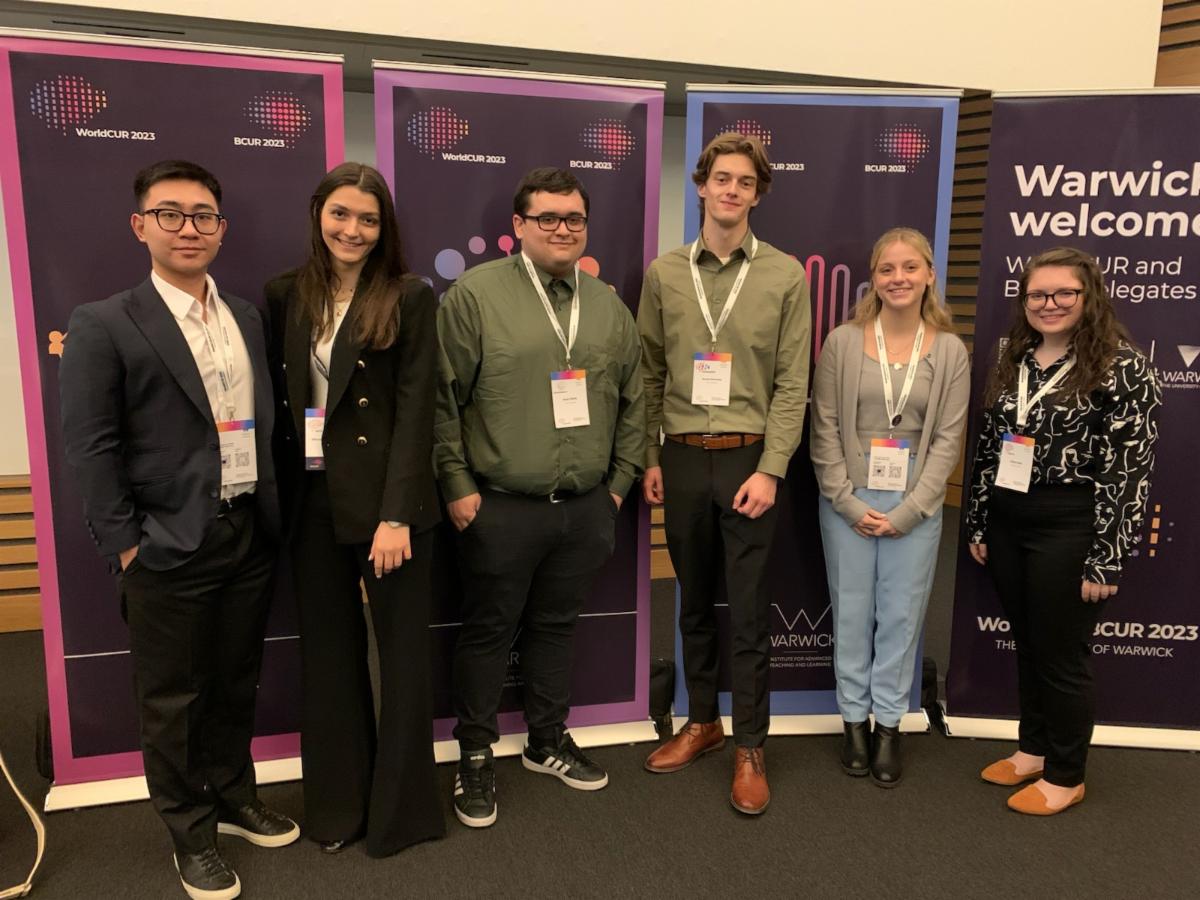
An outstanding team of eight Pace undergraduate students presented their research projects at the Third World Congress on Undergraduate Research (WorldCUR), April 3 through April 6, at the University of Warwick in Coventry, England which was held concurrently with the British Congress on Undergraduate Research (BCUR).
Maria Iacullo-Bird, PhD, Assistant Provost for Research who organized this research team is extremely proud of Noah Pfeifle (Dyson, Biology); Huy Nguyen (Dyson , Economics); Diana Bello (Dyson, Chemistry ); Madison Turunen (Dyson, History and Peace & Justice Studies); Betsy Gorelik (Seidenberg Computer Science & Information Systems); Silouani Kostits-Pasiali (Dyson, Economics); Olenka Besaga (Dyson, Economics); and, James Kennedy (Dyson, Psychology). Their individual research projects were approved through a rigorous peer-review process and several participated in special topic International Student Research Projects (ISRP) organized for WorldCUR.
| |
|
Spring 2023 Undergraduate Research and Creative Inquiry Days
May 2, 2023 | NYC Campus
May 5, 2023 | PLV Campus
The university-wide Undergraduate Research and Creative Inquiry Days will be held on Tuesday, May 2 in NYC starting at 9:30 a.m. in the Bianco Room, and Friday, May 5 in PLV at 2:00 p.m. in Gottesman. Please attend and support our student scholars and artists!
Consult the undergraduate research website for program details.
| |
Prestigious Awards and Fellowships | |
|
The application for the 2024-2025 Fulbright U.S. Student Program is now open! The Fulbright U.S. Student Program provides grants for individually designed study/research projects or for English Teaching Assistant Programs. The program facilitates cultural exchange through direct interaction on an individual basis in the classroom, field, home, and in routine tasks, allowing the grantee to gain an appreciation of others’ viewpoints and beliefs, the way they do things, and the way they think. Grant lengths and dates vary by country.
To be eligible for a Fulbright:
- Applicants must be citizens or nationals of the United States of America at the time of application. Permanent residents are not eligible.
- Applicants must have a conferred bachelor's degree or equivalent before the start of the grant.
- Applicants must meet the language requirements of the award to which they are applying and demonstrate sufficient competency to complete their project and adjust to life in the host country.
If you know of one or more students (current juniors, seniors, and alumni) who would be great candidates for the Fulbright, please reach out to Moira Egan, at megan@pace.edu.
| |
Share your research news here. | | | | |