|
Research @ Pace
A newsletter highlighting faculty research & scholarship
| |
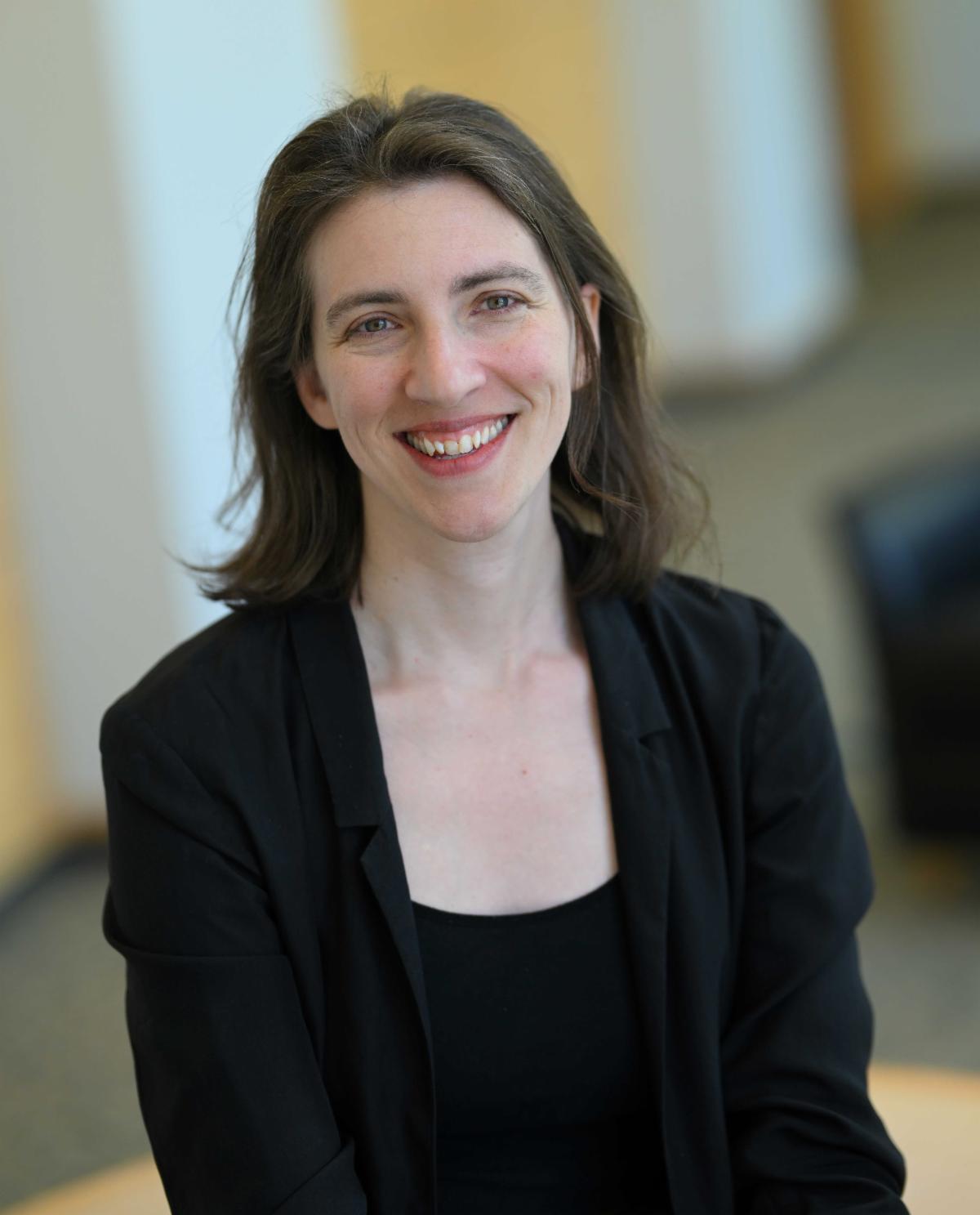
| |  | Margot Pollans, JD (Elisabeth Haub School of Law) is the Joseph P. D’Alessandro Faculty Scholar and the Faculty Director of the Pace Food Law Center. Professor Pollans’ primary research interests lie at the intersections of food and environmental law, critical legal studies, and social justice. This month, she has published an article in the University of Colorado Law Review 98.209 (January 2025). The article, "Abundance and other Food Fixations" identifies three common food fixations--abundance, thinness, and health--and situates each against an inverse fear--scarcity, fatness, and illness, respectively. Across food policy, these fixations feed what this article calls the "politics of abundance." This politics helps to insulate the food industry from deeper systemic reform aimed at mitigating the industry's human, environmental, and animal exploitation. Turning to the dichotomies of thinness/fatness and health /illness, this article argues that abundance/scarcity narratives help shape these policy debates and limit the range of available policy. The laws of fatness and illness are thus abundance-promoting, even when abundance is itself a source of harm. This article builds on a previous article, "Eaters, Powerless By Design," Michigan Law Review 120. 643 (March 2021), which argues that food law systematically constructs powerlessness by homogenizing, or erasing diversity within, the food system, suppressing dissent, and polarizing various food system constituents who might otherwise collaborate on reform. In 2022, she was named the recipient of Haub Law’s distinguished Goettel Prize for Faculty Scholarship for this article. Professor Pollans is currently in the second of a two-year term as the James D. Hopkins Professor of Law, and will be delivering the Hopkins Memorial Lecture on April 21, 2025.
| |
|
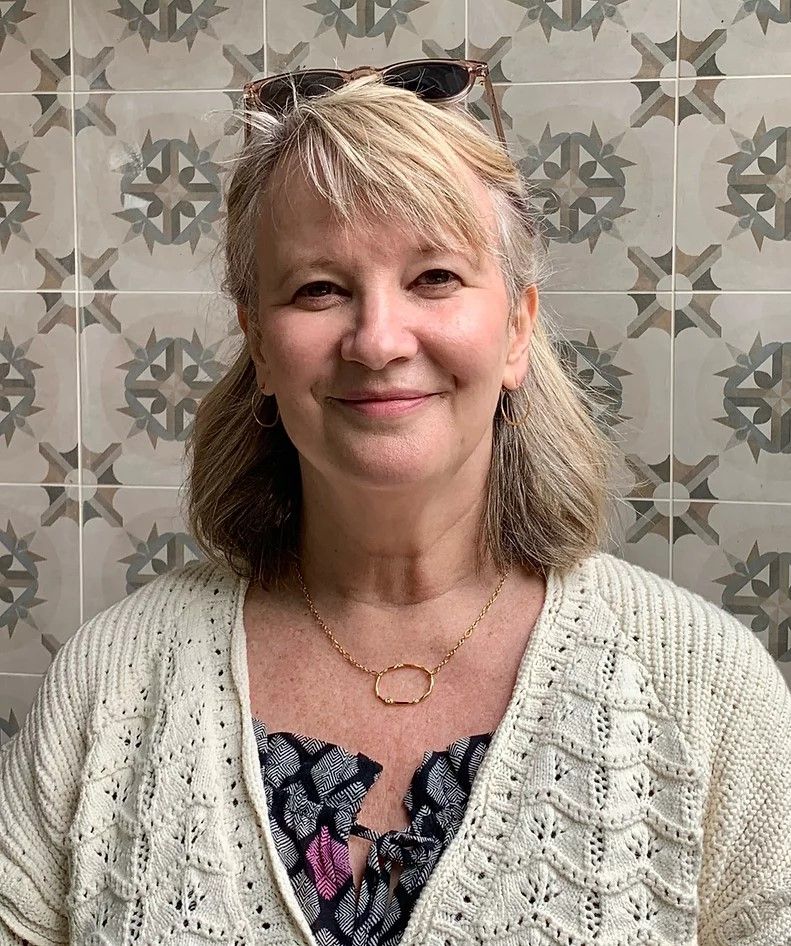
Sid Ray, PhD (English, NYC, Dyson College of Arts and Sciences) is Professor of English and Women’s and Gender Studies, and a Co-Chair of English. Her research interests include early modern culture, Shakespeare in performance, and theater history in nineteenth-century New York City.
Professor Ray is the author of Mother Queens and Princely Sons: Rogue Madonnas in the Age of Shakespeare (Palgrave MacMillan, 2012) and Holy Estates: Marriage and Monarchy in Shakespeare and His Contemporaries (Susquehanna University Press, 2004). She is currently working on: Shakespeare between the Lines: Text, Actor, and Audience Interplay, which will examine the physical choices actors make to illuminate character and story in Shakespeare’s plays. Her recent article, “‘A x to her, slaps her face—she kneels’: Violence between the Lines" in 2.4 of Measure for Measure" in Boundaries of Violence in Early Modern England, ed. Samantha Dressel and Matthew Carter, Routledge Press, 2023, addresses sexual violence enacted in the play over the last century and its impact on actors—particularly females and actors of color—and audiences.
Professor Ray also co-edited Shaping Shakespeare for Performance: The Bear Stage, ed. Catherine Loomis and Sid Ray (Madison, NJ: Fairleigh Dickinson University Press, 2016); Shakespeare and the Middle Ages, Essays on the Performance and Adaptation of the Plays with Medieval Sources or Settings, ed. Martha W. Driver and Sid Ray (Jefferson, NC: McFarland & Co., Inc., 2009); and The Medieval Hero on Screen: Representations from Beowulf to Buffy, ed. Martha W. Driver and Sid Ray (Jefferson, NC: McFarland & Co., Inc., 2004).
She has received multiple fellowships and awards, including most recently as a Co--Principal Investigator, a $150,000 National Endowment for the Humanities (NEH) Humanities Initiative Grant for “The Ground Beneath Our Feet: Centering Place-Based, Experiential Learning in the Curriculum,” which focuses on the untold stories of lower Manhattan, partnering humanities courses with downtown archives, museums, and non-profits to help students uncover those stories and counter the erasure of marginalized people from the historical narrative . She has won the Kenan Award for Excellence in Teaching (2016) and Mentor of the Year for Undergraduate Research (2024).
Professor Ray’s website is available here.
| |
| | | Pace University has been awarded $476,000 from the Mellon Foundation to support a three-year interdisciplinary initiative, Islands, Archipelagos, and Cultural Ecologies. The project builds on Pace’s existing strengths in the environmental humanities and in environmental law. The initiative will focus on developing an institutional identity for Pace’s lower Manhattan location as an island campus in New York City while connecting with other archipelagos in relationship with the United States. Through comparative studies of the islands of New York City with the US legacy in the Marshall Islands and the territory of the US Virgin Islands, the program will explore themes of vulnerability, responsibility, resilience, and decolonization. The Mellon faculty team includes Erica Johnson, PhD (English, Dyson College of Arts and Sciences, NYC), Melanie DuPuis, PhD (Environmental Studies and Science, NYC, Dyson College of Arts and Sciences, NYC, emeritus), Emily Welty, PhD (Peace and Justice Studies, NYC, Dyson College of Arts and Sciences), Matthew Bolton,PhD (Political Science, NYC, Dyson College of Arts and Sciences) and Katrina Fischer Kuh, JD (Elisabeth Haub School of Law). The grant will enable the Pace community to explore the city’s coastal and island ecologies and will bring artists, scholars, and scientists to Pace’s campuses for related events.
| |
|
Phil Cohen, JD, LLM (Legal Studies and Taxation, Lubin School of Business, PLV/NYC) published "Expensing vs. Capitalization of Patent Infringement Costs Associated with FDA Approval of Generic Drug Manufacturers – Reflections on Mylan Inc. & Subsidiaries v. Commissioner" Virginia Tax Review 44.189 (Winter 2025). The article focused on the case, Mylan Inc. & Subsidiaries v. Commissioner, wherein both the Tax Court and the Third Circuit Court of Appeals rejected the Internal Revenue Service's argument that certain legal expenses incurred by a generic manufacturer of pharmaceuticals to defend against patent infringement incurred in connection with its application with the U.S. Food and Drug Administration (FDA) to market its drugs must be capitalized. The fact pattern before the courts addressed special rules under the Drug Price Competition and Patent Term Restoration Act of 1984 (commonly referred to as the Hatch-Waxman Act). Professor Cohen's article explained why, despite some well-reasoned assertions by the IRS, he believed taxpayer's prevailing on this issue was correct outcome.
| |
|
Jessica Miles, JD (Elisabeth Haub School of Law) article, "Disgusted Judges and Domestic Violence," was published by Seton Hall Law Review 55.353 (2024). This article argues that judicial disgust leads to the denial of relief to many domestic violence survivors in CPO cases because disgust promotes subconscious victim blaming and avoidance responses, which, in turn, undermine accuracy in adjudication and undercut legislative intent to protect survivors. Ultimately, disgusted judges are more likely to dismiss meritorious petitions for protection from domestic violence and to disregard procedural justice concerns.
State courts and legislatures should implement legal reforms to address the problem of judicial disgust with domestic violence. In addition, legal education providers at all levels (i.e., for law students, lawyers, and judges) should offer courses on emotional regulation skills to reduce the potential negative effects of disgust and other emotions on legal practice and adjudication. Finally, this article implores social scientists to further explore the impact of disgust on people’s responses to domestic violence, with a new and specific focus on the context of adjudication, in order to aid efforts to promote access to legal relief for survivors.
| |
Elmer-Rico E. Mojica, PhD (Chemistry and Physical Sciences, Dyson College of Arts and Sciences, NYC) coauthored a paper titled "Essential Oil of Eucalyptus as Modifier of Carbon Paste Electrode for Voltammetric Determination of Lead Ions" at the Philippine Journal of Science 153.5 (Oct. 2024). This research introduced an innovative approach utilizing eucalyptus essential oil as a modifier for carbon paste electrodes, optimizing the voltammetric detection of Pb²⁺ ions. The study demonstrated the method's potential as a sustainable and cost-effective solution for heavy metal detection. | |
Additionally, Professor Mojica co-authored the paper "Antimicrobial Properties of Selected Propolis Samples," published in the International Journal of Microbiology and Mycology 19.3 (Sept. 2024). Collaborating with undergraduate researchers Nadina A. Horril (Biology 2014) and Santana N. Martinez (Biology 2016), this study evaluated the antimicrobial activity of propolis samples from various regions, including Russia, Washington, and the Philippines. The findings revealed that propolis from Russia and Washington exhibited the strongest antibacterial effects, while samples from the Philippines (Bicol and Laguna) also demonstrated significant activity. This research highlights the potential of propolis as a broad-spectrum antimicrobial agent, contributing to the development of eco-friendly antibacterial therapies and addressing the global challenge of antibiotic resistance. | |
| | | Beau Anderson, PhD (Allied Health, College of Health Professions) published "'Bringing greater research fluency into our educational vision’: A Qualitative Research Study on Improving East Asian Medicine Research Education" in PLOS ONE 19. 12 (2024). The US is one of 196 countries that provide formal education in traditional Chinese medicine (TCM) including acupuncture, Chinese herbal medicine, and other modalities such as cupping and Tui Na (Chinese medical massage). In the US there are 49 TCM schools offering master’s and doctoral degrees, and approximately 34,000 licensed acupuncturists. Licensure requires graduation from an accredited program and successfully passing the certification exam. Research and evidence-based medicine (EBM) content in TCM program curricula has evolved over the past few decades as accreditation requirements have changed and entry-level doctoral degrees were introduced in 2013. This reflected the exponential increase in acupuncture research over the past 20 years, which grew at an annual rate of 10.7% compared to biomedicine at 4.5%. Despite these developments, the quality of research and EBM curricula at many TCM schools is still lacking. This paper describes the work of several members of the Society for Acupuncture Research - Special Interest Group in Education in developing a model research course curriculum. The research involves a qualitative analysis of subject matter experts and stakeholders to determine topics that should be included in TCM degree programs, and best approaches and considerations in educating TCM students about research and EBM.
| |
|
Professor Anderson also published “Cross- Sectional Survey analysis of institutional research partnerships in complementary and integrative health: Identifying barriers and facilitators” in the Journal of Integrative and Complementary Medicine (Dec. 2024).
Complementary and integrative health (CIH) disciplines like chiropractic, acupuncture, traditional Chinese medicine, massage therapy and naturopathy are becoming increasing popular in the US. The National Institutes of Health (NIH) is the greatest funder of CIH research in the world spending approximately $300 Million annually. Most of this funding is through the NIH National Center for Complementary and Integrative Health and the NIH National Cancer Institute. CIH research provides the evidence base for the use of these therapies in conventional healthcare centers, and integration into comprehensive and effective approaches for patient care. Collaborative research teams including members from research intensive institutions (Carnegie R1) and from CIH institutions have received significant funding from the NIH through designated grant mechanisms such as the R25. The research expertise and infrastructure provided by the R1 institution, combined with the CIH subject matter expertise provided by the CIH institution, is ideal for optimizing research quality and clinical applicability of research outcomes. However, such collaborative partnerships can have significant challenges due to different perspectives on health and healing and on optimal research methodology capable of reflecting real-world practice of CIH therapies. This study involved a quantitative and qualitative analysis of the barriers and facilitators of these collaborative research partnerships using a 32-question survey with open and closed ended questions.
| |
Wellness Opportunities for Faculty and Staff | |
|
SAVE THE DATE(S) FOR PACE’S ANNUAL WELLBEING FAIRS!
In our ongoing commitment to promote the wellbeing of the Pace community, Pace is hosting its 3rd Annual Wellbeing Fair on each of our three campuses! Tables hosted by campus departments, clubs, and community organizations will offer activities, information, demonstrations, and free giveaways to highlight the 8 dimensions of wellness (emotional, environmental, financial, intellectual, occupational, physical, social, and spiritual). Contact us at wellness@pace.edu for more information/questions!
| |
|
Haub/White Plains Campus:
Wednesday, February 5
12:30 p.m. - 2:30 p.m.
Tudor Room, Preston Hall
| |
|
NYC Campus:
Wednesday, February 12
12:00 p.m. -2:00 p.m.
Student Center West, One Place Plaza
| |
|
PLV Campus:
Wednesday, February 26
12:00 p.m.- 2:00 p.m.
Gottesman Room, Kessel Student Center
| | |
|
|
Please find attached a call for proposals for a Mellon-funded project, which would support curricular development in amounts up to $500 per class around the study of New York City as islands and coastal communities.
The application deadline is February 25.
For questions contact Melanie DuPuis, PhD, at edupuis@pace.edu.
| |
|
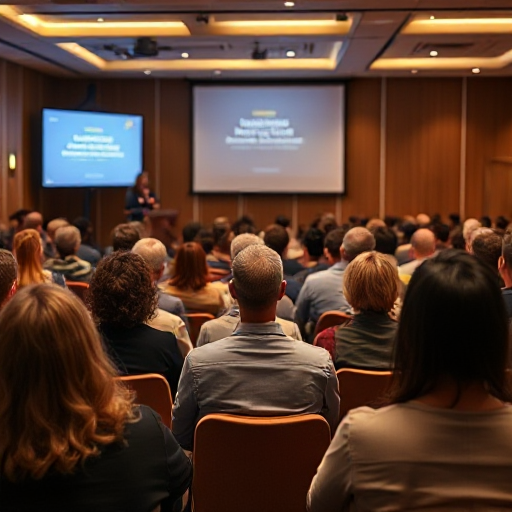
The Office of Research and Graduate Education is excited to announce the upcoming Spring Research Conference, titled Innovative Solutions to Contemporary Challenges: Scholarly Creativity in the Service of Humanity, which will be held on May 8, 2025, at Pace University’s New York City campus!
We invite you to register now to save the date and consider submitting a proposal to participate in this important event, which will explore how science, art, and creativity can address the complex global challenges we face today. The conference will highlight efforts to promote justice, equity, and inclusion worldwide, with a particular focus on the perspectives of the majority world—regions often underrepresented in global discourse.
This event offers a unique opportunity for interdisciplinary collaboration, bringing together scholars, artists, practitioners, and students from diverse fields. Through engaging presentations, panel discussions, and creative works, we will explore innovative approaches to global issues, with a focus on community engagement, health, technology, pedagogy, and more.
Submission Guidelines:
We welcome proposals that address the following themes:
- Community Engagement
- Health and Healthcare Innovations
- Technology and Humanity
- Pedagogy and Creativity
- Interdisciplinary Collaboration
We encourage submissions from scholars, artists, practitioners, educators, and graduate students from all disciplines and career stages. Collaborative and interdisciplinary proposals are especially welcome.
Proposal Types:
- Individual Presentations: 10-15 minutes, followed by Q&A.
- Panels: 3–4 presentations grouped around a common theme (50 minutes).
- Posters: Research or creative projects presented visually, with opportunities for discussion during a dedicated poster session.
- Creative Works: Performances, multimedia presentations, or exhibitions.
Submission Requirements:
Please include the following in your proposal:
- Title of presentation/workshop/panel/creative work.
- Abstract (up to 250 words) explaining your topic, approach, and how it connects to the conference theme.
- A brief biography (up to 150 words) for each presenter, including institutional affiliation.
- For panels: Include titles and abstracts for all individual presentations.
Important Dates:
- Proposal Submission Deadline: Friday, February 14, 2025
- Notification of Acceptance: Monday, March 17, 2025
- Conference Date: Thursday, May 8, 2025 (8:30 am-3:30 pm)
| |
For questions or additional information, please contact the Program Chair, Anna Beskin at abeskin@pace.edu. | |
Upcoming Office of Research and Graduate Education Presentations and Workshops | |
|
Crafting Impactful Recommendations for Students: Strategies for Scholarship and Fellowship Letters of Recommendation
Thursday, February 13, 2025
3:25 p.m. - 4:25 p.m.
Register in advance for this presentation
This presentation will guide faculty in writing impactful recommendation letters for undergraduate and graduate students applying for prestigious awards, scholarships, and fellowships. Participants will learn how to tailor their letters to highlight key student qualities, craft compelling narratives, and avoid common pitfalls to ensure their recommendations stand out. By the end of the session, participants will have practical strategies and a clear approach to writing letters that maximize students' chances of success in competitive selection processes.
Presenters: Anna Beskin, PhD (Director of Faculty and Graduate Research, Office of Research and Graduate Education) and Moira Egan, PhD (Director of Prestigious Awards and Graduate Fellowships, Office of Research and Graduate Education)
| |
|
Exclusive Grant Writing and Professional Development Series at Pace University
Pace University is thrilled to welcome Beth Schachter, PhD, a distinguished writer, editor, consultant, and coach specializing in the biomedical community within academia and industry. With a unique blend of scientific expertise and communications prowess, Beth excels in translating complex topics in biology, medicine, and biotechnology into impactful narratives. Whether crafting compelling research articles, refining manuscripts, or enhancing grant proposals, Prof. Schachter's skills amplify the reach and influence of your ideas across diverse audiences.
Register for the in-person sessions!
Session 1: Mastering the Basics: A Comprehensive Guide to Grant Writing and Funding Opportunities Across Disciplines
This presentation will be the first of a series led by Beth Schachter, PhD, grant writing consultant and coach. Beth will guide participants through grant writing across various disciplines such as sciences, humanities, arts, computer science, and business. The workshop will include the following key components: the essential elements of a successful grant proposal, such as defining clear research objectives, structuring the proposal for clarity and impact, and tailoring proposals to meet the specific criteria of different disciplines and funding sources.
Wednesday, February 19, 2025, at 12:10 p.m. – 1:10 p.m.
1 Pace Plaza, W513 (register here for the in-person session); to join via Zoom register here
Session 2: Advanced Strategies for Success in the Sciences
This workshop is tailored for participants in the sciences with some basic experience in grant writing, focusing on more advanced tactics for successful grant applications. In this 90-minute session, Beth Schachter, PhD (grant writing consultant and coach), will provide guidance on developing a strategic approach to the application process, including managing timelines, building key contacts, and balancing the creative and business aspects of proposal writing. This session will feature two successful grant recipients from the sciences.
Wednesday, March 26, 2025, at 12:10pm-1:40pm
1 Pace Plaza, W623 (register here for the in-person session); to join via Zoom register here
Session 3: Advanced Strategies for Success in the Humanities
This workshop is tailored for participants from the humanities with some basic experience in grant writing, focusing on more advanced tactics for successful grant applications. In this 90-minute session, Beth Schachter, PhD (grant writing consultant and coach), will provide guidance on developing a strategic approach to the application process, including managing timelines, building key contacts, and balancing the creative and business aspects of proposal writing. This session will feature two successful grant recipients from the humanities.
Wednesday April 9, 2025, at 12:10pm-1:40pm
In-person location TBA (register here for the in-person session); to join via Zoom register here
Session 4: Mastering Research Grants Workshop
In this hands-on presentation, Beth Schachter, PhD (grant writing consultant and coach), will provide faculty with advanced grant application tactics, practical skills for writing grants, and personalized guidance and mentorship about the application process. Unlock the full potential of your research projects with our interactive workshop designed specifically for faculty who are well into their grant application journey, offering both practical tools and expert advice to advance your academic career.
Wednesday, April 23, 2025, at 12:10 p.m. – 1:40 p.m.
In-person location TBA (register here for the in-person session); to join via Zoom register here
| |
Center for Undergraduate Research Experiences (CURE) Announcements | |
|
Undergraduate Research Assistantship Program funded by Federal Work Study (FWS)
Proposals will be accepted on a rolling basis until funds are depleted.
The goal of this program is to fund research assistants to support faculty research projects and offer students research-based learning supported by Federal Work Study awards.
To apply, propose a research assistantship position to support your scholarship or creative inquiry. To recruit qualified student applicants, inform your students about the research opportunity so they can better understand the value of their Federal Work Study awards and how these funds can be earned while serving as your research assistant!
Click here to propose your Undergraduate Research Assistantship position
| |
|
Spring 2025 Student Undergraduate Research Webinar Series
Monday common hour – 12:10 p.m. - 1:10 p.m.
Tuesday common hour – 3:25 p.m. - 4:25 p.m.
Maria Iacullo-Bird, PhD, Assistant Provost for Research
- Getting Started in Research/Creative Inquiry Projects
Tuesday, February 11, 2025
- How to prepare a Research Proposal
Tuesday, March 25, 2025
-
Designing a Virtual Panel Slides, and Posters for in-Person Presentations
Monday, April 14, 2025
Tuesday, April 15, 2025
Register in advance for Monday’s meeting
Register in advance for Tuesday’s meeting
After registering, you will receive a confirmation email containing information about joining the meeting.
| |
|
Spring 2025 Faculty Undergraduate Research Webinar Series
Monday/Friday common hour – 12:10 p.m. - 1:10 p.m.
Tuesday/Thursday common hour – 3:25 p.m. - 4:25 p.m.
Maria Iacullo-Bird, PhD, Assistant Provost for Research
- How Faculty Grants can include Student Research
Monday, February 3, 2025
Thursday, February 6, 2025
- Creating Course-based Undergraduate Research Experiences (CUREs)
Friday, March 28, 2025
Thursday, April 3, 2025
- Learn about the Council on Undergraduate Research (CUR)
Monday, April 21, 2025
Tuesday, April 22, 2025
Register in advance for Monday’s and Friday’s meetings
Register in advance for Tuesday’s and Thursday’s meetings
After registering, you will receive a confirmation email containing information about joining the meeting.
| |
SAVE THE DATES
Spring 2025 Undergraduate Research and Creative Inquiry Days
Undergraduate Research Day/Virtual – Tuesday, April 29, 2025
Undergraduate Research Day/NYC – Thursday, May 1, 2025
The Undergraduate Research and Creative Inquiry Days planned for April 29 (Virtual) and May 1 (NYC) will showcase undergraduates from across the schools and colleges who have engaged in faculty-mentored research and creative inquiry during the academic year. Students will present scholarly or artistic/creative work as part of a course-based research or creative inquiry assignment, award program, co-curricular project, or in fulfillment of their Senior Capstone or Honors College thesis requirement.
| |
For questions contact:
Norma Quiridumbay, CURE Director of Operations at nquiridumbay@pace.edu
Maria Iacullo-Bird, PhD., Assistant Provost for Research at miacullobird@pace.edu
| |
Prestigious Awards and Fellowships | |
|
The Benjamin A. Gilman Scholarship funds undergraduate study abroad programs of varying lengths. The scholarship aims to diversify both the locations of study abroad programs and the populations of students who go abroad. Students must be U.S. citizens eligible for Pell grants. If you are teaching a course which includes an abroad component, your students may be eligible to apply. Please encourage them to attend a virtual information session hosted by Education Abroad and the office of prestigious awards on Thursday, February 6, 3:25 p.m. - 4:25 p.m.
Join Zoom Meeting
Meeting ID: 997 5245 4210
Password: ABROAD
| |
|
The UN Millennium Fellowship is a transformative experience allowing students to design and carry out projects that advance the UN Sustainable Development Goals and benefit their community. The fellowship is a cohort experience and includes seminars and other professional development opportunities. If you encourage experiential learning or community-based hands-on research, your students might benefit from this opportunity. Please join the Office of prestigious Awards and the Center for Wellbeing for a virtual application workshop on Wednesday, February 19, 12:10 p.m. -1:10 p.m. We will provide application guidance and be joined by recent fellows who will discuss their experiences applying and completing their projects. This is a follow-up to our recent information session on the fellowship. A recording of that session is available here.
Register for the February 19 workshop
| |
For questions contact Moira Egan, PhD, Director of Prestigious Awards and Fellowships, at megan@pace.edu | |
|
Questions? Email: Elina Bloch, PhD, Associate Director for Research
at ebloch@pace.edu
| | | | |