|
Research @ Pace
A newsletter highlighting faculty research & scholarship
May 2026
| | |
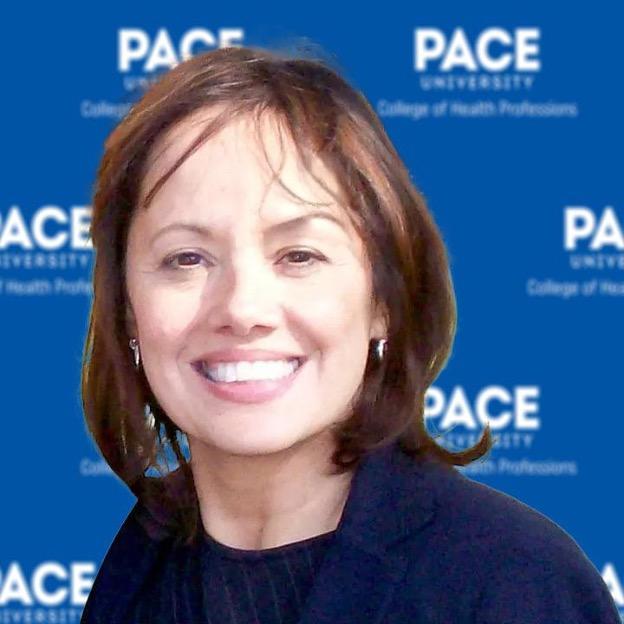
Linda Carozza, PhD, CCC-SLP is Associate Professor and Founding Program Director in Communication Sciences and Disorders (College of Health Professions, NYC). Her research interests include adult neurogenic communication disorders, quality of life interventions for aphasia, dementia and related conditions, mentorship/supervision and multicultural issues.
Professor Carozza published Leadership in Speech-Language Pathology (Plural Publishing, 2019), Communication and Aging: Creative Approaches to Improving the Quality of Life (Plural Publishing, 2016), and Science of Successful Supervision and Mentorship (Plural Publishing, 2011). These studies are an outgrowth from the Jl of Hispanic Higher Education 2002 article on the need for mentorship in the minority professoriate which was a highly read publication and spawned the update that now appeared in the Hispanic Outlook publication. This article series described the history and offers forward thinking solutions to the issue of representation in communication sciences and disorders. This is an especially important topic due to the rapidly changing demographics in the profession and in the populations treated, particularly in the NYC Dept. of Education.
Her recent articles include “Addressing the lack of mentorship for underrepresented faculty in communication science and disorders (CSD)” Hispanic Outlook on Education Magazine (October 2025), “Closing the gaps: Mentorship as a key to equity in communication science disorder (CSD), part II” Hispanic Outlook on Education Magazine (December 2025), and “Addressing the lack of mentorship for underrepresented faculty in communication science and disorders (CSD), part III” Hispanic Outlook on Education Magazine (January 2026).
Last month, Professor Carozza presented at the Office of Research and Graduate Education Annual Spring Research Conference – “The Human Experience: Research Creative Work, and Interdisciplinary Dialogue” at Pace. She is currently working on “Mentorship and Culturally Responsive Practice: Supporting Diverse Clinicians in Communication sciences and Disorders” via her Pace University research grant and will be teaching in the CSD as well as the health sciences programs in the Fall.
| | |
Peter McDermott, PhD is a Professor in the School of Education (NYC). His current research interests are in literacy education and the application of AI in teacher education. Professor McDermott has recently co-authored “Using AI Technologies in Classroom Lessons,” Excelsior: Leadership in Teaching and Learning 18.1 (2025) and “Three Guiding Principles for Using AI Technology in Middle School Education,” Middle School Journal 56.5 (2025). These studies explore strategies for using AI technologies to advance teaching and learning in schools, and they provide examples of the ways AI can serve as a productive instructional resource for middle school teachers.
He is currently analyzing student performance data related to a Science of Reading micro-credential that students complete in their introductory literacy courses at Pace. Results of these analyses will help improve student learning about this literacy movement and strengthen the assessment for other students completing the micro-credential in subsequent semesters.
Prof. McDermott has extensive international teaching experience. He is a former Fulbright Fellow having taught “Democratic Methods of Teaching” at the University of Sarajevo, Bosnia. He has taught literacy methods in Sierra Leone and Tanzania. He also taught with the Critical Reading and Writing Project in Kazakhstan. All of these literacy projects were sponsored by the International Literacy Association.
He regularly presents his scholarship at national and regional research conferences. These meetings include the American Education Research Association, the New England Educational Research Association and the statewide conference, the New York State Reading Association (NYSRA); he has been actively involved with NYSRA and is a former president of the organization.
In April, Prof. McDermott co-presented with SOE colleagues at the Office of Research and Graduate Education Annual Spring Research Conference – “The Human Experience: Research Creative Work, and Interdisciplinary Dialogue.”
| | |
The Animal Policy Project (APP), housed within the Suburban Biodiversity Conservation Center in Dyson College of Arts and Sciences at Pace University, advances interdisciplinary work focused on wildlife conservation, animal welfare, and environmental policy. The initiative connects students with applied research and policy engagement at the intersection of wildlife conservation, environmental governance, and animal protection.
A central component of APP is the Animal Advocacy Clinic, where undergraduate and graduate students work on active policy issues affecting animals and wildlife. Students prepare legislative and policy materials, engage directly with lawmakers and agencies, and support advocacy organizations, including Humane World for Animals. Clinic projects have contributed to major policy developments in New York, including banning wildlife killing contests, strengthening New York’s Endangered Species Act, and drafting legislation prohibiting the use of elephants in entertainment.
Graduate student research affiliated with APP examines wildlife health policy and state-level capacity to respond to emerging conservation challenges. In collaboration with Veterinary Initiative for Endangered Wildlife (V.I.E.W.), students are exploring how states prioritize wildlife health threats and incorporate wildlife health into broader environmental governance.
APP also works closely with the New York State Wildlife Rehabilitation Council through the NYSWRC–Pace Alliance (NPA), a partnership focused on improving coordination between wildlife rehabilitators, advocates and policymakers. Current collaborative efforts include policy analysis related to anticoagulant rodenticides and their impacts on raptors and other wildlife in New York State.
Wildlife rehabilitators often provide an early window into emerging threats affecting wildlife and can play an important role in informing conservation policy. Through these affiliations, APP is helping students engage directly with the practical and institutional dimensions of wildlife protection in New York and beyond.
| |
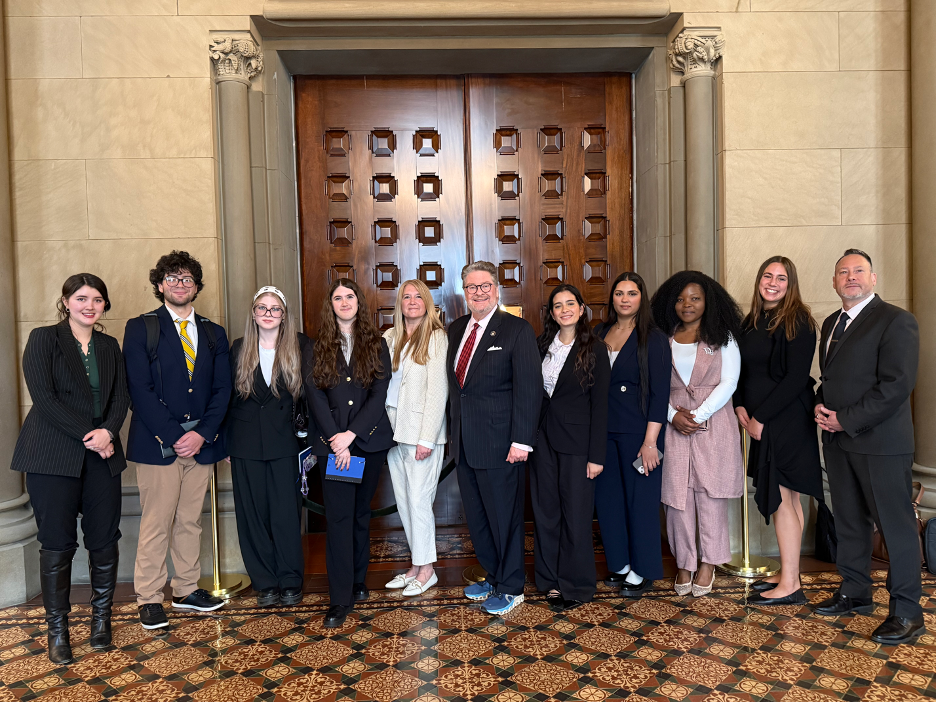
Undergraduate and graduate student clinicians in the Animal Advocacy Clinic, with Professor Michelle Land and New York State Senator Pete Harckham at the State Capitol in Albany during a lobbying trip
on April 29, 2026.
| |
| |  |
Nils Myszkowski, PhD (Psychology, NYC, Dyson College of Arts and Sciences) co-authored a publication with researchers from City University of New York, University of Texas at San Antonio and University of Texas at El Paso. Titled "Predictive Validity of the Algebra Concept Inventory (ACI): The Importance of Algebraic Conceptual Understanding to College Math and STEM Outcomes," AERA Open (12.1, January-December 2026), the study offers new insights into the role of foundational algebraic understanding in students’ academic trajectories. It centers on the Algebra Concept Inventory (ACI), the first large-scale validated instrument designed to assess college students’ conceptual understanding of algebra. Using ACI scores, the research provides the first quantitative examination of how this form of understanding relates to key college outcomes. Overall, the results underscore the importance of supporting all students in developing a solid conceptual foundation in algebra and highlight the role of such understanding in promoting success and equity in STEM education.
| | |
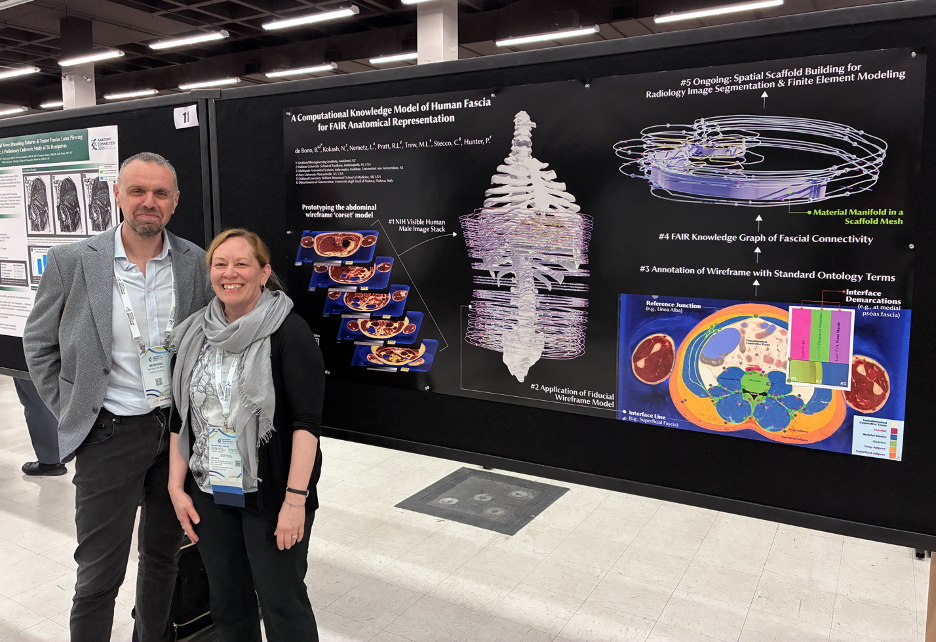
Laurice Nemetz, MA, BC-DMT, E-RYT500, LCAT, C-IAYT (College of Health Professions, PLV) presented as part of a poster with Bernard de Bono on A Computational Model of Human Fascia for FAIR Anatomical Representation at the April 2026 Anatomy Connected conference in Albuquerque NM, with the American Association for Anatomy.
Adjunct Professor Nemetz was part of an important paper on fascia nomenclature titled "Towards a comprehensive definition of the human fascial system," Journal of Anatomy (Stecco et al., 2025), and was named the 2026 Teaching Excellence Awardee for Part-Time Faculty for Pace Pleasantville this year.
| | |
Amelia Wilson, JD (Elisabeth Haub School of Law) has been named the recipient of Elisabeth Haub School of Law at Pace University’s 2026 Faculty Award for Excellence in Teaching. The Faculty Award for Excellence in Teaching recognizes that outstanding pedagogy occurs in a variety of settings at the Law School—it can be found in courses of all sizes and types, in teachers with diverse styles, and across subject matters. Each spring, the Faculty Development Committee, in consultation with the Associate Dean for Academic Affairs, selects as a recipient of the award a member of the tenured or tenure-track faculty or a visiting professor with a contract longer than one year in duration. The award typically is based on the faculty member’s teaching during the current academic year.
| | Vice Dean for Academic Affairs and Professor Jill Gross, JD (Elisabeth Haub School of Law) published "Defining Arbitration" in the Cardozo Journal of Conflict Resolution 27.2 (2025). This article argues that Congress should add a precise definition of the process of “arbitration” to the FAA. Congress should define arbitration as a dispute resolution process agreed to by the parties that results in a binding and final determination after all parties have had notice and a meaningful opportunity to be heard by a neutral decision-maker. Adding this definition would: (1) prevent courts from overapplying the FAA to processes that do not meet the definition; (2) prevent courts from excluding processes that meet the definition of arbitration from the benefits of the FAA; (3) provide uniformity and predictability; (4) address forced arbitration fairness concerns; and (5) reaffirm the integrity of archetypal arbitration as a distinct and valued dispute resolution mechanism that provides a fundamentally fair process to disputants. | | |
Elmer-Rico E. Mojica, PhD (Chemistry and Physical Sciences, Dyson College of Arts and Sciences, New York City), co-authored “Distribution, abundance, and characteristics of microplastics in surficial beach sediments of Miagao, Iloilo” in Science and Engineering Journal 19 (2026). The study examines tiny plastic particles, known as microplastics, in beach sediments in Miagao, Iloilo, Philippines. Microplastics are very small pieces of plastic (less than 5 mm) that originate from the breakdown of larger waste such as bottles, plastic bags, clothing fibers, and fishing gear.
They authors found that most of the microplastics were fibers (about 67%), followed by thin plastic films and small fragments. These fibers are likely from everyday sources like laundry wastewater, fishing nets, and coastal human activities. The study also showed that areas closer to tourism sites or water pathways (such as creeks) had higher concentrations of microplastics, indicating that both human activity and water movement contribute to the spread of plastic pollution.
This research is part of Prof. Mojica’s engagement as a Balik (Visiting) Scientist under the Department of Science and Technology of the Philippines from July to August 2025.
| | Office of Research and Graduate Education Second Annual Spring Research Conference | | |
The Office of Research and Graduate Education at Pace University was excited to host the Second Annual Spring Research Conference 2026, The Human Experience: Research, Creative Work, and Interdisciplinary Dialogue, on April 29, 2026. The conference brought together faculty, graduate students, and administrators from across the Pace community for a full day of research, scholarship, creativity, and interdisciplinary exchange.
With more than 100 presenters, the conference showcased a wide range of academic disciplines, perspectives, and research interests across the university. Throughout the day, attendees took part in engaging presentations, panel discussions, and thoughtful conversations that highlighted not only the depth of scholarly and creative work happening at Pace, but also the value of bringing different fields and perspectives together.
Beyond the presentations, the conference created an important space for members of the Pace community to connect, build relationships, exchange ideas, and celebrate one another’s work. The energy and enthusiasm throughout the day reflected a growing culture of collaboration, curiosity, and interdisciplinary engagement across the university.
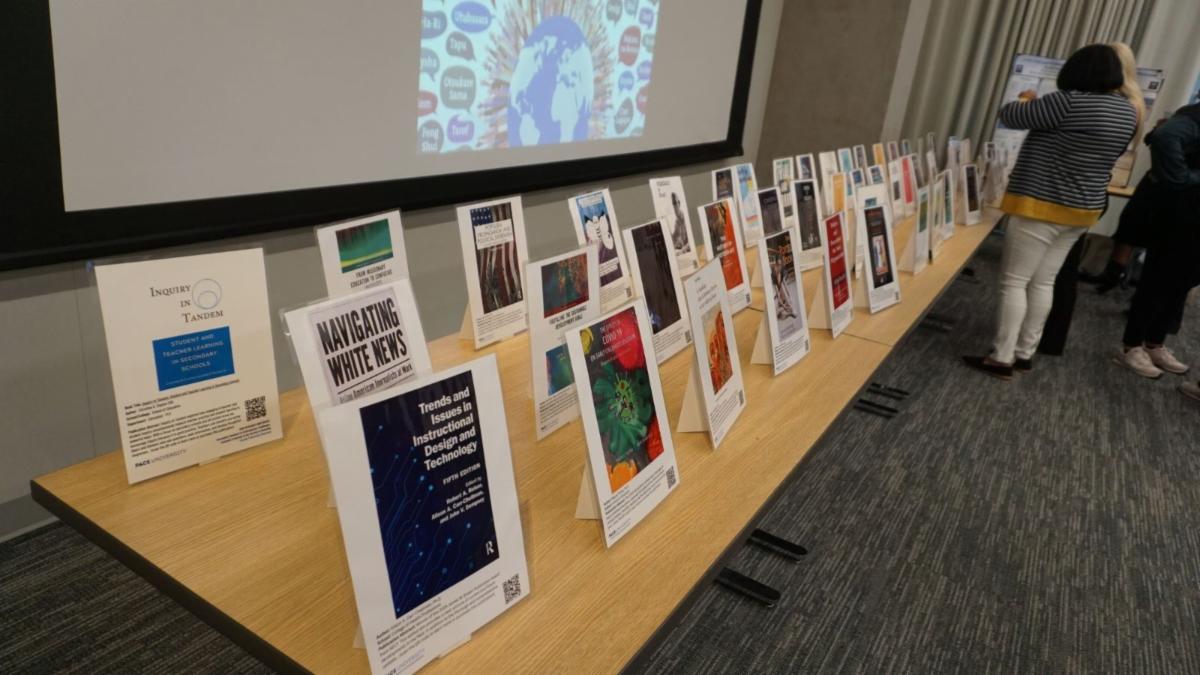
One of the highlights of this year’s conference was an exhibit featuring more than 40 books authored by Pace faculty within the last five years. The display showcased the impressive scholarly and creative contributions of faculty across disciplines and gave attendees the opportunity to explore the breadth of research and publication taking place throughout the university.
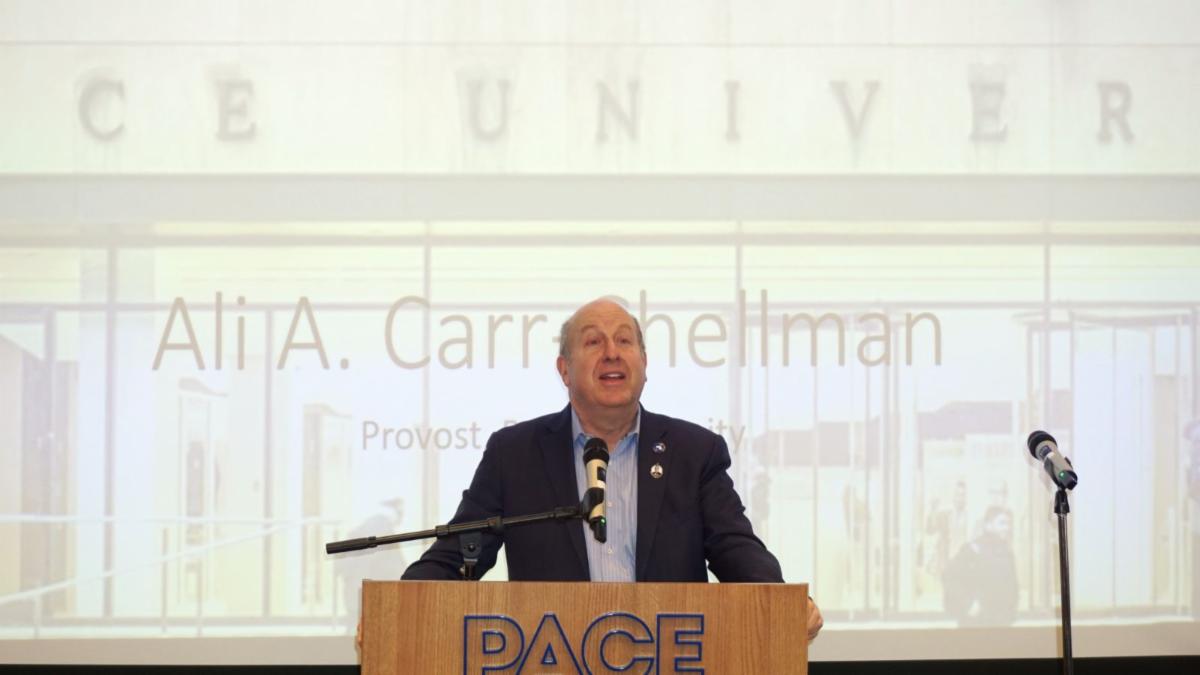
The event also included opening remarks from President Marvin Krislov and a keynote address by Provost Alison Carr-Chellman, both of whom spoke to the importance of innovation, collaboration, and continued investment in research and academic inquiry.
The Office of Research and Graduate Education extends its sincere thanks to all presenters, attendees, organizers, volunteers, and supporters who helped make this year’s conference such a success. Following the strong momentum and excitement of this year’s event, we look forward to continuing to grow the conference and welcoming the Pace community back for an even bigger and more engaging gathering next year.
| | |
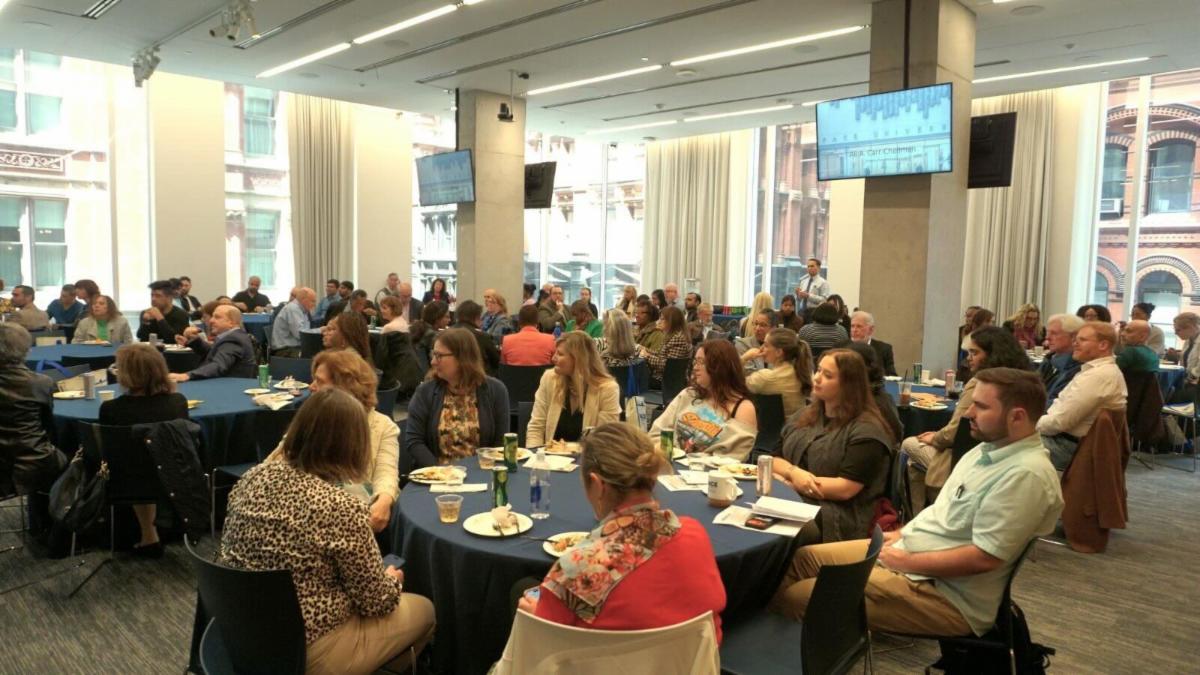
Faculty, students, and researchers gathered for the Annual Spring Research Conference to celebrate interdisciplinary scholarship and collaboration across the university.
A display of the large collection of books authored in the last 5 years by the faculty of Pace University.
President Marvin Krislov addressed attendees, emphasizing the importance of research, innovation, and academic excellence at Pace University.
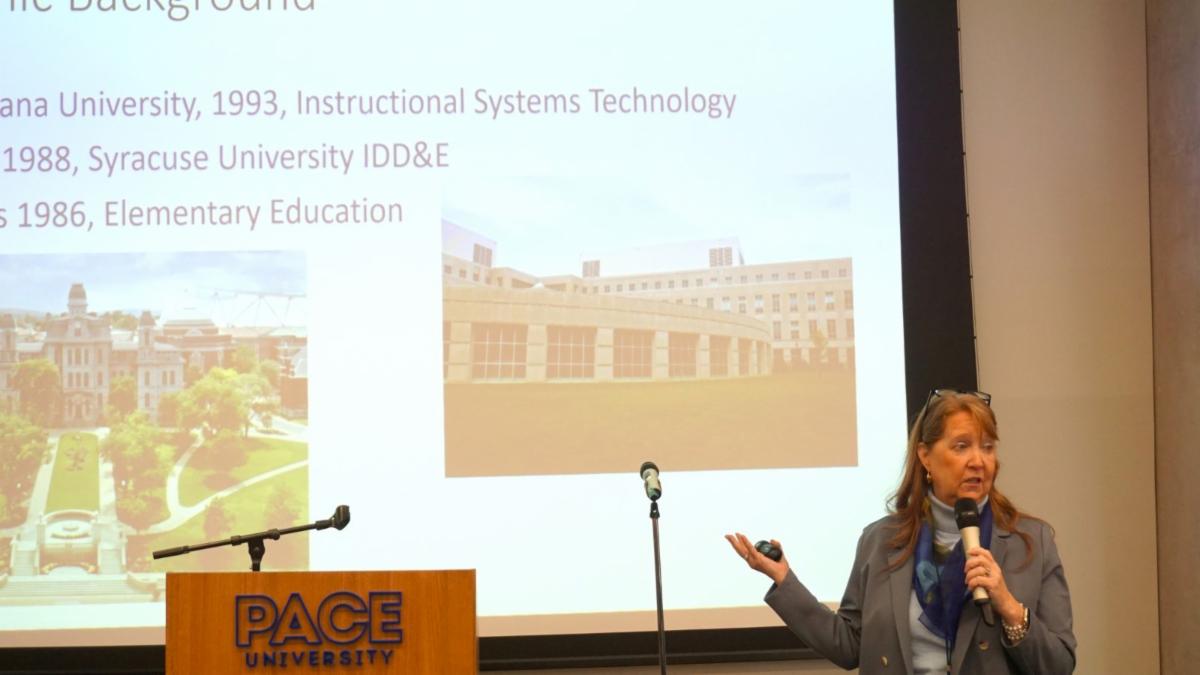
Keynote speech by Provost Alison (Ali) Carr-Chellman highlighting advancements in education and instructional systems.
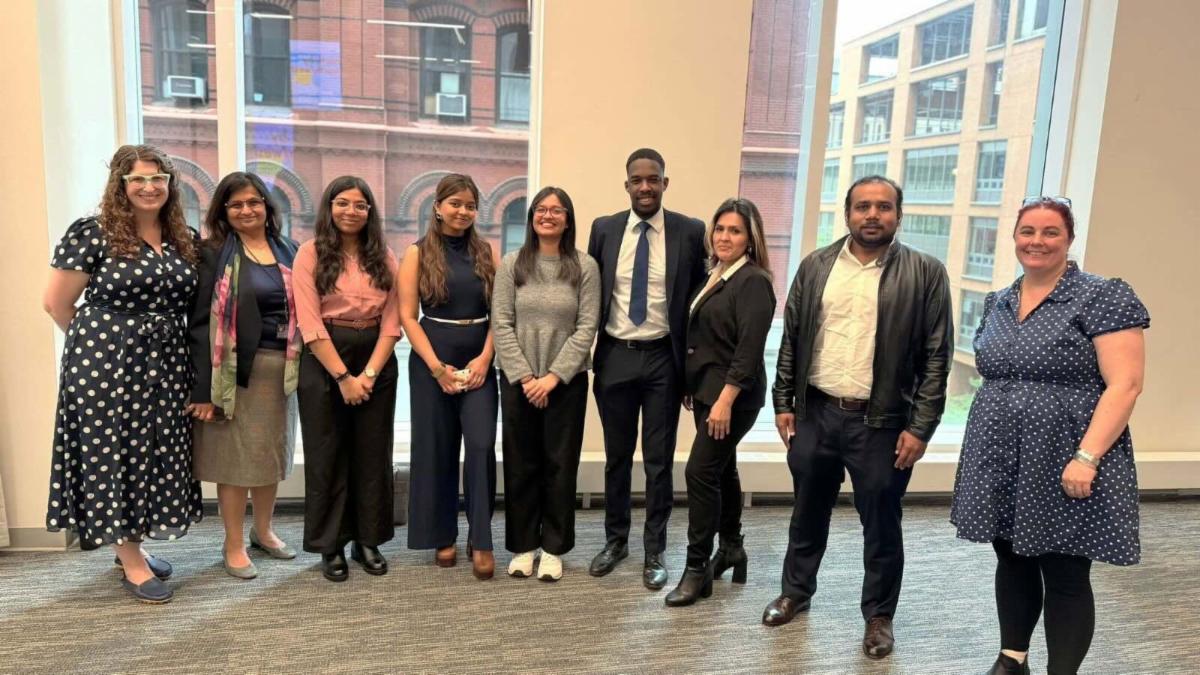
The team of the Office of Research and Graduate Education.
| | |
Pivot is a great resource for faculty, staff and students interested in identifying relevant funding opportunities for their research, scholarship, teaching, and creative activities. Pace University has a subscription to the Pivot database. More information about PIVOT is available here:
PIVOT has a new and improved Knowledge Center.
What is Changing?
The existing Pivot-RP Knowledge Center at Pivot-RP - Ex Libris Knowledge Center
will be replaced by the new Knowledge Center, available at Pivot-RP - Zendesk Knowlege Center
What You Need to Do?
If you have bookmarked pages, embedded links, or internal documentation pointing to the old Knowledge Center, please update them to the new Zendesk URL before May 31st.
What is New in Zendesk?
The new Knowledge Center provides a more intuitive experience and includes:
- Updated and improved self-help resources
- Latest marketing materials
- Product documentation
- Training videos
- Improved search and navigation
| | |
Research@Pace will be back in August.
From all of us at the Office of Research and Graduate Education, best wishes for a pleasant and restful summer!
| | |
Questions? Email: Elina Bloch, PhD, Associate Director, Sponsored Research
at ebloch@pace.edu
| | | | |