| | |
MONTHLY NEWSLETTER
January 2026
| | Preserve Calavera Supporter | |
Chapter 2: The Rescue!
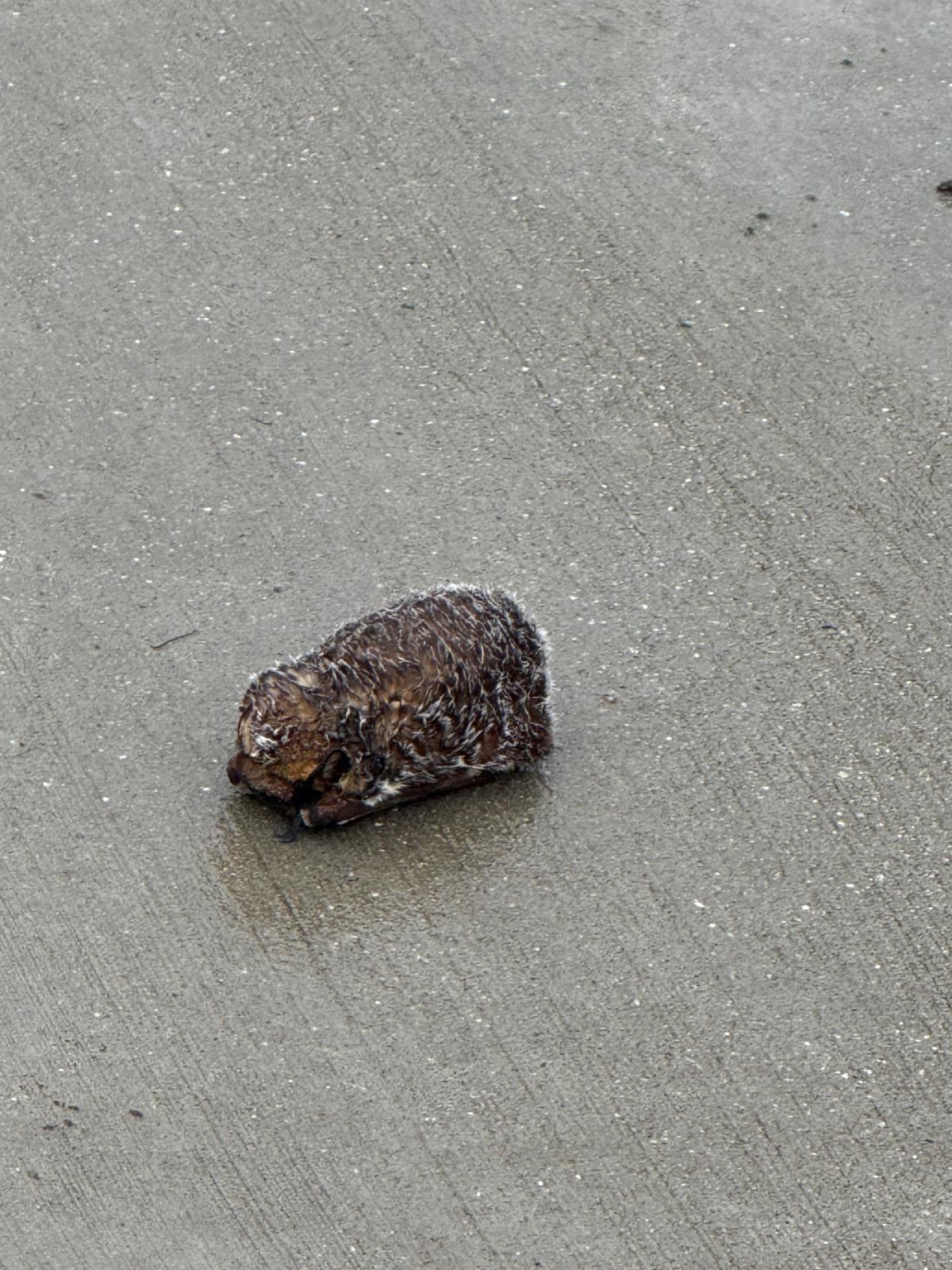
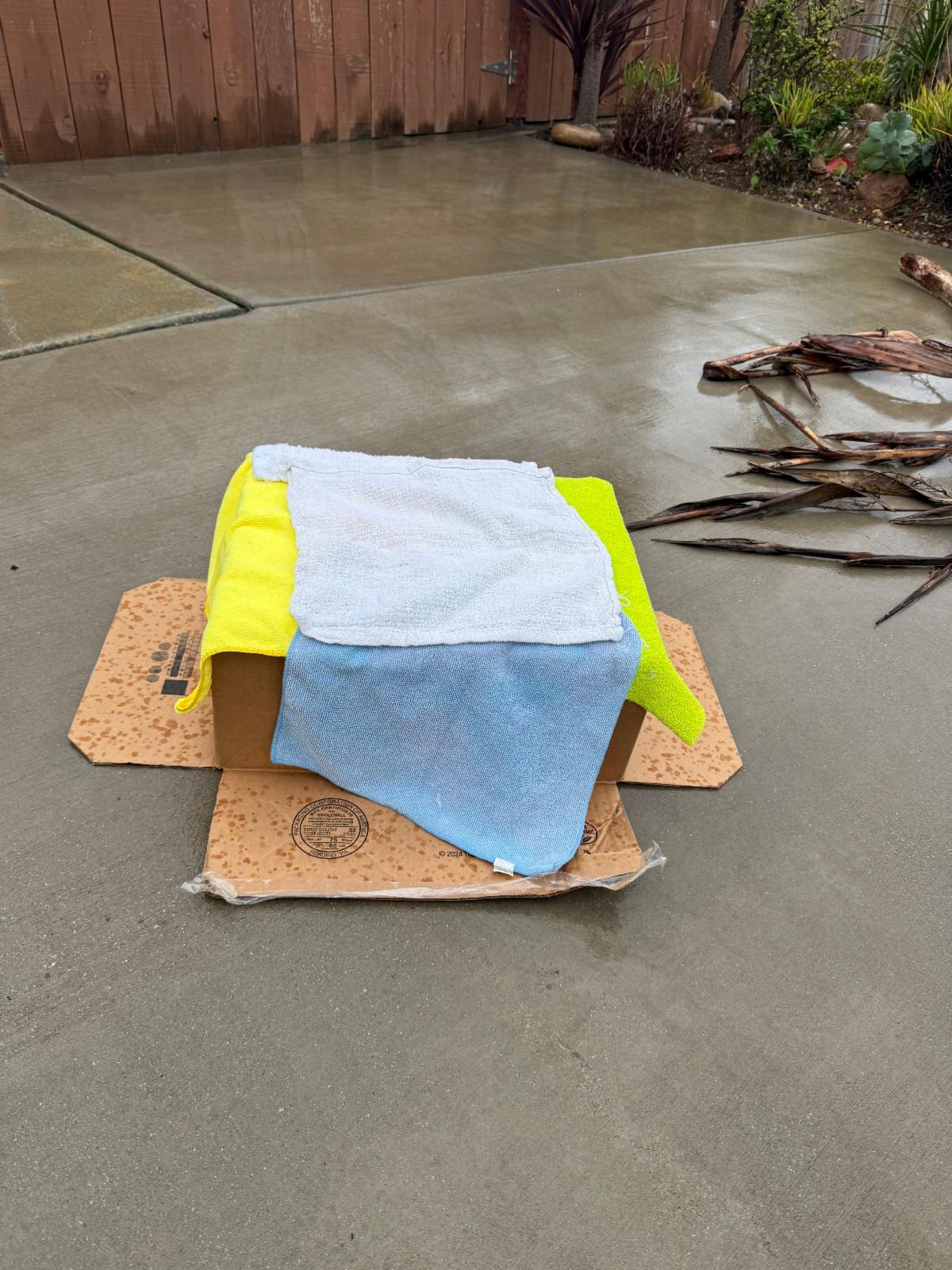
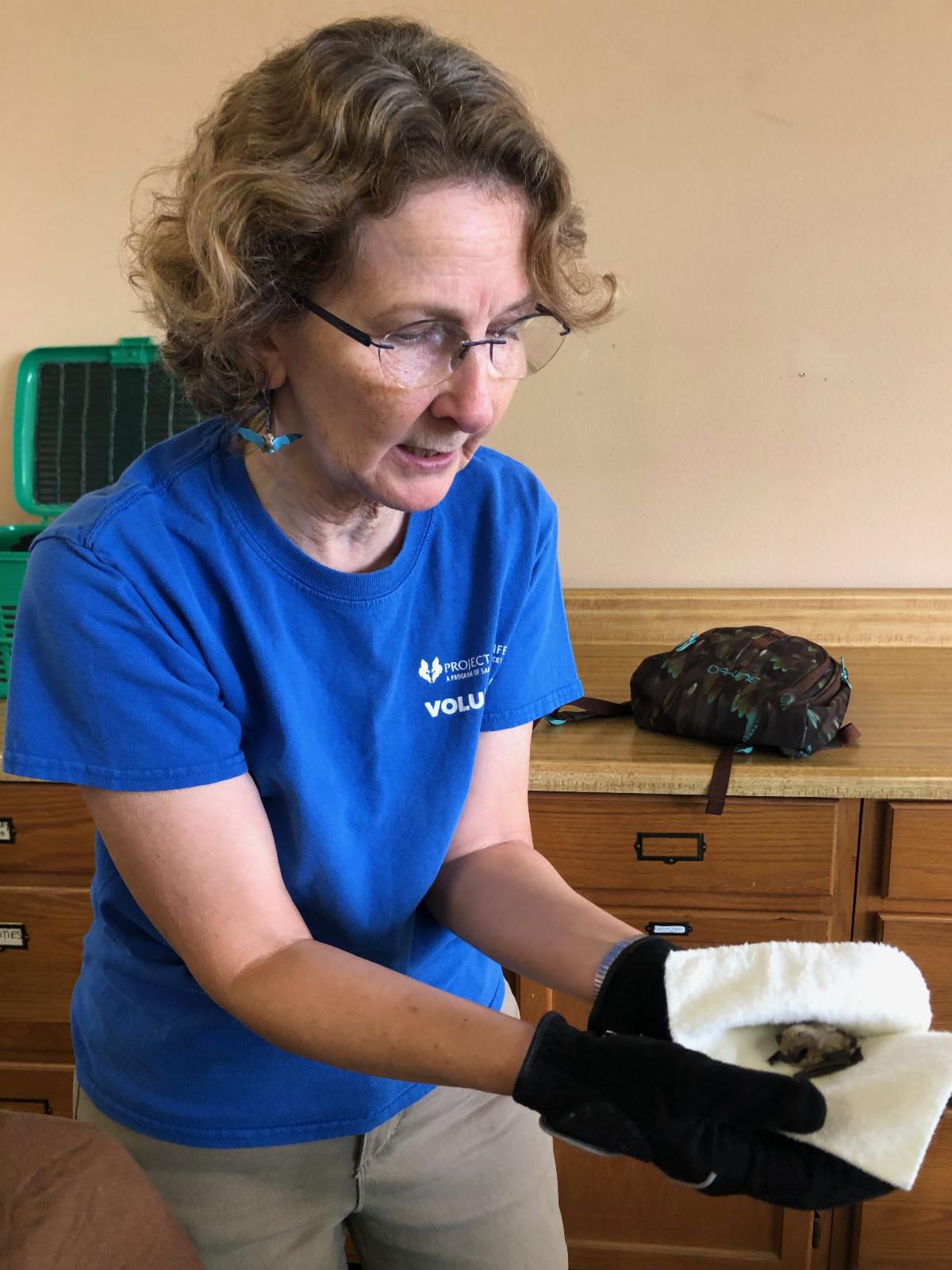
The San Diego Humane Society dispatcher advised Sarah not to touch or pick up the bat with bare hands, but to place a box and a towel over the bat to protect it from the rain until the San Diego Humane Officer arrived to collect it safely using leather gloves.
Bats cannot fly when their muscles are cold, so it would have been very difficult for the bat to take off from the ground in those worsening weather conditions, and he would have been vulnerable to any predator who spotted him.
After securing the bat, he was transported down to the San Diego Humane Society/Project Wildlife’s wildlife center on Gaines Street in San Diego.
| | | |
Chapter 3: The Check Up
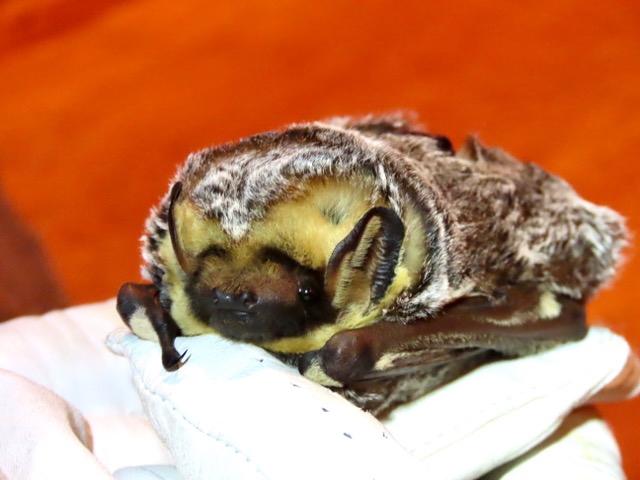
Cindy Myers (Project Wildlife Educator, Bat Specialist and Outreach Volunteer) told us that vets and wildlife techs did a thorough exam on the bat and, very luckily, the adult male hoary bat was found to be uninjured from his fall onto the concrete driveway. He aced his initial test flight a few nights later but due to upcoming rainy weather forecast for the next week, could not be released right away. (Below photo by Cindy Myers)
| | |
The hoary bat remained in care during the weather delay and got to add a few more grams of winter weight, although he mostly wanted to just stay in torpor (short-term hibernation). Bats may enter torpor for just a few hours to save energy during a cold day, or they can remain in torpor for up to a month while hibernating over winter.
Recent research shows that hoary bats will both migrate and hibernate. They will often travel from colder northern regions into Southern California’s milder climates in winter. Since they are solitary and sleep out among tree foliage in a more exposed environment, they typically only come into rescue care during fall and winter.
| | |
Chapter 4: A Fashion Statement
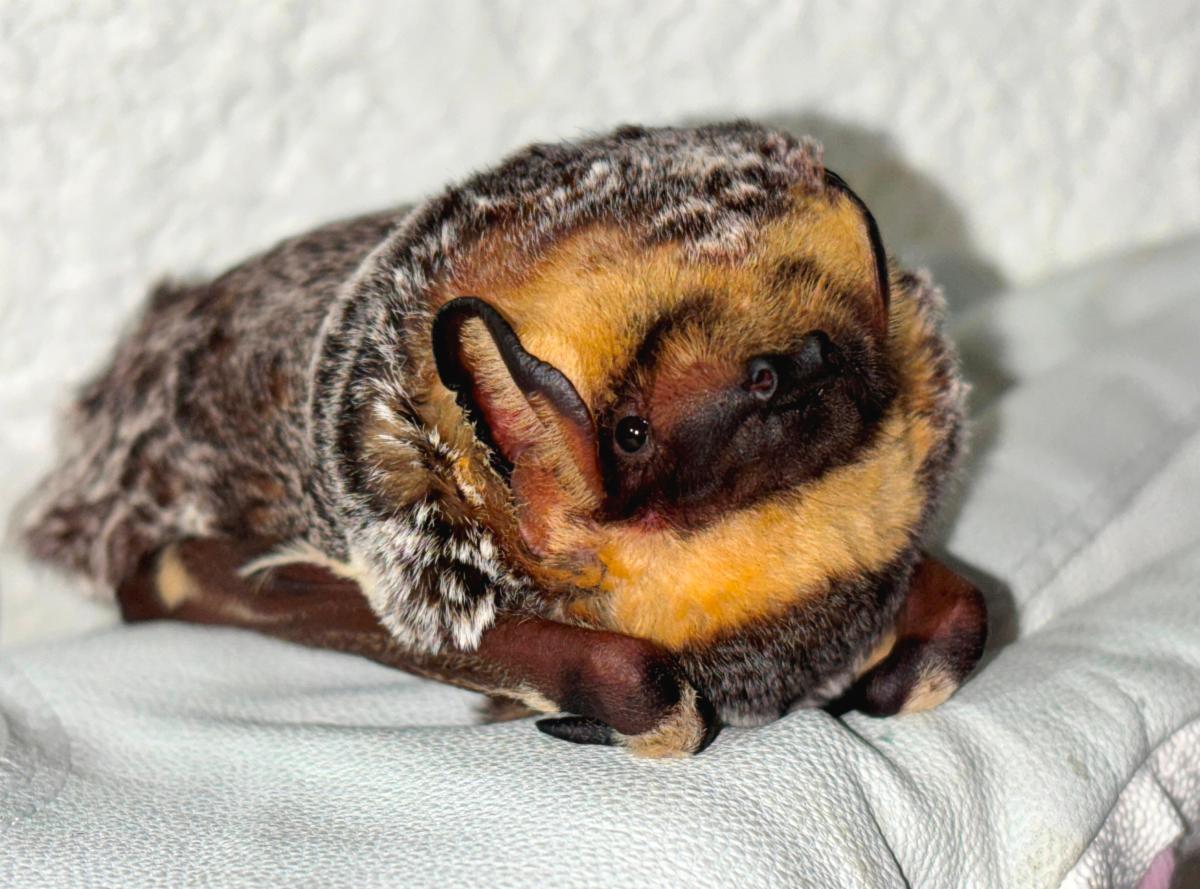
The rescued hoary bat's golden undercoat is on display in the photo at right (photo by J. Cannon), as well as his thick, silvery overcoat which keeps him warm.
And to quote from Bat Conservation International:
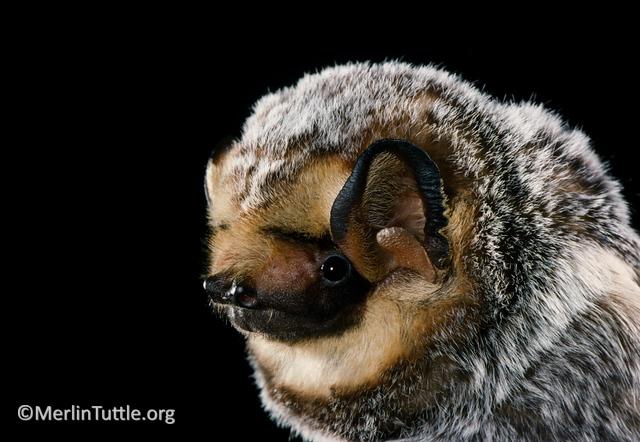
With its distinct salt-and-pepper coloration and luscious glossy fur, the hoary bat may just be the George Clooney of the bat world.
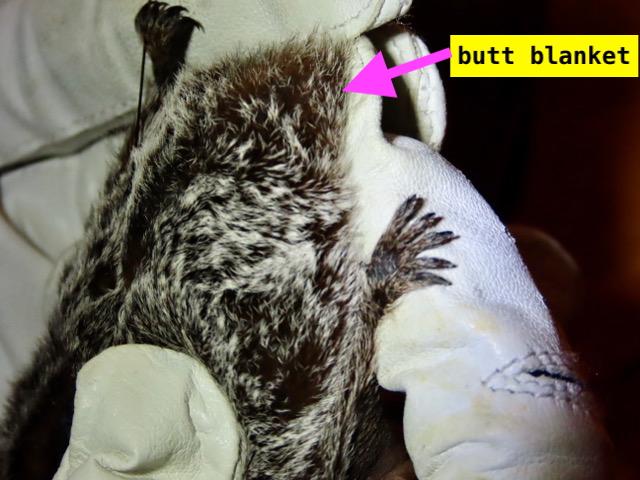
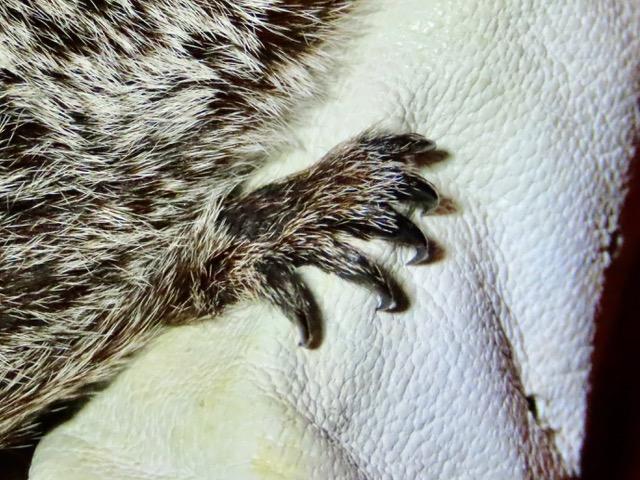
| | | Mother Nature made sure to give this solitary creature the necessary survival equipment. Hoary bats come equipped with their very own sleeping bag. Below you can see bat's “butt blanket,” a furry extension of his tail that can wrap around his torso for extra warmth. And even its little feet are covered in heat-conserving fur. (Photos by J. Cannon) | | Chapter 5: Making Hoary Bat History in Southern California! | | |
Wildlife biologists with state and federal agencies have been attaching tiny Motus tracking transmitters to hoary bats to gather data on their seasonal movements but had not yet attached transmitters to any hoaries in southern California since they’re not found here that often. The information is needed to support conservation actions for this species because approximately 40% of all the bats killed by wind turbines are hoaries, and scientists are concerned they could be completely wiped out by wind turbine fatalities within the next 50 years if no protective measures are taken.
Due to the urgent conservation needs of this species, the wildlife veterinarians attached a temporary transmitter to the bat and gave him a few more days in care to ensure he was still in great condition and flew well.
| | Please watch the video above to learn about the the Hidden Cost of Wind Energy (to migratory bats)— and How We Can Fix It. | | |
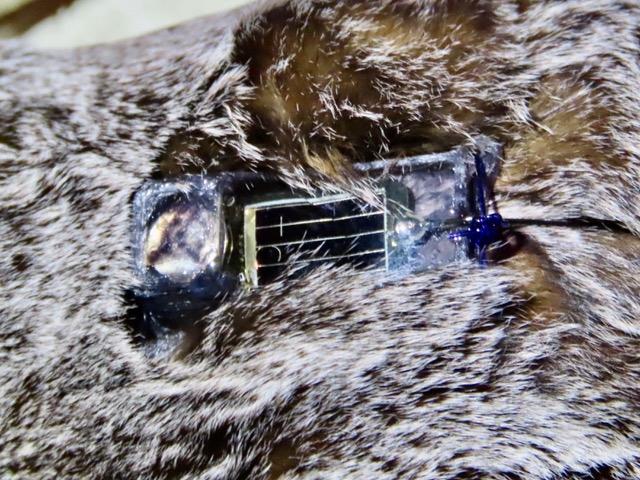
The Motus tracking transmitter is a solar-powered radio that pings signals that can be picked up by Motus stations. As part of a global project, Motus technology has allowed scientists to track insects, birds, and bats with their incredibly tiny transmitters.
This is pretty awesome that we will have this opportunity to find out more about this species. Solitary hoary bats are far more difficult to study in contrast to bat species that form large colonies, notably the Mexican Free-tailed Bat (known for massive roosts in caves and bridges) or the Big Brown Bat. Hoary bats habitats and seasonal movements remain less understood.
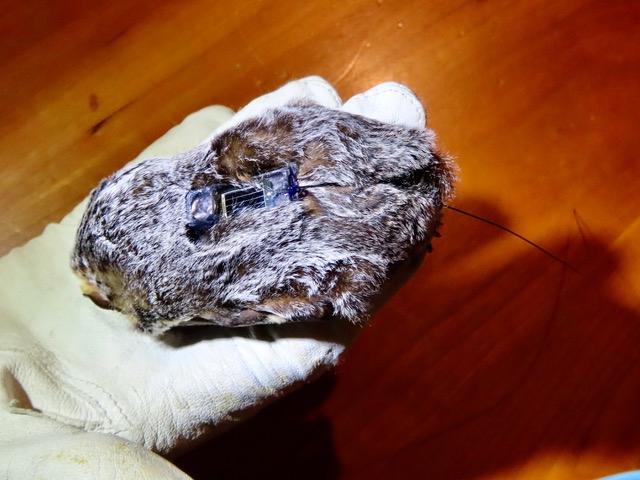
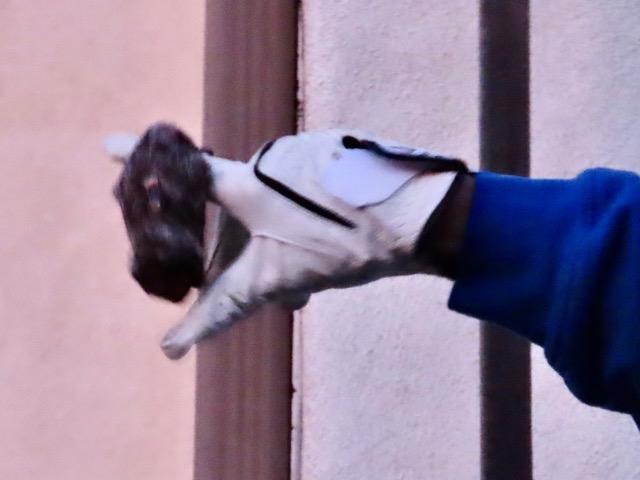
| | Close up of the rescued bat's fitted tracking device pictured above. At right you can see the transmitter's very thin black antenna. (photos by J. Cannon) | | | |
Chapter 6: Emery is Released Back to the Wild!
On November 30, Cindy Myers, and Chris Fenner (also a Project Wildlife Bat specialist) brought the hoary bat for release in Carlsbad near by to the Agua Hedionda Lagoon. The release team decided to name this historic hoary bat Emery. Emery weighed in at a hefty 31.7 grams (a little more than the weight of 12 pennies). Hoary bats generally weigh between 20 -35 grams.
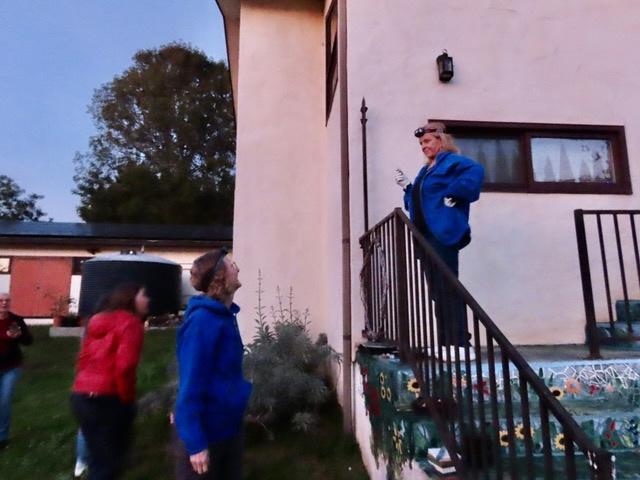
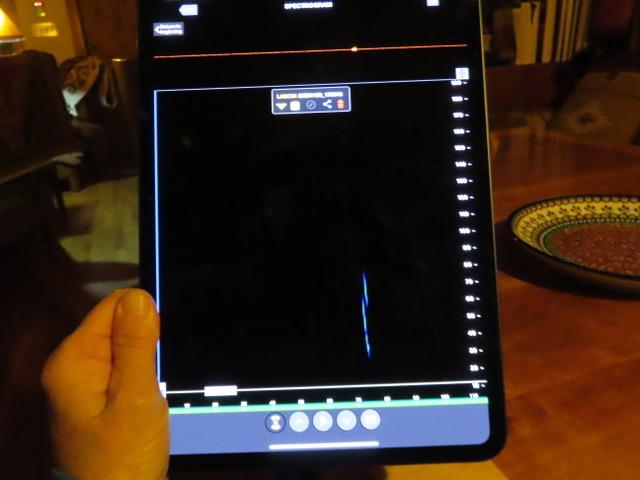
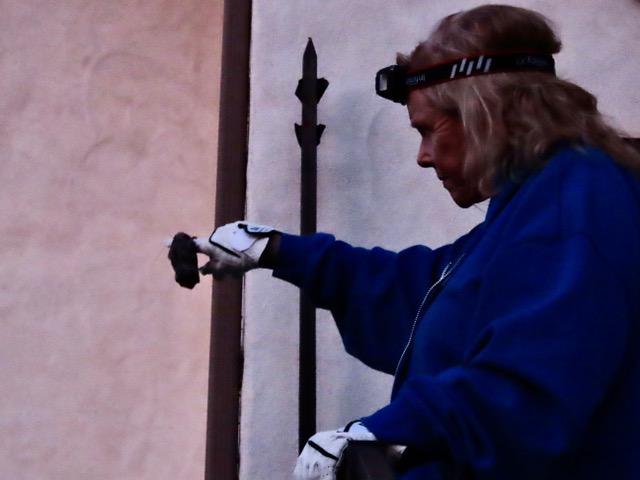
| | A bat meter captured two sets of Emery's vocalizations just before he took off. They were unlike any Hoary bat recordings we get when they are routinely hunting and navigating. | | Cindy and Chris getting ready to release Emery. Chris climbed to the stair landing to give some elevation to Emery’s launch. | | |
He took a little time but finally decided to take off. At 5:10pm, much to the delight of the team, he launched into the night sky. He circled high enough in the sky for them to see him do a strong victory lap, and off he went.
Emery may have gone right back to hibernating under a palm frond skirt for the next few months, but the lightweight transmitter can give researchers a better chance to see the route he takes when he migrates northward in the spring.
| |
Chapter 7: Epilogue
We don't know the ending for Emery's story yet but we hope to be able to tell you more in the not too distant future. The Motus trackers have a 12-mile range, with some variability due to topographical barriers. If Emery flies within range of a Motus station, we should get a registered ping. The nearest is at Agua Hedionda Lagoon to the south, and to the north coastal area, there are three along the shores of Camp Pendleton.
We are all very excited about this opportunity to share Emery's travels and hopefully gain some important insight into the movement and behavior of the species. Like all bat species, hoaries reproduce slowly, with the moms giving birth to a single set of twins each summer, so every bat is important given the current rate of decline.
And we hope this new tracking data can help protect not just bats, but other migratory wildlife as well.
We would like to thank the San Diego Humane Society/Project Wildlife for all they do. Please check out their website. Also, a special thanks to Cindy Meyers and Chris Fenner for their dedication, and hard work to protect and rehabilitate our local bat populations, and for educating humans. Cindy also contributed a great deal of information so we could share this story with you.
The incredible biodiversity on Planet Earth sustains all life and maintains healthy ecosystems. All species matter and have a role to play. We are all connected and interdependent in the web of life on this magnificent planet.
| | So What Can You Do to Help? | | |
1- If you come across a bat that appears injured or is on the ground like Sarah found, please do not attempt to care for it yourself. Follow the directions above and contact Project Wildlife. You should NEVER attempt bare-handed contact, at all, even when trying to rescue/collect the bat. A small percentage of bats do carry rabies.
- Wildlife Help Hub
- For emergency assistance, call San Diego Humane Society at 619-299-7012 (press 1)
2- Share this information with others. And please read and share our previous article on Bats of San Diego County from August 2024. You can find out why bats are the Superheroes of the Animal World.
3- Take care when trimming/cutting down trees. You shouldn't be trimming trees in spring or summer due to bird chicks and bat pups. But also check your trees in late fall and winter before trimming as there could be sleepy bats hibernating beneath the palm fronds or leaves.
| | |
4- Request SDHS/Project Wildlife at Your School or Event.
They offer informational booths, animal visits, speaking engagements, and more to help educate and engage with our community. At right, Cindy at an educational event in Oceanside with Patty the Canyon Bat. (photo by E. Bartlett)
5- Contact your state assembly members and tell them that you would like protective measures placed on wind turbines to protect migratory bats and birds.
In 2007, the California Energy Commission and the California Department of Fish and Wildlife (CDFW) developed voluntary guidelines to reduce impacts to birds and bats from the development or repowering of wind energy projects: Link to Guidelines. Tell your elected officials in the state legislator that the 2007 guidelines must be updated using the most current research data.
| | | |
We do recognize the environmental benefits of wind turbines as a clean and sustainable energy resource but also recognize there are protective measures that can be taken to make it safer for wildlife.
Make sure your representatives are aware of the problem and that there are viable solutions. This should be a win-win situation, not an either or situation. The video in Chapter 5 above explains that there are ways to fix the problem.
- Find your CA Representatives: LINK to Website
- For info and contacting CA Energy Commission on Reducing Impacts to Birds, Bats from Wind Energy: LINK to Website
| | More to Explore About Hoary Bats and Other Migratory Wildlife | | |
-
USGS wildlife biologist Gabe Reyes’ zoom presentation (August 2025) on their hoary bat migration studies:Hoary Bat Motus Tracking Project - Renewable Energy Wildlife Institute
-
Merlin Tuttle's Bat Conservation:Merlin Tuttle Institute. This site contains extensive resources and photos as well as resources on a wide range of conservation issues.
- And here are some of the books that Tuttle has authored: Merlin in Print
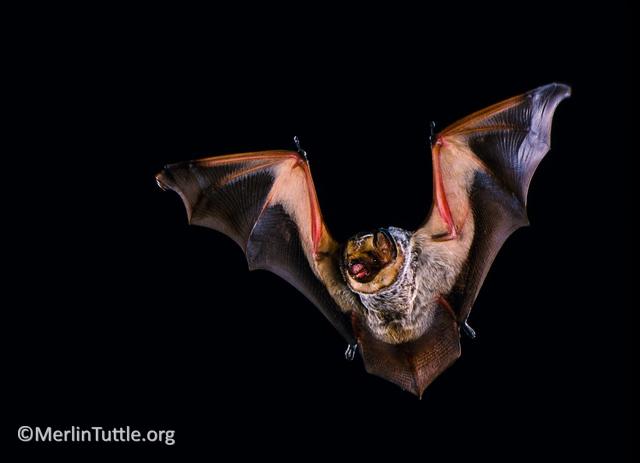
| | Photos below by Merlin Tuttle. A hoary bat in flight and a wonderful portrait—the resemblance to George Clooney is quite striking! | | Event Calendar for December | | |
Fri/Sat Jan. 2 and Jan. 3
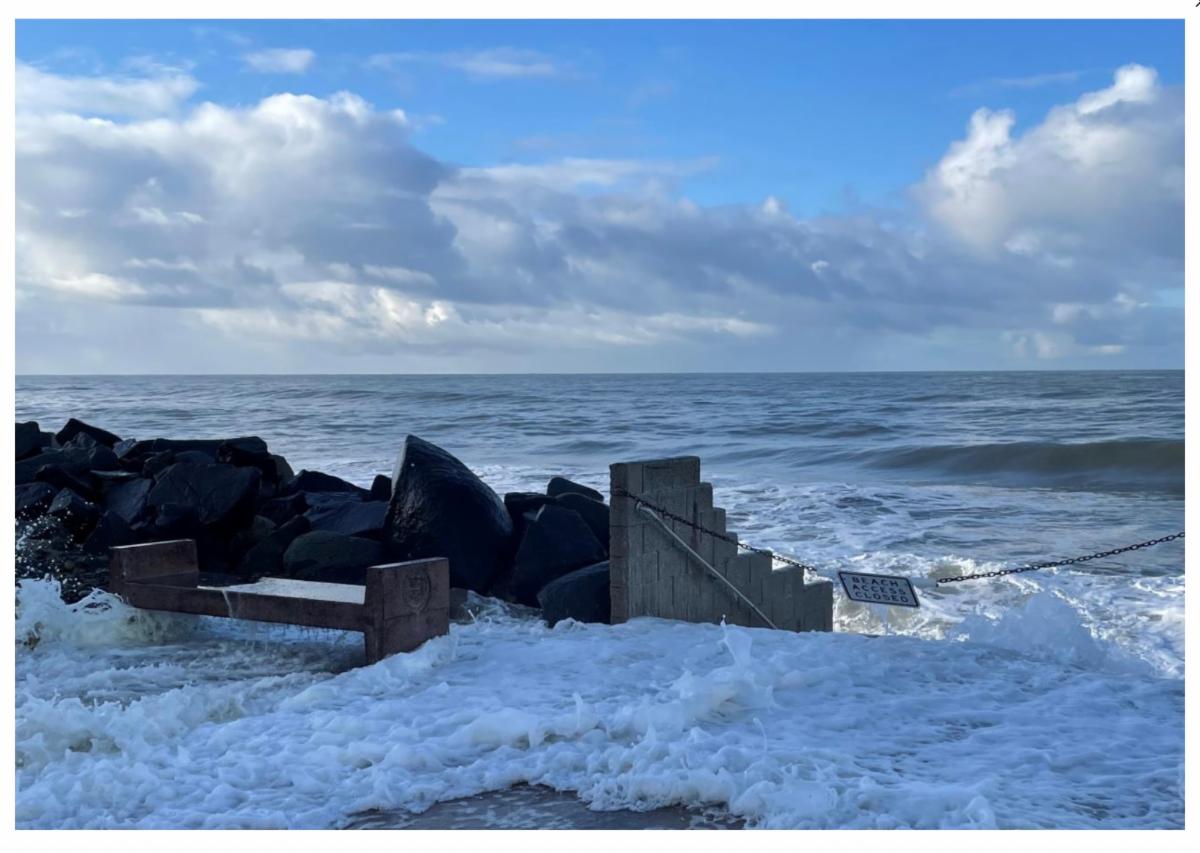
King Tides-- Last ones for this Winter
CA King Tides Project needs your help to photograph the King Tides, the highest projected tides of the year.Your photos create a record of changes to our shoreline while helping us understand what's vulnerable to flooding now and how sea level rise will impact California in the future.
Find your King Tide dates and times by looking at the pin on their tide map that's closest to where you would like to photograph. Try to take your photos within a half hour of peak high tide, and above all else, make sure you're safe when you do it.
| |  | |
Find out more at the: CA King Tides Project Site
You can add your photos to the website gallery like this one taken at the foot of Hayes St. in South Oceanside last year.
| | |
Sat, Jan. 10
Rancho La Costa Restoration
9:00 am - 10:30 am
To RSVP or for more info contact:
info@preservecalavera.org
or call Anne-Catherine:858-353-6232
| | | |
Removing non-native plants and watering native plants as needed.
Prepare: Wear appropriate (preferably long pants/sleeves) clothing, closed-toed shoes, and hat. Bring gloves, sunscreen and water.
| | |
Sat, Jan. 17
El Corazon Restoration
9:00 am - 10:30 am
To RSVP or for more info contact:
info@preservecalavera.org
or call Diane:760-724-3887
| | | |
Removing invasive plants from this site.
Prepare: Wear appropriate (preferably long pants/sleeves) clothing, closed-toed shoes, and hat. Bring gloves, sunscreen and water.
| |
Is There a Naturalist in You?
Registration is Now Open!
| |
Check out the new syllabus for 2026 Cal Nat Class: LINK
Our California Naturalist certification training in 2026 will be lead by two alumni, Jimmy Kidd and Lisa Kuleto. The class is scheduled for Tuesday evenings, 5:30-8:30 pm from March 3 through May 5, to be held at the Buena Vista Nature Center.
| | |
Check the Preserve Calavera website for information and links will updated as more information becomes available for the 2026 semester.
Please contact us at calnat.pc@gmail.com for questions about the course or registration. Please use REGISTRATION in the Subject line when you contact us.
| | This 10-week course will introduce you to the wonders of California’s ecology and engage you in the stewardship of our natural environment. This science-based class includes guest speakers, discussions, hands-on activities, field trips and project-based learning to immerse you into the world of coastal sage scrub and chaparral. | |
The Endangered Species Act is Under Threat: The Trump Administration is Seeking to Roll Back Some of Its Major Provisions
| |
|
The Endangered Species Act (ESA) has proven to be the most effective law to protect at risk species since it was signed into law by then President Richard Nixon more than 50 years ago. Ninety-Nine percent of its listed species have been saved from extinction, but now it is our turn to protect the Endangered Species Act.
The Trump Administration is proposing to weaken the ESA by rolling backs protections. In late November, the Department of the Interior’s Fish and Wildlife Service announced four changes to the ESA. A 30-day comment period regarding the protections was opened and ended on Dec 22. At that time, 387,000 public comments had been submitted in defense of the ESA.
There are four proposed rule changes that would weaken the ESA. According to an article from the Center for Western Priorities the most contentious changes would:
allow the government to assess economic factors, such as lost revenue from development bans, before deciding whether to list a species. This directly conflicts with the ESA, which requires listing decisions to be based solely on the best available science. The proposals would also make it harder to protect species from future threats, like climate change, and replace the “4(d) rule,” which gives threatened species the same level of protection as those designated as endangered. Read more.
The American public has shown widespread support for the ESA over many years. A study conducted in June 2025 found support of the ESA over the period of 1996-2025 has remained consistently high, at about 84%, and opposition has remained consistently low, at about 12%. Society for Conservation Biology.
| | | | |
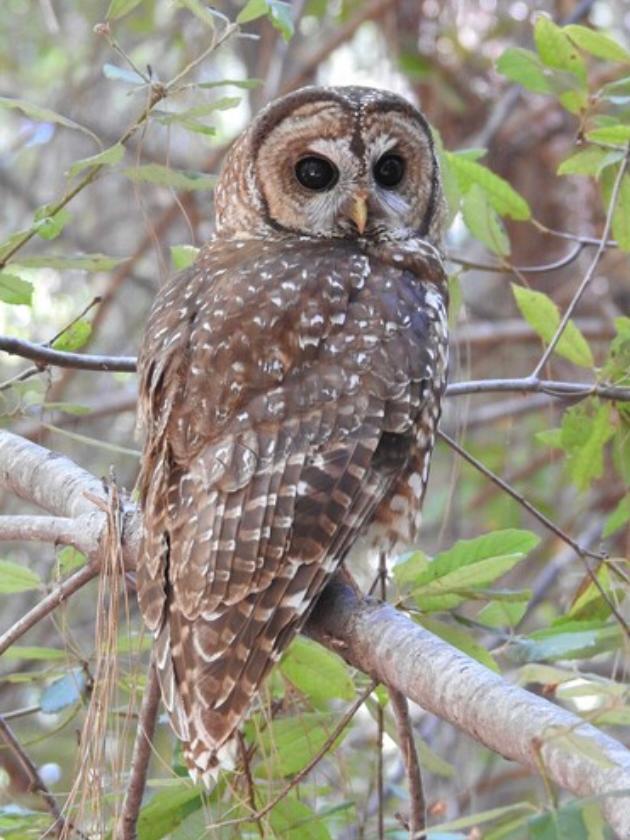
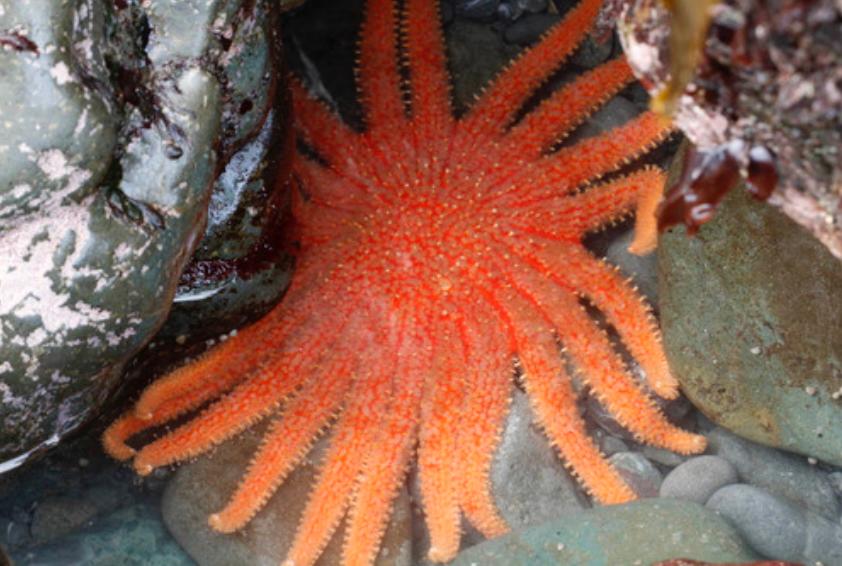
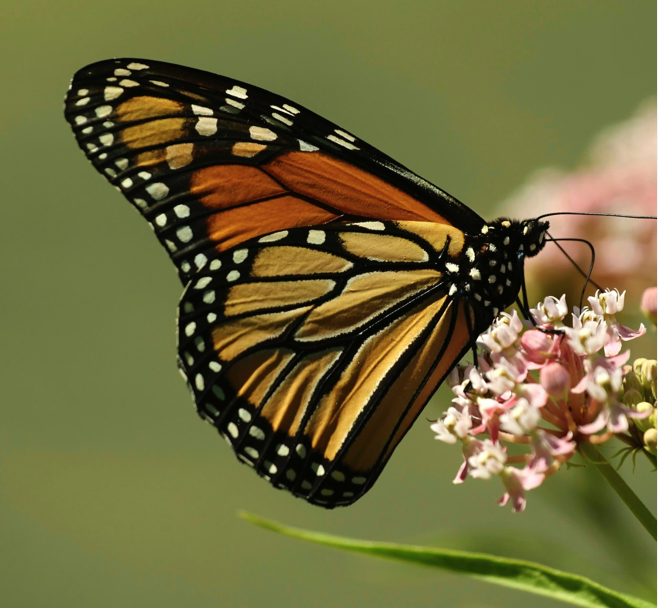
The Trump Administration's plan to dismantle the Endangered Species Act would significantly harm hundreds of species. But the Center for Biological Diversity’s analysis focuses on seven that would be particularly at risk under the changes: the alligator snapping turtle, the California spotted owl, the Florida panther, the monarch butterfly, the Saltmarsh sparrow, the Sunflower sea star, and the wolverine. Read more here.
Below is a spotlight of 3 of the at risk species listed above that live in California:
| | |
California Spotted Owl (Strix occidentalis ssp. occidentalis)
The California’s spotted owl is an iconic species that exists nowhere else in the world.
It lives in mature and old-growth forest characterized by a dense, multi-layered forest canopy, old trees, large, standing dead trees, and abundant woody debris.
Read more and Listing Status
Photo by Mary E. Muchowski
| | |
Sunflower Sea Star (Pycnopodia helianthoides)
Sunflower sea stars play a critical role in our marine ecosystem because they are natural predators of sea urchins, which are notorious for destroying kelp forests. However, sunflower sea star populations have declined to critically low levels from a disease called Sea Star Wasting Syndrome. As a result, they were placed on the critically endangered species list in 2020.
Read more
Photo by Robert M. Mutch Jr.
| | |
Monarch Butterfly (Danaus plexippus)
The iconic monarch butterfly is known for its astonishing long-distance annual migration and reliance on milkweed (Asclepias spp.) as its obligate larval host plant. Though genetically similar, there are two subpopulations of monarchs in North America, with the eastern population overwintering in Mexico and breeding in the midwestern states, and the western population overwintering in coastal California and fanning out across the west from Arizona to Idaho to breed.
.Over the past two decades, monarch numbers in North America have declined. Read more
Photo by Cindy P.
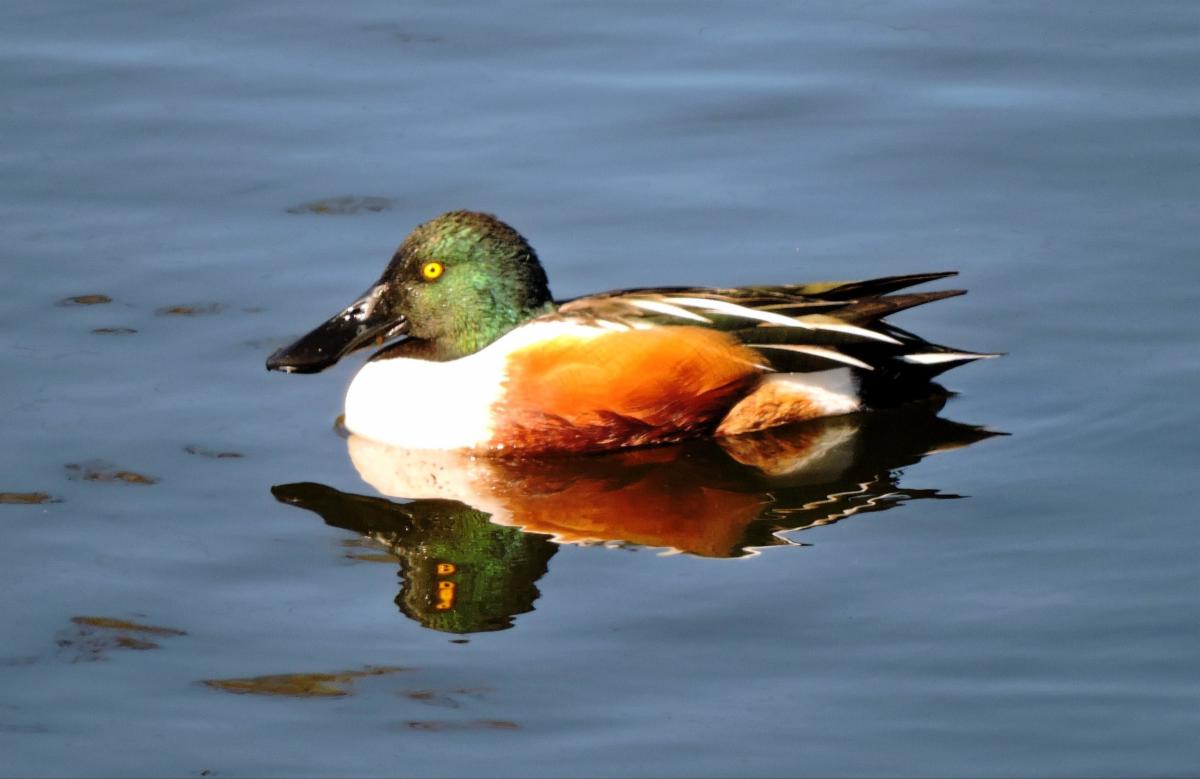
| | Wildlife Corner: The Northern Shoveler | | Male shoveler taken at Lake Calavera in mid December by Todd Nordness (Preserve Ranger: Center for Natural Lands Management). Its beak makes it easy to identify. | | |
Northern Shovelers are fairly common winter visitors in our area; migrating down the Pacific Flyway from Alaska, Canada and northern US after the summer breeding season. They are a common wide-spread duck; found in many other areas of the world including Europe, Southeast Asia, Africa and South America.
The shoveler is a medium sized duck which is distinguish by its unusual beak. Shovel-like or as it's given scientific name Spatula clypeata, like a spatula.
Shovelers are classified as dabbling ducks; they feed predominantly at the water’s surface. (Versus diving ducks feed mainly by diving underwater.)
| | |
Shovelers have several different feeding methods and eat a varied diet. One unusual feeding behavior they exhibit is when they swim in circles to stir up the water to bring food to the surface. Those ducks are pretty clever! They also swim along the water and use their specialized beaks to filter out food. Their bill has about 110 fine projections (called lamellae) along the edges that act like a colander; catching tiny crustaceans, seeds, plants material and aquatic invertebrates from the water. You will also see them upended, head in the water and tail stuck up in air in order to reach food at the bottom of shallow water.
The short video clip at right shows off the shoveler's feeding behaviors.
| | Video: Shoveler's Feeding Habits | | |
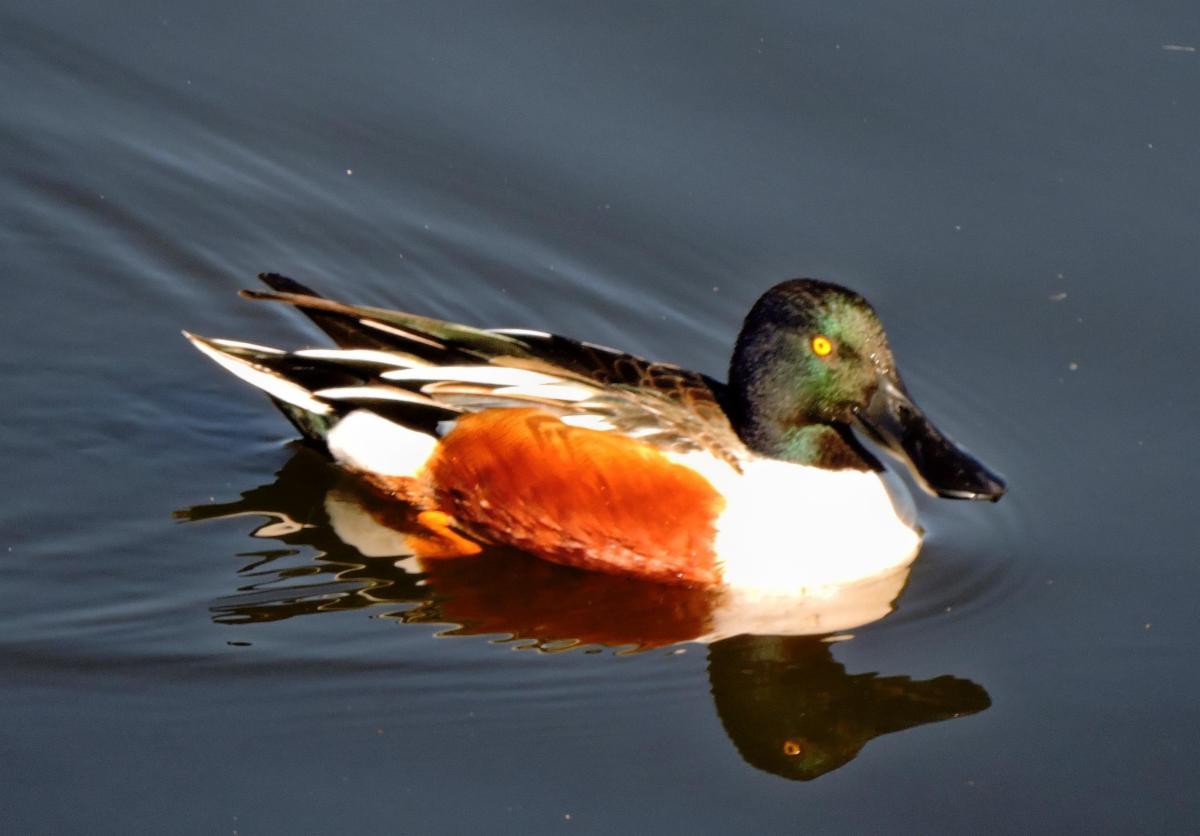
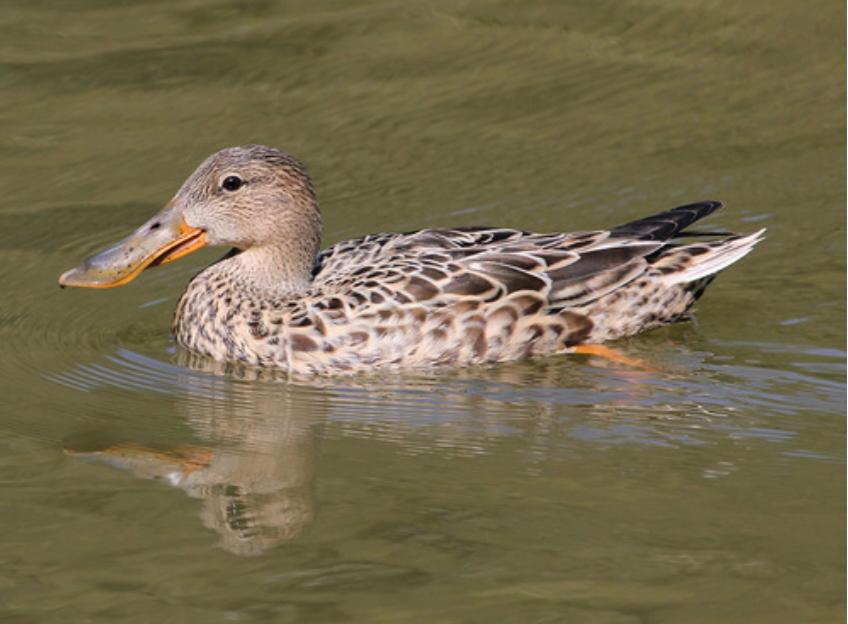
Shovelers, like many birds, show a noticeable difference in appearance between the males and females. This is known as sexual dimorphism. The male and female shovelers below have very different plumage. Good thing they both have that unique bill that is so helpful in identification.
Northern Shovelers are monogamous and remain together longer than pairs of most other dabbling ducks. They form bonds on the wintering grounds and stay together until just before fall migration. When flushed off the nest, a female Northern Shoveler often defecates on its eggs, apparently to deter predators.
| |
| | |
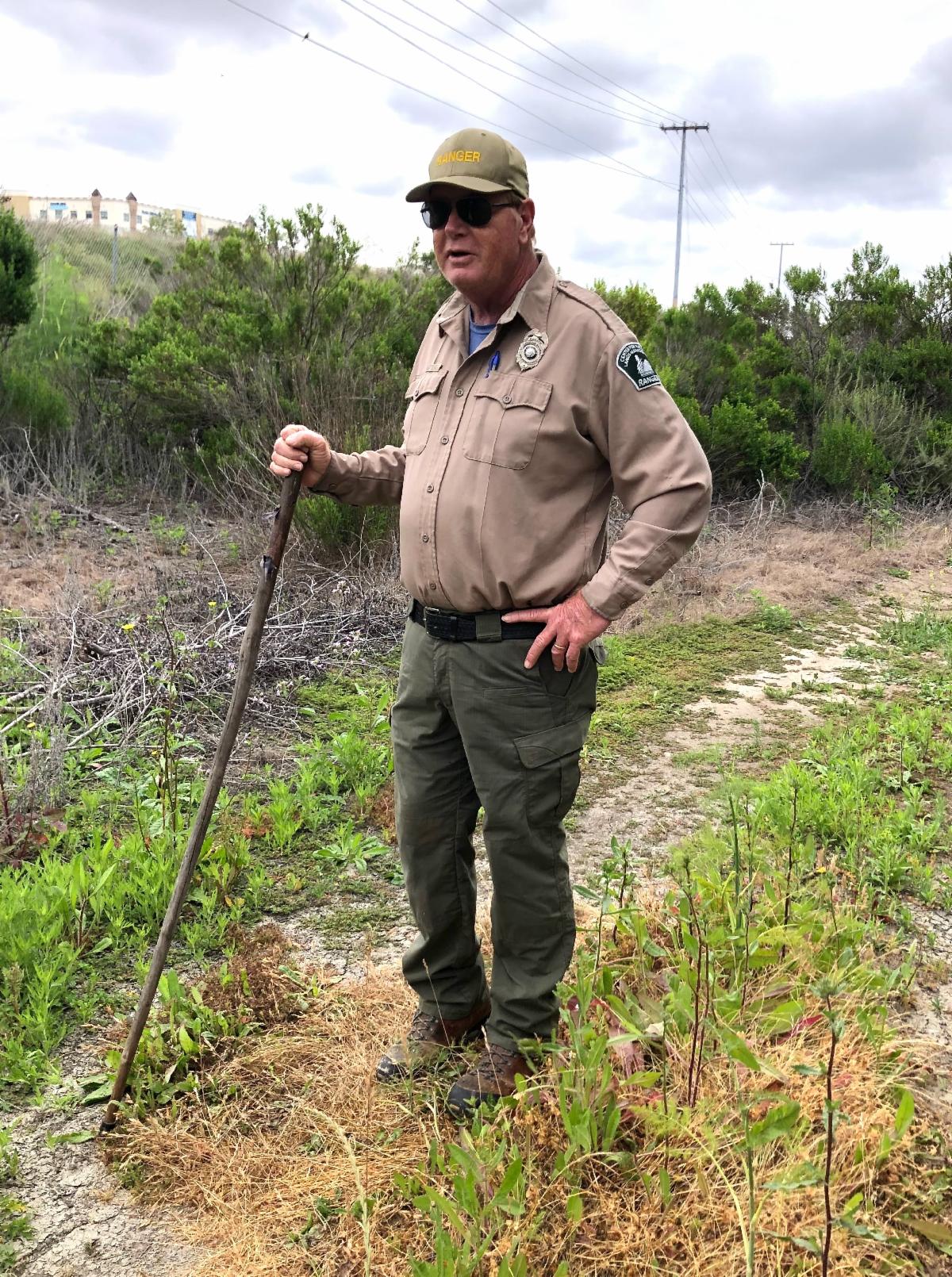
A special thanks to Todd Nordness and his work with the Center for Natural Lands Management (CNLM). CNLM is dedicated to protecting and managing imperiled species and their habitats. We have also enjoyed sharing Todd's photos with you over the years.
At left, Todd at Buena Vista Creek Ecological Reserve spotted by E. Bartlett.
| | | | Our all-volunteer organization can not do what we do without your help. Your time, talent and donation can make a difference right in your own backyard. | | | Contact us to see how else you could get involved. | To Make a Donation to Preserve Calavera | | And Check out our Website | And all of our past Newsletters can be accessed here. Lots of local information about our open space and wildlife issues. | | | | | |