View this email in your browser

This is a newsletter created by the Gender Team of the UNFCCC

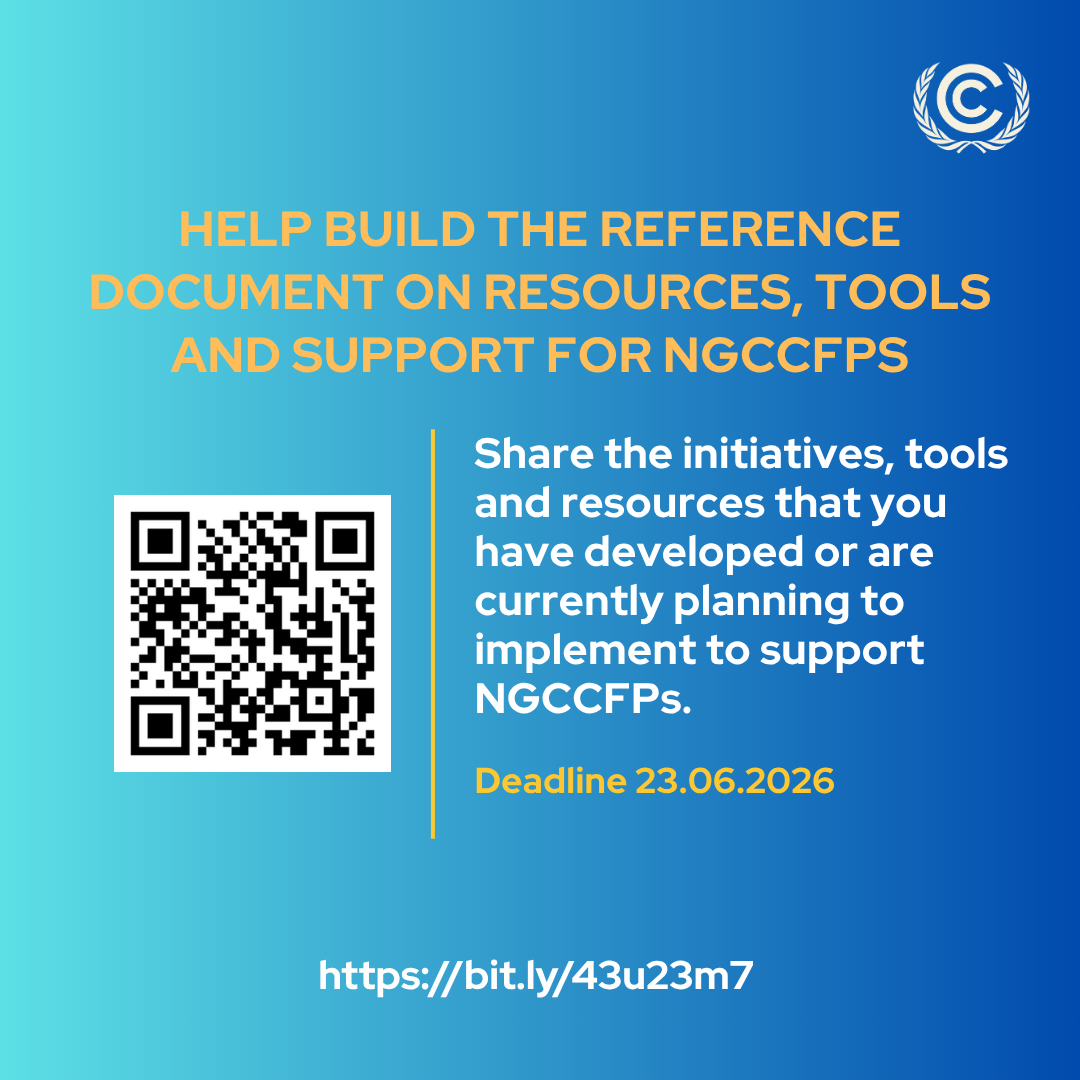
📢 Respond by 23 June: Help Build the Reference Document on Resources, Tools and Support for NGCCFPs

Image: UNFCCC

📑 Help build a practical, accessible reference document for the direct use and benefit of NGCCFPs


Building on the Partner Mapping survey conducted earlier this year, we are now launching a follow-up survey to compile a comprehensive list of resources — from online training programmes and dedicated platforms to capacity-building initiatives and tools — that can support NGCCFPs in their role. Everyone is invited to contribute by sharing information on existing or planned resources through the survey. 

📅 Deadline: 23 June 2026 — feedback by this date will be included in the workshop report.

🌍 Gender & Climate Change at SB 64

As the 64th Subsidiary Body session comes to an end, the work on gender and climate change is only gaining speed. From gender- and age-disaggregated data to national gender and climate change focal point (NGCCFP) to climate finance, this session delivered three impactful mandated events that are shaping the road ahead. Here's a recap of what happened at our events and why it matters. Help us improve future events – complete our post-event surveys.

📊 Expert dialogue on relevant issues in gender- and age-disaggregated data and gender analysis

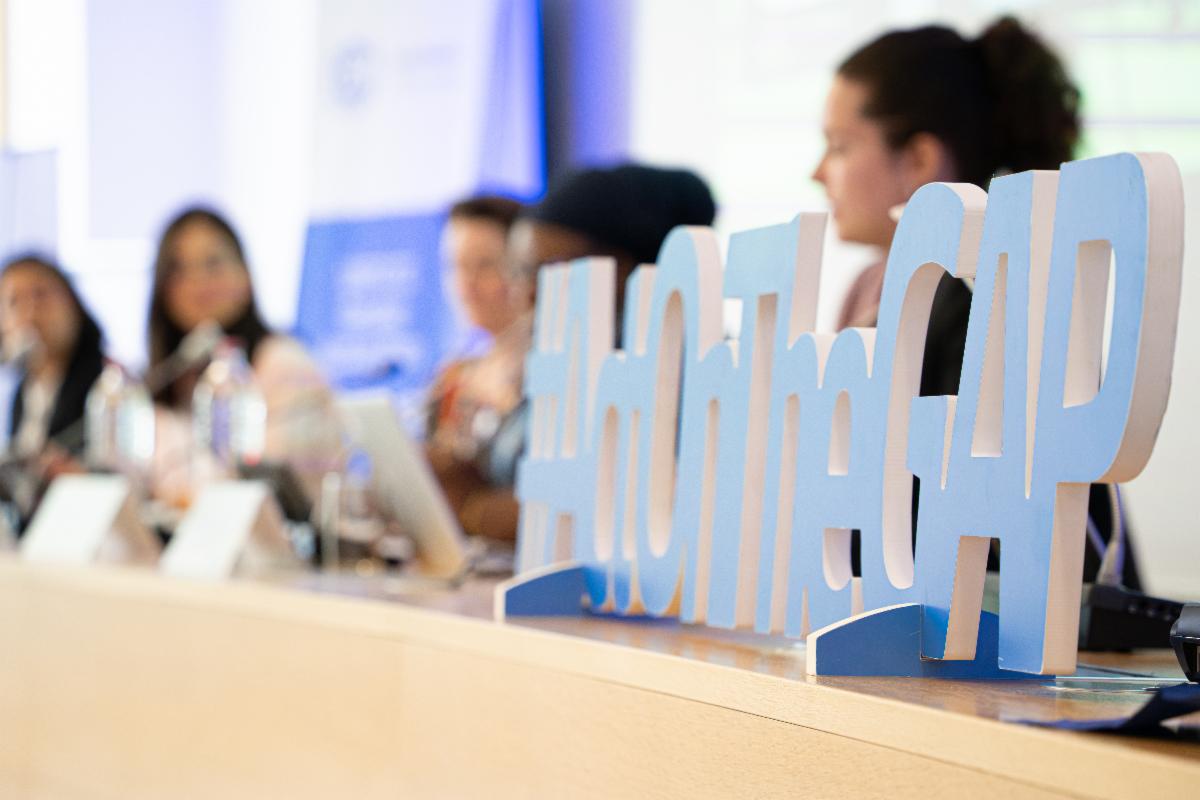
Image: Lara Murillo

Organized in collaboration with the Gender and Environment Data Alliance (GEDA), this dialogue brought together data experts, policymakers, researchers, and civil society representatives to map the current landscape of gender- and age-disaggregated data relevant to climate change and discuss a way forward to strengthen evidence-based, gender-responsive climate action.


Discussions spanned through three panels on data as a cornerstone of the Belém GAP, the global state of play and bridging data gaps by advancing rights-based and non-extractive methodologies. In a group work session, participants dove into the barriers that continue to limit data collection and explored approaches to filling those gaps across key thematic areas —including care work and climate change, health and gender in the climate context, violence against women and girls, and examples of engaging men and boys and of gender-responsive climate action.


The dialogue's outputs may feed into upcoming Belém GAP deliverables, notably the national assessments and submissions due in 2027 (A.3.9 and A.3.5), and lay the groundwork for the first Global Dialogue on Gender and Environment Data at COP 32 in 2027. A foundational moment - and just the beginning. 🌱


🎥 Find the webcast, presentations and pictures of the expert dialogue here.


📋 Did you attend the dialogue? Tell us what you think! Please take a few minutes to fill in the post-event survey here— your insights will help us improve future events and ensure these spaces keep delivering value.


🤝 In-Session Workshop on Best Practices for National Gender and Climate Change Focal Points (NGCCFPs)

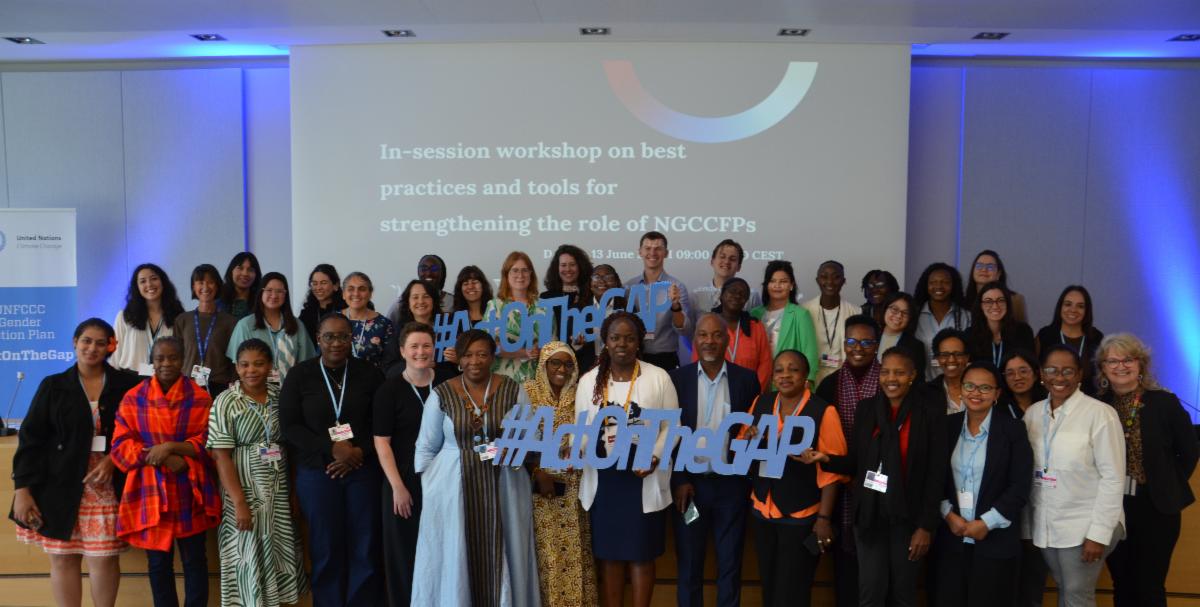
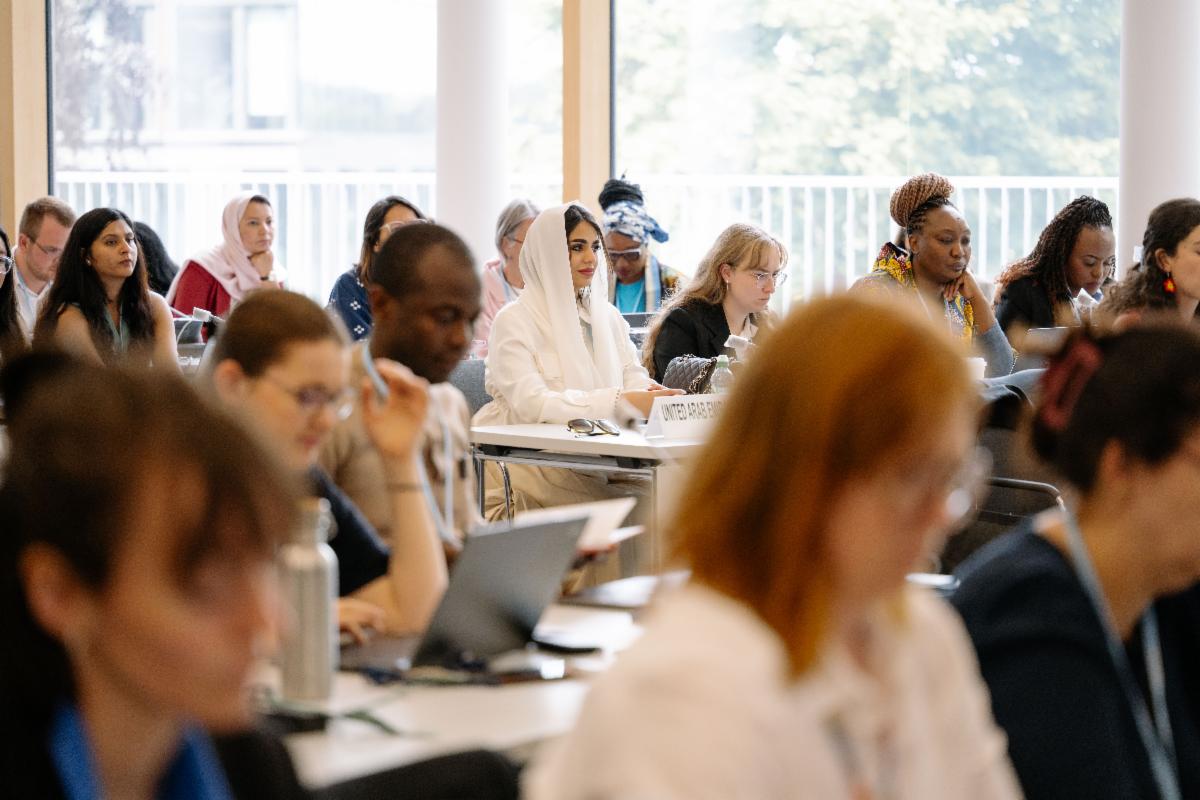
Image: UNFCCC

Over 125 countries have now designated a National Gender and Climate Change Focal Point — but what does that role actually look like in practice, and how can it be made more effective? This two-day workshop tackled those questions head-on, bringing NGCCFPs, interested government representatives and observers together in a rich space for peer learning, co-creation, and reflection.


Participants explored and shared best practices and tools, discussed the role and activities of NGCCFPs and shared their views for a way forward. While the first day featured joint reflection of NGCCFPs, interested government representatives and observers, the second day focused on strengthening skills and on regional discussions and was dedicated to NGCCFPs and interested Party representatives only. Skills labs were delivered by the Women and Environment Development Organization (WEDO) and South South North.  


The workshop report will capture discussions and can inform ongoing Belém GAP deliverables on NGCCFP role and institutional strengthening.


🎥 Find the webcast, presentations and pictures of the workshop here.


📋 Did you attend the workshop? Tell us what you think! Please take a few minutes to fill in the post-event survey here — your insights will help us improve future events and ensure these spaces keep delivering value.

💰 Interactive Dialogue on Progress in the Delivery of Gender-Responsive Climate Finance

Image: Pamela Elizarraras Acitores

This first annual dialogue on gender-responsive climate finance brought together operating entities of the UNFCCC Financial Mechanism, multilateral climate funds, NGCCFPs, and civil society to take stock of where we are and where we need to go on climate finance.


Panels and interactive discussions included civil society perspectives and insight from the Independent Evaluation Unit of the Green Climate Fund (GCF), the Independent Evaluation Office of the Global Environment Facility (GEF), the GCF, the GEF, and the Adaptation Fund, exploring the current state of gender-responsive climate finance, reflecting on impact and progress and on what it takes for finance to genuinely integrate both climate and gender considerations.


🎥 Find the webcast (available in English, Spanish and French!), presentations and pictures of the dialogue here.


📋 Did you attend the dialogue? Tell us what you think! Please take a few minutes to fill in the post-event survey here— your insights will help us improve future events and ensure these spaces keep delivering value.

#ActOnTheGAP

Promote best practices, share resources and foster knowledge exchange focused on the nexus of Gender and Climate Change with our LinkedIn Community. Join us here.

Web  Email  LinkedIn  YouTube  Instagram  Facebook  TikTok

UNFCCC Gender Team