|
I’ve read several articles in my classic car magazines about whether a restored car drives better or worse than an original one - they all came to the conclusion that the car that had never been apart was better to drive. I took this with a grain of salt, as it is trendy to say you value ‘patina’ over all else just before you embark in a multi-year concours restoration.
I remember going on a Sports Car Market tour of some cars at the Gooding & Co auction at Pebble Beach. It was being led by Donald Osborne, who is a regular contributor to the magazine and is often on Jay Leno’s Garage. We were looking at a pre-war Alfa Romeo with Zagato sporting bodywork. It was recently rescued and was in tatters. The paint was stripped off, and the interior was ripped to shreds. It was missing some trim parts. One of the guys was saying, ‘Oh, I’d drive it exactly as it is”. Donald said, “Well, I might put a windshield in it!”
Some cars do need to be restored, like this Series II Land Rover...
| 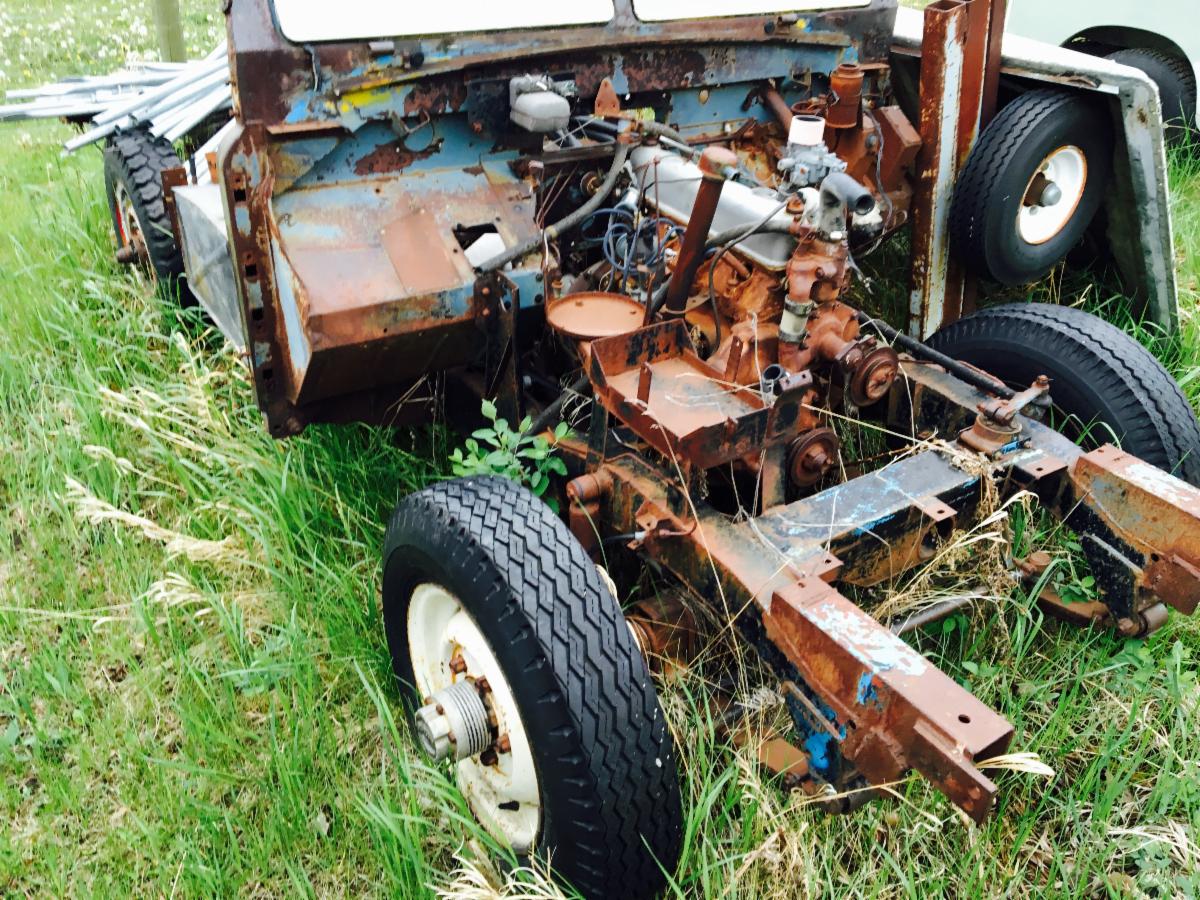 | Even Miles Collier would agree that this 1962 Series II swb (as found above) would be improved with a restoration (Current state below). | 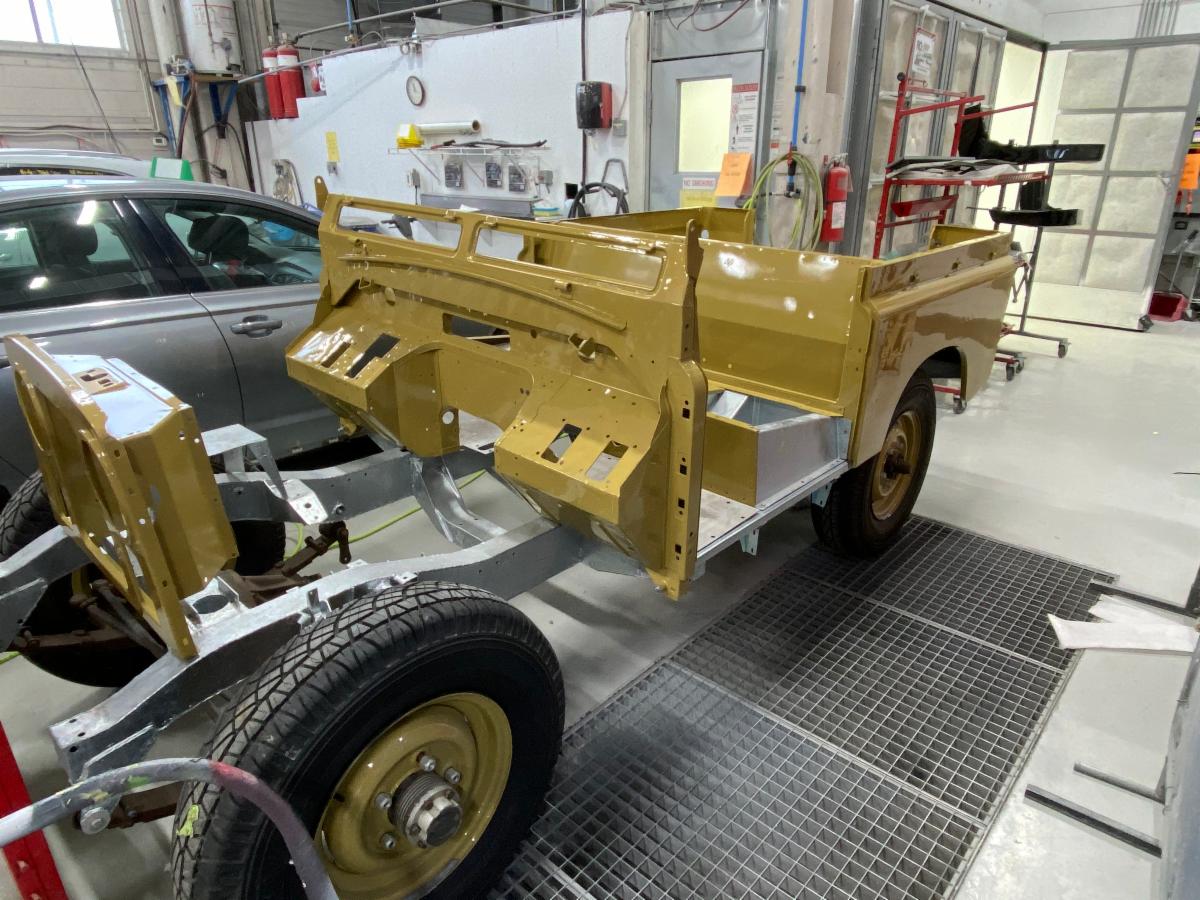 |  | |
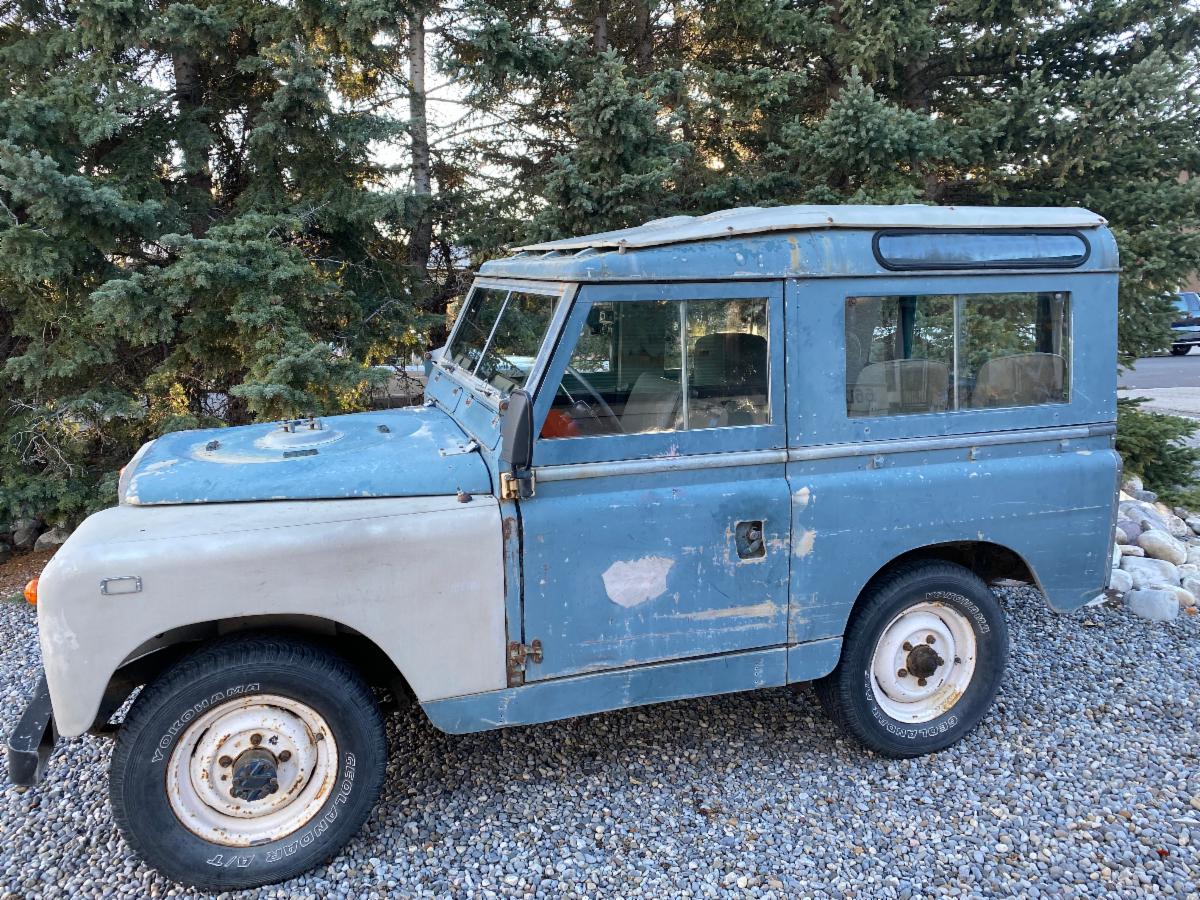
But others, like the 1960 Series II Deluxe Station wagon (above) should be left alone - at least in my opinion.
Originality in an old Land Rover is pretty rare. Even though they made hundreds of thousands of them, as working vehicles they were only worth something if they were useful, so few remain in original condition. Most were modified to complete the tasks at hand, and almost nobody cared what parts went on it.
Old Land Rovers don’t come with nice service files from marque specialists. They were sold to farmers, guys with small acreages, utilities, logging companies etc. They were repaired in the field with whatever parts would do the job. Most had a very hard life, and then when something big broke, they were just left in the bush. So, when you find one that is original, and hasn’t been completely destroyed, it is worth saving.
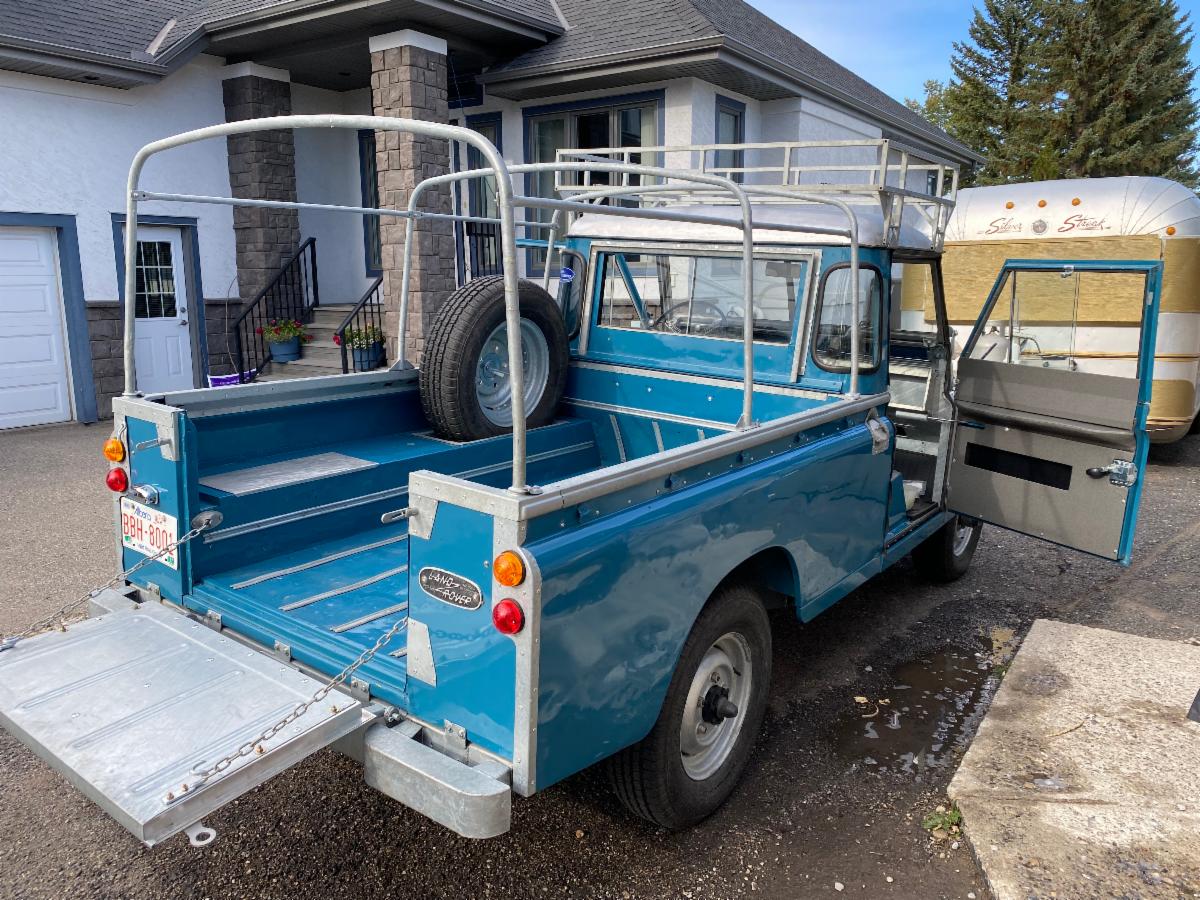
This 1960 Series II SWB belongs to a client who found it looking a little sorry on a farm. I’ve helped him recommission it with help from Asit at XJ Automotive, who does my mechanical work on British cars. We did work on the clutch, brakes, fuel system, lighting and the usual things that need attention after a vehicle has sat for a couple decades. I supplied some body parts including fenders and the rear light panels which were bolted and riveted in place. About $15k was spent. It is back on the road for another (easier) chapter of its life and runs and drives nicely - better in fact than my 109 which I've spent $60k on, much to my chagrin.
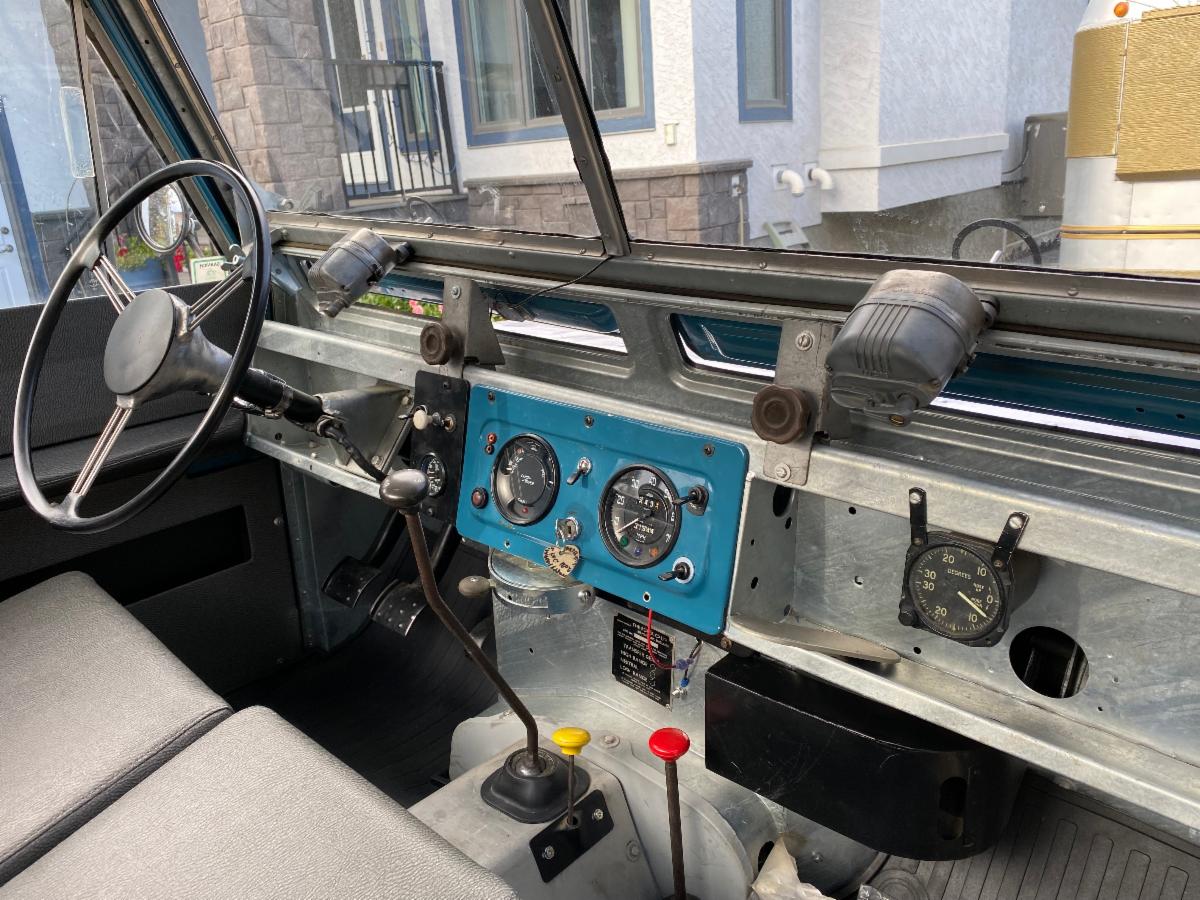
My Series 1959 II 109 Pick up started life as a an early Series II station wagon, and then was converted to a camper, then to a Pick up with a later 2A drivetrain. It was about 5 different colours and the engine bay was a rat's nest of wiring, and most of the wires were same colour (tough to trace). I tried to make it usable, but it didn’t look or drive well, so I had it taken back down to the frame. It got put back together once, but I wasn’t happy with the job I paid somebody to do. With time on my hands during COVID, I took it apart once again and started over. It’s back together for probably the 5th time in its life, and I’m putting the finishing touches on it now.
I've had quite a bit of seat time in both these Rovers lately. I picked up the original 1960 and drove it home...and then called Asit and said something like, “My 109 drives like s**t compared to this”. It wasn’t that my Rover had anything major wrong with it, it is just that the original one drove better. Throttle pedal movement, clutch engagement, spring loading of the gear selector - it was all of those items that were smoother and easier and felt better in the original truck. Collectively they made a big difference.
| |
I butted the two vehicles up, bumper to bumper, and raised the hoods in an effort to try to identify where the differences were coming from.
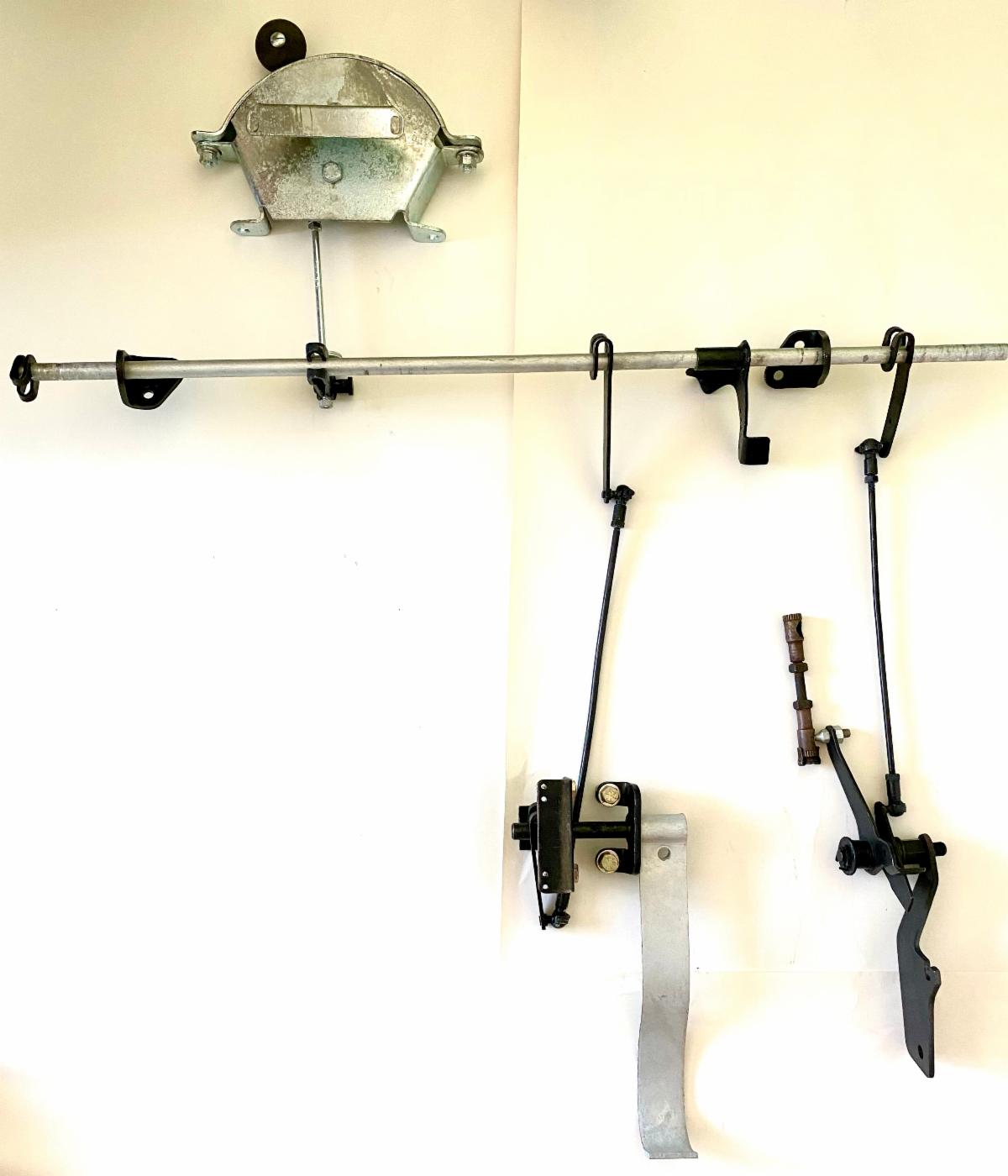
I started with the throttle linkage. Rovers could be optioned with a Capstan winch or a Power Take Off (PTO) to run stationary equipment. Some had an engine governor. The throttle pedal, hand throttle and engine governor all act on a transverse cross shaft (mounted to the bulkhead) that connects to the carburetor.
This makes the throttle linkage complex (see the image above) and difficult to set up properly. The cross shaft only rotates about half a turn. The lever on the carburetor, mounted to the engine, mounted to the frame, has about 2.5" of vertical movement. The bulkhead moves back and forth about 1" depending on how you adjust the front grill panel, fenders, seat box, doors and rear box. Move one thing, and the linkage doesn't operate the throttle through its full travel, or worse binds the whole thing up, and the throttle sticks wide open!
I moved one of the throttle return springs over an inch, and re-adjusted the throttle linkage to match the original one. It made a big improvement that I would have never found without the original to guide me. I'm now making my way through the rest of the linkages, using the original truck as an invaluable reference.
| |
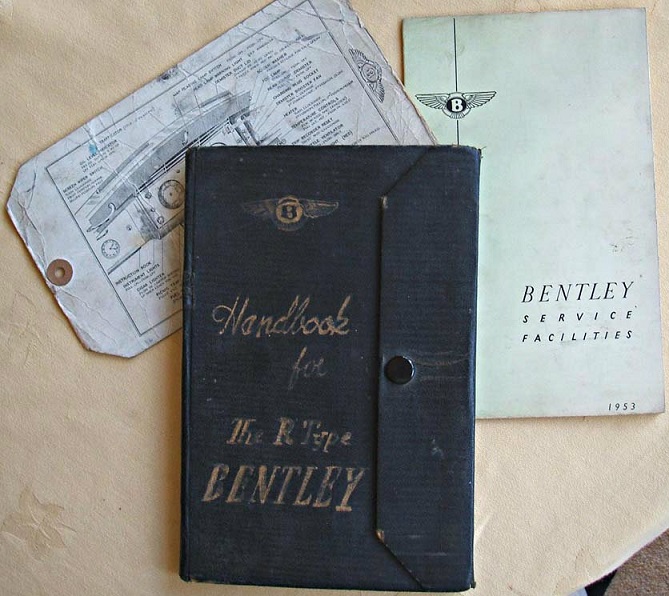
This reminded me of the owner's handbook in my 1952 Bentley R Type which politely asks the owner not to bugger around with the car...
"The Secret to Successful Running"
Before a Bentley is sold, it is very carefully tested and adjusted by experts. It will run best if no attempt is made to interfere unnecessarily with adjustments.
And the owner would do well to instruct his driver as follows: -
Lubricate effectively, in strict accordance with the advice given in this book, and do not neglect any part. Inspect all parts regularly, but take care not to alter any adjustments unless really necessary.
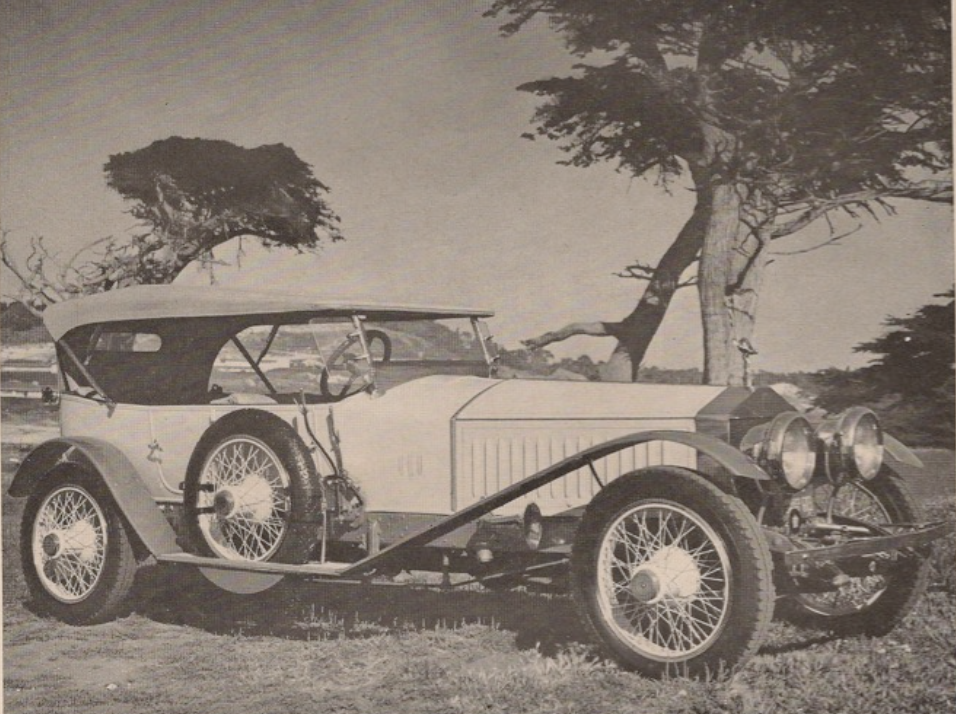
| And when I was researching "the Best Car In The World" for a column a few weeks back, I came upon this article on a Rolls Royce Silver Ghost in one of my old Road & Track Magazines: | |
...An insight into the rigid standards and famous product loyalty of the Rolls Royce organization can be provided by quoting a letter from the Rolls Royce factory in response to a customer inquiry when the car was 41 years old in June 1954:
"When Henry Royce designed the car one of the things he was particularly careful about was to provide no means of adjustment whatsoever, and everything was tailor-made when the chassis was built; therefor any distortion which might result from service error or accident cannot be corrected by adjustment. His object was to prevent tinkering by unauthorized individuals."
-Rolls Royce 40/50 Silver Ghost London Edinburgh Tourer - R&T Oct 1962
| |
So what is the lesson here? I think it is that setting up the vehicle successfully is more than bolting everything together, even if all the pieces are nice and shiny. The hundreds of small adjustments make a substantial difference in how the car drives. There is no book or restoration guide that will show you how to do this - it must come from experience. I was fortunate to have access to an original vehicle to give me guidance.
I think this goes some way to explaining the importance of having a vehicle restored by a marque specialist - somebody who has spent their working lives around the type of vehicle you wish to restore. Access to original vehicles and the knowledge gained from doing the job many times before results in a demonstrably better end result. A Gullwing from Rudi Koniczek, Aston from Kevin Kay, 959 from Bruce Canepa or Land Rover from North American Overland are all going to command a price premium, but are worth it because they are fully sorted.
Or, buy an original car that has never been apart in the first place, and save the cost of the restoration. As to which drives better? Even with expert set up, it probably is still the original that has never been taken apart.
| |
Top: 1960 Land Rover Series II - drives better than you might think. | |
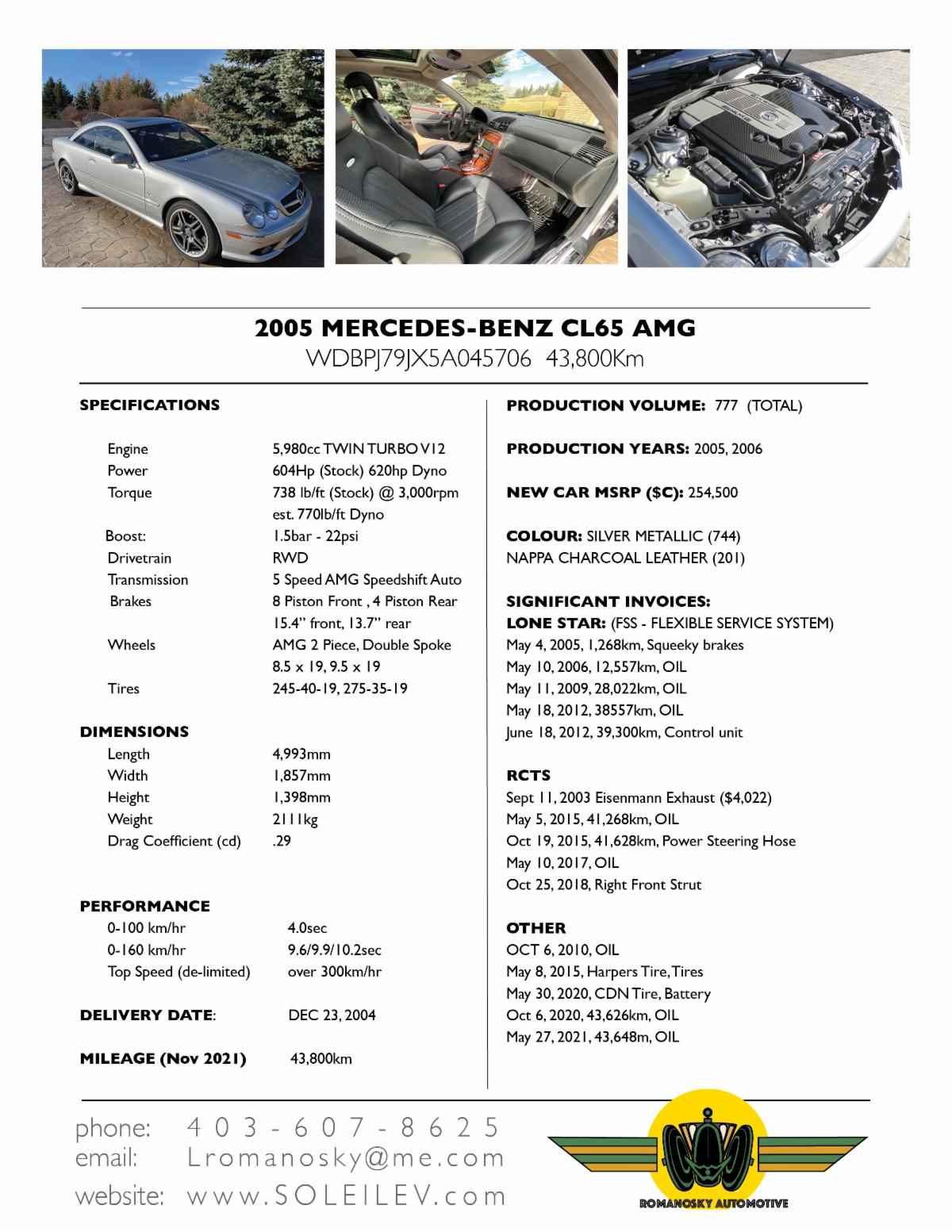
2005 MERCEDES-BENZ CL 65 AMG
43k, Tuned by Reg Reimer from RCTS incl. Eisenmann exhaust, 620hp Dyno, $240k+ spent. Car looks new. One owner, bought new at Lone Star. Full History. Name another 600+hp, 300km/hr, V12 luxury coupe for less than $100,000.
Scheduled to be auctioned on Bring-A-Trailer, Nov 2021
| |
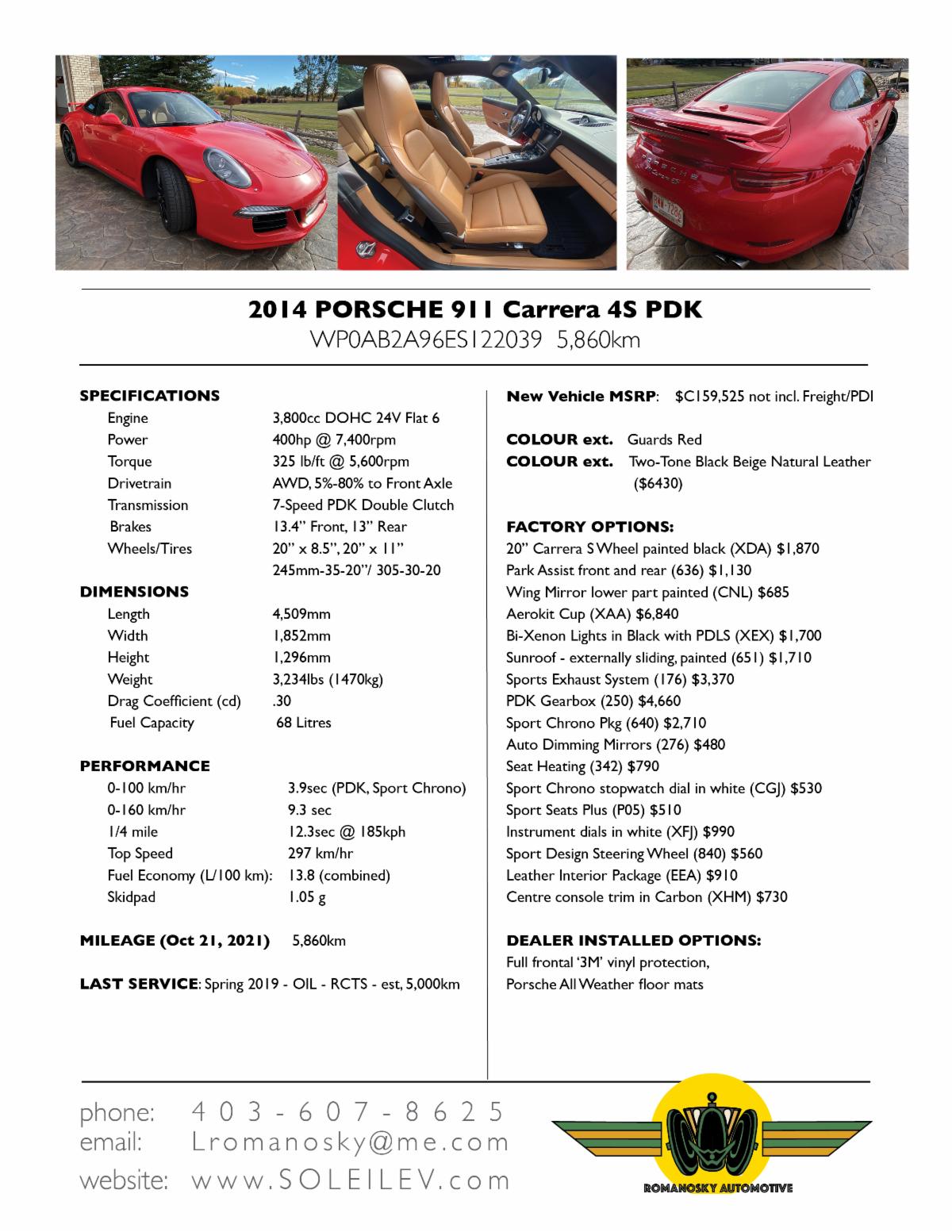
2014 PORSCHE 911 C4S COUPE PDK
5,800km only, Aerokit Cup w/Sport Design, Sport Chrono, Sport Exhaust, Full Black-Tan Leather, as new. $160k MRSP, replacement $200k and 12 month wait.
Scheduled to be auctioned on Bring-A-Trailer, Nov 2021
| |
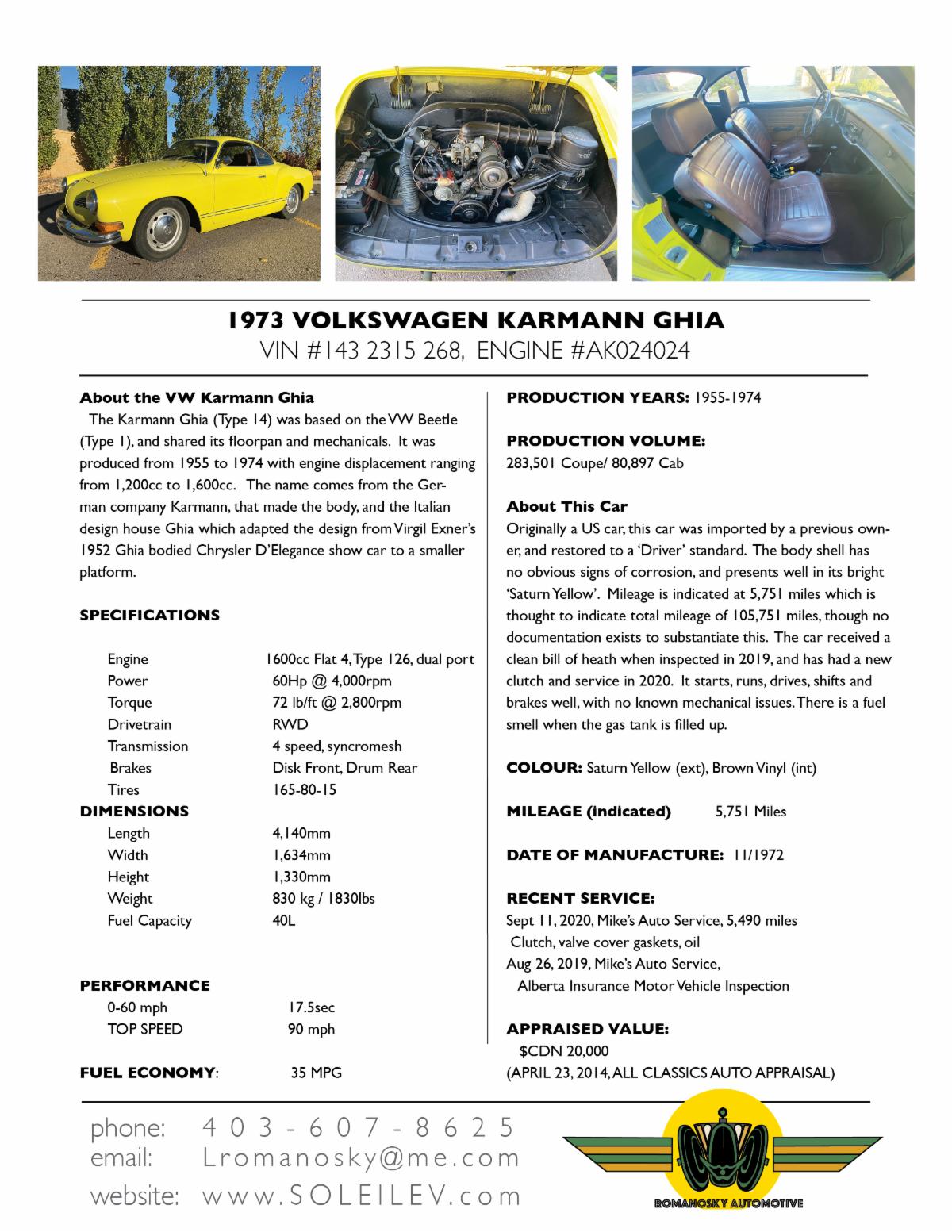
1973 VOLKSWAGEN KARMANN GHIA
One owner last 30 years, restored 20 years ago, recommissioned, 6 cylinder Lightning engine.
$25,000
| |
1949 WILLYS JEEPSTER
One owner last 30 years, restored 20 years ago, recommissioned, 6 cylinder Lightning engine.
$25,000
| |
1959 LAND ROVER SERIES 2A 109
Body off, nut and bolt refurbishment. Galvanized frame and bulkhead, 3/4 Exmoor Canvas Tilt, Elephant Hyde (pattern) Upholstery
$60,000
| |
1961 Land Rover Series 2 88"
Extremely original and complete. Recommissioned for road use.
$25,000
| |
1963 MERCEDES-BENZ UNIMOG 404
Re-paint by Cosmos, Mechanical overhaul by Concept-1, ready to transport 1,500kg overland and through rivers.
$30,000
| |
2009 PORSCHE CARRERA 4S CABRIOLET PDK
One owner since 2010, recent engine out $7k service by PCC, 73,000km.
$78,500
| |
1968 Ford Mustang GT/CS California Special
Concours Restoration, Extremely rare specification. Inquire.
| |