Retail Beat

updates for retailers + key business partners


March 10, 2025

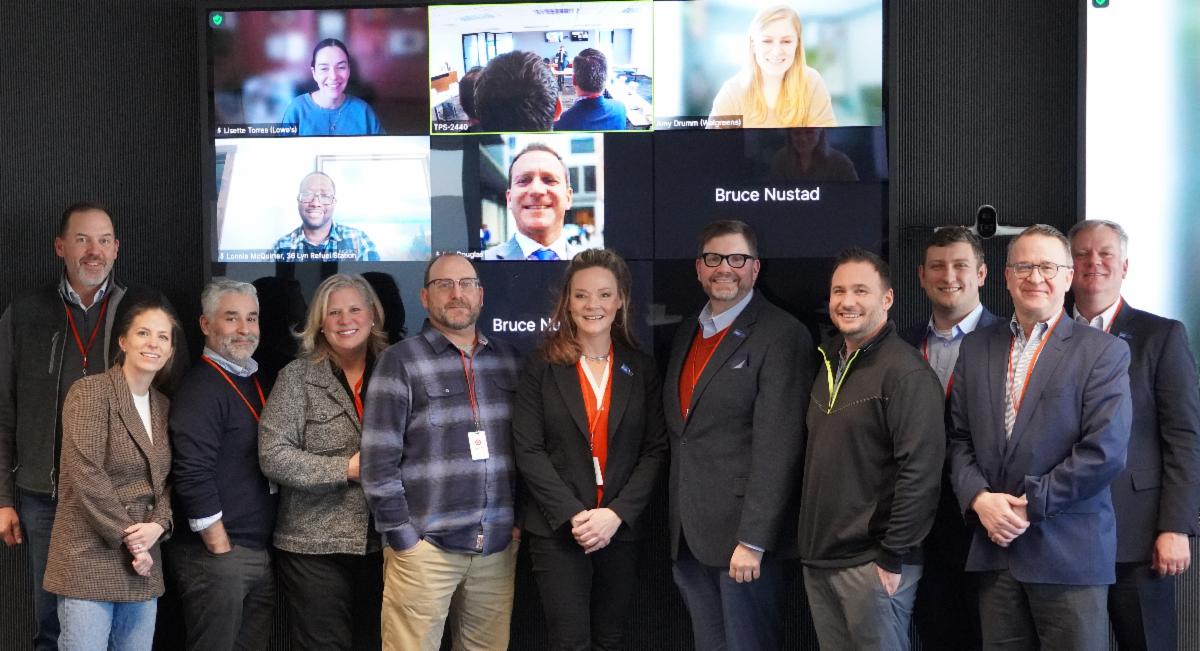
Members of the Minnesota Retailers Board met in January to discuss the beginning of the legislative session and the year ahead. Interested in learning more about serving on the Board? Contact Bruce Nustad at bruce@mnretail.org.

Sponsored by:

As State Budget Forecast Dims, 12.5% Sales Tax Collection Increase Provides A Little Light

Minnesota’s budget outlook has taken a hit, with the state now projecting a smaller surplus in the near term and a growing deficit in the years ahead, according to the latest economic forecast released yesterday by Minnesota Management and Budget (MMB).


The forecast shows a projected balance of $456 million for the FY 2026-27 biennium, which is $160 million lower than previously estimated. Looking ahead to FY 2028-29, Minnesota now faces a projected general fund shortfall of nearly $6 billion ($5.995 billion), which is $852 million worse than forecasted in November. According to MMB, adding to budget uncertainty, shifting federal policies could further impact the state’s financial projections, making it more difficult to predict long-term economic conditions.


The bright spot in the forecast may be sales tax revenues, which continue to be a significant component of Minnesota’s general fund and are projected to account for approximately 25 percent of general fund income through the 2028-2029 biennium. Sales tax collections are projected to increase about 12.5 percent in to 2029:


  • 2024-2025: $15.1 billion;
  • 2026-2027: $16.05 billion;
  • 2028-2029: $16.96 billion.


A projected 12.5% increase in Minnesota's sales tax collections by 2029 suggests that consumer spending is expected to grow over the period. Since sales tax revenue is directly linked to taxable sales, an uptick in collections typically reflects higher consumer expenditures on goods and services. This projection aligns with expectations of economic growth, wage increases, or population growth, all of which can boost consumer spending.​


However, it's important to consider other factors that might influence these projections:


  • Inflation: Higher inflation can lead to increased prices, which in turn raises sales tax collections even if the actual quantity of goods and services purchased remains constant. MMB noted that higher inflation is expected to result in increases in both projected revenues and expenditures.


  • Policy Changes: Adjustments in tax policies, such as changes to the sales tax rate or the tax base, can impact revenue projections. MMB also said shifting policies at the federal level introduce significant uncertainty to the projections. ​


Therefore, while a 12.5% increase in projected sales tax collections indicates anticipated growth in consumer spending, it's essential to account for factors like inflation and policy changes when interpreting these projections.


See the full MMB forecast at https://mn.gov/mmb/budget/state-budget-overview/.

Retailers Are Pushing Payment Modernization As Customers Ask For More

From Retail Dive, Xanayra Marin-Lopez, March 6, 2025


A KPMG survey found that a majority of retailers plan to keep updating their payment programs to keep up with consumer tech demands.


As digital payments become more mainstream for consumers, retailers are trying to keep up with the payment methods they accept. Retailers need to make significant investments to navigate legacy systems, data security and privacy concerns, KPMG found.


When modernizing their payments, 3 in 5 retailers are working to upgrade and implement digital payments, KPMG found. Nearly the same number are working to add new payment options.


“Implementing and integrating new payments platforms can be complex and time-consuming,” Courtney Trimble, lead of global payments at KPMG, said in the report. “Despite these challenges, executives recognize the benefits of payment modernization as a catalyst for growth and innovation.”


One of the biggest roadblocks is cost. Nearly two-thirds of respondents said the top challenge when creating a modern payments program for retail is the cost of implementing new technologies. For over half of respondents, training staff from old to new systems is also a challenge.


READ MORE

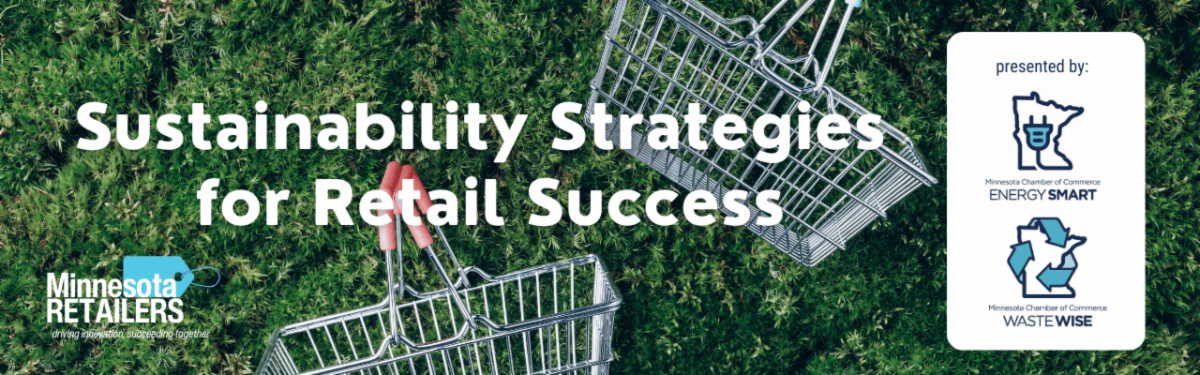
Get Ready For Earth Day! Sustainability Strategies for Retail Success Webinar March 26

Discover how going green can help your business thrive! This 10:00 a.m. webinar-delivered briefing will equip retail owners and managers with actionable insights to reduce operational costs, elevate brand reputation, and strengthen your community.


Learn about high-impact energy efficiency upgrades, tackle common waste reduction challenges, and explore free resources and grant opportunities to make sustainability projects affordable and achievable.


REGISTER NOW

Funding Opportunity: State Grants Available For Retailers To Expand Reuse & Waste Reduction

On Friday the Minnesota Pollution Control Agency announced a funding opportunity including an option for retailers to expand reuse and waste reduction. Minnesota retailers have a unique opportunity to access funding to support waste reduction, reuse, rental, and repair initiatives.


With $820,000 in grant funding available, businesses (and non-profits, etc.) can apply for financial support to launch or expand efforts such as "opening/expanding/improving a retail establishment, swap space, virtual database/hub, or otherwise connecting people to reused goods."


This funding aims to reduce landfill waste, lower environmental impact, and strengthen Minnesota’s circular economy while enhancing customer engagement and operational efficiency. Grants range from $75,000 to $750,000, with a required 25% match, and applications are due by March 27, 2025.


More details and application instructions can be found on the statewide waste reduction and reuse grants webpage.


LEARN MORE

Women's Economic Security Act Reminders From The Department of Labor & Industry

From the Minnesota Department of Labor and Industry, March 7, 2025


This Women's History Month, we are spotlighting the Women's Economic Security Act (WESA), which strengthens workplace protections and boosts opportunities for women in Minnesota.


Key provisions of WESA include:


  • Support for pregnant and lactating employees -- ensures accommodations for nursing mothers and pregnant workers.
  • Expanded employment opportunities -- increases access to high-wage, high-demand jobs for women.
  • Equal pay enforcement -- strengthens the fight against the gender pay gap.


Join us for a March 18 11:00 a.m. webinar diving into the impact of WESA on Minnesota workers and employers. Learn about its key provisions and how it is helping women thrive in the workforce.


LEARN MORE OR REGISTER

Connect with Minnesota Retailers!

Web  Email  Twitter  Facebook  LinkedIn  Instagram