|
The following is a BRIEF excerpt—click here to enjoy our full conversation.
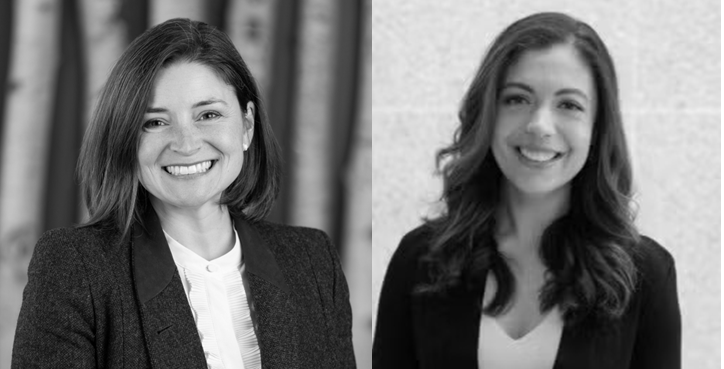
Karen and KC, you’re both deep in the work of making financial security real for people. What are your current priorities—let’s start with you, KC, on inclusive savings.
KC Boas: Yes—I’ll frame it this way. There’s a tension at the heart of this work: America’s retirement system is working for millions. And it’s failing millions. Both are true. But failure isn’t inevitable. The system isn’t working for many yet. And the “yet” is where we see opportunity.
Over the past few months, we’ve been scheming… Dreaming up what the next five years of our work needs to be. Our guiding principle was to start with the experience of the household. When you boil it down, the lifecycle of a retirement saver has three parts: access, saving & investing, and retirement. So, we’re organizing our work around that journey.
You’re also planning a financial diaries project for older Americans. We learned so much from the first work. Tell us more.
Karen: Yes. It’s a time-tested methodology that’s never been applied to older adults, so we’re breaking new ground. The appeal of this approach is that it marries real lived experience—I’m talking, sitting across from a retiree at their kitchen table and digging into the details of what’s happened in their financial life and why—with transactional data.
That’s what we plan to do with a sample of 100 low-wealth households, ages 55–75. What decisions and trade-offs are they making? How do they react to financial shocks? Where are the gaps? Uncovering the answers to these types of questions can drive better design of both policy and product. And this really matters given how close we are to a benefits cut for Social Security if policymakers don’t take action.
We’re in project funding, and looking for partners who want to help us press play.
Speaking of new policy—let’s talk about the Trump Accounts. Bring us up to speed.
Karen: They’re now the law of the land! There’s a lot to unpack there—and even more to figure out. As passed into law, these accounts are a traditional IRA—so, not a Roth—for all kids under 18, starting as early as birth, and who have a Social Security number.
But there are several unique features—like a $1,000 seed investment pilot program—some of which need to be clarified with the Treasury Department.
Over the past several months, we’ve held dozens of roundtables with 50+ stakeholders across sectors—and we’ve written extensively about those findings. But the bottom line is: . . . (this piece is continued here—don’t miss the rest of what Karen and KC have to say!) . . .
I think this brings us back to your point about the retirement system needing to work for everyone.
KC: Right. Because ultimately, we get to choose who this system serves. The design choices we make—about access, incentives, and, yes, data—will determine whether the next generation of retirees is more secure than the last. A system this consequential should work for everyone.
Karen and KC, what a terrific conversation, chock full of innovation, inspiration and great ideas. Thank you!
Get or stay connected with Karen and KC. Connect on LinkedIn: Karen Andres and KC Boas. Connect by email: Karen and KC. You can also follow their work at the Aspen Financial Security Program here. You may also be interested in readouts from the Aspen Leadership Forum on Retirement Security – you’ll find the 2025 readout here. You can catch up on past forums here.
As the Director of Inclusive Saving and Investing at the Aspen Institute Financial Security Program, Karen Andres works to spark both policy and market changes that will enable everyone in America to successfully save and invest in assets that grow. KC Boas is the Retirement Savings Initiative Lead at the Aspen Institute Financial Security Program. A longtime advocate for a holistic, people-centered approach to wealth building, KC works across the public and private sectors to develop retirement solutions that benefit all households.
|