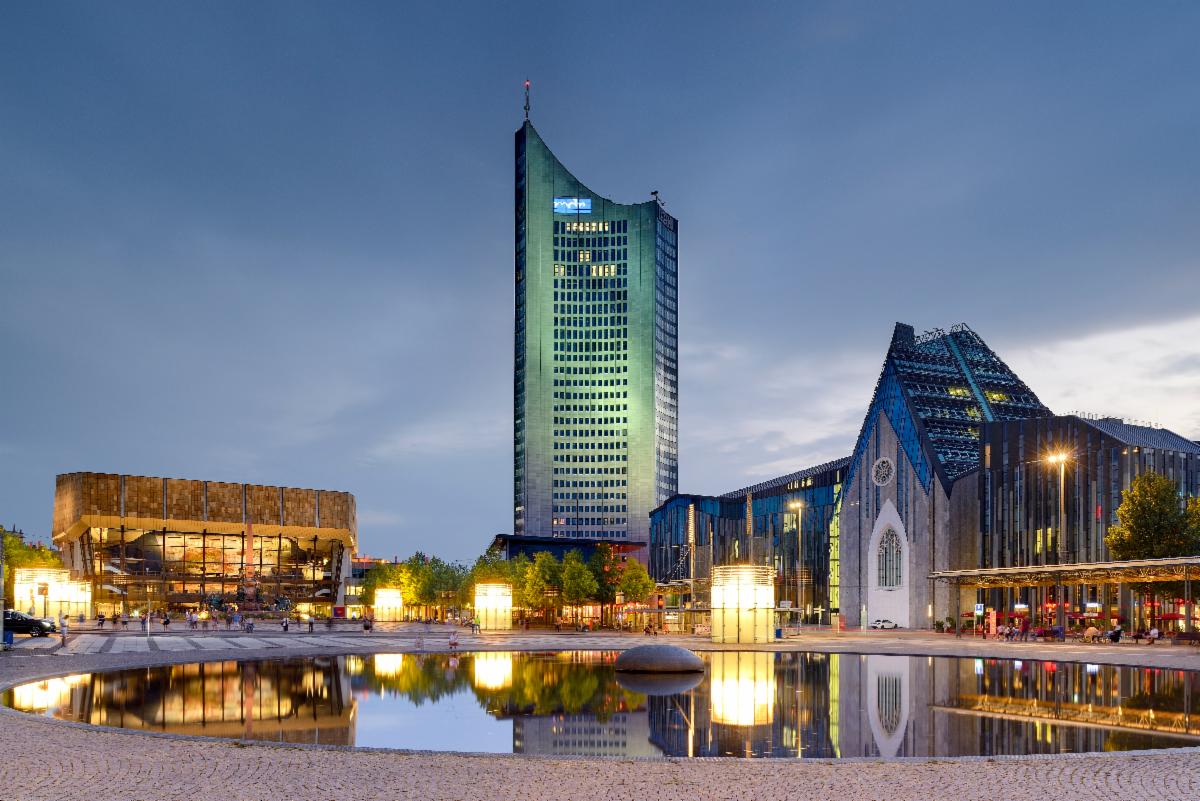
Leipzig Ausgustusplatz © Francesco Carovillano | | |
Dear Travel Colleagues,
As the United States prepares to celebrate 250 years of independence in 2026, this anniversary highlights the enduring power of democracy as one of the defining achievements of modern history. It invites us to reflect not only on 1776 and the birth of constitutional self‑government, but also on the universal human desire for liberty, a political voice, and the right to shape one’s own future. It is a moment to consider how fragile and hard-won democratic freedoms can be – and how they have been defended in very different parts of the world.
More than two centuries later and an ocean away, those same ideals echoed through the streets of Leipzig — in a country still divided into East and West. In the German Democratic Republic (East Germany), civil liberties were heavily restricted, everyday life was shaped by economic struggles within a centrally planned system and many citizens lived under authoritarian state control and surveillance. In response, a civic movement formed in opposition to this regime, advocating fundamental rights and calling for reform. This movement would soon culminate in one of the most remarkable peaceful revolutions of the 20th century, with Leipzig emerging as its central stage.
Victoria Larson
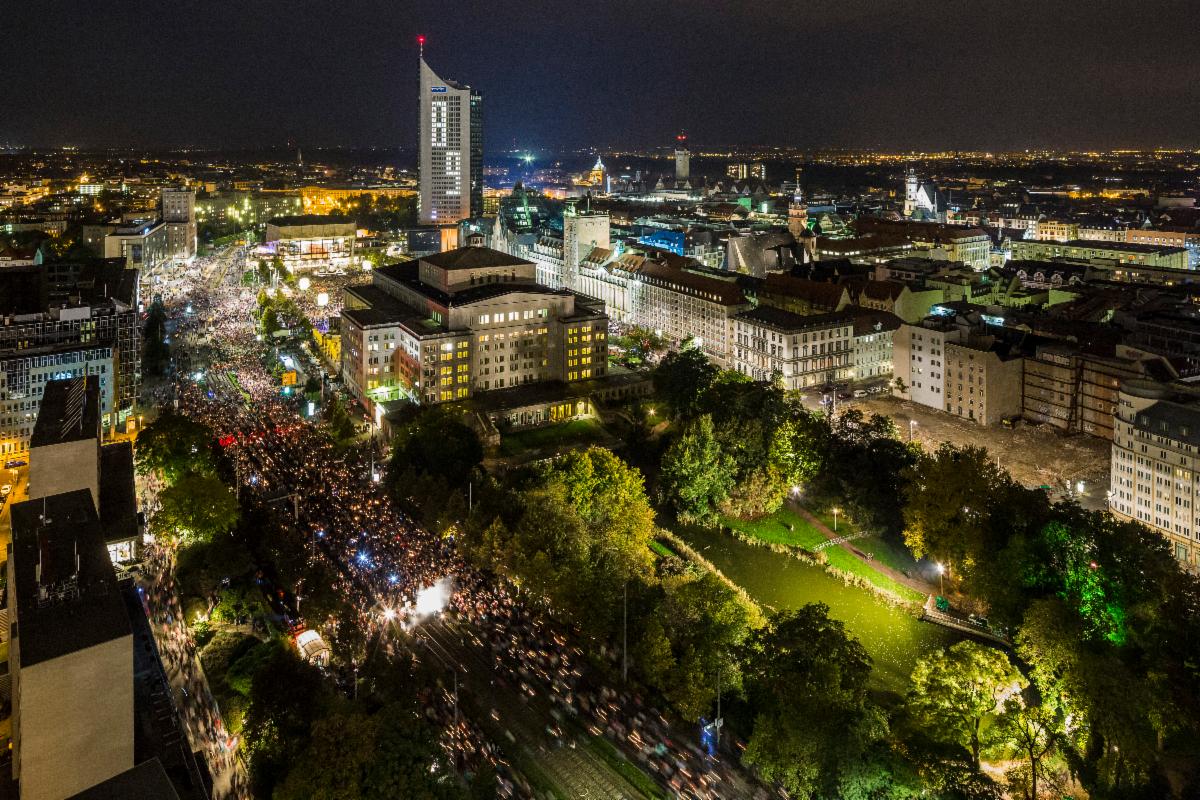
| | "Path of Lights" © PUNCTUM/Peter Franke | | |
The Peaceful Revolution in Leipzig
In 1989, Leipzig emerged as one of the most important centers of political change. What began as small prayer gatherings in the city soon grew into powerful weekly demonstrations that gave voice to a peaceful protest movement. Every Monday evening, citizens assembled in Leipzig’s city center to stand up for their rights. Despite uncertainty and the presence of state security forces, the demonstrators remained undeterred, carrying candles through the streets as symbols of peace and their commitment to nonviolence. Much like other defining moments in democratic history, their strength lay not in weapons, but in conviction. On October 9, 1989, the events reached a historic turning point not only for East Germany but for Europe as a whole. More than 70,000 people marched peacefully through the streets of Leipzig, demonstrating remarkable courage and unity in the face of political repression. Their actions sent a powerful message: change was possible. In the weeks that followed, the demonstrations grew to include as many as 400,000 participants in different parts of East Germany, helping to pave the way for the resignation of the GDR government and, on November 9, 1989, ultimately leading to the fall of the Berlin Wall. One of the most significant peaceful revolutions in modern European history unfolded here in Leipzig. Today, visitors can still trace its legacy throughout the city’s churches, streets, and memorial sites for themselves.
Leipzig's Historical Places
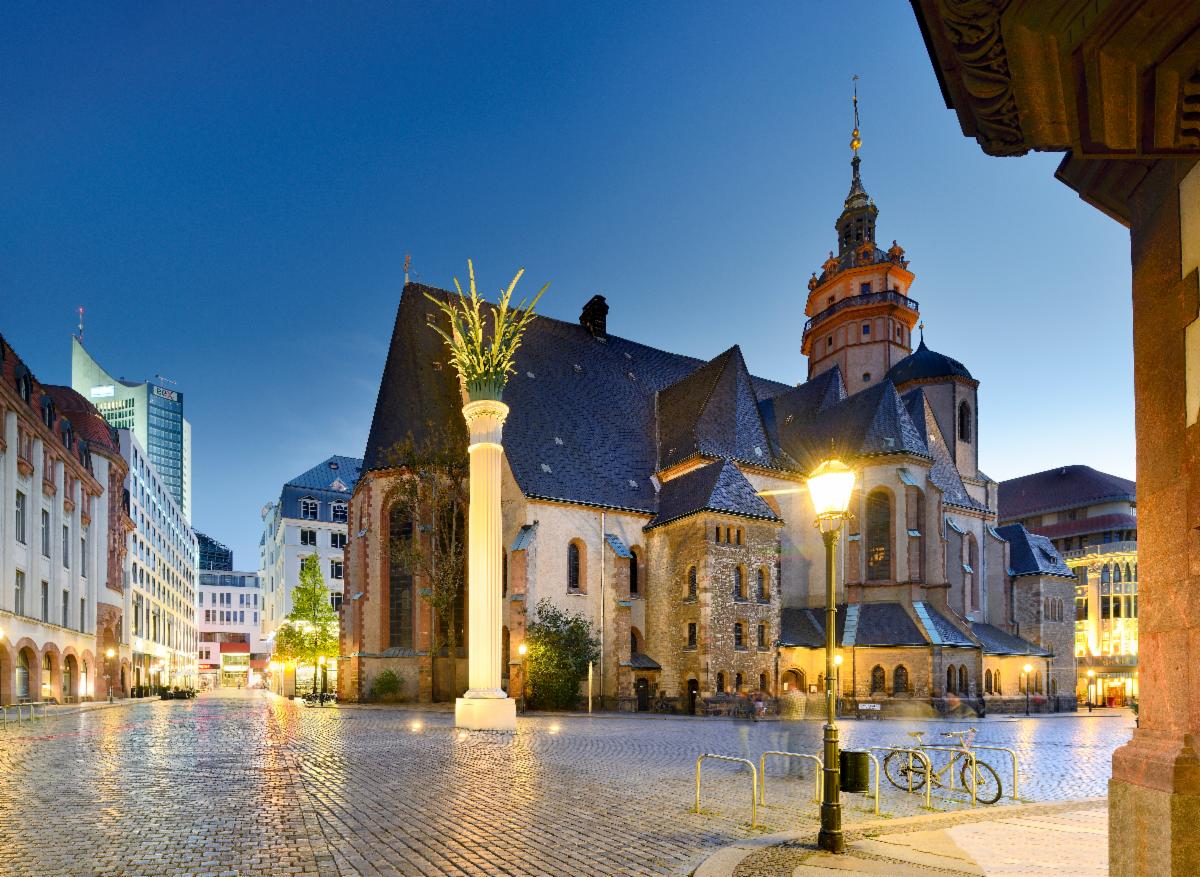
| | St. Nicholas Church Leipzig © Francesco Carovillano | | |
St. Nicholas Church: Where the Revolution Found its Voice
In the 1980s, many young Christians felt an urgent need to gather for peace prayers in order not to lose hope. At first, this need was met. However, amid heavy rearmament and military buildup, hope began to fade. Attendance declined, and in many places, prayers were eventually discontinued. Leipzig was different. Here, the peace prayers continued every Monday at St. Nicholas Church. At a time when public political gatherings in the GDR were either banned or strictly restricted, the church became a rare space where people could come together freely. What began as prayer gradually opened the door to conversation. People not only reflected in silence but also spoke about everyday hardships, freedom, and the desire for change. Prayers turned into discussions; discussions grew into a movement – and that movement ultimately laid the foundation for the Peaceful Revolution. Visitors today can step inside St. Nicholas Church and experience the historic setting where the Monday Prayers once took place. Exhibitions, guided tours, and the preserved church interior invite guests to trace the path from peaceful prayers to powerful protests — and to reflect on the courage that helped change the course of history.
St. Nicholas Church
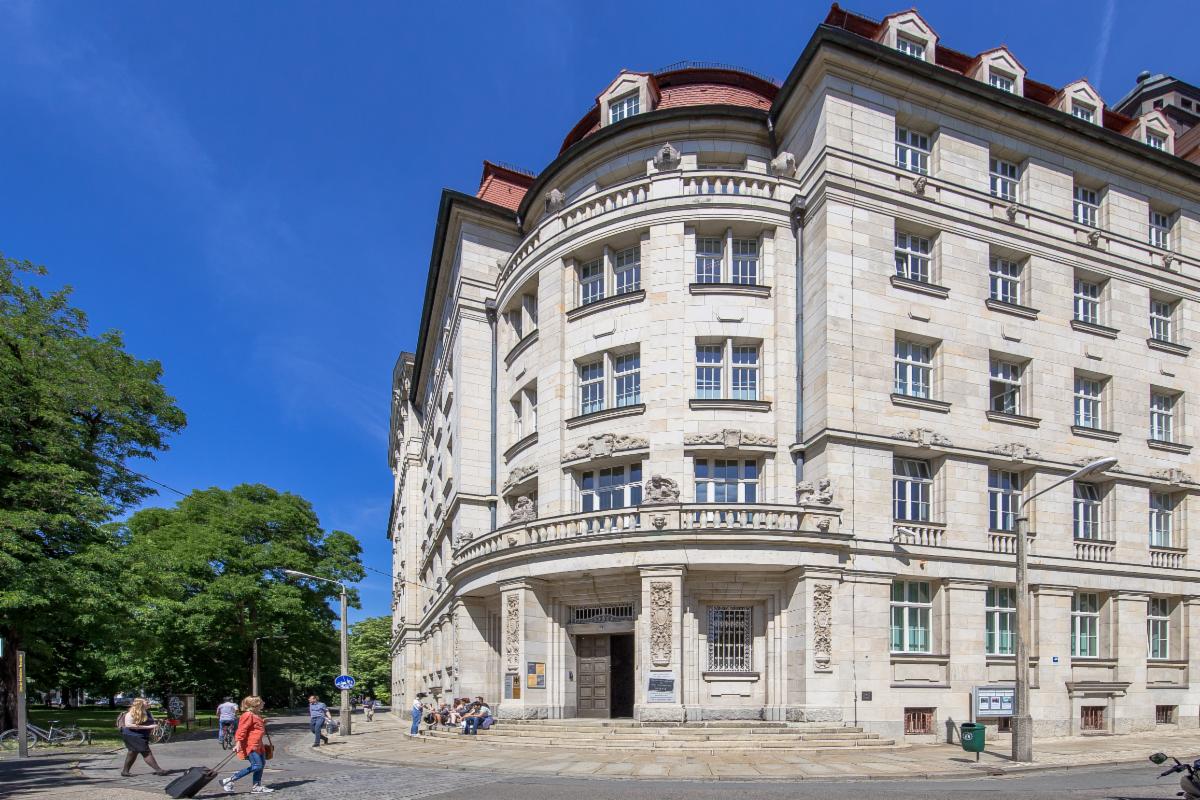
| | Museum Runde Ecke Leipzig © Phillip Kirschner | | |
The "Round Corner": Inside the former Stasi Headquarters
Life in the GDR was marked by repression, control, fear, and the constant restriction of personal freedoms. The ruling Socialist Unity Party (SED) maintained its power by closely monitoring society and suppressing dissent. The main instrument used to enforce this system was the Ministry for State Security – better known as the “Stasi”. The Stasi served as both secret police and an investigative agency, persecuting people whose beliefs and attitudes deviated from the norms of the SED. To infiltrate every aspect of people’s lives, the Stasi did not hesitate to use methods such as physical violence, arbitrary arrests, show trials, psychological harassment or intimidation tactics that reinforced the division of Germany, including the Berlin Wall. To implement these methods, the Stasi recruited over 91,000 agents by 1989, including “unofficial agents” who spied in workplaces, universities, the arts, medicine, and sports — and even within families — and reported their findings to the Stasi. This governing body remained in power for over 40 years until it was overthrown by the citizens of the GDR during the Peaceful Revolution in the fall of 1989. Since the Ministry for State Security was founded in 1950, the “Round Corner” building on Diettrichring in Leipzig had served as the district headquarters of the Stasi. Since the Peaceful Revolution, however, the Round Corner has served as a museum dedicated to educating the public about dictatorship and highlighting the importance of democracy. With its original rooms, surveillance technology, listening devices, and authentic case files, it feels as though the Stasi employees have only just left the building. Exhibitions such as “Stasi – Power and Banality” offer a particularly clear insight into how the surveillance state operated and why so many people ultimately found the courage to stand up for freedom and democracy in 1989. Today, visitors can experience this history firsthand and reflect on the enduring value of civil rights, transparency, and democratic participation.
The Round Corner
| | Forum of Contemporary History © Foundation House of History/PUNCTUM, Alexander Schmidt | | |
Forum of Contemporary History
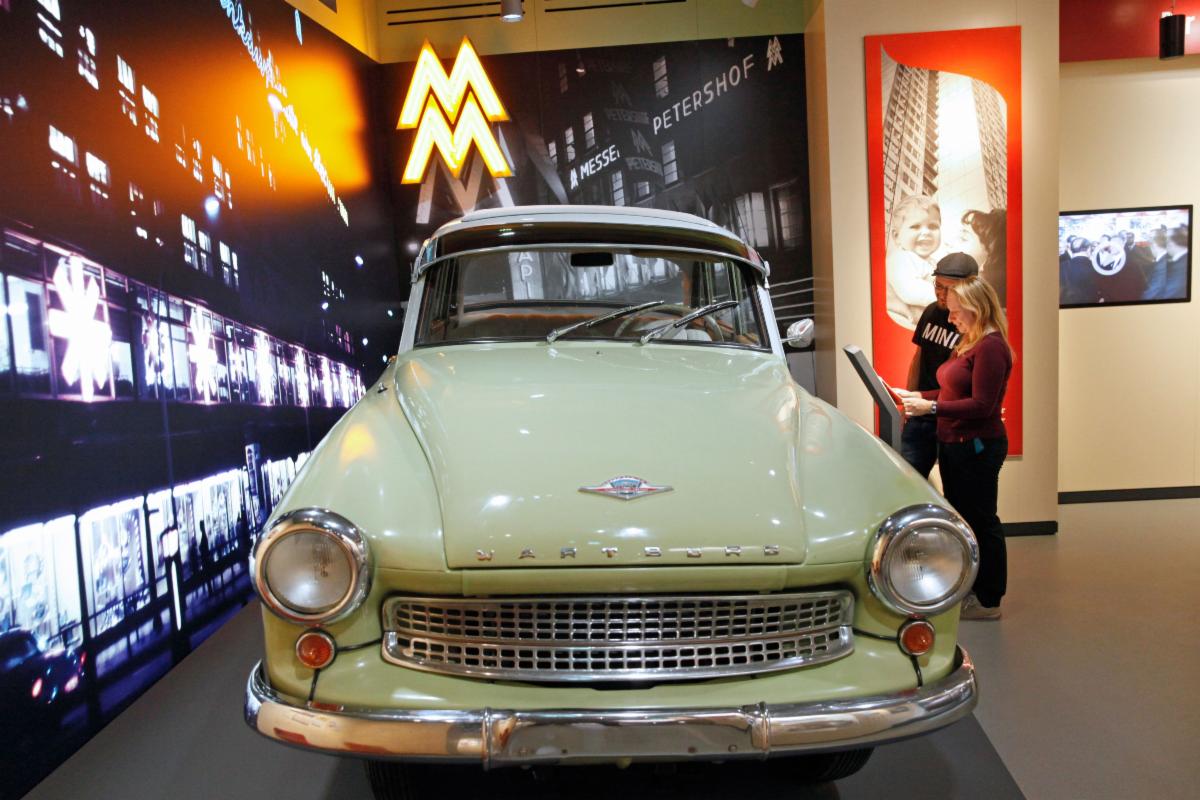
For those who did not personally experience the era of the GDR dictatorship, it is difficult today to imagine what daily life was like under state control. What did it mean to live in a society where the state shaped not only politics, but also careers, education, travel, and even private relationships? The permanent exhibition “Our History. Dictatorship and Democracy after 1945” at the Zeitgeschichtliches Forum Leipzig invites visitors to explore these questions and step into the realities of postwar German history. The exhibition traces the beginning of the GDR under Soviet occupation, the division of Germany into East and West, and the lives of people caught between conformity, surveillance, and resistance. Through personal stories and historical milestones, it reveals how courage and civic engagement gradually grew into a powerful opposition movement that ultimately paved the way for the peaceful Revolution of 1989. Interactive media, video and audio stations, historical photographs, documents, and personal eyewitness accounts bring history to life and make it tangible. Original objects, multimedia installations, and first-hand testimonies create an immersive experience that allows visitors to engage not only intellectually, but emotionally with the past.
Forum of Contemporary History
| | |
Leipzig Festival of Lights: When the City Remembers
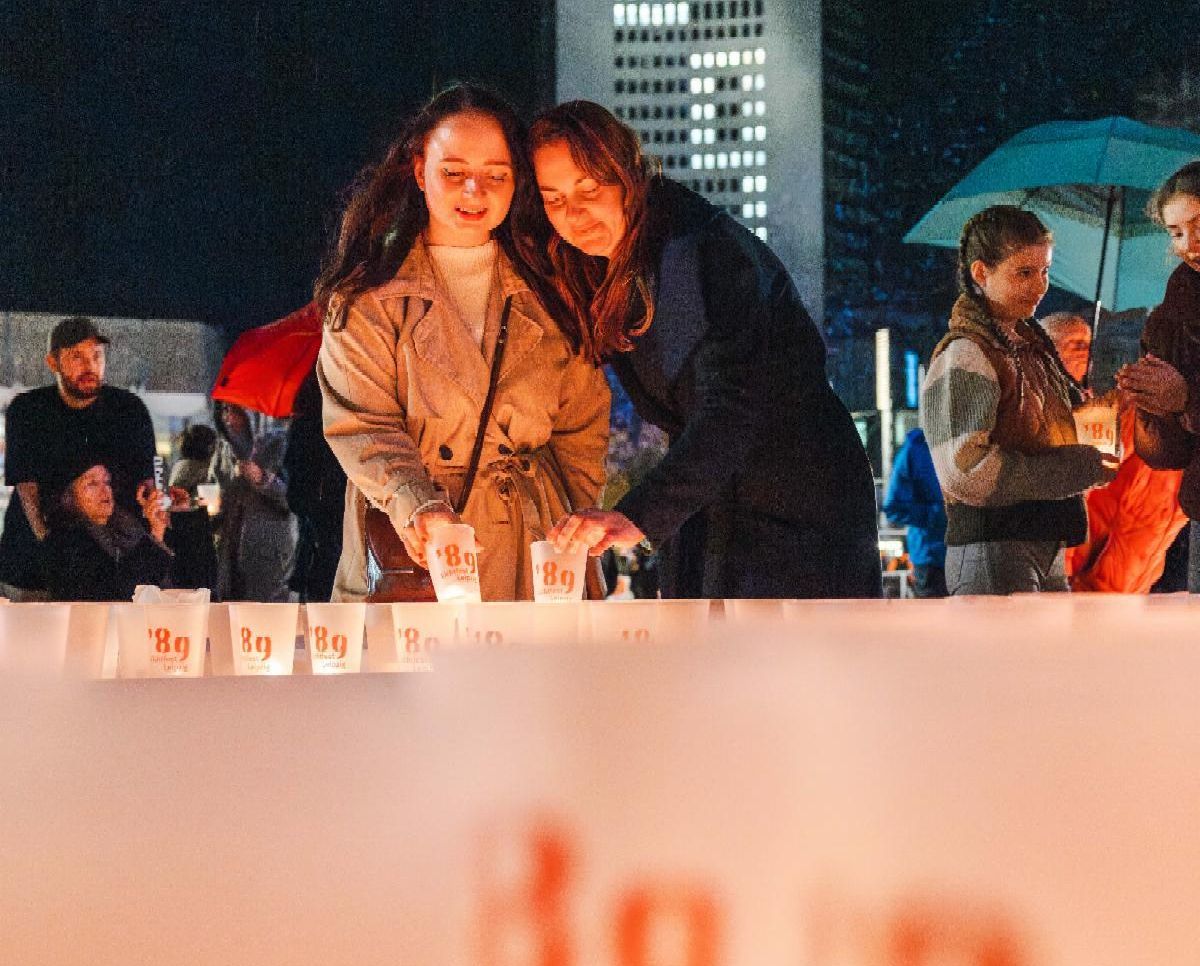
To honor the Monday demonstrations that led to the fall of the SED regime and paved the way for German reunification, Leipzig has hosted the so-called Leipzig Festival of Lights every year since 2009. Each year on October 9, the city commemorates the historic events that became a turning point in German history. The memory of the Peaceful Revolution is kept alive in a variety of ways at the original sites where it unfolded: exhibitions, panel discussions, film screenings, readings, light installations, concerts, and art projects create a diverse and inspiring program. The “Path of Light” is particularly special; its route varies from year to year, symbolically recalling the course of the demonstrators in 1989 and allowing visitors to retrace their steps and experience the atmosphere of that historic evening. The festival attracts tens of thousands of visitors each year. On major anniversary years, such as in 2024, attendance has reached up to over 100,000 people. With candles and lanterns, they illuminate the city center and symbolically recall the courage and solidarity of 1989. But it’s not only on this special day that visitors can experience the spirit of the Peaceful Revolution. For example, the “In der Runden Ecke” (“The Round Corner”) museum offers a city tour titled “In the Footsteps of the Peaceful Revolution” guiding participants to key locations and sharing the stories behind the events. Even today, Leipzig remains deeply aware of the significance of this historic movement for freedom, peace, and democracy, and continues to honor its legacy throughout the city.
Festival of Lights
| | |
The City That Stood Together
Leipzig is more than a city of music, culture, and historic architecture — it is one of the places where the course of German history was changed through courage, unity, and peaceful protest. From the Monday Demonstrations at St. Nicholas Church to the Leipzig Festival of Lights that continues to honor the events of 1989, the spirit of the Peaceful Revolution still lives on throughout the city today. Visitors can walk the original demonstration routes, explore authentic historical sites, and experience firsthand how ordinary citizens helped bring down a dictatorship without violence. To visit Leipzig is not only to discover history, but to stand where history was made.
Leipzig's Historical Places
| | |
For further information, please contact Victoria Larson at victoria@vklarsoncommunications.com
www.leipzig.travel
| | | | |