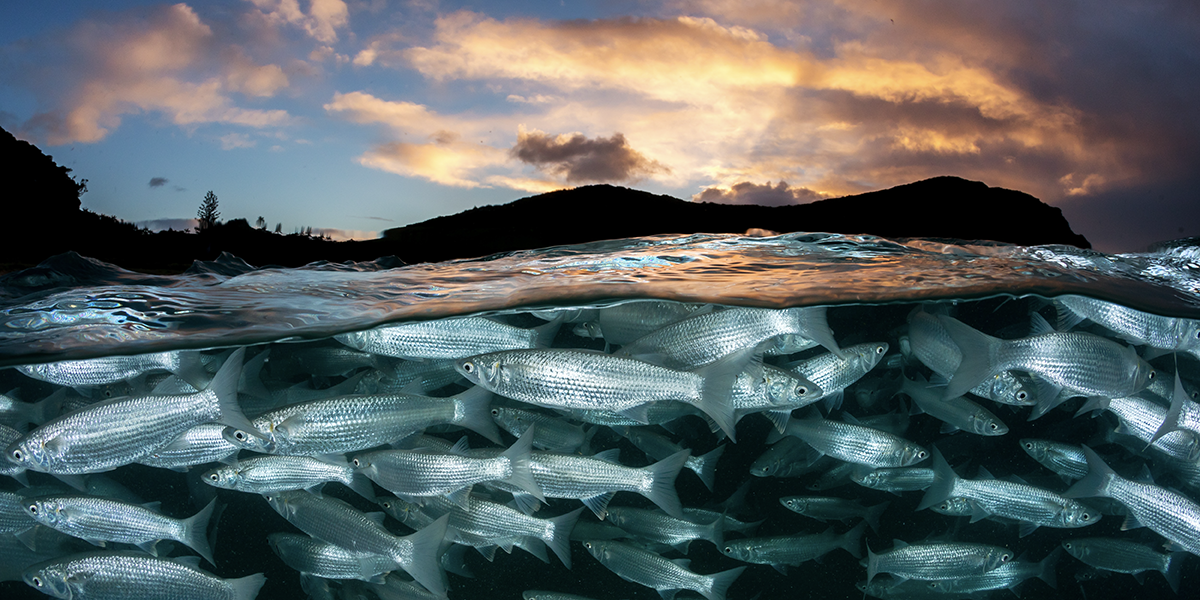
How ancient plankton point to the resilience of ocean ecosystems
In this study published in Science, Patrick Rafter and his colleagues used a cutting-edge approach to predict future ocean conditions by examining the distant past through analyses of microscopic fossils.
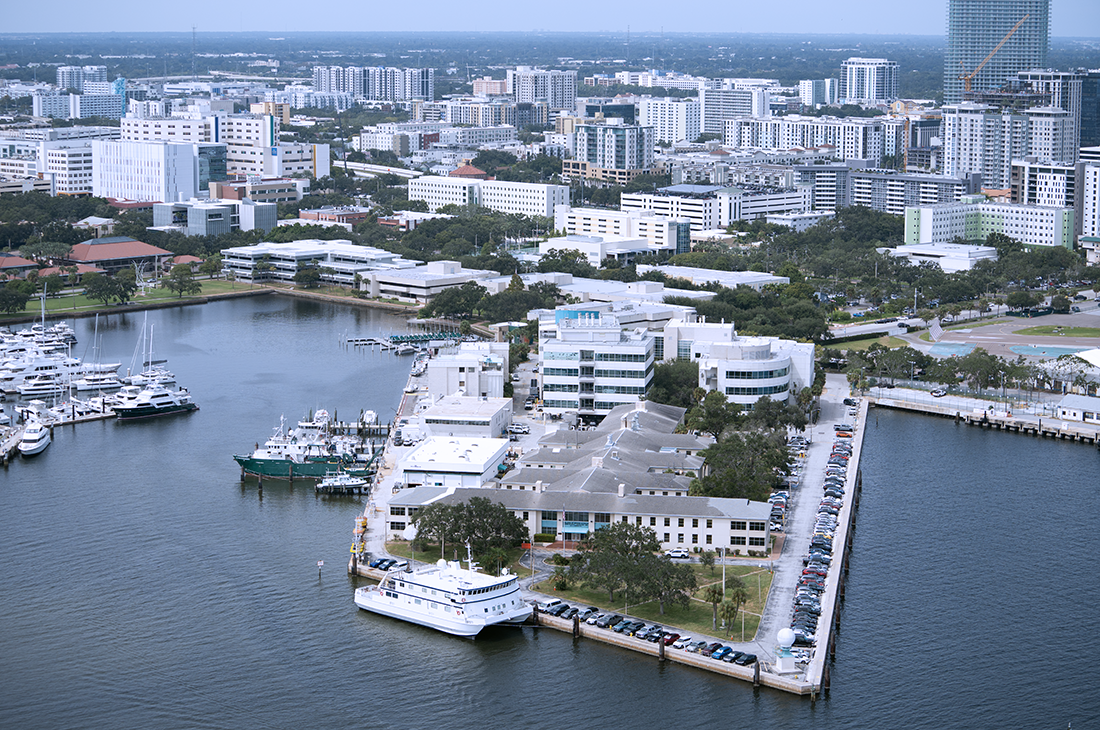
College of Marine Science sees rise in high-impact researchers
According to a new report by Elsevier and Stanford University, the USF College of Marine Science boasts fourteen current researchers and two emeritus faculty members on the list of top global researchers.
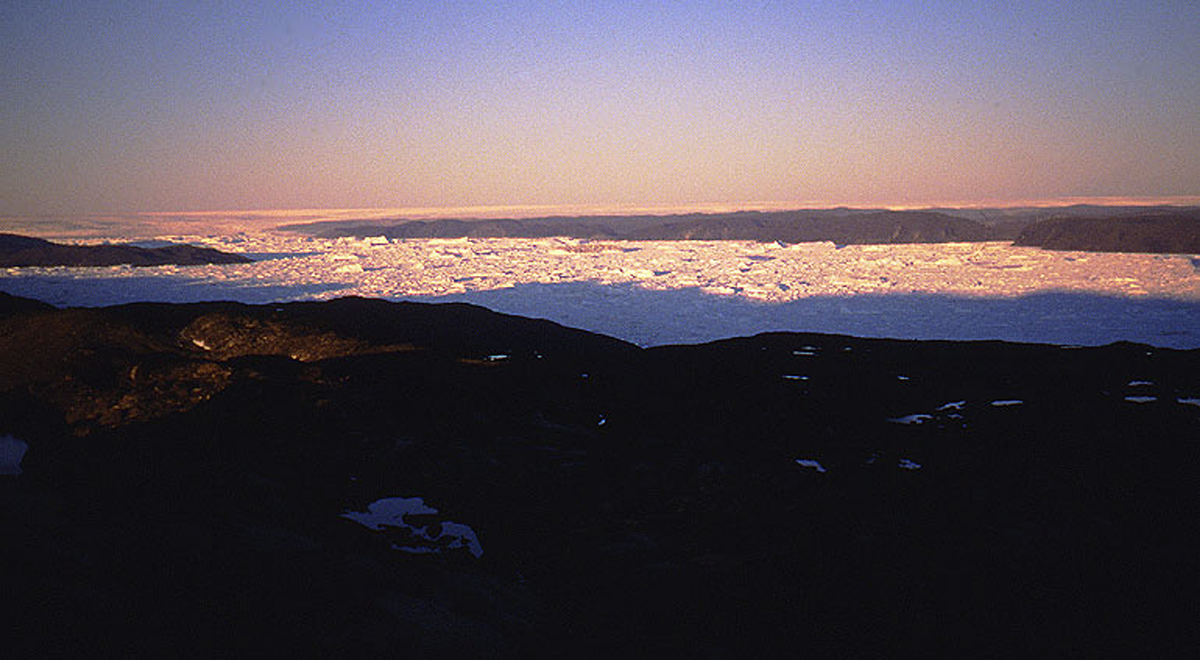
Never mind Antarctica: North American ice sheets caused dramatic rise in sea level after the last ice age
The new study published in Nature Geoscience and co-authored by Brad Rosenheim calls into question whether glacial melt will be sufficient to collapse or even slow down the Atlantic Meridional Overturning Circulation.
👏 The College of Marine Science community is deeply grateful for the tremendous impact of Joe Donnelly, our longtime facilities manager, who is retiring after more than 40 years of dedicated service.
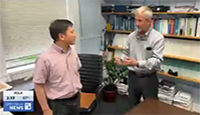
Steve Murawski was interviewed by WUSF and Bay News 9 about cataloging chemical pollution through the Tampa Bay Surveillance project.
Patrick Rafter’s study in Science was featured on Yahoo! News.
Yonggang Liu and Tom Frazer were featured in a segment about inland flooding by Bay News 9.
Grad student Emily Kaiser was awarded a student grant for fall 2025 from the Sigma Xi USF Chapter. Congrats, Emily!
Congratulations to Teresa Greely who was recently selected as a Fulbright Specialist!
Several students had successful defenses this month: Chelsea Bryant, Orion Schomber, Marty Sims, and Delfina Navarro-Estrada. Congratulations to you all!
USF has named Captain Michael Kahle as the new director of the Florida Institute of Oceanography. Welcome to Captain Kahle and kudos to David Naar, who stepped in as interim director of FIO in August.
Ana Carolina Peraltova was recently named a 2025 Ocean Biodiversity Information System (OBIS) Community Hero, an award that recognizes "people who make collaboration possible and easier and who remind us that the strength of OBIS lies not in its systems or databases, but in its people.”
Hali Kilbourne, an alum of CMS and associate research professor at the University of Maryland Center for Environmental Science, studied coral skeletons to find clues about a medieval tsunami. Her new paper was published in Geophysical Research Letters.
Does your student, classmate, professor, or colleague deserve a shoutout in the next Rising Tides Newsletter? Contact Dyllan (dfurness@usf.edu) with suggestions.
Copyright 2025 University of South Florida. All rights reserved.
140 7th Avenue South St. Petersburg, Florida 33701