News from the Watershed 

June | 2026

New York’s steepest river is rich in history, recreation, working landscapes and habitat. BRASS is working to enhance them all.

Spring has sprung and BRASS has been busy!

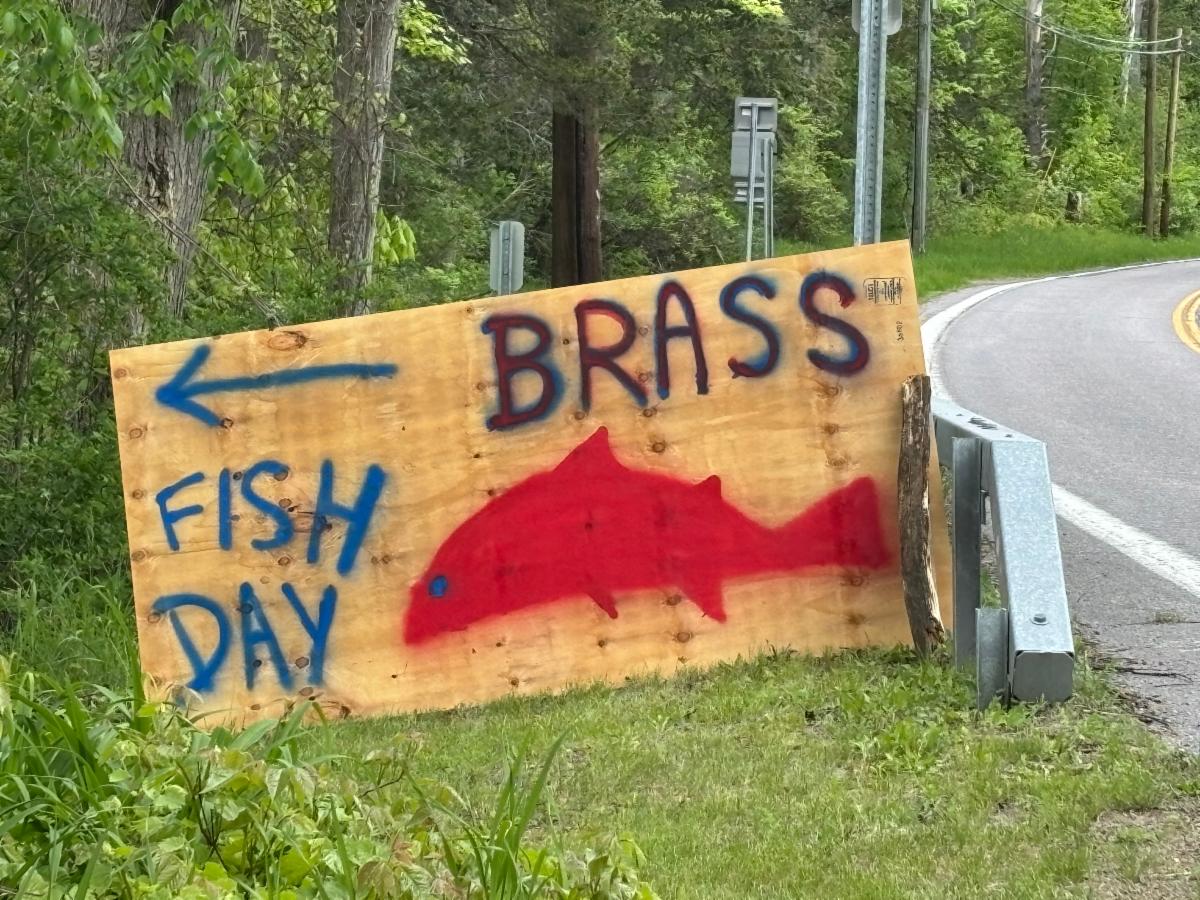
World Fish Migration Day at Noblewood

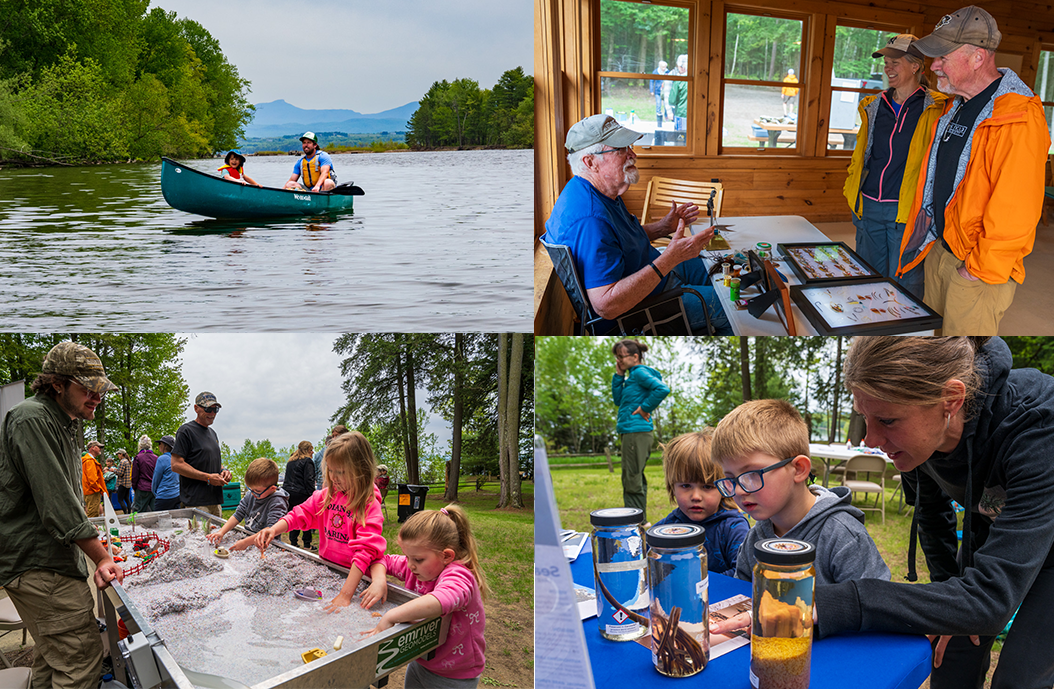
Local families, anglers and paddlers celebrated the Boquet’s migratory fish including salmon, trout, eels (and even lamprey!) at Willsboro’s Noblewood Park on May 23rd. St. Regis Canoe Outfitters and BRASS members led families paddling down river through the Boquet Nature Preserve to Noblewood beach. Lake Champlain Sea Grant, Essex County Soil & Water Conservation District, Lake Champlain Basin Program, fly fishing expert Bob McShane, and artist Terry Crowningshield informed, taught and engaged visitors on all things fishy!


Big thanks to Stewart’s Shops Holiday Match, Village Meat Market and the Town of Willsboro for sponsoring the event. (photo credits: Eric Teed)

What has BRASS been up to?


We’ve gotten a lot of questions in recent months about BRASS' current projects.

Here’s a rundown:


1.       The FEMA-sponsored buyout of a Westport house is complete and the house is scheduled for demolition in the next month. The land will revert to open space that will provide flood-water storage during high water events.

Westport Buy-out

2.       BRASS has secured funding for the removal of the decayed fish weir in Elizabethtown that serves as a barrier to fish passage. Removal of the weir and the bridge abutments at Forge Lane is scheduled for this September.

3.       Cold Brook in Willsboro is a critical cold-water refuge for brook trout and for migratory spawning salmon. The 10' culvert under Reber Rd is a barrier to these fish and other species that rely on this stream. BRASS engineers are redesigning the crossing to have a natural stream bed that will allow fish passage and improve the durability of the crossing. BRASS has secured design and implementation funding for this with construction taking place in 2027.


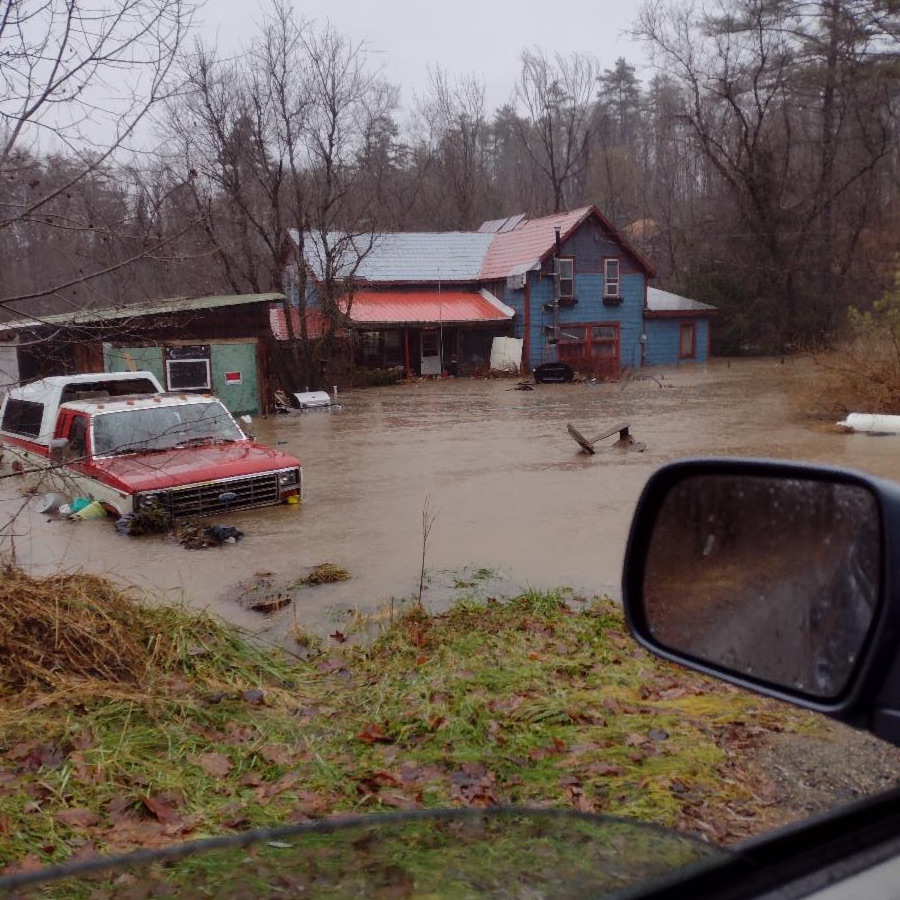
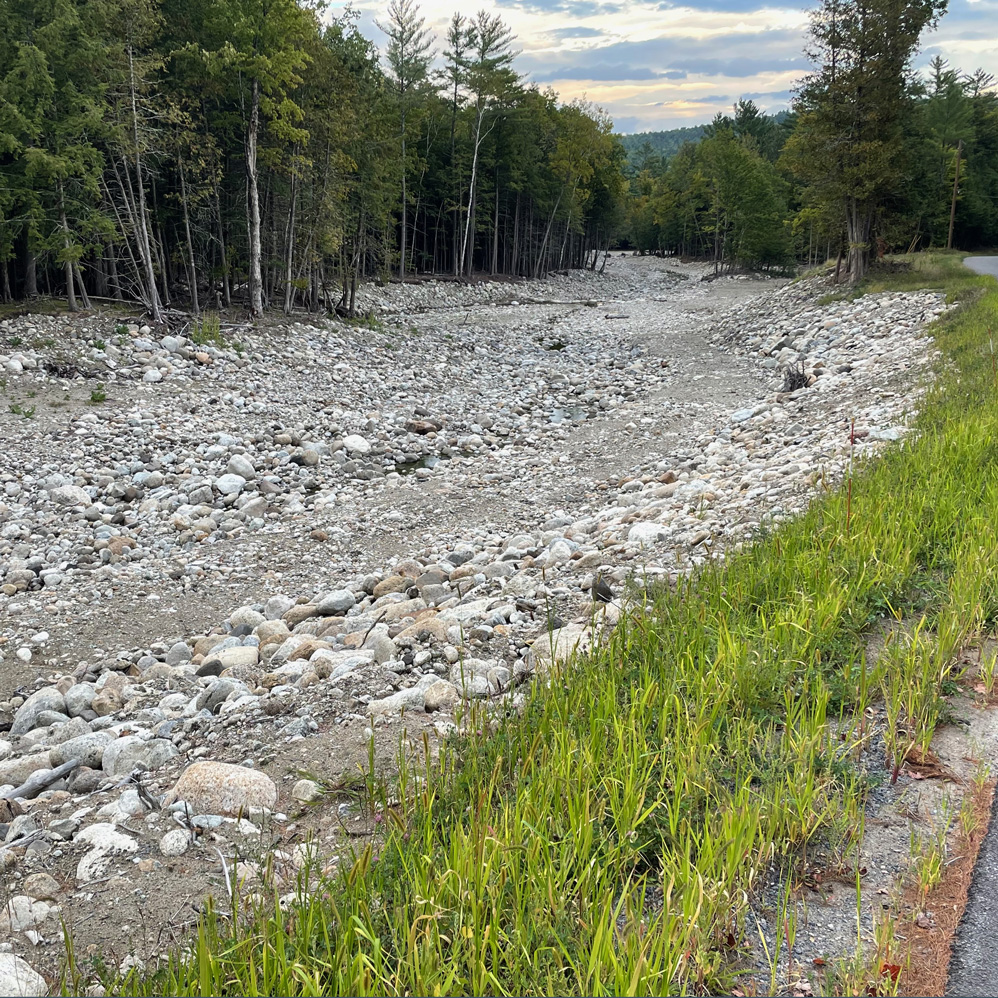
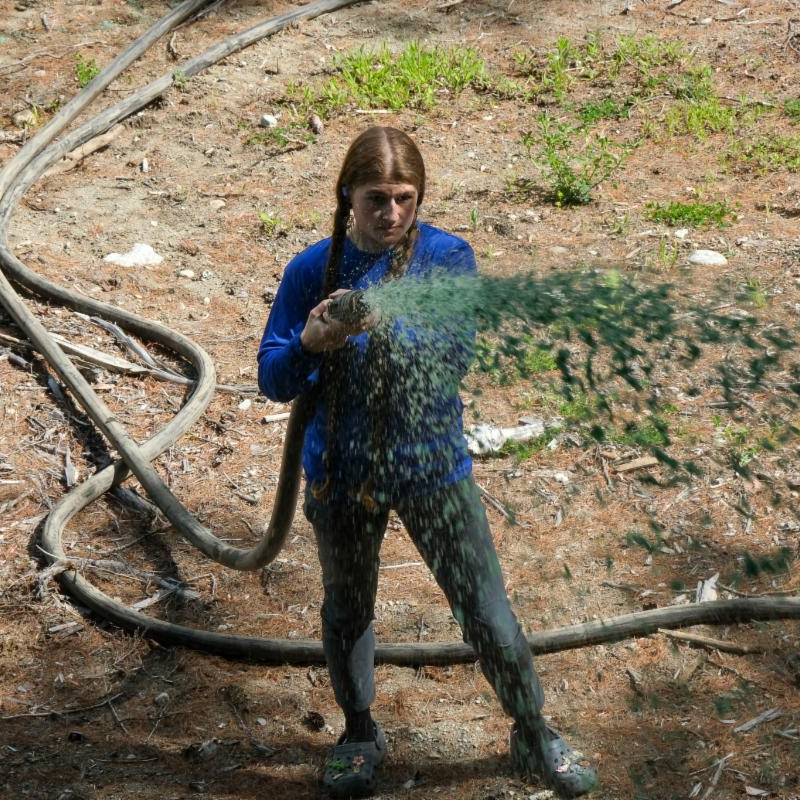
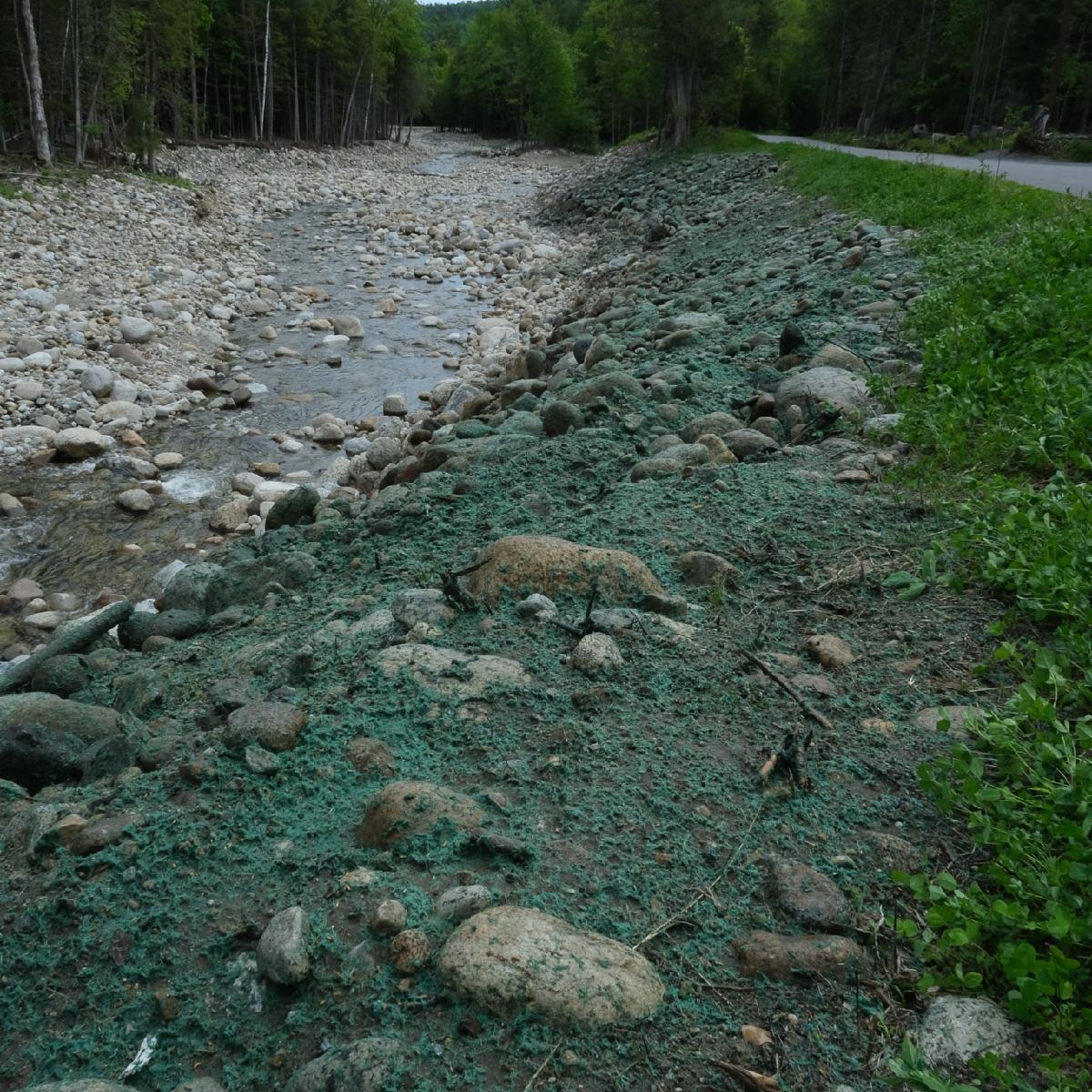
4.       Roaring Brook in New Russia suffered dramatic flooding in 2024. BRASS is working with Essex County Soil & Water and the US Fish & Wildlife Service to replant and stabilize this reach of the brook. The pictures at left show the first step - hydro seeding to get native grasses established where we can.


5.       Funding was secured from the Champlain-Hudson Environmental Trust (the powerline in Lake Champlain) to design a replacement for the culvert under Angier Hill Road in Essex at Beaver Brook. This site regularly floods over the road and is a barrier to up and downstream movement of fish and other organisms.


6.       BRASS has a new NYSDEC grant for habitat and stream restoration along Beaver Brook in Essex/Westport and in Thrall Dam Park in Lewis. This work will take place over three years starting in 2027.


7.       We’ll continue with volunteer cleanups, restoration and tree plantings in association with all the above projects. Keep your eye peeled for those announcements.


We need your help - three minutes to help shape our Strategic Plan:


This survey will help us set BRASS' future direction:


https://www.surveymonkey.com/r/23XT25Y

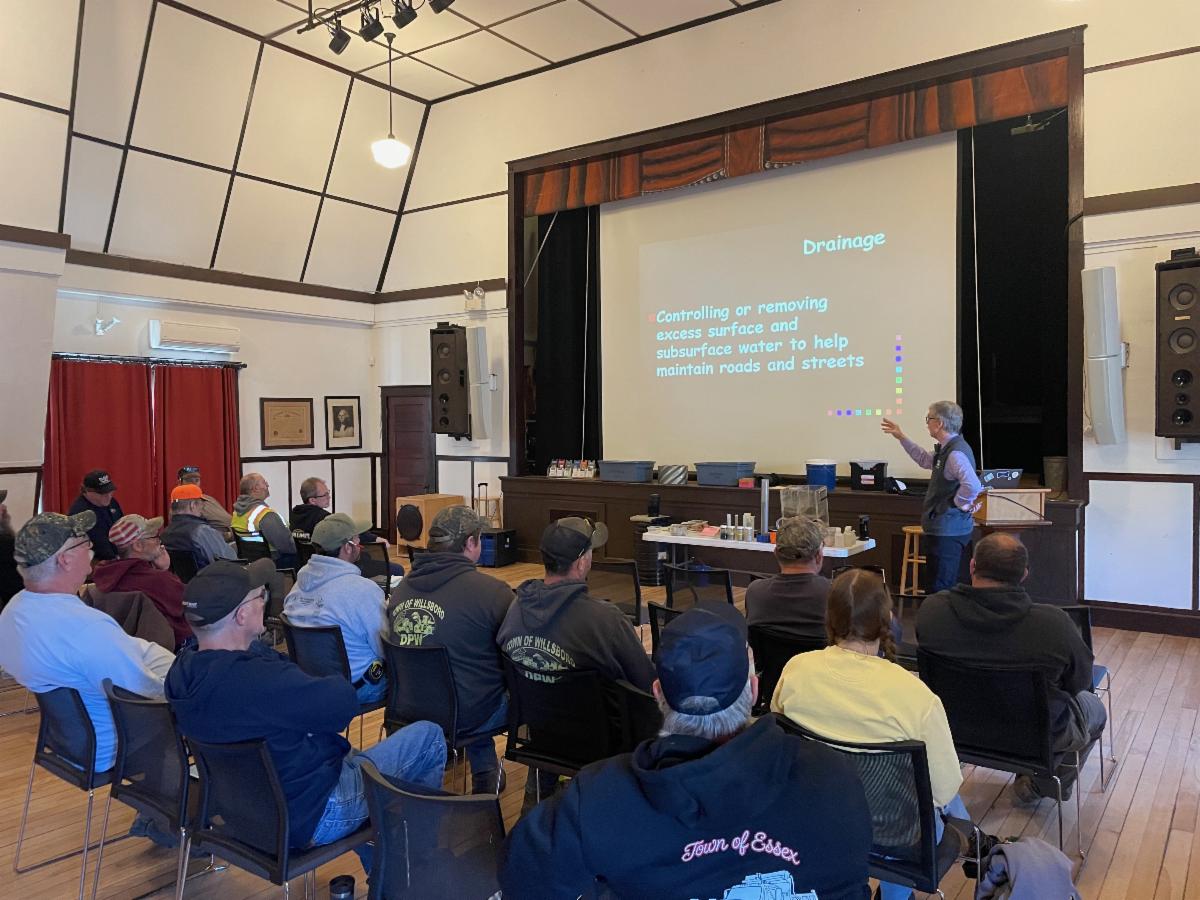
Cornell Local Roads workshop sponsored by BRASS and the Lake Champlain Basin program.

Roadway drainage workshop


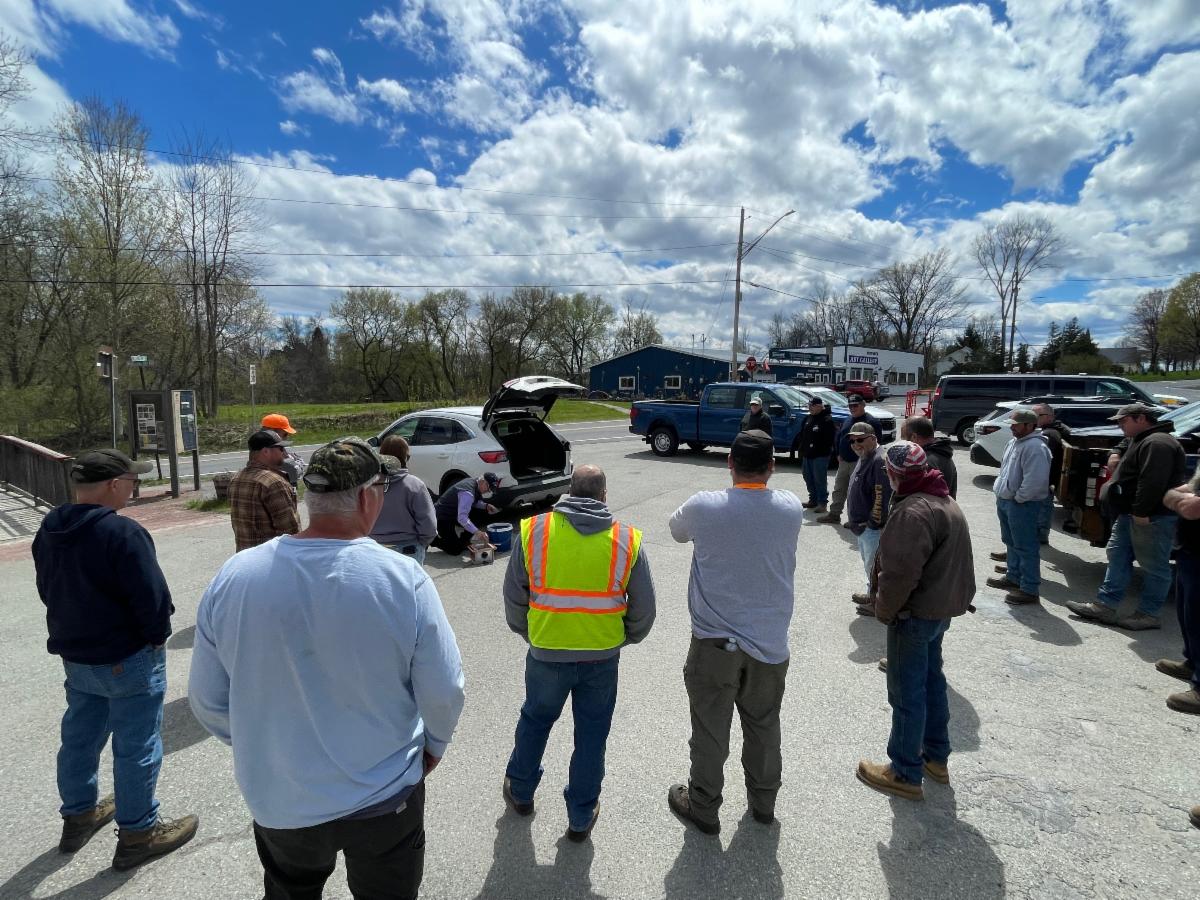
Did you know that roadside ditches double the number of stream-miles in any given town? This means that rainfall that used to move slowly downslope or soak into the ground has a speed boost heading into our brooks and rivers - often carrying sediment and pollutants. In May, BRASS convened local highway department workers for a Cornell-led training session on how to manage ditches to slow flow and decrease erosion while improving the maintenance and safety of our roads. David Orr of the Cornell Local Roads Program led a demonstration-filled workshop. The highway workers are our community’s front-line in the fight to keep our flowing waters clean, and this session gave them the latest tools to take this on. We've plugged it before - for more on ditches - this is a great video: Replumbing Roadside Ditches with Dr. Rebecca Scheider of Cornell.

Drinking Water Source Protection Plan


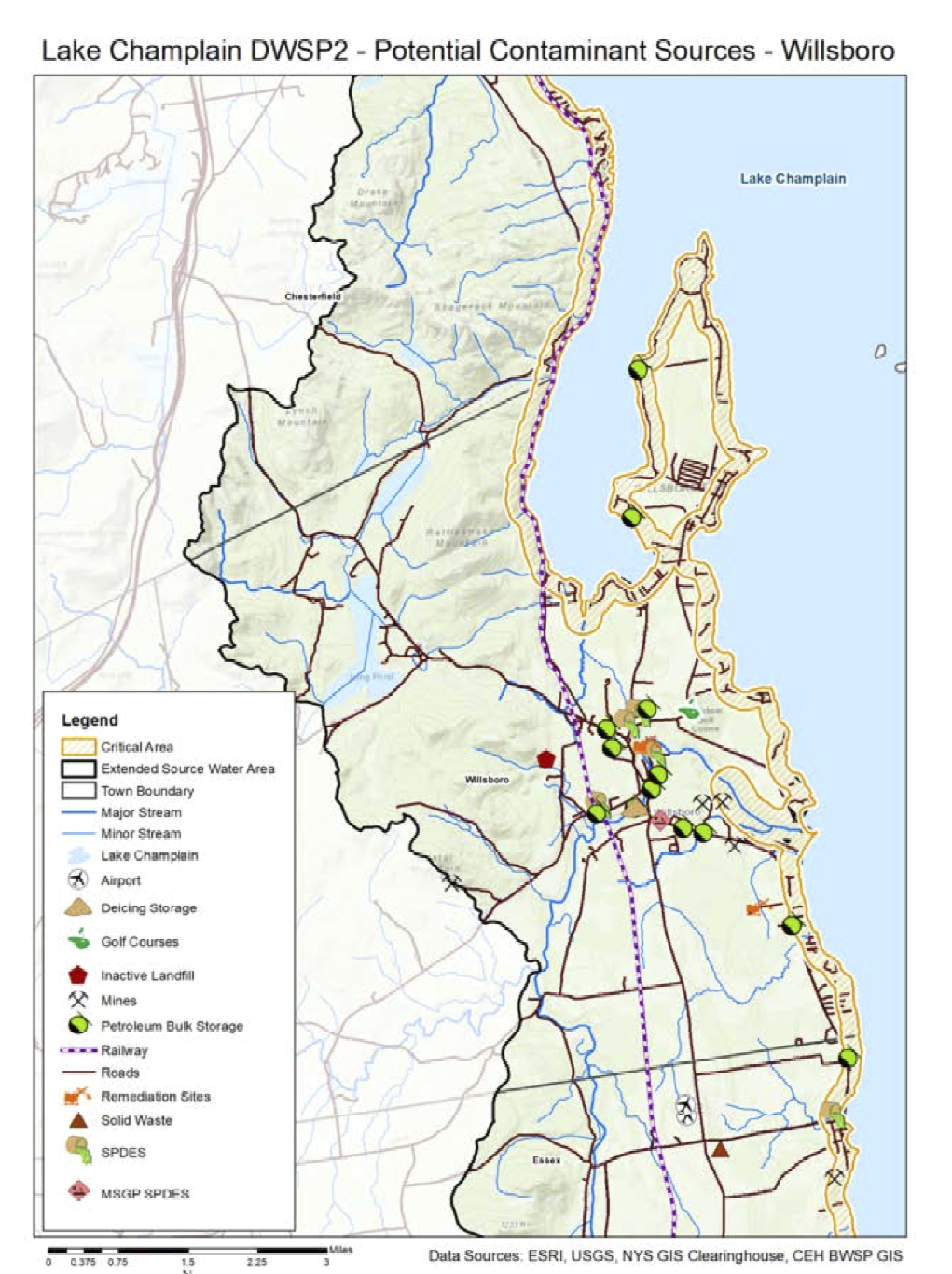
BRASS worked with the NYS Dept of Health and the Towns of Willsboro, Essex and Chesterfield to finalize a plan to protect the towns' drinking water supplies that come from Lake Champlain. Longstanding BRASS concerns like erosion, sediment and nutrient loading in our waterways are paired with priorities such as transportation related spills and emerging contaminants including PFAS and other “forever chemicals”. You can read the plan (or just its 2-page Executive Summary) here.

This map shows potential threats to Willsboro's water supply. Courtesy of DWSP2.

Grand hiking with CATS


May 9th was a super day in the watershed as Champlain Area Trails celebrated their annual Grand Hike. This year’s 16-mile walk ended at the beautiful new CATS campus at Twin Valleys. BRASS was delighted to share the Boquet River story with dozens of local hikers as well as interested visitors. Thanks, CATS for having us along!

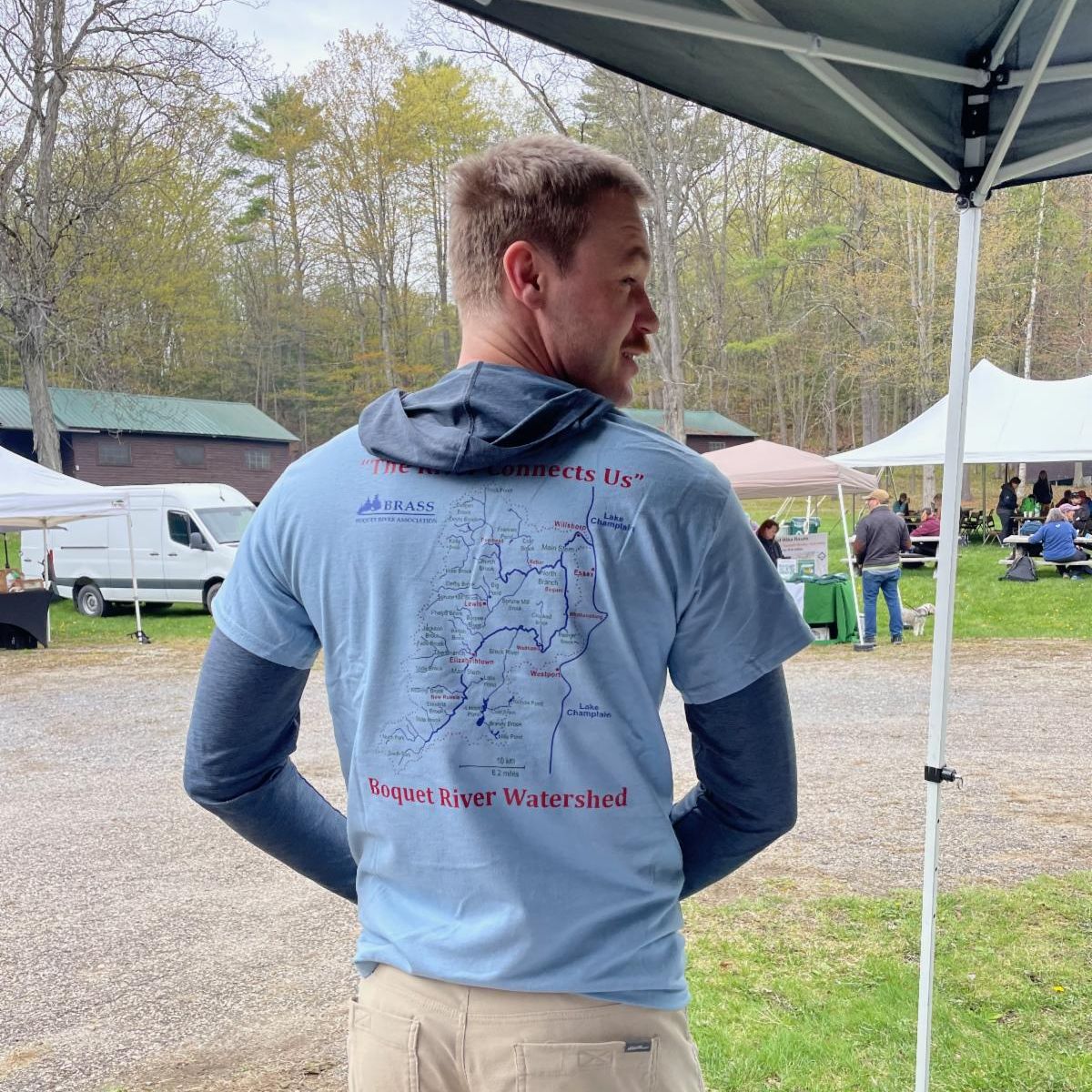
Hiker Ben displays his "River Connects Us" BRASS T-shirt

What we're reading (and watching) now

  • PBS’ Shared Planet tells the story of low tech restoration and beavers restoring a depleted western landscape and replenishing the aquifers. This story starts at 33 minutes in.
  • America the Undammed: The New York Times describes the movement to remove outdated dams to improve river function and enhance habitat.
  • Virtual Fish Doorbell: This livestream of a Dutch canal lock has a virtual doorbell that viewers can ring to snap a picture and let the operator know fish are waiting to be let through. Be patient and you'll see something! Scroll down for the fish that have been recently spotted. 
  • “Field Guide to the Woody Plants of the Northern Forest”: Dan Spada offers a review of Jerry Jenkins' latest rich and informative field guide.
  • Salmon recovery in Maine has had great successes but still struggles with opposition. The New York Times provides an update.
lcbp.png
Facebook  YouTube
neiwpcc1.jpg