FALL 2026 SEPTEMBER | OCTOBER | NOVEMBER | | |
Randy Culpepper, Editor | Todd Williams, Rockwall County Extension Agent
NEWSLETTER CONTRIBUTORS: Lisa Behne, Michele Campbell, Laura Chaney, Randy Culpepper,
Kim Townsend, Debora Zerneri
| | |
IN THIS EDITION
We promise. Cooler temperatures are on the way. It's time to go back into the garden.
In this edition of EnviroSmart, you will learn:
- Seasonal To-Do's
- We Love Bugs!
- Fall Vegetable List
- Texas Superstar® Trees
- Planting Vegetables in the Fall
- Spider Mites
- A Goth Garden for Halloween
- A Peek in the Garden
- MG's Around Town
- Pokey
| | |
MARK YOUR CALENDAR
September 16 - Youth - Texas Wildflowers
September 17 - North Texas Giving Day
September 22 - Plant Sale Catalog Opens
October 6 - Daylilies Reimagined
October 7 - Youth - Creepy Crawlers
October 10 - Fall Plant Sale!
November 4 - Youth - Sammy the Squirrel
November 14 - What's the Dirt on Composting?
Check back often as new classes are added frequently.
|
QUESTIONS?
Extension Master Gardeners are at the Rockwall County Library the 1st and 3rd Wednesdays of the month from 10am - noon.
Find us at the Rockwall Farmers Market on the square every Saturday through September.
Also, find us at the Extension Office every Wednesday from 10am - noon.
Call (972) 204-7660 or email us anytime at: rockwallmg@ag.tamu.edu
| | | |
FALL PLANT SALE! October 10th
Shop Online, In Person, or Both!
Fall is one of the best times to plant in North Texas—let's get your garden growing.
Shop Online | September 22–October 3
Reserve your favorites before they’re gone:
- Annual flats & 1-gallon perennials
- Texas natives & Texas Superstars®
- Specially selected collection of daylilies
- Fall sown cut-flower seeds
Shop In Person | October 10
Rockwall County Courthouse
Come shop and discover something new:
- Annuals & perennials in a variety of sizes
- Texas natives & Texas Superstars®
- Ornamentals, Vines, Shrubs
-
Master Gardener Grown vegetables, fruit, herbs
- Visit our Ask a Master Gardener booth
Shop Both!
Preorder your must-haves online, pick them up, then stick around and shop the in-person sale! You never know what you’ll find.
| |
SEASONAL TO-DO LIST
Whether you're new to the area or need a refresher, check our list of seasonal gardening tasks.
AgriLife Today: Preparing your landscape for fall.
Vegetable Planting Guide: When to seed and transplant.
Fall Vegetable Gardening: Resources for a successful vegetable crop.
Fall Lawn Care: Apply pre-emergent in the fall for less weeds in the spring.
Overwintering Insects: Leave the leaf litter to protect beneficial insects.
Field Guide to Texas Insects: Watch for fall armyworms, web worms, fire ants this fall.
Limit fall pruning to removing dead, diseased, or damaged wood. Pruning encourages new growth and tender new growth can be damaged by winter frosts. The best time to prune most plants is during late winter or early spring before growth begins.
| | |
WE LOVE BUGS!
Twice Stabbed Lady-Beetle
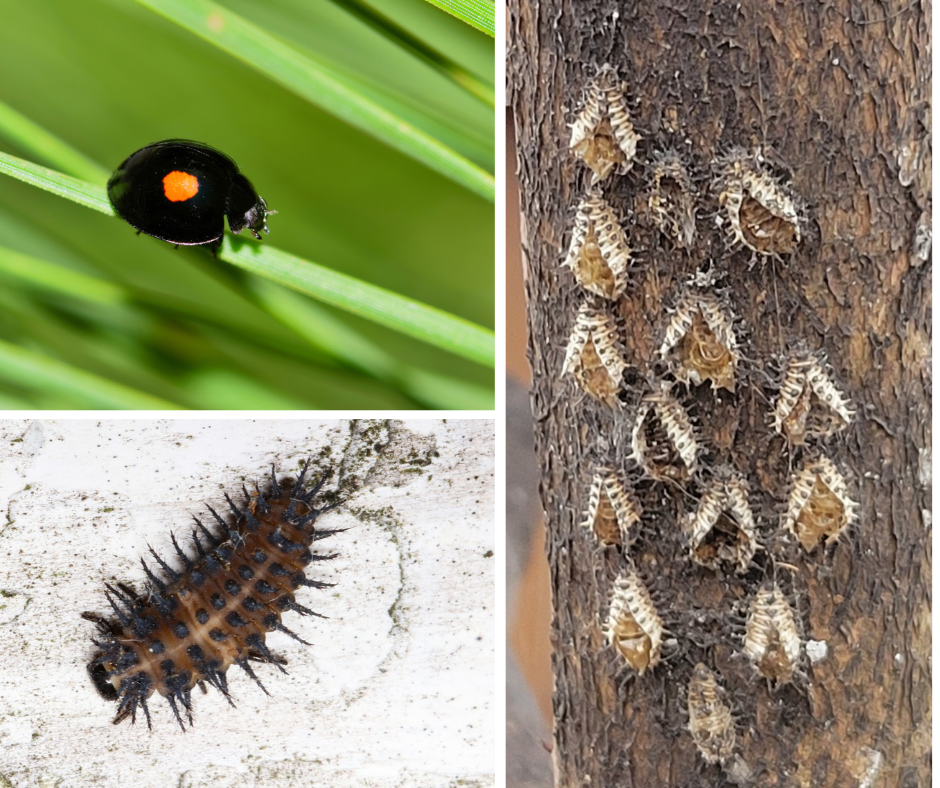
As we approach fall, let’s talk about one of our garden’s most valuable predators—the twice-stabbed lady beetle! This tiny powerhouse is a voracious hunter of scale insects, often arriving on the scene before we even realize there’s a problem. That’s especially helpful as Crape Myrtle Bark Scale makes a comeback in late summer and early fall, when its second or third generation is often active.
Adult twice-stabbed lady beetles are black with a red spot on each wing. Their larvae look like tiny alligators, while the pupae resemble prickly seed pods. All three stages can be found on tree branches, stems and trunks where adults and larvae feast on bark scale and other soft-bodied insects including aphids and mealybugs. Without our glasses, even the best of us might mistake a twice-stabbed lady beetle pupa for bark scale! Take a closer look before deciding on treatment.
| | |
Fall Vegetable Gardening
with Laura!
| | | |
As always, fall is a welcome respite from the brutal temperatures of summer. While we hope cooler temperatures arrive soon, it looks like this heat may hang around. Therefore, pay special attention to the “seed indoors” section for September. As of the writing of this article (in late August) the soil temperature is in the 90s. Many of the leafy greens won’t germinate in soil that hot (45°F to 85°F is ideal). These leafy greens grow best in temperatures of 60-75°F – as they can withstand frost, you’ll have plenty of time to transplant outside!
September
Seed Outdoors – Beans (pinto, bush), Beets, Broccoli, Brussels Sprouts, Cabbage, Carrots, Cauliflower, Greens (Collard, Mustard), Kale, Leeks, Lettuce, Onion, Parsnips, Peas, Radish, Spinach, Summer Squash, Swiss Chard, Turnips
Transplant –Broccoli, Brussels Sprouts, Cabbage, Cauliflower, Greens (Collard, Mustard), Kale, Leeks, Lettuce, Spinach, Summer Squash, Swiss Chard
Seed Indoors – Broccoli, Brussels Sprouts, Cabbage, Cauliflower, Greens (Collard, Mustard), Kale, Lettuce, Peas, Spinach, Swiss Chard
October
Seed Outdoors – Broccoli, Brussels Sprouts, Cabbage, Carrots, Cauliflower, Greens (Collard, Mustard), Kale, Leeks, Lettuce, Onion, Radish, Spinach, Swiss Chard, Turnips
Transplant – Broccoli, Brussels Sprouts, Cabbage, Carrots, Cauliflower, Greens (Collard, Mustard), Kale, Leeks, Lettuce, Spinach, Swiss Chard
November
Transplant – Broccoli, Brussels Sprouts, Cabbage, Carrots, Cauliflower, Greens (Collard, Mustard), Kale, Lettuce, Spinach, Swiss Chard
Herbs
| |
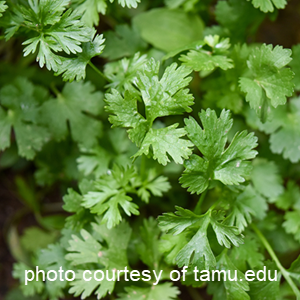
Let’s highlight Cilantro! This herb is often used in salsas, guacamole, soups, salads, on tacos or to spice up rice. This herb is also a valuable double hitter – if you allow cilantro to flower, you’ll get the spice coriander from the seeds! In other countries, all parts of this plant are called coriander or Asian parsley. Only in the American continents are the stems and leaves called cilantro, while the seeds are referred to as coriander.
Cilantro is a cool season annual. The best times to plant are in February for an April harvest (or let it go to seed in the summer heat), and again starting in September for a November and potentially through winter harvest. Cilantro can be started or grown indoors and is a great candidate for succession planting – sow new seeds every couple of weeks. Cilantro can tolerate temperatures as low as 10°F, but I still protect with frost cloth during a hard, icy freeze. Cilantro may not flower in the fall, as heat usually triggers flowering, but give it a try this fall so you’ll be ready for spring.
| | |
Fall is for Planting.....Trees!!
by Debora Zerneri
| | | |
In Texas, fall is a better time than spring for planting trees. Because the soil stays warm for much of the winter in most of the state, it gives the root system more time to develop. A tree planted in October often outgrows the same tree planted in April because it has all winter to establish roots before facing its first Texas summer.
Choosing plants that align with our hardiness zone (8b) can make a difference in their success and survival. The Texas Superstar® official tree list features Texas A&M-tested species that are hardy and proven to thrive in USDA Hardiness Zone 8b. Texas Superstar® trees recommended for Zone 8b include:
Large Trees:
| | |
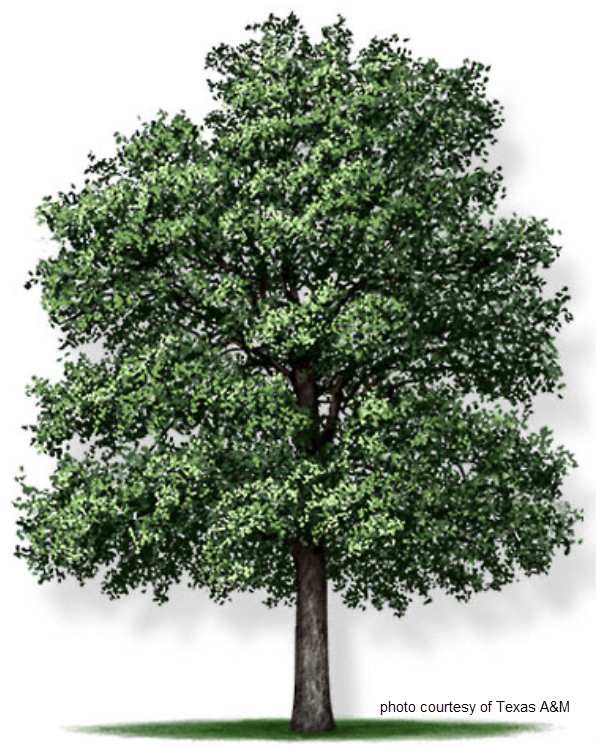
'Chinquapin Oak'
(Quercus muehlenbergii)
A highly drought- and
heat-tolerant tree featuring distinct sawtooth leaves, a Texas-adapted oak rather than an exotic species. One of the finest shade trees for alkaline soils.
50-90 ft tall / 20-40 ft wide.
| | |
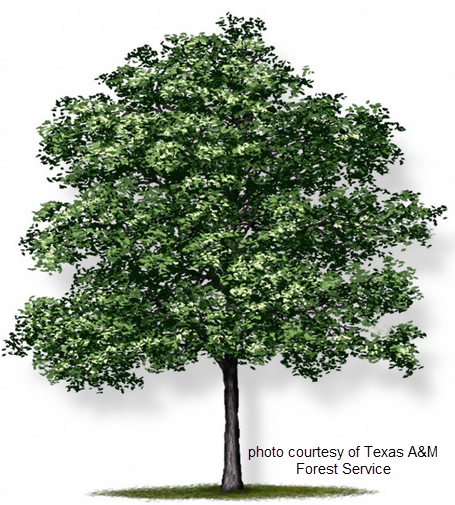
'Lacey Oak'
(Quercus glaucoides)
A smaller, highly resilient shade tree reaching around 25 feet with dense,blue-green foliage and excellent drought tolerance.
40-60 ft tall / 30-45 ft wide.
| | |
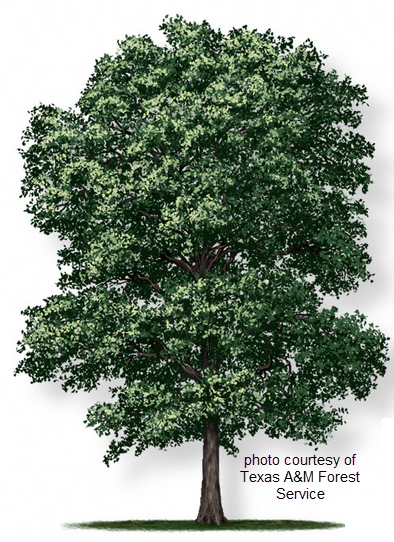
'Mexican White Oak /
Monterrey Oak'
(Quercus polymorpha)
An exceptionally fast-growing, semi-evergreen oak highly resistant to pests. An excellent
shade tree, tolerant to the extremes of the Texas environment.
35-45 ft tall / 30-35 ft wide.
| | |
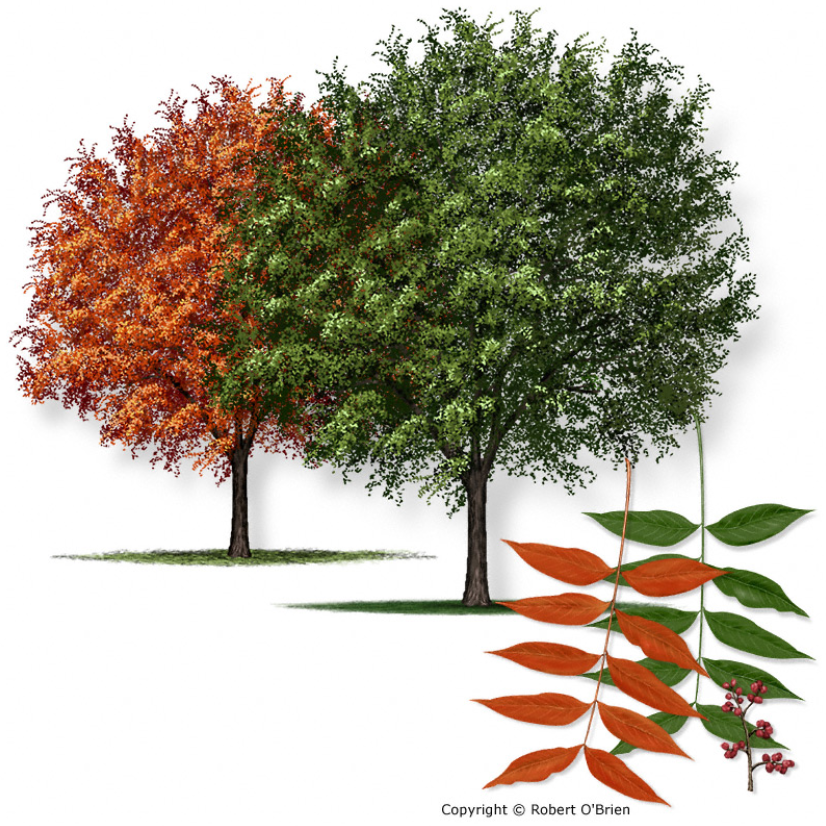
'Chinese Pistache'
(Pistacia chinensis)
Texas Superstar calls it
exceptionally tolerant of heat, drought and soil conditions and says it is adapted
throughout Texas except the Rio Grande Valley
40-50 ft tall / 25-30 ft wide.
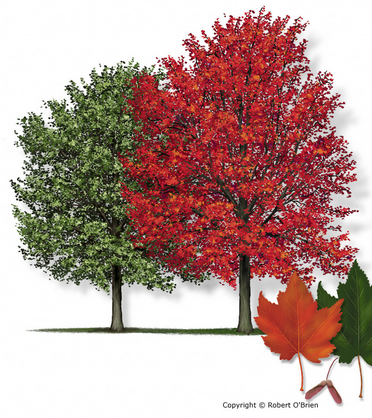
| | 'Shantung Maple'
(Acer truncatum)
A tough, heat-tolerant alternative to Japanese Maples that provides striking yellow and red fall colors.
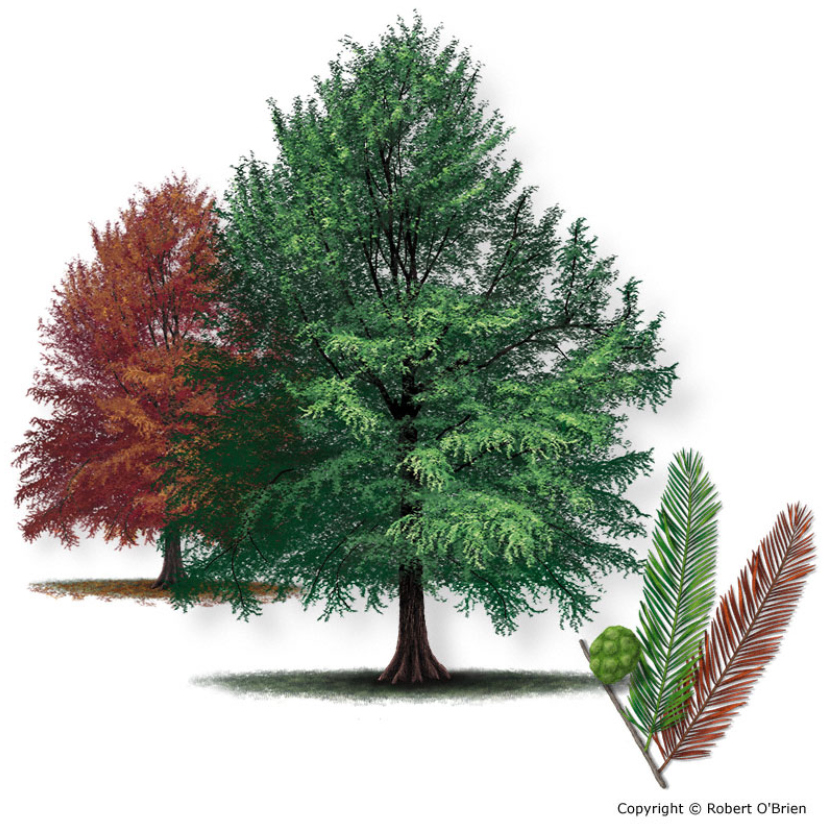
30-35 ft tall / 25-30 ft wide. | | 'Bald Cypress'
(Taxodium distichum)
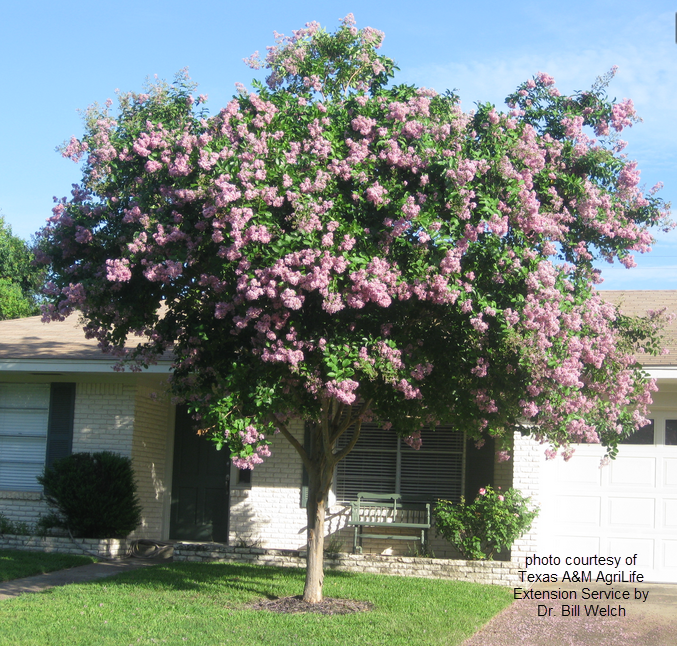
Drought tolerant once established, spectacular in fall, among the first trees in Texas to lose their leaves in the fall (hence the name "bald cypress") and the last to bud in the spring. 50-75 ft tall / 20-45 ft wide. | | Smaller & Ornamental Trees: | | 'Basham's Party Pink Crapemyrtle'
(Lagerstroemia x 'Basham's Party Pink')
A large, hybrid crape myrtle displaying lavender-pink flowers and beautiful, peeling bark.
15-20 ft tall / 10-15 ft wide. | | |
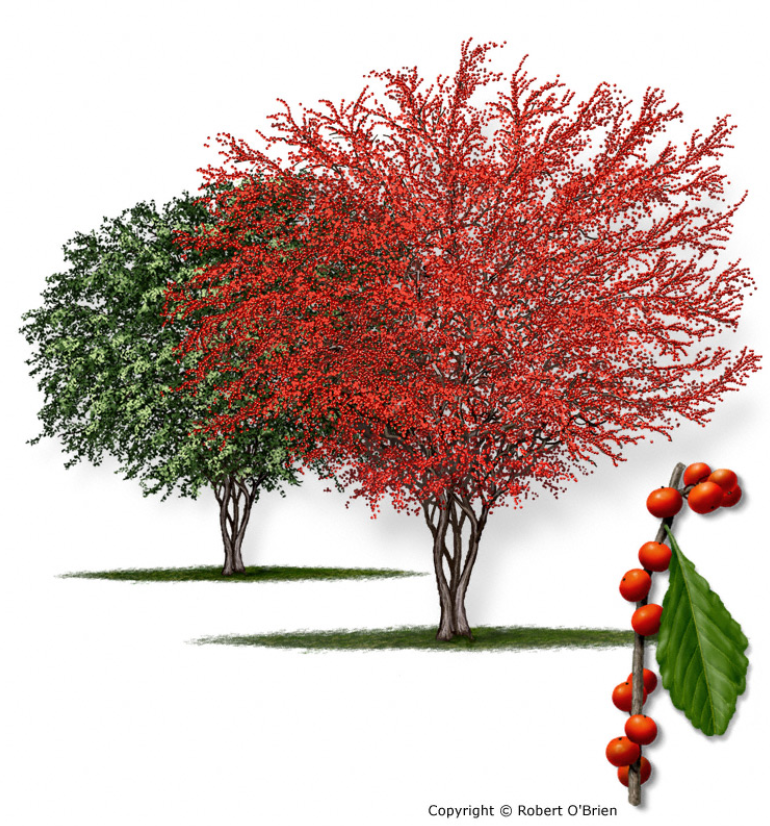
Deciduous Holly /
Possum Haw
(Ilex decidua)
A striking ornamental
tree that drops its leaves in winter to showcase dense, brilliant red-orange berries,
excellent native wildlife tree
12-20 ft tall / 6-12 ft wide.
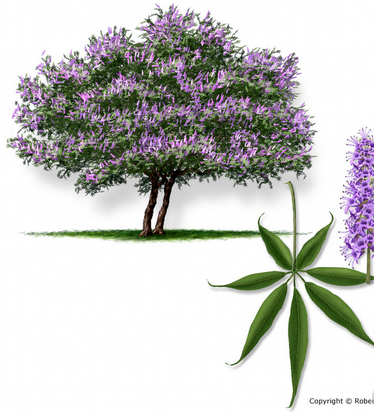
| | 'Texas Lilac Vitex'
(Vitex agnus-castus)
Also called the Chaste tree, it produces long, fragrant purple flower spikes that attract pollinators throughout the summer heat.
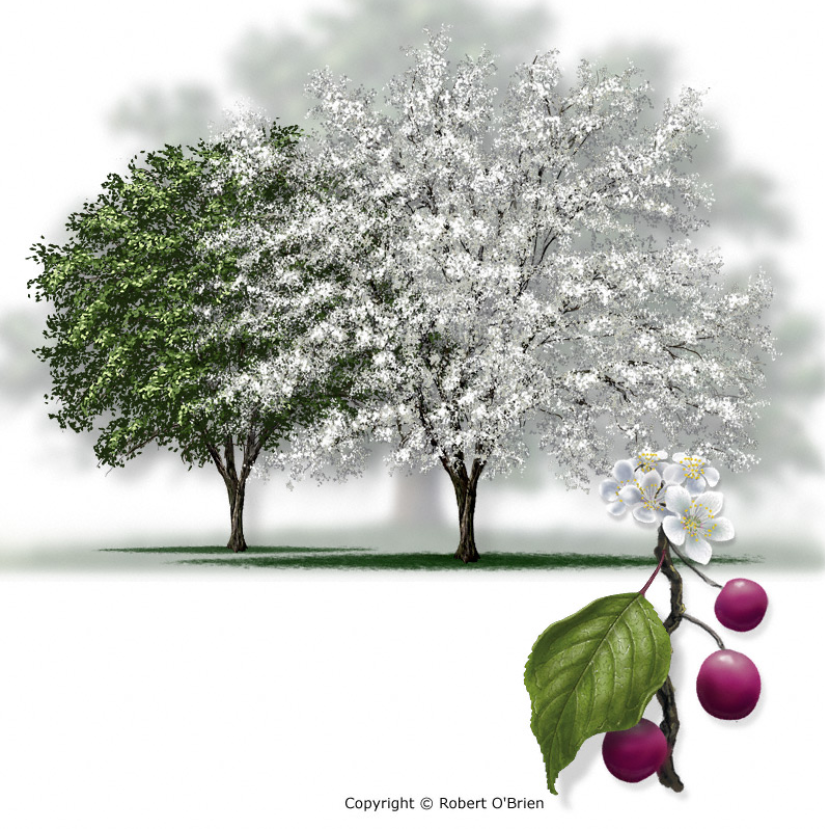
10-15 ft tall /10-15 ft wide. | | 'Mexican Plum'
(Prunus mexicana)
Outstanding drought tolerant, ornamental tree with fragrant spring flowers and fruit for wildlife.
15-35 ft tall / 15-25 ft wide. | | 'Texas Redbud'
(Cercis canadensis var. 'texensis')
Texas native tree with glossy heart shaped leaves and bright magenta spring blooms. One of the earliest spring bloomers.
15-20 ft tall / 10-15 ft wide. | | |
Vegetables are delivered two times a year
Randy's Seasonal Garden Care
| | | |
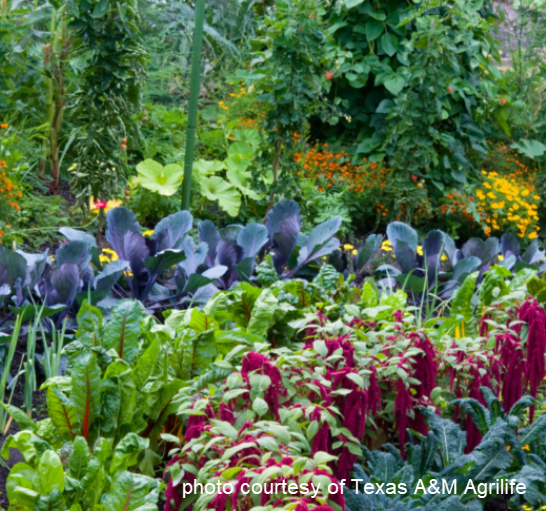
What I am about to say will have many of our readers questioning my sanity. NOW is one of the BEST times of year to start a vegetable garden. Life is filled with parables and quotes that sometimes don’t make a lot of sense. I can hear my old football coach telling me “No pain. No gain.” Or a nutritionist stating that certain foods have “good fat.” Or someone in Arizona describing 118-degree temperatures as “not hot because it’s a dry heat.” How is pain a good thing? I thought fat was bad? And I’m sorry…dry or not, 118 degrees is still HOT! So when it’s hotter than a Rolex in a pawn shop, why would I advise anyone to plant vegetables at this time of year??
Believe it or not, when I plant my Fall vegetable gardens, I have a better harvest from my Fall vegetables than I do from my Spring crops. For those of you reading this fact for the first time, yes….Rockwall County has TWO seasons of vegetable gardening. One in the Spring. And now, when the daily highs are hot enough to cook a roast in the mailbox (although it is still too hot for leafy vegetables right now. See Laura's comment above).
Using this Vegetable Planting Guide by the Texas A&M Agrilife Extension Service, I know when and what to plant in the Spring and the Fall.
I realize that planting now supersedes all logic. Why would we plant anything in this weather?? The reason lies in yet another phrase, “This too shall pass.” Yes. It’s so hot that the devil is sweating. But in a few weeks, the days will be shorter. We’ll be back in the 90’s. And we’ll be thinking about the State Fair and football. The cooler days ahead are the very reason that the Fall vegetable crop is more abundant than in the Spring.
| | |
In the Spring, plants have cooler days and abundant rain. These conditions allow the plants to grow lush and bountiful. Then something happens in June. The sun comes out. Humidity levels are so high that Houston is laughing at our anxiety. The air instantly turns scorching hot. And what started as a great harvest is cut short by the sun.
In the Fall, we contend with the opposite. Temperatures are so extreme that cows are producing evaporated milk. Hot Summer days give way to cool Fall nights. The cool nights lead to cooler days. The Fall rains come back to drench the soil. And those same perfect conditions in the Spring are back to love our plants until the first average frost in November.
So what then is the strategy to keep a plant alive when the temperatures are so hot that hens are laying hard-boiled eggs? The answer is simple. Keep it cool. Protect those roots with a layer of mulch. Add a shade cloth if the afternoon sun is extreme or the garden is next to a surface that reflects heat. And water of course. For heat this extreme, plan a light watering on your newly planted seeds or transplants every day until they get established. Once the plants are showing new growth, reduce the water to every other day to keep the plants cool and nourished. As the temperatures start to drop, reduce watering to two days a week once the plants are established. When our plants start to reach their maturity in the Fall, the cooler air has them producing for weeks on end.
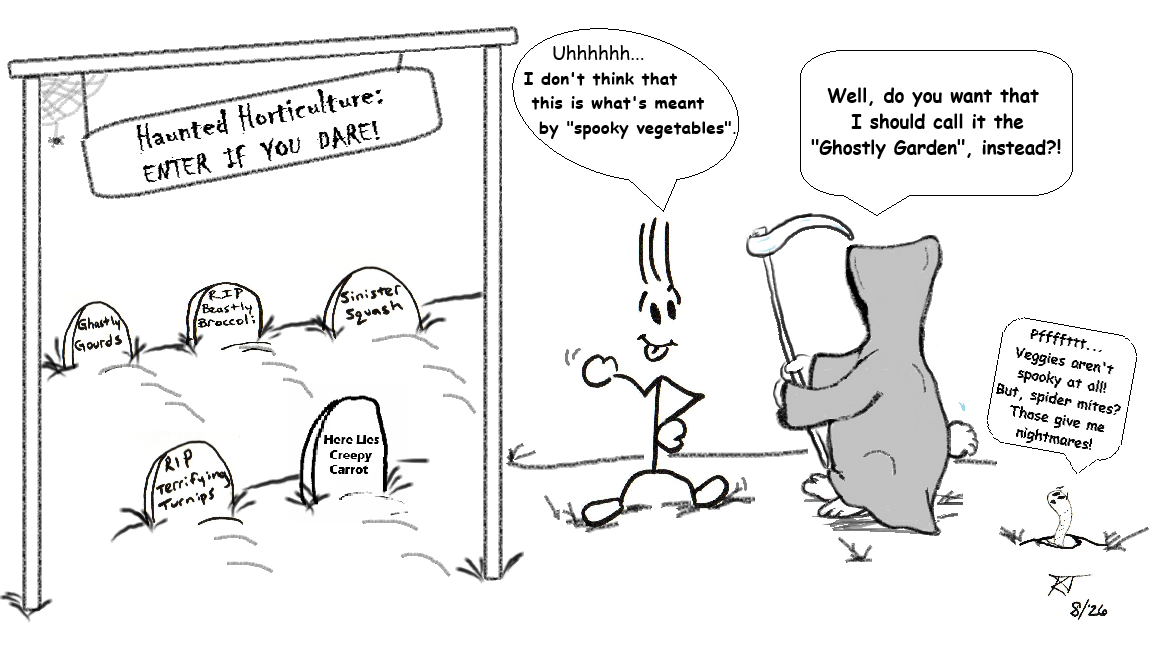
| | Spider Mites- Creepy Crawlies That Haunt the Garden | | | |
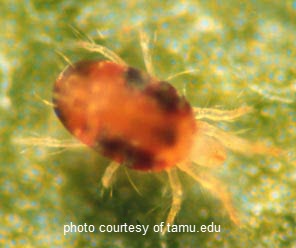
In the hotter months, walking the garden every day seems like torture but don’t stop walking! Changes come fast and furious and can be very damaging to your whole garden. The surprise visitor that I am talking about is the spider mite! Spider mites live – and lay their eggs – on the undersides of leaves where they often go unnoticed until their webbing is visible and the plant is suffering with bronzing, stippling and burning of leaves. These eight-legged creatures are mites, not spiders, and they feed on plant juices of many types of vegetable crops, fruit trees, and ornamentals. If the spider mite is left untreated, the leaves will turn yellow, die and fall off. https://texasinsects.tamu.edu/spider-mite/
Warm temperatures and low humidity are ideal environmental conditions for spider mites. Discourage spider mites by keeping plants cool and moist. Spray or mist plants daily when the weather is hot and dry. Drought conditions can produce changes in a plant’s chemistry and make a plant more nutritious to spider mites. The life cycle of a spider mite is 18 days at 70 degrees F and an amazing 3 ½ days at 90 degrees F.
Adequate watering of plants during dry conditions can limit the importance of drought stress on spider mite outbreaks. Periodic hosing of plants with a forceful jet of water can physically remove and kill many mites, as well as remove the dust that collects on foliage and interferes with mite predators. Disruption of the webbing also may delay egg lying until new webbing is produced. Sometimes, small changes where mite-susceptible plants are located or how they are watered can greatly influence their susceptibility to spider mite damage.
Spider mites are “mites” and miticides need to be used to control them. There generally are not biological controls and few effective chemical controls (primarily soaps and horticultural oils.) Spraying with insecticides will kill spider mites and also kill the natural predators that control spider mites. As always, read the labels of the controls that you are using and use the correct amount. And pay attention to the temperature limitations on the controls as well!
| | |
Dare to Garden Differently!
by Debora Zerneri
| | | |
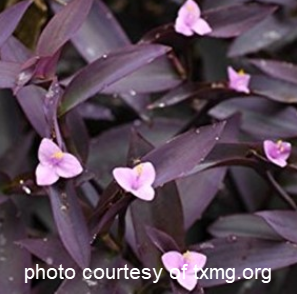
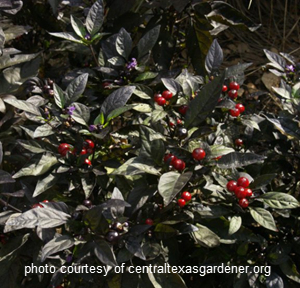
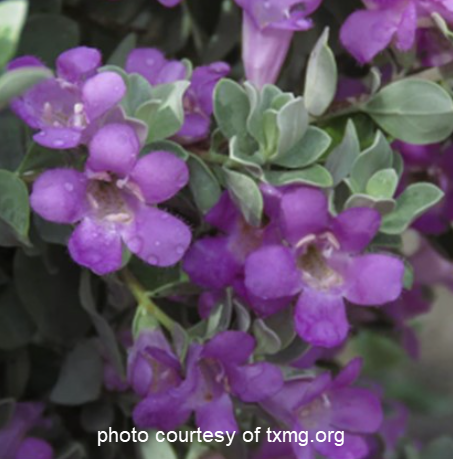
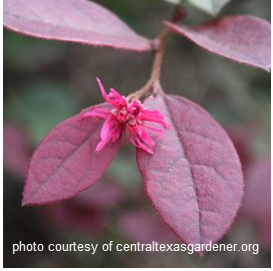
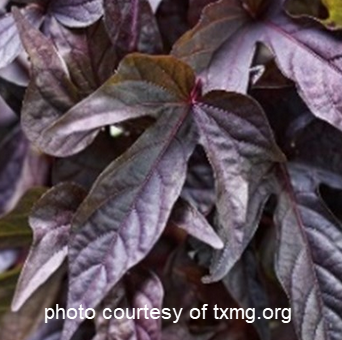
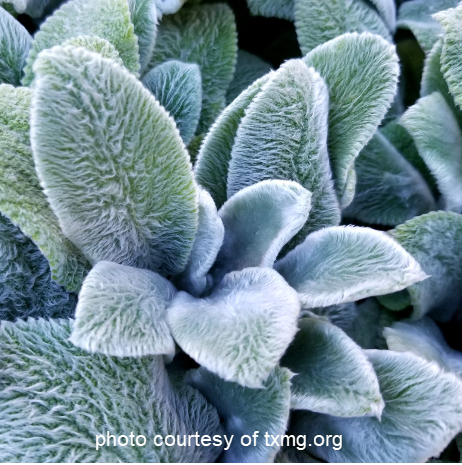
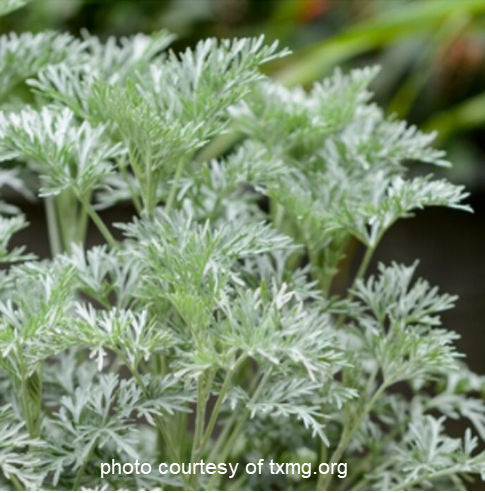
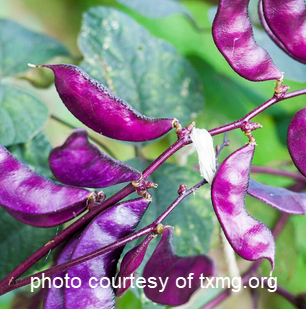
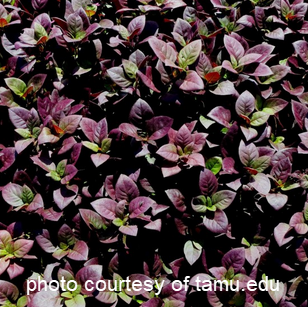
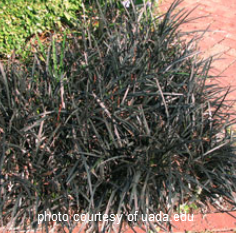
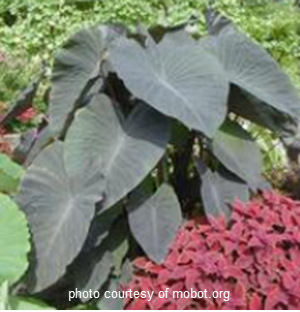
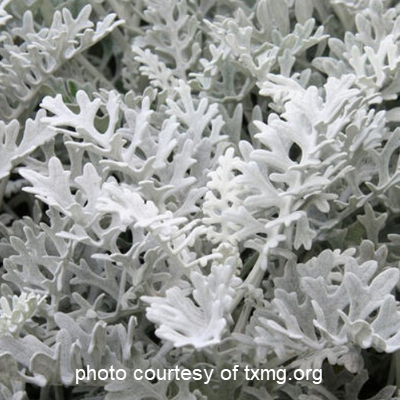
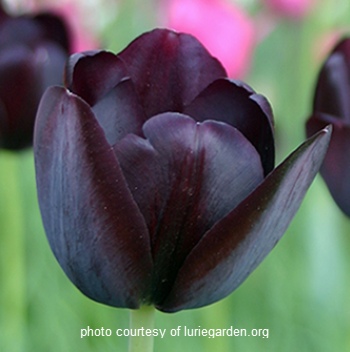
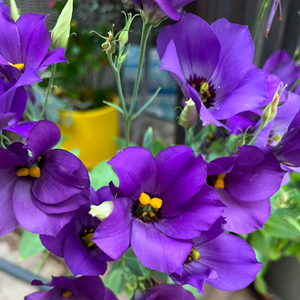
In late summer, as the Halloween decorations appear in the stores, thoughts go to fall gardens. If our taste runs towards the creepy and mysterious, why not embrace the beauty of the dark side and create a goth garden?
Rather than death and decay, a modern Goth garden works with a palette of dark & light foliage, varied textures, and architectural accents. Start with dark foliage of deep purples, burgundy reds, or nearly black leaves. Use silvers, whites, and icy blues for contrast and mood. Toss in some blood red! Vary height and texture; and feature plants with strong, upright or spiky silhouettes. Add statuary, aged brick, mossy stone, matte black containers and urns.
The following is a list of Texas-tough “goth” plants that are drought tolerant and readily available.
| | |
Once you start looking for a dark palette and mysterious theme more ideas will come!
August through October are the best time to buy and plant the “bones” for your goth garden. In order to provide interest throughout the seasons, choose plants that keep your goth garden looking great—in a spooky way—throughout the year.
| | |
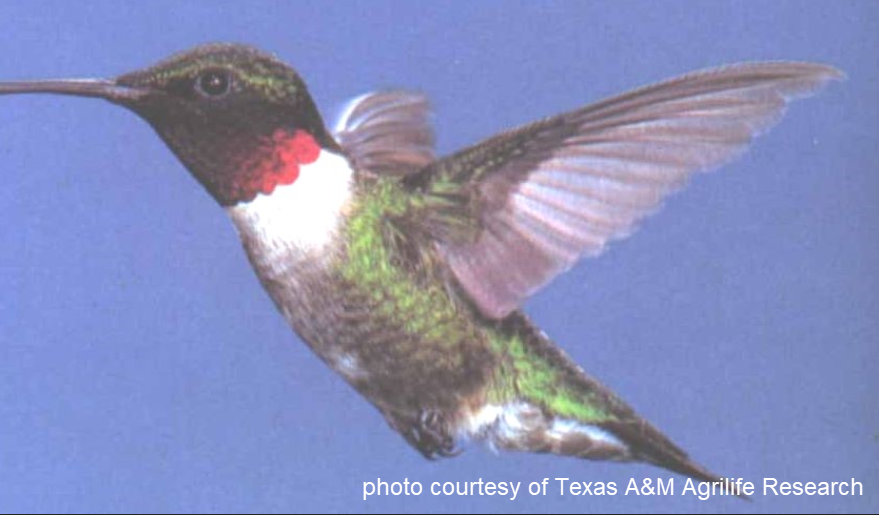
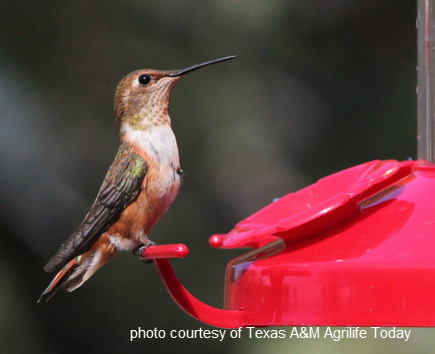
Time to migrate! Mama hummingbird flitted between her babies as they perched near their nest. The four fledglings are Ruby-Throated Hummingbirds, the most common hummingbird species in the central and eastern Texas area. The oldest pair is two months old, and their siblings are only one month old.
“Mama, what is migrate?” inquired Skipper, one of the older hummers.
“Migration is when we leave our home to go south where it is warmer during winter,” mama replied.
“Yaaay, we’re going on a field trip,” all four hummers squeaked together.
“Oh no, my babies, you will travel on your own.” Skipper and his siblings Flutter, Darter, and Flicker all looked at mama wondering how will I do this?
“Mama,” Flutter looked up at her, “how do we know it’s time to migrate?”
Mama smiled – Flutter is one of the young ones, and she understood his hesitation about traveling by himself. “We know this because the daylight time is shorter, and there are less flowers and nectar available. The weather is getting cooler, also.” All four young ones nodded. Mama encourages, “As a hummingbird, you have an instinct, an internal clock that tells you it’s time. And as a hummingbird, you are ready to migrate!”
Skipper, Flutter, Darter, and Flicker were getting excited now. Their wings will flap faster than ever before – up to 70 or 80 times a second, and they’ll be flying 55 to 60 mph. They will find their way to the south, 900 or more miles away, where it will stay warm, and their favorite foods, flower nectar and insects, will be available throughout the winter months!
| |
Each of the siblings is about 4” long and normally weighs about 1/10 of an ounce, however, for the migratory trip, they have put on an extra layer of fat to keep them powered up as they make their lengthy trip flying up to 23 miles a day! Mama gives them tips for travel, “Fly low, so you can see available food sources, and use the tailwinds to conserve your energy!”
Our fabulous flying friends will be flying over Texas on their way to the south, possibly to Florida or Mexico. The migration pattern of the Ruby Throated Hummingbird brings many of them to our area, so now through September is a good time to watch for them in your yard or parks. They will be pausing to feed on flower nectar and at hummingbird feeders as they prepare to finish their long journey!
Mama watches as each young hummingbird heads out for its first migration. Skipper and Flutter zip past each other and separate into their own flight paths. Next, the younger Darter and Flicker pause momentarily and then flap their wings and launch. They choose their paths and disappear into the deep blue sky. Mama will also make the migratory trip on her own, following the familiar path she has used in past years. Then she will return to this nesting place in the spring to raise another family of baby hummers!
Learning Questions
Why do hummingbirds migrate?
What do hummingbirds like to eat?
How fast can a hummingbird’s wings flap?
Try this Crafty Idea to make you own hummingbird feeder!
| | | | |
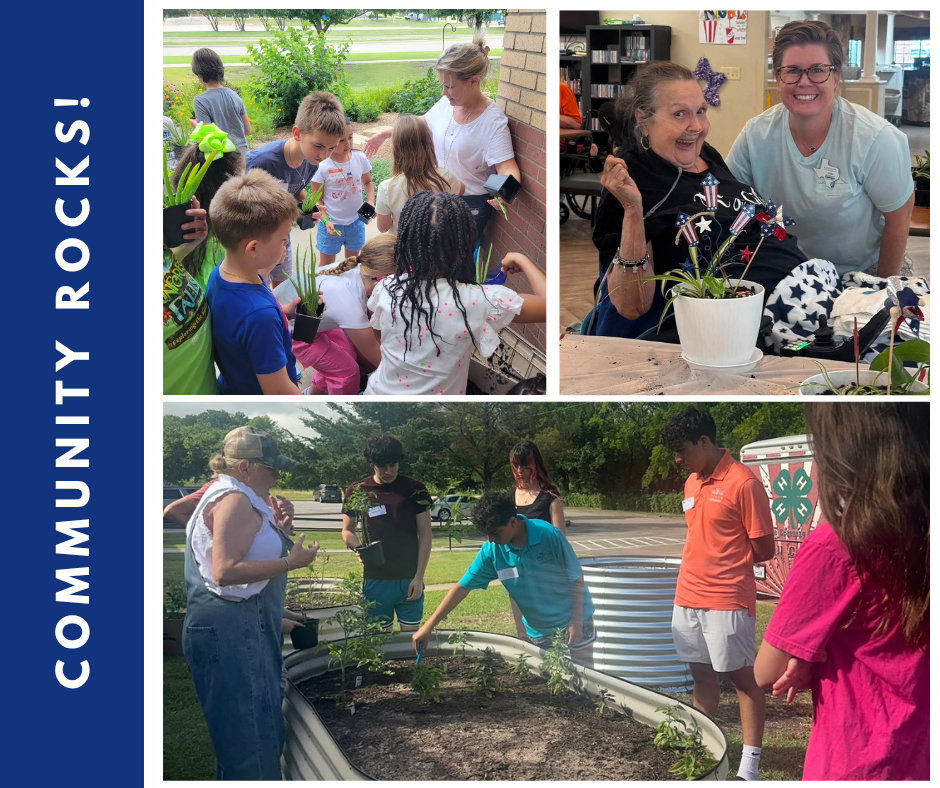
Sharing science-based horticultural education with Rockwall’s youth, adults, and seniors.
Ask a Master Gardener & Library Help Desk
Heath "Tacos & TexScape" Workshop
Senior Outreach Highland Meadows
Rockwall Farmers Market
Vegetable Gardening Class
Junior Master Gardener Series
4-H Gardening Project
Best Buddies
Fate Senior Living
Speakers Bureau - Herbs
Speakers Bureau - Good Bugs Bad Bugs
SOAR Camp
Cacti & Succulent Class
| | |
Master SNAPS!
Photos from Rockwall County Extension Master Gardeners
| | | | |
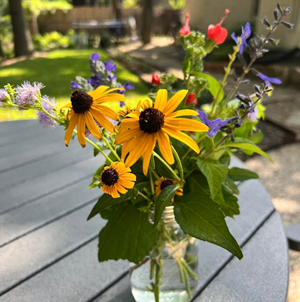
Fresh Pick from the Garden
-Linda G.
| | |
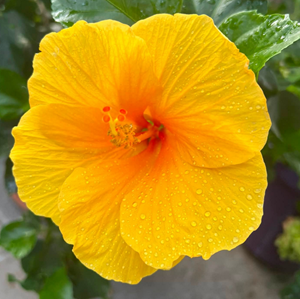
Hibiscus in the Heat
-Sherry G.
| | Please take our short survey to help improve our educational outreach. | | EnviroSmart is published by: Rockwall County Master Gardener Association part of Texas A&M AgriLife Extension Service, the Texas A&M University System. The information given herein is for education purposes only. Reference to commercial products or trade names is made with the understanding that no discrimination is intended and no endorsement by Texas A&M AgriLife Extension is implied. | |  | |
Todd Williams - County Extension Agent
Ag/ Natural Resources
972-204-7660
tk-williams@tamu.edu
Texas A&M AgriLife Extension provides equal opportunities in its programs and employment to all persons, regardless of race, color, sex, religion, national origin, disability, age, genetic information, veteran status, sexual orientation or gender identity. The Texas A&M University System, U.S. Department of Agriculture, and the County of Commissioners Courts of Texas Cooperating.
| | | | |