Welcome to July! The humidity has started to creep into town, but it is still nice enough to be outside without being in the water. Our resorts have seen high occupancy and the town has been very busy. I expect the upcoming 4th of July holiday to pretty much sell out all of the rentals on Sandy Beach, so please plan accordingly for accommodations and for picking the best time to head back to the USA. Most of you already know that by now, and if you don't, you'll learn fast after a long wait at the border crossing.
Today marks my 12 year anniversary with the Sonoran Resorts and I'm still going strong. I am proud and fortunate to work for this company. Things are very different in this town and in this condo market than they were when I started with the Sonoran Resorts in 2010. Inventory is down and we are in a seller's market. Hopefully without sounding like a broken record, I will repeat myself again this month and tell you that if you're looking to sell your Sonoran Resorts condo, now is the time to give me a call or send me an email. Or, if you're in town, just stop by my office at the Sonoran Sky. I'm there pretty much every day (I do try to take Sundays off though).
The Sonoran Star has been the topic of discussion quite often for some time now and I understand that a lot of folks are very eager to know the specifics. All I can say to that is the project is moving forward quickly and it will be well worth the wait. As soon as I am able to pass on any specific information, I certainly will.
I have also been asked lately why we haven't had a Las Vegas Night for a few years and the answer is simply - Covid. Groups of people were strongly discouraged and for a time not allowed at all. There was a question of doing it this year or not (we normally do them over the 4th of July weekend), but we decided to hold off, not in a small part because of how busy everyone is these days on the Sonoran Star. I promise that we'll get back into the swing of the annual charity events, but I can't promise if they will still be at the same time of year. You'll be the first to know when we pick them up again - and as always, I'll be asking for volunteers :)
Enjoy this beautiful month, come to Rocky Point if you can, and if you need anything don't hesitate to ask. Let me put my experience and expertise to work for you, and remember, as always, I've been here full-time for over 15 years and I am more than happy to help you with whatever you need, whether Sonoran Resorts related or not.
Just give me a call or send me an email any time and I will do my very best to help you. If I can't help you myself, I'm sure that I can point you in the right direction and help find you someone who can.
Besides the links below, you can our listings at the following:
www.sonoranresorts.mx
www.sonoranresortsresales.com
AMPI Puerto Penasco MLS
Point 2 Agent Multinational MLS
Pick up a handout at any of our Sonoran Resorts
Barrett Jackson Show - Scottsdale and Las Vegas
Various Real Estate and Trade shows in AZ, NV, and CA
Our listings are also shared with the following:
|
|
IMPORTANT: Some email providers cut this newsletter off before the end. If that happens on yours, please scroll to the bottom of this email and click "View Entire Message" to see the entire newsletter.
Sincerely,
Jim Ringquist
Broker/Sales Director
Sonoran Resorts Spa - Sea - Sun - Sky
602-476-7511
rockypointjim@gmail.com
www.SonoranResorts.mx
President/Volunteer
Tourist Assistance Unit Advisory Committee (Tourist Assistance Police)
602-774-1777
www.touristassistancerockypoint.org
touristassistancerockypoint@gmail.com
I hope that you enjoy my newsletter and continue to recommend it to your friends. Please feel free to give me thoughts, suggestions, or ideas for future newsletters. Puerto Peñasco is my home and I love to share the news and goings-on with you.
I do get email requests each month asking me to add someone to my list. While I certainly don't mind doing so, all you really need to do is click Sign-Up for Newsletter below, add the email address, and it will happen automatically. Not to worry - I will not spam you or share your email address, and you will only receive one email-newsletter each month on the 1st.
|
|
Exclusively Serving the Sonoran Resorts
Buy & Sell Direct and SAVE!
22 Years Experience on Sandy Beach
Four Fully Completed Beachfront Resorts
We Have Earned Our Stellar Reputation
Your Only Logical Choice when Buying
or Selling a Sonoran Resorts Condo!
|
|
Tourist and Visitor's Bureau Predicts a Busy Summer |
Tourism so far in 2022 shows a good reason to be optimistic that this year's summer season will be a good one, full of visitors and likely to top the very good season last summer when more than half a million tourists were registered bringing an economic benefit of 570 million pesos, said Héctor Vásquez del Mercado.
The president of the Convention and Visitors Bureau indicated that over the first five months of this year, approximately 650,000 tourists visited Rocky Point, and that points to a very busy summer season this year as well. Summers bring large numbers of both foreign and domestic visitors to this town.
For this summer, he commented, it will be essential that, in addition to promotion and attraction campaigns, the administration needs to ensure that Puerto Peñasco continues to be a healthy and safe destination in the face of the Coronavirus pandemic, and to continue to guarantee basic services, such as the supply of drinking water.
Memorial Day was a good start to the 2022 summer seasonfor Puerto Peñasco, he said, and the numbers are expected to continue to improve even more after an initial increase in tourism from last year of over 10%.
Vásquez del Mercado stated that, despite the good numbers achieved so far in 2022, promotional efforts are still focused on the national market at this time, since there is enormous potential and historically most national tourists seem to come during the months of July and August.
He also stated while they are working on increasing national tourism, efforts are also being made to increase promotion in foreign tourism markets, primarily Arizona and California.
|
|
Food and Drink at the Sonoran Sky Resort:
|
|
Plan for Arizona to Finance Rocky Point Desal Plant on the Table |
Arizona Governor Doug Ducey is pushing for the introduction of desalinated water in the state of Arizona with a possible investment of $1 billion.
The plan includes helping finance the construction of a desalination plant in Mexico's Sea of Cortez. It is estimated that two plants, each located on the eastern shore of the sea, south of Puerto Peñasco, and that would produce 100,000 acre-feet per year (32,585,338.3 gallons), would cost between 300 and 400 million dollars of initial expenses.
In the plan, Arizona is not to own the plant, but rather buy the water. Ducey's plan now hangs in the state legislature.
Tom Buschatzke, director of the Arizona Department of Water Resources, estimates that an acre of desalinated water could cost about $3,000, while non-desalinated water typically costs $50 to $150 an acre. Buschatzke said a family of three in the Phoenix metro area uses about an acre-foot of water a year (325,853.3 gallons) and that cities would decide the ultimate price of water for consumers.
It is worth mentioning that the issue of desalination plants was addressed during a press conference in Hermosillo recently, by the president of the Sonora Green Party, Calvin Valenzuela, who indicated the following: "It is so viable to build a desalination plant to end the water supply crisis in Hermosillo, that Arizona Governor Doug Ducey is promoting the construction of a desalination plant in Puerto Peñasco to supply water to Phoenix".
|
|
Potpourri!
Short Shorts of All Sorts!
Sometimes so much is going on in our little slice of paradise by the sea that we can't address the many short subjects with proper attention. To handle the hodgepodge of dangling subject matter, we invented the Potpourri Page. Here are a few "short shorts" to keep you up to date.
|
|
Tourist Assistance Unit Lends a Hand at Circus Mexicus |
The TAU, or tourist assistance police are known mostly for patrolling the beaches and high traffic tourist areas in search of tourists to assist. They also act as defacto police officers as needed and they do work hand in hand with the police, Red Cross, and other government agencies.
What many don't know is that they also assist with events and gatherings to help organize, give directions, translate when necessary, and keep the venues safe. Roger Clyne and his entourage have taken advantage of the services of the TAU since it was first introduced several years ago.
Next time you see on of the officers doing their jobs, take the time to say hello and thank them for all of their hard work in watching over the tourists that mean so much to this community.
|
|
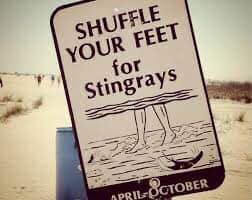
Those of you who have visited Rocky Point during the warmer months of summer probably already know about the "stingray shuffle", but if you don't, please pay attention. It might save you from a very painful sting.
Stingrays aren't lurking in the shallow waters waiting for an unprotected leg to sting, but if you step on one, they will whip that tail around and you'll know that you've been stung in a hurry. To avoid that sting, just shuffle your feet along when you're walking through the shallows. They will get the message and get out of the way. It's really as simple as that.
|
|
Historic Margaritaville Bar Demolished |
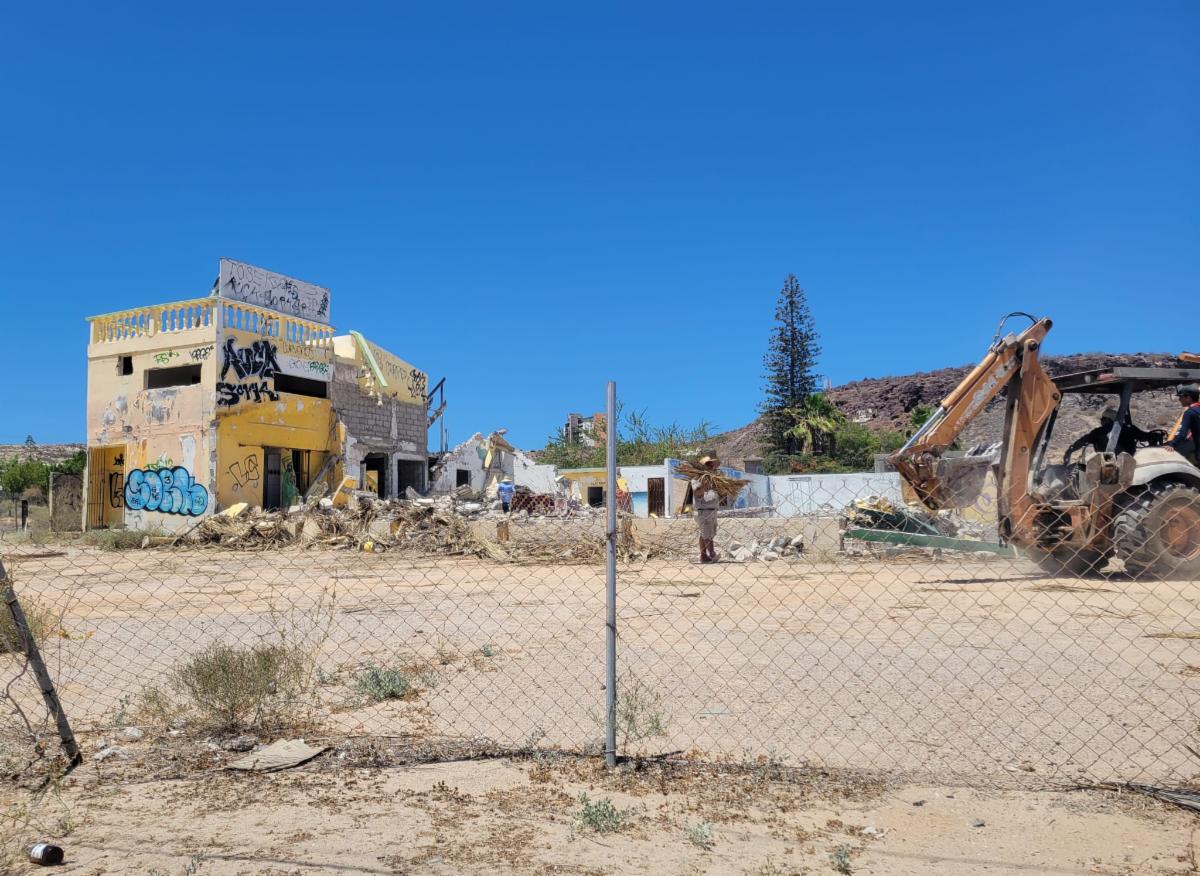
Surely, you Rocky Point old timers all remember the popular Margaritaville bar on the road towards the Mirador. Well, it is no more.
The property had been vacant for many years and had deteriorated past the point of repair so, finally, the landmark had to go. Many wanted to buy the place over the years, but word was that it had title problems, so no one would touch it.
It has been a long time since Mark Mulligan played at this old bar while patrons enjoyed $1 beers and free shots every time the Jimmy Buffett's namesake song played. Rocky Point has changed and has become an even more fabulous place with so many new and upgraded things, but once in awhile, it would be nice go back and revisit the Rocky Point of those old days.
|
|
Do I Really Need an RFC Number if I Live in Mexico? |
Information has been circulating which says that if you live in Mexico, you need an RFC number, but that can be a bit misleading.
While the new tax laws basically say that all citizens and legal residents of Mexico must have an RFC number by July 1, 2022, that is not the whole story. The wording is complex, but in essence, as I understand it, the bottom line is this:
Being a permanent or temporary resident does not automatically make you tax residents. If more than 50% of your income comes from outside of Mexico, you need not be considered a tax resident. The vast majority of full-time Rocky Point foreigners also have a place in the USA and do not have any Mexican-sourced income or, if they do, it is less than 50% of their total income. If they do have Mexican-sourced income, then they are to pay income tax to Mexico on that income alone because they are not considered to be Mexico tax residents.
I am not an accountant so please consult a qualified tax professional for actual advice.
|
|
Mexico is Subsidizing 35% of Gasoline’s Retail Price Using Funds from its Oil Windfall |
|
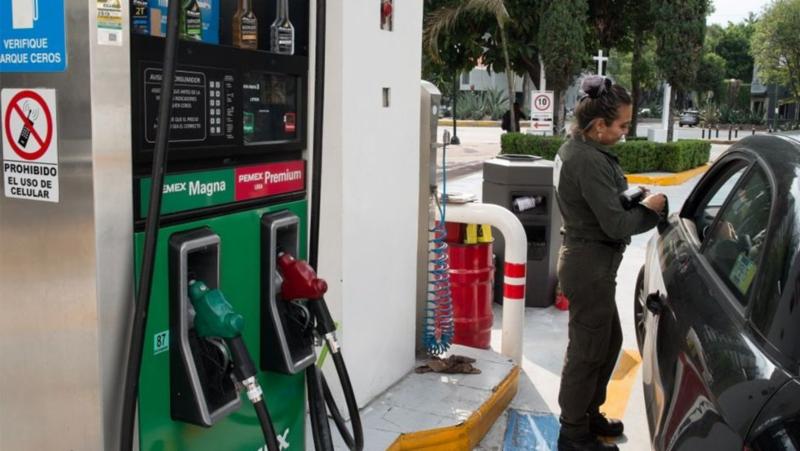
Mexico is subsidizing about 35% of gasoline’s retail price using funds from its oil windfall, which is having a net neutral effect on public finances, Mexico’s Finance Ministry’s chief economist said.
Regular gasoline in Mexico is selling for about 22 pesos ($1.06) per liter or around $4.25 per gallon, instead of the 34 pesos it would cost without the government’s relief on the IEPS excise taxes, Rodrigo Mariscal told the Norte Economico podcast on Wednesday. “We can say with certainty that we have enough fiscal space to be able to continue helping IEPS on gasoline without harming or putting at risk the stability of public finances,” Mariscal said.
Mexico’s President Andres Manuel Lopez Obrador pledged earlier this year to use the extra income from higher oil export prices to ensure that fuel costs at the pump do not rise more than inflation, however the government may make gradual adjustments to the subsidies if gasoline prices keep rising faster than oil, Mariscal said.
The fuel tax relief will cost the government around 1% of GDP in uncollected taxes in 2022, the chief economist said. The fiscal deficit is at around 3.1%, which Mariscal said is “quite manageable” and would remain under control even under scenarios of financial stress.
|
|
Many Road Upgrades to be Completed This Year |
|
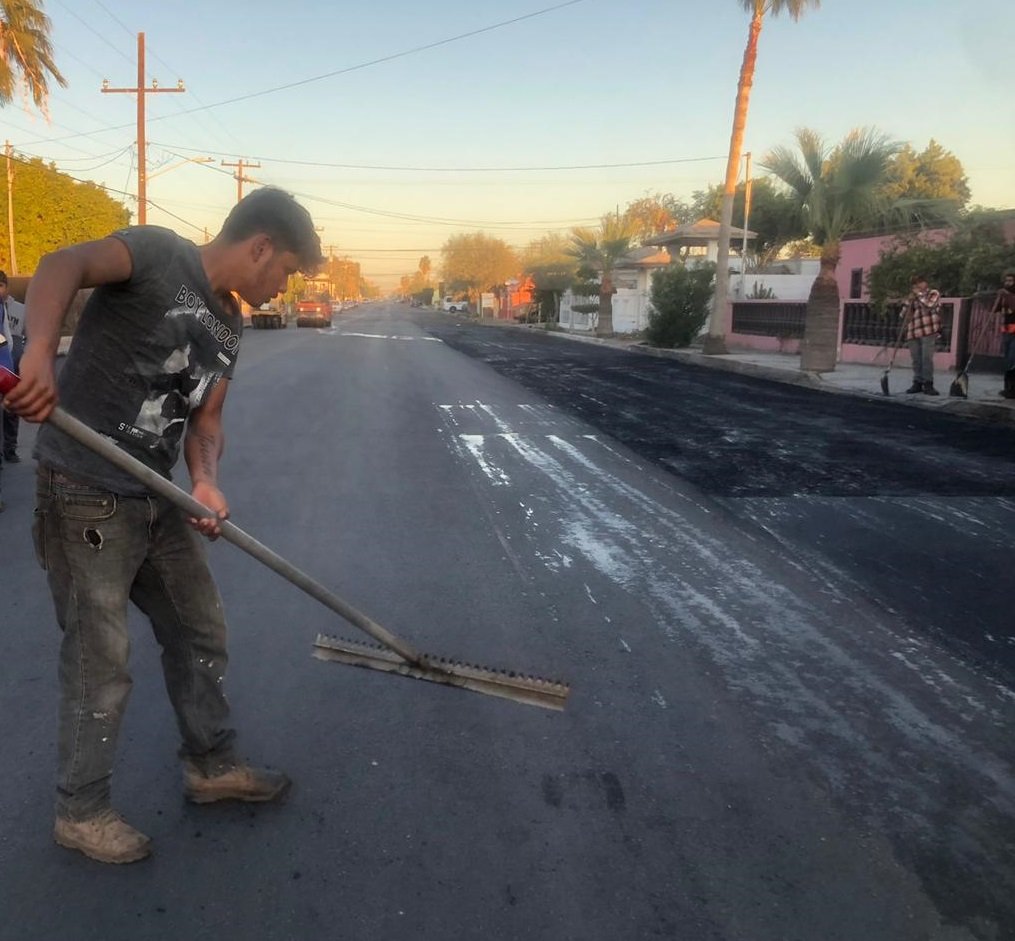
The first 97 million pesos for paving in this municipality have already been authorized and will be used to carry out modernization and asphalt work on nine streets in different areas of Puerto Peñasco, reported Jose Luis Montijo Torres. The director of Municipal Public Works notified that these resources will be used to carry out seven recarpeting works on streets that urgently need maintenance and to execute two new pavement works.
He explained that the pavement work will be carried out on Revolution Street from Benito Juárez Boulevard to Right of Way; Adolfo López Mateos Street from Josefa Ortiz Boulevard to Benito Juárez Boulevard; Nicolás Bravo Street from Josefa Ortiz Boulevard to Abelardo L. Rodríguez Avenue; and Río Suchiate street from Josefa Ortiz boulevard to Tecnológico boulevard.
Also being upgraded are León de la Barra street, from Josefa Ortiz Boulevard to Kino Boulevard; Aquiles Serdán street from Sinaloa avenue to Josefa Ortiz boulevard; Benito Juárez Street from Belisario Domínguez Avenue to Josefa Ortiz Boulevard; Puerto de San Felipe Avenue between Samuel Ocaña Boulevard and Doctor Gracida Street, and Kino Boulevard from 11th Street to Sonora Boulevard.
Montijo Torres remarked that the 97 million authorized are already in the release process, which should be completed no later than August, and will allow the bidding and start of works to be carried out in the very short term.
Recently, Mayor Jorge Pivac Carrillo announced that of a proposal of more than 200 million pesos for street paving has been requested and now there is an initial authorization of 97 million pesos so that works can begin soon. The Mayor clarified that there is no specific date for the start and completion of the authorized works due to national public bidding processes and bureaucratic procedures, but it is a fact that they will be a reality this year.
|
|
Pet Owners will be Fined for Neglect or Abuse of Animals |
|
As part of a move to raise awareness of the importance of assuming the responsibilities of having a pet, as of July 1, the application of fines will begin for owners of dogs and cats found on public roads, announced Erick Francisco Gastélum Pacheco.
The Head of Animal Control of the Municipal Health Services specified that due to the disregard of many people for the care of their animals, many times even after the repeated formal requests asking them keep their pets at home, new Municipal Animal Protection regulations will be enforced. The initial fines will range from 90 pesos to 14,000 pesos, depending on the severity and/or frequency of the infractions.
He indicated that they will work in coordination with the Municipal Police and special judges among others to adopt and apply these regulations. Gastelum Pacheco commented that it has come to this as a last resort, after multiple attempts and efforts have failed to voluntarily convince some local residents to pay attention and respect for their pets.
Prior to the application of fines an information campaign will be carried out to notify all citizens of Puerto Peñasco about these measures and to ask again that they voluntarily take care of their pets so that they do not have to face fines.
Gastélum Pacheco thanked Mayor Jorge Pivac Carillo for his concern and support for all the actions of the Municipal Health Coordination, which continuously seek to make Puerto Peñasco a healthy city in every way.
|
|
Mayor Seeks to Renegotiate Parking Meter Contracts to Increase Income for the City |
|
Recently, through a town hall session, the Municipal Government has agreed seek a renegotiation of the parking meter contracts shared with a local concessionary company. The meters are currently located only in the Malecon area and are used to raise revenues for the city and to help prevent long term parking in the area which has a limited amount of parking available. The current agreement was put into place by the last administration and the current mayor, Jorge Pivac Carrillo, seeks to improve the agreement in order to increase the benefit to the city.
The mayor commented that the agreement in place is not a fair split of the profits and that the city should benefit from a larger share of the monies collected by the meters. As unbelievable as it sounds, the current agreement gives 80% of the income generated to the company who owns the meters, while only giving 20% to the city. The income collected by the city is used to support DIF, the local government charity, among other social programs.
Mayor Pivac has indicated that the company is cooperating in the negotiations at this point and he is confident that a better arrangement can be agreed upon. He also ruled out the possibility of terminating the contract with the concessionaire, CRP Solutions, but said that both parties are discussing possibilities and showing good will with the benefit of the city in mind.
|
|
Barb's Dog Rescue Request for Assistance |
|
By: Barb Mumaugh
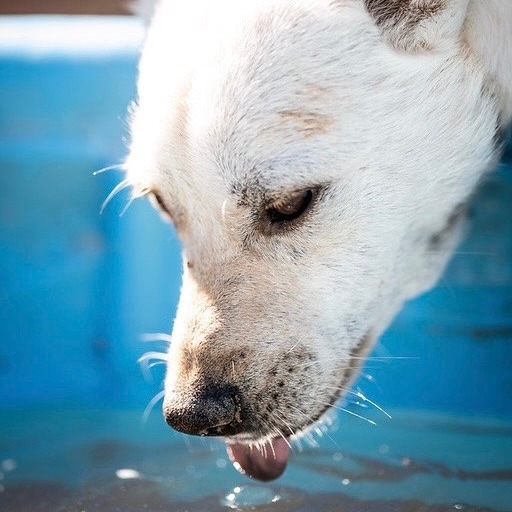
It's hot here in the Puerto Peñasco desert. As temperatures soar, a water shortage has hit the city. The water line from the city to our shelter is failing. A large number of Americans visiting recently for a festival has further strained the supply.
Please donate today to help the dogs stay cool and comfortable. To donate: https://secure.lglforms.com/form.../s/e4zTKsV4dl9rLmp0Gf_u6A
Currently, 93.5% of Sonora is affected by the drought that began last year. Experts predict the drought will continue throughout 2022.
We are purchasing trucks of water for our dogs, but those who have the water can set their price, and it gets very costly.
Not only do the dogs need water to stay hydrated, but we are spraying the sand so their paws don't get hot, and keeping the puppy pools filled to ensure everyone has a chance to cool off throughout the day. Watch a short video of playtime in the pool here! https://www.youtube.com/shorts/tQvkADCvGxc
Late-June through September are the hardest months at the shelter. Utility bills soar and there are fewer people in town, which means not as many volunteers, visitors or donations coming in the doors.
The pace here at the shelter never slows. After transferring 31 dogs north to a partner shelter this week, we received three more mama dogs with puppies, and an additional 30 puppies who don't have moms to take care of them. Watch a short video of their arrival: https://www.youtube.com/shorts/XweysM_tm9E. And watch them enjoy their first meal at the shelter here: https://www.youtube.com/shorts/XJBbhRcP-_E They were hungry!
Please donate today to help the dogs stay cool and comfortable. To donate: https://secure.lglforms.com/form.../s/e4zTKsV4dl9rLmp0Gf_u6A
|
|
AMLO Prepares Decree to Prohibit Smoking on Beaches and in Parks, Stadiums |
|
The federal government is planning to ban smoking in a range of public places including beaches, parks, and stadiums.
A presidential decree that would alter the General Law for Tobacco Control and consequently increase regulations on smoking is currently being prepared, the newspaper El Universal reported Tuesday. President López Obrador has already signed a draft version of the decree, which the Health Ministry sent to the National Commission for Regulatory Improvement for review.
The document outlines the government’s intention to prohibit smoking in “spaces of collective gathering” for “reasons of public interest and social interest.” Such spaces include publicly accessible courtyards, terraces, balconies, amusement parks, playgrounds, and other places where children gather. Urban parks, sports centers, beaches, event centers, stadiums, shopping centers, markets, hotels, hospitals, places of worship, areas where food and beverages are served, and public transit stops will also be included in the restricted areas.
The updated law established workplaces, schools, public access areas, sporting and entertainment facilities and public transit as 100% smoke-free areas and placed a ban on tobacco company advertising and sponsorship. The proposed decree would expressly prohibit tobacco advertising and sponsorship in direct and indirect ways, such as product placement. It would cover all advertising mediums including social media, streaming services, television, film, radio, newspapers, magazines, flyers and billboards.
If enacted, the decree would also outlaw products that people – especially children – can use to mimic smoking such as candy and chocolate cigarettes.
In the draft document, López Obrador justified the decree by arguing that tobacco addiction is a chronic disease and that 80% of smokers start using tobacco before the age of 18. He pointed out that smoking causes cardiovascular and respiratory illnesses as well as cancer. Citing the expense of treating such illnesses and the loss of human capital in the labor market due to disease and death, López Obrador also said that smoking has an enormous monetary cost.
It is unclear when the presidential decree will be issued, but if it is, it would take effect a day after its publication in the government’s official gazette. “There is no healthy dose of tobacco,” he told reporters at his regular news conference. “It’s invariably harmful. It’s one of the products that is most clearly harmful to health.”
|
|
Swimming Pool Inspections Show Pools are Safe |
|
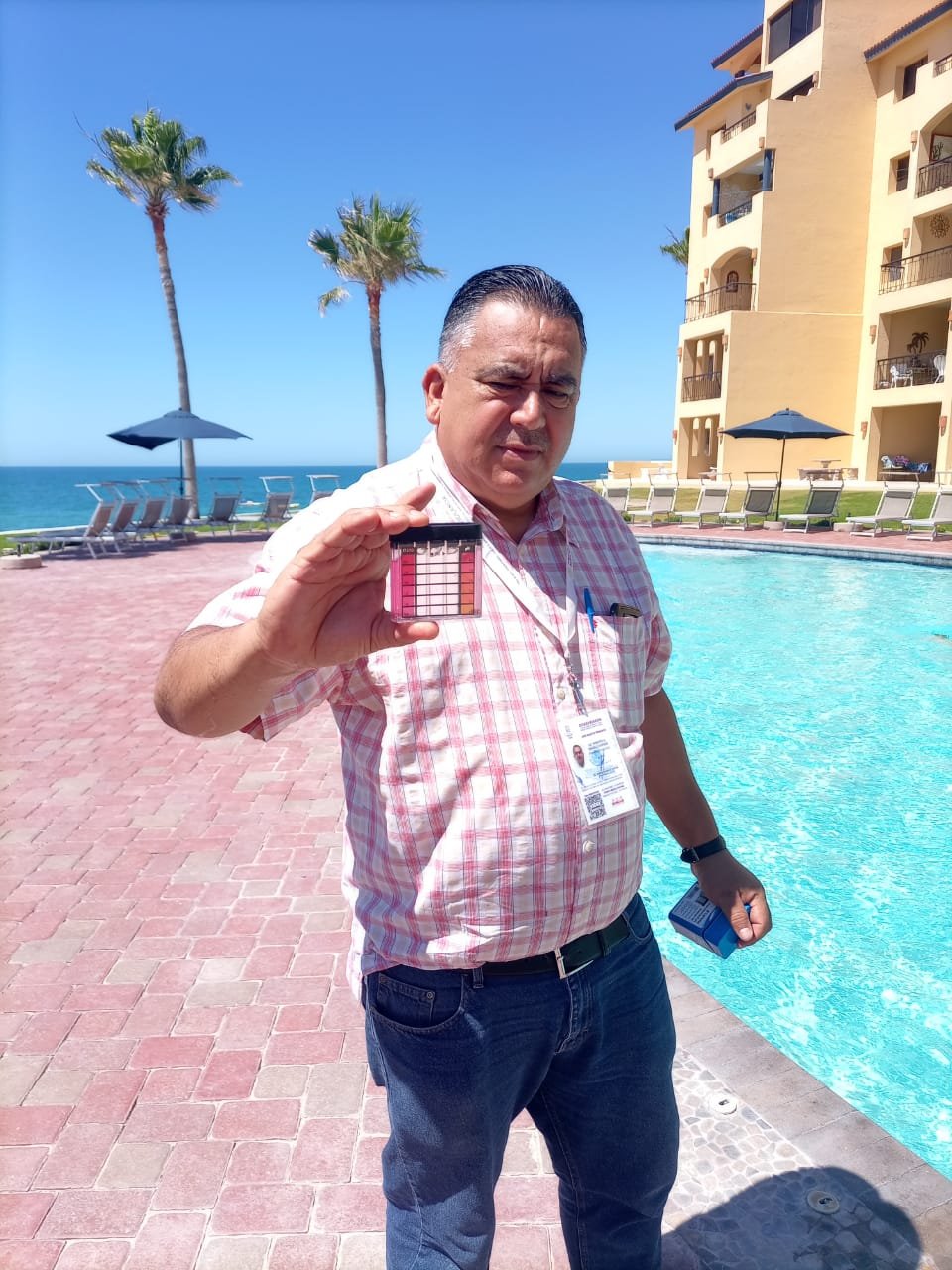
So far this summer, almost 80% of the pools and spas have been tested by the official inspectors and to date, no serious problems have been found, said Eduardo Aguirre Ruiz, Coordinator of the Cesprisson Sanitary Control Unit of Rocky Point.
The Development Coordinator of the Coesprisson Sanitary Control Unit specified that the negative bacteria and parasite test results are very favorable, and so far this year, no parasites have been detected. No sanctions have been applied to date this year
He said that of the 100 swimming pools that operate in this tourist destination, just over eighty have been tested, leaving about 20 to be checked for safety. He also commented that he is confident that the remaining pools and spas will bring the same good results from the testing. He indicated that this year testing is also being carried out on rental venues used for parties if there is a pool, to ensure that these are also healthy and do not represent risks for users.
He explained that no anomalies have been detected in the management of water and chemicals , and therefore, no problems been detected that warrant the suspension of activities.
Aguirre Ruiz clarified that the fact that no irregularities have been found does not mean that owners and managers can begin neglecting the pools. On the contrary, permanent surveillance will be maintained to ensure that they remain healthy and safe.
|
|
Tijuana-Puerto Peñasco Flights Proving Successful |
|
The Commercial flights with the Tijuana-Puerto Peñasco route have had positive results to date and have connected this city not only with all of Mexico but with other countries, commented Héctor Vásquez del Mercado, president of the Convention and Visitors Bureau (OCV).
Two months after the reintroduction of a commercial air route to Rocky Point, the flights have shown to be popular and the route appears successful. The OCV president promised that the city will continue to support the route in every possible way, because the improved connectivity is essential for this tourist destination.
He stated that they continue to work jointly with the State Tourism Promotion Commission, the Municipal Government, and with the various sectors of Peñasco to make the best possible use of the flight, which began on April 29. The Tijuana-Puerto Peñasco route, he explained, is not only a connection of this destination, but also with other parts of the world, opening Rocky Point to the entire world.
Vásquez del Mercado reaffirmed that to maintain the air connectivity of Puerto Peñasco, the effort of all sectors of this municipality is both required and beneficial, as it has a positive impact on this tourist destination, especially due to the direct connection with Tijuana, a very important business hub of national and international impact.
The president of the OCV reaffirmed that the agreement formalized last December with the Aero Calafia line for flights between Tijuana and Puerto Peñasco represents an important range of great possibilities for our city and they will continue to promote and support the route to help it continue to be successful.
The aircraft, with capacity for 50 passengers, takes off from the Mar de Cortés airport to Tijuana twice a week -Mondays at 11:15 a.m. and Fridays at 1:20 p.m. and from Tijuana to Peñasco on Mondays at 10:15 a.m. and Fridays at 11:45 a.m. The cost for the flight is $1249 pesos (about $65 USD).
|
|
Colorado River Delta in Mexico has been Reduced to a Dry Riverbed |
|
Beside a canal that runs through farmland, rushing water roared through an irrigation gate and flowed down a concrete culvert toward a wetland fringed with cottonwoods and willows.
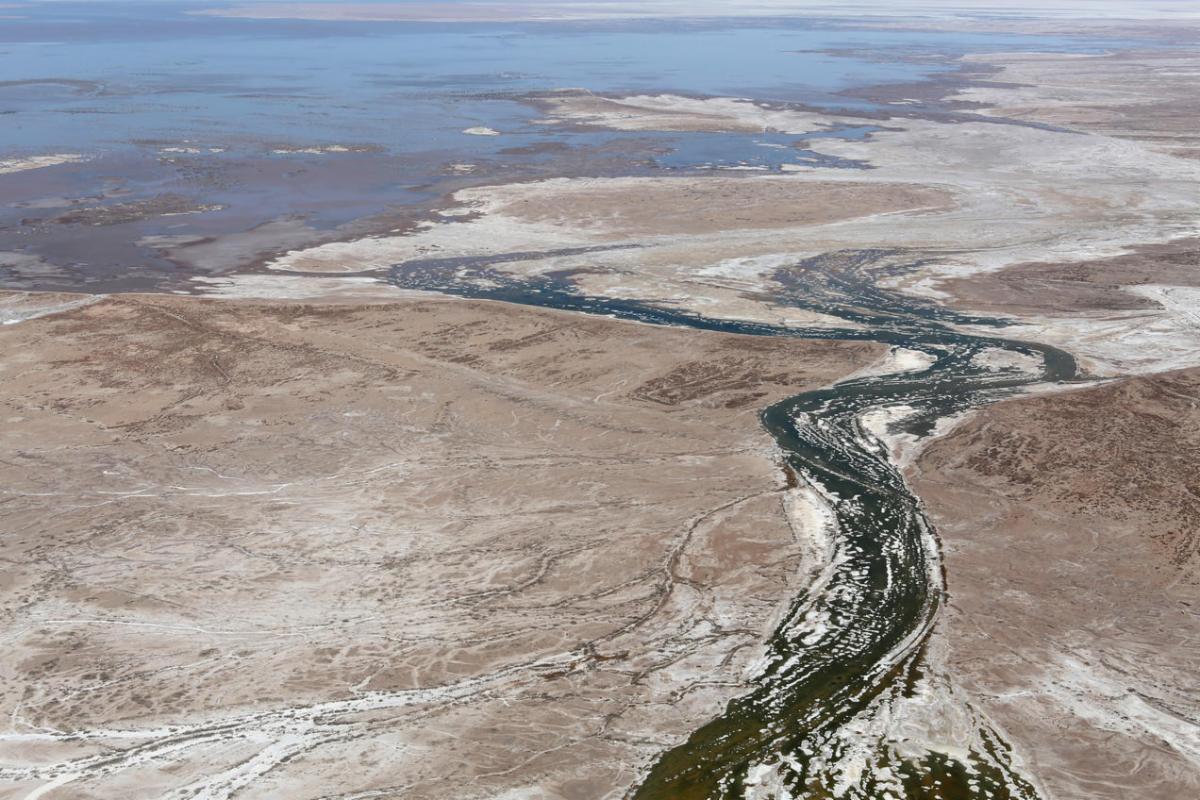
For decades, so much water has been diverted to supply farms and cities that the Colorado River has seldom met the sea and much of its delta in Mexico has been reduced to a dry riverbed, with only small remnants of its once-vast wetlands surviving.
Over the last eight weeks, water has been flowing in parts of the delta once again, restoring a stretch of river in Mexico where previously there had been miles of desert sand.
The water is being released from an irrigation canal to aid the delta’s parched environment as part of an agreement between the Mexican and U.S. governments and with support from environmental groups. Those who are involved in the effort say that even as severe drought and the warming climate sap the Colorado River, the initiative shows how small amounts of water can be used to benefit struggling ecosystems.
Water is released from an irrigation canal into a stretch of the Colorado River Delta in Baja California, Mexico. The flows, which began in May, have reached parts of the delta that are normally bone dry.
“The river was almost dead for so many years. And right now, this is a historic moment. We are connecting the river,” said Gaby González Olimón, an environmental education coordinator for the Sonoran Institute, one of six groups in a coalition called Raise the River.
She stood watching as the churning whitewater cascaded down the culvert toward the wetland.
This site, a habitat restoration area called El Chausse, is located in the southern portion of the delta, downstream from long stretches of a dry riverbed, and was chosen as a place where limited water releases would boost the ecosystem by nourishing vegetation and expanding habitat for wildlife. It’s one of a few sites in Mexico where conservationists have been restoring wetlands and forests along the path where the river once flowed.
Six years ago, workers removed invasive tamarisk trees at the site and planted a forest of native cottonwoods, willows, and mesquites. Those trees have grown rapidly and now drape the wetland in shade, attracting a variety of birds, such as yellow warblers, blue-gray gnatcatchers, and vermilion flycatchers.
|
|
New Landfill Cell Almost Complete |
|
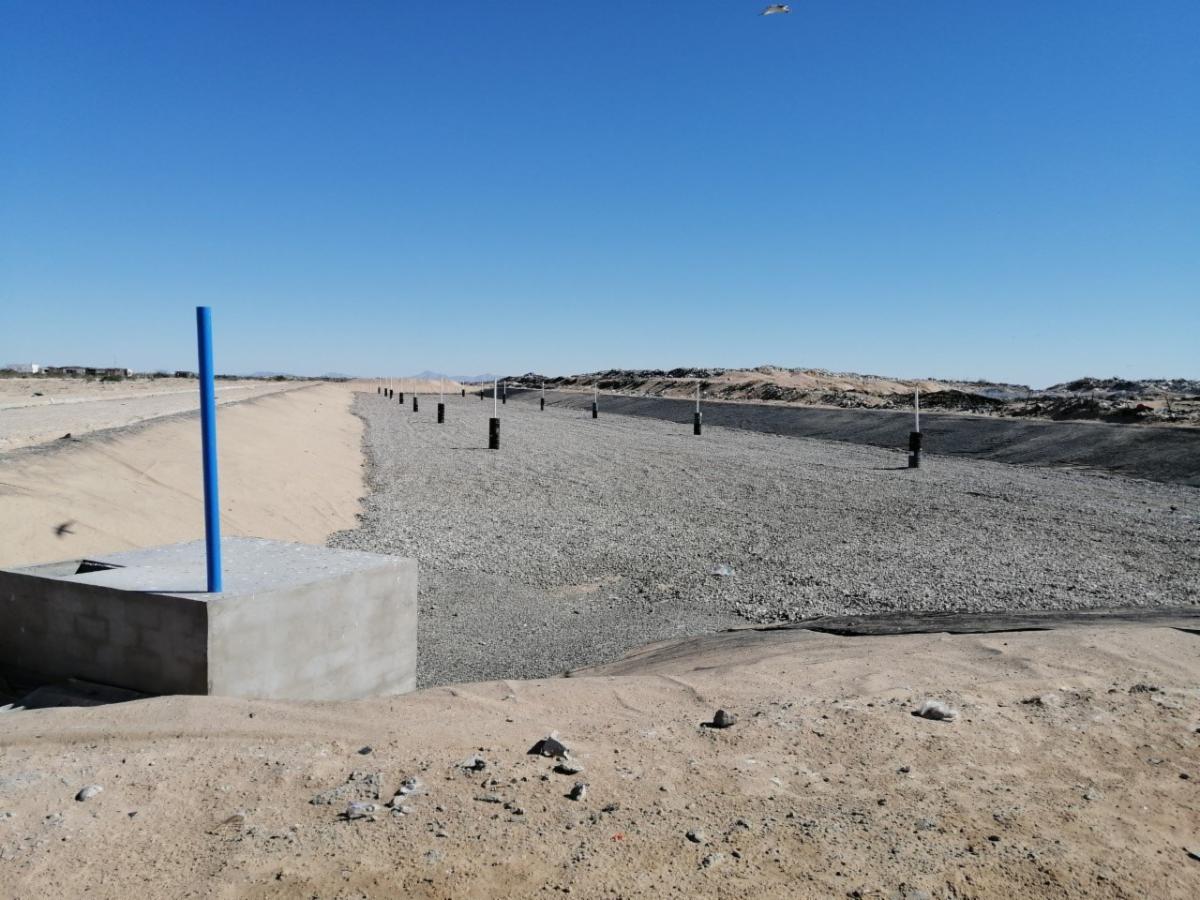
The new cell of the Puerto Peñasco landfill will be operational in a very short time and the materials have already arrived to build a perimeter fence around the cell. This will allow better control and operation of the facility, reported the director of the Operating Agency for the Comprehensive Management of the Municipal Cleaning Service (Oomislim), Gildardo Morales Barceló. The director specified that the perimeter fence had an addional expense of about $200,000 pesos, but it was decided that it was the best option.
Morales Barceló clarified that the newly built sanitary landfill cell will operate beginning this month, after the perimeter fence is fully built. The idea, he emphasized, is to achieve the best performance possible from this facility, which has the capacity to collect 90,000 tons of garbage and will have a useful life of at least three or four years.
The director of Oomislim confirmed that the efficient and proper disposal of the garbage generated by Puerto Peñasco is part of a plan to improve the cleanliness and sanitation of the city during the administration of Jorge Pivac (2021-2024), and this is one of the foundations moving forward. Oomislim has been in operation in Rocky Point since 1999.
He also mentioned that in February of this year, Mayor Jorge Pivac began building the new cell with updated sanitary landfill specifications and a capacity to collect 90,000 tons of trash. The project had an overall investment of nearly 9 million pesos.
|
|
Meet the Sonoran's Family of Beachfront Resorts |
|
US Coast Guard Rescues 2 Mexican Fishermen Who Spent 23 Days at Sea |
|
Two Mexican fishermen who said they had been adrift for 23 days have been rescued on the high seas by the United States Coast Guard more than 200 kilometers off the coast of Huatulco, Oaxaca.
“They survived by drinking rainwater,” said a Twitter update posted June 13 by the U.S. Embassy in Mexico. “The Coast Guard took them safely to Manzanillo” in the state of Colima.
They also survived by eating fish, a report in the newspaper El Universal said, and received medical attention after they were brought to Manzanillo, approximately 900 kilometers from where they were found in Huatulco.
El Universal also noted that, despite the rescue, port captains in the Oaxaca coastal areas of Huatulco, Puerto Escondido and Salina Cruz had not reported any missing fishing vessels recently.
The embassy did not provide any information about the fishermen’s home port, what type of USCG vessel was used in the rescue or how the adrift boat was located. The effects of the recent Hurricane Agatha, which hit the Oaxaca coast on May 30, might have been responsible for dragging the small boat further out into the ocean.
The U.S. Coast Guard operates in Mexico under a joint agreement that targets drug smugglers off the Pacific coast, according to the Associated Press. Much of the South American cocaine in the United States ends up first in Mexico by seafaring smugglers using fishing boats, skiffs, commercial cargo ships and even submarines. The USCG in Mexico also participates in search-and-rescue operations and responds to ships in distress.
|
|
Enchiladas, a Culinary Monument to Colonialism
|
|
When the Spanish conquistador Bernal Díaz del Castillo first entered the Aztec capital Tenochtitlán on 8 November 1519, he was amazed – not so much by the temples and palaces which dominated the city as by the food. He had never seen anything so rich, nor so unusual. The meals eaten by King Moctezuma II were especially dazzling. As Díaz recalled in his Historia verdadera de la conquista de la Nueva España (1576), 300 dishes were cooked for the monarch alone, while a further 1,000 were prepared for his guests. Served on platters of ‘red and black Cholula pottery’, these were of every imaginable variety. As well as ‘two thousand pots of chocolate’ and no end of fruit, there were ‘fowls, turkeys, pheasants, partridges, domestic and wild ducks, deer, peccary, reed birds, doves, hares, rabbits, and so many other birds and beasts that [Díaz] could never finish naming them’. There were even plates of human flesh – or so he had heard. But most striking of all was a little dish served between courses. Midway through the meal, Díaz wrote:
Two young women of great beauty brought the monarch tortillas, as white as snow, cooked with eggs and other nourishing ingredients, on plates covered with clean napkins.
Though rather short on detail, this is thought to be the earliest description of enchiladas in European literature. It was a turning point in their history. For no sooner had Díaz clapped eyes on them than they were launched on a voyage of transformation, which would see them become not only the deliciously meaty confections we know today, but also a culinary monument to centuries of colonialism, poverty and prejudice.
Chīllapīzzali
By the time Díaz arrived in Tenochtitlán, enchiladas were already of great antiquity. Corn tortillas – or tlaxcalli in Nahuatl – had been made in southern Mexico for several thousand years and had been a staple of Mesoamerican cuisine for centuries before the Spanish conquistadors arrived in the New World. At first, they were probably used as nothing more than an edible plate or spoon; but in time they came to be eaten as a wrap – often with a sauce or flavorings. As early as the preclassical period (c.2000-250 BC), the Maya of the Yucatán Peninsula are known to have dipped corn tortillas in pumpkin seeds, rolled them around a chopped, hard-boiled egg and then covered them in a rich tomato sauce. But the Aztecs were the first to develop the first ‘true’ enchilada. As its Nahuatl name, chīllapīzzali (literally ‘chili-flute’), suggests, its most distinctive ingredient was the chili pepper. This was ground up to produce a spicy paste, into which tortillas were dipped, then filled with beans, squash, fish, game, or eggs.
As Díaz’s account suggests, these early enchiladas – like tamales – were highly prized by the Aztec nobility. But they were also enjoyed by the common people and could be bought in markets throughout the Empire. Writing only a few years after Díaz, Bernardino de Sahagún gave a vivid description of a typical stall in his Historia general de las cosas de la Nueva España (1575-86). Laid out on the ground, Bernardino found chili-dipped tortillas filled ‘with shelled beans, cooked shelled beans, uncooked shelled beans; with mashed shelled beans; [with] chili and maize … with meat and grains of maize’ – and any number of other ingredients. All of these could be eaten with a range of sauces, some of them terrifyingly hot.
From Aztec to ‘Mexican’
Yet enchiladas were already beginning to change – and not for the better. Two years after Díaz had visited Tenochtitlán for the first time, Spanish forces under Hernán Cortés had seized the city and – amid scenes of almost unimaginable horror – brought the once proud Aztec Empire to its knees. What remained of its culture was systematically destroyed. Temples were sacked and palaces and records burnt. But the conquistadors were content to appropriate much of its cuisine – including enchiladas. From the Spaniards’ perspective, they were unusually appealing. Not only were they tasty, but they were also simple to cook – and could even be eaten on the march. They could also be adapted to Spanish tastes relatively easily. New ingredients were added, including cheese, pork and chicken; and spicy sauces came to be used in preference to the chili paste which had previously been the sine qua non of the Aztec version.
When Mexico became a fully fledged colony – as the Viceroyalty of New Spain – this hybrid enchilada became an integral part of its culinary culture. At first, of course, it was merely a curiosity which the colonists ate while looking for gold and dreaming of home. But in time, socio-economic shifts had turned it into a more potent object of pride, which testified to the gulf opening between New Spain and the Old. To those common folk whom intermarriage had bonded to the land, it seemed to encapsulate their new, half-Spanish, half-Aztec identity; while to those members of the colonial elites, whose ties to Iberia had been weakened by distance and wealth, it symbolized both their sense of ethnic superiority and their growing desire for autonomy.
So pronounced did this self-identification with enchiladas become that, when the yoke of colonial rule began to chaff in the mid-18th century, it started to shed its former associations altogether. Now seen as neither Spanish nor Aztec, it gradually took on the air of a distinctively ‘Mexican’ food – and, by the time independence was eventually declared in 1821, it had become the closest thing the new country had to a ‘national’ dish. Indeed, when the first Mexican cookbook was published in 1831, the author, Cristina Barros, was so proud of it that she included not one, but two separate recipes.
An American Odyssey
But enchiladas were not to remain purely ‘Mexican’ for long. When the US annexed Texas (1845), California and the South-West (1846-8), Mexican dishes began to find their way into American culture – laying the foundations for what would eventually become known as ‘Tex-Mex’ cuisine. Enchiladas were at the forefront of this process. Cooked on makeshift stoves, or bought from roadside stalls, they quickly became a favorite lunch food among hard-up farm hands and factory workers. To accommodate different tastes and budgets, they were also given a distinctive twist. Meat became less common; inexpensive, locally grown ingredients, such as lettuce and onion, were added; and the importance of chili was somewhat reduced.
By the mid-1870s, enchiladas had begun to feature in regional recipe books. The earliest appears in the Centennial Buckeye Cook Book (1876), a rather curious volume aimed at poor families. Contributed by Anson Safford, the territorial governor of Arizona, this was a model of homely goodness:
Put four pounds of corn in a vessel with four ounces lime, or in a preparation of lye; boil with water till the hull comes off, then wash the corn … bake the meal in small cakes called ‘tortillas’, then fry in lard; take some red pepper ground, called ‘chili colorad’, mix it with sweet oil and vinegar, and boil together. This makes a sauce into which dip the tortillas, then break into small pieces cheese and onions, and sprinkle on top the tortillas, and you have what is called ‘enchiladas’.
Such recipes were, however, the exception rather than the rule. Though Mexicans lived and worked alongside Americans of all stripes on the frontier, they continued to be regarded with hostility by European settlers and coastal elites. This found expression not only in crude racial slurs, but also in disparaging attitudes towards Mexican cuisine – especially enchiladas. Typical was the description offered by a visitor in 1883. Enchiladas, the traveler explained, are:
greasy tortilla sandwiches, containing chilies and a number of other uninviting looking compounds and other nasty messes, [which] are sold everywhere, filling the air with a pungent, nauseous smell.
Not until the early 20th century did enchiladas gain wider acceptance. Although anti-Mexican sentiments continued to run high in some areas, increased migration to northern states coupled with greater prosperity and the growing importance of cities with particularly large Mexican populations – such as San Antonio – had conspired to mitigate the disdain felt for Mexican foods by the end of the First World War. In the early 1920s, enchiladas were being served in a growing number of restaurants, especially in southern states, and – heaped with a more lavish selection of ingredients – had at last become the object of culinary desire.
Soon, people were clamoring for a taste. Among them was Louise Lloyd Lowber, a budding food writer. In 1921, she admiringly described how enchiladas were prepared at the ‘famous Enchilada House in Old Albuquerque’ for well-heeled readers. A tortilla, she recounted, was first placed in the middle of a large plate, then a flood of rich, red chile and more cheese, sprinkled between in layer-cake fashion, and the whole topped off with a high crown of chopped onions in which nestles an egg, which has been broken a minute into the hot lard. An artistic and cooling garnish of lettuce – and behold an enchilada.
Since then, the popularity of enchiladas in the US has only grown – so much so that, today, there is hardly a town where they cannot be found.
Mexican Again?
The ‘Americanization’ of enchiladas has, however, not always met with the approval of Mexicans – least of all in Mexico itself. Motivated in part by a resurgence of nationalism, they have often denigrated the hugely calorific versions favored by modern estadounidenses as inauthentic aberrations and called for a reversion to the simpler recipes of the past.
CHICKEN ENCHILADAS
prep time: 15 MINUTES
cook time: 45 MINUTES
total time: 60 MINUTES
yield: 8 SERVINGS
INGREDIENTS
2 tablespoons avocado oil (or olive oil)
1 small white onion, peeled and diced
1 1/2 pounds boneless skinless chicken breasts, diced into small 1/2-inch pieces
1 (4-ounce) can diced green chiles
sea salt and freshly-cracked black pepper
1 (15-ounce) can black beans, rinsed and drained
8 large flour tortillas
3 cups Mexican-blend shredded cheese
1 batch red enchilada sauce
optional toppings: fresh cilantro, chopped red onions, diced avocado, sour cream, and/or crumbled cotija cheese
INSTRUCTIONS
Prep oven and enchilada sauce. Preheat oven to 350°F. Prepare your enchilada sauce.
Sauté the filling mixture. In large sauté pan, heat oil over medium-high heat. Add onion and sauté for 3 minutes, stirring occasionally. Add diced chicken and green chiles, and season with a generous pinch of salt and pepper. Sauté the mixture for 6-8 minutes, stirring occasionally, or until the chicken is cooked through. Add in the beans and stir until evenly combined. Remove pan from heat and set aside.
Assemble the enchiladas. To assemble the enchiladas, set up an assembly line including: tortillas, enchilada sauce, chicken mixture, and cheese. Lay out a tortilla, and spread two tablespoons of sauce over the surface of the tortilla. Add a generous spoonful of the chicken mixture in a line down the center of the tortilla, then sprinkle with 1/3 cup cheese. Roll up tortilla and place in a greased 9 x 13-inch baking dish. Assemble the remaining enchiladas. Then spread any remaining sauce evenly over the top of the enchiladas, followed by any extra cheese.
Bake. Bake uncovered for 20 minutes, until the enchiladas are cooked through and the tortillas are slightly crispy on the outside. Transfer the baking dish to a wire baking rack.
Serve. Serve the enchiladas immediately while they’re nice and hot and melty, garnished with lots of fresh toppings. Enjoy!
Storage instructions: Leftover (cooked) enchiladas can be transferred to a sealed container and refrigerated for up to 3 days or frozen for up to 3 months.
|
|
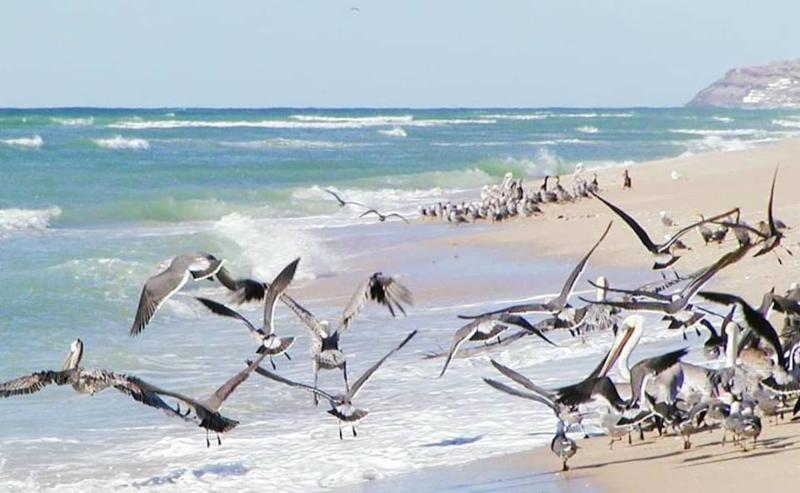
Easily the most ubiquitous bird around our little slice of paradise by the sea is the seagull. Not long after walking the beach regularly you’ll begin to notice slight differences among what you thought were probably one species of seagull. In fact there are dozens of species that call our beaches home most of the year, and even one endemic to the Sea of Cortez, the Yellow-footed Gull distinguishable by its white head, bright yellow beak with a red spot under the tip and bright yellow legs.
Although known by most in coastal cities more as pests than graceful, intelligent, skillful seabirds, the seagulls we come across along the beaches of Puerto Peñasco are primarily in the latter category, though DSC07761not without their quirks and uniqueness among seabirds.
Here are just a few of those facts that make the seagull interesting among its winged peers:
Seagulls are monogamous creatures that mate for life and rarely divorce. They have a strong societal structure that works very effectively against predators to their breeding colonies, as they will gang up on the intruder with up to a hundred gulls and drive them away, on occasion even driving them out to sea to drown.
As parents, seagulls are attentive and caring, with both involved in incubating the eggs as well as feeding and protecting the chicks until they fledge.
Seagulls are one of the few species of seabirds that can survive drinking salt water, enabling them to venture far out to sea in search of food when necessary. This is made possible by a special pair of glands just above the eyes that flush the salt from their system out through their nostrils.
Seagulls have excellent vision, better than human vision in fact, and they are one of the few birds with eyes that can move in their sockets.
Seagulls are expert fliers, having mastered control of wind and thermals, sharp directional changes, climbs and dives. They are a marvel to watch on windy days as they hover motionless using the wind and their superb vision to study the sea life below for potential prey.
Seagulls’ intelligence is best demonstrated by their developed Heermann's Gull feeding methods, such as dropping clams or other hard-shelled mollusks onto hard rock surfaces to break them open. They also teach their young this maneuver and other creative methods of hunting, showing the intelligent ability to pass skills to others.
Studies have shown seagulls to have a highly developed, complex communication system using a wide range of vocalizations and body movements.
The seagull is the state bird of Utah with very good reason. They helped the Mormon settlers deal with a plague of crickets that well may have prevented them from settling Salt Lake City. The event is known as the “Miracle of the Gulls.”
Seagulls, particularly the Heermann’s Gull, are relentless kleptomaniacs that have developed many clever ways of stealing the catch of other seabirds. You’ve surely seen it happening but may not have known what was actually going on. Ever notice that there are always a couple of seagulls hanging around the pelicans while they are hunting and plunging for food? These devious gulls know that the pelican must drain the water from its beak before it can swallow its catch. During that process the gull will go for any exposed part of the fish and take what it can get until the draining process is completed. Seagulls also use their flying skills to pluck fish from birds in flight, or use truly fascinating maneuvers to pester them until they drop the food which the gull will catch before it hits the water.
Seagulls are fun to watch and fun to study as a birdwatcher if you’re into that sort of thing. Once you’ve identified what you think are all the species around the beach, you’ll still find more around because they seem to cover most of the Sea of Cortez from end to end and drop in on each other from time to time. Well, who could resist stopping at one of our soft sandy beaches, after all? Enjoy!
|
|
Sonoran Sales Group - The OFFICIAL sales team for Sonoran Resorts!
We are Rocky Point's one and only exclusive and dedicated team who have always, and will always, sell Sonoran Resorts and ONLY Sonoran Resorts!
If you are looking for a team of real professionals who specialize in Puerto Penasco's best family of "True Beachfront" resorts, you've found us, and we are here to serve you.
Whether Buying or Selling, no one can serve you better when it comes to the Sonoran Resorts. We have been here since the beginning, and we will be here for you when you need us.
Our In-House closing team will make things happen quickly and professionally and we will save you money. Our attorneys are on salary and no additional attorney fees are charged to our clients. Loyalty to the Sonoran Resorts Sales Team is both appreciated and rewarded!
We don't just sell the Sonoran Resorts, we ARE the Sonoran Resorts. We work directly with the Developers, the HOAs, and the Rental companies.
We really can help you in ways that no one else can.
|
|
Let me know if you would like links to any of the earlier ones. (Almost 10 years worth)
|
|
Just for the fun of it... |
|
Jim Ringquist
rockypointjim@gmail.com
|
|
|
|
|
|
|