|
Sonoran Resorts
July 2023 Newsletter
| |
|
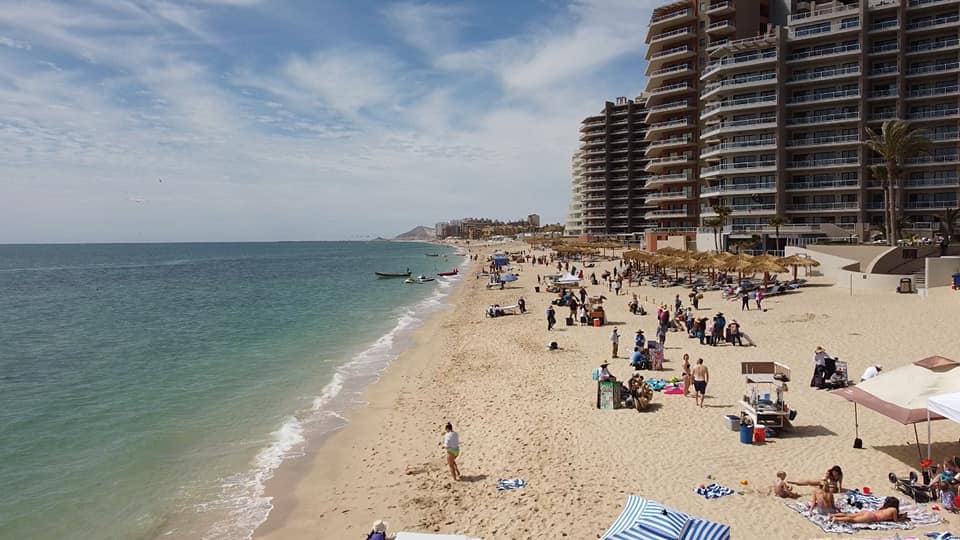
Summer is officially here, but the weather is really not too bad yet. Any time now though, the humidity will kick in and that makes all the difference. But, as I always say, just jump in one of the pools or into the ocean. Or, hang out in one of the numerous venues that keep it nice and cool if you’re not a fan of the hot summer. Plenty of people obviously don’t mind, because summertime is always busy here and there are always a ton of things going on around town, in the Malecon area, and on Sandy Beach.
June brought many fun events and a ton of people to town. Circus Mexicus was the highlight and, as always, the event sold out just about every condo on Sandy Beach. Fun was had by all once again and after so many years of the event in Rocky Point, it seems to get bigger and better every year. Roger and crew are going strong and we all look forward to his next show in town. If you have never been to Rocky Point during Circus Mexicus, add it to you list of things you have to do. You will be glad that you did.
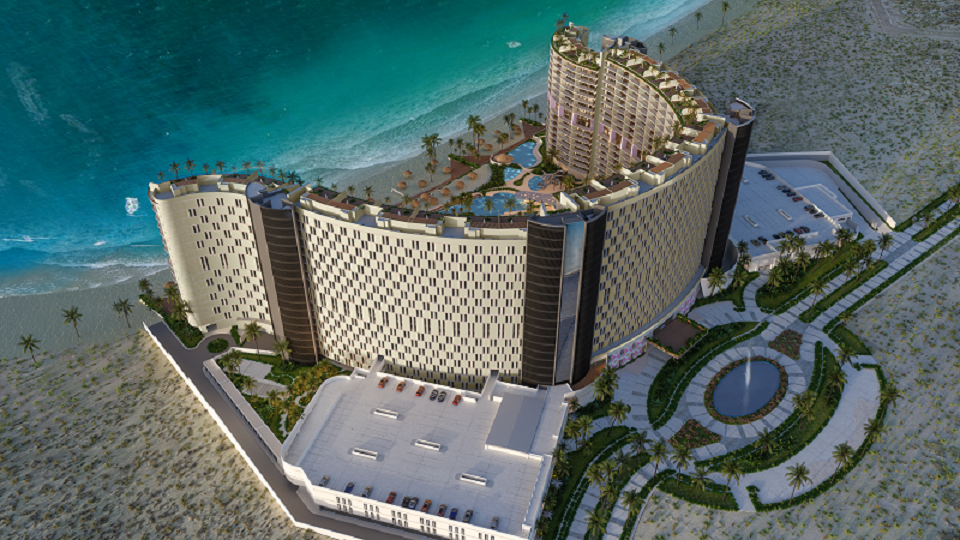
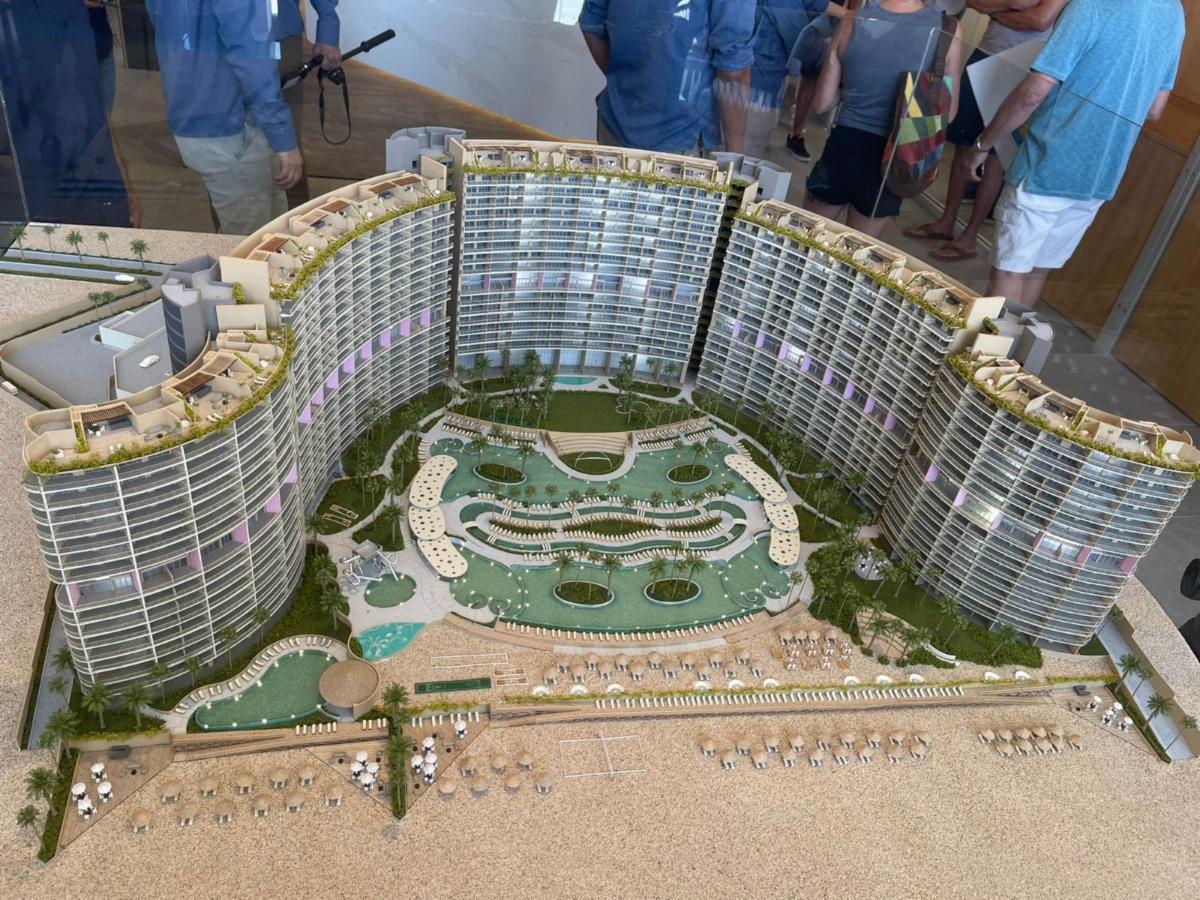
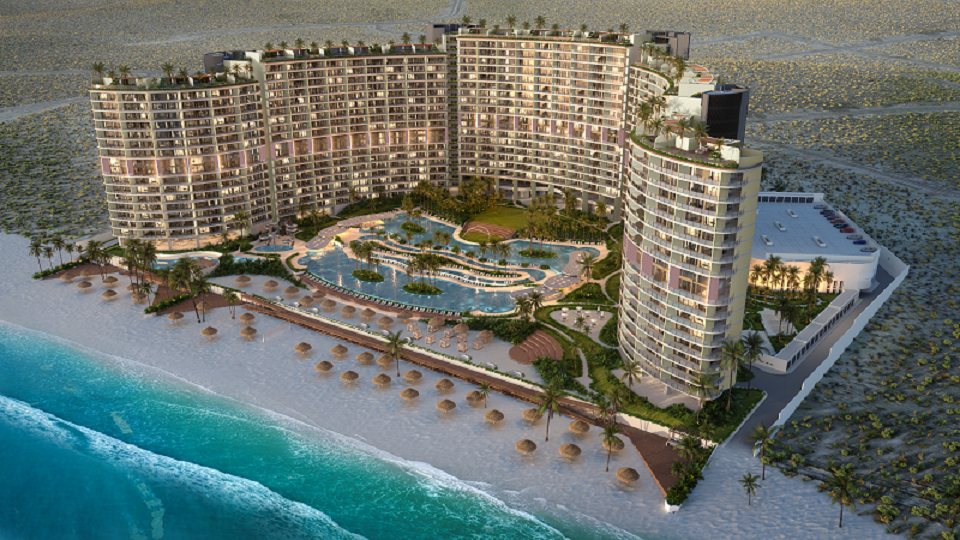
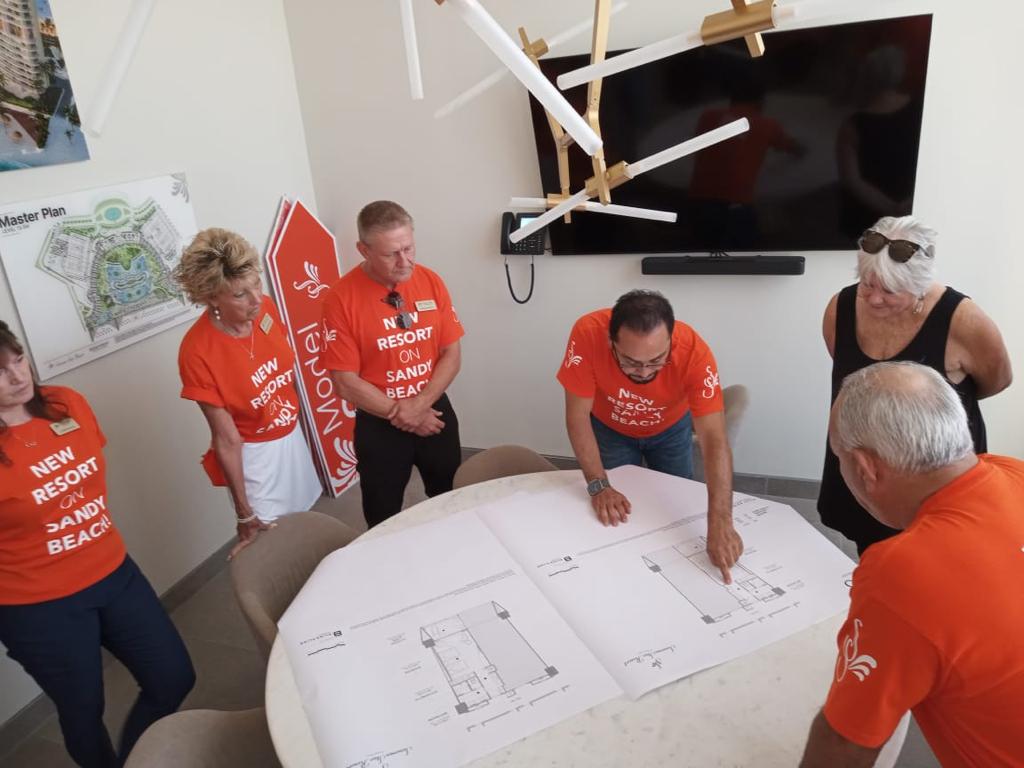
Today marks my 13-year anniversary with the Sonoran Resorts. It's hard to believe that I have been with this company so long, but it has been a wonderful experience and I hope to stick around for a long time to come. Much has changed in those years (including me getting older), with the biggest change happening just this year – the new Sonoran Star Resort. Yesterday was also my birthday, and I got quite a nice surprise when the corporate and sales staff came to our Star sales office to congratulate me. It was so nice and it is just wonderful that everyone in this company gets along so well and supports each other. Another great surprise was a very busy day with a lot of condo sales. Really, if you would like to get in on building #1 of the Star, you should get ahold of one of our sales agents soon.
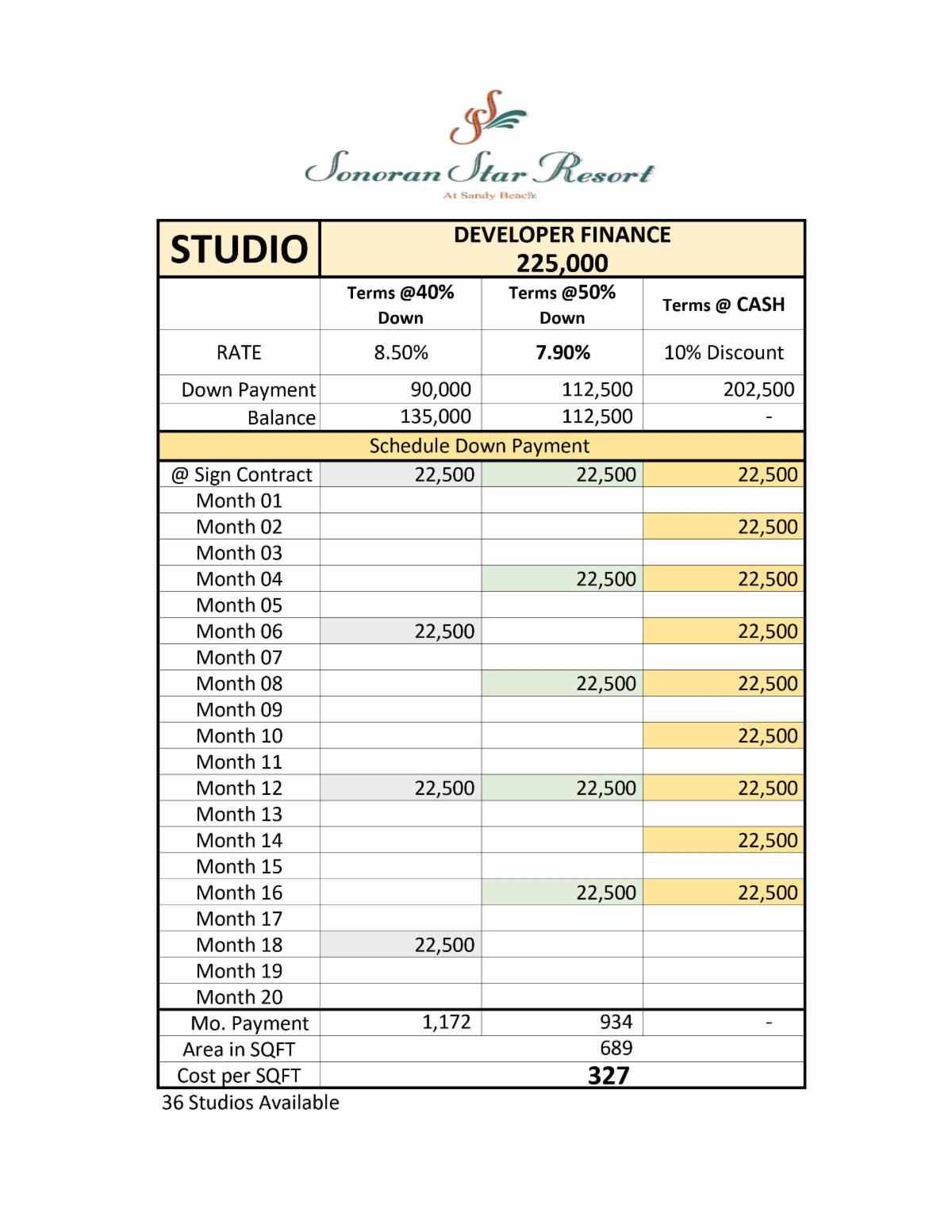
I did send out an email yesterday announcing the new Sonoran Star studio condo option and explaining some changes and upgrades to the plans. The new condo style it has proven to be very popular already. We will have a very LIMITED number so if that is something that you are interested in, I would recommend that you move on it right away. This email goes out to the same list of people that I sent the email to yesterday, but if you did not receive it for whatever reason, or if you would just like to read it again, here is a link: https://conta.cc/3PBJbvE
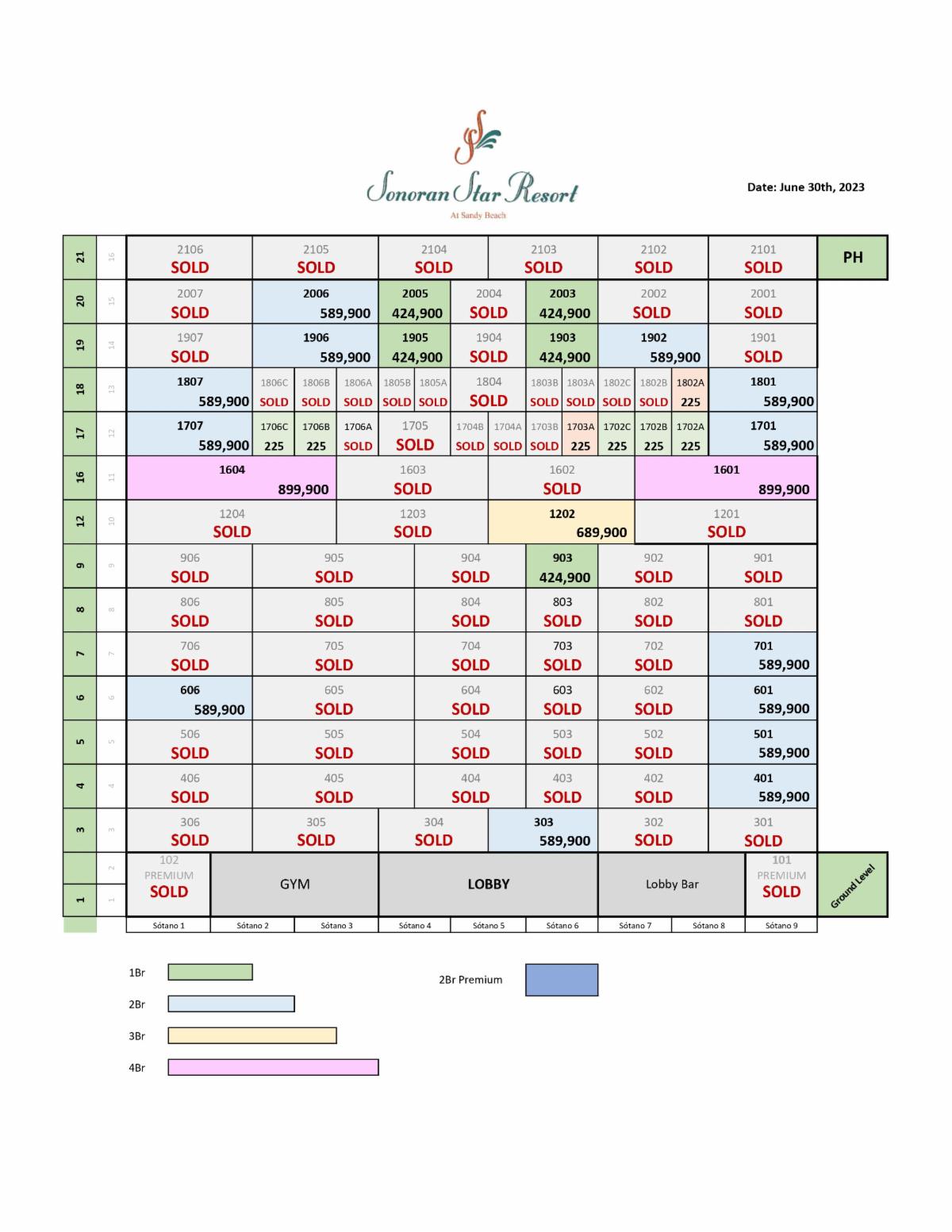
If you want to compare the grid of Tower #1 from my email yesterday at about 3:00 pm, to what it was when I wrapped up this newsletter at about 9:00 pm, here is the latest. Seven condos in 6 hours means that if you want one, it's time to give us a call :)
|  | |
|
Enjoy this beautiful month, come to Rocky Point if you can, and if you need anything don't hesitate to ask. Let me put my experience and expertise to work for you, and remember, as always, I've been here full-time for over 15 years and I am more than happy to help you with whatever you need, whether Sonoran Resorts related or not.
Just give me a call or send me an email any time and I will do my very best to help you. If I can't help you myself, I'm sure that I can point you in the right direction and help find you someone who can.
Besides the links below, you can our listings at the following:
www.sonoranresorts.mx
www.sonoranresortsresales.com
AMPI Puerto Penasco MLS
Point 2 Agent Multinational MLS
Pick up a handout at any of our Sonoran Resorts
Scottsdale Barrett Jackson Show
Various Real Estate and Trade shows in AZ, NV, and CA
| |
|
IMPORTANT: Some email providers cut this newsletter off before the end. If that happens on yours, please scroll to the bottom of this email and click "View Entire Message" to see the entire newsletter.
Sincerely, Jim Ringquist
Broker/Sales Director
Sonoran Resorts Spa - Sea - Sun - Sky - Star (coming soon)
602-476-7511
rockypointjim@gmail.com
www.SonoranResorts.mx
President/Volunteer
Tourist Assistance Unit Advisory Committee (Tourist Assistance Police)
602-774-1777
www.touristassistancerockypoint.org
touristassistancerockypoint@gmail.com
I hope that you enjoy my newsletter and continue to recommend it to your friends. Please feel free to give me thoughts, suggestions, or ideas for future newsletters. Puerto Peñasco is my home and I love to share the news and goings-on with you.
I do get email requests each month asking me to add someone to my list. While I certainly don't mind doing so, all you really need to do is click Sign-Up for Newsletter below, add the email address, and it will happen automatically. Not to worry - I will not spam you or share your email address, and you will only receive one email-newsletter each month on the 1st.
| |
|
Exclusively Serving the Sonoran Resorts
Buy & Sell Direct and SAVE!
23 Years Experience on Sandy Beach
Four Fully Completed Beachfront Resorts
We Have Earned Our Stellar Reputation
Your Only Logical Choice when Buying
or Selling a Sonoran Resorts Condo!
| | | |
Resale Listings at the Sky, Sun, Sea, Spa | |
The Sonoran Star Build Progress Has Begun - Now it Really Gets Exciting! | I will send updates as we move forward with progress reports of the construction and with any and all important information about our fabulous new resort. Feel free to reach out to me or to any of our sales agents to request more information or to schedule a time to come and tour our model condo and the beachfront location. | |
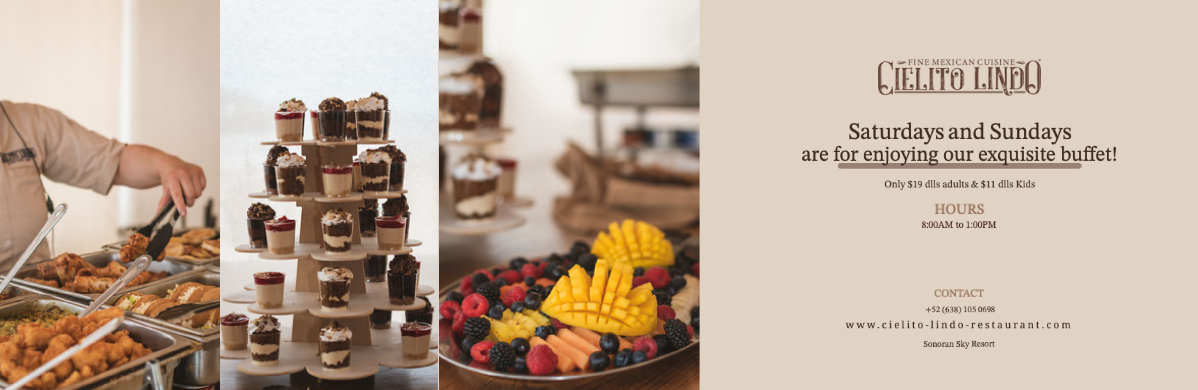
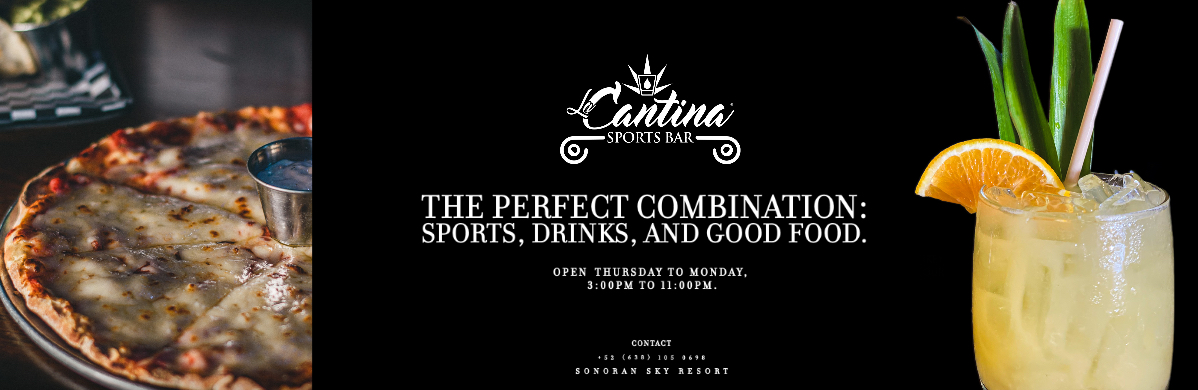
Food and Drink at the Sonoran Sky Resort:
| |
The 2023 Turtle Nesting Season has Begun - Please Report any Sightings of Nests |  | |
The 2023 sea turtle nesting season on the beaches of Puerto Peñasco has begun and Zofemat has issued an alert to the agency so that they can be prepared to find, collect, care for, and release the baby turtles at the proper time. They have also asked the public to be on the lookout for turtles digging on the beaches to lay eggs, nests that already have eggs, and any other turtle activity that seems important or unusual. It is important to preserve the nests in an undisturbed state until the appropriate personnel can take appropriate actions to help ensure that those eggs will become baby turtles which can be released back into the Sea of Cortez.
Luis César García González, the director of the Federal Maritime Terrestrial Zone (Zofemat) stated that, in view of the start of the season, it is important that people who have sightings on the coast report them by calling 911, and to do their best to ensure that they are not disturbed. The TAU will send officers to take control of the site and to protect it until Zoefemat marine biologists can remove them for artificial incubation.
He stated that, in 2022, the sea turtle nesting season concluded with the detection of five nests, three in August and two in September, with the collection of 423 eggs for artificial incubation to ensure hatching and subsequent release of the hatchlings.
He also explained that work is being done in coordination with Profepa, the Vidanta Group, the Intercultural Center for the Study of Deserts and Oceans, the Clean Beaches Committee, and the condo and housing developments themselves. This helps to ensure that they can detect the nests and comply with the protocols when the turtles arrive at the local beaches to complete their reproductive cycle, something that normally occurs between July and October in Puerto Peñasco.
García González recalled that a couple of years ago the Participatory Environmental Surveillance Committee was integrated as part of the process meant to ensure that Puerto Peñasco is accredited as a Tortuguero Center, since they have already been nesting and releasing sea turtle hatchlings for several years.
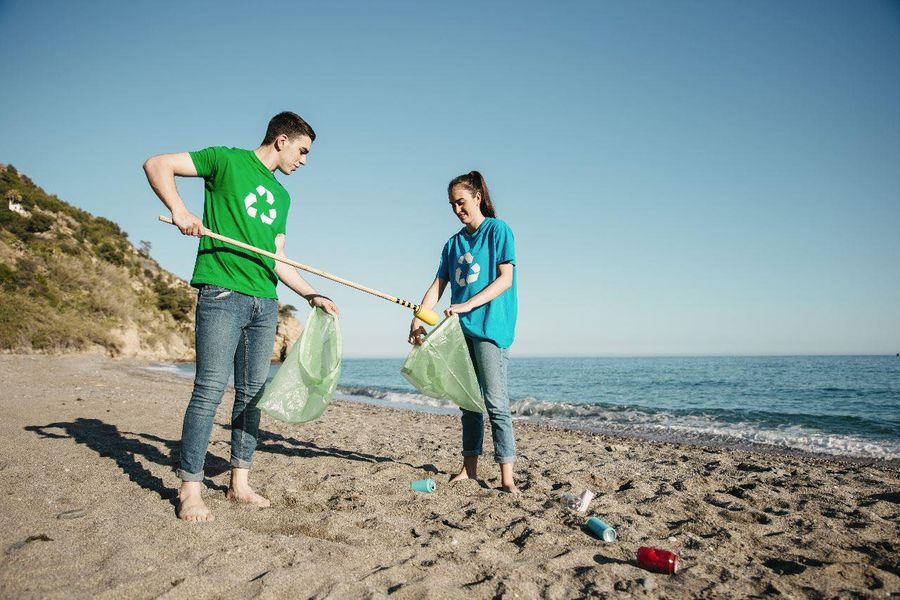
The director of Zofemat pointed out that the Municipal Government and the Clean Beaches Committee are also committed to protecting sea turtles and to continue instilling in society the importance of being agents of change in order to improve the living conditions of the new generations and the planet.
| |
The monument to El Pescado de Puerto Peñasco will be Reinstalled in the El Puerto Neighborhood | |
 | |
In an interview with the newspaper La Prensa, José Luis Montijo Towers, director of Municipal Public Works, said that with their own resources in an amount that he did not detail, some modifications had to be made to the base which had already been built, at the corner of Benito Juárez Boulevard and Alcántar Street.
In addition, he said that the El Pescado monument itself was sent to a workshop for restoration and maintenance.
He confirmed that the new point where the sailfish will be relocated does not generate any conflict for the flow of cars, as well as being a more representative site for the fishermen of Puerto Peñasco compared to the previous location.
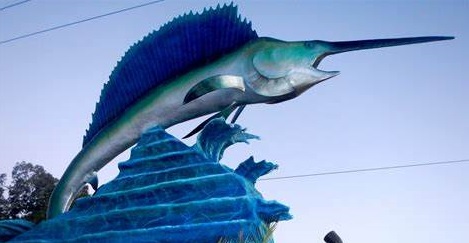
The iconic 6 by 2.5-meter sailfish sculpture was removed from its initial location on 13th street and Benito Juárez boulevard because a technical opinion revealed that it presented risks for road traffic.
This was reiterated today by the director of Municipal Public Works, Edgar Eduardo Soto Lara, who said that it was never a question of replacing the iconic 6 by 2.5-meter sailfish sculpture, but of doing what is necessary to guarantee the safety of those who pass through the area where it was initially built, and this coming change will achieve that purpose.
The statue was removed in December 2022, in compliance with the agreement issued by the Puerto Peñasco City Council. The monument to "El pescado" was removed from its site on 13th street and Benito Juárez boulevard solely to be moved to the new location.
Initially, the plan was to replace the statue in the same location, but with a new metal structure base intended to improve visibility in the area, however, after further reivew, it was decided that it would be relocated on Benito Juárez Boulevard and Alcántar Street because it was decided that it does not represent any risk there for vehicles or pedestrians.
| |
|
Potpourri!
Short Shorts of All Sorts!
Sometimes so much is going on in our little slice of paradise by the sea that we can't address the many short subjects with proper attention. To handle the hodgepodge of dangling subject matter, we invented the Potpourri Page. Here are a few "short shorts" to keep you up to date.
| |
|
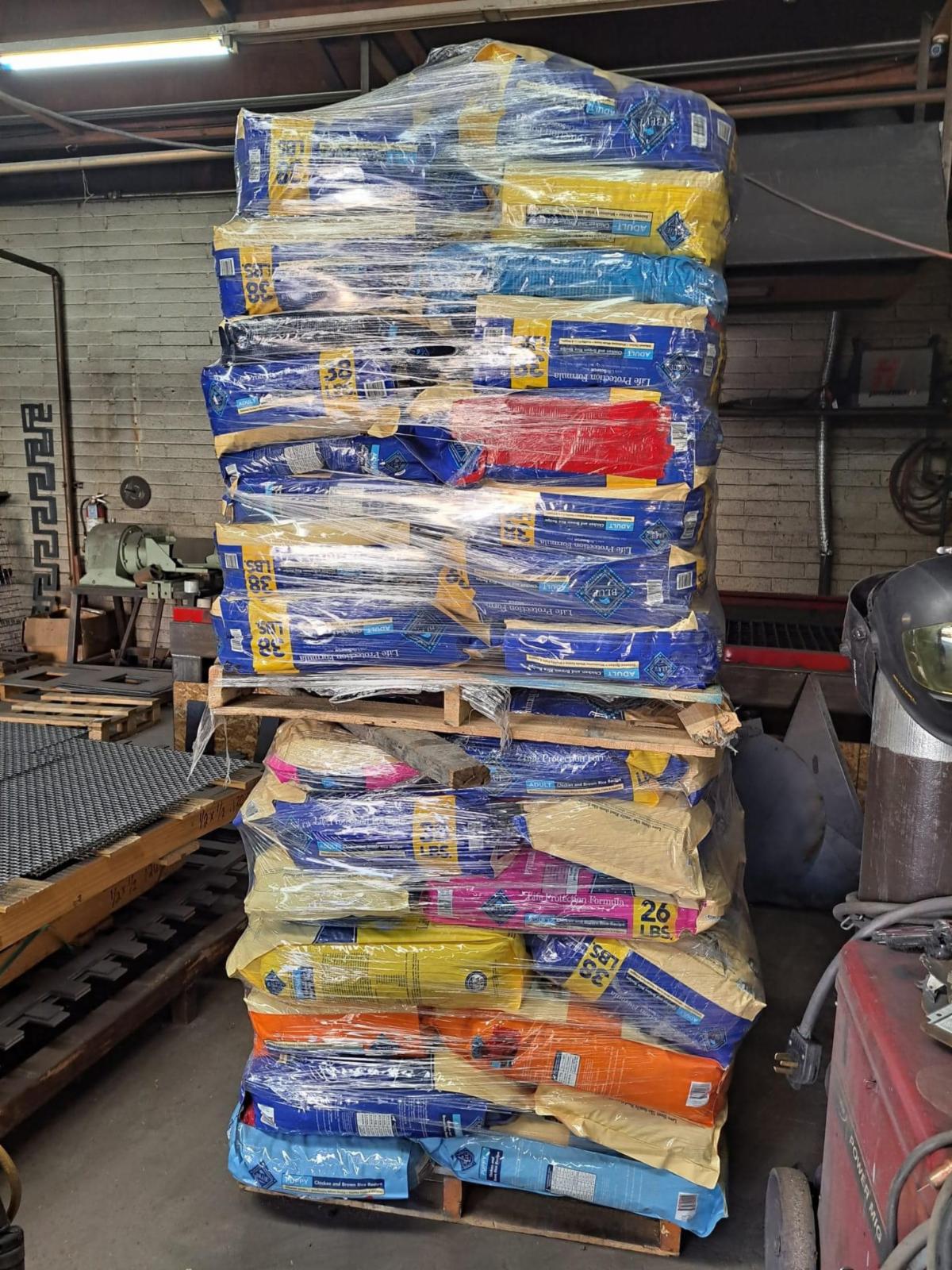
Four of these pallets were delivered to The Why Not Travel Store on Wednesday June 28th!!
Headed to Rocky Point soon?? Please stop by The Why Not Travel Store and help us bring this much needed food to #BarbsDogRescue.
| |
| |
|
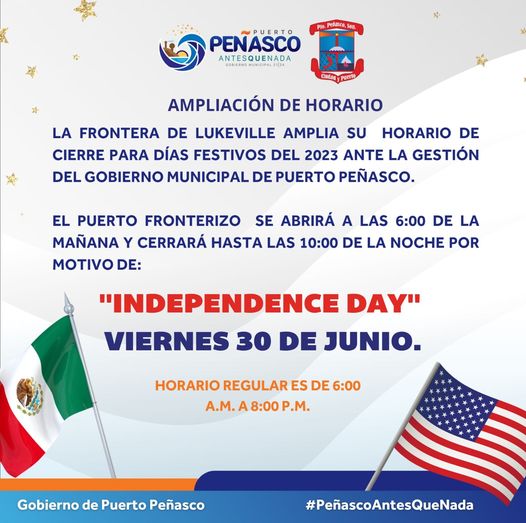
Remember that the border hours will be extended for this holiday period and will close at 10:00 pm instead of the 8:00 pm time that was adopted during the Covid period, after which the "normal" hours of 6:00 am to midnight were not readopted. | |
Summer Tourism Continues to Benefit Puerto Peñasco | |
|
The beginning of the summer tourism vacation season is going very well, and expectations are that we will meet or exceed the past two years. Since each year, more and more activities are offered and our little paradise by the sea gains in popularity, we can expect businesses to do well and condos and hotels to have good occupancy, reported Manuel Palacio Jiménez, local restaurant entrepreneur.
He commented that the summer visitors generate much of the necessary influx of money into town, allowing all service providers to do well. Hotels and restaurants are usually the first ones to note the flow of tourists and then the impact passes down to employees, vendors, taxis, curio shops, employees, and others.
“I am aware that promotions are already being carried out to see the projection that they are going to do outside our country, abroad, which is the classic season of North American tourism that begins in October, and obviously during that time, the promotion effort is directed there” he expressed.
On the other hand, Manuel Palacio said that the main challenge of this port is not only to attract more tourism, but also to attract a sector of the population with greater purchasing power which will generate a greater economic benefit to local businesses and population, thus significantly improving the lives and economic situation for the residents of this beach destination.
"For this to happen we have to have a better city, a city with better roads, a better urban image, tourist-friendly routes, lots of lighting, parking areas, so that people can go for a walk at night, go out with the family," he acknowledged.
Palacio Jiménez pointed out that the summer vacation season concludes at the end of August, when children go back to school. Tradionally, much of the summer tourism comes from within Mexico, mainly from Chihuahua, Sinaloa, Sonora, Baja California, but also from the southern from United States.
| |
Private Citizen Donates Beach Wheelchair to the City for Public Use | |
|
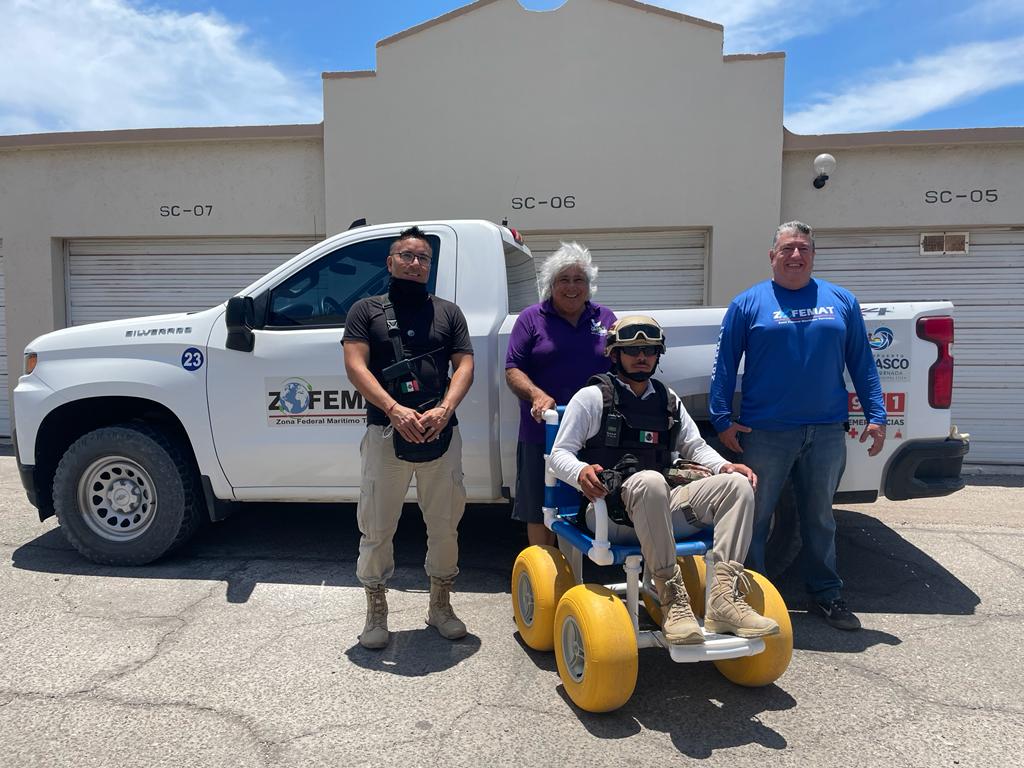
Everyone’s friend and Mystic Whale Tours operator, Tony Ballesteros, created and donated a special wheelchair designed for handicapped people so that they can enjoy the beach. As of last weekend, the chair was already being used and enjoyed by disabled residents and tourists.
The new device was donated to the TAU and they city by Mr. Ballesteros, who gives acknowledgement to the generous contributions from various friends and the altruism of organizers of the recent Roger Clyne Circus Mexicus Show, and to the assistance and coordination of Rocky Point 360 Owner and Reporter, Sami Keesecker.
César García González, director of the Federal Maritime Terrestrial Zone, and Carlos Bravo Martínez, director of the Tourist Auxiliary Unit, received this specialized wheelchair which is designed to be used on the beach sand for the comfort of people with disabilities.
García González expressed sincere gratitude to Mr. Ballesteros for this donation, which will be operated by personnel from the Tourist Auxiliary Unit and which is already available to users of the beaches of Puerto Peñasco. He stressed that this will allow people with disabilities to move safely through the sands of the beaches and thus be able to reach areas nearer the sea which were unavailable to them prior to the donation.
"With these types of actions between private society and government we continue to allow the public to enjoy more and more of the spaces of our beautiful Puerto Peñasco" he stressed.
Carlos Bravo, director of the Tourist Auxiliary Unit, remarked that this specialized wheelchair for sand already begun operations last at the South access to Playa Hermosa, between Las Gaviotas condominiums the location of the new Sonoran Star Resort.
He explained that this equipment is available only during the day and a registration form will need to be completed prior to its use. The chair is designed only for areas on the beach and in the sand and is not designed to be used in the water. After use, the chair must be returned to where it was picked up. There are TAU officers who are available for those who need extra help.
Bravo Martínez affirmed that this additional inclusive beach service in Playa Hermosa is a welcome addition to the amphibious chair that has been operating since August 2020 and that was donated by the Mar de Peñasco Rotary Club.
| |
Puerto Penasco Fire Department Receives Needed Vehicles | |
|
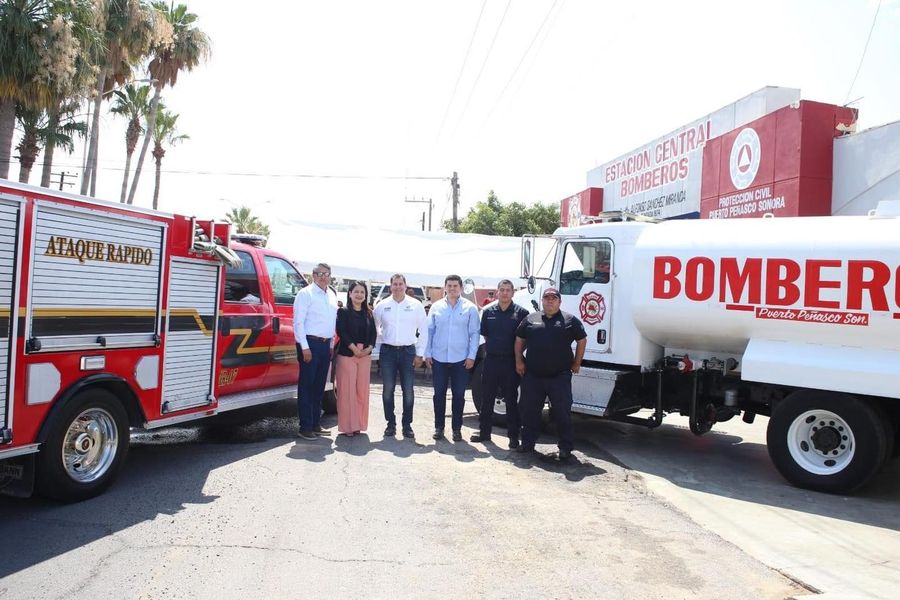
Mayor Jorge Pivac reported that two new emergency units destined for the local fire department have been acquired by the city. The units were possible through contributions made by the Fiscal Agency, who you may recognize as the office where you renew your license plates and driver’s licenses, among other duties.
These units will help to reinforce the fleet of vehicles of the fire department and therefore improve care and efficiency in cases of emergency. Mayor Pivac thanked the public for continuing to renew vehicle registrations and driver’s licenses in a timely fashion, allowing the department to have adequate funds to donate for the acquisition of these vehicles.
He highlighted the importance of citizens working as a team to offer these types of results for the good of all citizens and visitors. The additional equipment consists of an emergency fast response vehicle and a tank car, the combination of them acquired with the collection of more than 1.6 million pesos which came from the agency books of fiscal years 2022 and 2023.
"With these two units, the Fire Department will have the ability to respond more efficiently to calls for help and to any request that requires the attention of the fire department. This year, in the months from January through June, 472 emergency services have been provided, including structure fires, non-structure fires, traffic accidents, emergency rescues, injuries requiring ambulance service, human rescues, animal rescues, among others, remarked the Mayor.
He announced that the emergency response unit is a 1999 Ford F-450 vehicle, equipped with a 1,100-liter water tank and a 300-gallon-per-minute pump, and the second is a 2005 model Kenworth T300 Tank Car unit equipped with a 12,000 liter tank.
The director of the Fire Department, Guillermo Zepeda, thanked the municipality for the combined effort with the state and the Fire Department to benefit this noble and important rescue force with these needed vehicle units.
| |
Oceans, Their Protection Begins with You - CEDO Campaign Promotes Awareness and Requests Volunteers and Donations | |
|
Oceans, Their Protection Starts with You! is the slogan of the fundraising campaign.
CEDO has been dedicated to the protection of marine habitats for 43 years.
The Intercultural Center for the Study of Deserts and Oceans (CEDO), launched the fundraising campaign "Oceans, Their Protection Begins with You!” with the aim of continuing its mission of protection and service in the Gulf of California, and raising awareness about the importance of protecting these ecosystems that provide food, regulate the climate, provide oxygen, and act as a vital support system for humans. But, only a fraction of them are being protected.
“At CEDO we protect the habitat of fish and seafood by creating sustainable fisheries. We incorporate science into decision-making and we seek nature-based solutions to the challenges facing the northern Gulf of California coastal communities with whom we work. We support the implementation of the Sustainable Development Goals (SDGs) and train our communities to ensure innovative solutions that meet the needs of both people and nature”, commented Nélida Barajas Acosta, Executive Director of CEDO Intercultural.
CEDO has 43 years of dedication to protecting special marine habitats, restoring sustainable fisheries, and reducing human impact on marine ecosystems in the northern Gulf of California - where the Sonoran Desert meets the Sea of Cortez.
Nélida Barajas invites the public to share this information with contacts, friends and family, and to support the continued care and protection of the ecosystems and communities of the northern Gulf of California. "This year our goal is to reach five thousand dollars, so everything donation helps. You can make your donations online at the link https://give.cedo.org/give/496886/#!/donation/checkout and request your tax-deductible receipt.
The campaign ends on July 20 and you can find more information and show your support on all CEDO Intercultural's social networks.
| |
Governors of Sonora and Arizona Agree to Strengthen Joint Tourism Promotion | |
|
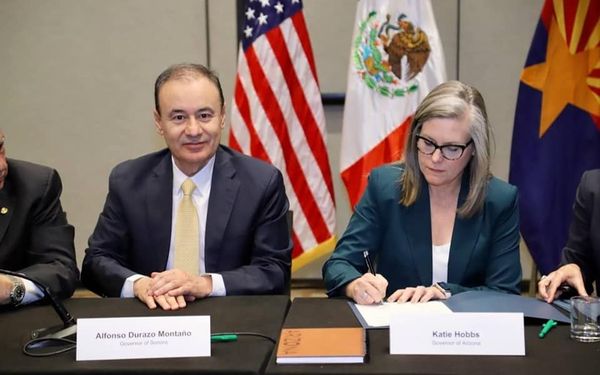
Sonora Governor Alfonso Durazo Montaño and Arizona Governor, Katie Hobbs, met and agreed to work together to take advantage of the potential of the states on both sides of the border through the development of various tourism products in order to attract visitors from both regions as well as other states and even countries.
In a letter of intent between Sonora and Arizona, the head of the state Executive highlighted important events that can be carried out together. He invited Arizona to participate in the Great Desert Race, which will take place in Puerto Peñasco.
In the same way, he highlighted the celebration of rodeos in Bavispe, Moctezuma, and Hermosillo with the possibility that in 2023 it could count on contenders from the American Union as part of taking advantage of the potential of Sonora and Arizona.
Governor Durazo Montaño commented that in Arizona there is a great tradition among its citizens of having a boat, for which he suggested Puerto Peñasco as the closest beach for this maritime activity, which would also detonate the economy of the region. .
"We are now in one of the places with the greatest security at the national level, this was not seen a few years ago, we have been the venue for international events of a diverse nature, particularly of a sporting nature, of a diplomatic nature, invariably without incidents, which speaks of the security of our state," he said.
| |
The Mysterious ‘Gringo Zapatista’ Who Fought in Mexico’s Revolution | |
|
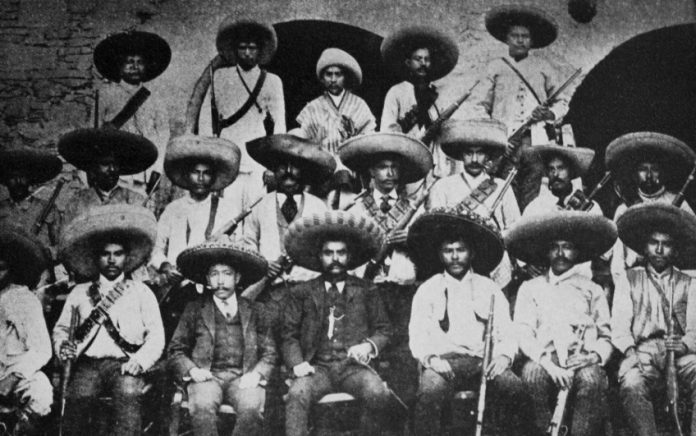
According to stories about Martson, Emiliano Zapata (center) planned to execute him, thinking he was a "gringo" (from the U.S.), but a tattoo convinced him to spare his life. (Gob MX/Edher A. Moreno)
The story of Australian Roderick James Martson (at times referred to as Marston) – the photographer who became a Zapatista – was largely unknown until the 1990s, 60 years after his death, when his great granddaughter Erin Reid discovered a box of his journals and photos taken during the Mexican Revolution in the basement of his Vancouver home.
Reid has not yet released the contents to the public but has confirmed that the journals and photographs document his time with the Zapatistas. He has been referenced in Zapata biographies simply as “El Gringo”.
Martson was an intrepid traveler and adventurer. From an early age, he began traveling the world in search of adventure and his wealthy parents indulged his wanderlust. He was also a photographer, inventor, miner, and entrepreneur.
His travels eventually took him to Vancouver, Canada where he caught gold fever. His desire to become a prospector took him south to the United States, settling in San Antonio, Texas and acquiring two mining properties.
His scientific skill and intuitive sense of timing led him to invent a method of mining using explosive devices he invented to rip away the hard rock revealing the hidden treasure within – veins of gold to be exploited. His expertise gained him huge profits and gave him an edge over the other gambusinos (prospectors).
Eventually gold mines in the region began to dwindle, so Martson, backpack slung over one shoulder, traveled further south into Mexico to seek new adventures.
He received permission from President Porfirio Díaz to settle in the city of Tehuacán, Puebla to carry out “scientific work” which for Martson meant mining. He immediately acquired a silver mine and once again employing his unique explosive techniques, began making large profits.
His profits were so immense that he built a large estate and hired twenty people to staff it. For the next six years he spent his time making money, designing new inventions, and indulging in his true passion: photography.
However, the Mexican Revolution of 1910 interrupted this more settled life for Martson.
In the leadup to the war, General Emiliano Zapata’s army dominated the states of Morelos and Puebla. The slogan of the Zapatistas was “Land and Freedom”. Their goal was restitution of the land to the peasants – land currently owned by wealthy landowners. As the Zapatistas advanced through the area, ranches and estates fell one by one – the land then distributed to peasants.
According to the limited accounts available, when they reached Martson’s property, he and his employees put up a fierce defense but they were no match for Zapata’s army – the estate was in ruins, most of his servants killed, and Martson taken prisoner.
The Zapatistas considered him a “gringo” (born in the United States) and Zapata ordered him to be executed by firing squad. Martson, in broken Spanish, tried to explain that he was not a gringo. The story goes that by displaying a tattoo of the British flag on one of his arms, he convinced them he wasn’t an American. According to interviews conducted with his great-granddaughter, he had obtained the tattoo while spending time with the British merchant navy during his earlier travels.
Martson, donning the Zapatista hat and carrying bandoliers on his shoulder, became part of Zapata’s army and was assigned to a battalion in Puebla. Due to his experience with explosives, Zapata put him in charge of blowing up the roads and railways being used by the federal army to fight the Zapatistas.
In 1911, Porfirio Díaz was overthrown and revolutionary leader Francisco I. Madero marched triumphantly into Mexico City to claim the presidency. Zapata – as the revolutionary leader of the south – began peace negotiations with him in the hope of sharing power in the new government. However, it quickly became apparent that Madero was not interested. Considering him a traitor to the cause, Zapata restarted the armed struggle for land – this time fighting the federal forces under President Madero.
On one occasion General Zapata himself ordered Martson to blow up a hospital where wounded federal soldiers lay dying. Martson refused, considering this a criminal act. Zapata saw his disobedience as a betrayal of the cause and ordered him to be executed, for a second time. But the Zapatistas had come to like and respect the gringo – even calling him Captain Martson – and intervened to save his life.
Martson did not blow up the hospital, but he continued to fulfill his revolutionary duties until he was eventually captured by the Madero federal army and imprisoned. Madero, who was at the time seeking the support of foreign nations – and believing Martson to be a British citizen – gave him a reprieve on one condition: exile. Once more, the tattoo had saved his life.
He made one last trip to the Zapatista camp where he had spent so much time to say his goodbyes to his comrades, who were by now his friends, and collected his most valuable possessions – his photographic equipment, his photo negatives, and his journals – and departed for the United States.
His days of wandering, however, were not yet over. He traveled around the United States trying his hand at managing land, factory management, and even at one point selling Dr. W. B. Caldwell’s Syrup Pepsin (an early U.S. patented laxative) until he migrated north to Canada – where he finally settled down in Vancouver to start a family.
It is believed that he died there in 1933, at the age of 59. All that remains are his journals and more than 500 photos of Zapata and the Zapatistas. His days of wanderlust had finally come to an end but many of the details of his adventures in Mexico remain shrouded in mystery.
| |
Peso Closes at Strongest Level Against the US Dollar in 7 1/2 Years | |
|
The Mexican currency has strengthened about 12.6% against the dollar this year.
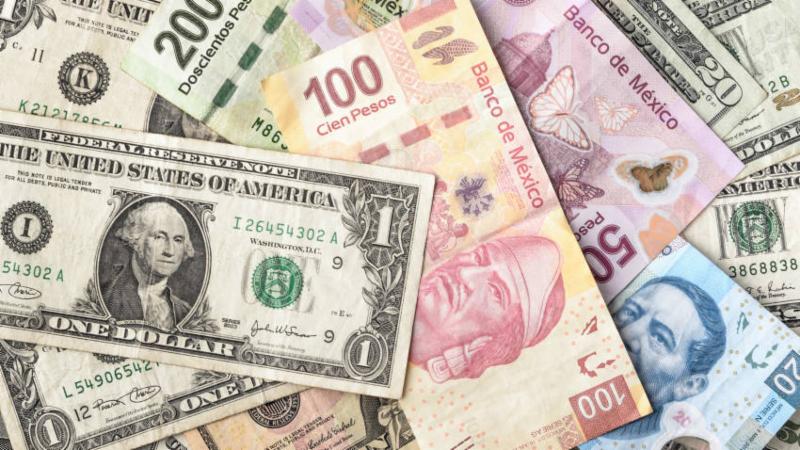
There’s no stopping the Mexican peso: the currency appreciated again on Friday to reach its strongest level against the US dollar in seven and a half years.
Bank of Mexico data shows that one greenback was worth 17.05 pesos recently at the close of markets, and just 17.02 pesos at one point earlier in the day. The latter exchange rate was the strongest position for the peso since December 2015.
The Mexican currency has now strengthened about 12.6% against the dollar this year.
The latest appreciation came after the United States Federal Reserve decided to leave its key interest rate at a range of 5%-5.25%. That decision followed 10 consecutive interest rate hikes in the U.S.
The Fed signaled that two more increases are likely this year. Nevertheless, the dollar is weakening “amid bets on a prompt end” to the monetary policy tightening cycle in the U.S., the newspaper El Economista reported.
High interest rates in Mexico — the central bank’s benchmark rate is currently 11.25% — is seen as one factor that has contributed to the peso’s positive performance this year. Strong incoming flows of foreign capital and remittances are among the other factors cited by analysts.
Gabriela Siller, director of economic analysis at the Mexican bank Banco Base, said on Twitter that the peso responded positively to Fitch Ratings’ decision to keep Mexico’s sovereign credit rating at BBB- with a stable outlook.
“A rating cut and possible loss of investment was one of the great fears during this administration, together with the loss of autonomy of the Bank of Mexico. Although important institutions of Mexico have been weakened and the economy took a long time to recover from the decline caused by the pandemic, the ongoing autonomy of the Bank of Mexico and the investment-grade credit rating provide certainty to international investors,” she wrote.
“This, together with the golden opportunity of nearshoring — that we’re not taking full advantage of — provide a good outlook for the peso,” she added.
Siller also said that the peso has demonstrated a “pattern of behavior” since July last year in which it appreciates about 7% against the dollar over a period of two months before depreciating by around 4%.
If that pattern continues, “the peso could appreciate to 16.74 pesos to the dollar in July and then move to 17.5 … before appreciating again to a level close to 16.4. This would happen if there is no event or news that generates fear about the world or Mexico,” she wrote.
| |
Cash, Please: You Still Need Notes & Coins in Mexico | |
|
Although cashless payment options are increasing in Mexico, the use of notes and coins remains essential in your day-to-day transactions here
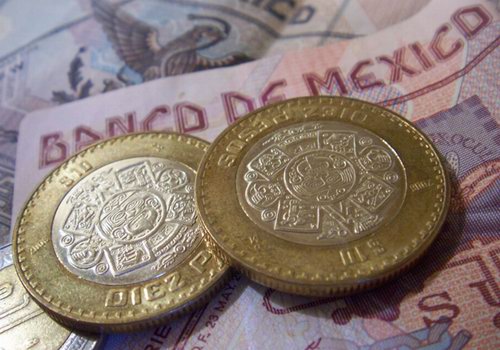
Cashless forms of payment for retail purchases have overtaken paper and coins in the USA, Canada, and much of Europe. However, cash in notes and coins remains king in Mexico —even with the recent surge here in adoption of electronic banking services— whether you are buying food, goods, or services.
When you’re visiting Mexico, you’ll discover that use of credit and debit cards is widespread here —payments using smartphones remains quite limited— and although Mexicans are increasingly using plastic cards, consumers continue to make extensive use of cash.
At least half of Mexican households still don’t have a bank account and rely entirely on the country’s cash-based economy for their trades. Online banking is gradually being taken up, but there still remains a cultural preference for cash, underlined by a Bank of Mexico study revealing that a significant majority of Mexicans with debit cards use them simply to withdraw their wages in cash from ATMs. Cash thus remains a widely employed, and oftentimes preferred, form of payment in Mexico.
Whether you’re visiting or staying in Mexico longer-term, you’ll soon discover that in practice there is a constant and continuous need for cash as you go about your days, and you might also find that making change is a continual pastime.
CASH & CASHLESS payment situations in Mexico
Here are situations where cash and cashless payments are commonly accepted in trades in Mexico.
Buying fuel for your vehicle
Not too long ago, gasoline and diesel purchases were a cash-only trade in Mexico; however, with recent modernization and the opening-up of Mexico’s oil and gas markets, most gasoline stations now take card payments.
Even with card payment options available, substantial numbers of people still pay with cash to fill the tank in their automobiles. It’s wise to make sure you have some cash with in case the service station you stop to refuel at doesn’t accept cards, or (more likely) their card payment system is off-line.
We also recommend that if you use plastic to pay for gasoline in Mexico, use a credit card instead of a debit card and don’t let the card out of your sight as gasoline stations are one of the places where ‘bank card skimmers’ are known to operate.
Situations in Mexico where CASHLESS payments are readily accepted
Payment by debit and credit card is becoming increasingly common across Mexico, and even some smaller (and market) traders are using portable card-payment devices to accept trade from people who don’t have any cash to pay with.
Modern shopping places
All major supermarkets and department stores, shopping mall stores, car dealerships, furniture and electrical goods stores, as well as eating out at most restaurants in bigger towns and cities.
Transport companies
Airlines, bus companies, and local travel agencies accept electronic payment. If you have a Uber or Didi account in your home country, you can use those services here in Mexico: your fare will be calculated in Mexican pesos and converted/billed in your local currency and charged to the card you have linked to your App Cab account.
Smaller independent traders, and some market stalls
Local mobile phone plans
Mobile phone companies in Mexico will allow you to top-up your prepay phone balance using a credit or debit card—online, or directly using your phone. You can also top-up your mobile phone using cash at convenience stores.
Professional services
Almost all professional service providers —e.g., hospitals, clinics, doctors, dentists, and lawyers— will accept electronic payment by card, but some professionals might only accept cash. Those who don’t accept payment cards might accept an electronic bank transfer, instead.
Situations in Mexico where CASH is still required
There are still plenty of instances where you will need cash in Mexico, and these include:
Local stores, stalls, and markets
Most local independent (often family-run) convenience stores run on cash; some will accept payment by card with a minimum purchase amount and/or with the addition of a modest percentage to cover the payment card fees. Open-air markets; buying anything from ambulant vendors; street food; confectionery, newspapers or tobacco ,and buying anything in small shops and stalls will require the use of cash.
Independent street cabs
The majority of independent street cabs only accept cash. Some might have an app to take payment by card, but if they do, they will make surcharge to cover the bank fees.
Tipping for services
Cash is also essential for tipping in Mexico. You should always tip in cash and only in Mexican pesos. Most visitors discover that at least a few occasions arise where the use of physical cash is an absolute necessity.
Vacation souvenirs and trinkets
When touring, cash is essential to buy local souvenirs or anything from street traders or stores ‘off the beaten track’. Some market traders are beginning to accept card payments using a smartphone app but most only accept cash, and those that accept cards prefer cash to avoid the fees the bank charges them to take an electronic payment. Some small traders make a surcharge (usually 3-5%) if you pay using a card, to cover their bank fees; alternatively, they may offer a discount if you pay using cash.
Home services and trades
Paying your domestic help (e.g. maid, gardener, pool maintenance) is mostly a cash business; some accept bank transfers, most don’t. Some home trades people —for example, plumbers, electricians, and carpenters— will accept cashless payments for larger jobs in the form of a money transfer to a local bank account, but the majority of routine or smaller jobs, especially ad-hoc work like fixing a leaking tap, are strictly on cash terms.
| |
How to Dial Telephone Numbers To & From Mexico | |
|
In August 2019 dialing Mexican telephone numbers became simpler. This article describes those changes and also answers additional questions about how to dial telephone numbers to and from Mexico including cell phones, landlines and toll-free service numbers.
Service prefixes are no longer required
The fundamental change to the telephone dialing rules that took effect in August 2019 is the removal of service code prefixes associated with calling domestic long distance numbers (01) and calling Mexican cell phones from Mexican land lines (044, 045). Also, the confusing need to add the number ‘1’ when calling a Mexican cell phone from overseas was also eliminated. The changes can be summed-up thus:
When calling from within Mexico, the dialing prefixes of 01, 044, and 045 are no longer required.
When calling a Mexican cell phone from outside Mexico, the additional number ‘1’ after Mexico’s country code is no longer required.
These changes greatly simplify the way that Mexican land lines and cell phones are dialed and bring Mexico’s telephone dialing rules into line with protocols used in the US and Canada.
Calling from/to Mexican land lines
Here are the rules for dialing from and to Mexican land lines:
Calling a Mexican land line from a Mexican land line in the same area: Dial the area code (2 or 3 digits) and then then local number (7 or 8 digits, depending on the town/city).
Calling a Mexican land line from a Mexican land line in a different area. Dial the area code and the number. Do not dial the old 01 (long distance) prefix.
Calling a Mexican land line from a Mexican cell phone: Dial the area code and the number directly from your cellphone. Do not dial the old 01 (long distance) prefix.
Calling a Mexican cell phone from a Mexican land line: Dial the cell phone’s area code and number directly. Do not use the old 044 or 045 prefix.
Calling to/from Mexican cell phones
Here are the rules for dialing from and to Mexican cell phones
Calling a Mexican cell phone from another Mexican cell phone while in Mexico: Dial the other cell phone’s area code and number. Do not include the old 044 or 045 in the code.
Calling a Mexican cell phone from overseas: Dial Mexico’s country code (+52) then the area code, and then the number. Do not include the ‘1’ after the +52, as was required before August 2019.
Calling any number in Mexico from a Mexican cell phone overseas (roaming): Dial Mexico’s international code +52, then the area code, and then the number. Do not include the ‘1’ after the +52.
Calling from your non-Mexican (roaming) cell phone: If you are carrying a non-Mexican phone in Mexico and you want to place a call, dial the “+” then the country code (for Mexico this is “52” and for the US and Canada this is “1”), then the area code and number. Ignore 00 and 044/045, etc. Check your service plan for call rates. Inbound and outbound calls to Mexico from European phones are particularly expensive; costs for US/Canadian plans will depend on the call plan you signed up to. It’s often better to use Facetime, WhatsApp or some other voice-over-internet App to make international calls to people you know.
Calling internationally from your Mexican land line, mobile/cell phone
To place an international call from Mexico you need to dial the international access code, then the area code and number. The international access code is slightly different for land lines and mobile/cell phones, thus:
Making an international call from a Mexican land line: If you want to dial an international number from your Mexican land line, dial the international access code which is “00”, then the area code, then the number.
Making an international call from a mobile/cell phone: Regardless of whether your cell phone is operating using a Mexican plan/operator or a non-Mexican plan/operator, to dial internationally you have to enter the “+” sign (press and hold the number zero for a moment on your smartphone’s screen dial pad) then the country code (for the US and Canada this is “1”), then the area code and number. Do not dial 00 (as you do from a land line) because this doesn’t work from a mobile/cell phone.
Calling a Mexican landline or a Mexican cell phone from your non-Mexican mobile/cell phone: If you are in Mexico and using a non-Mexican mobile/cell phone (roaming), and you want to dial a Mexican cell phone or landline, you must enter the “+” sign (press and hold the number zero for a moment) then the country code for Mexico which is 52, and then the area code and number, e.g. +52 123 1234567.
Calling Mexican toll-free (800) and premium toll (900) numbers
Whether you are calling from a Mexican land line or from a Mexican cell phone, drop the old 01 prefix. Thus the old format, 01-800-123-4567, becomes simply: 800-123-4567.
Calling a toll-free number OUTSIDE of Mexico
Many toll-free numbers based in the US, Canada, and elsewhere might or might not connect from a Mexican cell phone or a Mexican landline: it depends on whether the company allows (and will pay) for international calls to connect through that number. The might or might not connect if you are roaming with a cellphone from your home country, but beware of charges—it might not be ‘toll free’ for you when you are roaming, check with your service provider.
If you need to call a company or organization abroad and the toll-free number they advertise won’t connect from your cell phone or Mexican landline, consider these alternatives:
If they advertise a regular number, try calling that; if you are calling the US or Canada from a Mexican cell phone, the call will probably be included in your plan fee (no additional charge); or
Call the regular number from a landline in Mexico—calls to most countries, including the US, Canada and Europe are included in the landline monthly plan fee; or
If you must call a toll-free number, use Skype or a similar service like Google Voice to make your call.
Storing numbers in your Mexican cell phone
If you roam between Mexico, the US and Canada, we recommend that you store all of your contact numbers using the international dialing format: [country code] [area code] [number].
Thus your Mexican contacts will be recorded with the +52 prefix before the area code and number, your American and Canadian contacts with the +1 prefix before the area code and number.
By doing this, your calls will connect without need for you to make adjustments regardless of whether you are in Mexico or roaming in the US or Canada. To add the “+” sign to any contact, press and briefly hold the number zero on your smartphone’s screen dial pad.
| |
Using Mexican & Foreign Bank Cards at ATMs in Mexico | |
|
About ATMs in Mexico
Mexico’s banks manage an extensive network of Automated Teller Machines (ATMs) that can be used to withdraw Mexican pesos in cash from your local account if your card is issued by a bank in Mexico, or from funds held in an account outside of Mexico if your card was issued by a foreign bank.
Some ATMs also accept deposits in cash, allow you pay bills, and enable transfers of money between bank accounts based in Mexico.
It’s easy to find an ATM in Mexico. They are usually open, dependable, and will dispense Mexican pesos to anyone with a card connected to one of the global networks, including VISA, MasterCard, and AMEX, as well as those holding debit or credit cards issued by a Mexican bank. Some ATMs dispense US dollars in addition to Mexican pesos, and will offer card holders the option of either currency if they do, but this is not common.
Typical charges for using an ATM in Mexico
How much you pay in charges for using your bank card at an ATM in Mexico will depend on two key factors: first, what country the card is issued in; second, the fee charging structure your bank applies to the account.
Mexican bank card charges
When you use a debit or credit card issued in Mexico, there are usually no charges for ATM use if you use your own bank’s ATMs (of that of its affiliated network), and within the limits set out by your bank’s terms for that account. (Some banks offer a set number of free cash withdrawals per month, and charge you if you go over that.)
Foreign bank card charges
When you use a debit or credit card issued by a bank based outside of Mexico, charges will vary depending on the bank and the account type you have.
When you use your foreign-issued card to withdraw cash in Mexican pesos several charges might be applied to the account, either lumped together or separately, depending on the bank and account type, thus:
a fixed-fee charge made by the Mexican bank ATM. This fee is displayed before you agree to proceed with the withdrawal, and added to the withdrawal amount charged to your account; and
a “foreign exchange charge” made by the card-issuing bank; and
a currency exchange rate charge (see below); and
if you use a credit card, additional charges including interest from the date of the cash withdrawal might also apply; furthermore
additional charges might apply if you withdraw cash over the counter at a bank or exchange house instead of using an ATM.
Although banks have increased charges for ATM use in recent years, ATMs are by far the quickest and most efficient way to get access to local currency in Mexico from a foreign-based bank account.
Currency exchange rate charges
When you’re using a foreign-issued bank card in Mexico, the exchange rates the bank applies to convert the Mexican pesos into your local currency are usually the same whether you spend at a store, or withdraw cash from an ATM. The rate applied will be based on the foreign exchange rate that day.
You will not be given the ‘wholesale’ exchange rate you see quoted on websites and on the news. The bank earns an additional ‘hidden’ fee because the foreign exchange rate the bank applies to the cash withdrawal will be different to the wholesale exchange rate that day. This is called the ‘exchange rate spread’ and typically works out to between 2% and 5% of the transaction value.
ATM cash withdrawal fees example
Suppose the ‘wholesale’ exchange rate is $18 pesos to $1 US dollar.
If you use a bank card drawn from funds in a US account, and withdraw $5000 pesos based on that rate, your US account will not be debited with ~$278 (5000/18).
The amount debited to your account will be higher than that because the Mexican bank will add a fixed-fee to the withdrawal (typically around $100 pesos) and you’ll be charged other bank fees as described above.
In this example, you could typically expect to see a debit for around $295 on your account (6% increase), making your real exchange rate $17.28 pesos to the US dollar. [5,100 (including the fixed fee of $100) / 295]
Cash withdrawals using credit cards
Note that currency conversion and transaction fees for cash-advances drawn using a credit card account tend to be higher than those where money is drawn down from savings or current/checking accounts.
Additionally, interest is often charged from the date of the cash withdrawal, and sometimes whether you clear your credit card balance or not. Check with your credit card company to find out what charges they make for cash withdrawals from Mexico—the charge structure is usually different than that for purchases.
| |
Meet the Sonoran's Family of Beachfront Resorts | |
Huevos Motuleños: Art Meets flavor in the Yucatán’s Best Breakfast | |
|
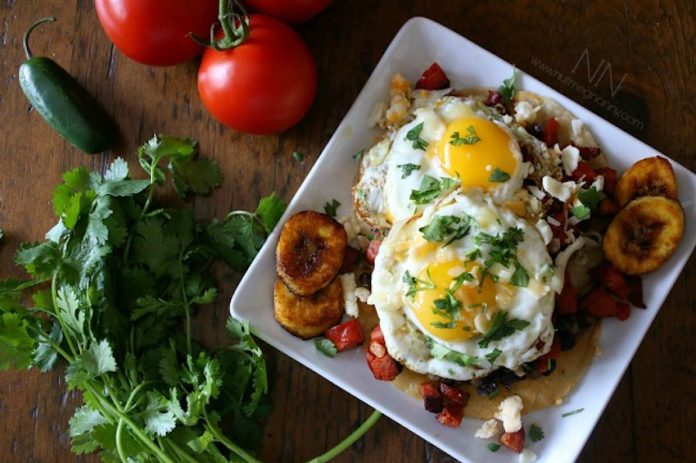
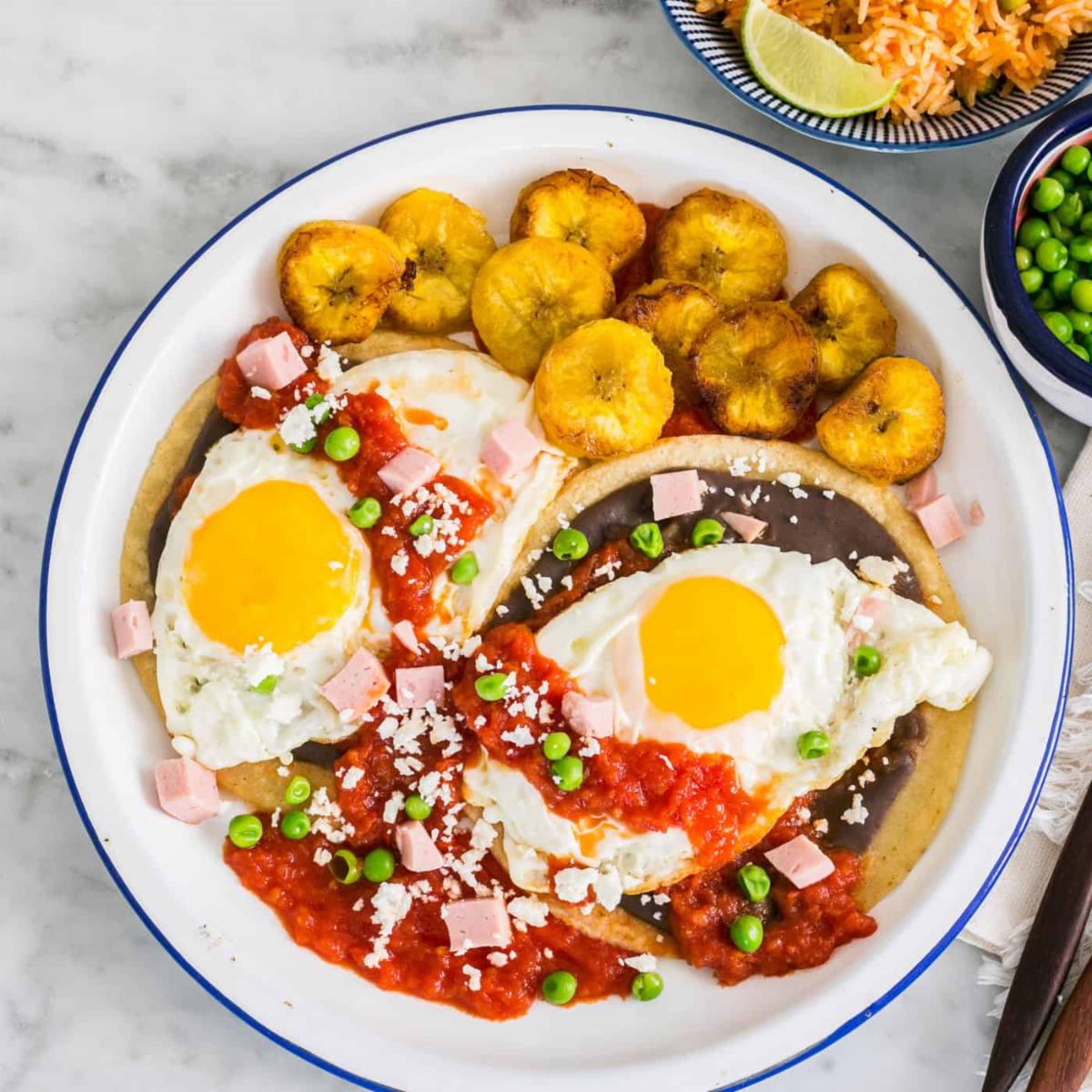
You hear the crunch of the base tortilla as soon as you cut in. Slathered in a thin layer of refried black beans, then fried once more, it’s the bedrock of one of the Yucatan’s most iconic dishes: huevos motuleños.
Named after the Yucatán city of Motul, it’s a work of art: a baroque brunch on a crispy tortilla canvas that’s a melange of reds, yellows, and oranges, dotted pink — and green for good measure — because art is play, and who doesn’t like to play with their food?
One hundred years ago, when Yucatán governor Felipe Carrillo Puerto walked into La Sin Rival eatery with artist Diego Rivera, Mexico’s education minister José Vasconcelos and writer Jaime Torres Bodet — among others — he couldn’t have known the role he’d play in changing the face of Mexican gastronomy.
As the story goes, while entertaining his guests during a trip to the Yucatán, they made a stop to eat at the famed Motul culinary institution. Carrillo asked the chef to bring out his favorites: eggs, refried beans, ham and peas.
Short on plates, the chef, Jorge Siqueff Febles, opted to pile all the ingredients onto one platter, layering them between fried tortillas and covering them in salsa. The guests loved it, and when Vasconcelos asked Carrillo — a native to Motul — what he called the dish, he told Vasconcelos: “These are the authentic huevos motuleños.”
Since then, the dish has evolved, undergoing countless iterations in the face of changing circumstances. In Carrillo’s days, Motul was a sizable mercantile hub, its proximity to the Caribbean coast facilitating trade between locals and European merchants. As a result, early versions of the recipe called for Spanish jamón serrano as opposed to the cubed ham used today; the state had no meatpacking industry at the time.
Siqueff also tinkered with the preparation of onions that went into the sauce, frying them first in olive oil brought in by foreign merchants. Occasionally, fried sweet plantains were added, which became so popular that patrons demanded it each time they ordered it — that and the lone habanero pepper that sits atop the dish.
What makes this dish so special is its balance, despite it being a plate full of contrasts. The fried tortilla — dry and crisp — sits beneath soft, creamy eggs and a runny tomato salsa, whose acid shares the spotlight with the salt of the tortilla-bean combination, the sweetness of the plantains and the savory
Those brave enough to nibble on the habanero before digging in will tell you that the eggs and refried beans are the perfect neutralizers for heat, allowing you to tiptoe to the edge of setting your mouth on fire before taking refuge in one satisfying bite after another. And if you go to the right place — a certain second-floor spot in Motul’s 20 de Noviembre market — that burnt-orange reservoir you’re left with gets sopped up with a basket of freshly baked bread.
The fact that one plate can play host to so many unique components — seemingly the end-product of a basket of mystery ingredients beyond the imagination of cooking shows like “Chopped” or “Masterchef” — is a marvel. But maybe we shouldn’t be so surprised. Often, it’s the things we least expect to work well that end up pairing perfectly. And in that way, on this plate, art mimics life.
| |
|
Serving size: 4 people
Prep time: 15minutes minutes
Cook time: 20 minutes minutes
For the tomato sauce (chiltomate)
5 medium tomatoes
1 medium white onion
1 garlic clove (peeled)
1 habanero chilli pepper (seeded)
olive oil
salt
For the beans (frijol colado)
2 cups black beans (cooked)
epazote (a few leaves)
olive oil
For huevos motuleños
8 medium eggs
8 corn tortillas
1 cup ham (diced)
½ cup peas (cooked)
queso fresco (or other kind of fresh cheese)
2 plantains (or raw bananas)
INSTRUCTIONS:
Prepare the sauce (chiltomate)
Put tomatoes, garlic, and habanero chilies in a blender. Add 2 cups of water and blend until smooth.
In a small pan fry onions in olive oil until soft and translucent.
Add tomato sauce, season with salt and pepper, and cook for 10 minutes or until the sauce thickens. Set aside.
Make the beans (frijol colado)
Put beans in a blender, add ½ cup of water and blend until smooth. Strain and discard solids.
Heat 2 tablespoons of olive oil in a saucepan over medium heat. Stir in onions and sauté until soft and translucent.
Add beans and epazote, then simmer for about 5 minutes or until you'll have a thick sauce. Set aside.
Prepare the eggs
Cut plantains into 1,5cm (0.5") slices. Fry until golden and lightly crispy. Set aside.
In a frying pan heat some olive oil and fry the tortillas one by one until they are a little crispy. Place two tortillas, side by side on a plate.
In the same frying pan fry the eggs sunny side up to your liking.
Spoon the beans on each tortilla and place one fried egg on each. Pour the chiltomate sauce and then top with the peas, ham, and sprinkled fresh cheese.
Add fried plantain on the side and serve immediately.
NOTES
Be careful with the habanero chilies. They’re very spicy, so use gloves when seeding them and try to discard also the veins. The flavor however is delicious, so is still a nice addition to the dish.
If you can’t find fresh habaneros but still want to make this dish. Use the canned or dry version.
Epazote is not so easy to find in its fresh version, but you can find it dry, packed in small amounts at the Latino markets. Also, the taste is a bit strong, so better add it in small amounts and slowly adjust it to your taste.
| |
When Saying Sorry in Spanish Gets Complicated | |
|
Academic definition of the verb “disculpar” and its use in everyday situations may differ, but you don't need to ask permission about how to express your regret
Apologizing in Spanish can be complicated if you get into the semantics of the verb disculpar, which means to excuse or exonerate, and its noun form, disculpa.
When someone apologizes for some wrong done to another, it’s as common in Mexico to hear pido una disculpa (I ask you to forgive me) as it is to hear ofrezco una disculpa (I offer an apology).
Disputes arise with the expression pedir una disculpa. Some, including the Spanish Royal Academy (RAE), say that it can mean ask to be forgiven or excused, while the Mexican Language Academy (Academia Mexicana de la Lengua) says una disculpa —in this sense, an apology— can only be demanded by the offended party and offered by the offender.
Each draws a different conclusion using the same definition of disculpa.
The Mexican academy argues that since disculpa isn’t a precise synonym of perdón (pardon or forgiveness), it shouldn’t be substituted for it. The RAE suggests that if the verb disculpar can be used to mean to ask forgiveness, then the noun disculpa can also be a synonym of pardon or forgiveness.
With two such authorities in disagreement on matters pertaining to the correct use of language, the best mere mortals can hope to do is take a look at (or listen to) how Spanish speakers in Mexico go about apologizing for their misdeeds or negligence in daily life.
Starting with an easy one. You bump into someone on the Metro or on a crowded street. “¡Perdón!” or “disculpe” —(sorry!)— is usual, and enough. Often both parties will apologize in this way at the same time, in which case one may assume the disculpa is simultaneously requested and granted. Note “disculpe” is the polite or formal form of the imperative, implying usted whereas the informal form of the verb would be “disculpa.”
For more egregious offenses, one is more likely to ask for out and out forgiveness than to offer an excuse. “Perdóname” or “te pido perdón,” although “discúlpame” is also common. “Lo siento” is another way of saying I’m sorry.
While there is no dispute among Spanish speakers that ofrecer una disculpa is correct, to the English-speaking mind (and to the extent that language affects our way of thinking, if anyone would like to go down that rabbit hole) it can sound a bit like the offender offering to forgive himself or herself.
But se disculpó means the person apologized, not that the person forgave themselves. Or as RAE notes above, disculparse in this sense can mean to justify, and it gives the example of someone blaming the traffic for their tardiness to some engagement.
| |
Sonoran Sales Group - The OFFICIAL sales team for Sonoran Resorts!
We are Rocky Point's one and only exclusive and dedicated team who have always, and will always, sell Sonoran Resorts and ONLY Sonoran Resorts!
If you are looking for a team of real professionals who specialize in Puerto Penasco's best family of "True Beachfront" resorts, you've found us, and we are here to serve you.
Whether Buying or Selling, no one can serve you better when it comes to the Sonoran Resorts. We have been here since the beginning, and we will be here for you when you need us.
Our In-House closing team will make things happen quickly and professionally and we will save you money. Our attorneys are on salary and no additional attorney fees are charged to our clients. Loyalty to the Sonoran Resorts Sales Team is both appreciated and rewarded!
We don't just sell the Sonoran Resorts, we ARE the Sonoran Resorts. We work directly with the Developers, the HOAs, and the Rental companies.
We really can help you in ways that no one else can.
| |
Just for the fun of it... | |
Jim Ringquist
rockypointjim@gmail.com
| | | | |