|
Sonoran Resorts
March 2024 Newsletter
| |
|
March is here! Spring Break, Semana Santa, the weather warms up, and tourist season kicks off for another year. The winter months have been a bit quieter than normal, undoubtedly, at least partially because of the idiotic border closure during December. In case you don’t know – The border has been open since January 4th. Predictions are for another very good year here and I am fully onboard with that.
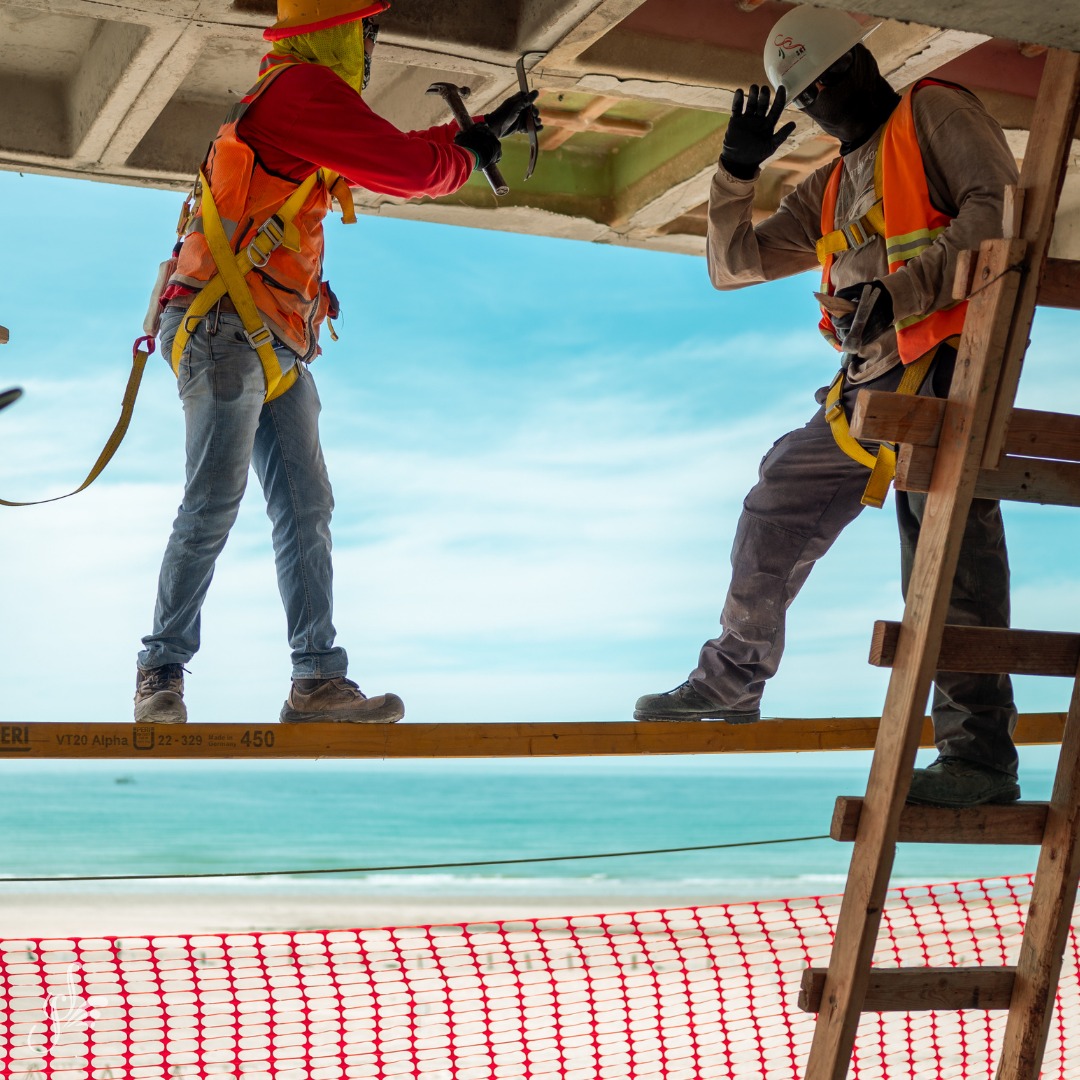
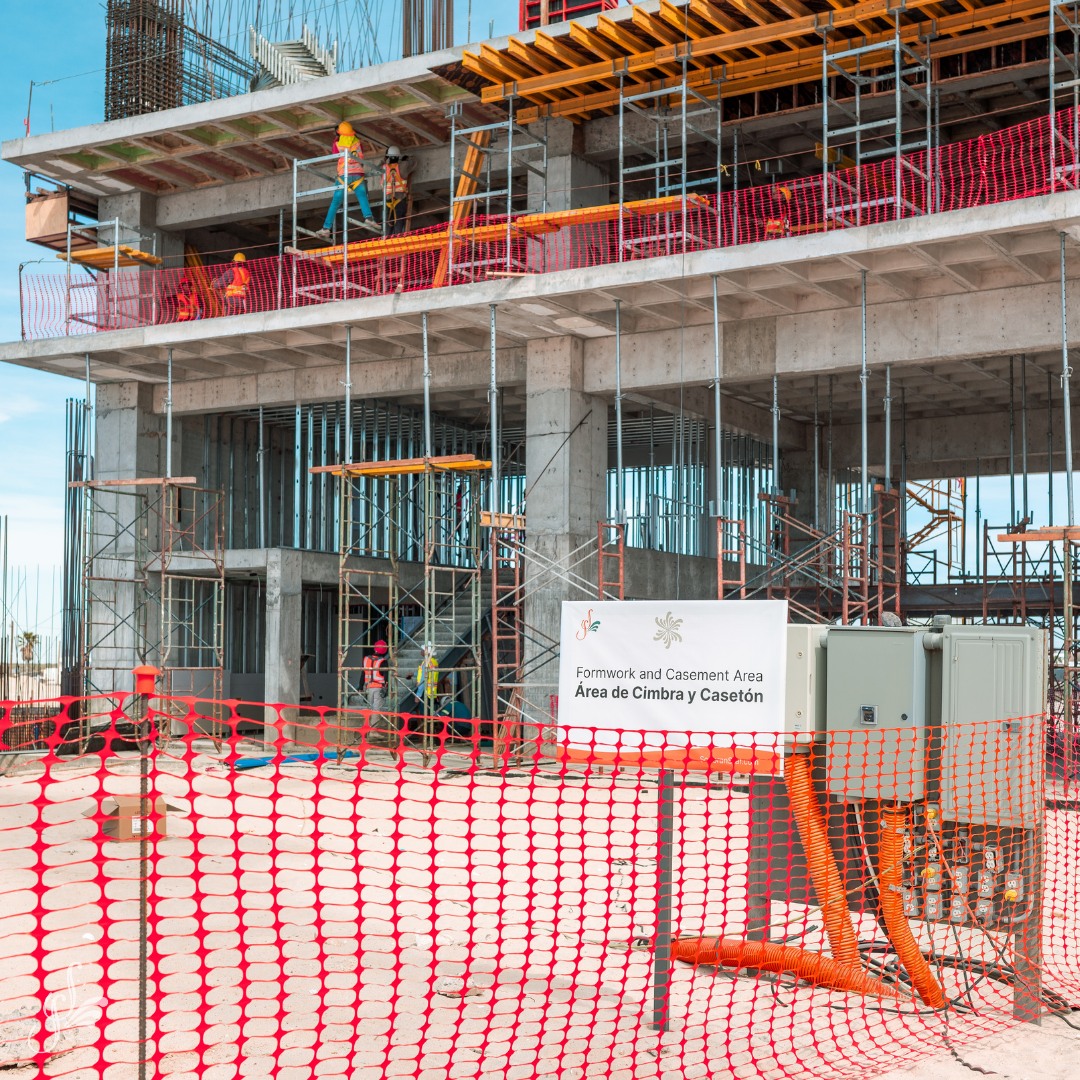
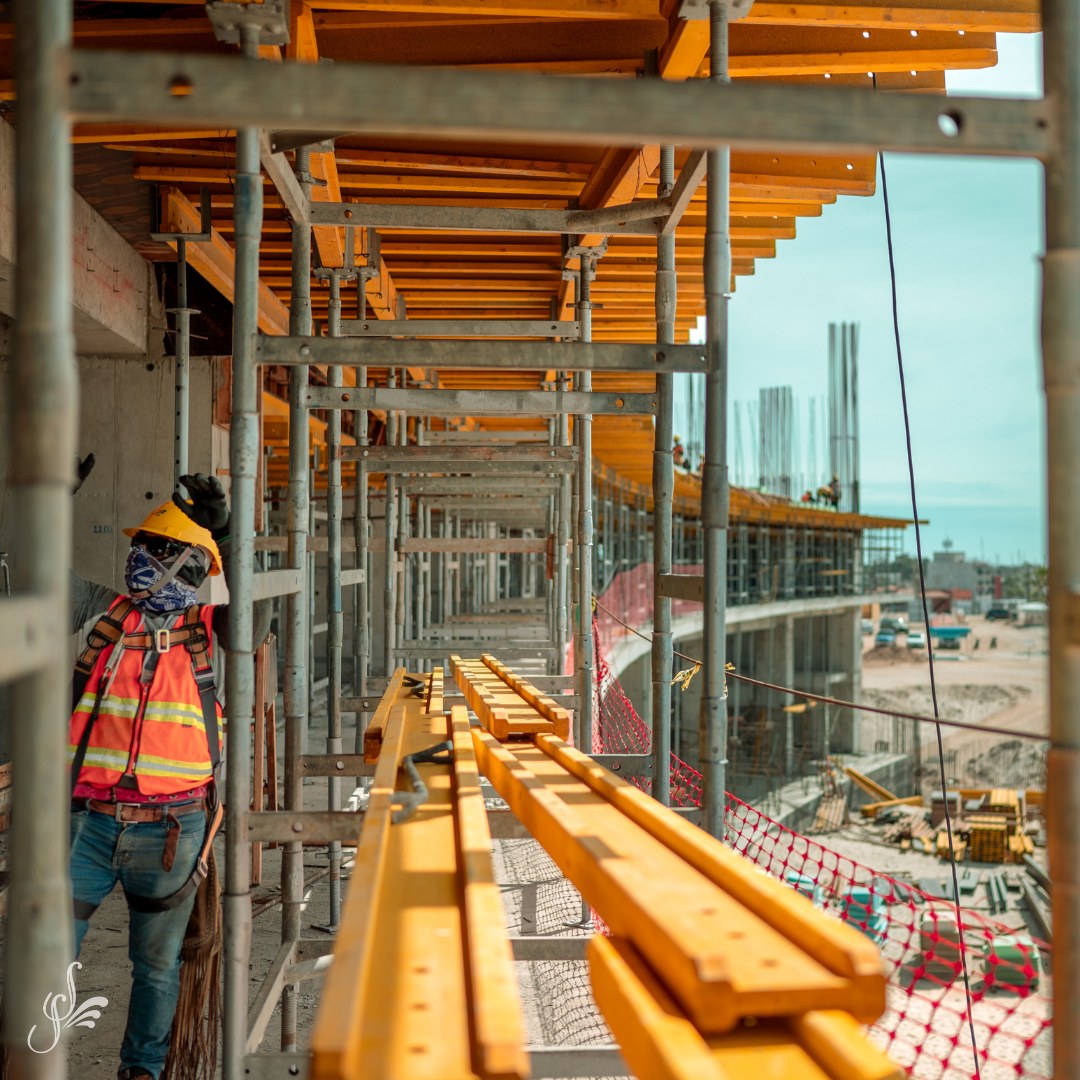
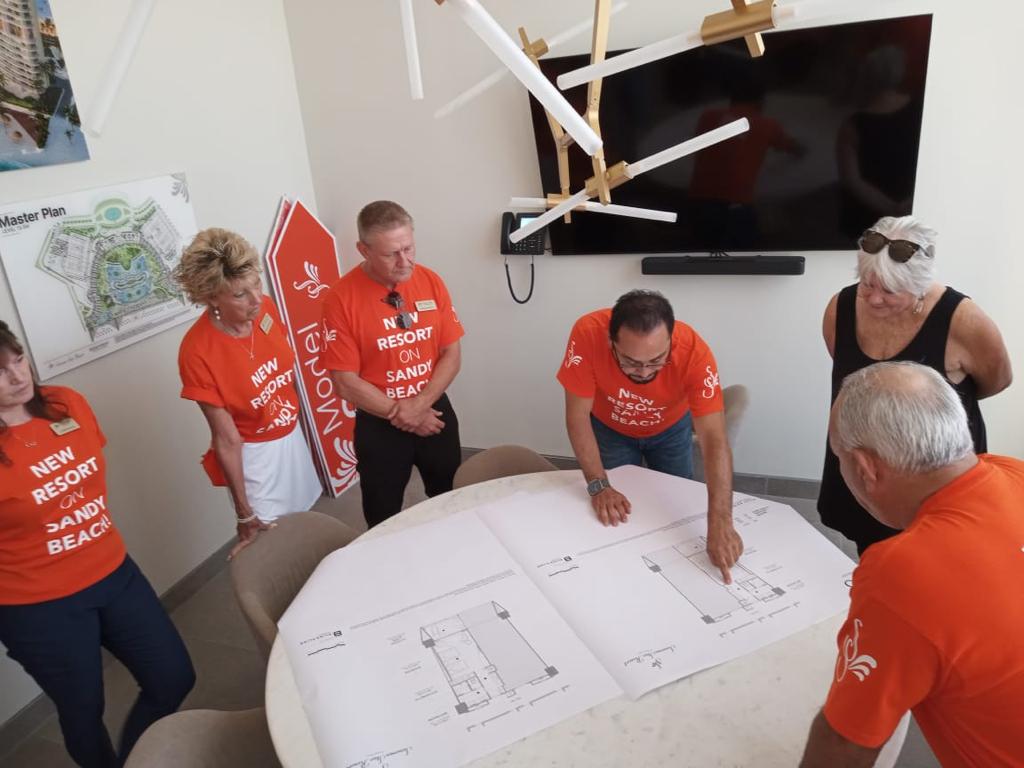
Exciting progress is happening at the Sonoran Star. Construction on the 5th floor has begun, and the resort is steadily rising higher, becoming a prominent feature on the Rocky Point skyline. Our team of engineers and construction workers at Sonoran Star deserves applause for their dedication and professionalism. We're making remarkable progress while ensuring top-notch quality and attention to detail. If you haven't seen it yet, come take a look for yourself! We'd be delighted to arrange a short CanAm ride to the site, where you can witness the craftsmanship firsthand. You can even venture up to the 3rd floor for breathtaking panoramic views. Plus, stay updated with our website and social media for the latest photos and videos.
Rocky Point continues to flourish as more people discover our little slice of paradise. Gone are the days when summers were slow; now they're bustling, even rivaling Spring, Fall, holidays and special events in activity. With beaches, activities, and new restaurants popping up, there's plenty to explore during your visit.
This month promises to be a very busy one. Things will start out with Spring Break kicking off this weekend. Both ASU and UA Spring Breaks coincide this year so we expect to be very busy. Spring Break brings in a lot of young people and there are some very busy "party" spots around town, but it really isn't a reason to change plans if you were hoping for a trip without so much noise and activity. Sandy Beach usually stays pretty calm and you can avoid the parties pretty easily if you would like. Semana Santa weekend on the other hand - not so much. Semana Santa begins right at the end of this month so keep in mind that this town gets very busy during that long weekend. Chances are at this point you won't find a place to rent anyway unless you have already booked it or you have a condo of your own.
If you do come to town on Semana Santa, you should know what to expect and you should want to be here. It can be great and a memorable, fun time, but a quiet, relaxed weekend, it is not. Loud music everywhere (usually Banda), lots of traffic, people everywhere. It's a really exciting experience, but probably not for those who lack patience or who are looking for a laid back day at the beach and a nice romantic meal. For you folks, best to come the week before or after Semana Santa. The busiest days for Semana Santa are always Thursday through Sunday.
So, whether you're here to soak up the sun, enjoy the Spring Break energy, or immerse yourself in Semana Santa festivities, Rocky Point welcomes you with open arms. Get ready for an unforgettable adventure!
Enjoy this beautiful month, and if you can, come to Rocky Point. If you need anything, don't hesitate to ask. Feel free to take advantage of my 16 years of full-time experience here. I'm more than happy to assist you with anything that I can, whether it's Sonoran Resorts related or not.
Feel free to call or email anytime, and I'll do my very best to help you. If I can't address your needs directly, I'm confident I can guide you in the right direction and connect you with someone who can.
Besides the links below, you can our listings at the following:
www.sonoranstar.com
www.sonoranresorts.mx
AMPI Puerto Penasco MLS
Pick up a handout at any of our Sonoran Resorts
Scottsdale Barrett Jackson Show
Various Real Estate and Trade shows in AZ, NV, and CA
| |
|
|
The Lukeville Border Has Been Open Since January 4, 2024!
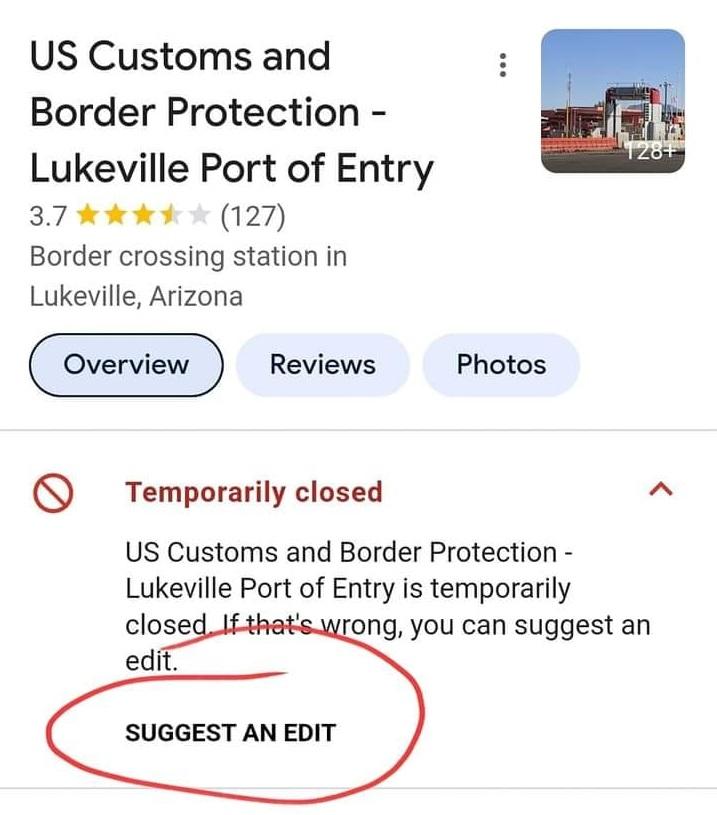
I presume that the majority of you know that the Lukeville/Sonoyta border crossing has been open since January 4, 2024. It was closed for the month of December but the decision proved very unpopular and it was reopened shortly after New Year’s. However, I have heard from far too many people that they think it is still closed – IT IS OPEN. One huge problem is that the CBP website, and consequently Google Maps, are still showing that it is temporarily closed. Please see the photo to the left and help us to get that error remedied. Go to the CBP Lukeville website and click on the arrow on the right side of the red block to expand the selections. Click on Suggest an Edit and then click Reopened. Maybe if enough of us do this, someone will pay attention and fix this ridiculous error.
GOOD NEWS – The border hours, after being shortened during Covid and never extended again, have gotten one small reprieve – On Fridays, the border will remain open until 10:00 instead of the recent 8:00 closure time. This should help more people get here on Fridays after work to enjoy a long weekend.
| | | |
|
IMPORTANT: Some email providers cut this newsletter off before the end. If that happens on yours, please scroll to the bottom of this email and click "View Entire Message" to see the entire newsletter.
Sincerely, Jim Ringquist
Broker/Sales Director
Sonoran Resorts Spa - Sea - Sun - Sky - Star (coming soon)
602-476-7511
rockypointjim@gmail.com
www.SonoranResorts.mx
President/Volunteer
Tourist Assistance Unit Advisory Committee (Tourist Assistance Police)
touristassistancerockypoint@gmail.com
I hope that you enjoy my newsletter and continue to recommend it to your friends. Please feel free to give me thoughts, suggestions, or ideas for future newsletters. Puerto Peñasco is my home and I love to share the news and goings-on with you.
I do get email requests each month asking me to add someone to my list. While I certainly don't mind doing so, all you really need to do is click Sign-Up for Newsletter below, add the email address, and it will happen automatically. Not to worry - I will not spam you or share your email address, and you will only receive one email-newsletter each month on the 1st.
| |
|
Exclusively Serving the Sonoran Resorts
Buy & Sell Direct and SAVE!
24 Years Experience on Sandy Beach
Four Fully Completed Beachfront Resorts
We Have Earned Our Stellar Reputation
Your Only Logical Choice when Buying
or Selling a Sonoran Resorts Condo!
| | | |
Resale Listings at the Sky, Sun, Sea, Spa | |
Progress Continues on the New Sonoran Star Resort! | |
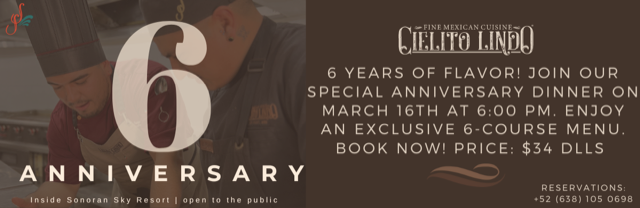
Food and Drink at the Sonoran Sky Resort:
| |
Rocky Point Expecting 145,000 visitors for Spring Break | 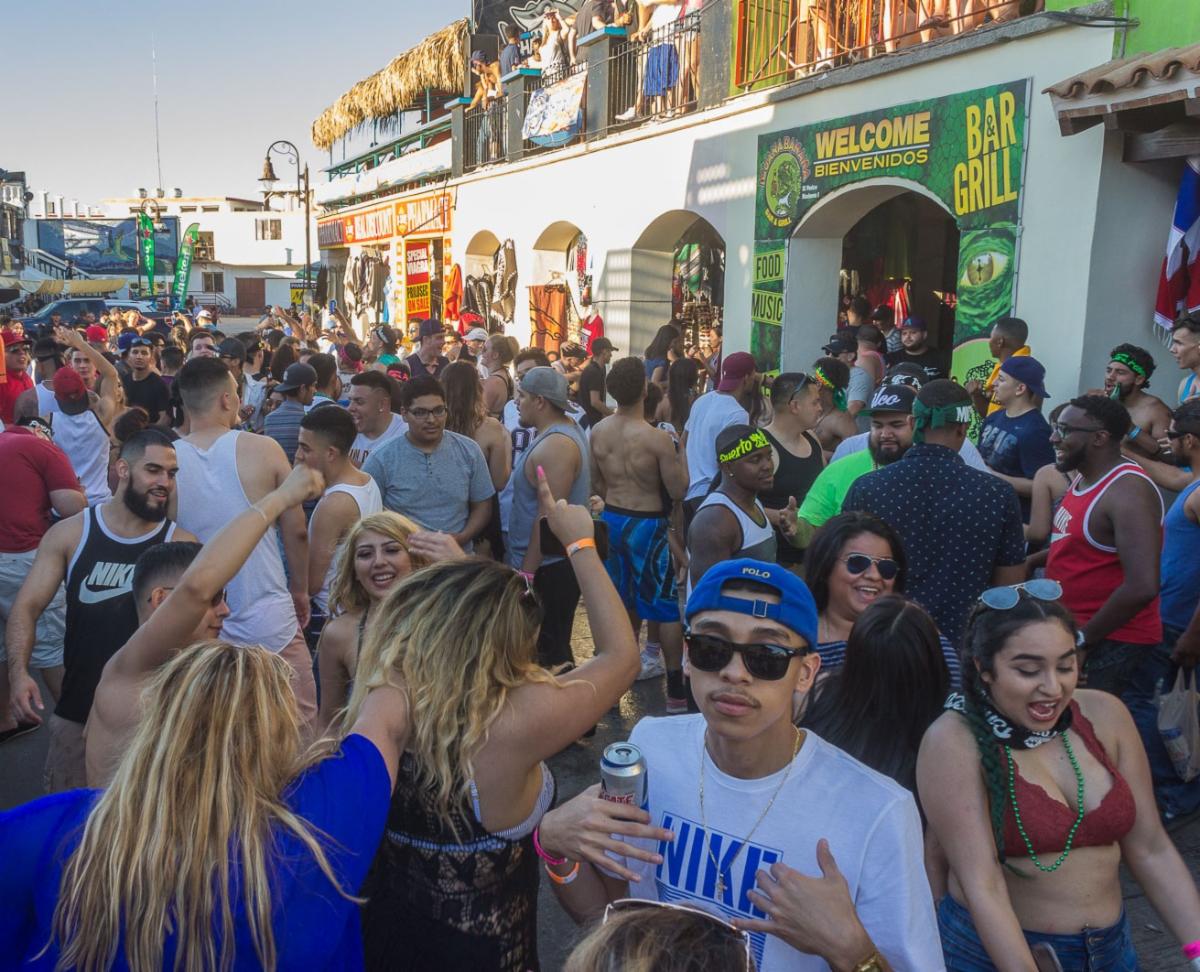 | |
Although reservations are a bit low for the upcoming Spring Break compared to previous years, there are very positive tourism expectations for Rocky Point’s high season starting from the second week of March, revealed Lizette Daniela Ibarra.
With the start of the Spring break holiday in the United States beginning for Arizona on Saturday, the director of the Office of Conventions and Visitors (OCV) affirmed that the arrival of 145,000 to 150,000 tourists are expected from March 8th until the end of the month, with the majority of them being young Americans. It is expected that the month of March will generate an economic influx of approximately $24 million.
She noted that Spring Break in the neighboring country continues to be a very strong market for this destination, as demonstrated last year when there was a flow of over 140,000 tourists.
She elaborated that in 2024, a high influx of young vacationers and families is expected, which will represent a significant economic contribution to Puerto Peñasco, as tourism continues to be its main source of income.
The director of the OCV expressed that, despite the closure of the Lukeville-Sonoyta border crossing last December, there is optimism that Spring Break will have a very favorable impact for Puerto Peñasco.
She added that promotions are underway in Arizona by the Office of Conventions and Visitors of Puerto Peñasco focuseing on promoting the safety offered by this tourist hub, as well as promoting outdoor activities and nature contact that can be enjoyed by young spring breakers and the whole family.
| |
Rocky Point is an Official Whale Watching Destination |  | |
In 2020, Puerto Peñasco became Sonora's first official destination for whale watching, and it's something that is being given an extra push as a tourist destination through the regularization of all service providers engaged in this activity, stated Nélida Barajas Acosta.
The executive director of the Intercultural Center for Desert and Ocean Studies (CEDO) pointed out that, to progress in this regularization, a special workshop on cetaceans in the Sea of Cortez was held recently, with very good participation from the people of Puerto Peñasco who are interested in promoting whale watching in compliance with the law.
She affirmed that whale watching in the Puerto Peñasco area is typically from January 1st to April 30th, so there is just about two months left in the season.
She recalled that since 2020 CEDO has had a permit for "Non-extractive" Commercial Purposes for Whale Watching, and the intention is for everyone in this port to have the same authorization. At this time at least six service providers have already approached for assistance in this process.
She emphasized that the Gulf of California is home to 30 species of cetaceans (whales, dolphins, and porpoises), representing 35% of their global diversity, making this place privileged for observing these incredible animals.
Barajas Acosta stated that the Intercultural CEDO continues and will continue to support and create alliances with tourism service providers, communities, and institutions such as the Puerto Peñasco City Council, SEMARNAT, and specialists in these marine giants to maintain and encourage everyone to create citizen science with natural resources where all actors benefit.
The CEDO director highlighted that the recognition of whale watching in the northern Sea of Cortez is recent, just 5 years ago, and yet it has become an important source of employment for different sectors of the community, from tourism service providers to companies that receive visitors from Arizona, neighboring northern states, and residents who take advantage of the opportunity to see these giants of the sea.
She emphasized that the winter season attracts species migrating to warmer sites, including whales, which are undoubtedly one of the favorite animal groups of Puerto Peñasco residents and visitors due to their majesty, charisma, and the possibility of taking tours to observe them.
However, she clarified, there is information that must be taken into account to be a responsible whale watcher: The distance between whales and vessels (boats less than 10 meters must maintain a distance of 100 meters and boats over 10 meters must maintain a distance of 120 meters), the speed in the observation area must be less than 2 knots or 4 km/hr; the approach must be on a diagonal line from the rear side and proceed parallelly, for a maximum observation time of 30 minutes.
She pointed out that whale watching in Puerto Peñasco opens up new nature tourism projects and continues research, benefiting the community while also promoting awareness about natural resources.
a;ldkfaj;lazdksjf
| |
Esperanza Para Los Niños {Hope for the Children} | 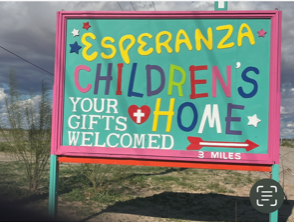 | |
That’s exactly what this amazing home provides, hope. For over 30 years now Esperanza has been rescuing children who had little or no hope or help in their lives and giving them a home and family to grow up in. This 6 acre facility was purchased and pioneered by a man I never met or even knew his name.
When I first stepped foot on this property 29 years ago, it was in dire need of help. At that time, there were 22 children and 6 beds. The single habitable building was in desperate need of paint and a good scrubbing. The elderly woman in charge was doing her best, but was definitely overwhelmed.
Some 28 years later, the place has undergone a total transformation. A board of local pastors and business owners from Puerto Penasco oversee operations. The amazing staff who have literally given their lives to this wonderful place, have been directing activities for over 20 years now. A group of dedicated volunteers from Mexico and the US work in concert with them to try to ensure that the home remains open and the children are clothed, educated and fed.
The unique story of Esperanza Para Los Niño’s is that it is completely funded by private donations, many from the US. Although several churches send regular support, the majority of the funding comes from people from all walks of life. Once you visit this place, you will understand why people commit themselves to helping it continue. The popular song, “I Left My Heart in San Francisco” could be retitled to “I Left My Heart at Esperanza.” Spend some time there, and you will see what I mean. An amazing amount of their support comes from folks headed to Rocky Point for a weekend holiday, see the sign and drive the 3 miles down the dirt road to see what Esperanza Para Los Niño’s is all about. Many leave cash donations or go into town and return with a trunk load of food or essentials. You can be sure the next trip down they come prepared.
The 25-40 children from 0–18 call it home and that is exactly what it is, a home. Several years ago, with the help of some local condo owners and churches, Esperanza expanded. A building on a well-traveled street in Penasco was purchased and remodeled to become Esperanza Para Los Jovenes, {Hope for the Young People}. The need was seen to get the teenagers into town to make a transition to adult life more attainable. School is closer and after class programs are available. Jovenes also uses part of the newly remodeled home to run a second hand clothing store where the young people can learn about business while they help fund the home. This store has also become an important fixture in the local community by providing low cost clothing. A steady flow of good used clothing finds its way here from committed donors and churches from the Phoenix area. Although the proceeds only provide about 10% of the total cost of running the two homes, the factors listed above make it a winning program for everyone.
In my mind, what sets Esperanza apart from other facilities is the sense of family you can see as soon as you arrive. There is nothing quite like the sound of happy children playing. The precious ones are not only very well cared for, but also loved and don’t we all need more of that in our lives. It’s a very special place that I invite all of you to visit soon.
How can you help? Our biggest need at this time is financial support. Although donations have remained pretty steady over the past 5 years, costs have not. Many are unaware that schools are not free in Mexico. In addition, fuel prices have steadily increased and I probably don’t need to mention to any of you about the increasing cost of food.
Donations are accepted at the facility. In addition, Lakes Community Church, near Spokane, Washington receives checks and has a place for on-line giving. You will receive an end of the year tax receipt for your donations. Go to Lakescc.org to access their web site. Choose Connect and then Give on line. Under the fund category you will find Esperanza Para Los Niño’s. All gifts received go to Esperanza with no administrative cost. For more information or to find out how you can help, contact Carl Hampsch at 208-691-7892 or carl.hampsch.wol@gmail.com
| |
Beach Maintenance Crews Preparing for Spring Break | 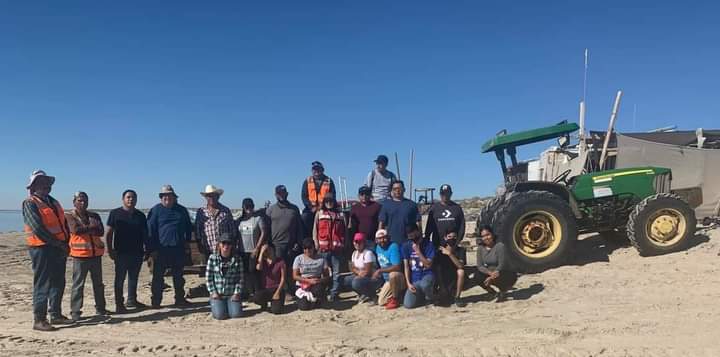 | |
In the beginning days of March, the arrival of thousands of tourists to Puerto Peñasco is expected for the Spring Break period in the United States, so daily work is already being carried out for the maintenance and conservation of the beaches by workers assigned to the Federal Maritime Land Zone Directorate (Zofemat), reported Luis César García González.
The Zofemat director specified that work is being carried out at a forced pace in sand sifting, maintenance of accesses, repair of perimeter fences on the beach, repair of containers for waste disposal, and installation of signage.
An increase in garbage generation of at least 200% is expected, he said, as currently 1 to 2 tons of waste are removed from the shorelines, and during high tourist seasons, that amount increases to between 7 and 12 tons.
He indicated that the instruction from Mayor Jorge Pivac Carrillo is to continue with intensive work to be ready and prepared to attend to and clean the shorelines in Playa Hermosa, Sandy Beach, the Malecón, La Cholla, El Mirador, Playa Mia, and other areas heavily frequented by visitors and residents.
This, he added, is a joint effort with beach vendors, given that with the update of the beach regulations, they must support at least one cleaning campaign to renew their municipal permit.
García González clarified that beach cleaning and maintenance are ongoing, but with the arrival of tourism, now for Spring Break, it is necessary to intensify the work in coordination with the Clean Beach Committee, as the goal is to offer sanitized shorelines to visitors, in addition to maintaining the certifications of Clean Beach and Blue Flag, which Puerto Peñasco already holds.
The Zofemat director urged citizens to continue participating in the different cleaning and conservation campaigns along the coastline, as he emphasized that Puerto Peñasco is the only Sonoran municipality with certified beaches, both at the national and international levels.
| |
Puerto Peñasco Participates in the Travel & Adventure Show in Phoenix, Arizona | |
|
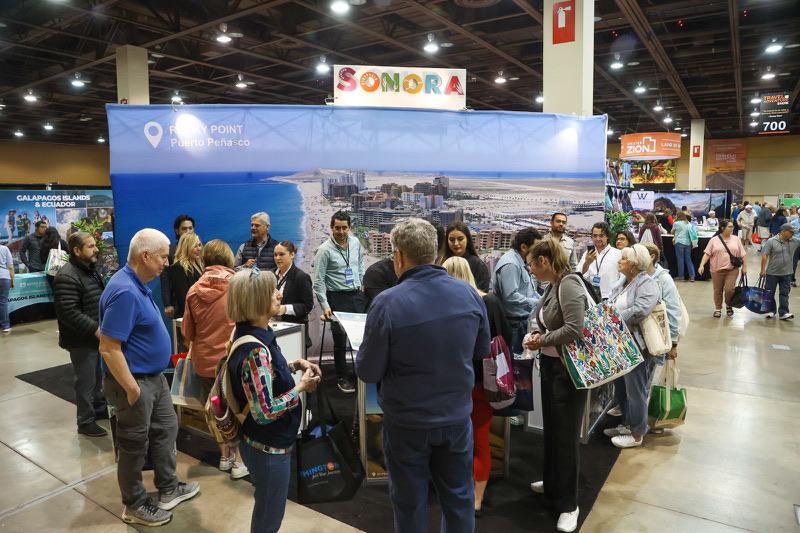
In a coordinated effort between the Government of Sonora, through the Ministry of Tourism (Sectur), and the Office of Conventions and Visitors (OCV), Puerto Peñasco participated recently in the largest event in the United States focused on adventure tourism, known as the Travel & Adventure Show, which this time took place in Phoenix, Arizona.
The event was held at the Phoenix Convention Center, where the presentation of this series was announced in major cities across the United States such as Chicago, Denver, New York, Los Angeles, San Francisco, Washington DC, Atlanta, and Dallas, connecting over 2.1 million enthusiastic travelers seeking vacation destinations.
Activities such as "To the Rhythm of Sonora" and "Rock your World at Rocky Point" were showcased, aiming to attract visitors primarily from Arizona to the beaches of Puerto Peñasco, especially for Spring Break, and from other regions of the country for Easter in Sonora.
Roberto Gradillas Pineda, the Secretary of Tourism of Sonora, mentioned that in coordination with the Office of Conventions and Visitors of Puerto Peñasco (OCV), tour operators, and agents of the value chain, they are working to promote the state to over two thousand travel experts worldwide.
"Our largest market within the United States is Arizona, and following the instruction of our governor Alfonso Durazo, we are strengthening the promotion and dissemination of Sonora in events as important as the Travel & Adventure Show," stated Gradillas Pineda.
The event showcased the entire tourist, gastronomic, and cultural offerings of Puerto Peñasco and the state of Sonora to the American market, aiming to provide unforgettable experiences in the region to all attendees.
| |
All Set and "Revving Up" for Off-Road Bash | |
|
Puerto Peñasco is geared up to welcome off-road enthusiasts to the ultimate celebration of exploration, adrenaline, and camaraderie.
The itinerary for this three-day event spans from March 1st to March 3rd, 2024 with racers from Mexico and the United States.
We look forward to welcoming you to the premier tourist and adventure destination!.
| |
Mayor Debuts Installation of Synthetic Turf at Guaty Romero Stadium | |
|
Mayor Jorge Pivac Carrillo inaugurated the installation of synthetic turf at Guaty Romero baseball field and kicked off the Third Force and Premier League 2024.
The municipal Mayor reaffirms support for athletes through projects like this, where 5.2 million pesos were allocated for installing over 6,900 square meters of synthetic grass.
This is part of a package of sports facility rehabilitation works totaling more than 21 million pesos from municipal resources and private initiatives. Additionally, awards were presented to outstanding players and teams from the 2023 season.
| |
Peso Holds Steady Against the US dollar | 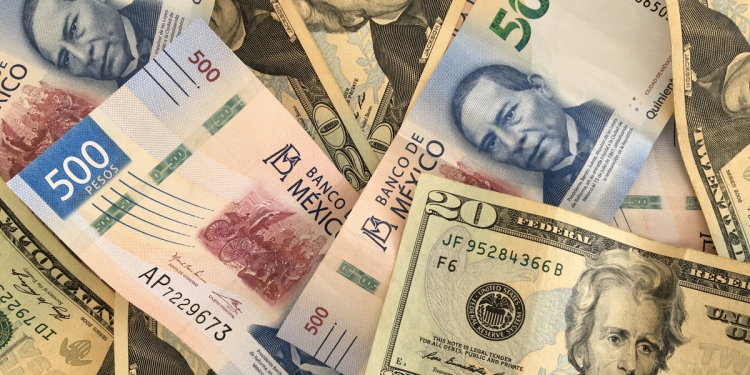 | |
The Mexican peso appreciated to its strongest position against the US dollar in more than a month, trading at just below 17 to the greenback before weakening slightly.
The USD:MXN exchange rate was 16.998 just before 8:30 a.m. Mexico City time, according to Bloomberg. That was the peso’s strongest position since Jan. 15. At 10 a.m., the peso was trading at a slightly weaker 17.04 to the dollar, on par with its closing position on Monday.
Just over half of 104 economists polled by Reuters — 53 — predicted that a first cut to the current 5.25%-5.5% range will come in June, while 33 anticipated an initial cut in May. The other 18 predicted that the Fed will make a first cut sometime in the second half of 2024.
The Mexican peso benefited in 2023 from the vast difference between the Bank of Mexico’s benchmark interest rate — set at 11.25% since last March — and that of the Fed. An initial cut to the Bank of Mexico (Banxico) rate is seen as likely in the first half of the year, although inflation ticked up to almost 5% in January. Banxico will publish the minutes from its monetary policy meeting earlier this month on Thursday.
The peso had an impressive 2023, trading at just below 17 to the dollar at the end of December after beginning the year at around 19.5 to the greenback. The gain for the peso in percentage terms last year was around 13%.
In addition to the difference between interest rates in Mexico and the U.S., strong incoming flows of remittances and foreign investment also contributed to the peso’s positive performance last year.
So far in 2024, the USD:MXN exchange rate has fluctuated between a range of 16.8 and 17.4.
The consensus forecast of 33 banks, brokerages and research organizations consulted by Citibanamex in late 2023 was that the peso will weaken this year to trade at 18.65 to the dollar at the end of 2024.
| |
City Continues Pet Sterilizations, 137 Just in February | |
|
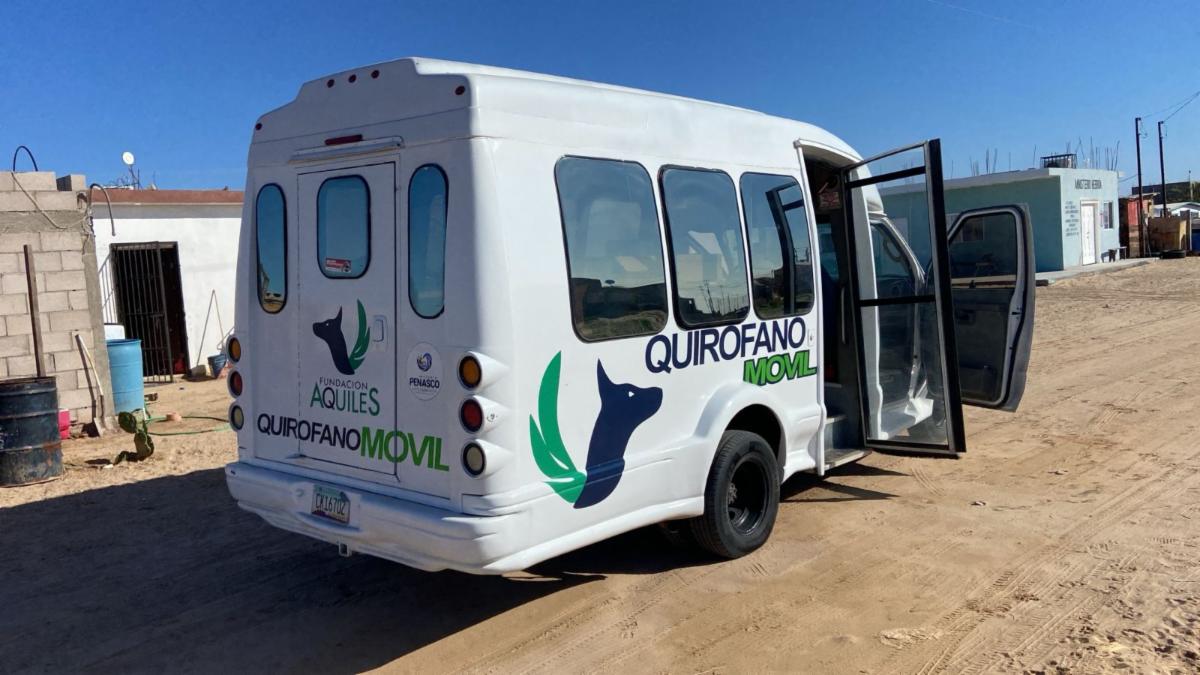
So far in 2024, there has been a 100% increase in pet sterilizations in the campaigns being carried out in the various neighborhoods of Puerto Peñasco and in community centers, revealed Erick Francisco Gastélum Pacheco.
The Animal Control Manager of the Municipal Health Coordination reported that in the month of February alone, 137 sterilizations of dogs and cats have been performed, and a greater number of pets have been treated with vaccination and deworming, with an average of at least two campaigns per week.
He specified that, in addition to sterilizations, 44 dogs were dewormed, six notices have been issued to individuals for non-compliance with the Animal Protection Regulations; three reports of dog bites have been addressed, one of a horse in poor condition, a fox wandering in an urban area, and a dog that killed several chickens.
The main objective, he emphasized, is to reduce the uncontrolled reproduction of domestic animals. He highlighted the good response from the community and commented that the goal is to continue bringing similar campaigns to the different neighborhoods in the area, so that this year the nearly one thousand sterilizations achieved in 2023 can be doubled.
He reaffirmed that these strategies for pet care in the neighborhoods of Puerto Peñasco are a priority in the municipal administration, by instructions of Mayor Jorge Pivac Carrillo, because it is the strategy that has proven to be the most effective for controlling domestic animals populations.
| |
1st Caravan of the Season Arrives in Rocky Point | |
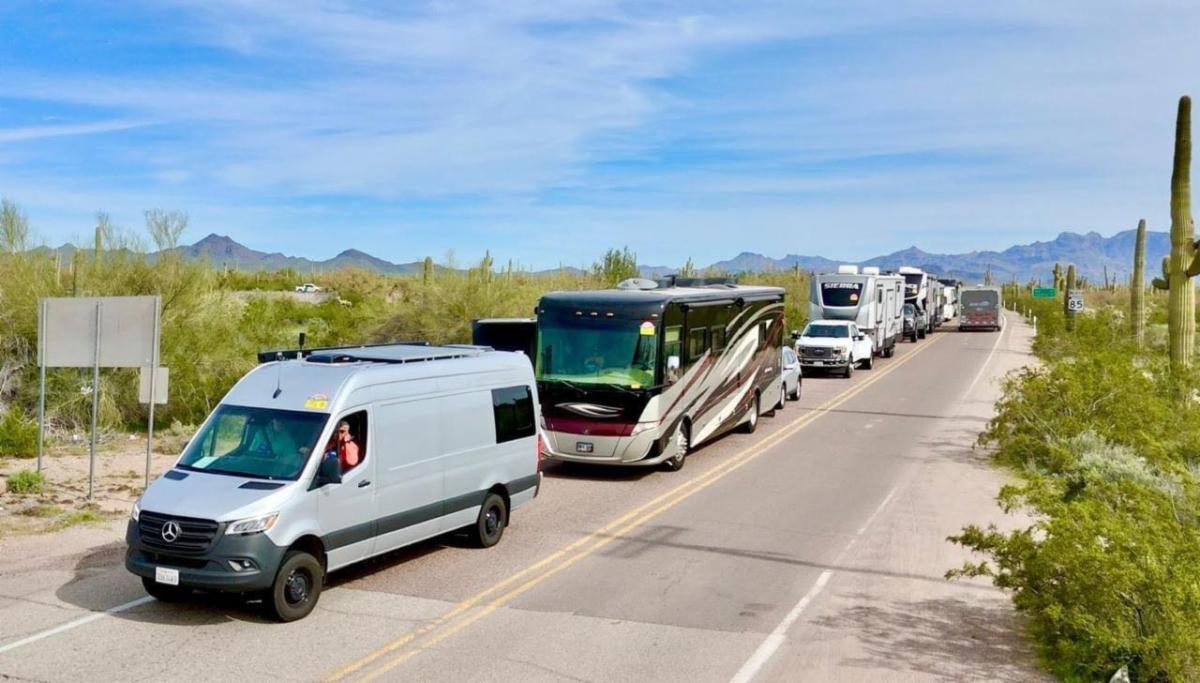 | |
The Government of Sonora, through the Secretary of Tourism (Sectur), welcomed the first caravan of tourists for the season, arriving from the United States and headed to Puerto Peñasco. There were 26 buses from different parts of the world, primarily from Canada and the United States, which crossed through the Lukeville-Sonoyta border on Tuesday, February 26.
This caravan, led by Francisco Leal of Sierra Tours Experience, has a travel itinerary ranging from sampling local cuisine and tours to presentations of activities showcasing the main experiences in Puerto Peñasco, allowing the large group of tourists to enjoy a seven-day stay in the paradise of the Gulf of California.
The Secretary of Tourism, Roberto Gradillas Pineda, expressed gratitude for the trust placed by the companies organizing these caravans in choosing to come and enjoy what Puerto Peñasco has to offer.
"We are ready to welcome all tourists from the neighboring state of Arizona and from across the United States with open arms to our beautiful beaches of Puerto Peñasco, as well as all the spring breakers in the upcoming weeks," Gradillas Pineda stated.
| |
History & Holidays: Benito Juárez | |
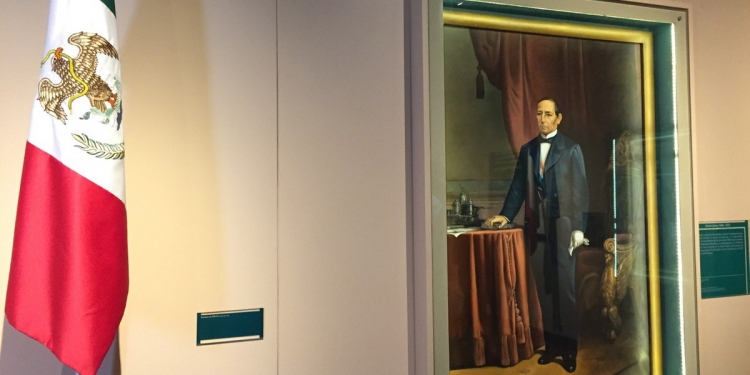 | |
March 21st each year marks anniversary of the birth of Benito Juárez, the most famous of Mexican presidents, one of the best known of Mexico’s historical characters, and something of a benchmark for the country’s political life.
For many, the anniversary provides a day-off work; this national holiday is observed on the nearest Monday to the date, creating a long holiday weekend in March. For the political classes, it’s an opportunity for speech-making and scoring election campaign points; for the intellectual, a chance to reinterpret history — again?— or at least run some new or resuscitated ideas by the readers of opinion journals.
Benito Juárez was born on March 21, 1806 in San Pablo Guelatao, in the southern state of Oaxaca. Around age 12, orphaned and knowing no Spanish, he went to the state capital, Oaxaca City, to live. He studied at the Santa Cruz seminary, but abandoned the idea of the priesthood for a career in law. After becoming a lawyer, he entered politics, first in his home state and then nationally.
Juárez is best known for the the Reform Laws of 1859, which established the separation of Church and State, expropriated church properties, and introduced civil weddings. He led the liberals in the Reform War of 1858-1861, which pitted them against the conservatives. The conservative forces were defeated, and Juárez called elections, which he won, assuming the presidency in 1861.
When the French took the city of Puebla in 1863 and installed Maximilian of Habsburg as emperor, Juárez moved north, organizing an offensive from Paso del Norte which was later renamed Ciudad Juárez. With the defeat of Maximilian in 1867, Juarez returned to the capital, where his government embarked on programs of economic and educational development. He was elected again in 1871, and died before completing his term.
His most famous saying is that “among individuals as among nations, the respect for the rights of others is peace.” Many plaques and statues —including the one pictured above— quote this famous line.
A fair historical comparison for Juárez might be Thomas Jefferson or William Pitt, but in the popular mind’s eye Mexico’s only indigenous president is more spectacular—an Abraham Lincoln or a Lord Horatio Nelson.
| |
Amazon Web Services to Invest Over US $5B in Mexico |  | |
Amazon Web Services (AWS) intends to invest more than US $5 billion in a cluster of data centers in Querétaro, the company announced Monday.
The investment — one of the most substantial to be announced in Mexico in recent times — will be spread over 15 years, but the cloud-computing subsidiary of the United States-based e-commerce giant Amazon plans to launch a new “AWS infrastructure region” in the Bajío region state in early 2025, according to a press release.
“The new AWS Mexico (Central) Region will give developers, startups, entrepreneurs, and enterprises, as well as government, education, and nonprofit organizations, greater choice for running their applications and serving end users from data centers located in Mexico, ensuring that customers who want to store their content in Mexico can do so,” AWS said.
“As part of its long-term commitment to Latin America, AWS is planning to invest more than $5 billion (approx. MXN $85 billion) in Mexico over 15 years. The upcoming AWS Mexico Region is the latest in AWS’s ongoing investments in Mexico to provide customers with advanced and secure cloud technologies.”
Rubén Mugártegui, head of AWS in Mexico, also announced the investment at a press conference on Monday. In an interview with Reuters, he said that the company has been working on the project for over five years.
“Cloud computing helps companies access technology services such as storage and databases through the internet, ending the need to own and maintain physical data centers and servers,” the news agency reported.
Citing a study, Mugártegui told Reuters that companies can reduce their technology costs by about 20% when they use AWS.
Among the companies in Mexico that already use the company’s services are Aeroméxico, Banco Santander Mexico, BBVA and Cinépolis. Another customer is the government of Michoacán.
At Monday’s press conference announcement, Economy Minister Raquel Buenrostro said that the federal government has been working with AWS on its planned project in Querétaro. In his interview with Reuters, Mugártegui declined to say whether the company had been offered any tax incentives to set up in Mexico.
The federal government announced tax incentives aimed at boosting foreign investment in Mexico in late 2023, but they weren’t directed at companies operating data centers.
Buenrostro acknowledged that “cloud services are an essential part of everyday life” and said they are “helping us to digitally and economically transform Mexico.”
“We welcome AWS’s investment and expansion in Mexico because it is a sign of trust and demonstrates conditions are right to support the nearshoring trend across many sectors of our economy. We also welcome AWS’s investment in training students, micro, small and medium-sized companies, and digital entrepreneurs in Mexico at scale,” she added.
Querétaro Governor Mauricio Kuri said that “AWS’s infrastructure expansion in Querétaro is a testament to our state’s commitment to advanced technology and innovation, and to the work we’ve done to create an environment where technology companies can thrive.”
The company’s press release highlighted that it “offers the broadest and deepest portfolio of services, including analytics, artificial intelligence, compute, database, Internet of Things (IoT), machine learning, mobile services, storage, and other cloud technologies.”
“As part of a continued commitment to contribute to the development of digital skills, AWS will hire and develop additional local personnel to operate and support the new AWS Region in Mexico,” it added.
The Amazon subsidiary already has seven “CloudFront edge” locations in Mexico as well as “AWS local zones” in Querétaro. Amazon – owned by billionaire New Mexico native Jeff Bezos – has invested more than $3 billion in Mexico since its arrival here in 2015, Reuters said. aas;lkjdef
| |
Meet the Sonoran's Family of Beachfront Resorts | |
Mexican Chile Peppers 101: Everything You Need to Know | |
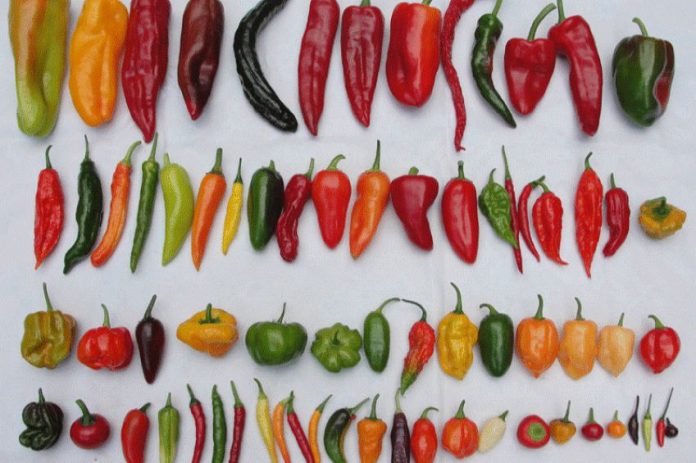 | |
Chiles are a fundamental ingredient in Mexican cuisine, infusing traditional dishes with different flavors, complexity, depth, and spiciness.
Thanks to Mexico’s varied climate and geography, nearly 40 chile pepper varieties can be grown throughout the country, without altering the chile’s flavor or spiciness.
With so many varieties, it is no wonder that the average Mexican consumes 18 kg of chile per year, and that the country is amongst the top 3 chile producers in the world.
A brief history of chile
When ancient civilizations in what is now Mexico discovered that wild chile peppers were edible, they began selectively cultivating them, developing various types with different flavors and levels of spiciness.
In Mexico, the oldest evidence of chile seeds in human settlements is in the Coxatlán cave in the Tehuacán region of Puebla. Likewise, the Guilá Naquitz site, near Mitla in southern Oaxaca, provides evidence of early chile domestication.
In his “General History of the Things of New Spain” Fray Bernardino de Sahagún wrote about different types of chile peppers and the dishes in which they were used. He also reported on the use of chile peppers to treat certain mouth diseases.
Over time, chile peppers became a popular seasoning for meats brought from Spain, like beef and pork and were combined with other native and foreign spices to recreate traditional dishes like the mole sauce.
The spiciness of chiles
A chile’s level of spiciness depends on the amount of capsaicin, its main compound. For example, the habanero has the highest percentage of capsaicin of all Mexican chiles, while the poblano chile has the least.
Whether fresh, dried, raw or cooked, the type of chile pepper you use depends on the desired dish and level of spiciness, so it is crucial to know which ones are best suited for your recipe.
To help you pick the right chile pepper for your dish, we have put together a list of the most commonly used types of chile peppers in Mexican cuisine, divided into fresh and dried chiles. The list includes information on the usage, spice level and recipe examples.
Fresh chiles
Poblano: The chile poblano is the largest type of chile consumed in Mexico. It is dark green in color and has a size similar to that of a large pepper. It’s ideal for use in soups and sauces or as a garnish.
Among the dishes that use poblano are pollo con rajas (chicken stew topped with slices of poblano), chile poblano soup, and of course, chile en nogada, one of the most iconic dishes in Mexican cuisine.
Jalapeño: About four inches long, the jalapeño is one of the most recognizable Mexican chiles. Its color changes from bright green to red once it is ripe. Some say the chile’s name comes from La Xalapeña, a food packaging company in Veracruz that popularized pickled chiles in Mexico, now the most common way to eat jalapeños. In the United States, the jalapeño is used as an appetizer stuffed with cheese and fried.
Serrano: It is the second most produced variety in the country following jalapeño. It is small in size, and its color varies from bright green to red depending on how ripe it is. Typically, it is sliced up and mixed into almost every salsa, pico de gallo and guacamole.
Habanero: According to the story, this chile originated in Cuba and became popular in the state of Yucatán, where it turned into the staple garnish of the cochinita pibil. It is also used in acidic salsas containing fruit like mango or tamarind.
As the spiciest chile in Mexico, a salsa negra (made of burnt onion and habanero without seeds) is a safe method to try habanero, as it reduces the chile’s spiciness and enables you to taste its flavor.
Dried chiles
Ancho: This chile is the dried version of the poblano pepper. The drying process gives it a smoky, earthy, and slightly sweet flavor, making it perfect for marinades and sauces like mole.
Guajillo: This is the dried version of the mirasol chile, a deep red chile about ten centimeters long. Once dry, the guajillo turns darker in color and becomes flat and hard. It is a bit spicier than a chile ancho or poblano and is used as the flavor base for enchiladas and chilaquiles. It generally pairs well with any other dried chile.
Chile de árbol: Although small and thin (5-7 cm long and 1 cm wide), this is a spicy chile. It is also used in enchiladas and chilaquiles to give them a spicy kick and is the flavor base of the salsa macha and salsa roja, used to garnish everything from tacos to enchiladas, sopes, huevos rancheros and even pozole.
Chipotle: This smokey kind of sweet chile is the dried version of a jalapeño pepper. Due to its smoky flavor, the Nahuatl called it chilpoctli, which means “smoked chile.”
The most popular form of dried chipotle is canned and prepared with adobo sauce. In this presentation, it is commonly used to add flavor to dishes like tinga de pollo, fideo seco, and sauces that accompany chicken.
Pasilla: The second most popular dried chile in Mexico after chipotle, it is produced from the chilaca pepper, which is similar in appearance to the poblano but thinner. Its name translates to “little raisin” due to its dark wrinkly skin and a deeply sweet dried-fruit flavor. It is often found in mole and is the staple ingredient of the pasilla sauce, one of the most common sauces in any Mexican restaurant or fonda.
Dried chiles are best stored in a sealed glass container at room temperature.
Pro tip: If you ever find yourself overwhelmed by spiciness, remember that a glass of milk, a spoonful of crema fresca, or a big slice of cheese can alleviate the discomfort. Water is not enough!
| |
Virtually Everything You Need to Know about Tortillas | 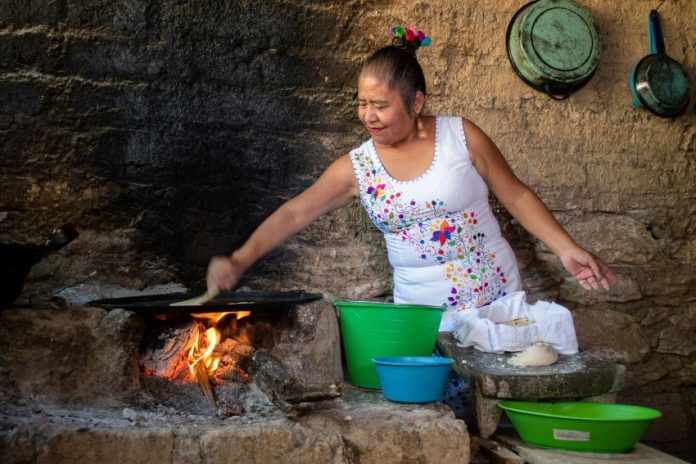 | |
Have you wondered where and when Mexicans think it is appropriate to eat tortillas?
The answer is everywhere and all the time.
In the ancient lands of Mesoamerica, the Aztecs and Maya were pioneers in cultivating corn. Aztec legend tells a mesmerizing tale of the “Children of Corn,” where the goddess Tonantzin crafted the first humans from the essence of this golden grain. This myth weaves a cosmic connection between Mexicans and their sacred crop, making corn not just a harvest, but also a profound part of their identity.
Even today, corn remains a fundamental element in the diets and cultural identity of people in Mexico and Central America, portrayed as a sacred and life-giving force.
How is corn turned into tortillas?
Nixtamalization, a Mesoamerican technique still used to this day, involves soaking dried corn in an alkaline solution, typically made from slaked lime. This process is crucial in creating masa, the dough, and improves the corn’s nutritional value by enhancing the bioavailability of nutrients, as well as contributing to its distinctive taste. After soaking, the corn is rinsed, cooked until plump, washed to remove excess alkaline solution, ground into masa, and finally shaped into thin discs, ready to be cooked and savored as delicious tortillas.
Corn tortillas are a nutritious choice for a healthy diet. They’re low in fat and packed with complex carbohydrates that provide a steady source of energy throughout the day. Their fiber content contributes to digestion and a feeling of fullness. Corn tortillas are also gluten-free and bring essential nutrients to the table, including calcium, iron, magnesium, and B vitamins.
Tortillas are a matter of national policy
In 2020, President Andrés Manuel López Obrador published a decree that effectively prohibits the use of genetically modified corn for human consumption. The decree also specifically demands that tortilla producers only use corn grown in Mexico. Citing the protection of native corn varieties and public health concerns related to agrochemicals, the decision is framed as a move to safeguard local agriculture and health. This has triggered international tensions due to its potential impact on grain exports from the United States to Mexico.
Tortillas are such a staple food in Mexico, that ensuring affordable tortilla prices has been a longstanding priority for the government. This commitment to affordability is rooted in the government’s aim to guarantee food security and meet the nutritional requirements of the people. Even inflation rates are closely linked to tortilla prices, so essential is the food to everyday life in Mexico.
How do Mexicans eat tortillas?
Tortillas are placed at the table in baskets, called tortilleros, which are often the most cherished item in the kitchen. Every neighborhood has at least one tortillería, where people line up at lunchtime to buy by the kilo.
What can you make with tortillas?
Mexicans eat tortillas in every possible way. Roll some savory meat or stew into a tortilla, fold it snug, and bam, it’s taco time. Fold a tortilla with cheese, toss it on the grill, and voila, you’ve got a quesadilla. Dip the tortilla in salsa before filling and rolling, and there you have it, an enchilada. Grab some stale tortillas, chop them into bite-sized bits, fry to perfection, smother them in salsa, sprinkle cheese on top and dive into a bowl of tasty chilaquiles!
For cold weather, drop a handful of fried tortilla strips into warm flavorful broth, add avocado and cheese cubes and you have sopa de tortilla. Challenge the sturdiness of a flat crispy tortilla by piling on lots of toppings to enjoy a tostada. In an homage to lasagna, place layers of tortillas, shredded chicken, cheese and salsa in a baking dish and meet pastel azteca.
In Mexican households, the art of making tortillas isn’t just about sustenance; it’s a cherished tradition that unites families around the kitchen table. Often a collaborative effort, particularly among women, the process of pressing masa into perfectly round discs is a ritual that strengthens bonds. And when men return home from their day’s work, the sight of freshly handmade tortillas is a rewarding show of love.
A simple, unassuming tortilla can become a masterpiece, weaving stories of the divine origin, natural resilience and life-giving nutrition that are the sustenance of a nation’s soul. Among the culinary wonders of the world, the tortilla stands.
Here's a Simple Recipe for Making Fresh Tortillas at Home:
Ingredients:
Masa harina: This is a type of corn flour made from nixtamalized corn that has a unique flavor and texture and is essential for making authentic Mexican corn tortillas. There are many brands of masa harina out there, and the most popular one is Maseca. Other popular brands include Masienda, Bob’s Red Mill, and King Arthur. Masa harina comes in white, yellow, red, or blue corn varieties and they can all be used to make corn tortillas using this recipe!
Warm water: You’ll need water to rehydrate the masa harina to form a dough. The amount of water you’ll need will vary depending on the brand of masa harina as well as the overall moisture level in your home. A good starting amount is 1 ½ cups, then adding more as needed.
Salt: Most people like adding a little salt to my tortillas. It really brings out the corn flavor and makes you want to eat the tortillas by themselves because they’re just that good! I recommend using fine salt instead of a coarser kosher salt.
Fat (optional): A little extra-virgin olive oil or lard is added to help keep the tortillas pliable for longer, as well as to add a touch of flavor. Lard is traditionally used, but olive oil also works! Some tortilla purists don’t add fat at all. It’s all personal preference! If you don’t want to add any, you can leave it out.
Tortilla press (optional): Having a tortilla press makes the process of making homemade corn tortillas so much easier! They’re relatively inexpensive and you’ll get some good use out of it. If you don’t have one, you can press your tortillas in between pieces of parchment paper using a large glass baking dish. The trick is to press them as evenly as possible so that they’re the same thickness all around.
Nonstick skillet, comal, or cast-iron pan: Any of these options are great for cooking your tortillas. A comal or a cast-iron griddle is traditionally used. If you have all three types of pans, try cooking a few tortillas in each one to see which one you prefer. There’s no wrong answer!
Tortilla warmer (optional): To keep the tortillas warm while you cook them all up, put them in a tortilla warmer or cover them in a clean kitchen towel and place them in a large plastic storage bag to keep in the heat and moisture. This will keep them pliable and hot for when you’re ready to eat!
How to Make Corn Tortillas
Step 1: In a large bowl, combine the masa harina and salt. Stir in the water and oil until a dough forms.
Step 2: Using your hands, knead the dough for about 3 minutes until it fully comes together and all the water is absorbed. To make sure it’s ready, grab a small piece and roll it into a ball. Press down on it with a finger or the palm of your hand, and if the edges of the dough crack, the dough is too dry. If the dough really sticks to your skin, it’s too wet. Add more water or masa harina as necessary.
Step 3: Divide the dough into 14 equal portions, then roll each into a ball. Cover them with a clean damp cloth or plastic wrap to keep the dough moist while you press and cook the tortillas.
Step 4: Lay some plastic or parchment paper on the open tortilla press and place 1 dough ball on the bottom half. Fold the other side of the plastic or parchment paper over the dough and gently close and press the upper portion of the tortilla press to flatten it out. Open the tortilla press and carefully peel back the plastic or parchment paper and transfer the tortilla to your hand.
Step 5: Cooking 1 or 2 at a time, place the tortilla on a hot nonstick skillet, comal, or griddle and cook for 15 to 20 seconds. Flip and cook the other side for 15 to 20 more seconds. Flip the tortilla again and cook for another 30 seconds on each side.
Step 6: Place the cooked tortillas in a tortilla warmer or wrap them in a clean kitchen towel and place them inside a resealable plastic bag to keep them warm and soft.
HELPFUL TIPS
Water content: Getting the moisture level of the dough just right can be a little tricky, especially if it’s your first time making corn tortillas. I recommend starting with 1 ½ cups water and then adding more as needed. You’ll need to knead the dough with your hands to get a feel for how wet the dough is. Try to get the dough to the point where it’s as wet as it can possibly be before it gets difficult to work with, meaning if the dough is really sticking to your hands and isn’t coming together, it’s too wet.
A quick test to see if your dough needs more water: Take a piece of dough and roll it into a ball. Press down on the middle of the ball with a finger or the palm of your other hand. If the edges of the flattened ball crack, it’s too dry and needs more water. It may feel like it doesn’t need more water, but if it cracks, trust me – just knead in a tablespoon or two of water at a time until it passes this test.
Getting your corn tortillas to puff: This is the ultimate sign that you’ve got the perfect tortilla cooked under the perfect conditions. It takes some practice, but once you get a feel for the dough and your kitchen stove, you can do it! The main thing that affects whether your tortilla puffs is the moisture level in the dough. The more moisture the better because the steam created when you cook the tortilla on the hot pan is what creates the puff. If you think your moisture level is right, look at how hot your pan is. Are you cooking the tortilla too long on one side so by the time you flip it over it has already dried out? Try 15 seconds on one side, flip, and cook it for 15 seconds on the other side. Then flip it again and cook it about 30 seconds before flipping it one last time. The first two flips create a sort of sear on the tortilla that helps keep in the steam!
No tortilla press? That’s okay. You can flatten your corn tortillas with a large baking dish. Just place the ball of dough in between two pieces of parchment paper and press down on the baking dish as evenly as possible.
| |
Traditional Grocery Stores Disappear Due to National Chains | |
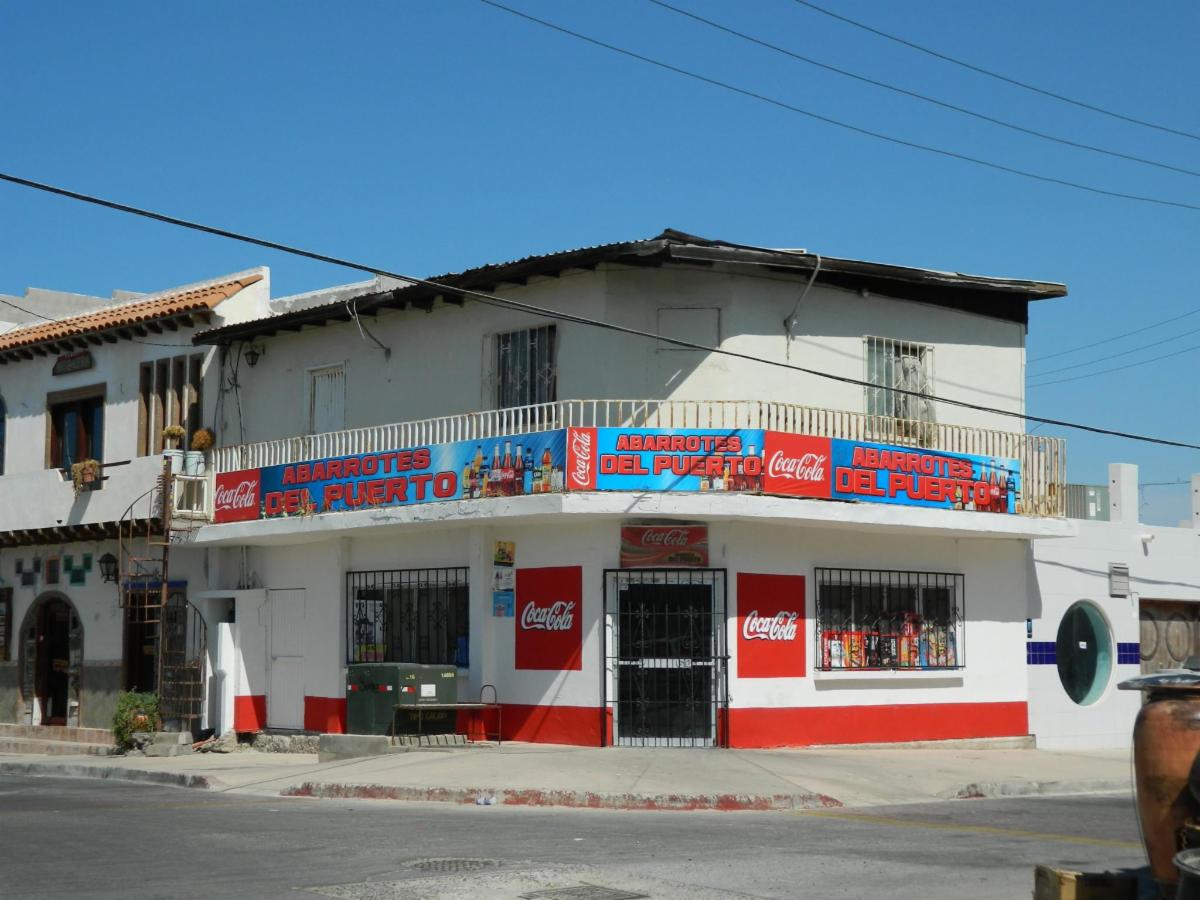 | |
Finding a traditional grocery store is becoming increasingly difficult, largely due to the proliferation of national chain convenience stores (like Oxxo). This is a situation experienced across almost the entire Mexican Republic. We observe how the openings of these types of establishments are on the rise. Instead of benefiting us economically and physically, they do quite the opposite. Additionally, the profits generated by these establishments don't stay in our city. By natural law, these profits are generated but not kept here. We're also deprived of some natural homemade products or regional items, which are much healthier than those sold in these now-famous convenience stores.
The first formal grocery store "La Añeja" was located on what is now 20 de Noviembre Street, between Alcantar and Benito Juárez. This establishment was run by its owners, José Flores, and Próspero Villavicencio. Of course, you had to buy whatever was in stock—mostly essential items. Once or twice a week, there would be meat available—sometimes beef, sometimes pork, and if lucky, chicken, but only in winter. It was too risky to transport poultry "on the hoof" from elsewhere. If it was pork, there were pork rinds and other derivatives, primarily made on-site, spreading their aroma throughout the port—an aroma that signaled that there would be pork rinds in a couple of hours. Pork meat rarely stretched to making chorizo, perhaps only on special occasions like special meals, "carnitas," or chorizo. If it was beef, it was usually used for birria.
As the years went by and communication became less difficult, the arrival of other necessary products increased. Of course, as more and more establishments emerged, the variety of products grew. One especially remembered merchant was Joaquín R. Mátus, whose advertisement in front of his business read "Everything." According to old residents, Joaquín R. Mátus stocked groceries, hardware, and construction materials. It was strange for many to see even harnesses for pack animals hanging up—anything from horseshoe nails to complete saddles. The explanation was simple for those who had lived here for years: when rains were abundant in the region, grass grew abundantly, covering this part of the desert in green. This was utilized by livestock farmers from nearby municipalities like Caborca, Pitiquito, Santa Ana, and even from Magdalena and Benjamín Hill. They brought their cattle to graze here, and Joaquín R. Mátus had everything to cover these kinds of "emergencies." Of course, this business generated good profits. It didn't take long for other merchants with different lines of business to arrive. The Mata Mitre family was one such example. It started with the mother running a tortillería (tortilla shop), which due to their own needs, had to expand its range to include groceries (Abarrotes El Puerto), always with her children around who were already managing other businesses—a cinema, a hotel, a photography studio, among others.
By the 1960s, the town grew, and with it, the need for groceries increased. As the number of grocery stores grew, so did the need for wholesalers. At first, a sales agent was responsible for offering products wholesale and semi-wholesale. These agents displaced the drivers who transported seafood to other cities, mainly Mexicali and San Luis Río Colorado, and to avoid coming back "empty-handed," they transported goods to local businesses. As expected, the drivers couldn't handle all the local businesses satisfactorily.
The city grew, and it wasn't just El Puerto anymore—the urban sprawl extended to La Curva, El Campo de en Medio, El Sobaco, La Ferrocarrilera, and with them, the grocery stores. The vast majority were merely small family businesses. Some grew into true commercial establishments, such as La Leche Buena, owned by Don Antonio Vázquez Ruiz, now owned by Hugo Bejarano; Mercado El Ahorro, owned by Don Manuel Cárdenas Chávez; Abarrotes Laura, owned by Don Rodrigo Peña Burke. The "Consumo" stores were a great help to fishermen who were members of cooperatives. While the seafaring workers were busy in the tide pools, their wives went to Consumo to buy essential items, charging them to the account of one member or another.
As Puerto Peñasco's geographical situation is quite special—our nearest neighbor is 100 kilometers away, and Sonoyta wasn't, and still isn't, a sufficient supply center, while Caborca was not even considered as it was outside the free trade zone—the only option was San Luis Río Colorado and Mexicali. Transporting all kinds of merchandise from these two cities meant a journey of no less than 300 kilometers, significantly raising prices. This forced society as a whole, primarily members of the Chamber of Commerce, and the municipal government represented by Professor Alfredo López Aceves, to request from the federal government the establishment of a warehouse that would supply local businesses with essential products. The governor of Sonora, Dr. Samuel Ocaña García, echoing the urgent request of this isolated place, extended the request to the general director of CONASUPO, who then ordered the northwest regional manager of Impulsora Nacional Para las Subsistencias Populares S.A. (IMPECSA), a CONASUPO subsidiary company, Licenciado Fernando Clemente Arizmendi Martínez, to immediately open a warehouse. This somewhat relieved the economy of the already growing population because it regulated prices, at least for essential items.
For urban reasons, the shopping center is situated where it stands today. All sorts of services are neatly contained within a defined area: Boulevard Benito Juárez to the west, Calle Sonora to the south, Avenida San Luis to the east, and Calle Simón Morúa to the north.
In short, we remain reliant on our neighbors to the north, as we embraced "modernity" much like North America. The arrival of convenience store chains, some international and most domestic, marked the end of traditional grocery stores. These are now scarce. It's evident that the consumption of processed products has replaced traditional regional items. Finding delicacies like Pepitoria, jamoncillo, cocada, or garapiñado, infused with flavors of pumpkin, biznaga, or camote, has become challenging.
Who could resist the enticing aroma emanating from Guillermo Félix's "changarro," where pork or beef cracklings sizzled in the pan, while homemade chorizo was meticulously crafted? However, seeking such delights in an Oxxo or the nearest convenience store will prove futile.
Many argue that such traditional delicacies lack proper health regulation, yet it's established that they are far less harmful than processed snacks or sugary drinks, regardless of the brand.
Consider, is a loaf of bread from Don Nieves any less healthy than one from "Osito"? It's doubtful. Convenience stores offer only fried foods, cigarettes, wines, and liquors.
Moreover, the profits they generate don't benefit our community; they merely sustain the convenience store industry. Conversely, the earnings from traditional groceries remain within our local economy, contributing to its growth.
Previously, a short stroll from our doorstep to the local grocer provided us with fresh cheese to accompany our home-cooked beans. Now, reaching one of the dwindling traditional groceries entails a much longer journey. Yet, these establishments persist, valiantly fighting to remain a part of our community.
| |
Sonoran Sales Group - The OFFICIAL sales team for Sonoran Resorts!
We are Rocky Point's one and only exclusive and dedicated team who have always, and will always, sell Sonoran Resorts and ONLY Sonoran Resorts!
If you are looking for a team of real professionals who specialize in Puerto Penasco's best family of "True Beachfront" resorts, you've found us, and we are here to serve you.
Whether Buying or Selling, no one can serve you better when it comes to the Sonoran Resorts. We have been here since the beginning, and we will be here for you when you need us.
Our In-House closing team will make things happen quickly and professionally and we will save you money. Our attorneys are on salary and no additional attorney fees are charged to our clients. Loyalty to the Sonoran Resorts Sales Team is both appreciated and rewarded!
We don't just sell the Sonoran Resorts, we ARE the Sonoran Resorts. We work directly with the Developers, the HOAs, and the Rental companies.
We really can help you in ways that no one else can.
| |
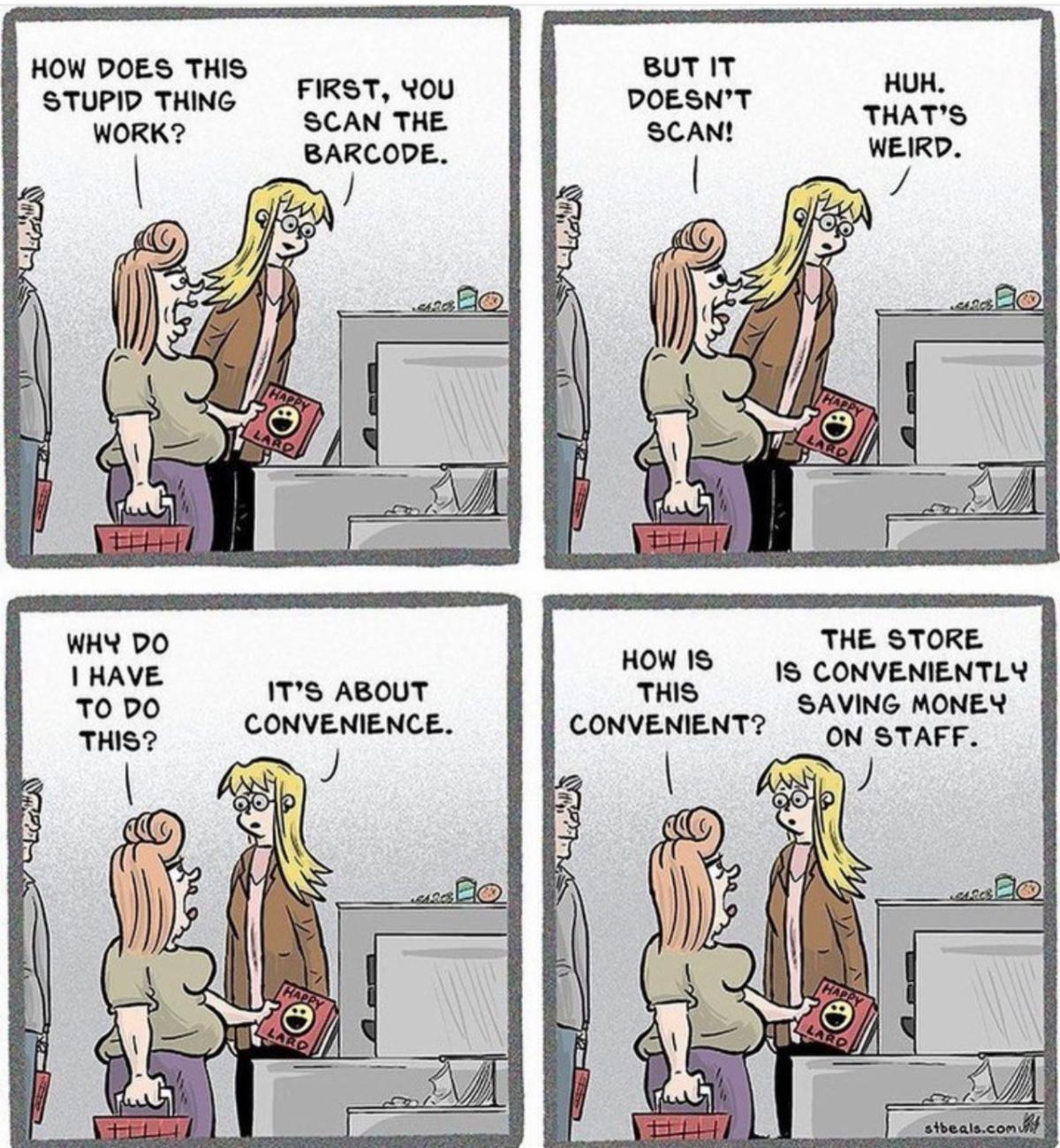
Just for the fun of it... | |
Jim Ringquist
rockypointjim@gmail.com
| | | | |