|
|
MISSIONS
Roman to Launch Ahead of Schedule
| | |
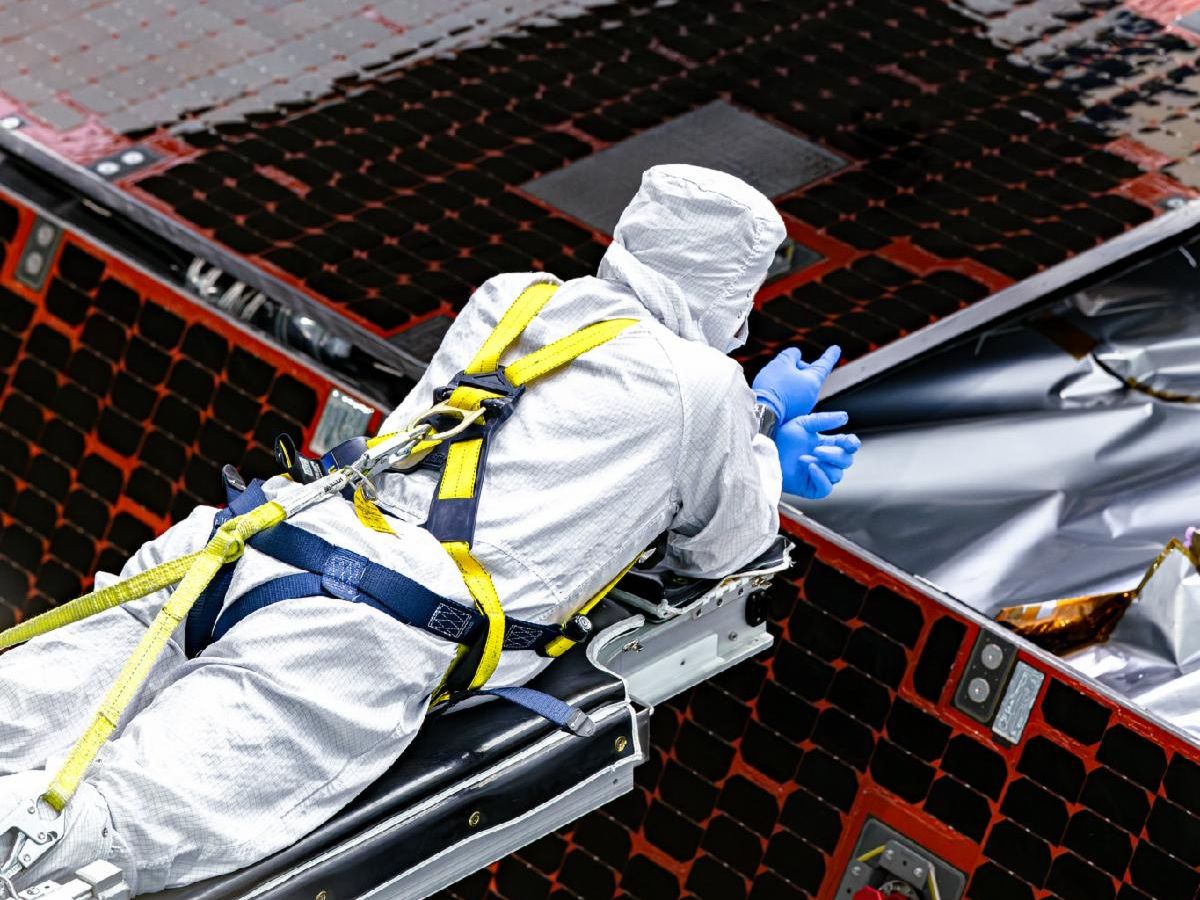
NASA’s Nancy Grace Roman Space Telescope is now officially slated to launch on Aug. 30 — eight months ahead of schedule.
With less than three months to go, engineers are preparing Roman for its journey from NASA’s Goddard Space Flight Center in Greenbelt, Maryland, to the agency's Kennedy Space Center in Florida later this month. All of this work will culminate in Roman delivering never-before-seen views of the universe.
The observatory will combine a wide field of view with crisp infrared vision to survey deep, vast swaths of the sky. Although the mission was designed to study dark energy, dark matter, and planets outside our solar system, Roman’s unprecedented observational capability will offer practically limitless opportunities for astronomers to explore a broad range of cosmic phenomena.
REVEALING UNTOLD COSMIC OBJECTS
| | |
|
MISSIONS
Farewell to MAVEN
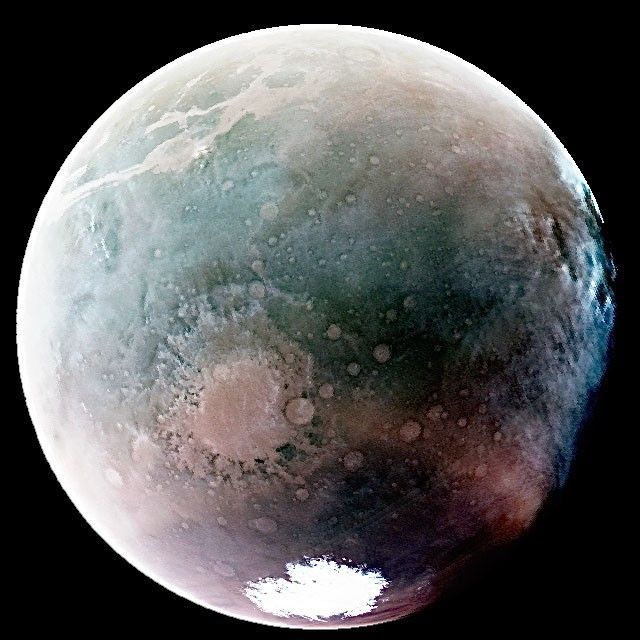
The first mission devoted to observing the Martian atmosphere and its evolution — NASA's MAVEN, or Mars Atmosphere and Volatile Evolution — has ended after more than 11 years in orbit at Mars and a decade beyond its primary, one-year mission. The spacecraft was heard last on Dec. 6, 2025, when it experienced an unexpected loss of signal after it passed behind the Red Planet.
MISSION HIGHLIGHTS
| | |
ARTEMIS
Moon Joy June
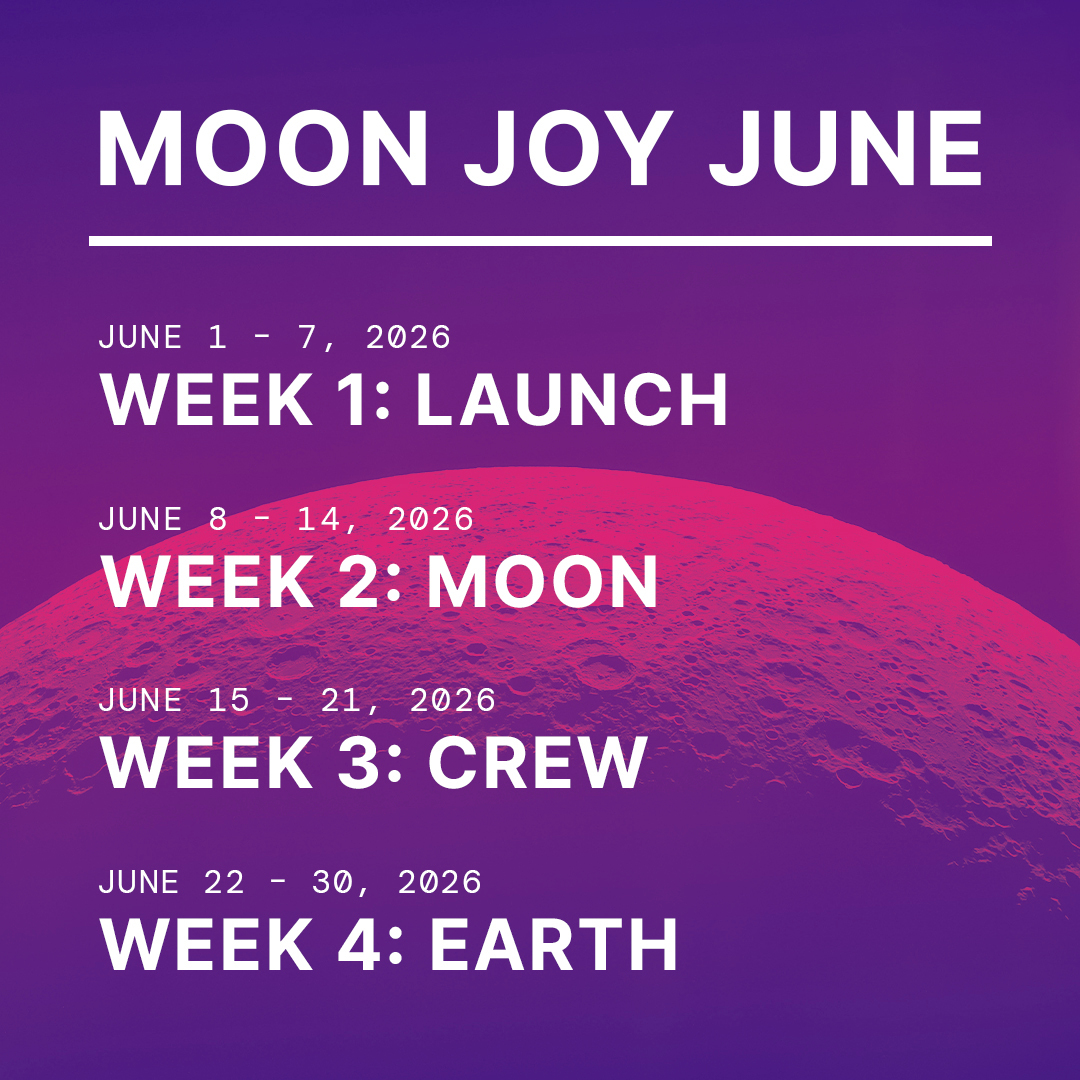
Want to keep the Moon Joy alive following the Artemis II mission? Join Moon Joy June for weekly prompts to inspire your artistic creations! Share your paintings, drawings, dance moves, nail art, latte foam art on Instagram, Threads, and Tumblr — the sky is (not) the limit for your Artemis-inspired art.
HOW TO PARTICIPATE
| | | |
THE SOLAR SYSTEM
Cosmic Ray Origins
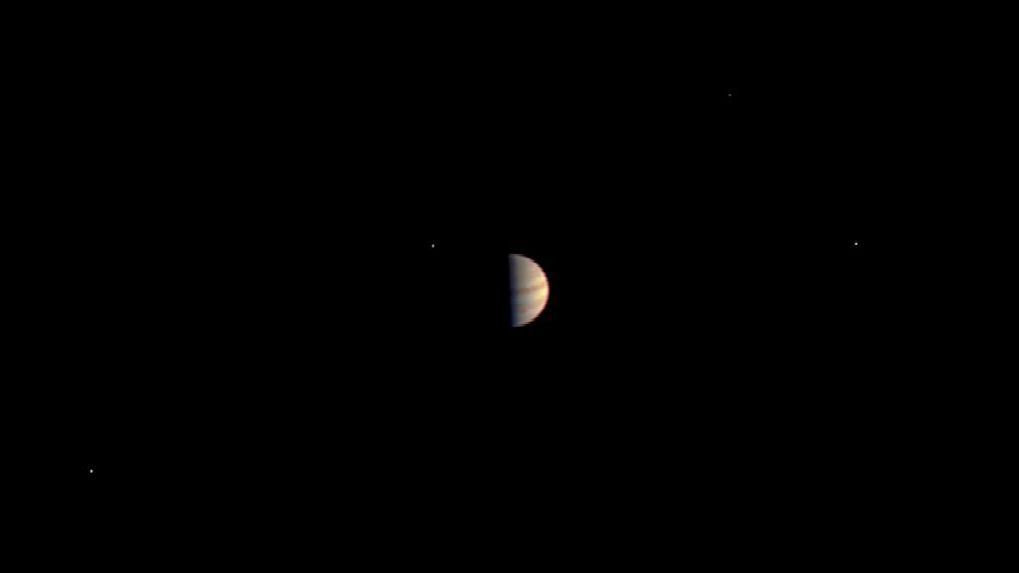
Particles traveling close to the speed of light near Jupiter, detected by NASA’s Juno spacecraft, offer fresh clues about how and where high‑energy particles such as cosmic rays are created. Scientists have been chasing the origins of cosmic rays for more than a century. These energetic particles can arise from many sources, including supernovas and eruptions from the Sun. When solar energetic particles reach Earth, they can trigger space‑weather disturbances that interfere with satellites, communication networks, and electrical systems.
LEARN MORE
| |
THE SOLAR SYSTEM
Facing the Heat
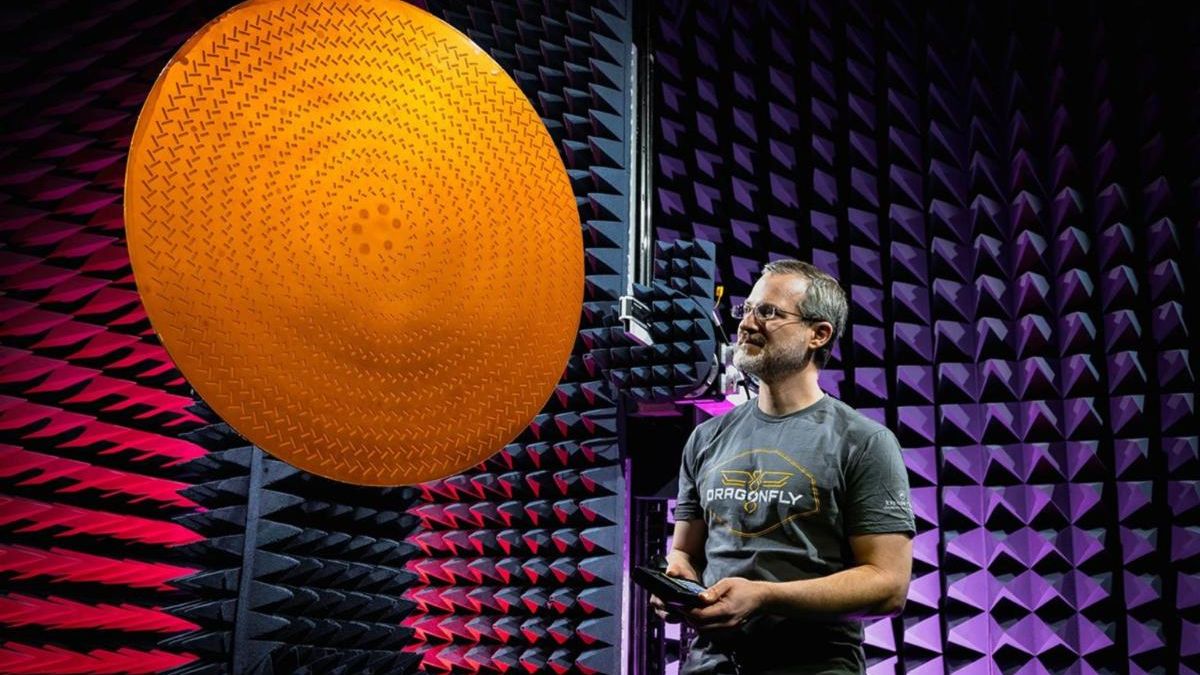
NASA has completed thermal-structural testing on the heat shield that will protect the Dragonfly rotorcraft during its mission to Titan, Saturn’s largest moon. The tests, conducted in the New Mexico desert, confirmed that Dragonfly’s carbon‑fiber and lightweight‑resin thermal protection system performed as expected — even when engineers deliberately introduced defects to stress the material. Dragonfly is scheduled to launch in 2028 and arrive at Titan in 2034. Once there, it will explore multiple sites, collect and analyze surface samples, and study the moon’s geology and meteorology.
LEARN MORE
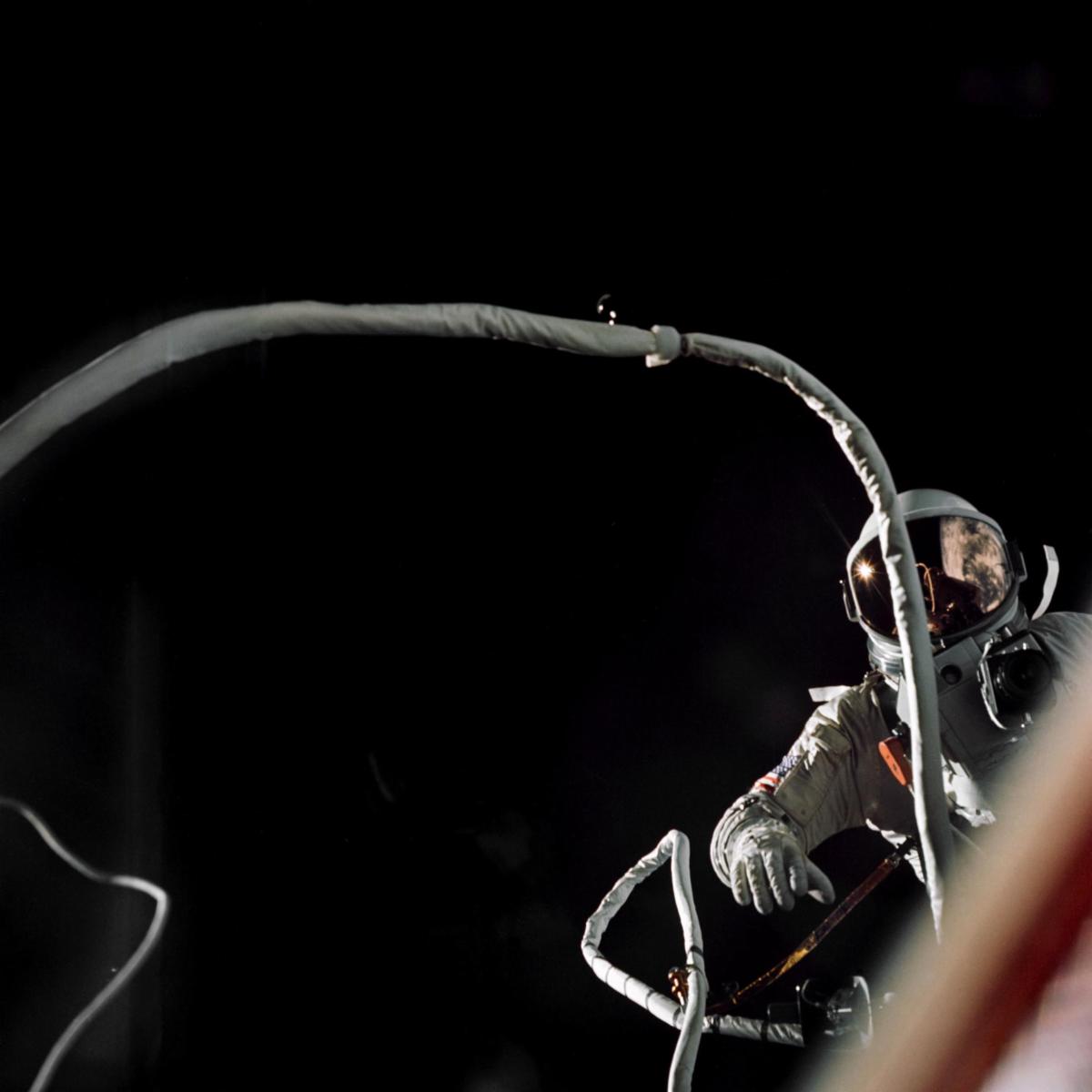
| | This Friday marks the 60th anniversary of NASA’s second spacewalk. On June 5, 1966, Gemini IX‑A astronaut Eugene Cernan stepped outside the spacecraft for a demanding extravehicular activity that pushed him to his limits. His two‑hour‑and‑eight‑minute spacewalk — during which he was scheduled to test a jetpack known as the Astronaut Maneuvering Unit — was one of the most taxing of the Gemini program. | |
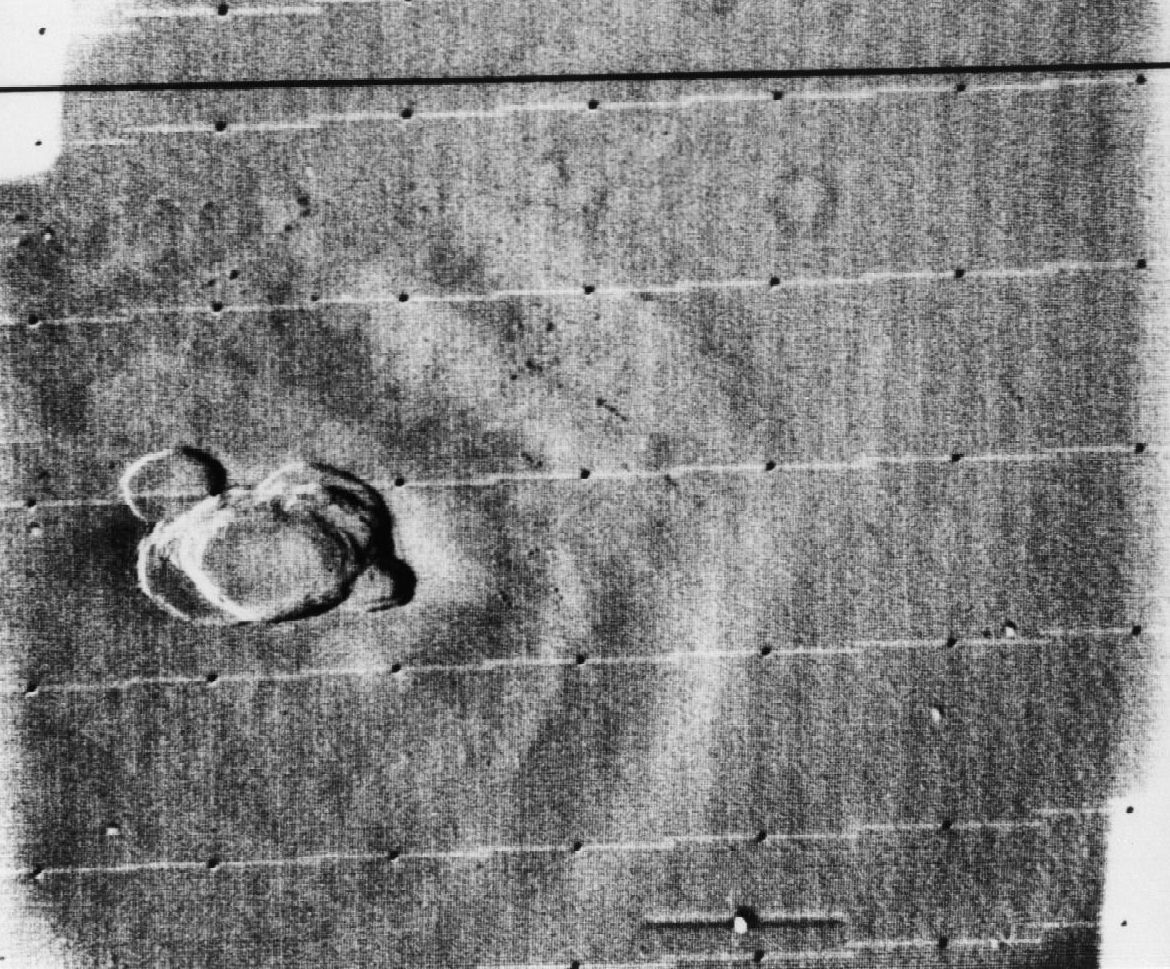
| Why was the test ultimately scrapped during the spacewalk? | | | | Find out the answer in next week's NASA newsletter! 🤓 | | | | Last week, we asked what historical milestone Mariner 9 achieved when it arrived at the Red Planet in November 1971. The answer? It was the first spacecraft to orbit another planet. On November 14, 1971, Mariner 9 began orbiting Mars while a global dust storm raged across the planet. As the dust storm subsided, Mariner 9 began to return detailed photos of the Martian landscape, including features such as Valles Marineris, a system of deep canyons more than 4 miles deep, and Olympus Mons, the largest volcano in the solar system. | | |
National Aeronautics and Space Administration
NASA explores the unknown in air and space, innovates for the benefit of humanity, and inspires the world through discovery.
Visit nasa.gov
| | | | | |