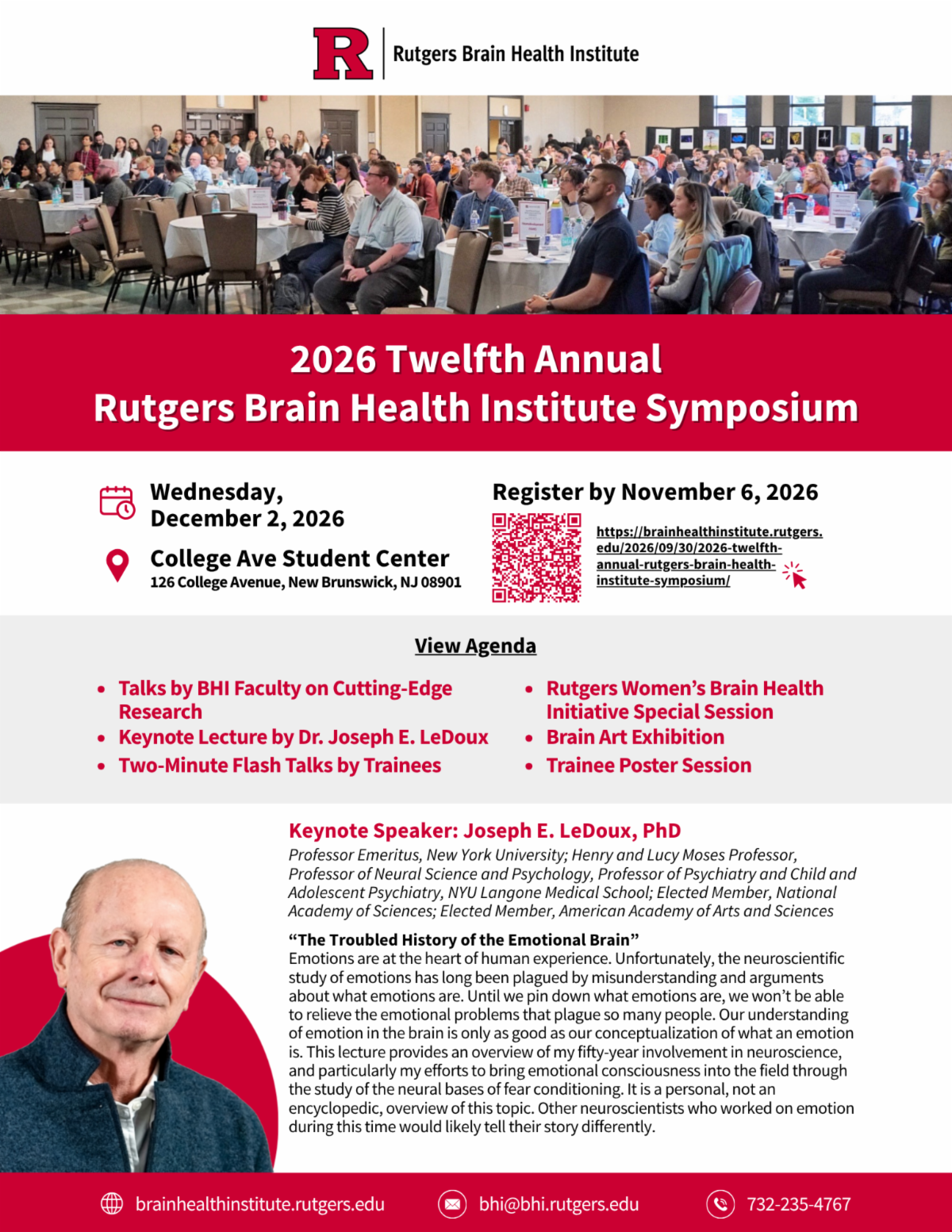
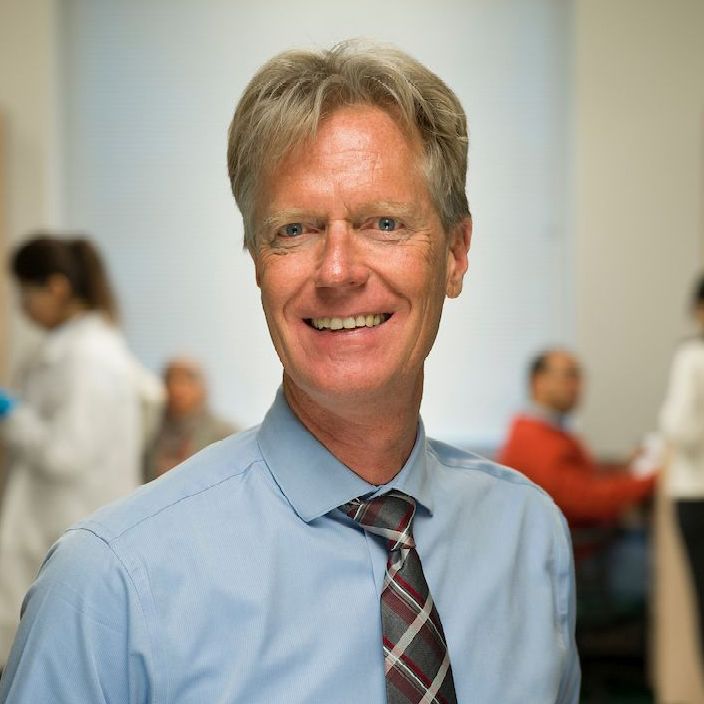
Early Registration Closing for the 12th Annual Rutgers Brain Health Institute Symposium | | | | The 12th Annual Rutgers Brain Health Institute (BHI) Symposium will be held on Wednesday, December 2, 2026, at the College Avenue Student Center, New Brunswick, NJ. The full‑day event will feature opening remarks from Dr. Keena Arbuthnot, Executive Vice President for Academic Affairs and Chief Academic Officer at Rutgers, a keynote lecture by Dr. Joseph E. LeDoux from NYU, cutting‑edge research presentations from BHI faculty, a special panel focused on the Rutgers Women’s Brain Health Initiative, two‑minute trainee flash talks, a trainee poster session, and a Brain Art Exhibition. View the symposium agenda. Watch BHI Director Dr. Gary Aston-Jones’s video to hear why this symposium is valuable for researchers, pharma and biotech professionals, and anyone interested in supporting brain research. Early registration, poster abstracts, and artwork submissions close November 6. Onsite registration will be available but with higher fees- please register soon. Learn more and register now | | |
BHI Plenary Seminar Will Feature
Dr. Alain Dagher on November 19
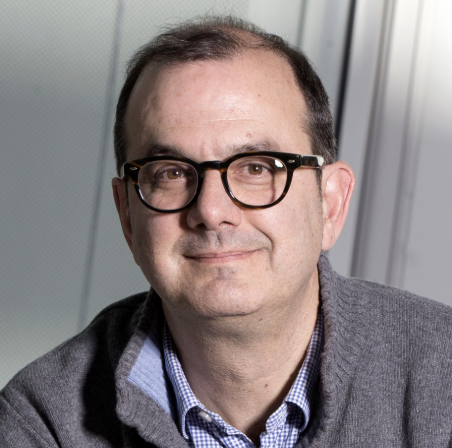
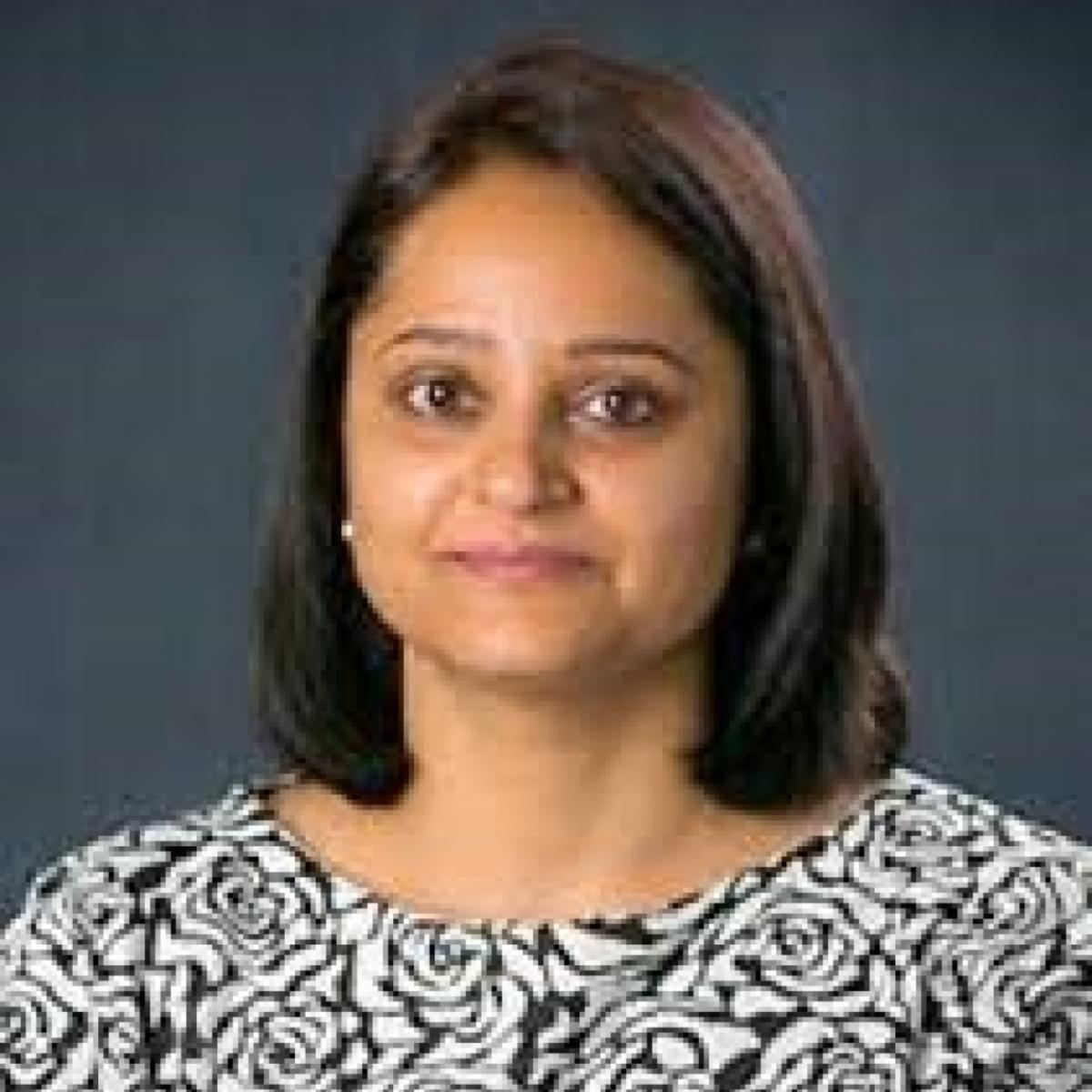
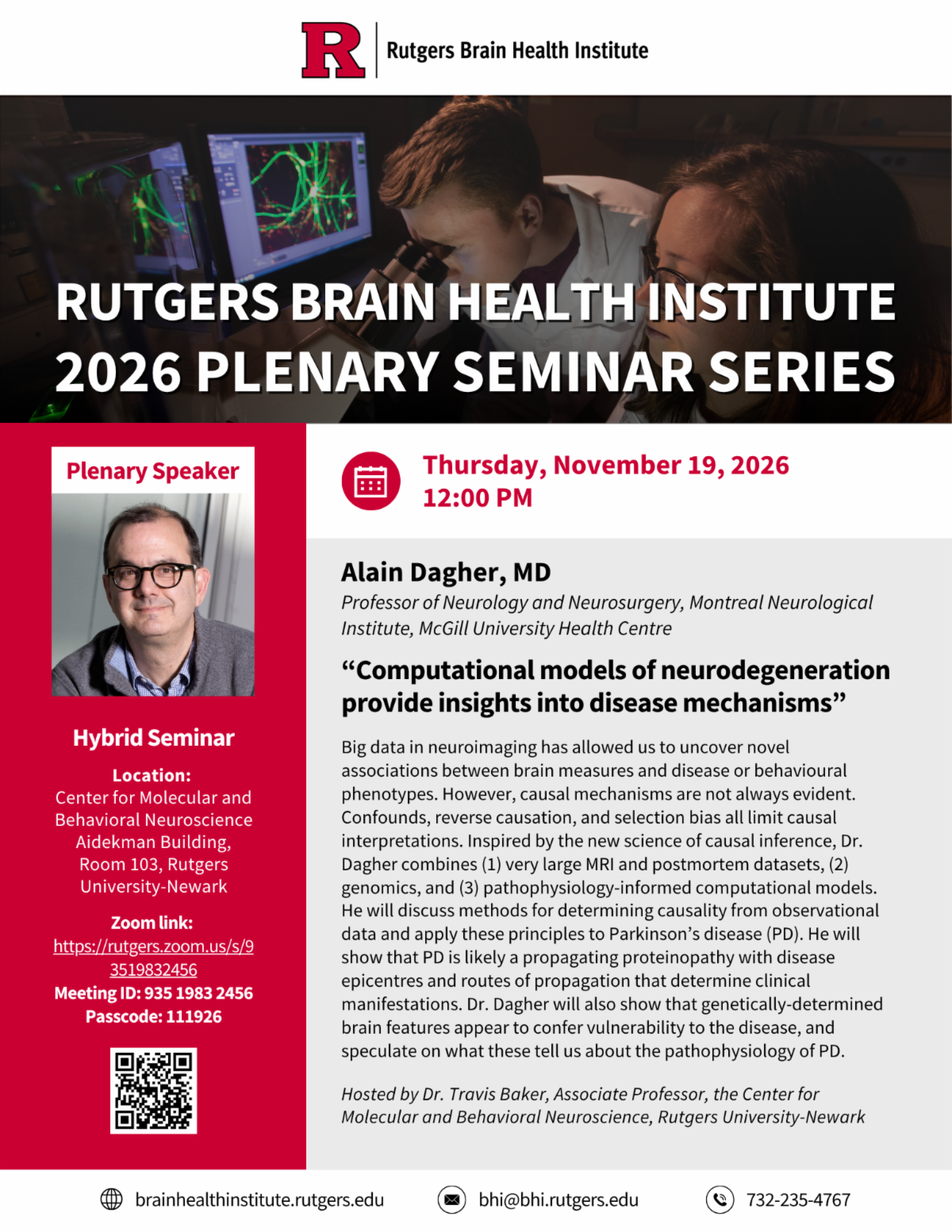
| | | | Our distinguished BHI plenary speaker on November 19 will be Alain Dagher, MD, PhD, Associate Professor in the Department of Psychology at McGill University. Hosted by Dr. Travis Baker from CMBN at Rutgers Newark, Dr. Dagher will present “Computational models of neurodegeneration provide insights into disease mechanisms”. Big data in neuroimaging has allowed us to uncover novel associations between brain measures and disease or behavioral phenotypes. However, causal mechanisms are not always evident. Confounds, reverse causation, and selection bias all limit causal interpretations. Inspired by the new science of causal inference, Dr. Dagher combines (1) very large MRI and postmortem datasets, (2) genomics, and (3) pathophysiology-informed computational models. He will discuss methods for determining causality from observational data and apply these principles to Parkinson’s disease (PD). He will show that PD is likely a propagating proteinopathy with disease epicenters and routes of propagation that determine clinical manifestations. Dr. Dagher will also show that genetically determined brain features appear to confer vulnerability to the disease and speculate on what these tell us about the pathophysiology of PD. Learn more | | Rutgers Women’s Brain Health Initiative | | Perimenopause: Symptoms, Brain Fog, and Treatment with Dr. Shalini Gupta | | | | We are pleased to share new content from the RWBHI Menopause Series, featuring a new podcast episode and Q&A article with Dr. Shalini Gupta, a board-certified obstetrician-gynecologist, assistant professor at RWJMS, and Menopause Society Certified Practitioner. In the podcast, Dr. Gupta addresses many of the practical questions that arise during the perimenopausal transition, including early symptoms to watch for, menstrual changes that warrant clinical review, hormone testing, considerations around hormone therapy, brain fog, and strategies to support long-term brain health. This episode and Q&A bring together clinical expertise and current research to offer accessible, evidence-informed information for women and those supporting them through midlife. Learn more | | Perimenopause and the Brain: Preclinical Insights with Dr. Troy Roepke | | | | To complement the clinical conversation with Dr. Shalini Gupta on perimenopause, we feature expert perspectives from Dr. Troy Roepke. Dr. Roepke’s preclinical research uses rodent and non-human primate models to examine how shifting estrogen and progesterone signaling affects brain pathways linked to metabolism, cognition, mood, and stress during the menopausal transition. His Rutgers lab leverages the VCD menopause model to investigate how diet and obesity interact with hormonal changes to shape metabolic, memory, and stress-related outcomes. Ongoing work continues to explore connections between diet, stress, gut health, and mood in these preclinical models. Learn more | | More Than Menopause: Confronting the Biggest Threats to Women’s Health — Insights from Dr. Michal Schnaider Beeri at HINJ HERHealth2026 | | | | |
At the HINJ HERHealth2026 panel, More Than Menopause: Confronting the Biggest Threats to Women’s Health, Dr. Michal Schnaider Beeri, Director of the Krieger Klein Alzheimer's Disease and Related Disorders Research Center (KKARC) within BHI, shared that Alzheimer’s-related brain changes can begin years before noticeable memory problems emerge. She noted an estimated 4.5 million American women age 65 and older are living with Alzheimer’s dementia in 2026, compared with 2.9 million men. Researchers are examining how hormonal changes, metabolic health and midlife physical activity may influence women’s risk, and Dr. Beeri suggested that midlife is the critical window for lifestyle-based interventions to reduce the risk.
Learn more
| | Brain Health Insights for You | | BHI Named a Finalist for the 6th Annual Anthem Awards | | | | We’re proud to share that BHI has been named a finalist in the 6th Annual Anthem Awards for our public‑education initiative, Brain Health Insights for You (BHI for You), in the Health Education & Patient Empowerment category. The Anthem Awards is the Webby Awards’ benchmark for social impact work, recognizing brands, nonprofits, and individuals who are setting the standard for good worldwide. BHI for You brings Rutgers University research and expert insights to the public through free, scientifically reviewed resources. Covering Alzheimer’s disease, autism, addiction, mental health, and women’s brain health, these resources help people understand brain health and support those they love. Learn more | | Healthy Brains Start at Home: BHI Toolkit to Manage Family Screen Time | | | | Screens are integral to modern childhood and can support learning, creativity, and connection, but issues emerge when screen use displaces sleep, activity, in-person interaction, and free play — key experiences that build healthy brains. This toolkit offers practical, research-vetted advice and tools for planning family screen time, based on our recent article and aligned with guidance from the WHO, AAP, and AACAP. Technology itself is not inherently good or bad; parents and guardians should recognize the pros and cons and intentionally choose content and contexts that support brain development, and rather than aiming for zero screens, families benefit from small, consistent changes instead of rigid, hard-to-sustain rules. Learn more | | Mind Games: Explore BHI Brain Challenges | | | | Challenge your mind with BHI’s new collection of interactive brain-health games and brain teasers. Try crosswords, word blooms, word searches, and more — themed around Alzheimer’s, autism, fentanyl awareness, and women’s brain health. Learn key neuroscience concepts while exercising your memory, focus, and critical-thinking skills. Learn more | | Dr. David Zald Featured in TEDxNashville Talk Exploring How the Brain Predicts Happiness | | | | Dr. David Zald, Director of the Center for Advanced Human Brain Imaging Research (CAHBIR) within the BHI and BHI core faculty member, unpacks the neuroscience behind how we anticipate happiness in his TEDxNashville talk. “The brain is a prediction machine,” but our pleasure forecasts are often wrong, and he applies this framework to understand depression and flow states. He describes flow states as sustained engagement, a more enduring form of happiness separate from the more fleeting joy of sensory pleasure. Watch the video | | Nobel Prize Honors Optogenetics, a Light-Based Technique Powering Discoveries at Rutgers | | | | The 2026 Nobel Prize in Physiology or Medicine was awarded to Karl Deisseroth, Peter Hegemann, and Georg Nagel “for their discoveries concerning light-gated ion channels and optogenetics”. Optogenetics is a method that allows scientists to switch specific groups of brain cells on or off with light. BHI labs use this transformative tool to uncover the mechanisms behind attention, pain, appetite, addiction, and more. Dr. Gary Aston-Jones studies brain circuits for arousal and attention; Dr. David Barker traces how pain alters motivation; Dr. Chris Pierce investigates how deep brain stimulation reduces drug relapse; Dr. Mark Rossi links appetite to energy needs; and Dr. Zhiping Pang decodes the brain’s native GLP‑1 signaling. Explore how these Rutgers researchers are advancing brain science with optogenetics. Learn more | | Ibogaine: An Overview of its Potential and Risk | | | | Federal efforts advance ibogaine research for opioid use disorder and PTSD, and the FDA recently sought public input on early-phase trial design. Ibogaine is a naturally occurring psychoactive substance from the iboga plant. While some people report reductions in opioid withdrawal and craving, supporting evidence is limited. Dr. Ethan Cowan, a Rutgers clinician‑researcher, Professor of Emergency Medicine at Rutgers New Jersey Medical School and Associate Director for Treatment and Recovery at the Rutgers Addiction Research Center (RARC) within BHI, breaks down the science to help place this developing research in context. Learn more | | Dr. Brian Greer Named an Association for Behavior Analysis International Fellow | | | | Dr. Brian Greer, interim director of the Center for Autism Research, Education, & Services (RUCARES) within BHI, a tenured associate professor of pediatrics at RWJMS, and BHI core faculty member, has been selected as an Association for Behavior Analysis International (ABAI) Fellow. Dr. Greer’s research and clinical work focus on understanding and supporting individuals with neurodevelopmental disorders, like autism, and their families when safety-compromising behavior limits participation in daily life. | | Drs. Peng Jiang and Jianyuan Zhang Receive the Grossman Innovation Prize | | | | Dr. Peng Jiang, Professor in the Department of Cell Biology and Neuroscience at Rutgers–New Brunswick School of Arts and Sciences (SAS) and a BHI faculty member, is developing a new approach to treating Alzheimer’s disease. His work protects microglia cells and generates new neurons in situ to address immune cell dysfunction and neuronal loss, an unmet need for Alzheimer’s care. His therapeutic platform may also be adapted for Parkinson's disease, frontotemporal dementia, ALS, and multiple sclerosis. | | | | Dr. Jianyuan Zhang, Associate Professor in the Department of Chemistry and Chemical Biology at Rutgers-New Brunswick SAS, is developing safer gadolinium contrast agents for high-contrast MRI scans. Using endohedral metallofullerenes, his team creates tighter carbon cages to stop gadolinium leakage and deliver improved imaging, expanding safe MRI access for vulnerable patient groups. Learn more | | 2026 Busch Biomedical Grant Awardees | | The Busch Biomedical Grant program has announced award recipients for 2026 across Rutgers Health, Newark, and New Brunswick campuses. Four BHI faculty members are among this year’s awardees, receiving pilot funding to advance innovative health‑focused research projects. Learn more | | | | Dr. David Barker, Associate Professor in the Department of Psychology at Rutgers‑New Brunswick SAS and BHI core faculty member, was awarded for the project “Norepinephrine Control of Lateral Habenula Excitability Produces Behavioral Vulnerability to Stress.” | | | | Dr. Ruifeng Ray Cao, Associate Professor in the Department of Neuroscience and Cell Biology at RWJMS, was awarded for the project “Transgenerational Effects of Gestational Circadian Disruption on Glucose Homeostasis.” | | | | Dr. Benjamin Samuels, Associate Professor in the Department of Psychology at Rutgers New Brunswick SAS, was awarded for the project “Sex specific Lateral Hypothalamus CRF Circuits in Stress induced Eating Pathology.” | | | | Dr. Robin Stephens, Associate Professor in the Department of Pharmacology, Physiology and Neuroscience at NJMS, was awarded for the project “Protection by Memory T cells in Malaria is limited by Mitochondrial Damage.” | | | | Dr. Tejbeer Kaur, Associate Professor in the Department of Otolaryngology–Head and Neck Surgery at RWJMS and BHI core faculty member | | | | Dr. Justin Yao, Assistant Professor in the Department of Otolaryngology–Head and Neck Surgery at RWJMS and BHI core faculty member | | Dr. Danielle Dick Awarded Renewal of NIDA R01 Grant to Study Genetic Risk for Substance Use Disorders | | | | Dr. Danielle Dick, Director of the RARC within the BHI and BHI core faculty member, received a five-year, $3.6 million competing continuation of her R01 grant from the National Institute on Drug Abuse for the project, “Using the Genetic Architecture of Substance Use Disorders to Advance Gene Identification and Understanding of Pathways of Risk.” The study aims to expand its successful strategy for advancing gene identification and polygenic prediction by including data from newly available substance use-related GWAS and individuals with more variable genomic backgrounds. Learn more | | Dr. Kristina Jackson’s Article Named Among Psychology of Addictive Behaviors Most-Cited Papers | | | | |
Dr. Kristina Jackson, Professor of Psychiatry at RWJMS, BHI core faculty member and Associate Director of Epidemiology, Etiology, and Prevention at the RARC within BHI, is recognized for her work in the American Psychological Association journal Psychology of Addictive Behaviors. Her paper, “Real-World Simultaneous Alcohol and Cannabis Use: An Ecological Study of Situational Motives and Social and Physical Contexts,” is named among the journal’s five most-cited articles published in the last five years. This honor reflects the wide-reaching influence of her research investigating the social, physical, and motivational factors tied to simultaneous alcohol and cannabis use.
Learn more
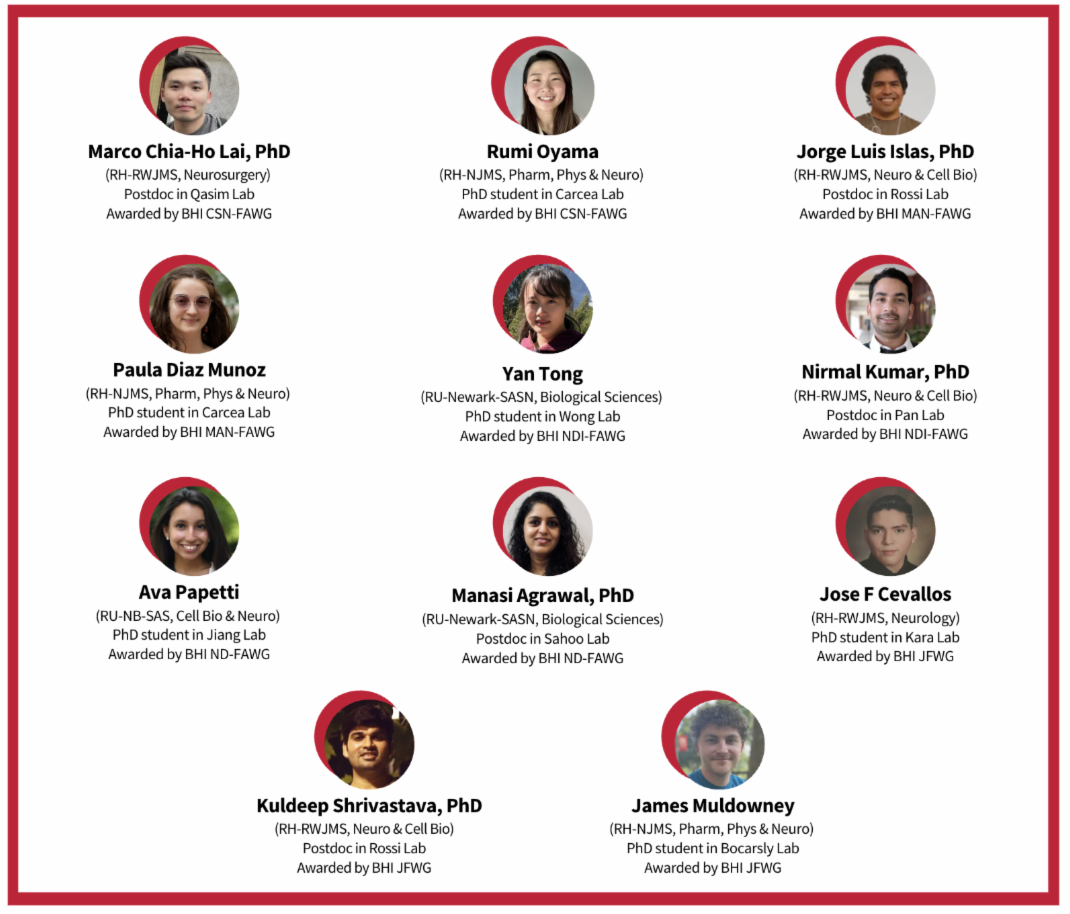
| | BHI Fall 2026 Trainee Travel Award | | The BHI is pleased to announce the recipients of the Fall 2026 Trainee Travel Awards. These awards recognize outstanding Rutgers neuroscience PhD and MD students and postdoctoral fellows from labs engaged in neuroscience and mental health research. Each awardee will receive $500 to help offset the cost of attending a national or international conference related to neuroscience or mental health research. We wish all recipients an inspiring and impactful conference experience. Learn more | | Dr. Mengmeng Jin Receives 2026 Rutgers Innovation Awards Postdoctoral Fellow Innovation Award | | | | The Office for Research hosted the Rutgers Innovation Awards banquet, honoring breakthrough innovations with societal and economic value, selected by a panel of external experts. Dr. Mengmeng Jin, Research Associate in Dr. Peng Jiang’s lab at Rutgers‑New Brunswick SAS, was awarded the Postdoctoral Fellow Innovation Award for “A transformative regenerative medicine strategy for Alzheimer's disease and related neurodegenerative disorders through a first‑in‑class programmable microglial cell therapy platform capable of both neuroprotection and neuronal regeneration.” Learn more | | Dr. Danielle Dick Publishes Study Examining Polygenic Risk Profiles and Alcohol Use Disorder Outcomes | | | | Dr. Danielle Dick, Director of the RARC and BHI core faculty member, published a research article in Alcoholism: Clinical and Experimental Research titled “Polygenic Risk Profiles and the Manifestations of Alcohol Use Disorder and Related Outcomes.” Research suggests that multiple genetically influenced pathways of risk impact alcohol use disorder, including externalizing, internalizing, and alcohol-specific factors. The study finds that quantity and type of genetic risk are important for alcohol use disorder outcomes, and externalizing risk plays an outsized role in alcohol use disorder. Findings elucidate the role of multiple pathways of genetic risk for alcohol use disorder and how they impact comorbid phenotypes. Learn more | | Dr. Detlev Boison Publishes Review Exploring Epigenetics and Epilepsy | | | | Dr. Detlev Boison, Professor and Vice Chair of Research and Training in the Department of Neurosurgery at RWJMS, BHI core faculty member and Chair of Neurodegeneration and Injury FAWG in the BHI, published a review article in Handbook of Clinical Neurology. Epilepsy is one of the most prevalent neurologic conditions, affecting about 82 million persons worldwide. Epigenomic reprogramming plays a major role in the epileptogenic process that turns a healthy brain into an epileptic brain. This review discusses epigenetic mechanisms in epilepsy, how environmental factors such as diet shape these changes, and epigenetic links between epilepsy and comorbidities including depression. Learn more | | Dr. Sharon Sanz Simon Publishes Commentary on Aging and Dementia Research in MENA Populations | | | | Dr. Sharon Sanz Simon, Assistant Professor of Psychiatry at NJMS, BHI core faculty member and a member of the Krieger Klein Alzheimer’s Research Center (KKARC) within the BHI, and Dr. Michal Schnaider Beeri, director of KKARC and BHI core faculty member, published a commentary in npj Dementia titled “Aging and dementia research in Middle Eastern North African (MENA) populations: inclusion and diversity beyond political conflicts.” The rise of dementia burden in the Middle East and North Africa (MENA) region poses challenges to the scientific community, as this heterogeneous region is marked by political instability and conflict. This commentary proposes an inclusive approach guided by scientific rigor and available evidence, rather than political views, to dismantle scientific bias and advance dementia research for diverse populations. Learn more | | Dr. Miriam Bocarsly Publishes Study Examining the PDE4B Inhibitor A33 and Its Effects on Low-Dose Ethanol and Diazepam | | | | Dr. Miriam Bocarsly, Assistant Professor, Department of Pharmacology, Physiology & Neuroscience, NJMS and BHI core faculty member, published a research article in The Journal of Pharmacology and Experimental Therapeutics investigating the phosphodiesterase 4B inhibitor A33. The study finds that A33 specifically blocks the stimulant-like properties of low-dose ethanol without altering acute tolerance or metabolism. A33 also blocked ethanol-evoked dopamine release in the nucleus accumbens, consistent with its ability to block ethanol-induced locomotor stimulation. Learn more | | Dr. Lia Nower Publishes National Survey Examining Gambling Risks Among Teens as Young as 13 | | | | Dr. Lia Nower, Director of the Rutgers Center for Gambling Studies and a member of RARC within BHI, published a national survey study examining gambling among U.S. adolescents and young adults ages 13‑27. More than half (52.5%) of survey respondents reported gambling in the past year, including 42.7% of teens aged 13‑17. Among teen gamblers, roughly 11% screened as high‑risk for problem gambling. Findings highlight strong links between family‑household gambling exposure, lower household income, and elevated gambling‑related risk, alongside co‑occurring mental‑health and substance‑use concerns among high‑risk individuals. The study calls for earlier prevention education, stronger oversight of emerging gambling‑like products, and improved policy safeguards for youth. Learn more | | Dr. Petros Levounis Publishes Special Report Introducing a New Psychiatric Framework for Digital Hyperconnectivity | | | | Dr. Petros Levounis, Professor & Chair, Department of Psychiatry, NJMS, published a special report in Psychiatric News titled “Digital Hyperconnectivity: A New Psychiatric Framework.” Digital hyperconnectivity describes both the how and the why of technology’s impact on us and marks a critical step in developing mechanistic techno–mental health models. The framework aims to help clinicians study and explain how constant digital exposure can turn sources of pleasure into sources of suffering. Learn more | | Dr. Andrea Spaeth Publishes Study Examining Whether Physical Activity Protects Against Alcohol-related Sleep Disruption in College Students | | | | Dr. Andrea Spaeth, Associate Professor in the Department of Kinesiology and Health, Rutgers-New Brunswick SAS and BHI faculty member, published a research article in Medicine & Science in Sports & Exercise titled “Do Physical Activity Behaviors Protect Against Alcohol-related Sleep Disruption In College Students?” Physical activity and alcohol use are two health behaviors that co-occur during college years. The findings suggest that meeting ACSM’s recommended levels of physical activity does not protect sleep efficiency and wake after sleep onset when college students drink. The younger age of the sample may confer resilience against alcohol-related sleep disturbances. Learn more | | Dr. Travis Baker Publishes Pilot Study Examining Accelerated Deep Transcranial Magnetic Stimulation for Stimulant Use Disorder | | | | Dr. Travis Baker, Associate Professor, Center for Molecular and Behavioral Neuroscience, Rutgers University-Newark and a member of RARC within BHI, published a pilot study in Psychiatry Research titled “Safety and feasibility of accelerated deep transcranial magnetic stimulation for stimulant use disorder: A pilot study.” Stimulant use disorder remains a major public health concern with limited treatment options and high attrition. The study evaluated accelerated deep TMS using the H7 coil and found the protocol was safe and well tolerated. Depressive and withdrawal symptoms improved significantly, while craving and stimulant use showed no significant change. Learn more | | Dr. Jessica Salvatore Publishes Study Examining Marital Status History and Alcohol Use and Problems Across the Lifespan | | | | Dr. Jessica Salvatore, Professor in the Department of Psychiatry at RWJMS and a member of RARC within BHI, published a research article in Alcohol: Clinical and Experimental Research titled “Marital Status History and Alcohol Use and Problems Across the Lifespan.” Marital transitions and stability are key social determinants of alcohol use. This lifespan-oriented study finds marital stability buffers against alcohol use disorder problems, while risks from marital instability differ by life stage and sex: leaving marriage raises risk in early mid-life, and widowhood creates notable vulnerability for older men. Learn more | | Dr. Jill Rabinowitz Publishes Study Examining Associations Between Psychiatric and Substance Use Disorder Polygenic Scores and the Exposome in Youth | | | | Dr. Jill Rabinowitz, Associate Professor in the Department of Psychiatry at RWJMS and BHI core faculty member and a member of RARC within BHI, published a research article in European Child & Adolescent Psychiatry titled “Psychiatric and substance use disorder polygenic scores are associated with the exposome in youth.” This study examined gene-environment correlations between polygenic risk scores for psychiatric and substance use disorders and environmental exposures, or the exposome, using Adolescent Brain and Cognitive Development (ABCD) Study data. Higher polygenic scores for psychiatric and substance use disorders were positively associated with household adversity and negatively associated with positive day-to-day experiences. Learn more | | Dr. Morgan James Publishes Study Explores Real-World Patient Experiences With the Insomnia Medication Lemborexant | | | | Dr. Morgan James, adjunct Assistant Professor at BHI, Horizon Fellow and senior lecturer at the University of Sydney, and Abanoub Armanious, pharmacoepidemiologist and neuropsychiatry researcher, published the article Perceived effectiveness, tolerability, and discontinuation of lemborexant in real‑world use: Evidence from online patient reports in Sleep Medicine. Researchers analyzed hundreds of online reviews of lemborexant. Roughly one‑quarter of reviewers stopped or planned to stop treatment. Learn more | | Claim your minute (and possibly more) of fame!! If you want to share any news (e.g., awards, grants, publications, patents, donor gifts) in future monthly newsletters, please send them to Lily Zhang (lily.zhangty@rutgers.edu) or use this Microsoft form to submit your news. We will also push these out on social media. So don’t be shy! Share your good news with us! We would love to hear from you!! | | Event Calendar Aggregator on the BHI Website | We encourage the Rutgers Neuroscience community to add their neuroscience and brain health research-related events to the Event Calendar on the BHI website. This will minimize scheduling conflicts for neuroscience and brain health events at Rutgers. To put your events on the BHI website Event calendar, BHI has obtained an event calendar aggregator software that can pull events you post on a shared Outlook or Google calendar created by BHI. If you’d like instructions on how to add your event, or if you have any questions, please contact Lily Zhang (lily.zhangty@rutgers.edu) to request access to the shared BHI Event Outlook or Google Calendar. Learn more |
| Banner Ad and Sponsorship Opportunities at BHI | |
We’ve launched a new banner ad section on the BHI website to help faculty and trainees promote events, study recruitment, job openings, and news announcements. With monthly traffic averaging over 35,000 visitors, and placements on the most-visited pages, your message will gain high visibility across Rutgers and beyond. Your ad will reach not only the Rutgers community but also external experts, prospective students, and potential collaborators and donors who visit the site. We will assist with designing engaging graphics and placing your announcement on high-traffic pages across the site. If you are interested in featuring your announcement, please contact Lily Zhang (lily.zhangty@rutgers.edu). Advertise with us
NEW!! We are looking for sponsors to support BHI events. Faculty, Staff and Trainees, please let us know about vendors you all work with who might be interested in sponsoring BHI events. Please reach out to kuzhikev@bhi.rutgers.edu with names and contact information of vendors who might be interested in partnering with BHI to sponsor neuroscience and brain health events at Rutgers.
|
| |
BHI Postdoctoral Alliance Working Group (PAWG) Trainee Information Collection Form
The PAWG is dedicated to all Rutgers trainees in neuroscience, brain, and mental health research. Please complete this survey to help us build a trainee database for sharing opportunities and compiling useful anonymous stats for your grant and fellowship applications. Complete the Survey
| | BHI Announcements & Opportunities | | |
BHI October Funding Opportunities Newsletter
We share a monthly Funding Opportunities newsletter, featuring a curated selection of federal (NIH) and non-federal (private and nonprofit) funding opportunities relevant to neuroscience, brain health, and mental health research. Visit our website to explore the full list and discover more funding opportunities. Learn more
| | |
Training in Research on Alcohol use and its Consequences and Etiology (TRACE)
Applications are now open for the Training in Research on Alcohol Use and its Consequences and Etiology (TRACE) postdoctoral training program, an NIAAA-funded program housed within RARC. TRACE offers mentored research experience, advanced methodological training, professional development, and access to Rutgers’ interdisciplinary alcohol research community. Applications are open September 15–November 15, with rolling consideration thereafter. Applicants must be committed to an alcohol research career and meet NIH citizenship or permanent residency requirements. Learn more
| | |
BHI Motivational and Affective Neuroscience FAWG Mock Grant Review Program
The BHI and the RARC are pleased to announce the mock grant review program at Rutgers University. The primary objective of this program is to increase the success of grant proposals submitted to NIH by Rutgers investigators from the BHI and/or the RARC. Learn more
| | |
TMS-EEG Study of Eye Movements and Memory
The Brain Modulation & Control Lab is recruiting paid volunteers to perform computer-based tasks while recording electroencephalography (EEG) data and applying transcranial magnetic stimulation (TMS) to study brain dynamics related to eye movement tasks. Learn more
| | |
ALA-enriched nutrition for prevention of cognitive decline in APOE4 older adults
The study aims to determine the effects of ALA on cognitive and brain health in an at-risk population. We are looking for individuals aged 60 and older, with a diagnosis of amnestic MCI. This study will evaluate the effects of alpha-linolenic acid (ALA) supplementation on cognitive function and brain health in older adults with mild cognitive impairment and APOE4 genotype (a risk factor for Alzheimer’s Disease). Learn more
| | |
Brazilian Aging in New York - New Jersey (BRAINY-NJ) Study
The project investigates risk and resilience factors for mental/brain health and dementia in Brazilian immigrants (55+ years old), a growing Latino population underrepresented in health-related research in the U.S. Participants may receive up to $125 for compensation. Learn more
| | |
South Asian Memory, Aging, and Risk Tracking for Brain Health study (SAMARTH)
The study aims to understand the characteristics that may place South Asian populations at heightened risk for Alzheimer's disease. The study seeks to recruit individuals with ethnic or racial backgrounds from the South Asian subcontinents, aged 45-70, who have a risk factor for Alzheimer’s disease or related dementias (one or more parents with Alzheimer’s Disease, high blood pressure, BMI >30, or Type II diabetes/pre-diabetes). Learn more
| | |
Multitasking Strategy Study (MUST Study): Neuroscience and Aging Study
The Rutgers Krieger Klein Alzheimer's Research Center and EngAGING Lab are recruiting older adults (60–75) for the MUST Study, a non-pharmacological research trial focused on cognitive training to support attention control and multitasking. Overall eligibility: ages 60–75, overall good health/cognitively healthy, English-speaking, and able to use a computer and the internet. Participation includes home-based online sessions (brain health education and cognitive training) and 3 in-person assessments over approximately 5–6 months. Participants may receive up to $275. Learn more
| | |
IFPR – Rutgers Research Collaboration
The RARC is partnering with the Institute for Prevention and Recovery (IFPR) to establish a streamlined process for collaboration among Rutgers researchers who want to partner with RWJBarnabas to analyze substance use disorder outcome data and/or implement new studies in the health system. Learn more
| | |
Rutgers Research Community Partnership (RCP)
The RCP, overseen by the RARC, is a central enrollment hub for community members to participate in Rutgers research projects, and for researchers to recruit for their studies. By signing up for the RCP, individuals agree to be contacted by approved researchers to participate in projects. Learn more
| | |
Join the ADRD Research Center Community
The Herbert and Jacqueline Krieger Klein Alzheimer’s Research Center in BHI will serve as a hub for collaboration, innovation, and transformative research, with the mission of making meaningful strides in the prevention, diagnosis, and care of Alzheimer’s disease and related disorders (ADRD). If you are interested in learning more or collaborating with the center, please submit the form to provide your contact information. Learn more
| | Join us and make a lasting impact in neuroscience research and education. Discover current opportunities to advance your career and collaborate with leading experts at Rutgers. View all open positions HERE | |
- Deputy Director of Rutgers Brain Health Institute
- Director of Development
- Director of Neurotechnology Innovation Center (NTICe) at BHI
- Director of the Center on Research in Pain and Pain Therapeutics at BHI
- Human Neuroimaging Faculty Position in Alzheimer’s Disease
| | If you want to share any opportunities (e.g., open positions, grants, surveys) in future monthly newsletters, please send them to Lily Zhang (lily.zhangty@rutgers.edu) or use this Microsoft form to submit your opportunities. | | | | |
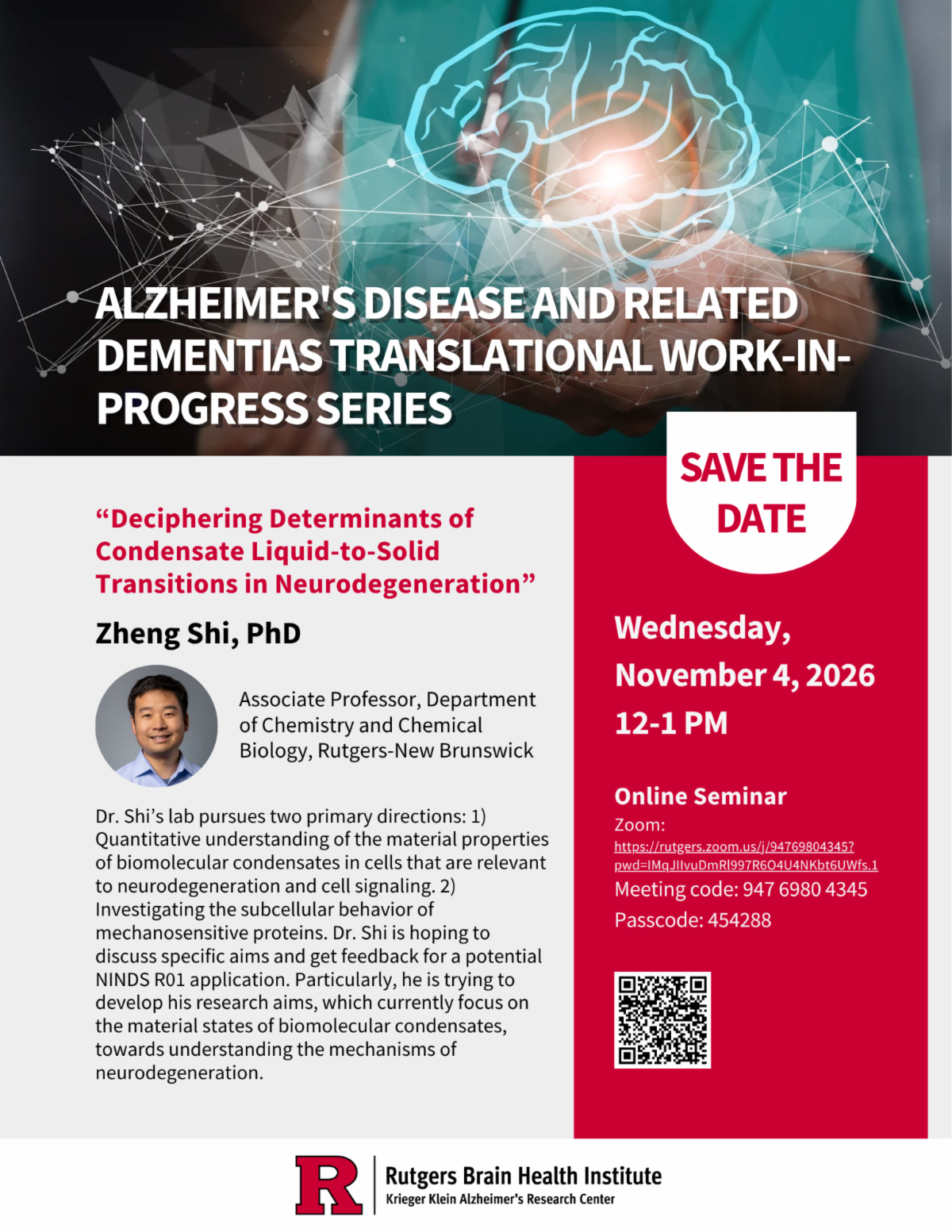
Alzheimer's Disease and Related Dementias Translational Work-in-Progress Series (ADRD-TWIP)
The Krieger Klein Alzheimer’s Research Center (KKARC) in the BHI is organizing a series of translational work-in-progress talks, alternating between clinical and basic presentations to open new opportunities for translational research and discussions from different perspectives. Dr. Zheng Shi will present “Deciphering Determinants of Condensate Liquid-to-Solid Transitions in Neurodegeneration”. Learn more
| | | | |
Brain Health Institute Plenary Seminar: Dr. Alain Dagher
We will feature Dr. Alain Dagher, Associate Professor in the Department of Psychology at McGill University, as our distinguished BHI plenary speaker. Dr. Dagher will present “Computational models of neurodegeneration provide insights into disease mechanisms”. He will discuss methods for determining causality from observational data and apply these principles to Parkinson’s disease (PD). He will show that PD is likely a propagating proteinopathy with disease epicentres and routes of propagation that determine clinical manifestations. Learn more
| | | | |
12th Annual Rutgers Brain Health Institute Symposium
The 12th Annual BHI Symposium will be held at the College Avenue Student Center, New Brunswick. The full‑day event will feature a keynote lecture by Dr. Joseph E. LeDoux from NYU, cutting‑edge research presentations from BHI faculty, a special panel focused on the Rutgers Women’s Brain Health Initiative, two‑minute trainee flash talks, a trainee poster session, and a Brain Art Exhibition. View the symposium agenda. Registration is now open. Poster and artwork submissions are welcome. Learn more and Register Now!
| | | | |
Brain Health Institute Plenary Seminar: Dr. Lin Tian
We will feature Dr. Lin Tian, Scientific Director at Max Planck Florida Institute. Dr. Tian’s lab focuses on technological innovation and interdisciplinary collaboration to uncover the connection between brain function and behavior in healthy and diseased states, such as neurological and psychiatric disorders.
| | | | |
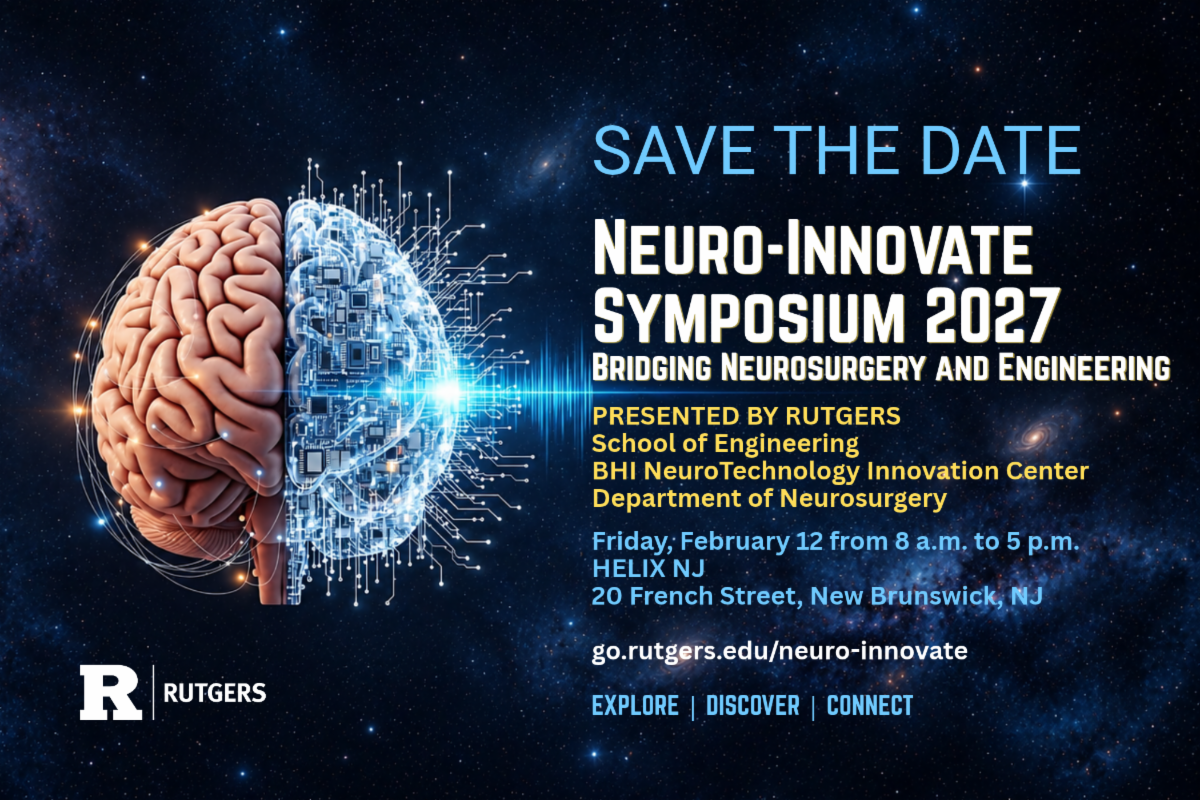
Neuro-Innovate Symposium 2027
Mark your calendar for the Neuro-Innovate Symposium 2027: Bridging Neurosurgery and Engineering, co-hosted by the Rutgers School of Engineering, BHI NeuroTechnology Innovation Center, and Department of Neurosurgery, will explore intersections between neurosurgery and engineering. Additional details will be available soon.
| | | | |
8th Annual Neurosurgery Research Symposium
The Neurosurgery Research Symposium is a yearly event designed to showcase research accomplishments from the department and to connect students, postdocs, residents, and clinical and research faculty during an interactive day of research presentations and discussions. Additional details will be available soon.
| | | | |
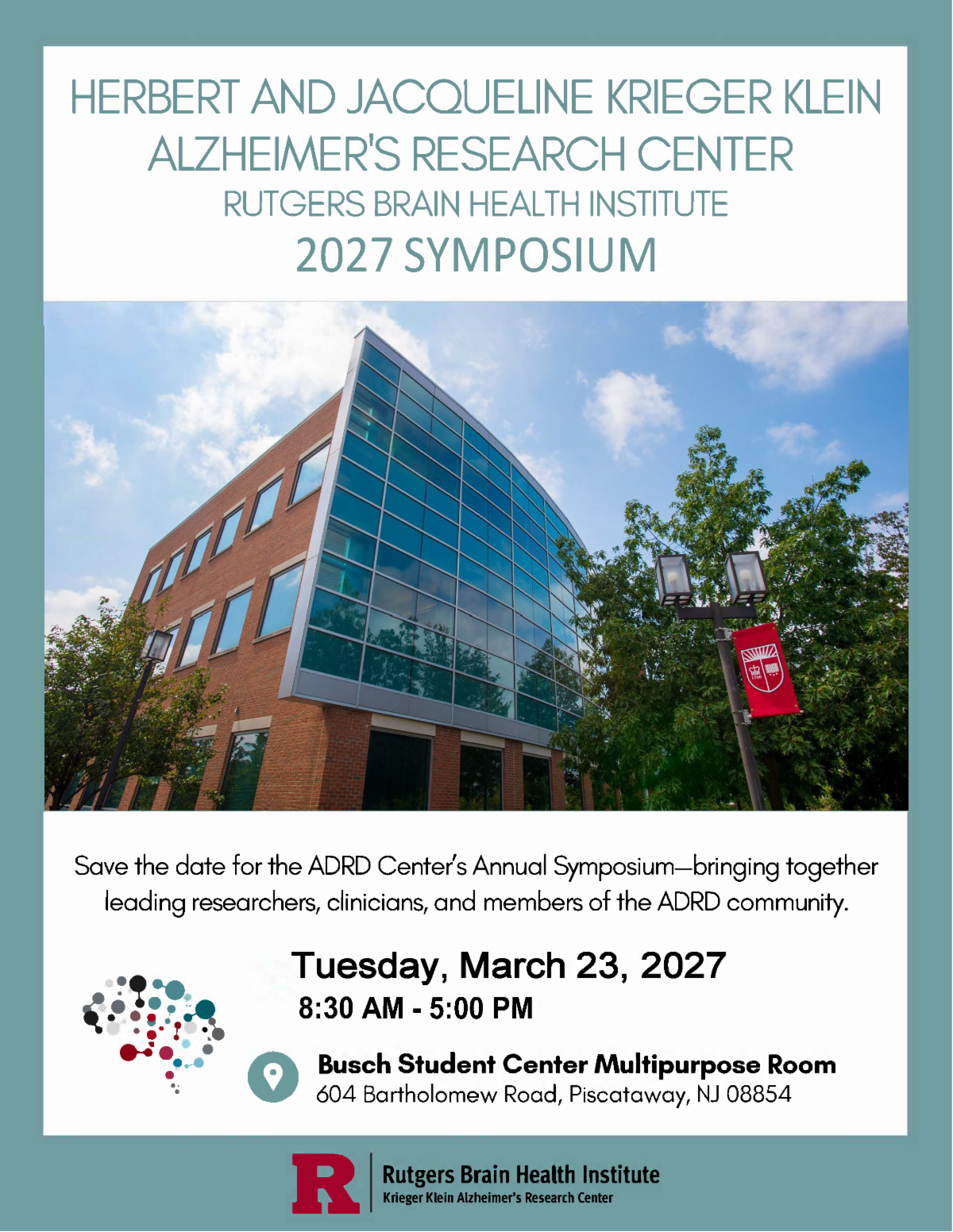
Herbert and Jacqueline Krieger Klein Alzheimer’s Research Center 2027 Symposium
Mark your calendar for the 2027 KKARC annual symposium, which will unite leading researchers, clinicians, and members of the Alzheimer’s disease and related dementias community. Additional details will be available soon.
| | | | |
Rutgers Symposium on the Intersection of Cognitive, Sensory and Affective Neuroscience
Save the date for the Rutgers Symposium on the Intersection of Cognitive, Sensory and Affective Neuroscience. The event aims to foster interactions and build collaborations across PI’s and their labs whose work touches on cognition and sensation with those who study affective processes in health and neuropsychiatric illness. Additional details will be available soon.
| | | | |
Rutgers Women’s Brain Health Initiative Symposium
Save the date for the Rutgers Women’s Brain Health Initiative (RWBHI) Symposium. The RWBHI addresses critical knowledge gaps by highlighting research on brain health challenges that disproportionately affect women, spanning basic cellular and animal studies to human clinical work. The initiative translates these findings into clear, trustworthy, actionable information for women and families. Learn more about RWBHI
| | |
Please visit the BHI Event Calendar page to view other upcoming neuroscience and brain health research events. Learn more
If you want to share any events in future monthly newsletters, please send them to Lily Zhang (lily.zhangty@rutgers.edu) or use this Microsoft form to submit your events.
| | If you want to feature any news, opportunities, and events in future monthly newsletters, please send them to Lily Zhang (lily.zhangty@rutgers.edu) or use this Microsoft form to submit your news. Thank you for your cooperation and support! | | | | |