|
2026 Twelfth Annual
Rutgers Brain Health Institute Symposium
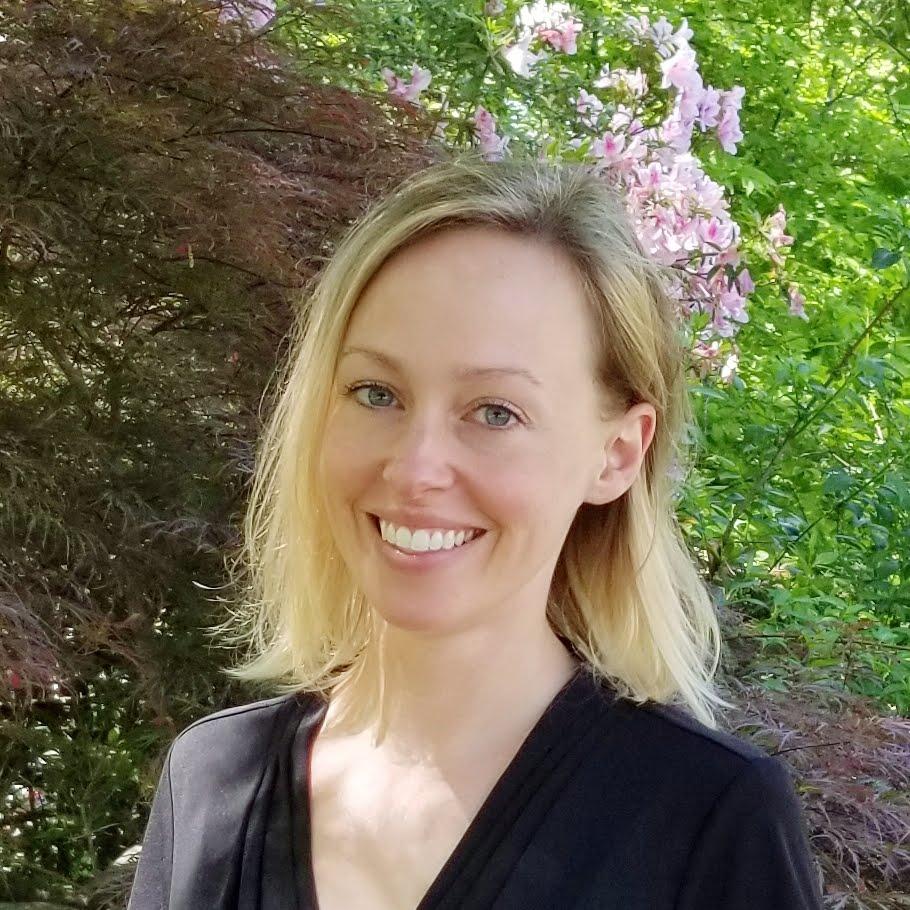
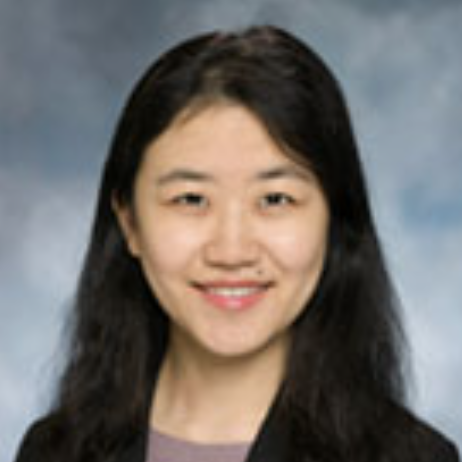
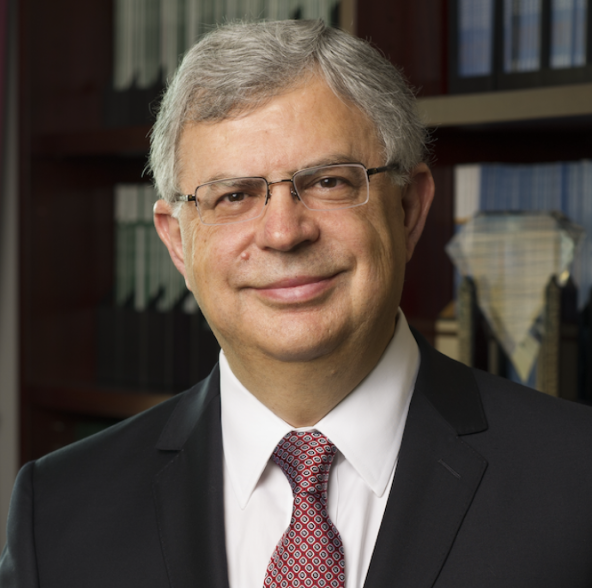
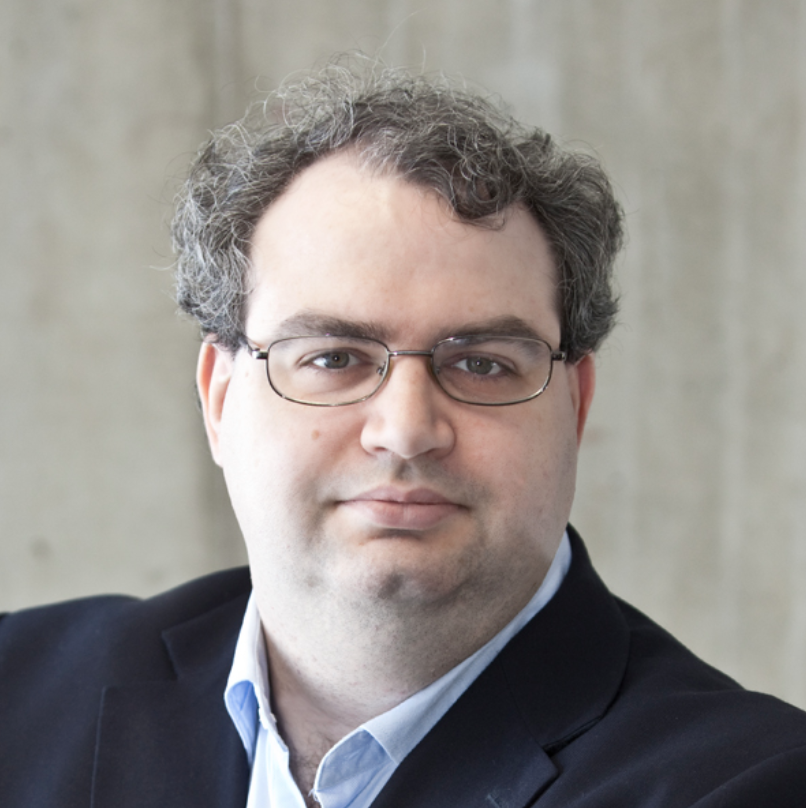
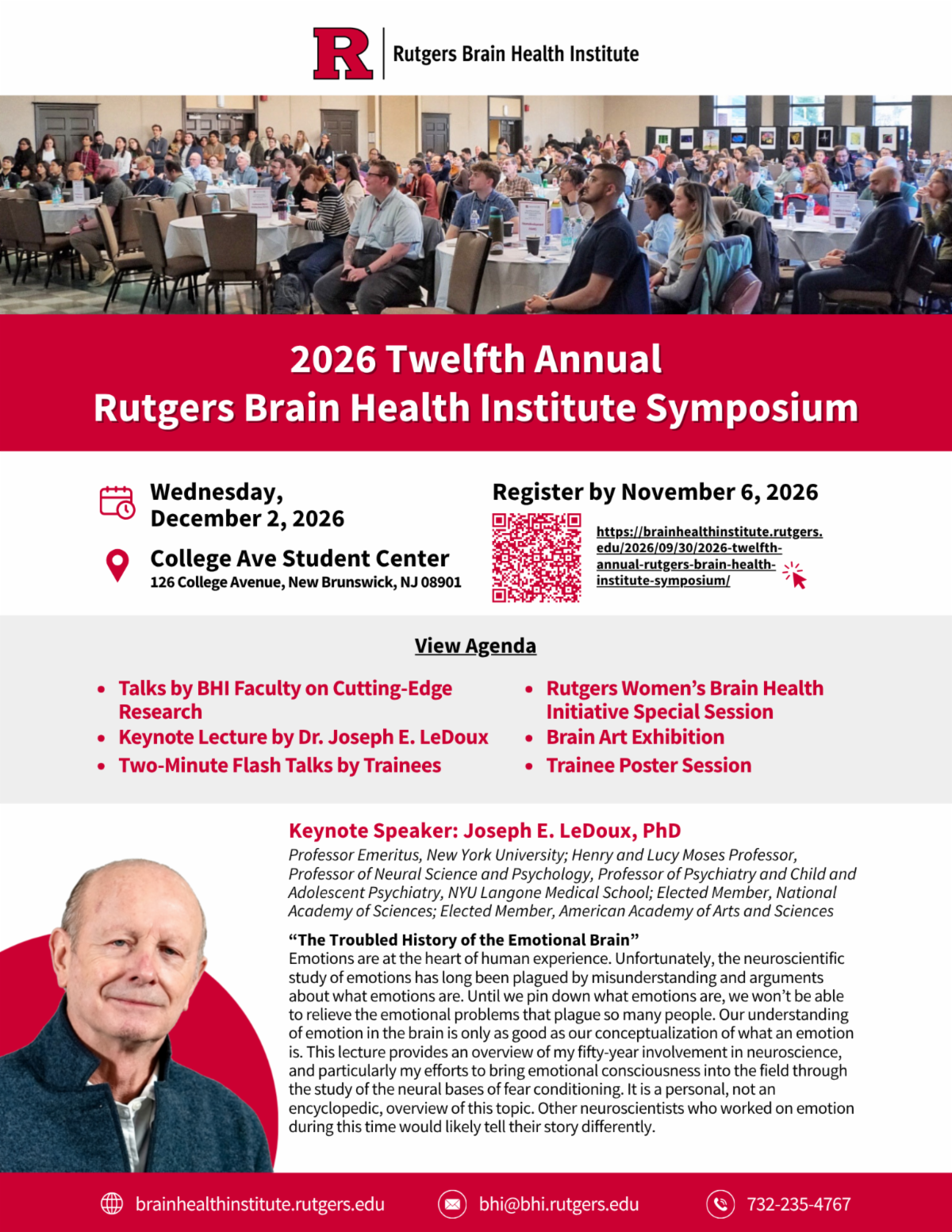
| | The 12th Annual Rutgers Brain Health Institute (BHI) Symposium will be held on Wednesday, December 2, 2026, at the College Avenue Student Center, New Brunswick, NJ. The full‑day event will feature opening remarks from Dr. Keena Arbuthnot, Executive Vice President for Academic Affairs and Chief Academic Officer at Rutgers, a keynote lecture by Dr. Joseph E. LeDoux from NYU, cutting‑edge research presentations from BHI faculty, a special panel focused on the Rutgers Women’s Brain Health Initiative, two‑minute trainee flash talks, a trainee poster session, and a Brain Art Exhibition. View the symposium agenda. Registration is now open. Poster space is limited so trainees, please submit poster abstracts and artwork well before November 6th. Learn more and register now | | BHI Recruits World-Renowned Autism Expert | | | | We are excited to announce the recruitment of Sara Jane Webb, PhD, as Director of the Rutgers Center for Autism Research, Education, & Services (RUCARES). Dr. Webb succeeds inaugural Director, Dr. Wayne Fisher, and will join Rutgers in April 2027. Dr. Webb currently serves as Professor of Psychiatry & Behavioral Sciences at the University of Washington in Seattle and is affiliated with the Center on Child Health, Behavior & Development at Seattle Children’s Research Institute. She brings more than two decades of leadership experience, including serving as Director of Autism Research at Seattle Children’s Autism Center, Associate Director and Clinical Translational Core Director of the NIH-funded P50 Center on Intellectual & Developmental Disability Research at the University of Washington, and Chair of the UW School of Medicine Council on Research and Graduate Education. Learn more | | |
Rutgers Women’s Brain Health Initiative
Plenary Seminar Featured Dr. Jennifer Stevens
| | | | |
The Rutgers Women’s Brain Health Initiative (RWBHI) hosted a virtual plenary seminar on September 29 featuring Dr. Jennifer Stevens, Co‑Director of the Grady Trauma Project, Associate Professor in the Department of Psychiatry and Behavioral Sciences at Emory University School of Medicine, and Investigator at the Center for Visual and Neurocognitive Rehabilitation, Atlanta VA Health Care System. Dr. Stevens presented "Neuroendocrine contributors to traumatic stress: Understanding women’s risk". Dr. Stevens’ research focuses on how early factors, such as childhood trauma and genetics, influence stress vulnerability, particularly among women.
Learn more
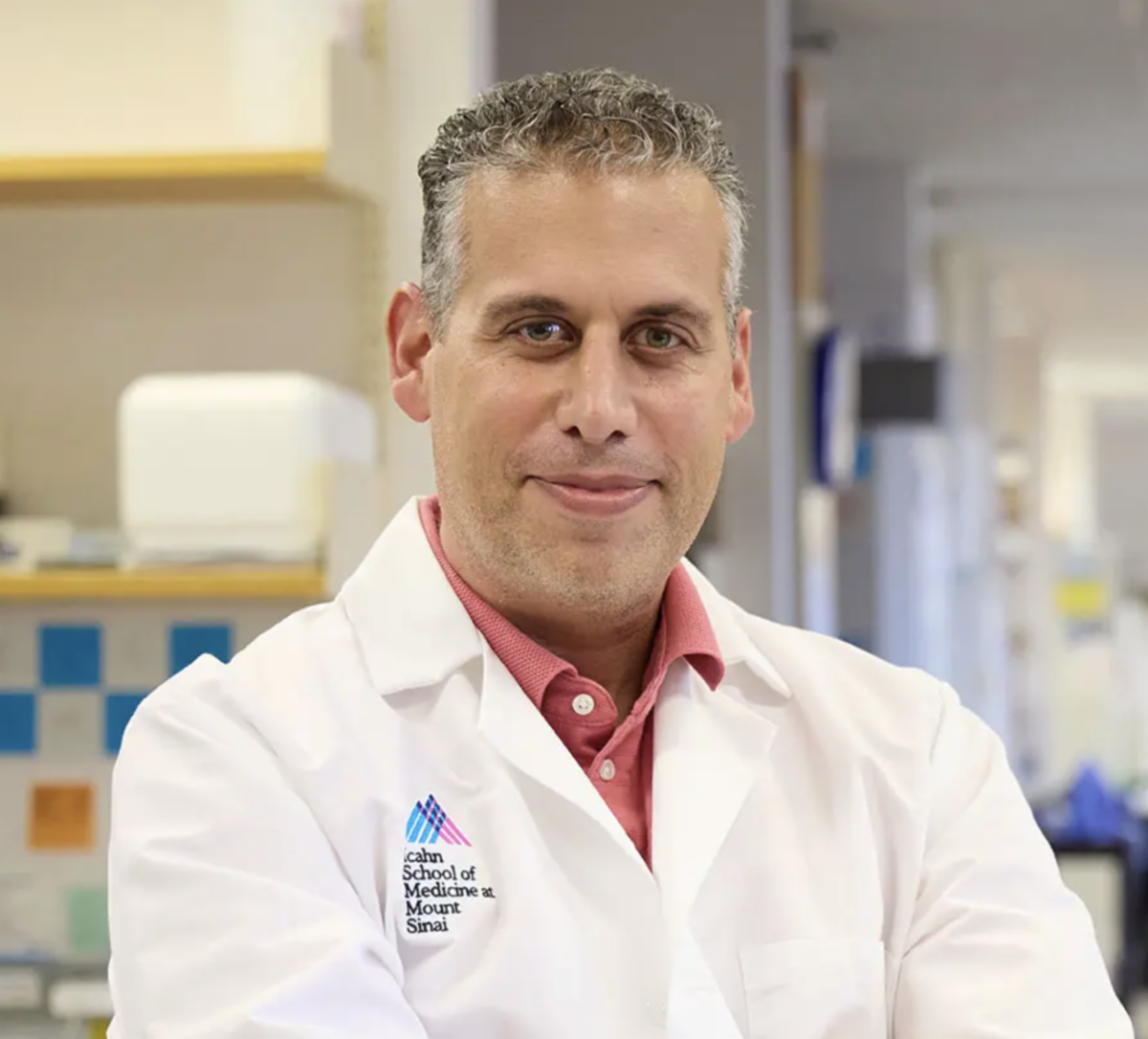
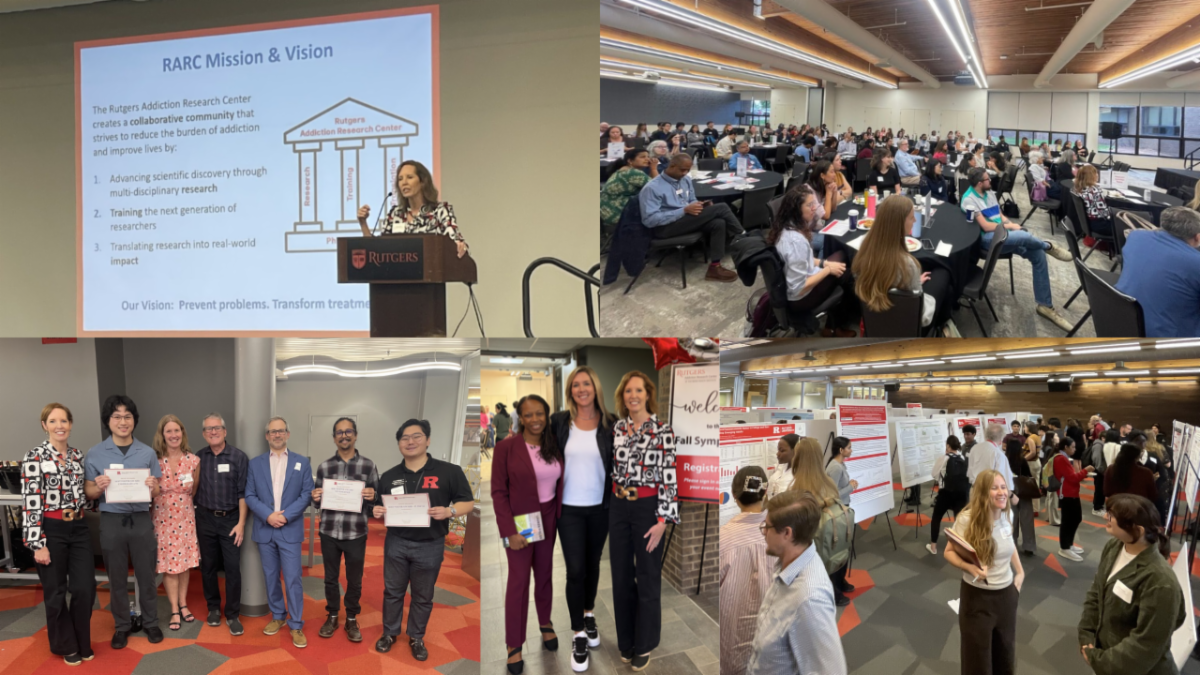
| | BHI Plenary Seminar Featured Dr. Scott Russo | | | | We featured Scott J. Russo, PhD, Professor in the Nash Family Department of Neuroscience and Leon Levy Director of the Brain‑Body Research Institute at the Icahn School of Medicine at Mount Sinai, as our distinguished BHI plenary speaker on October 1. Dr. Russo’s seminar, “Neuroimmune Mechanisms of Depression,” examined how chronic psychosocial stress modifies the peripheral immune system, and how those changes alter the brain to shape behavior. His research aligns with active interests across the BHI community in neuroimmune signaling, neurovascular biology, psychiatric disorders, and translational neuroscience. Learn more | | 2026 Rutgers Addiction Research Center Symposium | The Rutgers Addiction Research Center (RARC) within BHI hosted its Fall Symposium on September 16, celebrating its fifth anniversary. Researchers, clinicians, trainees, and community partners gathered to share new findings and innovative addiction science approaches, connect with colleagues, and explore the future of addiction research at Rutgers. This year’s theme, Research to Real-World Impact, highlighted RARC’s commitment to translating scientific discovery into meaningful impact for individuals, families, and communities. The event recognized outstanding trainee research with annual poster awards. Congratulations to the top poster awardees: Luke Poole (Clinical), Utsav Gyawali (Neuroscience), and Eden Lee (Undergraduate). Learn more |
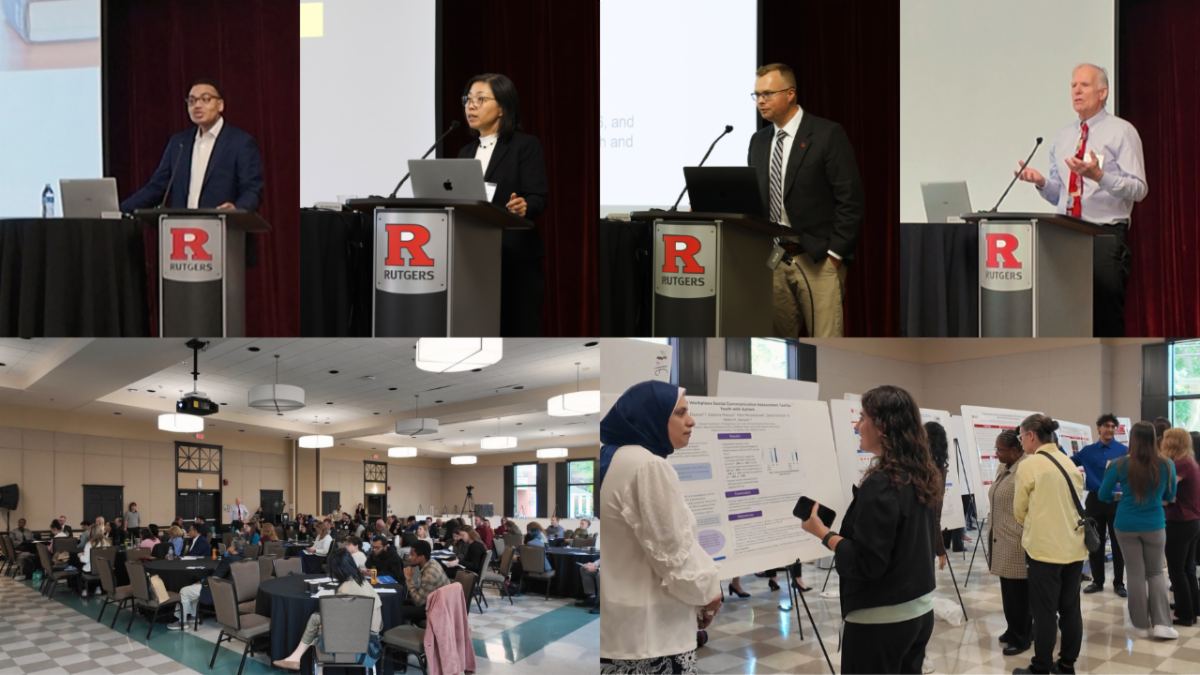
| NJACE & RUCARES 3rd Annual Conference | The New Jersey Autism Center of Excellence (NJACE) and the Rutgers University Center for Autism Research, Education, and Services (RUCARES) within the BHI hosted their 3rd Annual Conference on September 24. The event gathered researchers, professionals, and allies in the autism community to share ideas and network through presentations and a poster session. Keynote speakers were Dr. Brian Boyd, William C. Friday Distinguished Professor in Education at The University of North Carolina at Chapel Hill and Director of the Frank Porter Graham Child Development Institute, and Dr. Xinyu Zhao, Professor in the Department of Neuroscience, School of Medicine and Public Health at the University of Wisconsin‑Madison. |
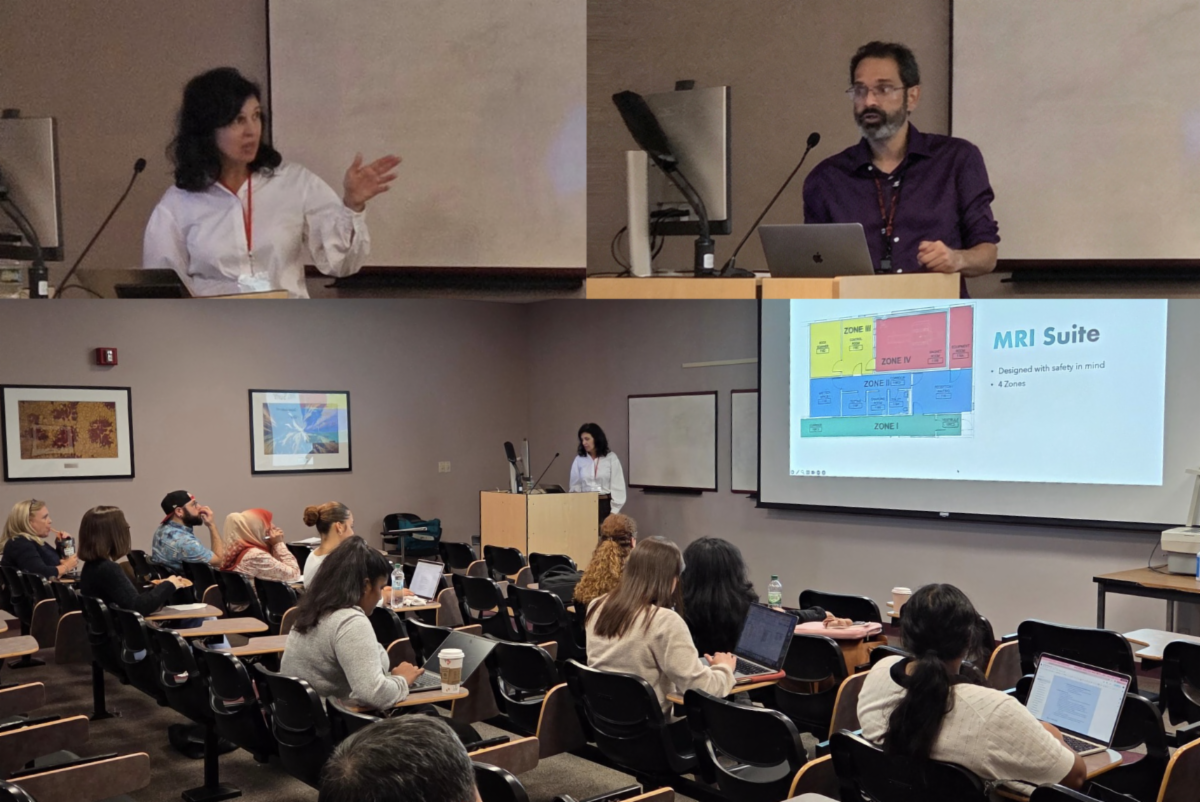
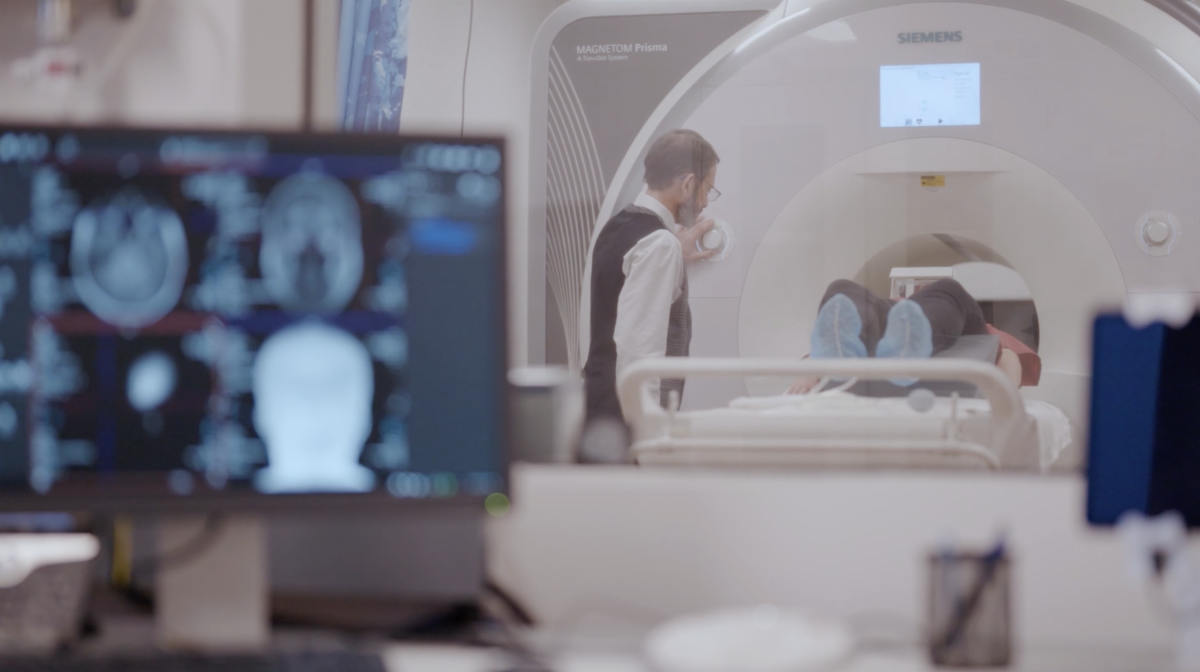
| Rutgers Center for Advanced Human Brain Imaging Research Workshop | The Center for Advanced Human Brain Imaging Research (CAHBIR) within the BHI held a three‑day in‑person training workshop on using MRI methods for human imaging. This 9‑hour workshop spans three days: September 29, September 30, and October 6. The October 6 session will be held in CABM Seminar Room 010 from 12:00–3:00 PM. The workshop is designed for faculty, students, and staff involved in human MRI research. It introduces MRI methods, MRI safety, and study design and analysis, and also covers pragmatic issues related to scanning at CAHBIR. Learn more |
| |
Announcing the 2026 Rutgers Brain Health Institute
Research & Service Awards
| | Five annual Rutgers Brain Health Institute (BHI) awards recognize the outstanding research and service contributions of faculty and staff who are BHI members. All current BHI-affiliated Rutgers faculty who conduct neuroscience- or brain health-related research, and their staff, are eligible for nomination by their faculty colleagues under one of the nomination categories. Faculty, please nominate your faculty and staff colleagues by November 1, 2026. Each awardee will be recognized with a plaque and a monetary award at a ceremony to be held at the Zimmerli Museum in New Brunswick on Dec 9th, 2026. Learn more | | Emergency Classification of Potent Kratom-related Compounds as Schedule I Drugs by the DEA: Why Now? | | | | Dr. Jenny Wilkerson, Assistant Professor of Anesthesiology at NJMS and a core faculty member of the BHI, offers perspective on the emergency Schedule‑I classification by the Department of Justice targeting three manufactured, chemically‑modified kratom‑related opioid compounds. The federal action applies to mitragynine pseudoindoxyl (MGPI), MGM‑15, and MGM‑16 and does not extend to traditional botanical kratom leaf, though repeated kratom use can produce tolerance, dependence, and withdrawal. Schedule I status can make it substantially more difficult to obtain, store, administer, and study compounds in controlled laboratory settings, at a time when many open questions remain about the therapeutic utility and side‑effect profiles of kratom’s individual alkaloids. The commentary highlights the importance of distinguishing between the plant, its naturally occurring alkaloids, and highly concentrated derivatives, noting these substances can have very different pharmacological properties. Learn more | | FDA Clears Fourth New Blood Test to Diagnose Alzheimer’s Disease | | | | Dr. Latha Devi, Program Manager at the BHI, shares key takeaways on the recent FDA clearance of Roche and Eli Lilly’s Elecsys pTau217 blood test for Alzheimer’s diagnosis, the latest chapter in a remarkably swift transformation of how Alzheimer’s disease is detected. The arrival of four FDA cleared blood tests in just fifteen months signals a new era of accessibility. A simple blood draw can now provide meaningful information about the biological changes associated with Alzheimer’s. Yet these advances come with important caveats: no test is meant for standalone diagnosis, and results must always be interpreted alongside a full clinical evaluation. Alongside these diagnostic advances, prevention remains critical, including exercise, diet, social engagement, and careful management of vascular and metabolic risk factors. Learn more | | FDA Approves First Drug to Treat the Orexin Deficit in Narcolepsy Type 1 | | | | Dr. Utsav Gyawali, Postdoctoral Associate and Scientific Writer at the BHI, shares insights on the FDA approval of Orzeyful™ (oveporexton), the first U.S. drug that addresses the orexin deficit underlying narcolepsy type 1 instead of only treating symptoms. Narcolepsy type 1 is a lifelong neurological disorder that affects about 1 in 2,000 people in the United States. People with the disorder have lost most of the brain cells that make orexin, a neuropeptide that keeps the brain awake. Oveporexton selectively activates orexin‑2 receptors, and important questions remain about its abuse potential and long-term effects. It also discusses how work from Drs. Gary Aston-Jones and Morgan James labs on orexin signaling may guide future drug development for substance use disorders. Learn more | | Drs. Mi Hyeon Jang and Max Tischfield Awarded NCI R01 Grant to Target the Meningeal Lymphatic System in Chemobrain | | | | Dr. Mi Hyeon Jang, Professor in the Department of Neurosurgery at RWJMS and a core faculty member of the BHI, and Dr. Max Tischfield, Assistant Professor in the Department of Neuroscience & Cell Biology, Rutgers–New Brunswick, have received an R01 award from the National Cancer Institute for the project “Targeting the Meningeal Lymphatic System in Chemobrain.” Chemotherapy induced cognitive impairment (CICI, also known as chemobrain) affects a large proportion of pediatric and adult cancer survivors, yet its pathophysiology remains poorly understood. Building on these observations, our overall hypothesis is that meningeal lymphatic system (MLS) dysfunction is a fundamental pathogenic driver of CICI; we will employ complementary mouse models, including chemobrain, MLS specific conditional mice, and clinically relevant T cell acute lymphoblastic leukemia patient derived xenograft (T ALL PDX) models, and we will also integrate these studies with real world CSF datasets from pediatric ALL patients. Collectively, these studies will uncover previously unrecognized roles of the MLS in the pathogenesis of CICI and establish the foundation for MLS targeted therapeutic strategies to preserve cognitive function and improve the quality of life of cancer survivors. Learn more | | Dr. Ryan Dougherty Receives NIA R01 Grant to Study The Energetic Cost of Walking and Mitochondrial Dysfunction in Cognitive Aging and Alzheimer’s Disease | | | | Dr. Ryan Dougherty, Assistant Professor in the Department of Kinesiology and Health at Rutgers New Brunswick School of Arts and Sciences, has received an R01 award from the National Institute on Aging for the project “The Energetic Cost of Walking and Mitochondrial Dysfunction in Cognitive Aging and Alzheimer’s Disease.” Extensive literature has demonstrated that higher physical activity and fitness levels are associated with reduced risk of cognitive decline and dementia in older adults. Recent K01 funded research by the PI indicates that the energetic cost of walking (ECOW) —the oxygen needed for customary paced walking— may optimally capture the beneficial effects of physical activity and fitness associated with cognitive decline. The proposed aims will advance our understanding into the physiological and biological mechanisms linking physical fitness and walking performance to risk of cognitive decline, resulting in new actionable targets for scalable clinical and behavioral interventions to reduce risk of cognitive decline and dementia in older adults. Learn more | | Dr. Eleanna Kara Receives NINDS R01 Grant to Investigate the Toxicity of Lipid-rich-alpha-synuclein Inclusions | | | | Dr. Eleanna Kara, Assistant Professor in the Department of Neurology at RWJMS, has been awarded an R01 grant from the National Institute of Neurological Disorders and Stroke for the project “Investigating the toxicity of Lipid-rich-alpha-synuclein inclusions.” Lewy bodies are the defining pathology of Parkinson’s disease; recent postmortem brain tissue studies show a substantial fraction of Lewy bodies are enriched in vesicles, membranes, and lipids coated by amorphously aggregated alpha-synuclein. This project tests the hypothesis that the lipid droplet-rich milieu of brainstem dopaminergic neurons nucleates aberrant liquid-liquid phase separation of alpha-synuclein, producing lipid droplet-rich condensates that are selectively toxic to mitochondria. Understanding the mechanisms linking lipid droplets, alpha-synuclein condensates, and mitochondrial dysfunction to the selective degeneration of the substantia nigra can help nominate druggable targets to prevent or reverse lipid-rich alpha-synuclein toxicity in Parkinson’s disease. Learn more | | Dr. Kristina Jackson Awarded NIAAA R01 Grant to Study Substance Use Among Autistic Youth | | | | Dr. Kristina Jackson, Professor of Psychiatry at RWJMS and a core faculty member of the BHI, has received a renewal R01 grant from the National Institute on Alcohol Abuse and Alcoholism for the project “Prevalence, Onset and Progression of Substance Use in Adolescents and Young Adults with Autism Spectrum Disorders.” Alcohol related concerns among autistic youth were once thought to be rare, but prior work shows alcohol use accelerates with age, rising sharply at high school graduation, with variable drinking rates linked to age of ASD diagnosis and social role functioning. Building on existing longitudinal participant data, the grant will support expanded cohort recruitment, multi wave annual assessments, and daily survey data collection to identify person level and proximal within person risk factors for alcohol use initiation and progression. Findings aim to inform prevention strategies to reduce harmful alcohol use and improve mental and physical health outcomes for autistic young people. Learn more | | Dr. Bridget Matikainen Ankney Receives NIDDK R03 Grant to Study Brain Circuitry in Obesity and Semaglutide Weight Loss | | | | Dr. Bridget Matikainen Ankney, Assistant Professor of Psychology at Rutgers-New Brunswick School of Arts and Sciences, has been awarded an R03 grant from the National Institute of Diabetes and Digestive and Kidney Diseases for the project “Prelimbic to accumbal maladaptations in obesity and semaglutide induced weight loss.” Obesity is a leading cause of preventable death in the United States, yet current weight loss interventions are often not long lasting because brain mechanisms driving food seeking behavior persist even after weight loss. This project investigates prelimbic accumbal circuit adaptations in diet induced obesity and how the GLP 1R agonist semaglutide alters these brain pathways. Findings aim to identify neural targets to develop therapies capable of producing lasting weight loss for people living with obesity. Learn more | | Dr. Fares Al-Shargie Receives NICHD R03 Grant to Study Neuromodulation for Multiple Sclerosis Gait and Stress Outcomes | | | | Dr. Fares Al-Shargie, Research Associate II in Dr. Soha Saleh's lab, has been awarded an R03 grant from the Eunice Kennedy Shriver National Institute of Child Health and Human Development for the project “Closed Loop Neuromodulation of Interhemispheric Dynamics to Improve Gait and Stress Outcomes in MS.” Multiple sclerosis (MS) is a chronic neurological disease affecting nearly one million adults in the U.S., causing progressive cognitive and motor impairments linked to abnormal neural asymmetry that disrupts movement and raises fatigue and stress. The project will develop and test a personalized, real-time closed-loop tACS approach that uses EEG to monitor brain activity and dynamically adjust stimulation to help restore balance between brain regions, with the goal of improving walking ability and reducing stress in people living with MS. Findings will establish preliminary efficacy and guide future home-based neurorehabilitation strategies to boost independence and quality of life. Learn more | | Dr. Hyung Jin Ahn Receives NINDS RF1 Grant to Study Mechanisms of Fibrinogen Mediated Cerebrovascular Pathology in Cerebral Amyloid Angiopathy | | | | Dr. Hyung Jin Ahn, Associate Professor of Pharmacology, Physiology & Neuroscience at NJMS and a core faculty member of the BHI, has received an RF1 award from the National Institute of Neurological Disorders and Stroke for the project “Mechanisms of Fibrinogen Mediated Cerebrovascular Pathology in Cerebral Amyloid Angiopathy.” Cerebral amyloid angiopathy (CAA) is a major cerebrovascular pathology in Alzheimer’s disease that affects over 80% of AD patients, yet the mechanisms that drive amyloid β accumulation in perivascular spaces and initiate vascular dysfunction remain unclear. This interdisciplinary study combines novel genetic models, spatial metabolomics, advanced imaging, and human tissue validation to define a previously unrecognized fibrinogen–Cav 1–AQP4 axis in CAA pathogenesis. Learn more | | Dr. Ying Xu Receives NINDS RF1 Grant to Study Diversity of Phosphodiesterase 2A Signaling in Traumatic Brain Injury and Alzheimer’s Disease | | | | Dr. Ying Xu, Assistant Professor in the Department of Anesthesiology at NJMS, and a core faculty member of the BHI, has received an RF1 award from the National Institute of Neurological Disorders and Stroke for the project “Diversity of Phosphodiesterase 2A Signaling in Traumatic Brain Injury and Alzheimer’s Disease.” Mitochondrial dysfunction is an early feature in susceptible neurons of patients with traumatic brain injury and its progression to Alzheimer’s disease and related dementia, while the underlying mechanisms remain elusive. This proposal will identify a novel signaling pathway that plays a critical role in the progression of traumatic brain injury to Alzheimer’s disease‑related dementia. Drs. Coleen Atkins (University of Miami), Wai‑Meng Kwok (Medical College of Wisconsin), and Xiongwei Zhu (Case Western Reserve University) are the co‑PIs on this project. Learn more | | Drs. Ioana Carcea, Vanessa Routh, and Jeetendra Eswaraka Receive NIH R24 Grant to Improve Mouse Model Research Rigor and Reproducibility | | | | Drs. Ioana Carcea and Vanessa Routh in the Department of Pharmacology, Physiology & Neuroscience at NJMS and Dr. Jeetendra Eswaraka, Vice President of University wide Core Services, have received an R24 award from the NIH Office of the Director for the project “Effects of caging density, temperature, and cage change frequency on rigor and reproducibility of research with mouse models.” Translatability of rodent disease models has been affected due to several key extrinsic factors – personnel, caging type, density, thermoregulation, food and water, bedding, enrichment, cage change frequency, species specific behavior measures, microbiome, housing density, lighting, vibration and air quality. Using a novel approach of Home Cage monitoring, video and ultrasonic vocalizations recording combined with telemetry, this proposal will examine the effect of three of these extrinsic variables cage density, temperature and cage change, on physiology and behavior of mice over a period of three months. Learn more | | Dr. Yuan-Xiang Tao Receives NINDS R61 Grant to Develop and Validate Human NIS lncRNA ASO as a Novel Potential Drug to Neuropathic Pain Treatment | | | | Dr. Yuan-Xiang Tao, Professor and Vice Chair of Research in the Department of Anesthesiology at NJMS, has received an R61 award from the National Institute of Neurological Disorders and Stroke for the project “Development and validation of human NIS lncRNA ASO as a novel potential drug to neuropathic pain treatment.” Chronic neuropathic pain is a complex and debilitating public health problem due to its high incidence in the general population, associated social burden, and limited efficacy of current treatments. This proposal will develop the therapeutic antisense oligonucleotide specifically targeting nerve injury specific long non coding RNA (NIS) in both humans and monkeys and validate it as a safe, non opioid, non addictive, high efficiency, and long lasting analgesics in the nonhuman primate model of nerve trauma induced neuropathic pain. Dr. Li Min Chen (Vanderbilt University) is the co-PI of this project. Learn more | | Dr. Miriam Bocarsly Receives NIA R21 Grant to Study The Role of Dopamine in Regulating Neuropsychiatric Symptoms in Alzheimer’s Disease | | | | |
Dr. Miriam Bocarsly, Assistant Professor in the Department of Pharmacology, Physiology, and Neuroscience at NJMS and a core faculty member of the BHI, has received an R21 award from the National Institute on Aging for the project “The Role of Dopamine in Regulating Neuropsychiatric Symptoms in Alzheimer’s Disease.” Alzheimer’s disease (AD) is predominantly known for its progressive cognitive impairment but also has an underrecognized neuropsychiatric component, which has profound clinical effects. Neuropsychiatric symptoms in AD often emerge before cognitive decline, suggesting they may arise from mechanisms distinct from those underlying cognitive impairment. This research will reveal novel therapeutic pathways and management strategies for the often overlooked neuropsychiatric symptoms exacerbated with ApoE4 linked late onset AD.
Learn more
| | Dr. Justin Yao Awarded NIDCD R21 Grant to Study Multisensory Decision-Making Under Conditions of Normal Hearing and Hearing Loss | | | | Dr. Justin Yao, Assistant Professor in the Department of Otolaryngology–Head and Neck Surgery at RWJMS and a core faculty member of the BHI, has been awarded an R21 grant from the National Institute on Deafness and Other Communication Disorders for the project “Multisensory decision-making under conditions of normal hearing and hearing loss.” Sensory perception often relies on integrating information across modalities, and hearing loss can disrupt this audiovisual integration process, leading to perceptual and cognitive impairments. This project investigates how noise-induced hearing loss disrupts the neural circuits supporting audiovisual decision-making, focusing on the parietal cortex and its inputs from auditory and visual cortices. The results from these studies will lay the foundation for future interventions that target projection-specific circuits to restore multisensory processing, reduce cortical dysfunction, and ultimately mitigate cognitive decline. Learn more | | Drs. John Pintar and Laurie Joseph Receive NIAMS R21 Grant to Study how Opioids Promote Wound Healing in Vesicant Induced Skin Injury | | | | Dr. John Pintar, Professor in Neuroscience and Cell Biology at RWJMS and Dr. Laurie Joseph, Associate Research Professor, Pharmacology & Toxicology, Ernest Mario School of Pharmacy, are the multi-PIs of an R21 award from the National Institute of Arthritis and Musculoskeletal and Skin Diseases for the project “Opioids promote wound healing in vesicant induced skin injury.” Sulfur mustard and its homolog nitrogen mustard are potent vesicants known to target the skin causing inflammation, edema, necrosis and blistering. This proof of principle study has the overall goal of developing an effective topical opioid countermeasure against multiple vesicants. The data generated from this work will move forward the use of topical opiates as effective countermeasures for mitigating skin induced vesicant injury. Dr. Laurie Joseph, Associate Research Professor, Pharmacology & Toxicology, Ernest Mario School of Pharmacy, is the co-PI of this project. Learn more | | Dr. Haesun Kim Receives NINDS R21 Grant to Target TFEB to Promote Bridge Schwann Cell Function in Peripheral Nerve Gap Repair | | | | Dr. Haesun Kim, Professor in the Department of Biological Sciences at Rutgers–Newark School of Arts and Sciences, has received an R21 award from the National Institute of Neurological Disorders and Stroke for the project, “Targeting TFEB to Promote Bridge Schwann Cell Function in Peripheral Nerve Gap Repair.” Traumatic peripheral nerve injuries that create nerve gaps remain a major clinical challenge, particularly when the gap is too large for the nerve to repair effectively. Dr. Kim’s study will investigate how TFEB, a key regulator of cellular adaptation to injury and stress, controls the ability of bridge Schwann cells to expand, migrate, and survive within the injured nerve. The project will also test whether increasing TFEB activity can enhance nerve regeneration across long gaps, with the long-term goal of developing strategies to improve nerve repair and the effectiveness of engineered nerve conduits. Learn more | | Dr. Christopher Rongo Receives NIGMS R35 Grant to Study Genetic Analysis of Hypoxic Stress Resistance | | | | Dr. Christopher Rongo, Professor in the Department of Genetics at Rutgers-New Brunswick School of Arts and Sciences, has been awarded an R35 grant from the National Institute of General Medical Sciences for the project “Genetic Analysis of Hypoxic Stress Resistance.” Hypoxia (O2 deprivation) plays a central role in diverse human diseases, including ischemic stroke, myocardial infarction, pulmonary hypertension, traumatic brain injury, spinal cord injury, COPD, cerebral palsy, COVID-19, and cancer. This research uses the *C. elegans* model organism to investigate the conserved hypoxia response pathway, examining how it modulates mitophagy, gene expression, and metabolism during oxygen deprivation. Findings from this work will yield conserved insights into tissue responses to hypoxic stress and support the development of novel therapeutic targets for hypoxia-related disorders. Learn more | | Drs. Mi Hyeon Jang and Bonnie Qin Receive New Jersey Commission on Cancer Research (NJCCR) Funding | | | | Dr. Mi Hyeon Jang, Professor in the Department of Neurosurgery at RWJMS and a core faculty member of the BHI, and Dr. Bonnie Qin, Assistant Professor, Department of Medicine, Cancer Epidemiology and Health Outcomes, Rutgers Cancer Institute of New Jersey, have received funding from the New Jersey Commission on Cancer Research. Their MPI project is titled “Health disparities in chemobrain: The role of obesity in Black breast cancer survivors.” Chemotherapy can cause problems with memory, concentration, sleep, and mood, commonly known as “chemobrain,” which can significantly affect cancer survivors’ quality of life. Black breast cancer survivors often experience more frequent and severe chemobrain symptoms, and this study will examine whether obesity worsens chemobrain by increasing NAD+ loss. This research will help uncover the mechanisms driving these disparities and provide the foundation for targeted strategies to improve brain health and quality of life among Black breast cancer survivors. | | Dr. Andrew Westbrook Awarded BBRF Young Investigator Grant | | | | Brain & Behavior Research Foundation (BBRF) Young Investigator Grants provide each scientist with up to $35,000 per year for two years to enable promising investigators to either extend research fellowship training or begin careers as independent research faculty. Dr. Andrew Westbrook is an Assistant Professor of Psychiatry at RWJMS and a core member of the Center for Advanced Human Brain Imaging Research (CAHBIR) within the BHI. He studies the balance between excitation and inhibition in the brain, and how disruptions to this balance contribute to psychiatric and neurological disorders, including depression and Alzheimer’s disease. He uses TMS, EEG, fMRI, eye tracking, pupillometry, and high-performance computing to explore brain function, identify early warning signs of disease, and improve treatments for brain-related disorders. | | Drs. Ian Antón Oldenburg and Suhayl Dhib-Jalbut Receive 2026 Rutgers Health Chancellor Awards | | | | Dr. Ian Antón Oldenburg, Assistant Professor in the Department of Neuroscience and Cell Biology at Robert Wood Johnson Medical School and the Center for Advanced Biotechnology & Medicine, received the Excellence in Basic Sciences Research Award (Early Career Investigator). This honor recognizes significant contributions by early-, mid-, or established-career investigators to impactful basic science or translational research across Rutgers Health. | | | | Dr. Suhayl Dhib-Jalbut was awarded the Lifetime Distinguished Achievement Award (Faculty). He holds appointments at RWJMS and NJMS, serving as Professor and Past Chair of the Department of Neurology, Ruth Dunietz Kushner and Michael Jay Serwitz Chair in Multiple Sclerosis, and Past Senior Vice President of Neurology at RWJBarnabas Health. The Lifetime Distinguished Achievement Award honors faculty with a sustained and distinguished lifetime record of achievement in one or more of Rutgers Health’s core mission areas: clinical care, education, research, and community engagement. | | Congratulations to Dr. Ying Xian Pan on Receiving Tenure | | | | Dr. Ying Xian Pan, Professor in the Department of Anesthesiology at NJMS and a core faculty member of the BHI, has been granted tenure. His laboratory studies the molecular and cellular mechanisms of opioid actions using integrative state of the art molecular, biochemical, pharmacological and behavioral approaches. These studies provide the foundation for developing novel opioid analgesics that have potent analgesic actions devoid of side effects. Learn more | | Dr. Tao Yin Receives NIA K99/R00 Pathway to Independence Award for Physiological and Pathological Insights into TREM2-CTF Cleavage by γ-Secretase in Alzheimer’s Disease | | | | Dr. Tao Yin, a postdoctoral fellow in the lab of Dr. Luciano D’Adamio (a core faculty member of the BHI) at NJMS, has received a K99/R00 Pathway to Independence Award from the National Institute on Aging for the project “Physiological and Pathological Insights into TREM2-CTF Cleavage by γ-Secretase in Alzheimer’s Disease.” Alzheimer’s disease is a devastating neurodegenerative disorder affecting millions of Americans. TREM2, a receptor predominantly expressed by microglia in the brain, is encoded by one of the strongest genetic risk factors for late-onset Alzheimer’s disease. Following proteolytic shedding of its extracellular domain, the remaining TREM2 C-terminal fragment (TREM2-CTF) is cleaved by γ-secretase. Dr. Yin’s research will investigate the physiological and pathological consequences of TREM2-CTF cleavage and define how this process regulates microglial function and contributes to Alzheimer’s disease pathogenesis. The K99/R00 award will support Dr. Yin’s transition from mentored postdoctoral research toward an independent research program focused on microglial biology and neurodegeneration. Learn more | | Dr. John McGann Publishes Study Exploring How the Brain Learns to Predict What to Fear Based on Past Experiences | | | | Dr. John McGann, Professor in the Department of Psychology at Rutgers University–New Brunswick, published a paper in Nature Communications that reveals how the brain decides which sensory experiences previously associated with an adverse experience should trigger a fear response. The study reveals how the brain decides which sensory experiences previously associated with an adverse experience should trigger a fear response. When brain mechanisms for fear‑related decision‑making break down, the learned fear response can drive maladaptive behaviors even when experiencing situations that don’t predict a threat; individuals with anxiety and post‑traumatic stress disorder (PTSD) often exhibit these maladaptive behaviors. This study offers potential ways to treat anxiety and PTSD. Read more about the research in articles published by BHI and Rutgers Today | | Claim your minute (and possibly more) of fame!! If you want to share any news (e.g., awards, grants, publications, patents, donor gifts) in future monthly newsletters, please send them to Lily Zhang (lily.zhangty@rutgers.edu) or use this Microsoft form to submit your news. We will also push these out on social media. So don’t be shy! Share your good news with us! We would love to hear from you!! | | Event Calendar Aggregator on the BHI Website | We encourage the Rutgers Neuroscience community to add their neuroscience and brain health research-related events to the Event Calendar on the BHI website. This will minimize scheduling conflicts for neuroscience and brain health events at Rutgers. To put your events on the BHI website Event calendar, BHI has obtained an event calendar aggregator software that can pull events you post on a shared Outlook or Google calendar created by BHI. If you’d like instructions on how to add your event, or if you have any questions, please contact Lily Zhang (lily.zhangty@rutgers.edu) to request access to the shared BHI Event Outlook or Google Calendar. Learn more |
| Banner Ad and Sponsorship Opportunities at BHI | |
We’ve launched a new banner ad section on the BHI website to help faculty and trainees promote events, study recruitment, job openings, and news announcements. With monthly traffic averaging over 35,000 visitors, and placements on the most-visited pages, your message will gain high visibility across Rutgers and beyond. Your ad will reach not only the Rutgers community but also external experts, prospective students, and potential collaborators and donors who visit the site. We will assist with designing engaging graphics and placing your announcement on high-traffic pages across the site. If you are interested in featuring your announcement, please contact Lily Zhang (lily.zhangty@rutgers.edu). Advertise with us
NEW!! We are looking for sponsors to support BHI events. Faculty, Staff and Trainees, please let us know about vendors you all work with who might be interested in sponsoring BHI events. Please reach out to kuzhikev@bhi.rutgers.edu with names and contact information of vendors who might be interested in partnering with BHI to sponsor neuroscience and brain health events at Rutgers.
|
| |
BHI Postdoctoral Alliance Working Group (PAWG) Trainee Information Collection Form
The PAWG is dedicated to all Rutgers trainees in neuroscience, brain, and mental health research. Please complete this survey to help us build a trainee database for sharing opportunities and compiling useful anonymous stats for your grant and fellowship applications. Complete the Survey
| | BHI Announcements & Opportunities | | |
BHI September Funding Opportunities Newsletter
We share a monthly Funding Opportunities newsletter, featuring a curated selection of federal (NIH) and non-federal (private and nonprofit) funding opportunities relevant to neuroscience, brain health, and mental health research. Visit our website to explore the full list and discover more funding opportunities. Learn more
| | |
Training in Research on Alcohol use and its Consequences and Etiology (TRACE)
Applications are now open for the Training in Research on Alcohol Use and its Consequences and Etiology (TRACE) postdoctoral training program, an NIAAA-funded program housed within RARC. TRACE offers mentored research experience, advanced methodological training, professional development, and access to Rutgers’ interdisciplinary alcohol research community. Applications are open September 15–November 15, with rolling consideration thereafter. Applicants must be committed to an alcohol research career and meet NIH citizenship or permanent residency requirements. Learn more
| | |
BHI Motivational and Affective Neuroscience FAWG Mock Grant Review Program
The BHI and the RARC are pleased to announce the mock grant review program at Rutgers University. The primary objective of this program is to increase the success of grant proposals submitted to NIH by Rutgers investigators from the BHI and/or the RARC. Learn more
| | |
TMS-EEG Study of Eye Movements and Memory
The Brain Modulation & Control Lab is recruiting paid volunteers to perform computer-based tasks while recording electroencephalography (EEG) data and applying transcranial magnetic stimulation (TMS) to study brain dynamics related to eye movement tasks. Learn more
| | |
ALA-enriched nutrition for prevention of cognitive decline in APOE4 older adults
The study aims to determine the effects of ALA on cognitive and brain health in an at-risk population. We are looking for individuals aged 60 and older, with a diagnosis of amnestic MCI. This study will evaluate the effects of alpha-linolenic acid (ALA) supplementation on cognitive function and brain health in older adults with mild cognitive impairment and APOE4 genotype (a risk factor for Alzheimer’s Disease). Learn more
| | |
Brazilian Aging in New York - New Jersey (BRAINY-NJ) Study
The project investigates risk and resilience factors for mental/brain health and dementia in Brazilian immigrants (55+ years old), a growing Latino population underrepresented in health-related research in the U.S. Participants may receive up to $125 for compensation. Learn more
| | |
South Asian Memory, Aging, and Risk Tracking for Brain Health study (SAMARTH)
The study aims to understand the characteristics that may place South Asian populations at heightened risk for Alzheimer's disease. The study seeks to recruit individuals with ethnic or racial backgrounds from the South Asian subcontinents, aged 45-70, who have a risk factor for Alzheimer’s disease or related dementias (one or more parents with Alzheimer’s Disease, high blood pressure, BMI >30, or Type II diabetes/pre-diabetes). Learn more
| | |
Multitasking Strategy Study (MUST Study): Neuroscience and Aging Study
The Rutgers Krieger Klein Alzheimer's Research Center and EngAGING Lab are recruiting older adults (60–75) for the MUST Study, a non-pharmacological research trial focused on cognitive training to support attention control and multitasking. Overall eligibility: ages 60–75, overall good health/cognitively healthy, English-speaking, and able to use a computer and the internet. Participation includes home-based online sessions (brain health education and cognitive training) and 3 in-person assessments over approximately 5–6 months. Participants may receive up to $275. Learn more
| | |
IFPR – Rutgers Research Collaboration
The RARC is partnering with the Institute for Prevention and Recovery (IFPR) to establish a streamlined process for collaboration among Rutgers researchers who want to partner with RWJBarnabas to analyze substance use disorder outcome data and/or implement new studies in the health system. Learn more
| | |
Rutgers Research Community Partnership (RCP)
The RCP, overseen by the RARC, is a central enrollment hub for community members to participate in Rutgers research projects, and for researchers to recruit for their studies. By signing up for the RCP, individuals agree to be contacted by approved researchers to participate in projects. Learn more
| | |
Join the ADRD Research Center Community
The Herbert and Jacqueline Krieger Klein Alzheimer’s Research Center in BHI will serve as a hub for collaboration, innovation, and transformative research, with the mission of making meaningful strides in the prevention, diagnosis, and care of Alzheimer’s disease and related disorders (ADRD). If you are interested in learning more or collaborating with the center, please submit the form to provide your contact information. Learn more
| | Join us and make a lasting impact in neuroscience research and education. Discover current opportunities to advance your career and collaborate with leading experts at Rutgers. View all open positions HERE | |
- Deputy Director of Rutgers Brain Health Institute
- Director of Development
- Director of Neurotechnology Innovation Center (NTICe) at BHI
- Director of the Center on Research in Pain and Pain Therapeutics at BHI
- Human Neuroimaging Faculty Position in Alzheimer’s Disease
| | If you want to share any opportunities (e.g., open positions, grants, surveys) in future monthly newsletters, please send them to Lily Zhang (lily.zhangty@rutgers.edu) or use this Microsoft form to submit your opportunities. | | | | |
Rutgers Center for Advanced Human Brain Imaging Research Workshop
The Center for Advanced Human Brain Imaging Research (CAHBIR) within the BHI held a three‑day in‑person training workshop on using MRI methods for human imaging. This 9‑hour workshop spans three days: September 29, September 30, and October 6. The October 6 session will be held in CABM Seminar Room 010 from 12:00–3:00 PM. The workshop is designed for faculty, students, and staff involved in human MRI research. It introduces MRI methods, MRI safety, and study design and analysis, and also covers pragmatic issues related to scanning at CAHBIR. Learn more
| | | | |
Alzheimer's Disease and Related Dementias Translational Work-in-Progress Series (ADRD-TWIP)
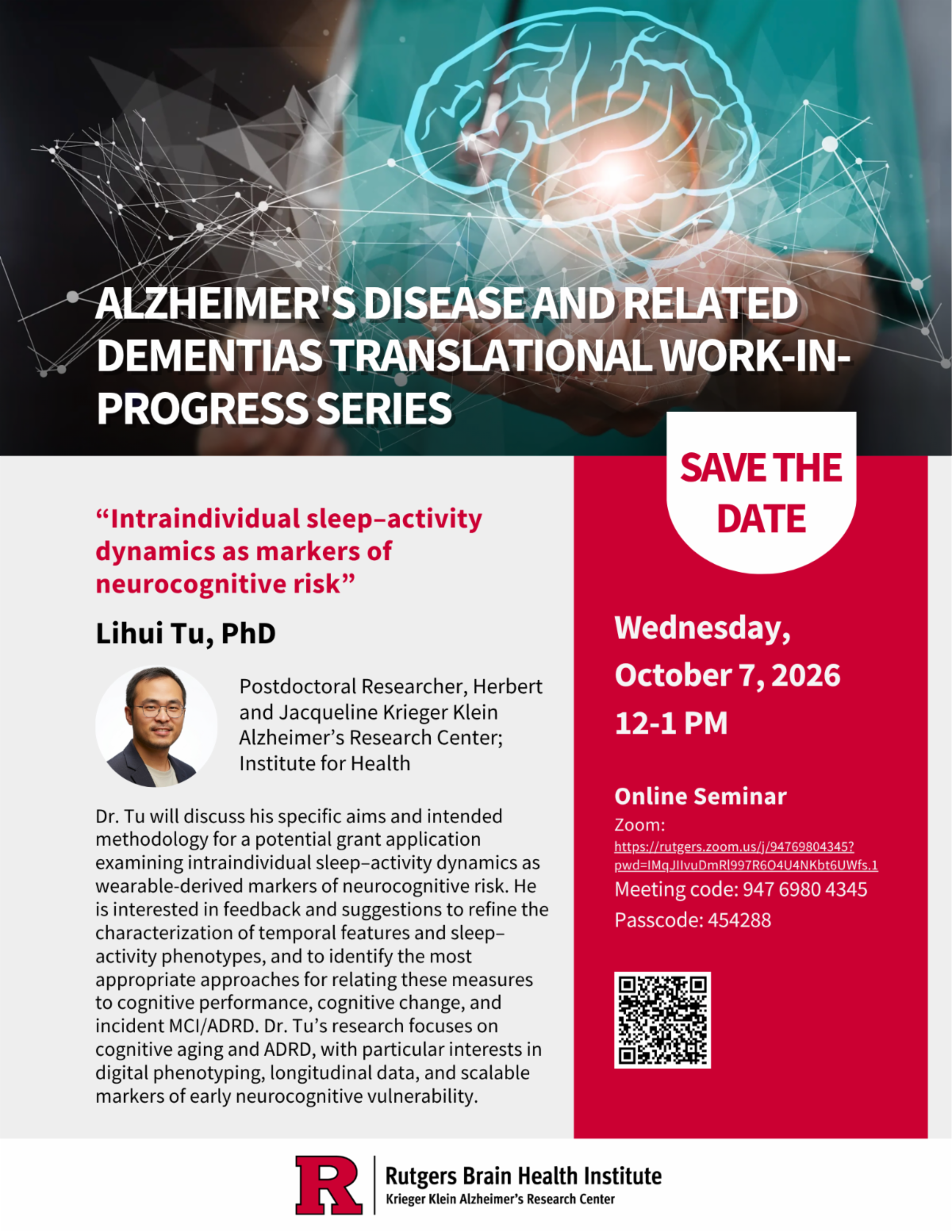
The Krieger Klein Alzheimer’s Research Center (KKARC) in the BHI is organizing a series of translational work-in-progress talks, alternating between clinical and basic presentations to open new opportunities for translational research and discussions from different perspectives. Dr. Lihui Tu, will present “Intraindividual sleep–activity dynamics as markers of neurocognitive risk”. Learn more
| | | | |
Brain Health Institute Plenary Seminar
We will feature Dr. Alain Dagher, Associate Professor in the Department of Psychology at McGill University, as our distinguished BHI plenary speaker. Dr. Dagher specializes in movement disorders and functional brain imaging. His research aims to understand the function of the basal ganglia, with a particular emphasis on appetitive behaviors. This involves studying how we learn about rewards and punishments, and become motivated to engage in reward-seeking behaviors.
| | | | |
12th Annual Rutgers Brain Health Institute Symposium
The 12th Annual Rutgers Brain Health Institute (BHI) Symposium will be held on Wednesday, December 2, 2026, at the College Avenue Student Center, New Brunswick, NJ. The full‑day event will feature opening remarks from Dr. Keena Arbuthnot, Executive Vice President for Academic Affairs and Chief Academic Officer at Rutgers, a keynote lecture by Dr. Joseph E. LeDoux from NYU, cutting‑edge research presentations from BHI faculty, a special panel focused on the Rutgers Women’s Brain Health Initiative, two‑minute trainee flash talks, a trainee poster session, and a Brain Art Exhibition. View the symposium agenda. Registration is now open. Poster space is limited so trainees, please submit poster abstracts and artwork well before November 6th. Learn more and register now
| | |
Please visit the BHI Event Calendar page to view other upcoming neuroscience and brain health research events. Learn more
If you want to share any events in future monthly newsletters, please send them to Lily Zhang (lily.zhangty@rutgers.edu) or use this Microsoft form to submit your events.
| | If you want to feature any news, opportunities, and events in future monthly newsletters, please send them to Lily Zhang (lily.zhangty@rutgers.edu) or use this Microsoft form to submit your news. Thank you for your cooperation and support! | | | | |