|
RCEI Newsletter
June 2025
Issue 4
| | A Message from Julie Lockwood, RCEI Director | | |
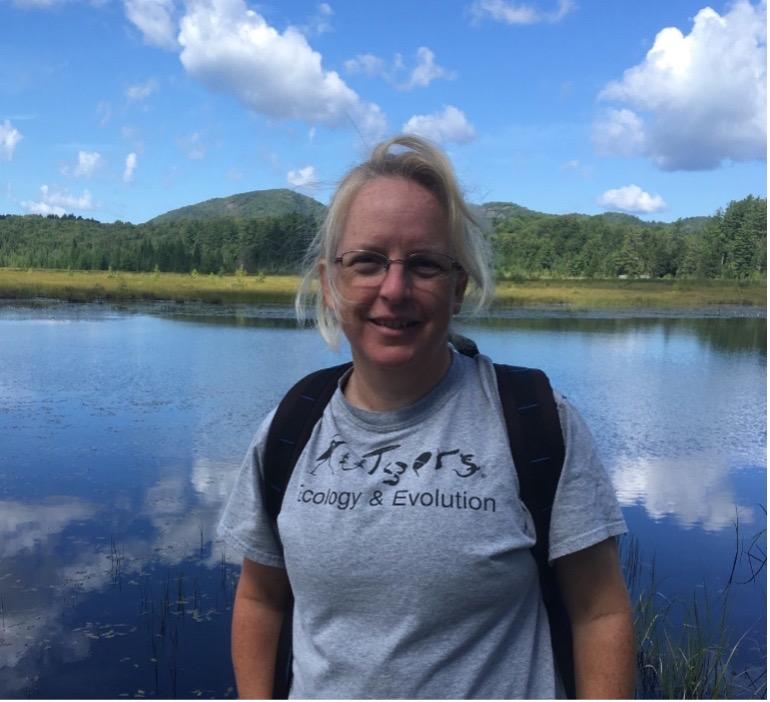
Regardless of the many setbacks with respect to climate and energy research and initiatives these past few months, Rutgers Climate and Energy Institute is sticking to our mission, moving forward, and continuing to build the community that fosters creative solutions to climate change. For us, failure is not an option. We know the stakes: 2024 was indeed the hottest year on record, the Earth will continue to warm, and humans and ecological communities will not get a break from the impacts of a changing climate. Our faculty and students are passionate in their pursuit of climate and energy scholarship. As you read our Spring 2025 newsletter, I hope you will be inspired by their resolve, resilience, and leadership to provide the deep understanding of the Earth and human systems needed to find and scale innovations to address this challenge.
There is so much more you can learn at our website: https://rcei.rutgers.edu/. Thank you for your continued support of the Rutgers Climate and Energy Institute, and we look forward to seeing or working with you soon.
| | |
|
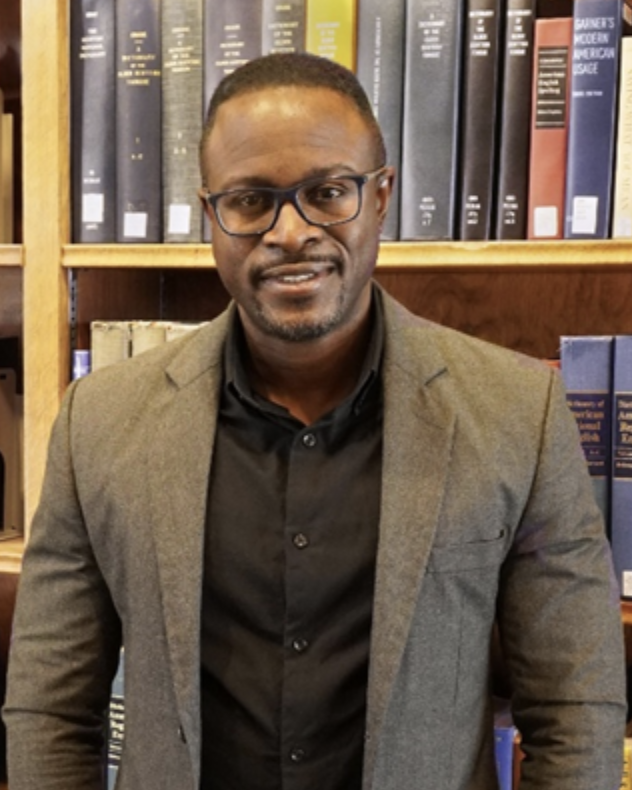
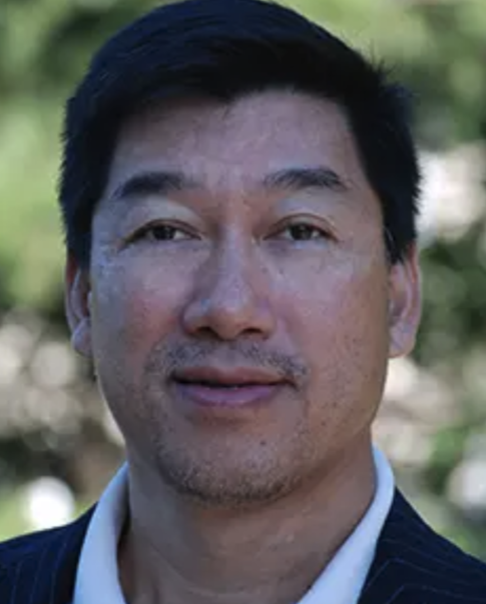
Julie Lockwood
RCEI Director
| | | Rutgers Leads Alliance to Ensure U.S. Scientists Participate in IPCC Assessment | | |
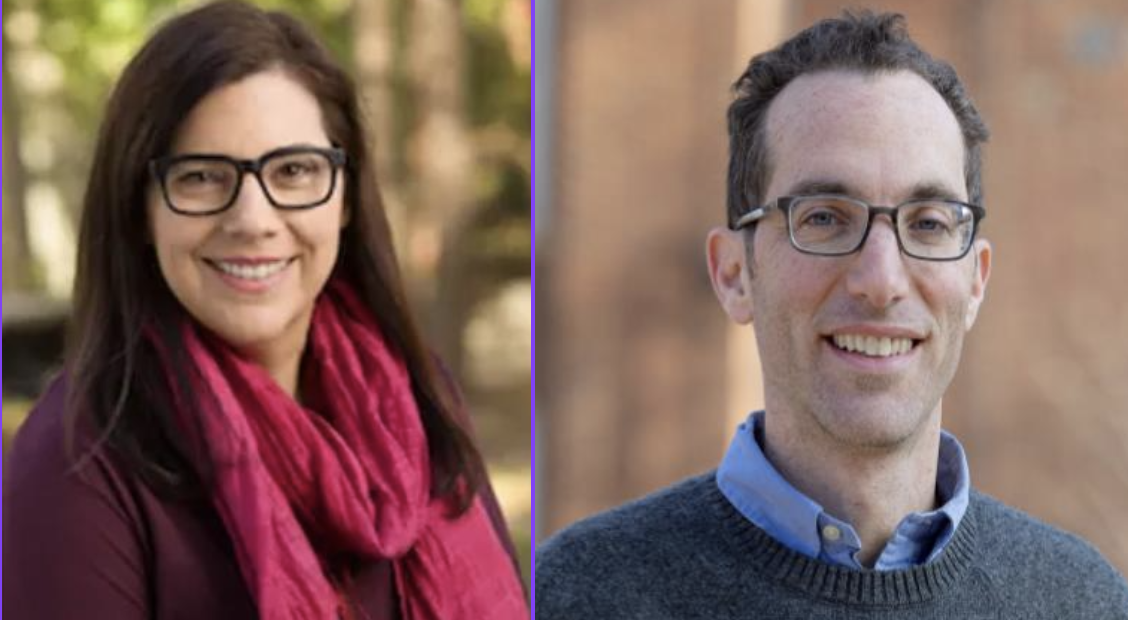
Rutgers is proud to be a driving force in the formation the U.S. Academic Alliance for the IPCC (USAA-IPCC), a network of U.S. universities that are registered observers with the Intergovernmental Panel on Climate Change (IPCC). The USAA-IPCC came together in March 2025 when it became apparent there was not a way for American scientists to be nominated to serve as experts, authors, and review editors for the IPCC Seventh Assessment report (AR7). The group joined forces with the American Geophysical Union (AGU), the world’s largest association of Earth and Space scientists as host of the alliance. USAA-IPCC aims to increase awareness of authorship calls and facilitate nomination opportunities for experts in climate research and practice working in the United States. “This new alliance will help the U.S. maintain a preeminent position in global science-policy assessments," said RCEI Affiliate and Professor in the Department of Human Ecology Pamela McElwee, who is chair of the USAA-IPCC steering committee."The benefits to U.S. researchers from involvement in the IPCC are tremendous, and we want to ensure that our scientists continue to play an important leadership role internationally.”
“The IPCC plays a crucial role in informing both global climate negotiations and national and local climate policy and planning around the world,” said RCEI affiliate Robert Kopp, a Distinguished Professor in the Department of Earth and Planetary Sciences and a member of the steering committee. “U.S. scientists have always been key players in the IPCC, and as registered observer institutions that are permitted to nominate panel authors, the USAA-IPCC members want to ensure that continues to be the case.”
In addition to McElwee and Kopp, RCEI’s leadership team (Julie Lockwood, Marjorie Kaplan, Joyce Ong, and Oliver Stringham) as well as RCEI affiliate and Assistant Dean for Global Programs at Rutgers Global Johanna Bernstein and Ph.D. candidate in Geography Katherine Cann, assisted with the rapid turnaround needed for this nomination effort.
According to McElwee, “The USAA-IPCC has demonstrated its effectiveness in that we actually exceeded the number of nominations that U.S. government processed for the 6th Assessment Report.”
| | |
(Left) Pamela McElwee, USAA-IPCC Steering Committee Chair
(Right) Robert Kopp, USAA-IPCC Steering Committe Member
| | RCEI partners with the New Jersey Board of Public Utilities to Establish a Clean Energy Graduate Certificate and Clean Energy Fellowship Program | | |
In collaboration with the New Jersey Board of Public Utilities (NJ BPU), RCEI is establishing a Clean Energy Graduate Certificate Program to provide Rutgers master's degree students with foundational knowledge in three areas: Energy-Based Engineering, Energy Public Policy, and Applied Energy Economics, focusing primarily on clean energy. RCEI anticipates the first cohort to enter the certificate program in January 2026.
Coupled to the certificate program is the RCEI Clean Energy Fellowship Program for current Rutgers graduate students to gain practical professional experience working directly with the NJ BPU in the clean energy sector over the course of one semester. Fellows will be compensated for their work within either the NJ BPU’s Division of Clean Energy or the Office of Federal and Regional Policy. While there, students will receive meaningful exposure to industry practices, policy development, and economic strategies that shape the future of energy. RCEI will work with NJ BPU to vet and place applicants in the Fellows program. The Clean Energy Fellowship was launched in June 2025 and the first fellows are anticipated to begin their tenure at NJ BPU in fall 2025.
“We expect students across Rutgers will take advantage of this initiative, propelling them toward careers where they apply their deep knowledge of engineering, public policy, economics, and the environment to the task of cost-effectively generating and delivering clean energy to New Jersey citizens. Our collaboration represents a national model for how universities can train students to make a real difference in efforts to grow and sustain clean energy production, both locally and nationally,” notes RCEI Director Julie Lockwood. Learn more about the Clean Energy Fellowship here.
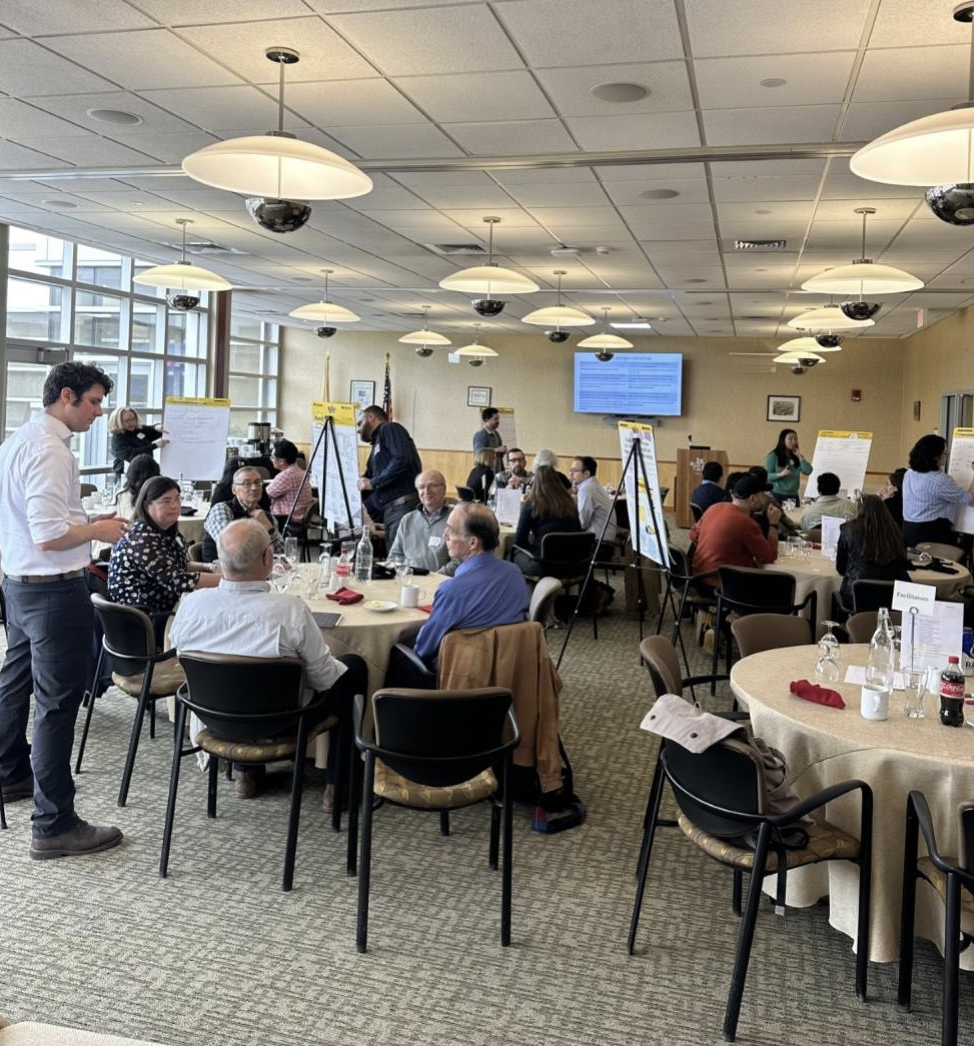
| | RCEI Fosters Collaboration Around Climate, Energy, and AI | | Networking session on grand challenges around climate change, energy and AI | | |
To direct Rutgers climate and energy scholarship towards smart systems that harness the power of Artificial Intelligence (AI) and Machine Learning (ML) tools, RCEI hosted 70 Rutgers faculty, staff and graduate students in an April 2025 Convergence Cafe to mobilize interdisciplinary teams for potential collaborations around this theme. Plenary speaker Professor Kristin Dana (Electrical and Computer Engineering) explained her robotics and vision research with colleagues at the Rutgers Philip E. Marucci Center for Blueberry and Cranberry Research. Using drones and ground robots as a model for precision agriculture, the research team tracked visual features of cranberries, helping to understand the conditions that influence their optimal ripening time over a growing season. Our second plenary speaker, Distinguished Professor Oscar Schofield (Marine and Coastal Sciences), described the revolution underway in environmental sensing, where technologies now provide more diverse and complex data. He noted how AI can help us make sense of these vast data streams to inform sound decision-making, stressing the timeliness and importance of this moment given the Earth system is undergoing dramatic changes.
Lightning talks from several Rutgers researchers, and two ideation sessions, identified a series of Grand Challenges around climate change, clean energy and AI. These sessions are designed to foster collaborations within the RCEI community by providing an informal space to develop partnerships within Rutgers and across allied institutions. RCEI also couples these cafes to it's Groundworks Grants Program as a catalyst for developing competitive external funding proposals.
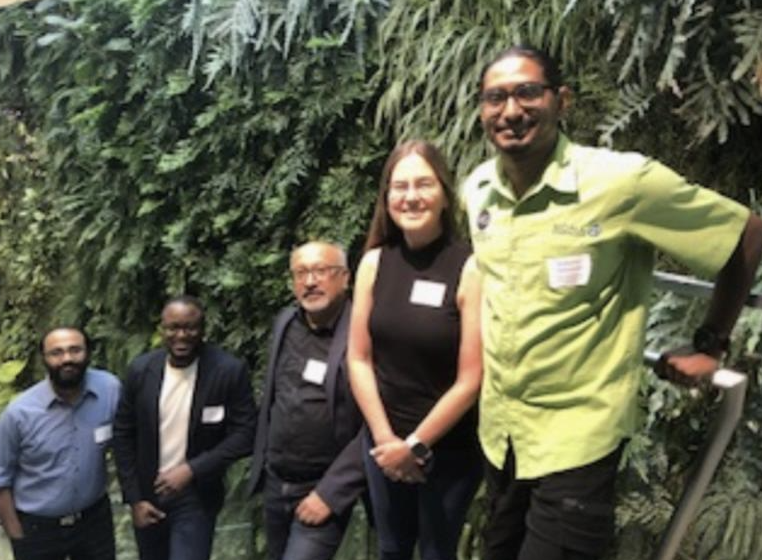
| | Collaborative Advances in Research on Seaweeds in the Caribbean | | Left to Right RCEI Affiliates, Shishir Chundawat, Kevon Rhiney, and Debashish Bhattacharya with guest speakers Loretta Roberson (The Bell Center Marine Biological Laboratory) and Romario Anderson (University of the West Indies-Mona) at the RCEI Caribbean Seaweed Research Symposium. | | |
RCEI hosted a hybrid symposium on May 14, 2025, showcasing advances in research at the intersection of seaweed science, climate resilience, and marine resource management in the Caribbean. Kevon Rhiney (Associate Professor in Geography and RCEI’s Area Lead for Human Dimensions of Climate Mitigation, Adaptation and Resilience) teamed with RCEI Affiliate Debashish Bhattacharya (Distinguished Professor, Department of Biochemistry and Microbiology) to bring together researchers from the US and the Caribbean to explore seaweed’s potential role in the bioeconomy, including innovations in biofuel and feedstocks production, carbon sequestration, sustainable seaweed cultivation, and the geospatial monitoring of Sargassum seaweed hot spots.
Bhattacharya explained, “warming oceans and nutrient runoff due to agricultural practices are fueling unprecedented Sargassum ‘blooms’ of this ecologically important seaweed which are fouling Caribbean beaches and posing human health risks, yet science is suited to offering solutions.”
Bioengineering challenges and techniques in ‘refining’ seaweed into various bioproducts was described by RCEI Affiliate Shishir Chundawat (Associate Professor, Chemical and Biochemical Engineering) whose team is working with Bhattacharya and RCEI affiliate Sagar Khare (Professor, Chemistry and Chemical Biology) using advanced AI, machine learning, and automated synthetic biology tools. They related their experiences discovering novel genes and bioengineering stable enzymes and microbial systems as industrially relevant biocatalysts necessary to convert Sargassum into fuels, chemicals, pharmaceuticals, and other high value products.
Rhiney concluded, “this symposium was an excellent first step to bring together researchers, policymakers, and community stakeholders to foster collaboration and explore regional solutions to seaweed-related challenges in the Caribbean that are being exacerbated by climate change.”
Learn more here.
|
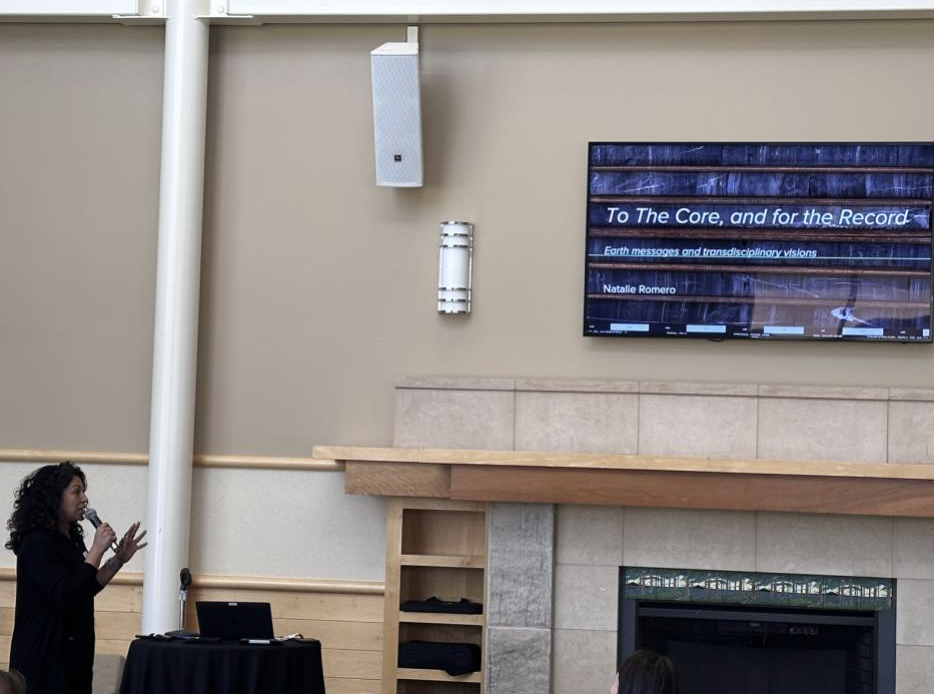
| Climate and Energy Dialogues: Human Dimensions, Environmental Communications, and Humanities | | Natalie Romero presenting on her multimedia installation incorporating 200 million years of NJ data | | |
Atif Akin (Associate Professor of Art and Design and RCEI’s Area Lead for Environmental Communications and the Humanities) and Kevon Rhiney (Associate Professor in Geography and RCEI’s Area Lead for Human Dimensions of Climate Mitigation, Adaptation and Resilience) organized an April 2025 gathering of Rutgers faculty and research staff whose interests lie at the intersection of the human dimensions of climate and energy, environmental communications, and humanities. “This event was in keeping with RCEI’s mission of creating scholarly dynamic communities to organize, collaborate, and activate Rutgers scholars to move their innovative ideas into action. There was incredible energy and cross-pollination generated by this convening with a desire to continue to connect the arts, humanities, social sciences with natural sciences around climate change and energy,” notes RCEI Director Julie Lockwood.
Natalie Romero (Art and Design) presented on an original multimedia installation that incorporated 200 million years of data from New Jersey (plant species from Rutgers EcoPreserve; geologic cores from Rutgers Newark Basin Coring Project; and sea level trends for Sandy Hook) into sound recordings, along with video projection, screens and photography to “counter-archive conveying indigenous history and ways of relating to the Earth.”
J.T. Roane (Africana Studies and Geography) spoke on Black Ecologies, Tidewater Virginia and the Indigenous and Black led organization Just Harvest that is building toward food sovereignty and justice in Virigina’s historical plantation region through political and practical education.
RCEI Affiliate Meryl Shriver Rice (Human Ecology) shared knowledge about community-based research through their ethnoarcheology work within the Coastal Heritage at Risk Taskforce (CHART). This project centers on decolonial public anthropology using a community-based research approach related to climate impacts and resilience as a form of cultural revitalization.
RCEI Affiliate Danielle Falzon (Sociology) presented on Structural Power in Climate Decision-making. See below for highlights of Professor Falzon’s research.
In addition to the speakers, a networking session provided participants the opportunity to further engage in scholarly dialogue and identify avenues for potential collaboration.
|
|
RCEI Affiliate Focus: Danielle Falzon –
Who Decides the Future of a Warming Planet? On the Frontlines of Climate Justice
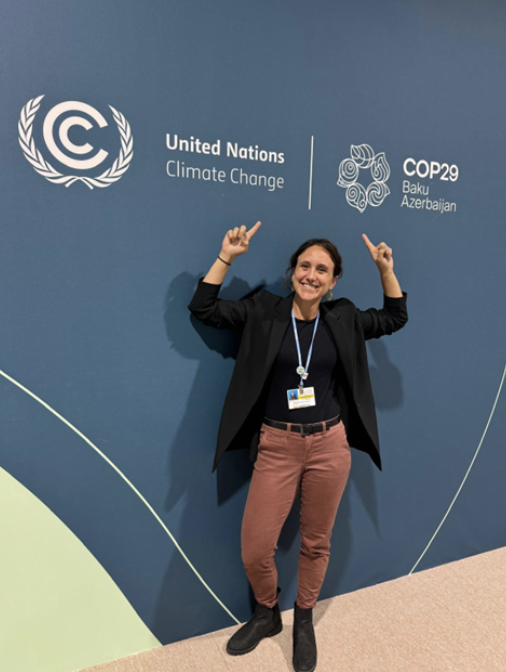
| | Professor Falzon at the recent COP29 climate negotiations meeting in Baku, Azerbaijan | | Who decides the future of a warming planet? More importantly, who is excluded from those critical discussions? As climate change is an increasingly undeniable reality, these questions expose an uncomfortable truth, as explained by RCEI affiliate Danielle Falzon, Assistant Professor of Sociology. The truth is that the power to change the world’s fate is concentrated in the hands of a select few, leaving many without a say in the decisions that affect them most. Read more about Dr. Falzon who explores how power and inequality shape decision making by studying the United Nations climate negotiations and adaptation initiatives in Bangladesh. | |
RCEI Affiliate Focus: Dunbar Birnie –
Curiosity Cultivates Solar Solutions: Innovating Agrivoltaics for a Sustainable Future
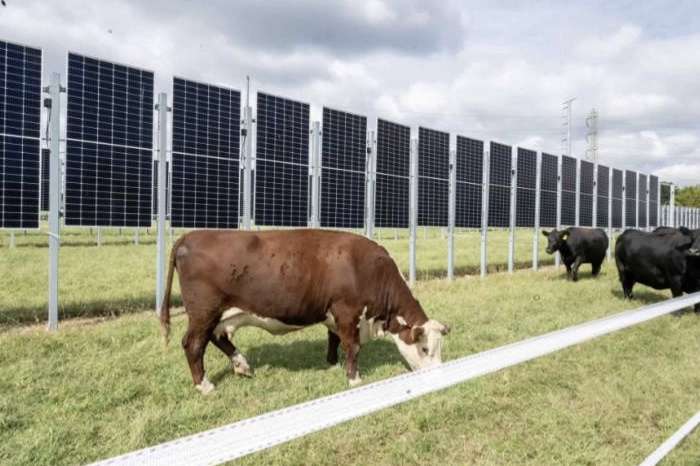
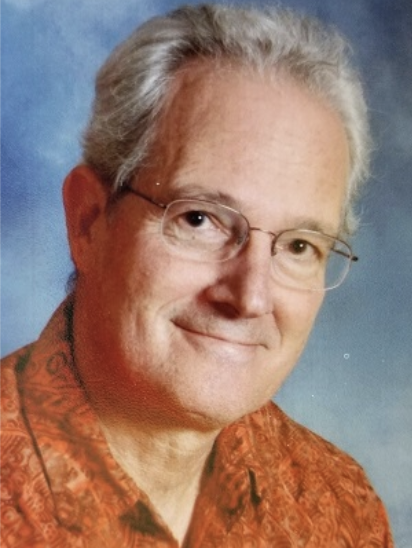
| | Curiosity may have killed the cat, but for RCEI Focus Area Lead for Renewable Energy, Technology, and Energy Conversation, Dunbar Birnie, it sparked a decades-long passion for solar energy and innovation. From collecting geodes and shiny rocks as a child to creating one of Rutgers’ first courses on solar energy over 25 years ago, Birnie’s fascination with the physical world and drive to learn has fueled his research and fulfilling career in materials science and engineering. Professor Birnie, the Corning/Saint Gobain/Malcom G. McLaren Chair in the Department of Materials Science and Engineering explains more here about Rutgers’ innovative Agrivoltaics Program. | |
RCEI Affiliate Focus: Kevon Rhiney –
Caribbean Smallholder Farming: A Legacy of Struggle and Resilience
| | Kevon Rhiney, Associate Professor, Department of Geography | | RCEI Area Lead for Human Dimensions of Climate Change Mitigation, Adaptation and Resilience, Dr. Kevon Rhiney is a human-environment geographer passionate about climate justice. His research examines the development and justice implications of global environmental change, with a particular focus on the Caribbean, one of the world’s most climate-vulnerable areas. Globalization and climate change disproportionately impact smallholder farmers in this region. Rhiney aims to bridge the gap between scientific knowledge and traditional, local ecological knowledge in ways that build upon these farmers' preexisting strategies. Since 2015, he has worked with The International Center for Tropical Agriculture and the UN’s Consultative Group for International Agriculture Research to develop innovative solutions on the ground using results from crop-climate models. In the Caribbean, he and his team have organized farmer field schools to collaborate with smallholder farmers, which has created an inclusive learning environment where knowledge is shared and valued. Rhiney shares more here. | | RCEI Affiliate Focus: Eric Lam – Scientists Find New Way to Help Plants Fight Diseases | | A breakthrough by a collaboration between Rutgers and Brookhaven National Laboratory could improve crop resilience. In a discovery three decades in the making, these scientists have acquired detailed knowledge about the internal structures and mode of regulation for a specialized protein and are proceeding to develop tools that can capitalize on its ability to help plants combat a wide range of diseases. In a study published in Nature Communications, a team led by RCEI affiliate Eric Lam at Rutgers University-New Brunswick and Qun Liu at Brookhaven National Laboratory in New York reported that advanced crystallography and computer modeling techniques have enabled them to obtain the best picture yet of a pivotal plant protease, a protein enzyme that cuts other proteins, known as metacaspase 9. “This work could usher in much safer and effective treatments for our crops worldwide,” said Lam, a Distinguished Professor in the Department of Plant Biology in the Rutgers School of Environmental and Biological Sciences and an author of the study. Read more here. |
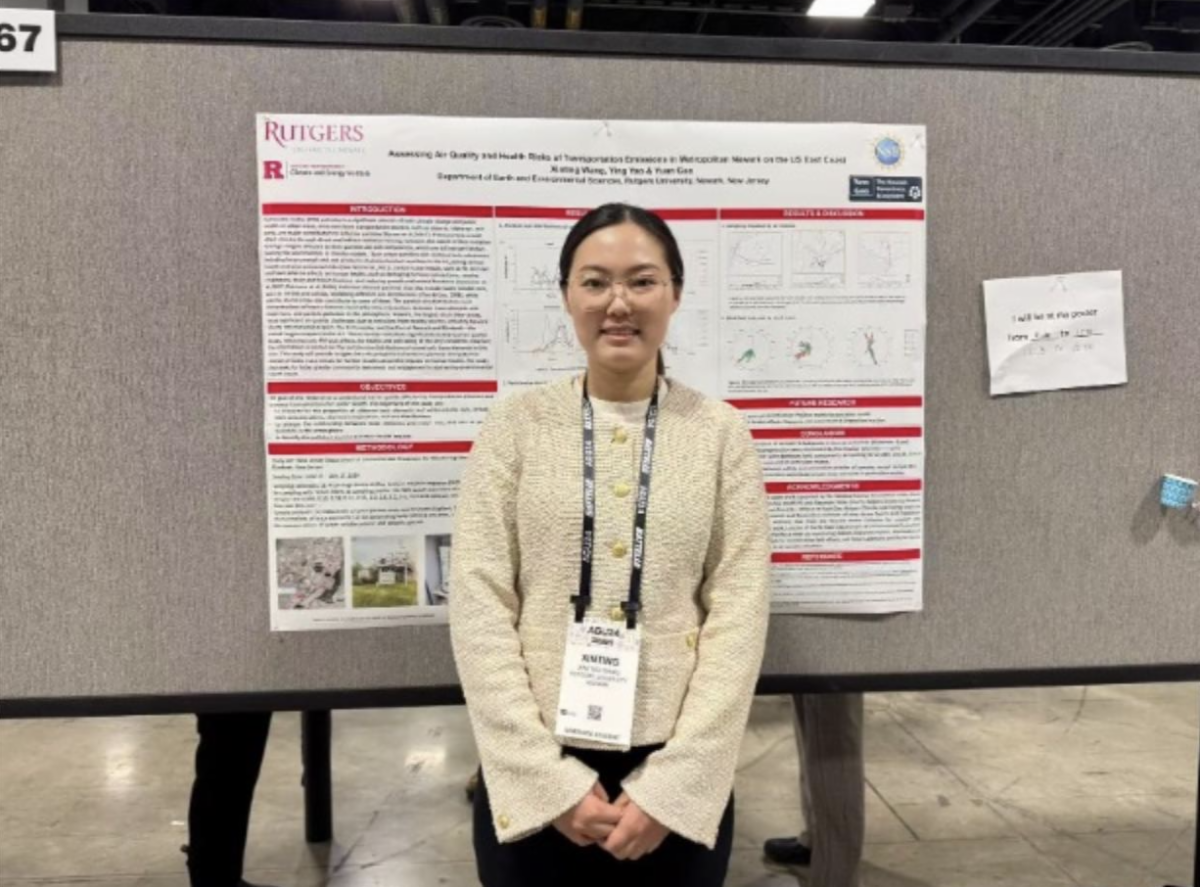
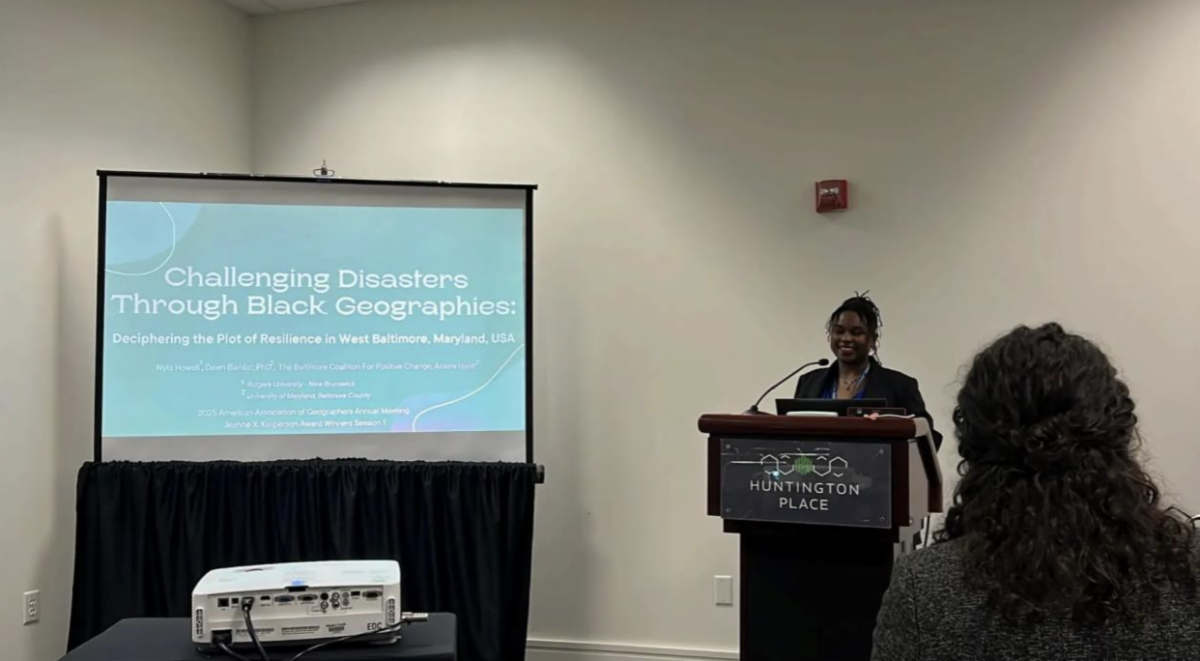
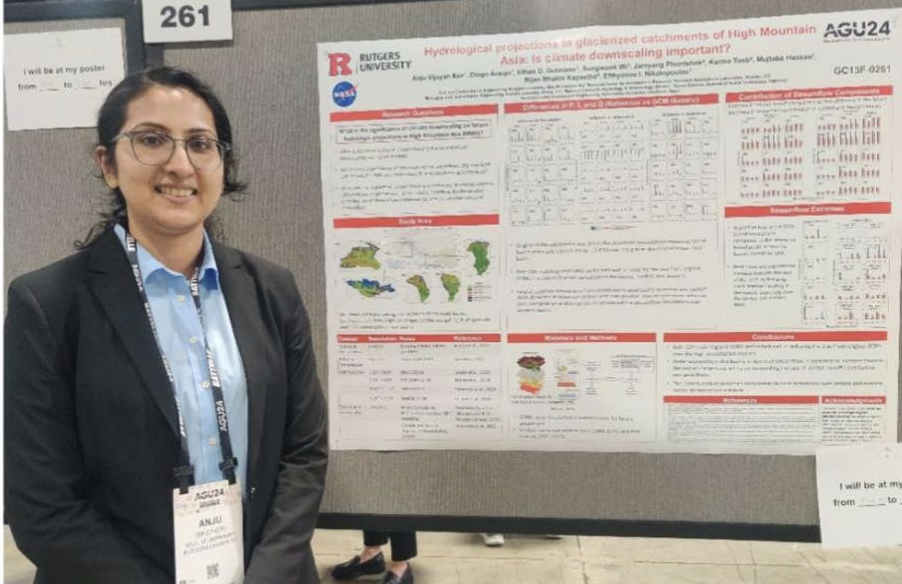
| Rutgers Graduate Student Support Program | | The RCEI Student Support Program enables graduate students to develop, conduct, and collaborate on climate and renewable energy scholarship and translate their research into real-world impacts. The support we provide from RCEI often is a ‘game changer’ for these students providing them a chance to showcase their scholarship and establish professional connections that will contribute to their success once they have completed their education at Rutgers University. Meet some of our most recent awardees and see the inspiring work these funds support. | | Xinting Wang, a Ph.D. Candidate, Earth & Environmental Science at Rutgers-Newark presents research on Assessing Air Quality and Health Risks of Transportation Emissions in Metropolitan Newark on the U.S. East Coast at the December 2024 American Geophysical Union Conference held in Washington, D.C. | | In March 2025, Nyla Howell, a Ph.D. Candidate in Geography, travelled to the American Association of Geographers meeting in Detroit. There Howell participated in two panels: 1) “Katrina at 20: The Possibility of Repair” and 2) the Jeanne X. Kasperson Graduate Student Paper Competition winners, speaking on how disasters, environmental hazards, and disaster preparedness are being redefined by a community in West Baltimore as an act of resistance to racial violence. | | Anju Vijayan Nair, a Ph.D. Candidate in Civil and Environmental Engineering, gave two presentations at AGU’s December 2024 conference: a poster (shown above) “Hydrological Projections in Glacierized Catchments of High Mountain Asia: Is Climate Downscaling Important?” and an oral presentation “Climate Change and Natural Hazards Affecting Livelihoods in High Mountain Asia”, which focused on understanding the impact of climate change on the local communities in High Mountain Asia, including heatwave risk. | |
Alexandria Ambrose, Ph.D. Candidate in Oceanography, attended the Aquaculture 2025 Conference in New Orleans in March presenting “Video Documentation of the Marine Community Using an Oyster and Clam Farm as Habitat in Barnegat Bay, NJ” sharing findings related to the habitat aspects of shellfish farms, particularly how they function as structured environments for marine life. By deploying 3-D structures in coastal waters, shellfish farms create complex habitats that support various nekton communities. This added structural complexity offers shelter, feeding grounds, and breeding sites in areas where historic natural habitats are declining due to climate change.
You can read more about these and other students’ experiences here.
| | | | |